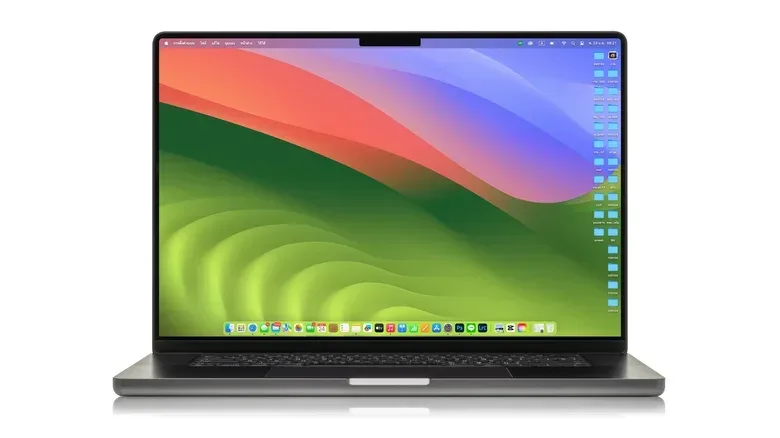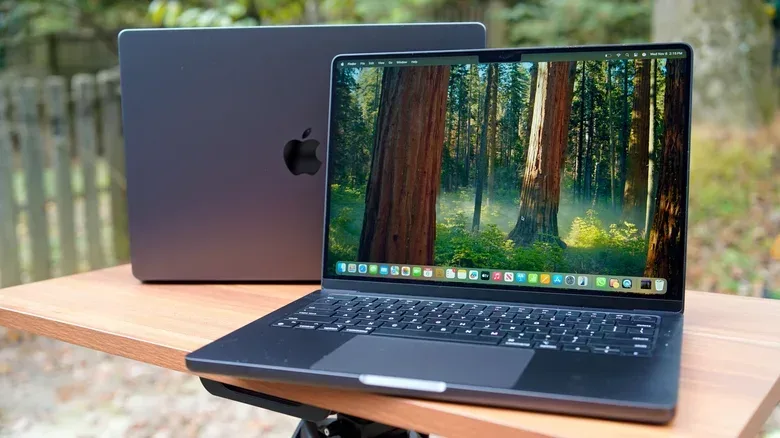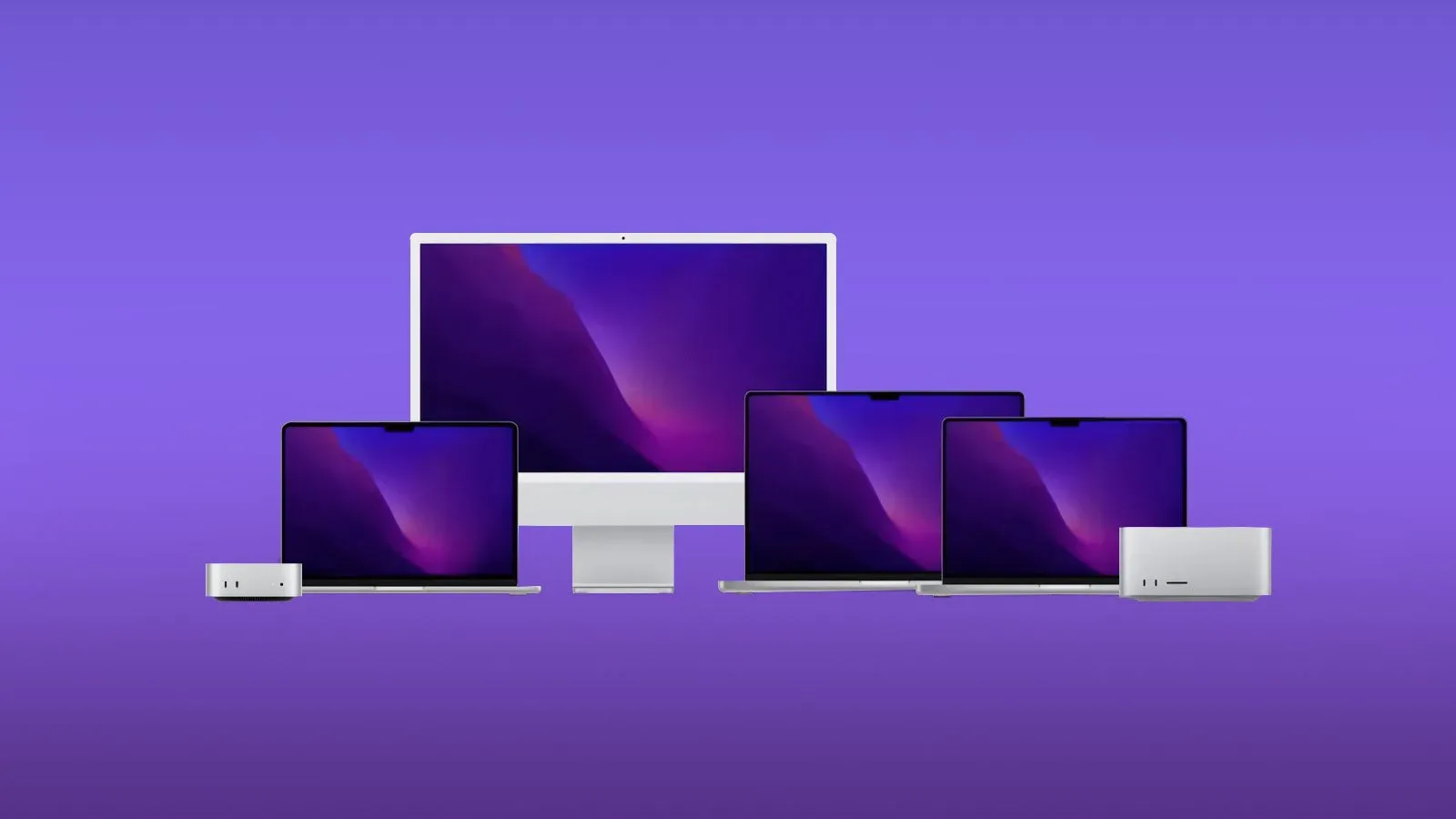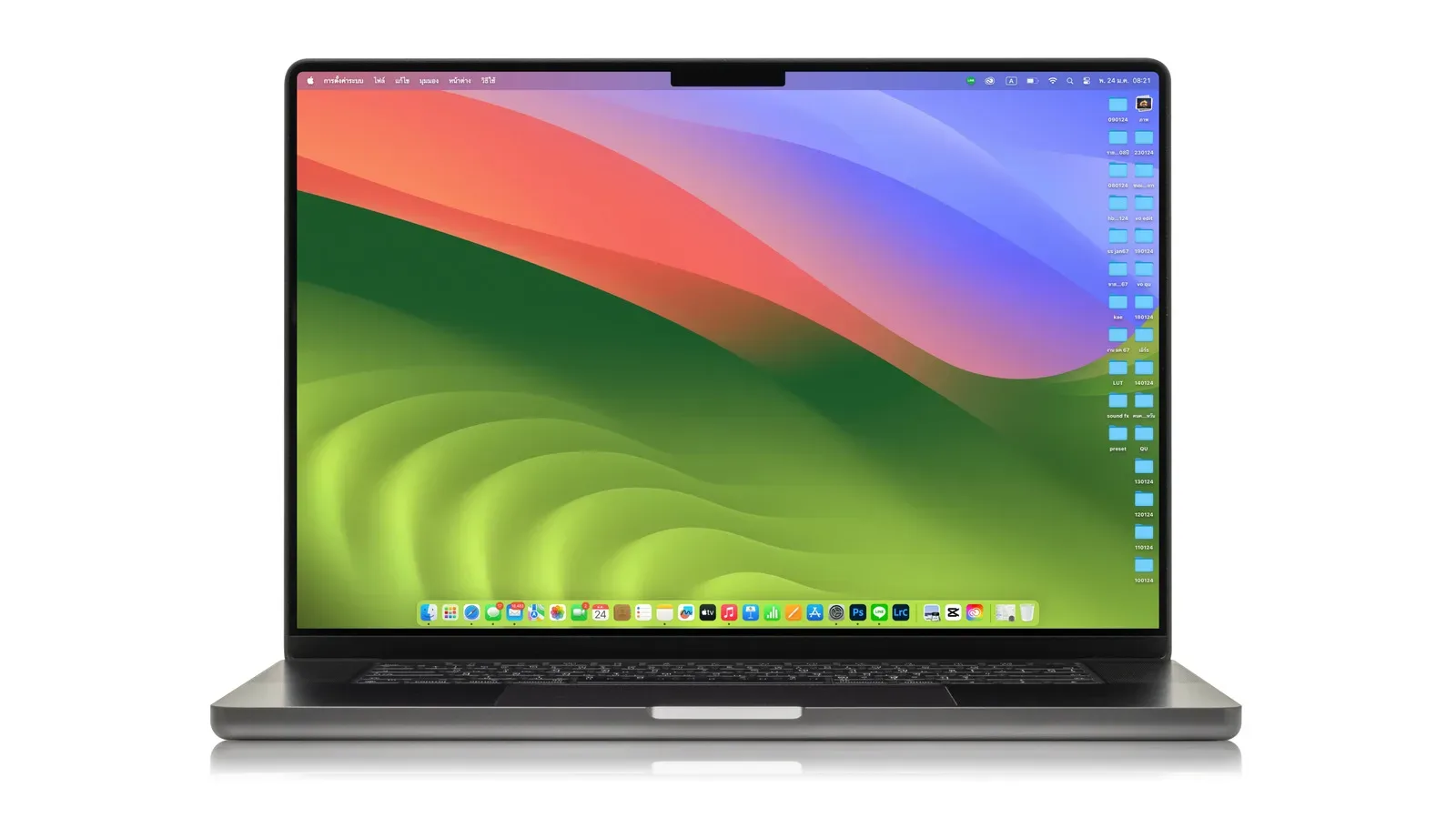
Buying a MacBook Pro in 2026 means confronting an unusual comparison: Apple’s newer laptops bring five years of silicon progress, including substantially stronger graphics and processing performance than the M1 generation, but the entry price story is no longer the relatively steady one shoppers may expect from the line.
At launch in 2021, the entry 14-inch MacBook Pro with an M1 Pro chip cost $1,999, while the entry 16-inch M1 Pro model cost $2,499. In 2026, the entry 14-inch MacBook Pro with Apple’s base M5 chip is also $1,999. The entry 16-inch model, equipped with M5 Pro, is $2,999.
Those matching or near-matching figures obscure a major recent shift. Before the latest increases, the 14-inch M5 MacBook Pro was $1,699 and the 16-inch M5 Pro configuration was $2,699. Each current entry model is therefore $300 higher than it was before the increase.
For players who use a Mac as both a work machine and a gaming machine, the result is a more complicated purchasing decision than a simple “newer is better” calculation. The M5-era machines are described as much better at running games than the M1 series, but their value depends heavily on which screen size and chip tier a buyer actually needs.
The entry-level price comparison
Keeping the comparison to entry-level configurations avoids treating every MacBook Pro as though it carries the same cost. Apple offers a range of configurations, and choices around chips, memory and storage can change the final price considerably.
- 2021 14-inch MacBook Pro, M1 Pro: $1,999
- 2021 16-inch MacBook Pro, M1 Pro: $2,499
- 2026 14-inch MacBook Pro, M5: $1,999, previously $1,699
- 2026 16-inch MacBook Pro, M5 Pro: $2,999, previously $2,699
On the face of it, the 14-inch model has held its starting price exactly flat over five years: $1,999 in both comparisons. The 16-inch model has not. Its current $2,999 entry price is $500 above the 2021 16-inch M1 Pro model.
That is the cash-price view, which matters most to anyone setting a present-day budget. But it is not the only useful view. Inflation changes what a given number of dollars represents over time. Adjusted for U.S. inflation rates, the $1,999 14-inch M1 Pro from 2021 would cost about $2,467 in 2026, while the $2,499 16-inch M1 Pro would come to about $3,084.
By that measure, today’s $1,999 14-inch M5 model sits below the inflation-adjusted cost of its 2021 counterpart, and the $2,999 16-inch M5 Pro is slightly below the inflation-adjusted $3,084 benchmark. That does not make either purchase inexpensive; it simply distinguishes a nominal price comparison from one that accounts for changing purchasing power.
Related coverage includes MacBook Pro Prices: 2021 M1 Pro vs. 2026 M5 Models.
Why the 14-inch comparison is not perfectly like-for-like
The identical $1,999 starting figures can invite a misleading conclusion that Apple is selling a direct successor at the same price. The entry chips are different tiers. In 2021, the base 14-inch MacBook Pro came with M1 Pro. The entry 14-inch 2026 MacBook Pro instead uses the base M5.
“Pro” here is a product-tier label in Apple’s chip naming, rather than a guarantee that every older Pro-branded chip necessarily outperforms every future base chip in every task. The supplied comparison says M-series silicon has advanced far enough that the current lineup represents a major graphics and processing upgrade versus the five-year-old M1 Pro-era laptops. Still, the revised entry configuration indicates a strategic change: the first rung of the 14-inch MacBook Pro range no longer begins with a Pro-tier chip.
That distinction is worth remembering for shoppers who are comparing specifications, rather than merely comparing the number on the price tag. A base M5 14-inch system and an M1 Pro 14-inch system share the MacBook Pro name and the same historical entry price, yet they do not occupy precisely the same chip position within their respective lineups.
For gaming, the more useful high-level takeaway is not that the labels match, but that the newer M5, M5 Pro and M5 Max generation brings a significant step forward in graphics and processing performance. That helps explain why the newer MacBook Pros have a stronger gaming proposition than the M1 series even as Apple’s starting configurations have shifted.
The 16-inch price jump is harder to ignore
The large-screen model makes the effect of the latest pricing clearer. At $2,499 in 2021, the entry 16-inch M1 Pro MacBook Pro was already a premium computer. Its 2026 counterpart begins at $2,999 with M5 Pro, a $500 nominal increase.
It had been a closer call before the increase. At $2,699, the earlier 2026 price was only $200 above the 2021 entry price. The additional $300 changed the discussion from a comparatively modest generational premium to a starting price that is likely to force more buyers to assess whether the larger display and M5 Pro-level power are essential.
This is not an argument that the 16-inch model lacks the performance to justify being a high-end option. Rather, it is a practical reminder that capability and affordability are separate questions. A buyer who wants the newer generation’s improved graphics and game-running potential may find that a 14-inch M5 better fits the budget. Someone who specifically wants the 16-inch form factor and M5 Pro has to plan around the $2,999 starting point.
That difference also makes the inflation-adjusted comparison particularly useful. The current 16-inch price is high in nominal dollars, but it remains just below the roughly $3,084 inflation-adjusted equivalent of the 2021 model. In other words, the current sticker shock is real, while the longer-term purchasing-power comparison is less extreme than the raw $500 gap suggests.
Component pressure is changing the usual laptop-price rhythm
The recent MacBook Pro increases arrive in a component environment shaped by AI data centers. Demand from those facilities is described as consuming supply-chain capacity for pivotal PC parts, including memory, storage and GPUs. Those pressures are pushing up electronics costs more broadly, and Apple has raised prices across its MacBook Pro range rather than continuing to absorb those costs.
Memory is especially important in this conversation. RAM, short for random-access memory, is the fast working space a computer uses for active programs and data. It is not the same thing as long-term storage. Storage holds files and installed software; memory is where the system does immediate work while applications are open. Pressure on either category can affect a laptop’s overall cost, but the reported shortage has put particular attention on memory.
GPUs, or graphics processing units, are another relevant component category. They handle graphics-focused workloads, including game rendering. The 2026 MacBook Pro chip family’s graphics gains matter to players, but the broader demand for components tied to AI infrastructure can still affect the price of the hardware needed to deliver those gains.
The important point is that the $300 increases are not presented as routine annual tuning. They are linked to supply constraints and the knock-on effects of AI-related demand. This is why the pre-hike prices remain valuable reference points: at $1,699 and $2,699, the 2026 entry models would have compared more favorably with their 2021 predecessors.
What this means for Mac gamers weighing an upgrade
The M5 generation’s stronger graphics and processing performance gives prospective buyers a reason to look beyond the M1 era if gaming matters. But a good upgrade decision begins with separating the questions that the price table can answer from those it cannot.
The table can establish that the 14-inch entry price has returned to $1,999 after sitting at $1,699, while the 16-inch M5 Pro entry price has climbed to $2,999 from $2,699. It can also establish that the 2026 lineup is much stronger for games than M1-series MacBook Pros. It cannot, on its own, determine which particular configuration is right for a person’s library, preferred display size or non-gaming workload.
That makes screen size and chip tier sensible first filters. The 14-inch M5 is the lower-priced way into the current MacBook Pro family. The 16-inch M5 Pro costs $1,000 more at entry level, so the larger screen and higher chip tier need to be meaningful priorities rather than incidental bonuses. The 16-inch model may be the desired choice, but the current price puts a premium on being clear about that need.
Buyers also should be cautious about assuming that a five-year comparison guarantees that pricing will settle down quickly. The component situation is expected to continue for at least the next few years, with the possibility of similarly striking prices on subsequent MacBook Pro generations. That uncertainty does not prove another increase is inevitable; it does mean waiting for a conventional, painless price progression may be a less reliable plan than it would be in a normal market.
For broader context on why raw performance figures do not always tell the whole purchasing story, see our look at how modern chips have changed the role of manual CPU overclocking. The MacBook Pro comparison is similarly about balancing what newer hardware can do against the price and configuration required to get there.
A five-year comparison with two valid answers
There are two honest ways to summarize the MacBook Pro price picture. In raw dollars, the 14-inch entry model is back at its 2021 $1,999 level, while the 16-inch entry model costs $500 more than it did in 2021. Those are the numbers buyers will see when they budget today.
After inflation adjustment, the newer models compare more gently: the 14-inch is well below the 2021 equivalent and the 16-inch is a little below it. At the same time, the 2026 range has been hit with $300 increases associated with an AI-driven component crunch, and its starting tiers are not a perfect mirror of the 2021 lineup.
That combination is what makes the current MacBook Pro market notable. The hardware has moved forward, including better game performance than M1-series machines, but the supply-chain backdrop has made that progress more expensive to access than the pre-hike prices suggested it would be.