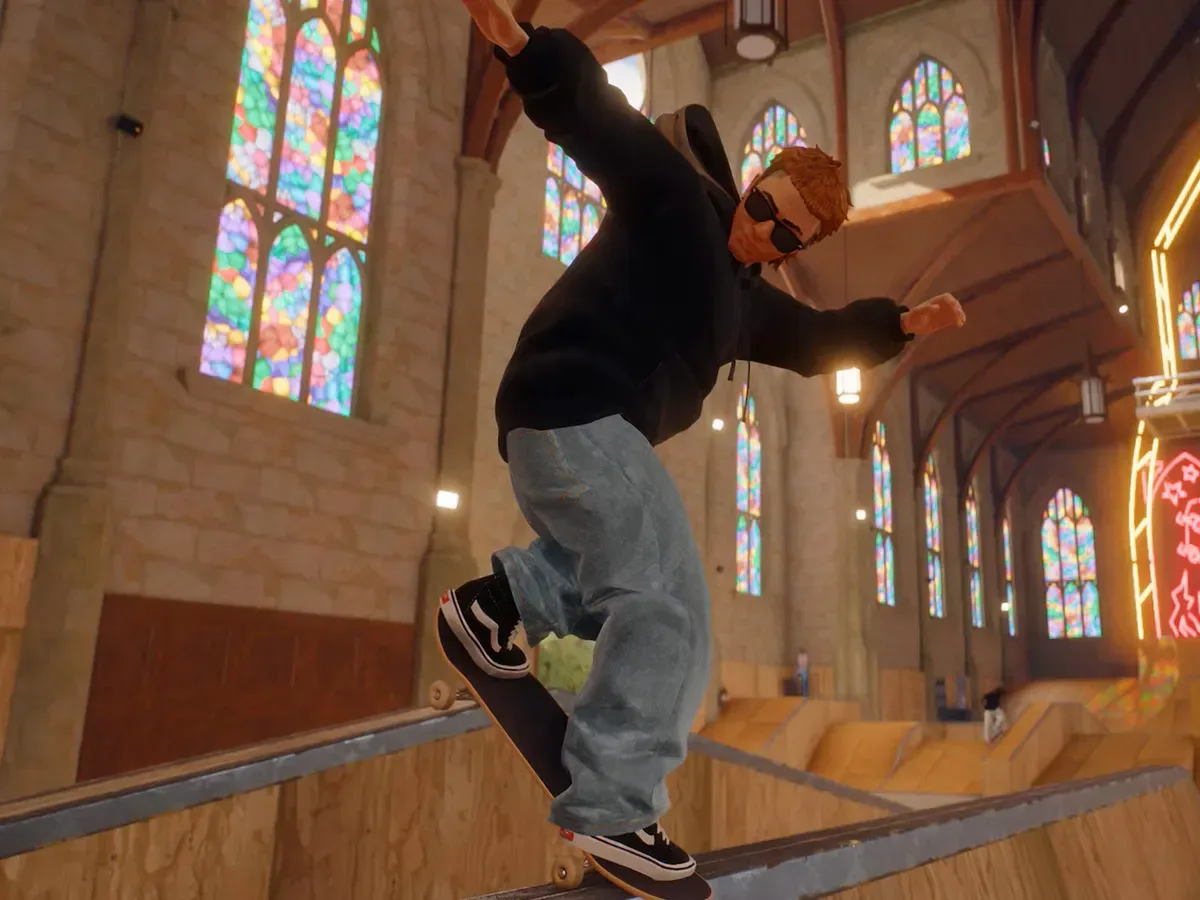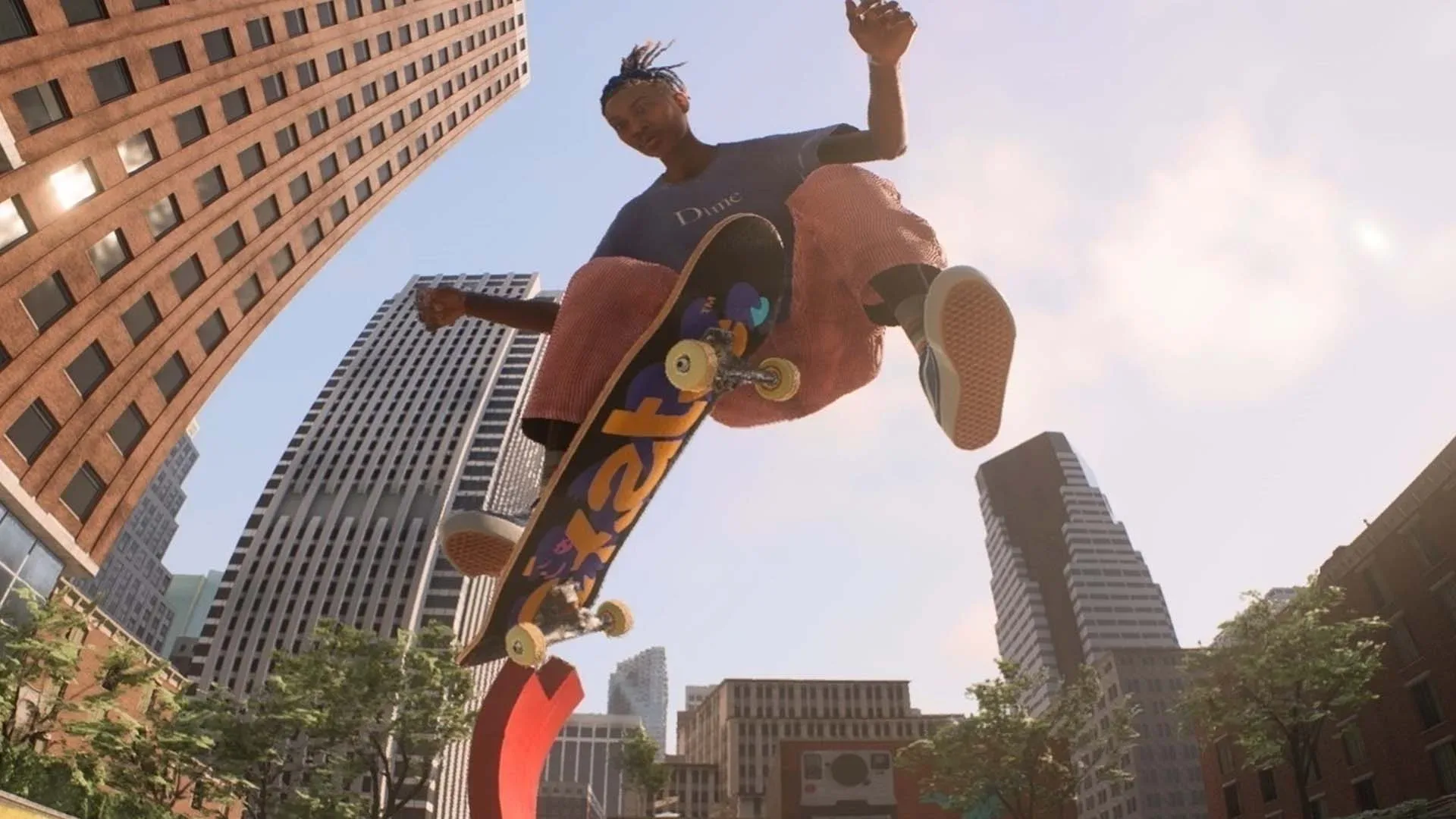
Full Circle has addressed the rapid growth of ReSkate, the unofficial modding platform built around the free-to-play skating sandbox Skate. The studio’s message is not a blanket rejection of player creativity. Instead, it draws a firm distinction between mods that expand expression and tools that bypass the game’s systems to access paid cosmetics, gated or unreleased material, or unauthorized assets used for profit.
That distinction matters because ReSkate’s most consequential appeal is not simply a new outfit or an elaborate custom map. It is the option to take a game designed around an always-online ecosystem and play it offline while retaining access to Steam’s ecosystem. For a portion of the community, that answers a long-running desire to use Skate on their own terms. For Full Circle, it creates an obvious collision with a game whose free-to-play operation depends on controlled access, official services and cosmetics.
What ReSkate adds to Skate
ReSkate arrived roughly a week before Full Circle’s response and has accumulated more than 350,000 downloads. The open-source project supports community-run servers, custom maps and character skins, while its offline functionality has emerged as the headline feature. It can also be played through Steam’s Proton compatibility layer, an important point for players who use that Linux-focused technology to run Windows games through Steam.
In simple terms, a community-run server is a server operated outside the developer’s own official service infrastructure. A custom map is player-created or modified playable space. Both can be central to a game’s creative community. But offline access is a different category of modification: it changes the basic relationship between player and service. An always-online game normally expects a persistent connection to the publisher’s systems, whether for account functions, progression, social play, content delivery or entitlement checks. ReSkate gives players a route away from that requirement.
The supplied details describe ReSkate as AI-made and open source, alongside a wider rise of AI-assisted decompiles and projects sometimes characterized as “vibe coded.” Those labels should not be confused. Open source generally means that a project’s code is available for others to inspect, use or modify under its applicable licence. Decompilation refers to attempting to reconstruct higher-level code or program logic from compiled software. “Vibe coding” is a looser contemporary term for software development heavily driven by AI prompts and iterative output rather than conventional line-by-line authoring. None of those labels, by themselves, settles whether a project is permitted, safe or compatible with a game’s terms and systems.
Full Circle’s line: creativity is welcome, bypasses are not
Full Circle framed skateboarding as a culture rooted in community and creative expression, and said it supports those qualities in player work. Its objection is narrower but significant: mods or external tools that sidestep protections around paid cosmetics, unlock content that has been gated or not yet released, or turn unauthorized assets into a revenue stream.
The studio’s reasoning is that those activities can harm more than the publisher’s immediate business. It specifically points to artists, skate brands, creators and its own development team, all of whom contribute to bringing skate culture into the game. In other words, the issue is not merely whether a player edits a local installation. It is whether the modification breaks the links between content, permissions, release plans and the people whose work or licensed material helps make that content possible.
This is an important practical divide for players assessing the situation. Customization can sound like one broad category, yet a fan-made map and an unlocked premium cosmetic raise very different questions. Likewise, hosting a community server and distributing unreleased assets are not equivalent acts. Full Circle’s statement places the latter types of conduct beyond the boundary it is prepared to accept.
Related coverage includes Full Circle Responds as ReSkate Brings Offline Play to Skate.
The studio has not stated that it will shut ReSkate down or technically block access to it. It is, however, urging players to remain in the official ecosystem. Full Circle also says it intends to add official, secure access tools that enable broader and deeper community creation. That is a meaningful promise, though it is not a detailed feature roadmap. The available information does not establish what those tools will include, when they will arrive, or whether they will reproduce ReSkate’s offline play and community-server functions.
Why offline play is the centre of the argument
Skate, released in 2025 and also referred to as skate., differs substantially from earlier entries in the series. It is a free-to-play sandbox in early access rather than a traditional single-player campaign, and it requires users to stay in its online environment. That structure makes preservation and autonomy especially sensitive subjects. If access depends on a live service, players cannot treat the game as a wholly self-contained piece of software in the same way as an offline release.
For fans, an offline mode can mean control over when and how they play. It can also reduce dependence on the status of a remote service. For the studio, the same independence may cut across the design of a freemium product. Freemium describes a model where entry is free while some content, commonly cosmetic items in games, is sold separately. If players can access paid cosmetics or restricted content without going through authorized systems, that threatens a revenue model built around those permissions.
That tension is sharper because the game’s early-access run has reportedly included weak player retention, followed by a studio restructuring in February. Retention is the measure of how many players continue returning after trying a game. It is particularly important to a live, free-to-play game: a long-running player base supports social activity and, potentially, ongoing spending. ReSkate’s download total therefore presents a complicated signal. It indicates strong interest in an alternative way to engage with Skate, but it does not automatically show that the same users would participate in the official version under its current terms.
The practical question for Full Circle is whether it can turn that interest into sanctioned community activity without surrendering the protections it considers essential. Official creation tools could offer an answer if they give creators meaningful room for maps, social spaces or other forms of expression while keeping paid, unreleased and licensed material within controlled boundaries. But the studio’s statement is only a commitment to pursue broader, secure access tools; players should not read it as confirmation of an official offline mode.
The ReSkate team’s stated position
ReSkate co-creator zee_x64 has said the team was acting out of affection for the game rather than trying to undercut Full Circle’s operations. The co-creator also acknowledged the basic reality of a free-to-play game: ongoing development needs a way to generate revenue. The team has further said that it would not fight if EA’s legal team contacted it.
That stance does not resolve the dispute, but it clarifies that the project’s creators do not publicly frame their work as an attempt to replace the official business. It also underscores why a clear official toolset could be valuable. If community creators and the developer share an interest in maps, social play and skateboarding expression, rules and supported routes for building those things could reduce some of the ambiguity around unsanctioned tools. The harder issue remains offline access, since it is precisely the feature that most directly steps outside the game’s intended live-service structure.
What players should take from the response
- Creative modding is not being rejected outright. Full Circle says it supports player creativity and community expression.
- Paid, gated and unreleased material is the clearest red line. The studio explicitly objects to bypasses that unlock those assets, as well as profiting from unauthorized ones.
- Official creator tools are planned, but their scope is unknown. There is no stated release date or confirmed list of functions.
- ReSkate’s future has not been formally defined. Full Circle has asked players to remain official but has not announced an effort to close the project or block it.
- Offline play is not confirmed as an official feature. It is a major reason ReSkate has drawn attention, not a feature Full Circle has promised to adopt.
The episode also lands in a larger debate about AI-assisted software projects, ownership and creator consent. Although the circumstances differ, questions over who controls creative work and how it is used are increasingly visible across entertainment; recent performer-consent concerns around AI use show how those issues extend well beyond game modding.
For now, Full Circle’s position is direct: it welcomes the community spirit behind skating culture, but it wants that spirit expressed through secure and official channels rather than tools that evade the systems supporting its live, free-to-play game. ReSkate’s popularity makes clear that many players want more freedom than the official experience currently provides. Whether planned creation tools can bridge that gap is the next unanswered part of the story.