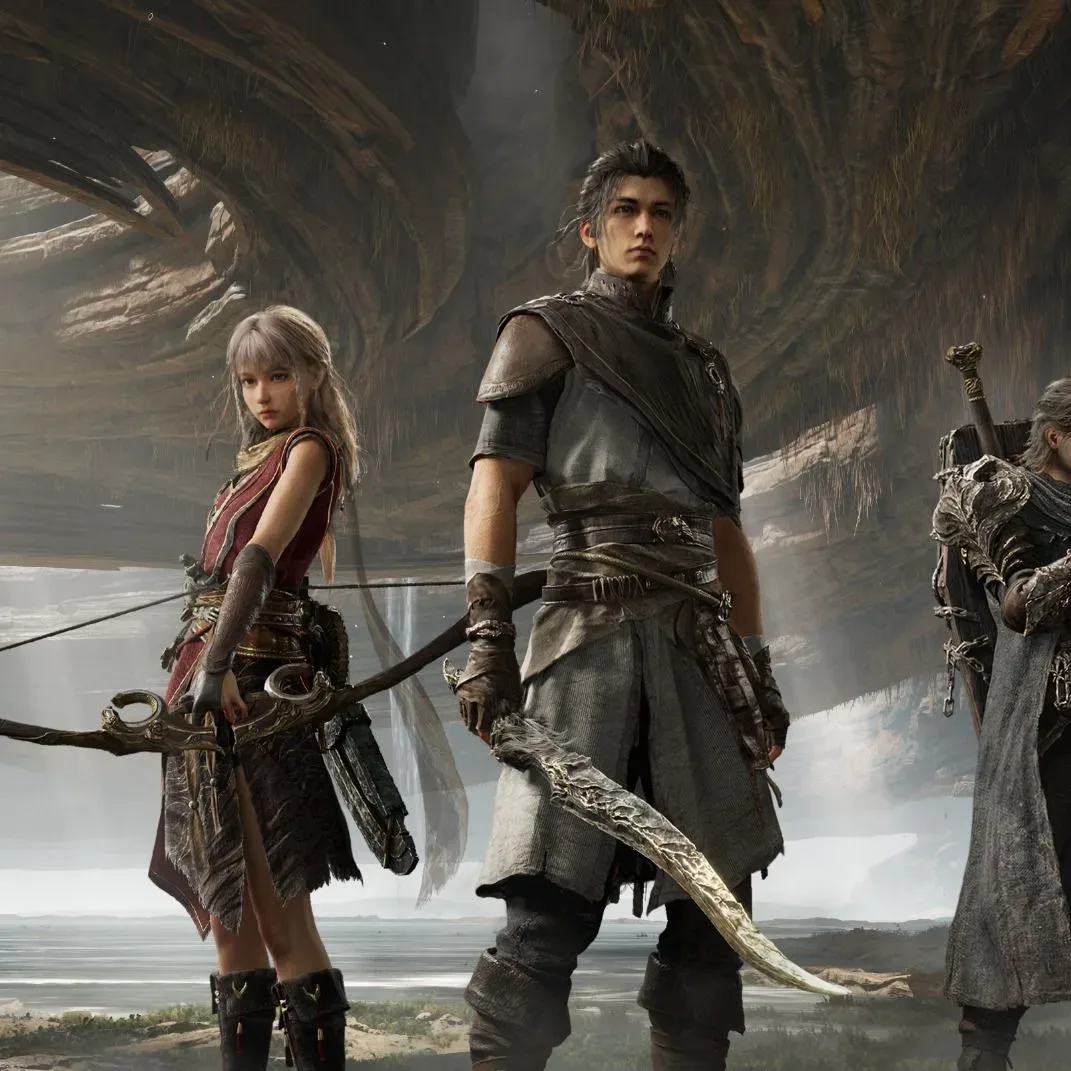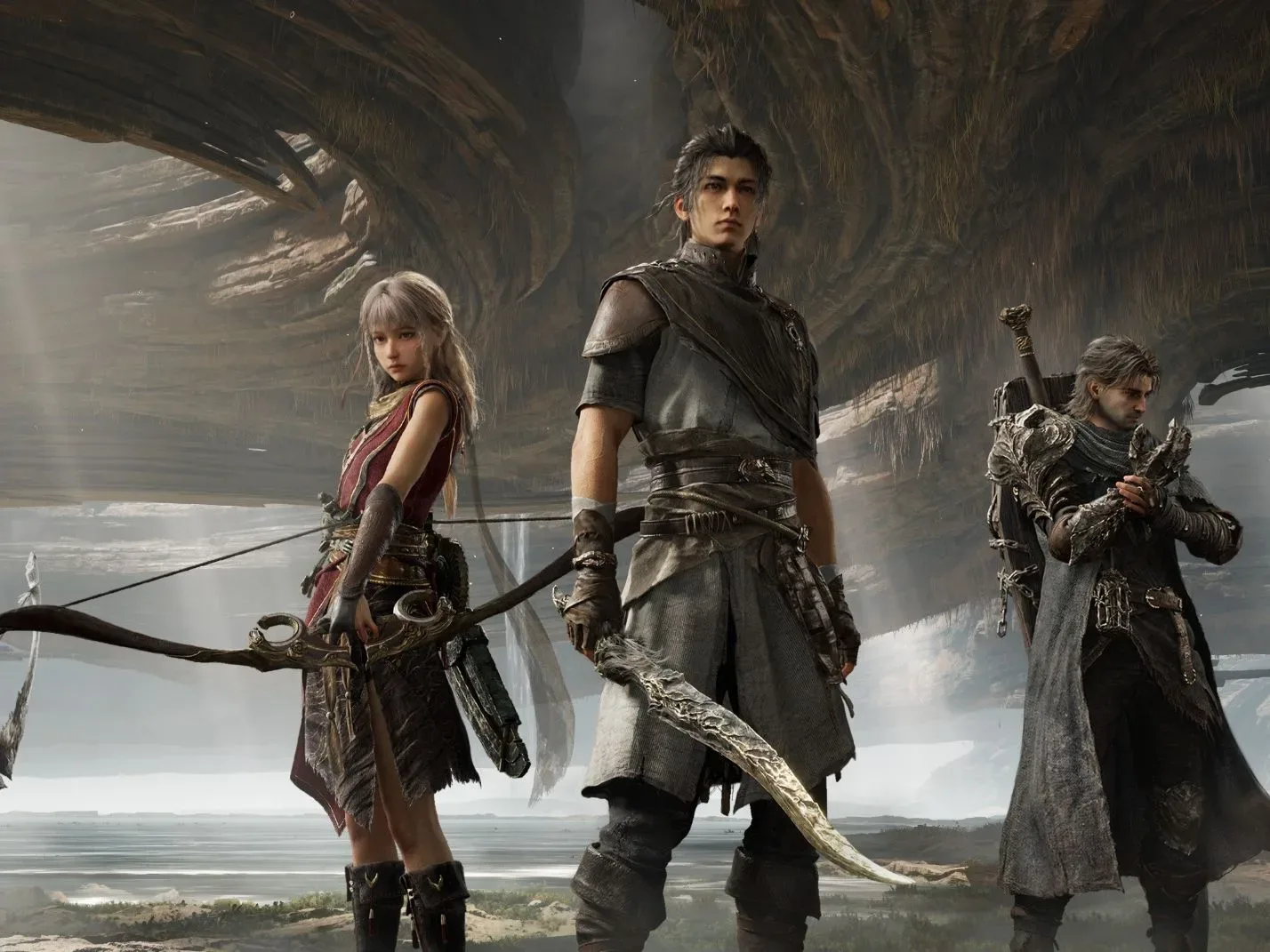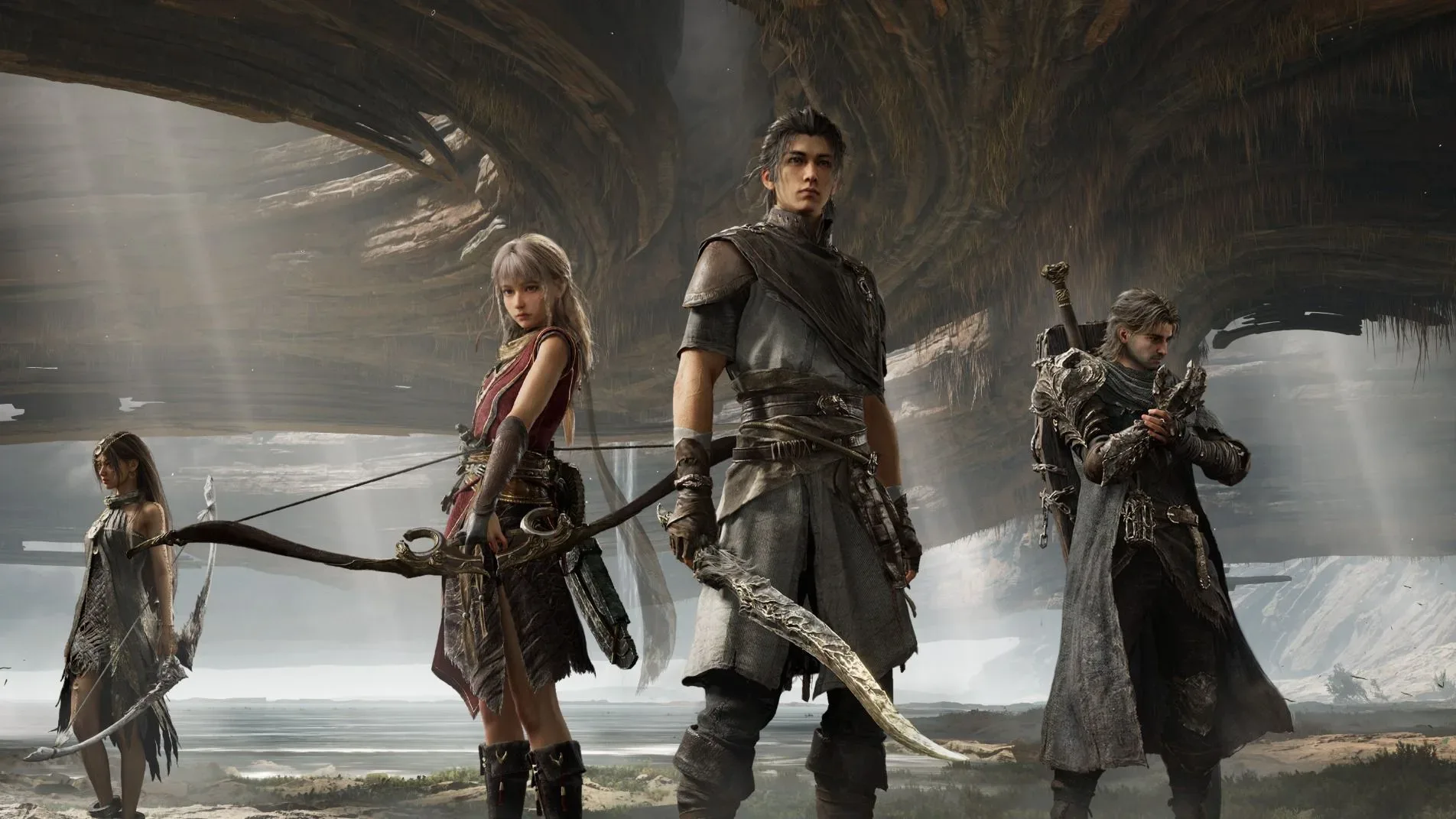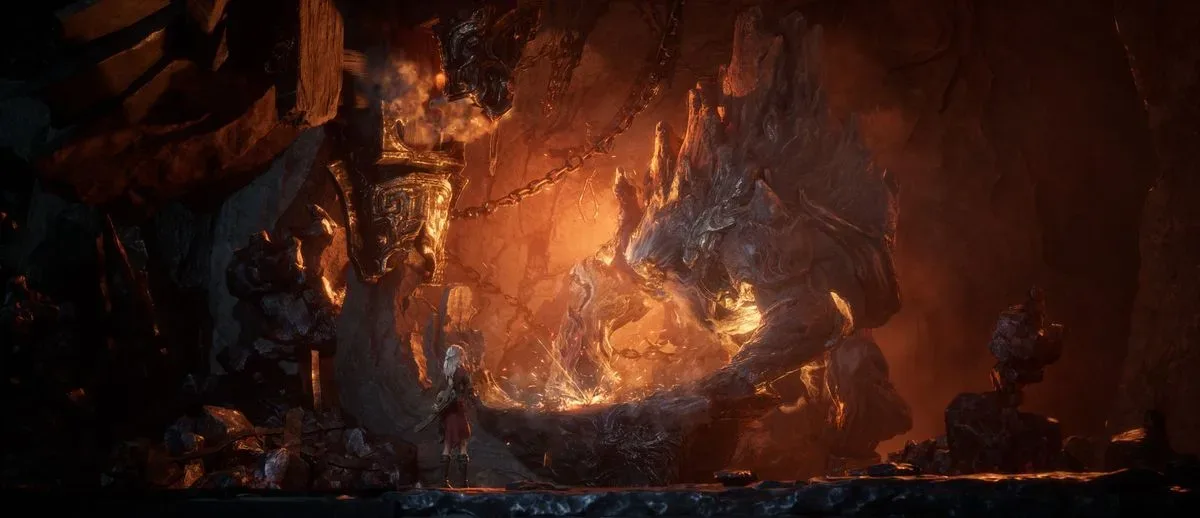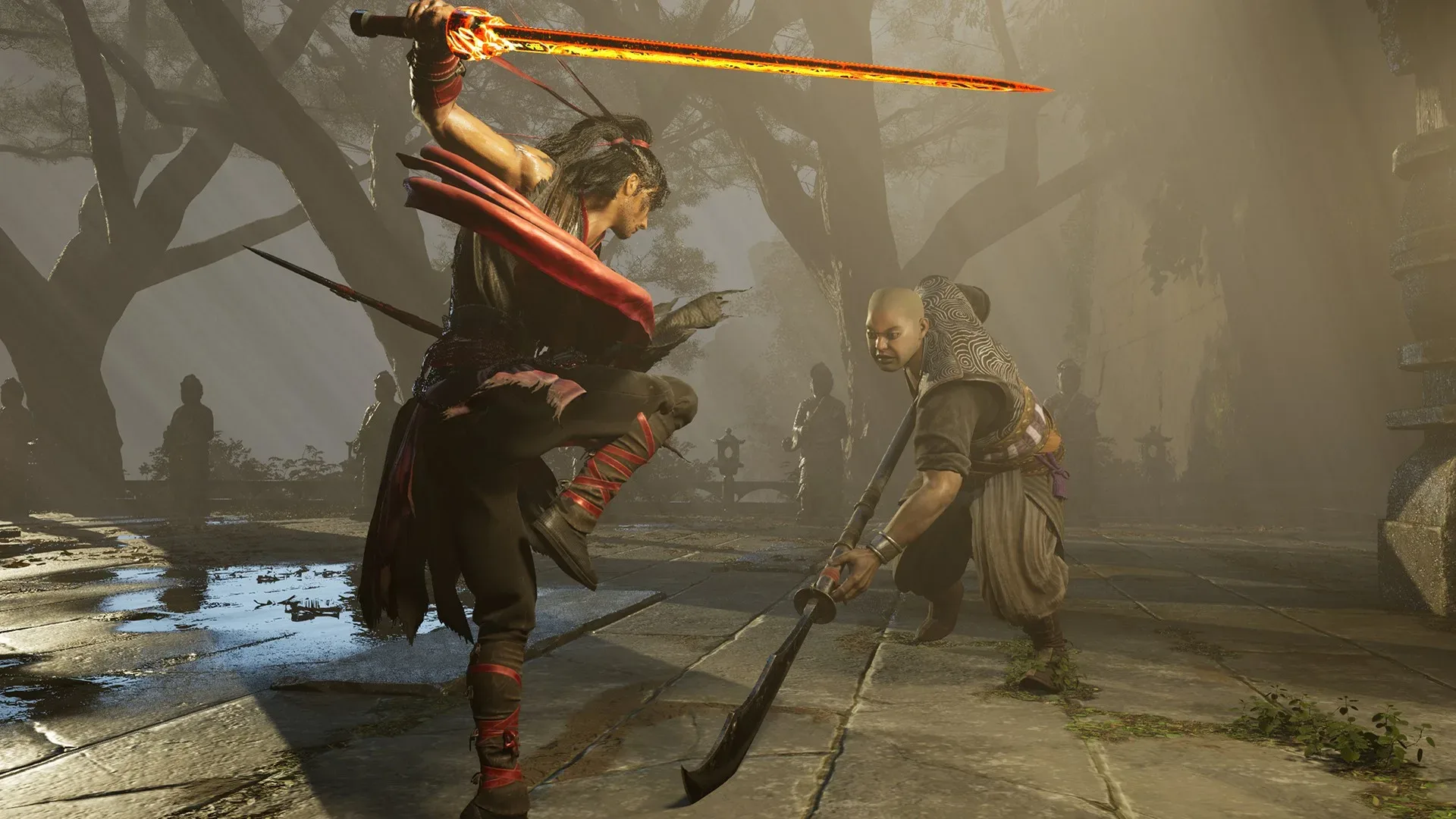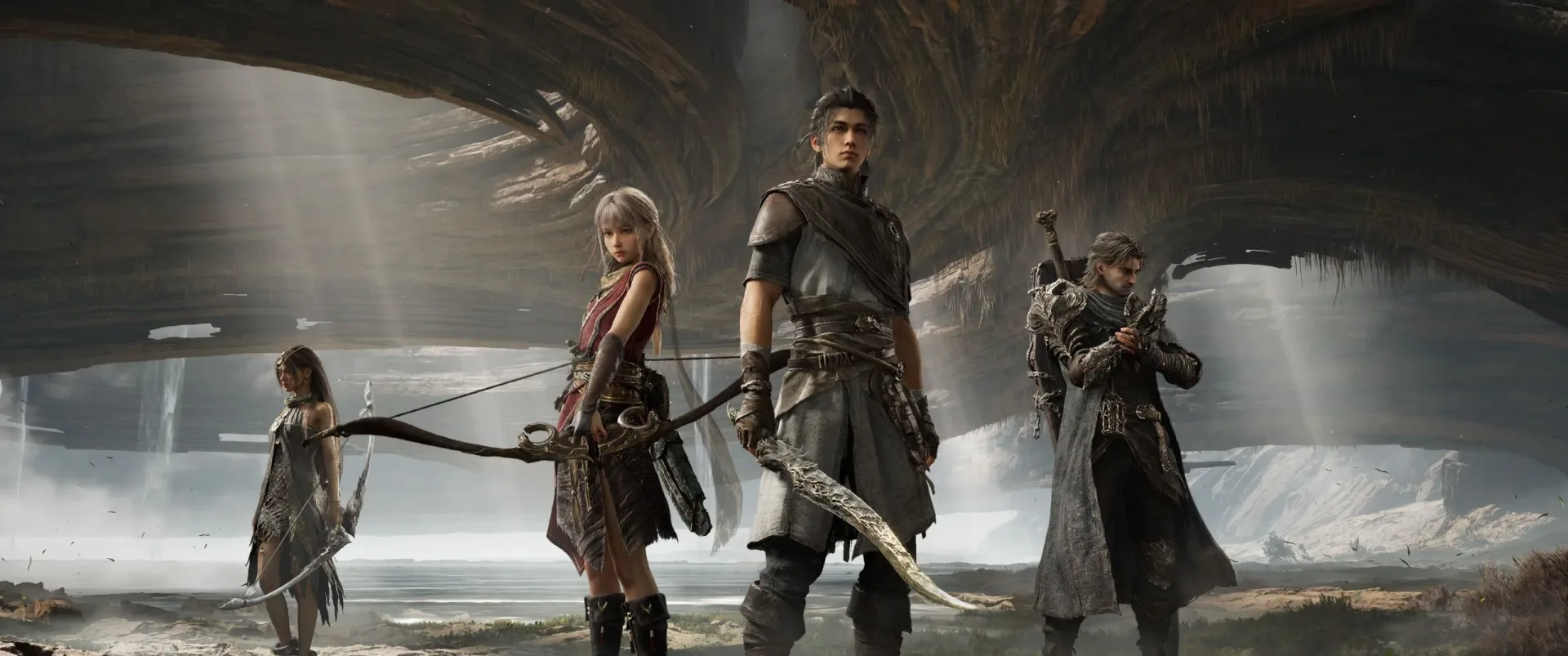
MiHoYo’s next game, Nodusfall, is heading to PC as a free-to-play action title with a notably darker personality than the studio’s best-known games. Its revealed direction leans into grim landscapes, enormous creatures, rest points, healing flasks, summoned mounts, and co-op boss encounters. That visual and mechanical combination will inevitably bring certain modern fantasy action games to mind, but Nodusfall’s early identity appears to hinge on a different promise: big, coordinated encounters designed to be more approachable for a wider range of players.
The game currently has a TBC release date, and the available details point to a project still defining its full long-term shape. Co-op PvE has been shown, while PvP and PvPvE modes are planned further down the road. MiHoYo has also said that most core content should be playable solo. For players who want an excuse to gather a party, however, Nodusfall seems especially interested in making each teammate’s job feel distinct rather than simply handing four damage dealers different kinds of sharp objects.
A somber new look for MiHoYo
Nodusfall does not arrive with the bright palettes and cheerful anime-adventure energy many people associate with Genshin Impact or Honkai: Star Rail. Instead, its atmosphere is severe, shadowy, and built around hostile creatures and high-stakes combat. That contrast alone makes it an intriguing departure for MiHoYo, even before the game’s co-op structure and monetization plans enter the conversation.
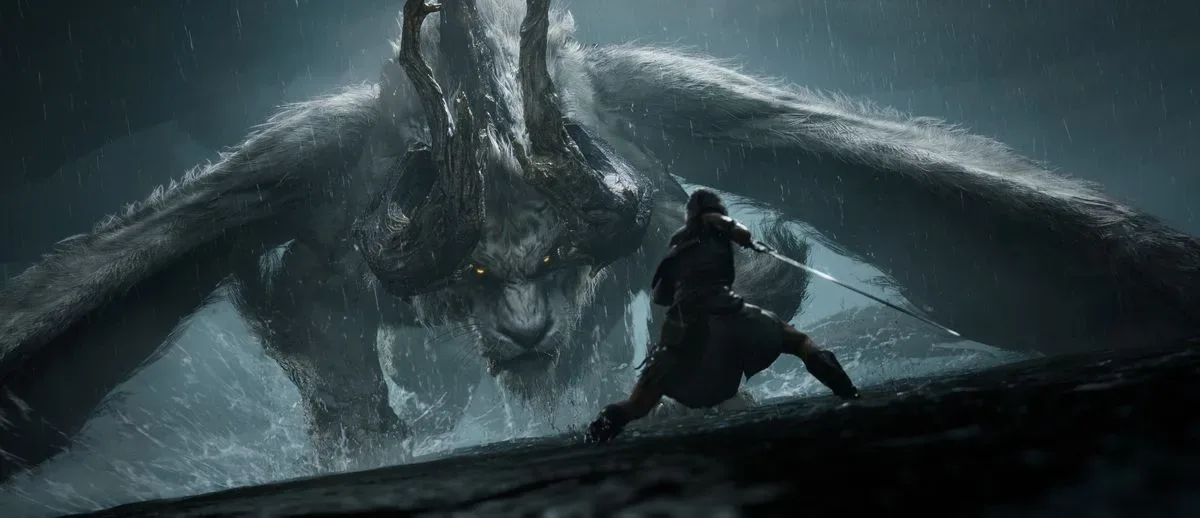
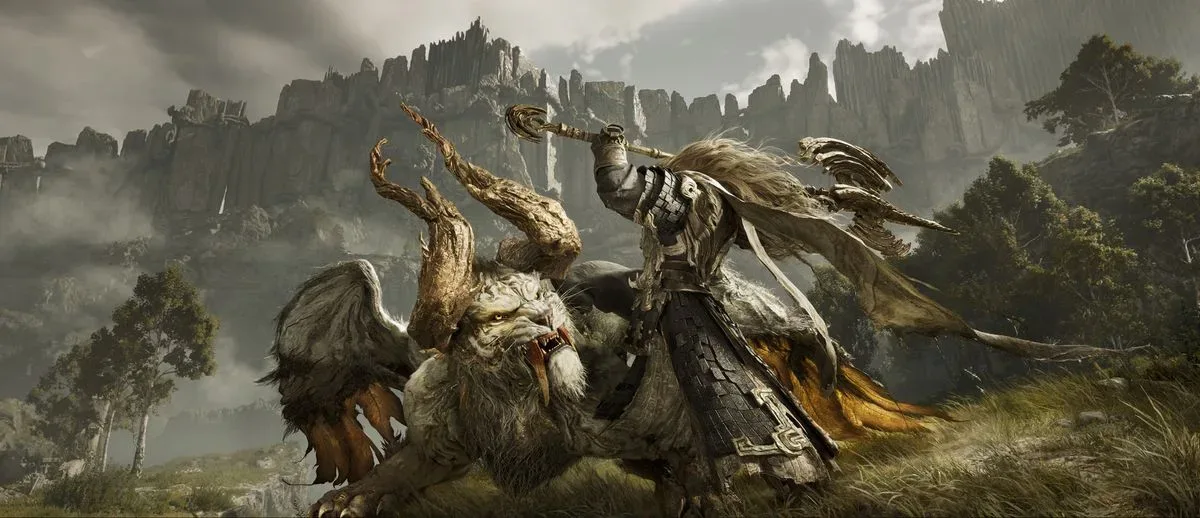
Several visible elements have fueled comparisons to FromSoftware’s work. Nodusfall includes a whistle-called mount, flask-style healing, places to rest, and at least one transformation with huge weathered wings that recalls the escalating spectacle of Soulslike boss design. Those similarities are real enough that players will scrutinize the game closely. Yet copying the surface language of a genre is not the same thing as copying its purpose. The important question is whether Nodusfall can make those familiar tools serve its own multiplayer rhythms.
The answer may lie in its willingness to make cooperation explicit. While plenty of action games allow friends to fight side by side, not all of them make room for a genuine support specialist. Nodusfall does. That could create a more inviting route into boss hunting for players who prefer positioning, timing, recovery, and team awareness over relentless close-range pressure.
The healer is more than a spectator
One showcased playable character is a dedicated healer with an arsenal that is not limited to watching health bars. Her offensive kit includes smaller magic projectiles, ice-based attacks, and a large beam attack. The central role, though, is restoration. She can channel healing into a chosen teammate or use a tighter area effect to help several nearby allies.
That design is significant because it gives a party a reason to think about composition. A healer who can contribute meaningful magical damage but remains responsible for stabilization is not merely a safety net; she changes how a group approaches danger. Teammates may have more room to commit to a risky attack string, split attention across multiple targets, or recover from mistakes without every encounter becoming an all-or-nothing race.
There is still room for refinement. Targeted healing was described as occasionally awkward, with the lock-on selecting an unintended nearby ally when another player was the one in trouble. In a game where a support character’s decisions could decide whether a team survives, dependable targeting will matter enormously. It is the kind of seemingly modest interface issue that can become very loud when a dragon is stomping on everyone’s lunch.
Still, the broader idea is promising. A role-aware co-op game can accommodate friends with different comfort levels and different appetites for danger. One player can learn boss patterns at melee range, another can focus on ranged damage, and a support player can keep the party functional. It is a more structured version of the social give-and-take celebrated in the unwritten rules of couch multiplayer, translated from sofa chaos into a dark fantasy battlefield.
Bosses built for spectacle, with a softer edge
The preview material included three bosses: a massive dragon, Qiongqi, and Maldrake. Qiongqi is presented as a horned, winged beast with roots in Chinese mythology. Maldrake, meanwhile, underscores the game’s interest in multi-stage spectacle. Its encounter changes when the knight riding the dragon dismounts and attacks from the ground, forcing the party to divide its attention between two threats.
That is exactly the sort of encounter setup that makes co-op action games memorable. Instead of simply increasing a creature’s health pool for a group, a good multi-phase boss asks the team to react to a changed battlefield. Splitting forces, prioritizing targets, deciding when to heal, and coordinating a burst of damage can make a fight feel like a shared event rather than four people independently whacking the same ankle.
Nodusfall also has flashy team maneuvers called Joint Executions. One example involves players driving a massive greatsword into a beast’s head together. Such finishers are more than visual punctuation if they are paced well: they give the party a communal payoff and help encounters feel authored around cooperation. They could also be a compelling incentive for solo-capable players to join others, since the game’s social version may offer moments that cannot be replicated alone.
What separates Nodusfall from its most obvious genre comparison is difficulty. The early PvE experience was described as substantially less punishing, with abundant healing making defeat rare. For some veteran Soulslike fans, that may sound like a loss of tension. Victories earned through repeated failure and exact execution provide a particular kind of satisfaction, and a generous supply of recovery can reduce that pressure.
But accessibility is not automatically the absence of challenge. It can be an invitation. A less brutal baseline could let more people see demanding-looking bosses, understand phase changes, and participate in co-op without the fear that one new player will doom an entire group. The unanswered question is whether later content can offer scalable difficulty, demanding optional challenges, or enough mechanical depth to keep experts engaged. With a TBC launch date, Nodusfall has time to clarify how wide its skill ceiling will be.
Free to play, but characters are earned through play
Perhaps the most consequential detail is MiHoYo’s approach to character access. Nodusfall is planned as a free-to-play game, but playable characters are not intended to sit behind a gacha system. The studio has said characters will be unlocked through continued play.
For a character-based action game, that distinction matters. If each hero fills a tactical role, locking them behind randomized pulls can complicate party planning and create an uneven experience among friends. Earning characters by playing means that building a roster is connected to participation rather than luck. The system’s exact requirements, pace, and progression structure have not been detailed, so it is too early to call it player-friendly in every respect. Still, the stated direction is a meaningful departure from assumptions people might bring to a new MiHoYo game.
Cosmetics may instead become the principal monetization route. Outfit changes and accessories, including a glowing cape, have already indicated where optional spending could enter the experience. Cosmetic sales are not invisible or consequence-free, particularly if customization becomes aggressively priced or heavily promoted. Yet keeping purchases separate from combatants and their core functionality is a far easier proposition to evaluate than randomized access to playable roles.
This is also where Nodusfall’s presentation could become part of its long-term appeal. A dark fantasy game with striking capes, armor silhouettes, mounts, and magical effects is built for visible identity. The challenge will be ensuring those cosmetic ambitions complement the world rather than turning every rest point into a runway full of glowing budget negotiations.
Why Nodusfall may find its own audience
There is no avoiding the fact that Nodusfall’s early look evokes familiar games. The mounts, rests, flasks, imposing bosses, and bleak atmosphere establish that quickly. But the more useful frame is not whether it can replace a notoriously demanding action RPG. It is whether it can serve players who want spectacular co-op hunts, readable roles, dramatic finishers, and room to improve without facing a punishing wall from the outset.
That audience is potentially large. Friends often have mismatched experience with difficult action games; one person wants to master every dodge window, another wants to cast spells from safety, and another would rather keep the team standing. Nodusfall’s healer, party-oriented encounters, and planned solo access suggest it is trying to accommodate all three. Its future PvP and PvPvE plans add another possible layer, though those modes remain too distant to judge.
MiHoYo’s task now is to turn a strong collection of familiar-looking ingredients into a combat system with its own weight and character. Early impressions indicate that attacks could use more impact, and healing targeting needs precision. At the same time, the game already has a recognizable foundation: a gloomier world, cinematic multi-phase monsters, cooperative executions, and a progression model that promises playable characters through gameplay. For anyone who has watched a friend bounce off harsher boss games, Nodusfall may become a welcome bridge rather than a watered-down imitation.
It is another example of how games are increasingly designed around shared experiences and evolving forms of participation, a theme also visible in interactive projects exploring shared spaces and new storytelling tools. Nodusfall’s version is simpler and bloodier: get the team together, identify the dragon’s new problem, and hope the healer’s lock-on finds the correct person this time.