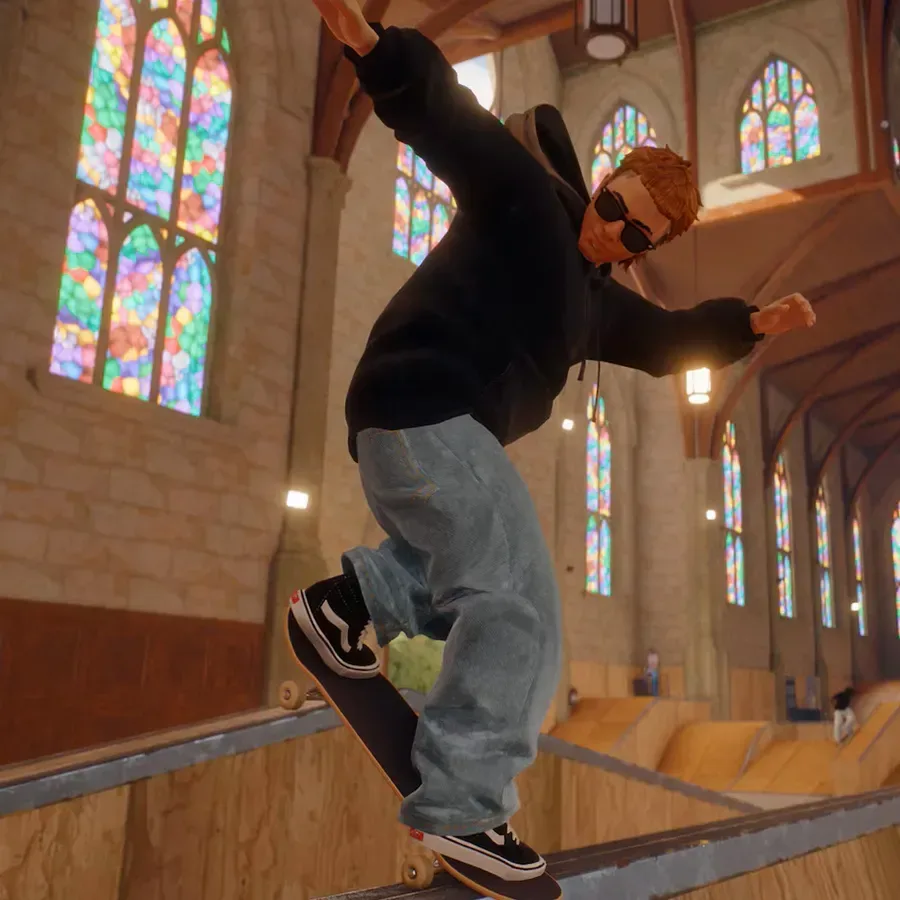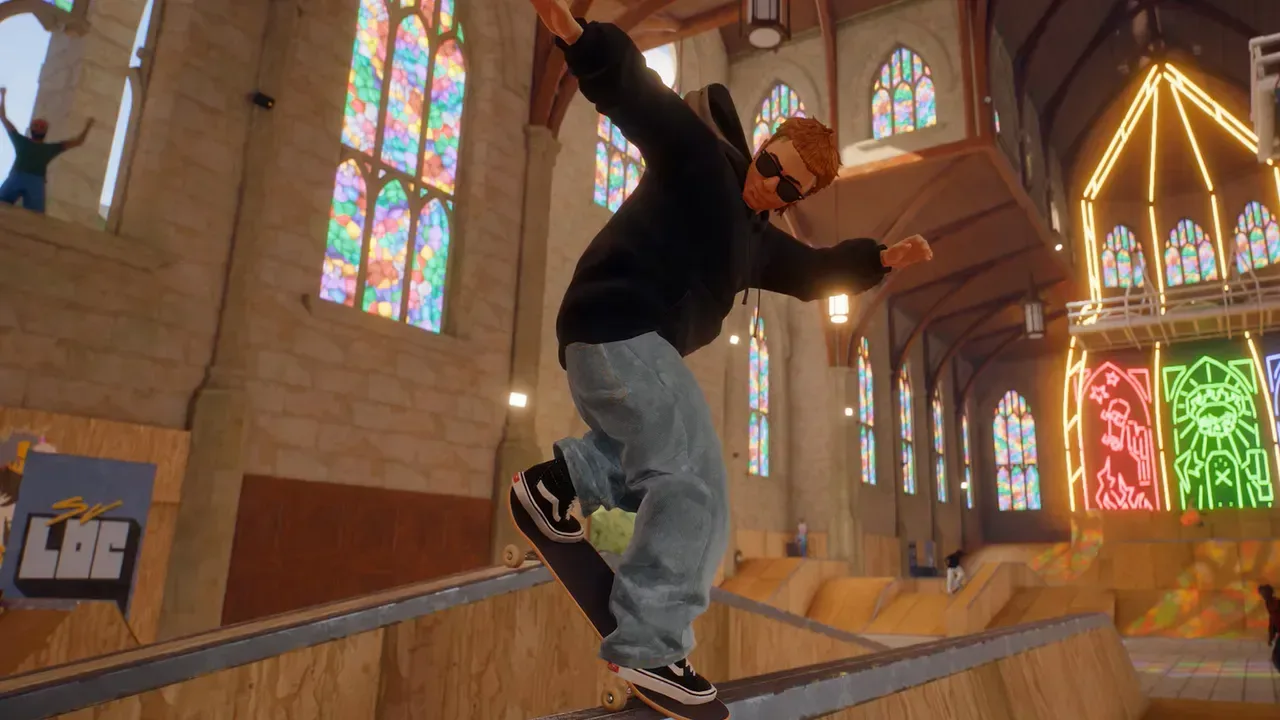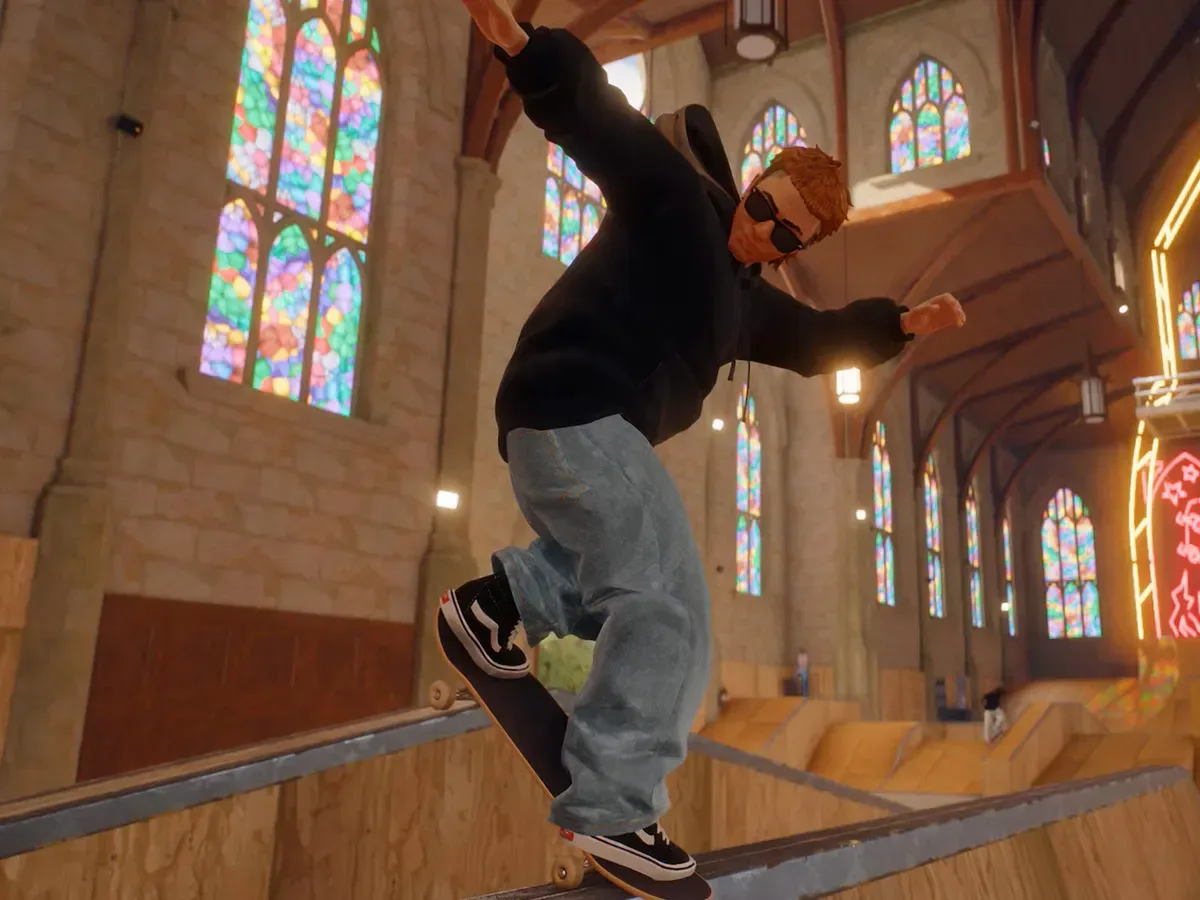
Full Circle has responded to the sudden prominence of ReSkate, a fan-made modding platform for Skate, with a message that is encouraging for creators but notably firm on the limits of unauthorized tools. The studio says it is working on official, secure access tools intended to support broader and deeper community creation, though it has not said when those tools will arrive or specified their eventual features.
The timing matters. ReSkate was released roughly a week before Full Circle’s October 9 statement and quickly became a major focal point for players seeking more control over the game. Its makers say the platform enables offline play, private servers, custom maps and additional possibilities. The project has passed 350,000 downloads on GitHub, a substantial signal of interest even before accounting for the people discussing, following or contributing to it without downloading it.
For a game framed by its developer as a skateboarding sandbox set in San Vansterdam, the appetite is easy to understand. Players are asking for freedom and custom features, and ReSkate has put concrete examples of those desires in front of a very large audience. Full Circle’s response does not amount to an endorsement of the platform, but it does acknowledge the underlying demand rather than dismissing the creativity behind it.
A welcome for expression, with clear red lines
Full Circle’s position draws an important distinction: community-made creativity is not being treated as the problem. The studio said skateboarding is rooted in community and creative expression, and pointed to the sandbox itself as a place designed to let players make content and have fun in different ways.
Its objection is directed at tools that cross into commercial or access-control territory. Full Circle specifically identified three areas it considers unacceptable:
- Bypassing systems to unlock paid cosmetics.
- Making gated or unreleased content available.
- Profiting from unauthorized assets.
Those categories are worth separating because “modding” can describe radically different activities. A custom map is player-created level content. A private server is a player-run space for a defined group. Unlocking a paid cosmetic, by contrast, interferes with the game’s own distribution and payment systems. Releasing content that is still gated or unreleased similarly goes beyond making something new; it exposes material Full Circle has not chosen to make available. The studio argues that such actions harm the artists, skate brands, creators and development team whose work is represented in the game.
That framing creates a narrow but meaningful path in the discussion. Full Circle is not saying players should have no outlet for custom ideas. It is saying the outlet cannot come at the expense of paid items, controlled releases or rights holders. Whether future official tools provide enough scope to satisfy players is an open question, but the principles the studio has laid out are considerably clearer than a blanket condemnation of mods would have been.
Full Circle says it wants to enable wider, deeper community creation through official and secure access tools, with more information to come later.
Related coverage includes Skate Studio Signals Official Creation Tools After ReSkate's Rapid Rise.
What ReSkate’s rapid growth actually shows
The headline number is striking: more than 350,000 GitHub downloads. Downloads do not automatically equal ongoing players, nor do they tell us how every person uses the software. They do, however, demonstrate exceptional attention for a fan-led project in a short period. That attention coincided with a rise in active Skate players, which peaked at more than 7,000 on October 5. That was the game’s highest active-player peak in months following its September 2025 launch.
It would be too simple to claim that ReSkate alone caused every bit of that increase. The available information establishes timing and a conspicuous jump, not a complete accounting of every reason players logged in. Still, the overlap is meaningful: a tool offering offline play, private servers and map creation appeared, gained enormous visibility, and was followed by the game’s strongest player peak in months. At minimum, it is evidence that player-built possibilities can rekindle attention around a live game.
Private servers are especially relevant in this context. In general terms, a private server is a play environment controlled for a selected community rather than the game’s standard public matchmaking space. The appeal can be straightforward: friends can organize sessions on their own terms. But the technical and policy implications can be complicated, especially when a game’s normal online systems, accounts, progression or commerce are involved. Full Circle’s emphasis on secure official access tools suggests it wants a future creation framework with more defined safeguards than an external platform can necessarily provide.
Offline play carries a separate appeal. It can give players a way to use a game outside its usual online environment, while custom maps give them a way to build places and challenges that do not come from the developer. Taken together, these are not merely novelty features. They shift players from being solely consumers of a skateboarding space to active participants in shaping it.
Why official tools could change the conversation
Full Circle’s promise is still an outline rather than a feature list. There is no confirmed release date, no description of supported map-making workflows, and no confirmation that private servers or offline play will be included in the official toolset. Players should therefore avoid treating the statement as confirmation that every ReSkate function will be adopted.
Even so, official access tools could be significant because they would offer a sanctioned route for creation. “Sanctioned” does not necessarily mean unrestricted. It means the developer can define the boundaries: which assets can be used, what can be shared, how content is accessed, and how the game’s paid cosmetics and unreleased material remain protected. In practice, that could reduce the basic tension between player experimentation and the studio’s obligations to the people and brands whose work appears in Skate.
The biggest unanswered issue is breadth. Players who have rallied around ReSkate are responding to concrete freedoms, not just the abstract idea of creation. A future official system will be judged on how much it enables, how accessible it is, and how it handles the community’s desire for customized spaces. Full Circle has recognized that desire explicitly. The eventual implementation will determine whether that recognition becomes a durable answer to it.
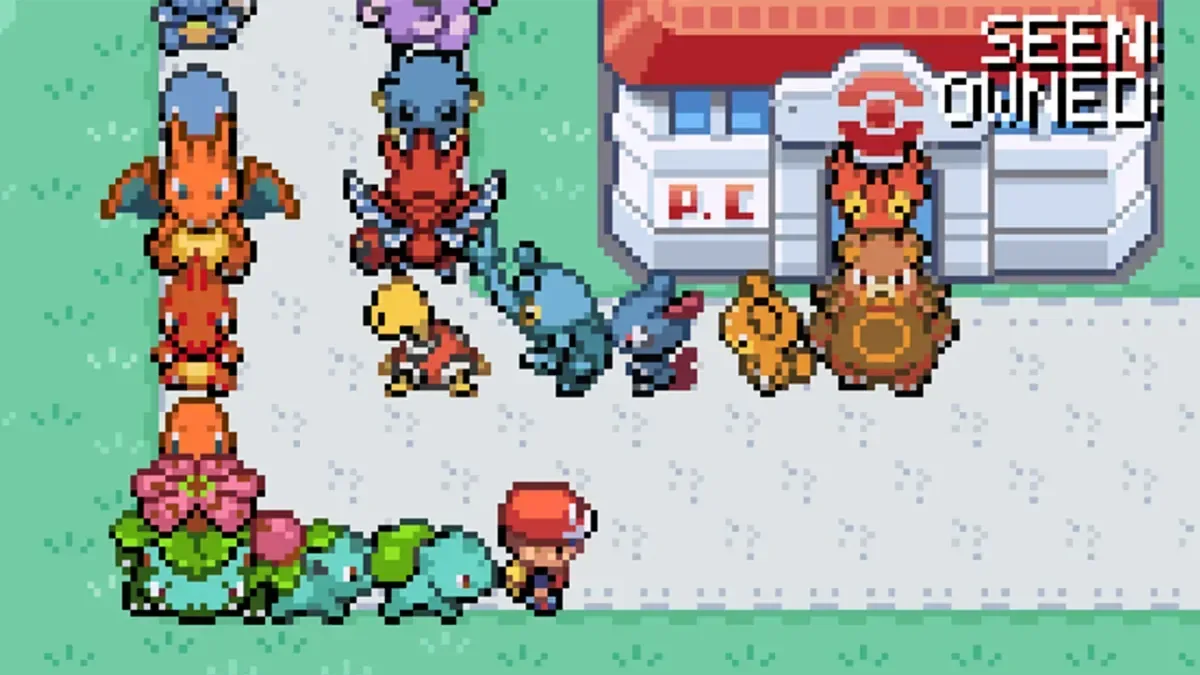
There is a useful recent reminder that fan projects can expose an appetite for playful new ways to engage with established games: a Pokémon FireRed mod turned following sprites into a Snake-style high-score challenge. The specifics are very different, but the broader lesson is similar: community experimentation can reveal ideas and audiences that conventional feature roadmaps may not immediately surface.
ReSkate remains available, but its future is unresolved
For now, ReSkate remains online. Its creators have said they did not anticipate the scale of the response and that the project came from affection for the game. They have also indicated they would take it down if asked to do so by EA’s legal representatives.
That makes the current moment provisional. No cease-and-desist action has been reported in the material available here, and Full Circle’s October 9 statement does not announce one. At the same time, the studio’s warnings about paid cosmetics, unreleased content and profiting from unauthorized assets leave little ambiguity about where it believes tools must stop. The fact that a platform can be popular does not settle whether every feature within it aligns with those boundaries.
For players, the practical takeaway is to distinguish between excitement over creative potential and assumptions about permission or permanence. ReSkate’s enormous early reach has clearly made the demand for expanded creation difficult to ignore. But only Full Circle’s promised official tools can establish what kinds of customization the game will support within its own systems.
For Full Circle, the opportunity is equally clear. The studio has an engaged audience demonstrating that it wants to build, organize and play in ways beyond the standard experience. A well-designed official framework could channel that energy while keeping paid goods, brands and unreleased material under the protections the developer says they require. Until details arrive, the story is less about a settled partnership than a public negotiation over what a community-driven skateboarding sandbox should allow.