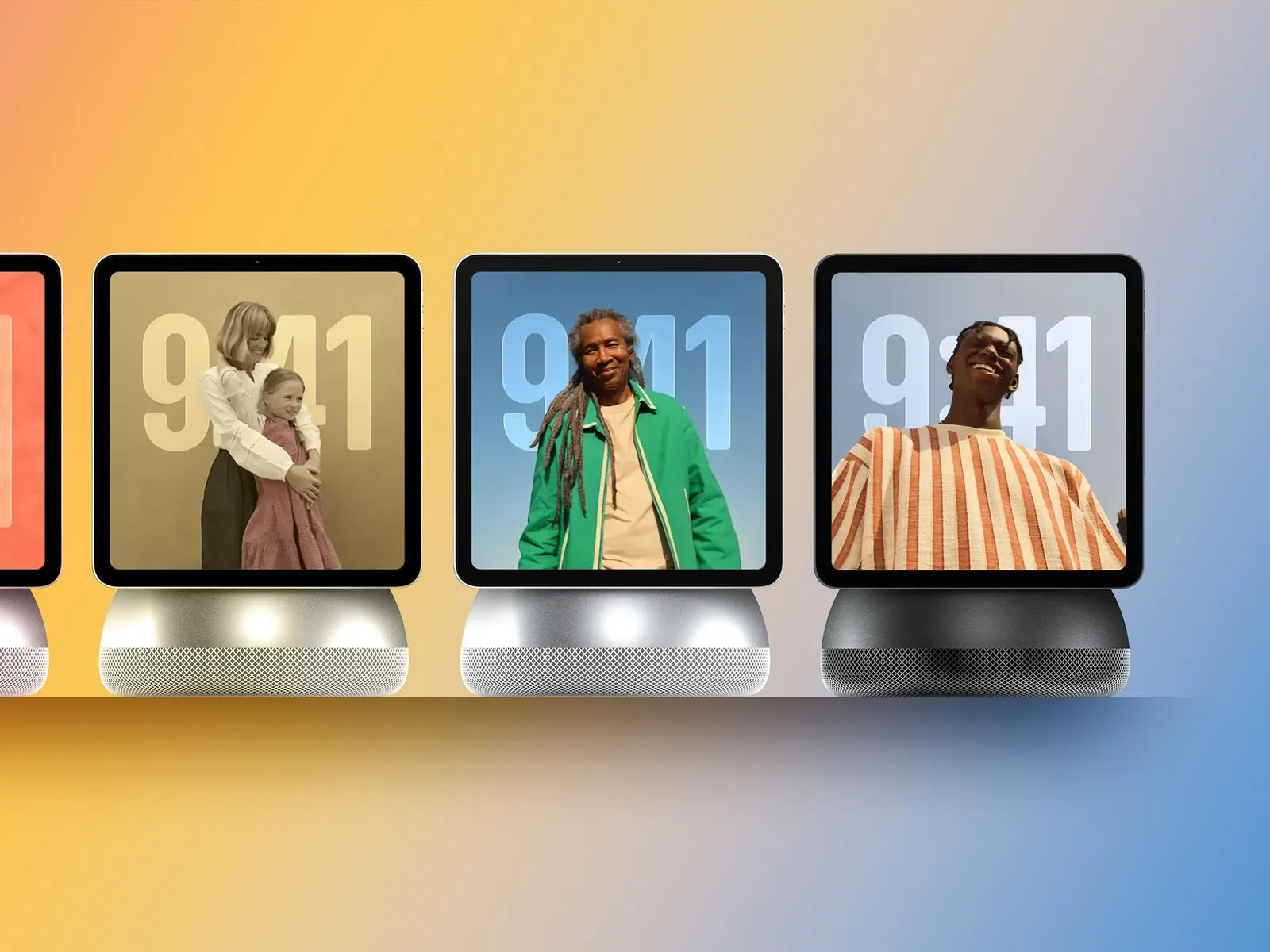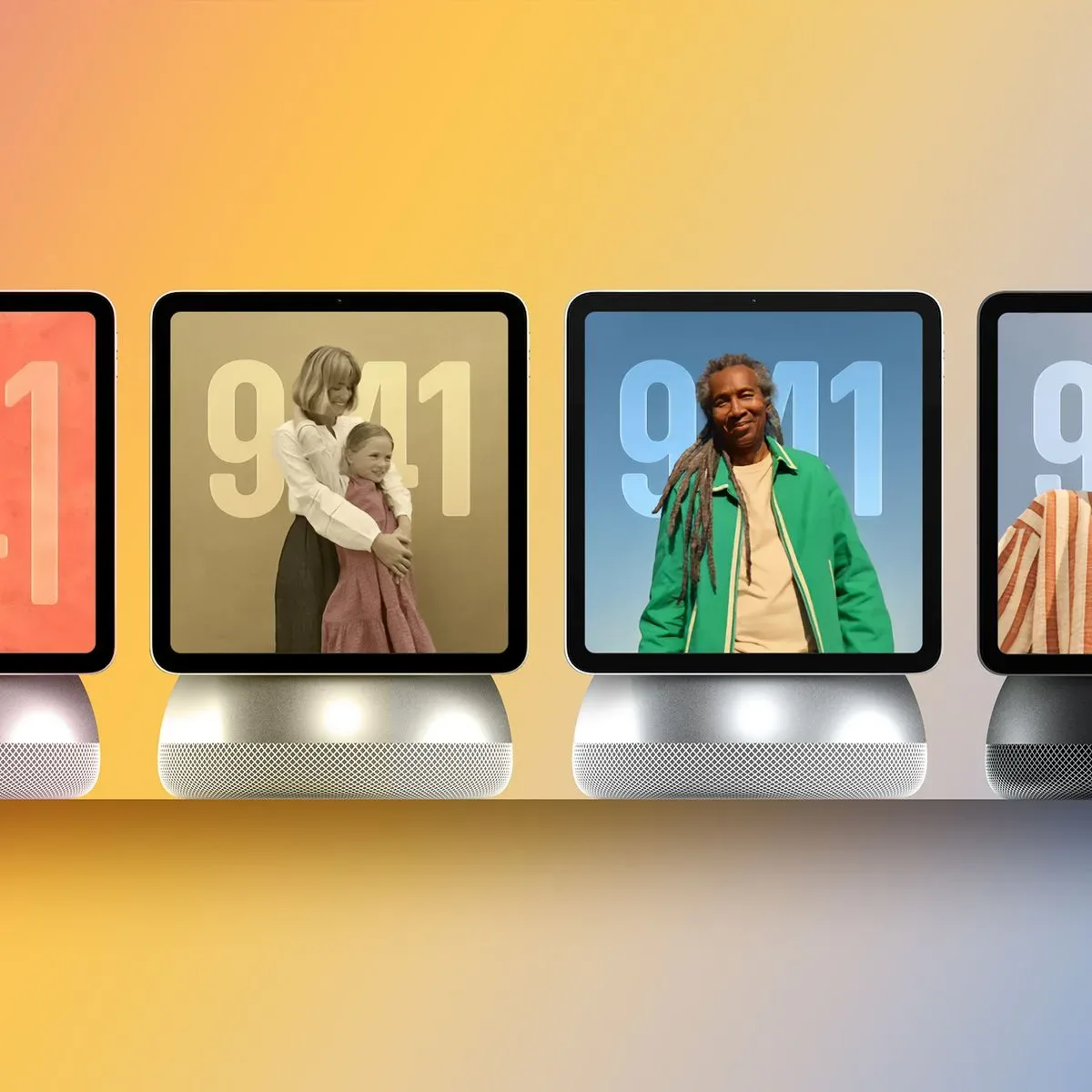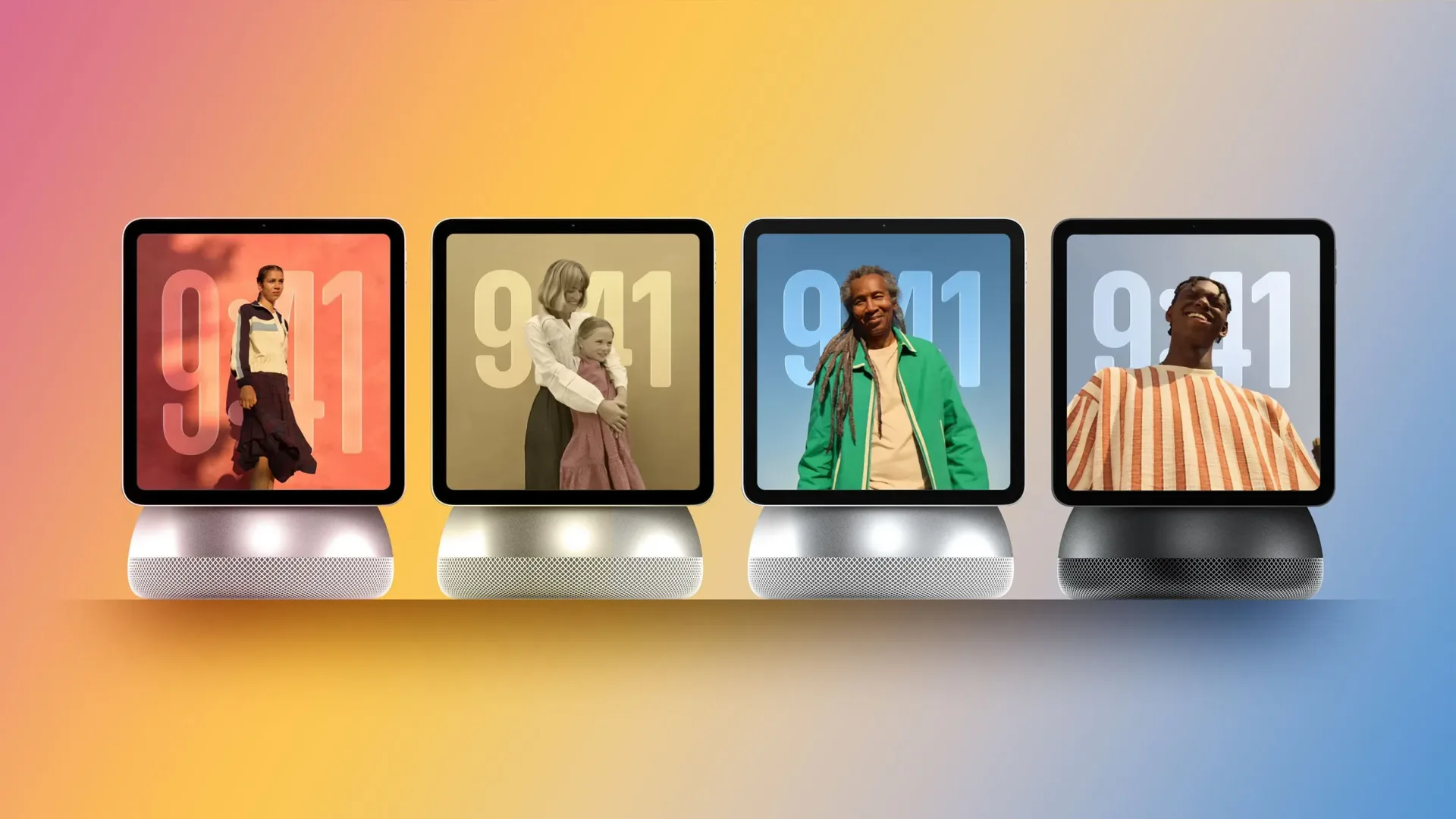
Apple’s reported October 13 “Welcome home” launch may answer a very particular question alongside the usual hardware questions: what, exactly, will the company call its new smart-home hub?
A U.S. and international trademark filing for “HomeView”, made last year by a company called Home Services LLC, is being viewed as a possible Apple-linked filing. It arrived around the same time as a separate filing for “homeOS” by Home Operations Suite LLC, another company that may be connected to Apple. The pairing makes an intuitively neat theory: HomeView could be the product name, while homeOS could be the software that runs it.
That is an interesting theory, but it remains a theory. Trademark activity can provide a window into names a company has considered or sought to protect; it does not establish what will appear on a product box, in a keynote slide, or in an app update. Apple’s own recent history offers a useful reason to keep expectations in check.
What the filings may—and may not—tell us
A trademark protects branding associated with goods or services. In practical terms, a filing can signal that a business wants to reserve a distinctive name before revealing a product publicly. It can also reflect defensive planning, alternate branding, regional considerations, or a direction that is later discarded.
For more context, explore Street Fighter II’s Car Bonus Stage Is Becoming a Real Lexus-Style Sweepstakes Prize.
Here, the significance is mostly in the timing and the apparent relationship between the names. “HomeView” sounds like a consumer-facing device or interface brand, while “homeOS” follows Apple’s familiar platform naming pattern. Yet neither implication is proof. The filings are attributed to entities potentially tied to Apple rather than Apple itself, and no official confirmation of the presumed connection is included in the available information.
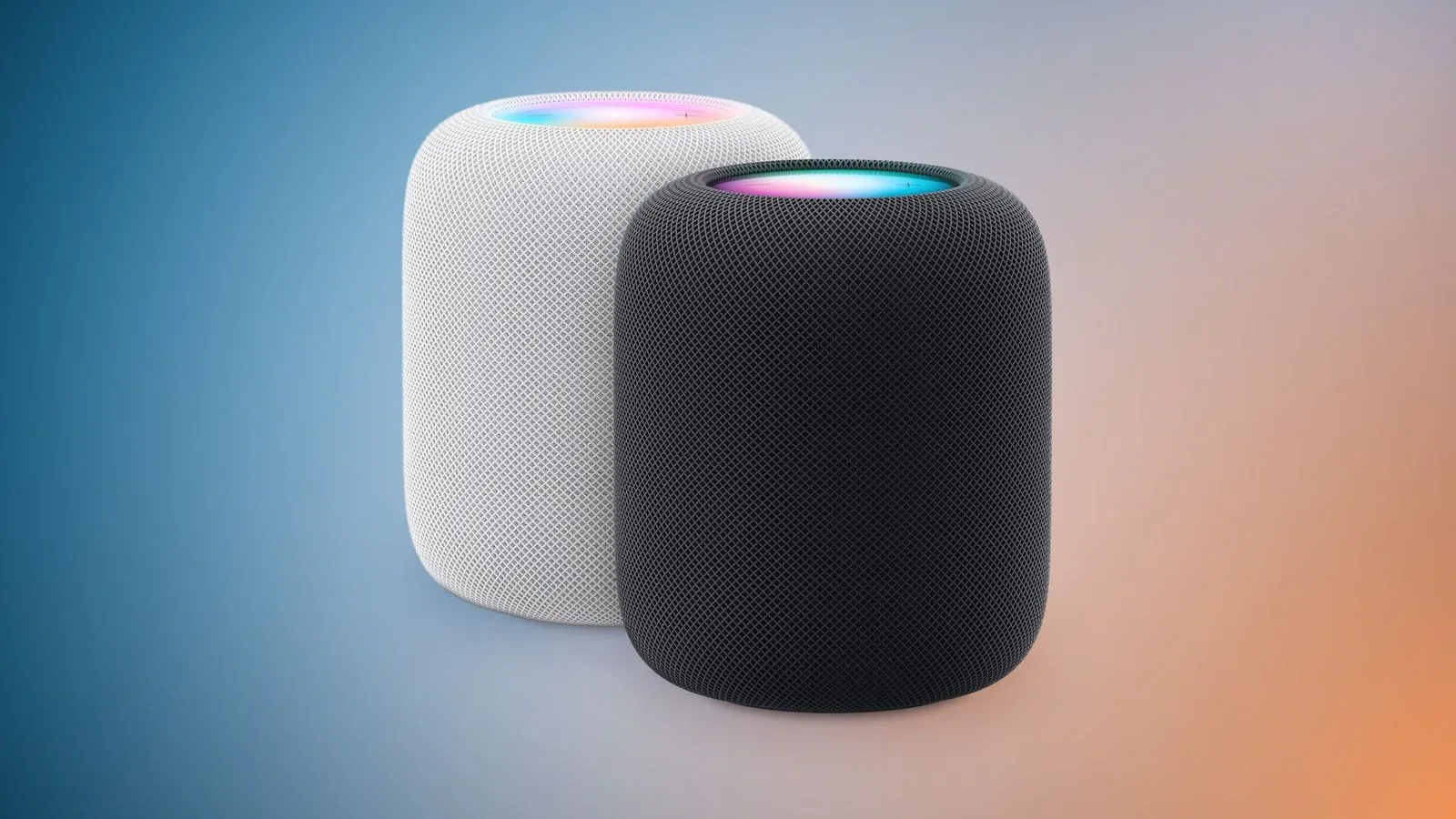
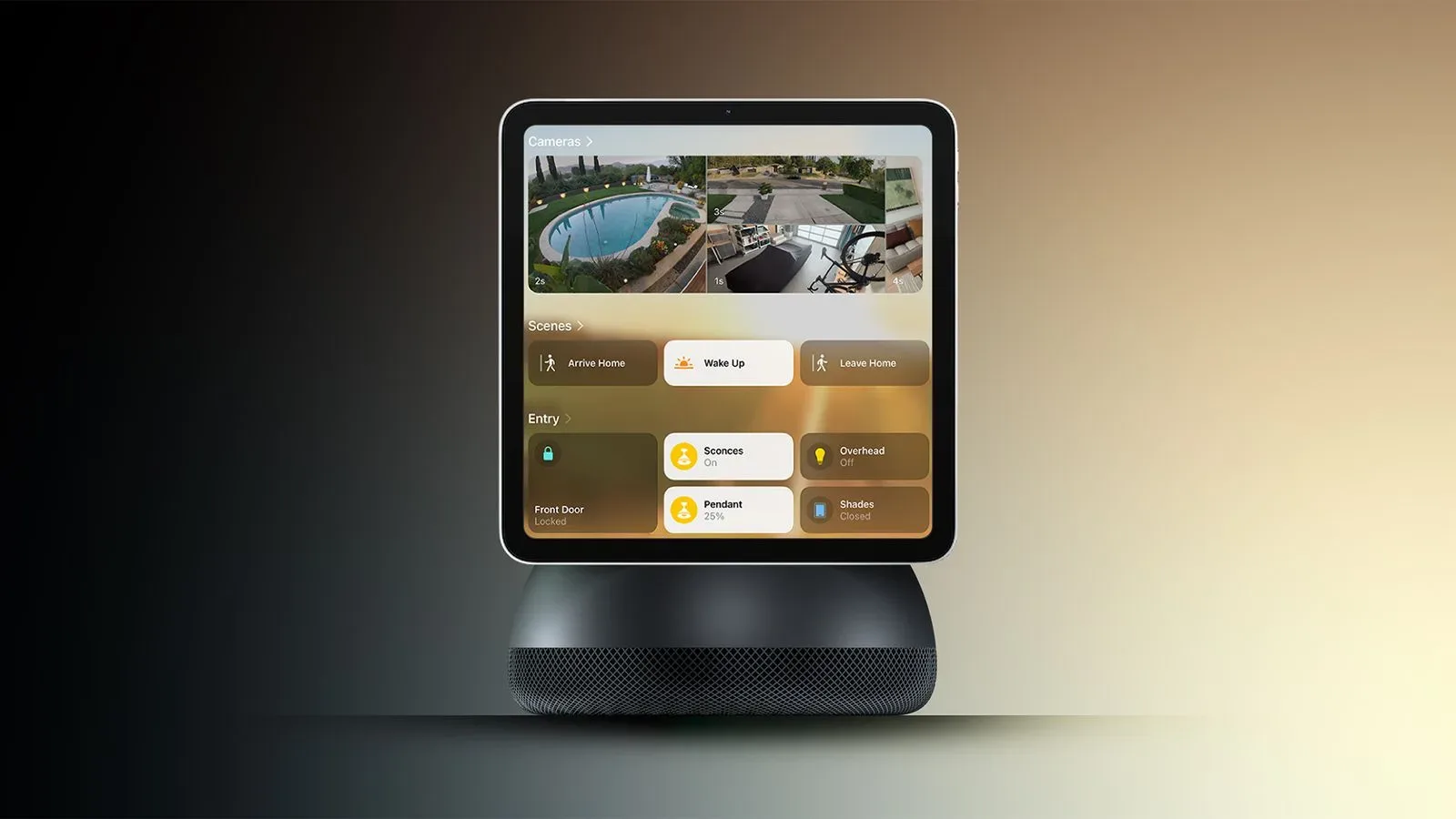
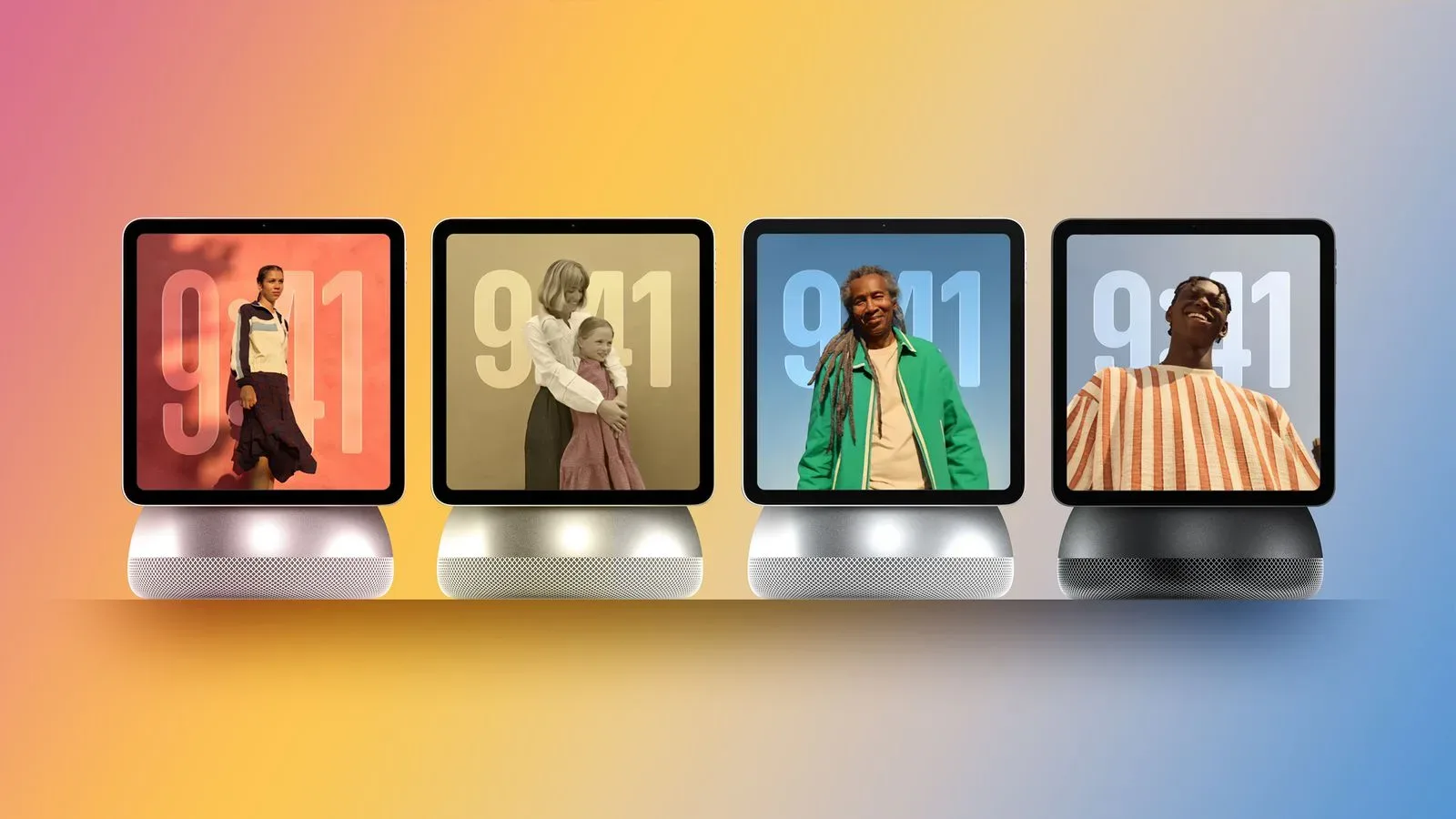
That uncertainty matters because the expected hub itself has not been officially named in the material at hand. It is described as an all-new smart-home hub, reportedly positioned as something of a HomePod-iPad hybrid. That characterization has naturally led to a range of possible names, including HomeView, HomePad, Apple Home, and HomePod Pro.
Why shell-company trademarks draw attention
The use of a shell company in this context refers to a separate legal entity filing for a trademark rather than a filing that obviously bears Apple’s corporate name. The approach can help keep a brand decision quieter while a product is still unannounced. It also means observers must do more interpretive work: a filing may look related to a company without offering definitive public confirmation of who will ultimately use it.
There is precedent for Apple using this kind of route around an eventual platform name. Before the 2023 launch of Apple Vision Pro, a shell company later connected to Apple filed for visionOS, the name that became the headset’s operating system. That example makes a possible homeOS connection more plausible than a random trademark would be.
But the same precedent also supplies the strongest warning against treating a filing as a finished answer. Apple was also associated with a trademark for xrOS before Vision Pro launched, and that name was not the one ultimately used. A trademark can be a genuine sign of internal planning and still fail to become the public brand.
For anyone watching the October 13 event, the sensible reading is therefore narrow: HomeView and homeOS are names worth listening for, not names that can be declared confirmed ahead of time.
The product-name case for “HomeView”
Of the speculative options, HomeView has a straightforward logic if the new hub is designed around a screen or visual home controls. “View” emphasizes what someone sees: controls, status information, camera feeds, media, or a central dashboard. It sounds more like a distinct hardware family than a purely technical software term.
It would also give Apple a clean separation between the device and the operating system if homeOS proves to be real. That structure would resemble a common consumer-tech arrangement: a branded product powered by a separately branded operating system. The source material does not establish the device’s interface, features, or technical architecture, however, so this remains naming analysis rather than a feature prediction.
“HomeView” also avoids directly reusing the HomePod label. That could be useful if Apple wants the device understood as more than a speaker. The reported HomePod-iPad hybrid description points in that general direction, but it should not be expanded into assumptions about a display size, audio hardware, cameras, controls, compatibility, or release plans. None of those details are confirmed here.
Why “homeOS” would be a consequential label
If Apple does use homeOS, the name would matter because operating-system branding defines how a company frames a product category. An operating system is the core software layer through which the device presents its interface, runs applications or services, manages settings, and connects with associated hardware and accounts. Calling that layer homeOS would present the hub as a dedicated home-computing platform rather than simply another version of an existing product’s software.
Still, the word “operating system” should not be taken as evidence of any particular capabilities. It does not, by itself, confirm third-party apps, a new developer model, broad hardware support, or any specific smart-home standard. It only suggests a possible branding identity for the software.
The lowercase styling in “homeOS” would also fit a recognizable convention in Apple platform names, as illustrated by visionOS. That is a pattern, not a promise. Companies often create names that fit their existing language precisely because they are easy candidates to protect—even when they never make it to market.
The alternate names each carry different baggage
HomePad is perhaps the most immediately descriptive alternative because the expected product is said to combine elements associated with HomePod and iPad. It clearly tells shoppers to expect something home-oriented and tablet-adjacent. The downside, from a branding perspective, is that it may sound more like a mash-up than a separate category.
Apple Home would be even simpler. It places the company name ahead of the product category and could make a new hub feel like the physical focal point of Apple’s home offerings. But that simplicity creates potential ambiguity because Apple already has an Apple Home app. The company has tolerated overlapping names before: Apple TV refers to a 4K device, an app, and a streaming service. So overlap would not rule the name out, though it could complicate everyday conversations and support documentation.
HomePod Pro would lean in the opposite direction. It would place the device inside the existing HomePod family and suggest an upgraded, more capable version of that concept. That may be useful if audio remains the product’s central identity. It may be less appealing if Apple wants the hub’s screen-oriented or interface-oriented qualities to carry equal weight.
These possibilities underscore why trademark detective work has limits. A plausible name can be easy to explain after the fact, but several names can be plausible before an announcement. Branding is not only about describing a product; it is about establishing a product line, avoiding confusion, accommodating global markets, and leaving room for future variants. Public filings reveal only fragments of that decision process.
What to watch for on October 13
The immediate test is simple. If Apple does unveil the reported smart-home hub at its Tuesday, October 13 “Welcome home” event, observers can separate three different questions that are currently being bundled together:
- Does the device arrive? The hub itself remains reported rather than confirmed in the supplied information.
- What is its consumer name? HomeView is a possibility, alongside HomePad, Apple Home, HomePod Pro, or another name entirely.
- What software identity does it use? homeOS may be the final name, an internal or defensive trademark, or a brand that never reaches the public.
Keeping those questions separate is the best way to avoid letting two intriguing filings turn into a full, imagined product specification. The evidence supports attention to the names and the date; it does not support certainty about the final branding or what the hub will do.
For now, “HomeView” is the newest candidate in an unusually crowded naming game. Its link to the possible homeOS filing makes it more compelling than an isolated rumor, and Apple’s visionOS history demonstrates why the connection deserves notice. The abandoned xrOS name is the equally important counterexample. Until Apple puts a name on stage, the smart-home hub’s label remains an open question.