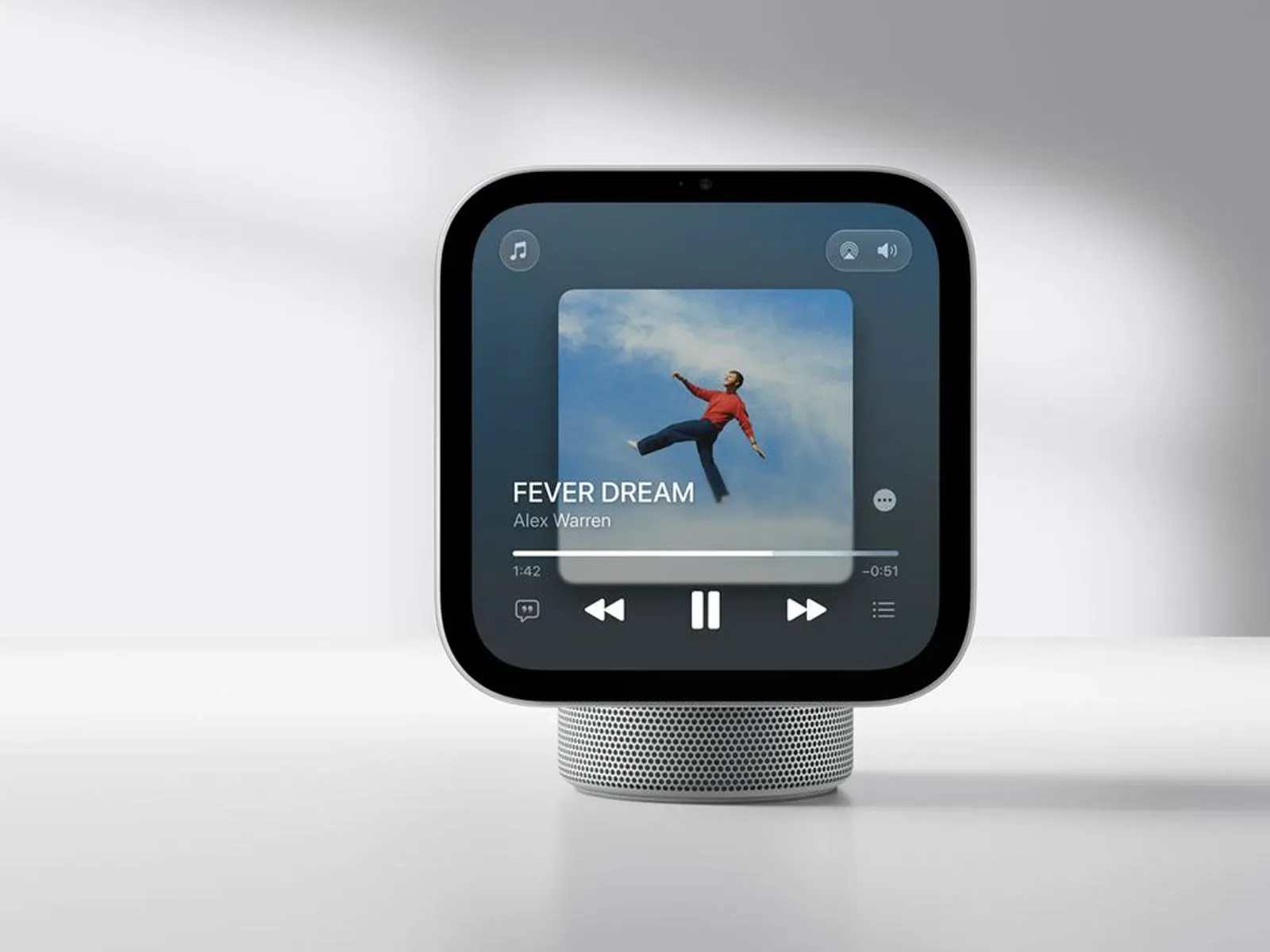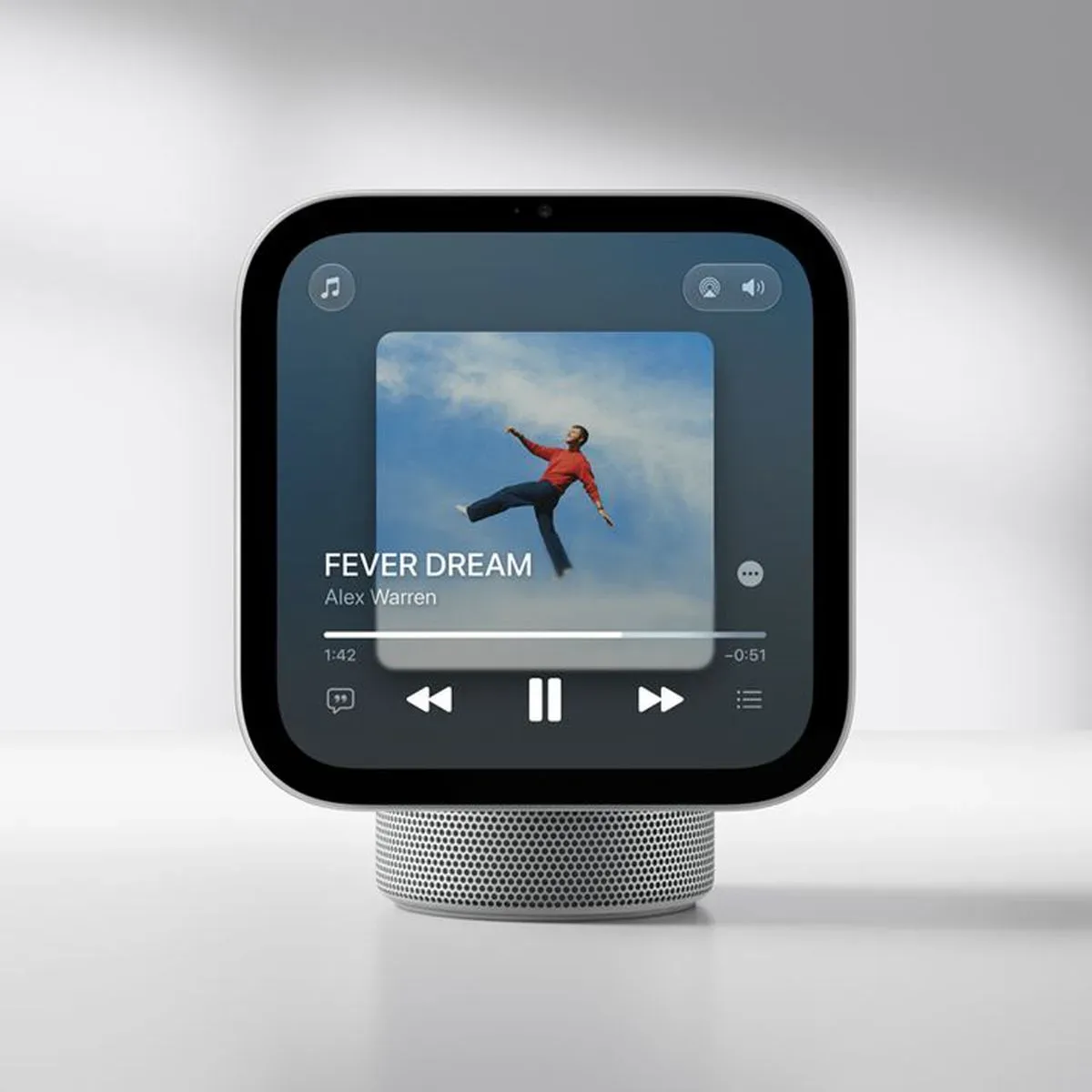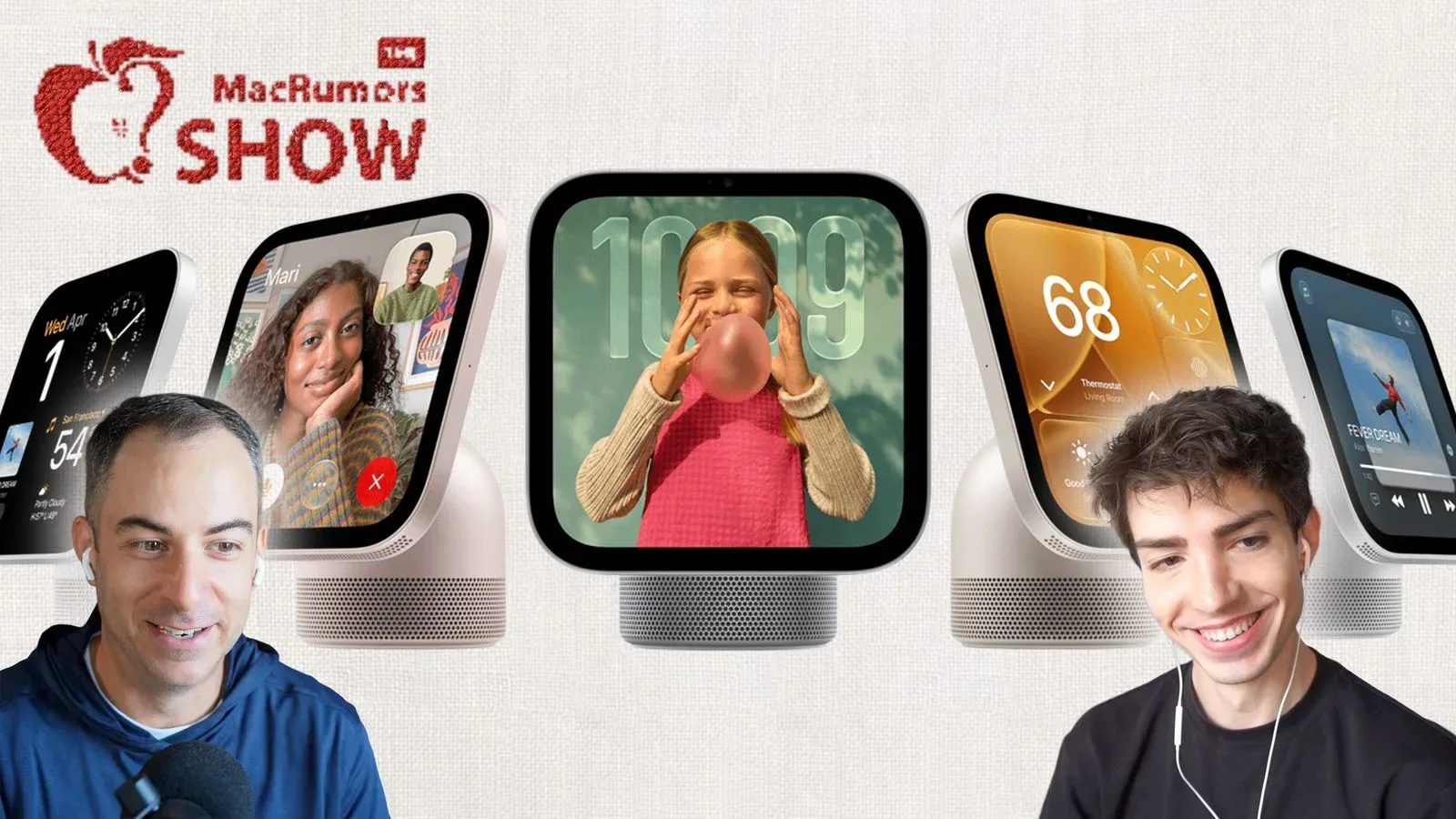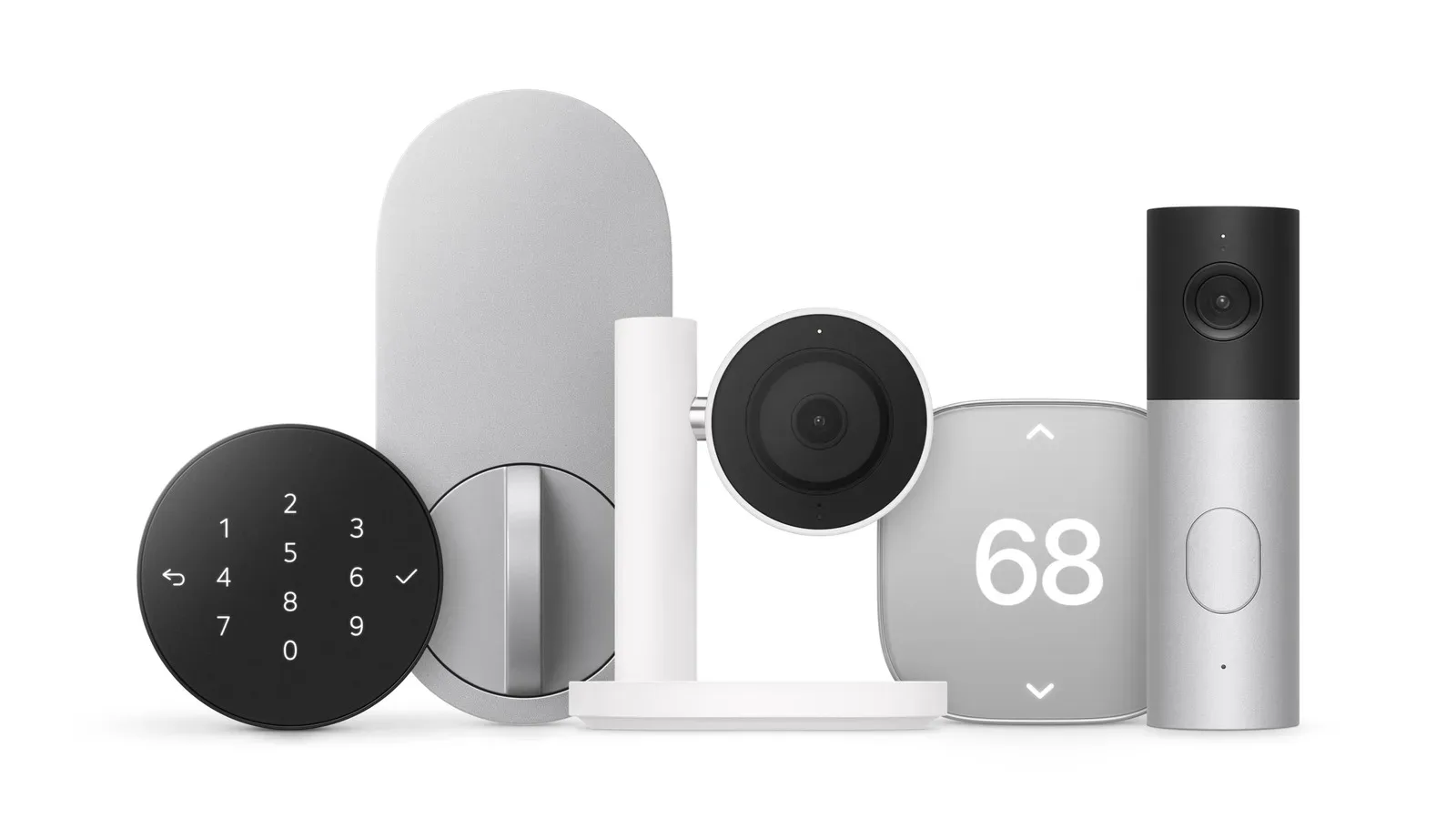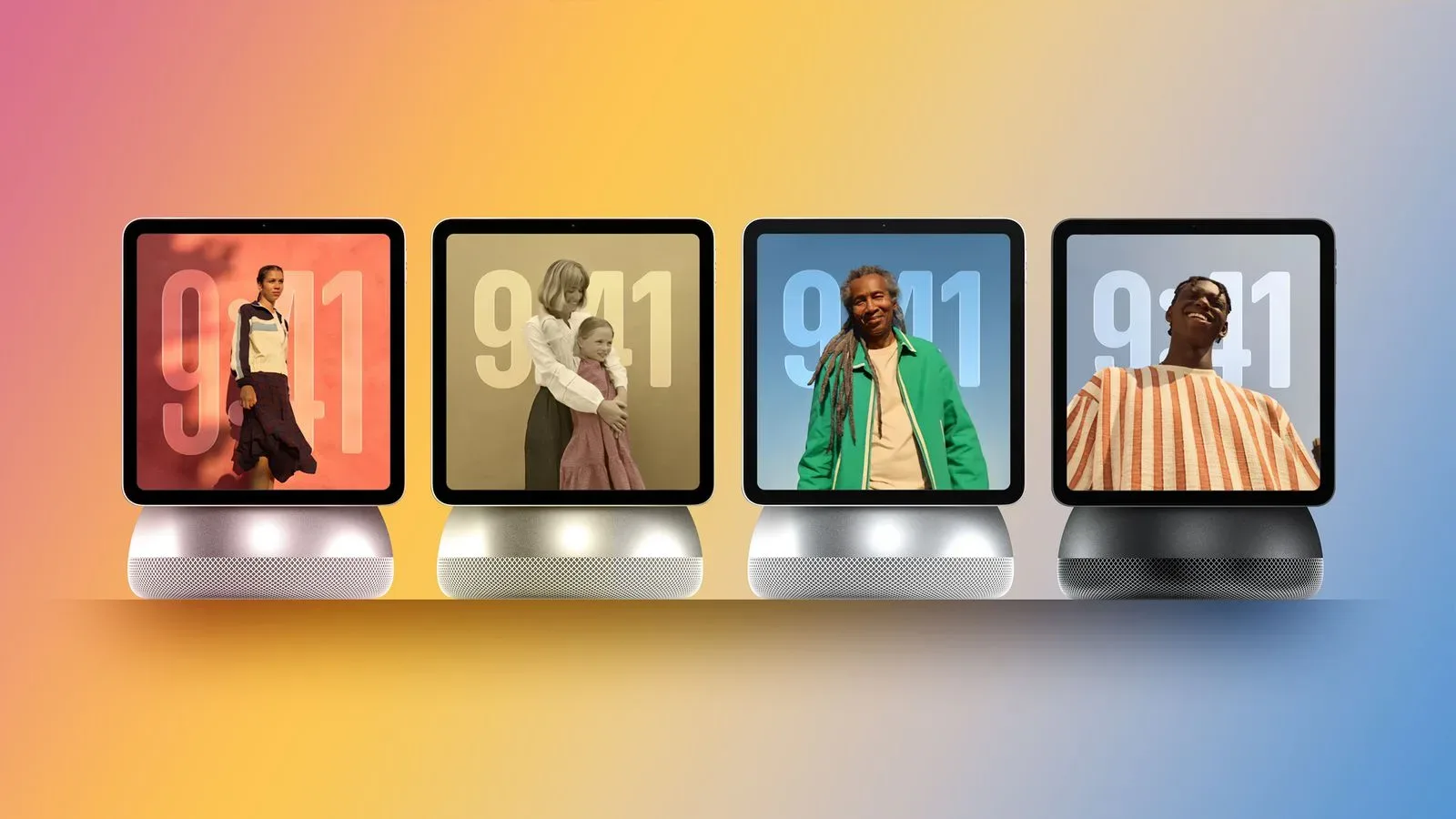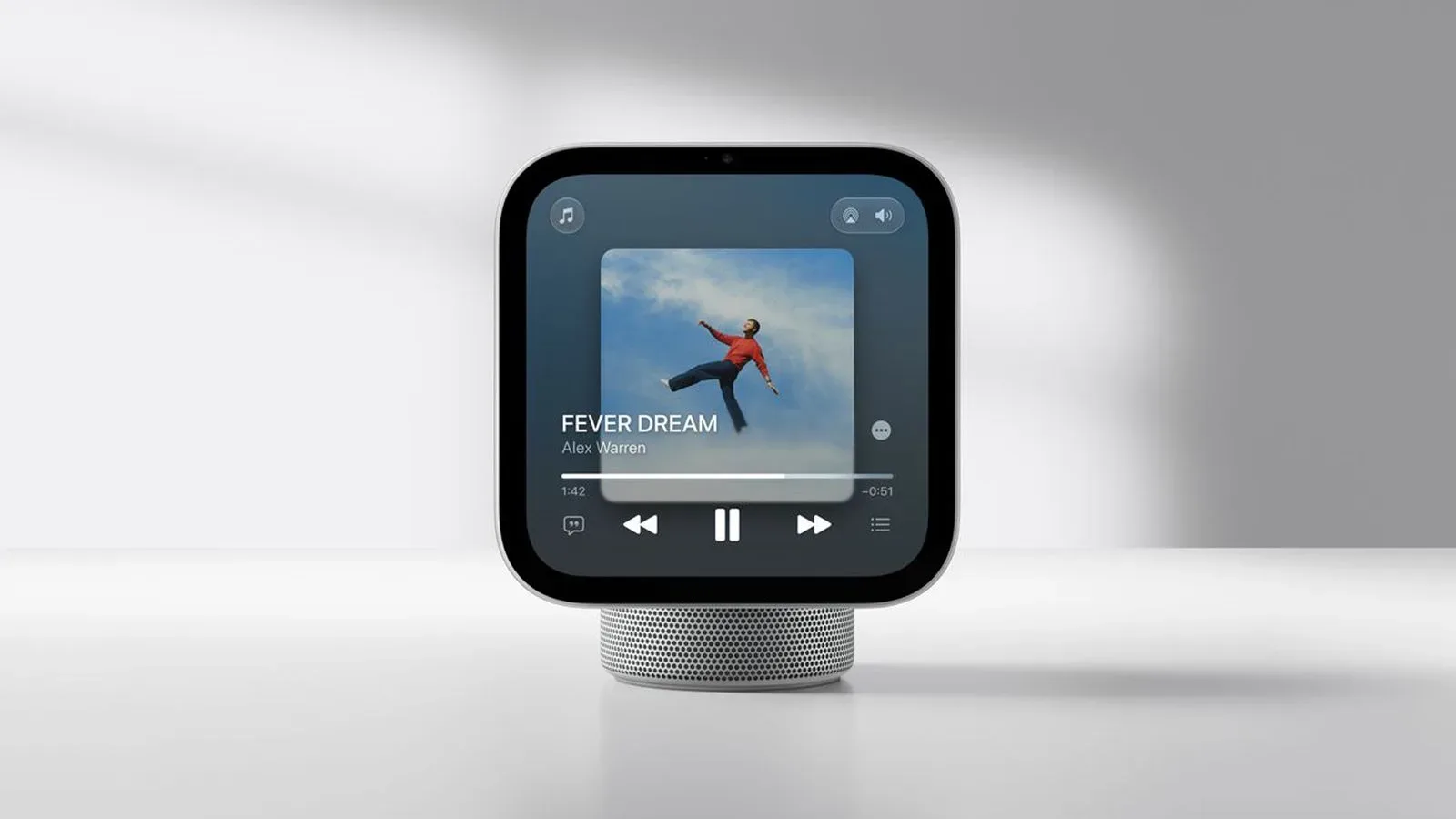
A software license agreement is not normally where consumer-tech mysteries get solved. It is where most of us go to scroll, sigh, and locate the button that lets us use the thing we already bought. Yet Apple’s HomeView agreement contains a curious piece of terminology: one section refers to HomeView as a “HomePodDevice.”
That wording is notable not because it establishes a newly announced product, platform, or feature, but because it looks out of place beside the name HomeView. The most sensible explanation is also the least dramatic: “HomePodDevice” appears to be a leftover placeholder from a draft that was not changed before the agreement was published. Still, placeholders have a habit of revealing the filing cabinet they came from. In this case, the label suggests Apple internally groups HomeView as a HomePod-like device.
There is a second, similarly modest clue on Apple’s legal site. Two agreement titles use the names “HomePodOS 26” and “HomePodOS 27.” But the agreements themselves, along with other Apple references, call the platform “HomePod software.” That gap between page titles and document language is not confirmation of an official operating-system brand. It does, however, offer the closest available hint of a “homeOS”-style naming convention.
What the “HomePodDevice” wording does—and does not—say
The key distinction is between an internal or legal descriptor and a public product identity. Companies often use broad labels in technical, licensing, and administrative material because those labels make it easier to cover a family of related hardware without rewriting every clause around marketing language. A term such as “HomePodDevice” can function as shorthand: it tells the document which class of product it is discussing, rather than telling shoppers what name they will see on a box.
That makes the stray reference meaningful as a taxonomy clue, but weak as evidence for anything beyond that. It does not establish that HomeView will be renamed HomePodDevice. It does not prove a separate device exists. It does not reveal a feature set, a release plan, compatibility rules, or a new OS announcement. The supplied material supports a much narrower reading: Apple’s language connects HomeView to the HomePod side of its product organization.
That connection is hardly surprising. HomeView is being positioned around the smart-home space, and the HomePod name already evokes Apple’s home-oriented hardware. The interesting part is not that the two concepts overlap; it is that a document appears to show that overlap in such plain, unpolished language. Legal text is usually a poor venue for product theater. When a draft term survives, it can be more revealing precisely because it was not crafted as customer-facing copy.
Why an agreement title can differ from the agreement itself
“HomePodOS 26” and “HomePodOS 27” introduce a related naming wrinkle. The agreement titles use an OS-style construction, while the body language uses “HomePod software.” In everyday conversation those phrases can seem interchangeable, but they carry different implications.
Software is the broad term: the code and updates that make a device work. Operating system, often shortened to OS, usually refers to the foundational software layer that coordinates the device’s functions and supports the experience built on top of it. Calling something “HomePodOS” makes the platform sound more explicitly like a named operating system. Calling it “HomePod software” is more neutral and less committal as a brand.
The available evidence does not tell us why the legal pages use different labels. It could reflect a workflow difference between page metadata and agreement copy. It could be a practical naming convention for versions of a document. It could simply be inconsistent editorial cleanup. Any attempt to decide among those possibilities would go beyond the evidence.
What can be said is that “HomePodOS” appears in the titles of two legal agreements, while “HomePod software” remains the terminology used in the documents and elsewhere. For observers looking for an explicit “homeOS” label, that is intriguing but incomplete. A nearby name in a legal index is not the same thing as Apple adopting a public platform brand.
A small clue with practical limits
For current or prospective HomeView users, this discovery should not change a purchasing or setup decision on its own. Nothing in the wording indicates a new update, altered support policy, extra hardware requirement, or change to the product’s capabilities. Its practical value is interpretive: it provides another small signal about how Apple may conceptually place HomeView within its home-device ecosystem.
That ecosystem framing matters because smart-home products tend to be understood less as isolated gadgets and more as connected endpoints. Names shape expectations around setup, voice control, household use, software updates, and interaction with other home-focused devices. But expectations are not evidence. The “HomePodDevice” reference does not spell out any of those behaviors, so readers should resist filling in the blanks with assumptions.
The same caution applies to “HomePodOS.” It is tempting to see a platform-style name and infer a broader strategy or an imminent public rebrand. The documents do not substantiate that leap. At most, the titles suggest that OS-like terminology exists somewhere in Apple’s legal-document structure. The explicit public-facing language cited here remains “HomePod software.”
Why tiny naming inconsistencies draw attention
Product naming is not merely cosmetic. It can define where customers believe one product ends and another begins. A clear name can signal a standalone device, a companion product, a software platform, or a broader family. A vague or inconsistent label creates room for speculation, especially when a new home-focused device sits near an established product name.
That is why the HomeView agreement’s one-word discrepancy is worth documenting, even if it is probably mundane. It is also why it deserves proportion. There is a difference between noticing that “HomePodDevice” survived in a license agreement and treating it as a roadmap leak. The former is supported by the document. The latter is not.
For broader context on HomeView’s smart-home positioning and the questions surrounding it, see our look at HomeView’s arrival, smart-home ambitions, pricing and open questions.
The clearest reading for now
The strongest takeaway is restrained: Apple’s published HomeView license agreement includes a “HomePodDevice” reference that appears to be draft terminology, and legal-page titles also use “HomePodOS 26” and “HomePodOS 27” despite the documents favoring “HomePod software.” Together, those labels point toward a HomePod-adjacent internal framing for HomeView and perhaps an OS-style categorization in legal materials.
They do not, on their own, turn into a newly confirmed platform name. Until Apple uses a name consistently in its product-facing materials, “HomePod software” is the language with the firmer footing. “HomePodDevice” is best treated as a revealing leftover—not a proclamation, but a brief glimpse behind the label maker.