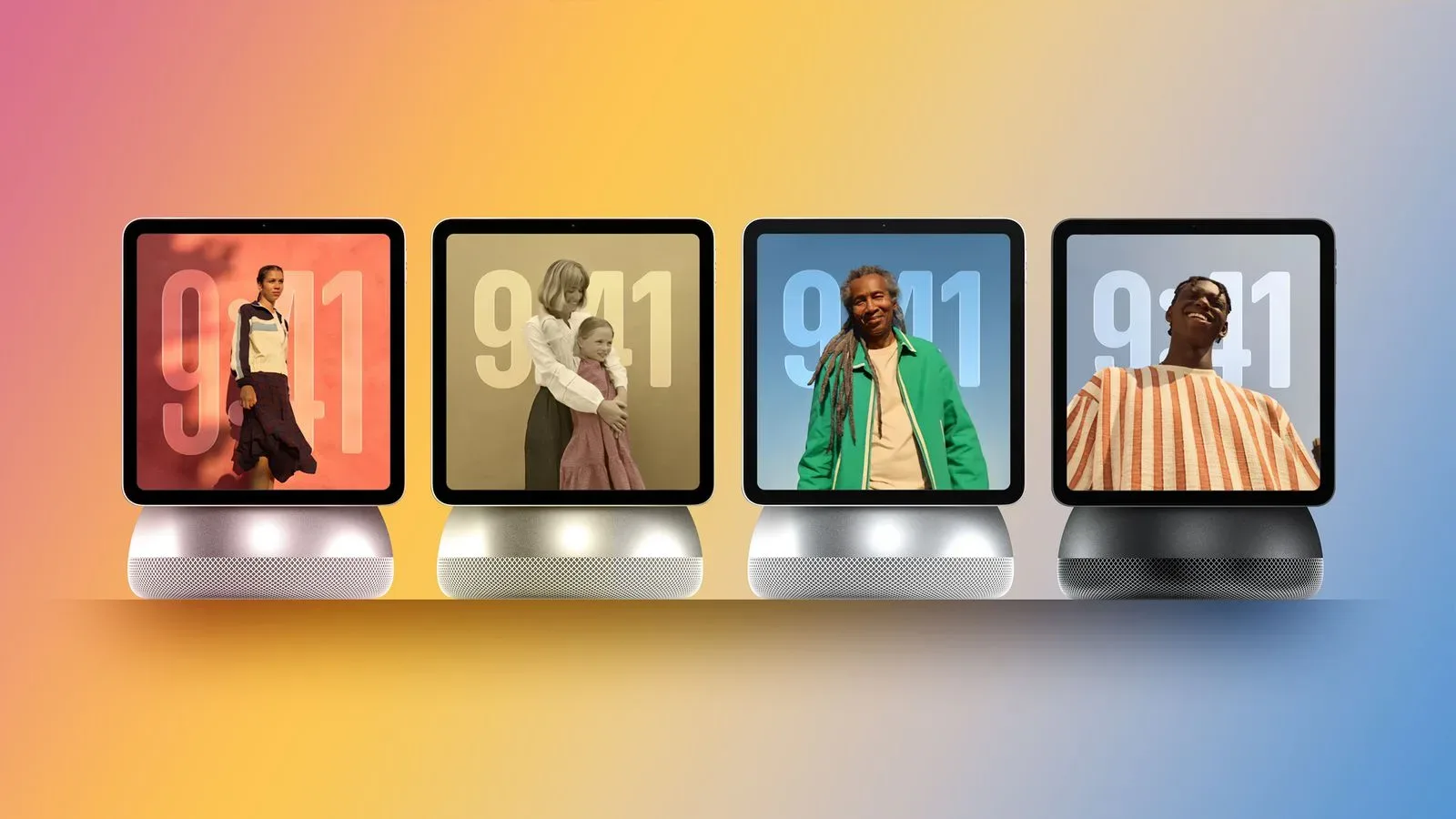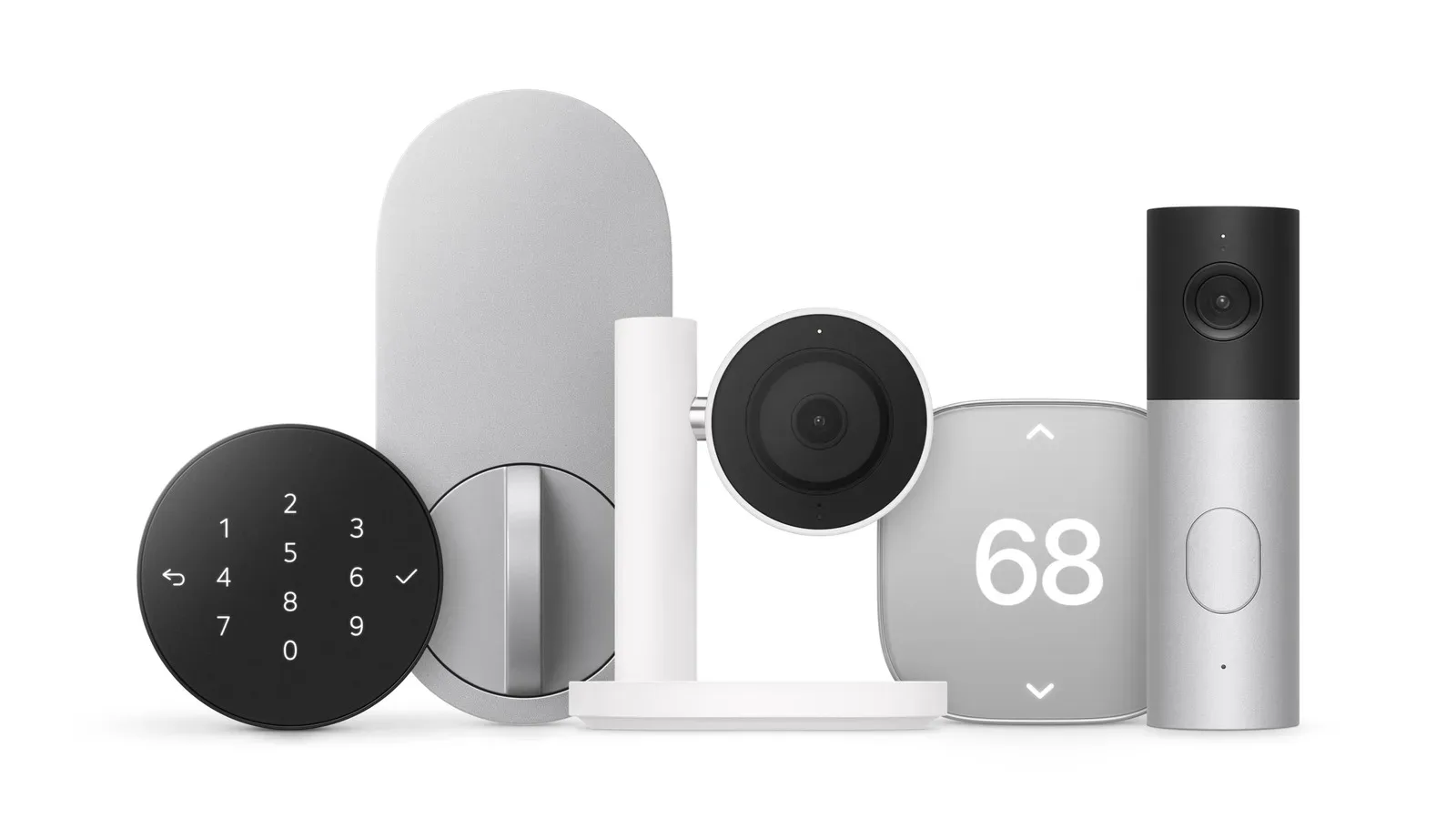
The homeOS name may be headed for the great unused-branding bin. Apple appears set to use HomeView software as the name for the software associated with HomeView, rather than turn “homeOS” into a customer-facing platform label.
The distinction is small on paper but meaningful in the way companies frame new product categories. “homeOS” reads like the formal name of a standalone operating system, in the mold of a platform with its own clear identity. “HomeView software” is more functional: it identifies software by the product it serves, without suggesting that users need to learn or care about a separate operating-system brand.
HomeView itself emerged through a trademark filing tied to a shell company believed to be connected to Apple. A separate homeOS trademark filing was also likely connected to Apple, but the eventual naming direction appears to favor HomeView software. An example of the intended language is HomeView software version 27.2.
What changed: a possible trademark name versus a shipping name
A trademark filing and a final product name are related, but they are not the same thing. A trademark is a legal protection mechanism for names, logos, and other identifiers used in commerce. Companies can file to protect a term they are considering, preserve options around a developing product, or reduce the chance that another party can use a potentially important name.
That means a filing can be revealing without being final. The apparent presence of a homeOS filing suggested that Apple had, at minimum, considered or protected that phrase. It did not guarantee that the phrase would be printed in setup screens, support pages, release notes, or marketing. The HomeView software wording now suggests that the more expansive label did not make that last step.
For readers who saw “homeOS” and imagined a major new branded operating-system family, this is a useful correction. The available information supports a naming decision, not a detailed account of the platform’s capabilities, user interface, device compatibility, or distribution model. Calling something “software” does not tell us whether it is technically distinct from other Apple software families, nor does it define what it can do.
Why “HomeView software” is a deliberate kind of boring
Apple already uses comparable wording for HomePod. Rather than assigning the speaker’s software its own prominently marketed operating-system title, Apple refers to it as HomePod software. HomeView software follows the same product-first pattern.
That approach has a few practical advantages:
- It keeps attention on the device or experience. A household screen or home-focused product can be presented as HomeView, while its underlying software stays a supporting detail.
- It makes version labels easy to parse. “HomeView software version 27.2” plainly communicates that the number refers to a software release for HomeView.
- It avoids promising a new ecosystem through language alone. “OS” can imply an autonomous platform. “Software” is more restrained, particularly when the public information does not establish the boundaries of a separate ecosystem.
- It matches familiar Apple terminology. Consistency with HomePod software may make documentation and support language less confusing for people already accustomed to Apple’s home-product vocabulary.
None of that makes HomeView software unimportant. Naming often signals how a company wants a product to be understood. In this case, the signal appears to be that HomeView is the recognizable product identity, while the software is the system that runs it—not necessarily a brand positioned alongside Apple’s most prominent operating-system names.
What version 27.2 does, and does not, tell us
The reference to version 27.2 is a concrete example of how the label will be used, but it should not be overread. A version number identifies a particular release in a software update sequence. It does not, by itself, disclose the feature set of that release, its release schedule, or whether the number maps directly onto another product’s update track.
In other words, “HomeView software version 27.2” is evidence of a versioned software product, not evidence for a specific set of functions. It is also not a reason to assume that a version number automatically means a feature parity relationship with any other Apple device.
That may sound like hairsplitting, but it matters whenever a new platform name appears. Early naming clues tend to attract a lot of inference. A technical-sounding term can become shorthand for rumored hardware, app support, interface behavior, and product strategy before any of those things are established. Separating the confirmed label from the unconfirmed implications keeps expectations tied to what is actually known.
How this fits the broader HomeView picture
The key takeaway is not that a piece of software vanished; it is that the product vocabulary appears to have narrowed. HomeView is the name to watch. “HomeView software” is the expected phrasing for the software that ships with it and receives future numbered updates.
That wording also helps distinguish the product name from the operating software in ordinary conversations. Someone can say that a HomeView device has received an update without treating “homeOS” as a brand the way they might identify a phone or computer platform. It is a more prosaic naming convention, but prosaic is often the point when a company wants the product rather than the technical layer to carry the identity.
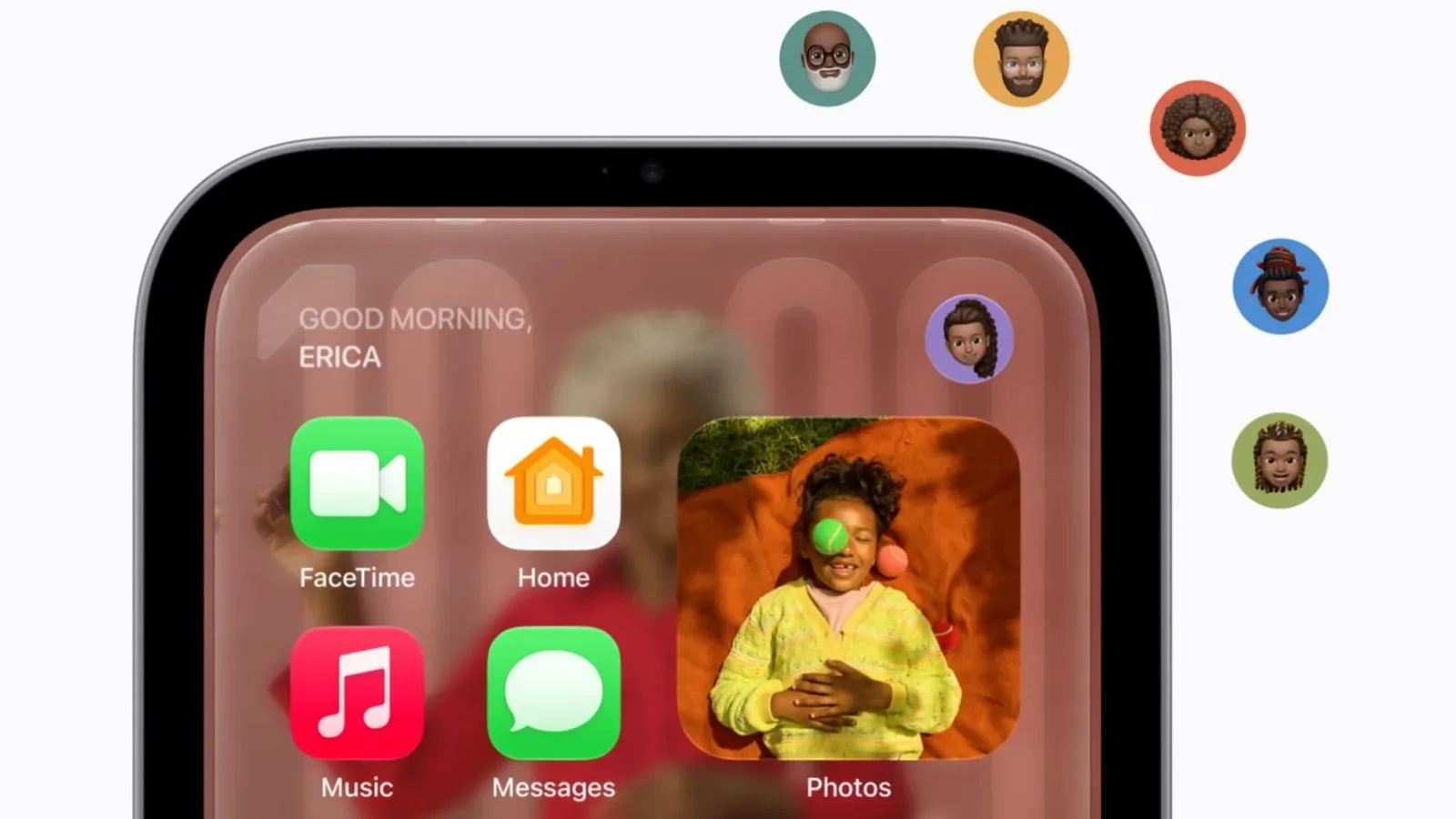
There is adjacent context for what HomeView is expected to mean as a household-facing product: HomeView has been discussed as a way to bring iPhone and iPad apps to a household screen without an App Store. That context makes the final naming especially notable. A product that could invite assumptions about a new platform is apparently being described with a deliberately less platform-heavy software name.
What to call it from here
The cleanest terminology, based on the available details, is straightforward:
- HomeView for the product or product family.
- HomeView software for the software it runs.
- HomeView software version 27.2 when referring to the cited versioned release format.
“homeOS” remains relevant as a clue that Apple likely explored or protected the term, but it no longer appears to be the label consumers will encounter. That is less of a dramatic cancellation than a reminder that provisional names, legal filings, and final shipping terminology can take different paths. In this case, Apple’s apparent answer is a familiar one: let HomeView be the name, and let the underlying software stay quietly descriptive.