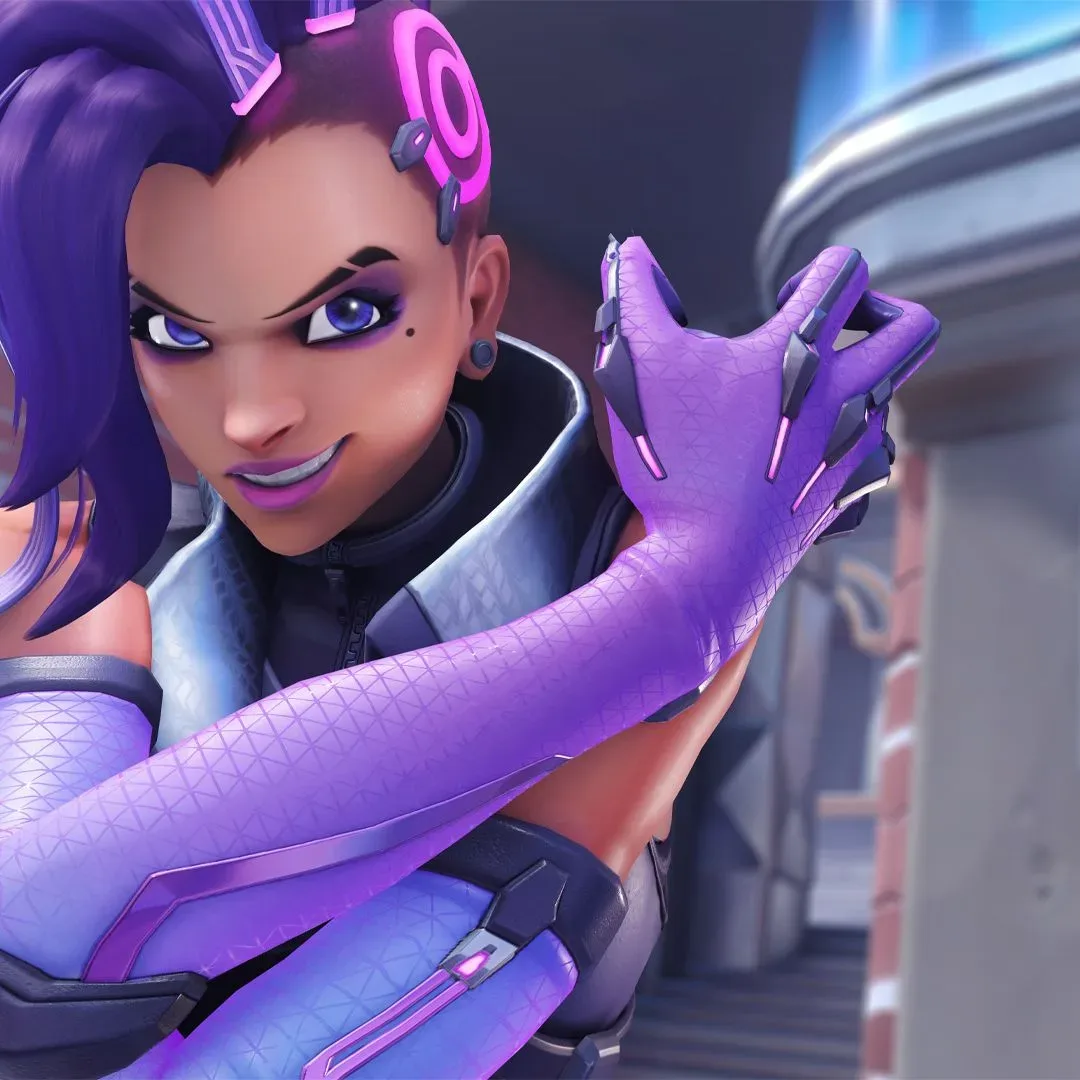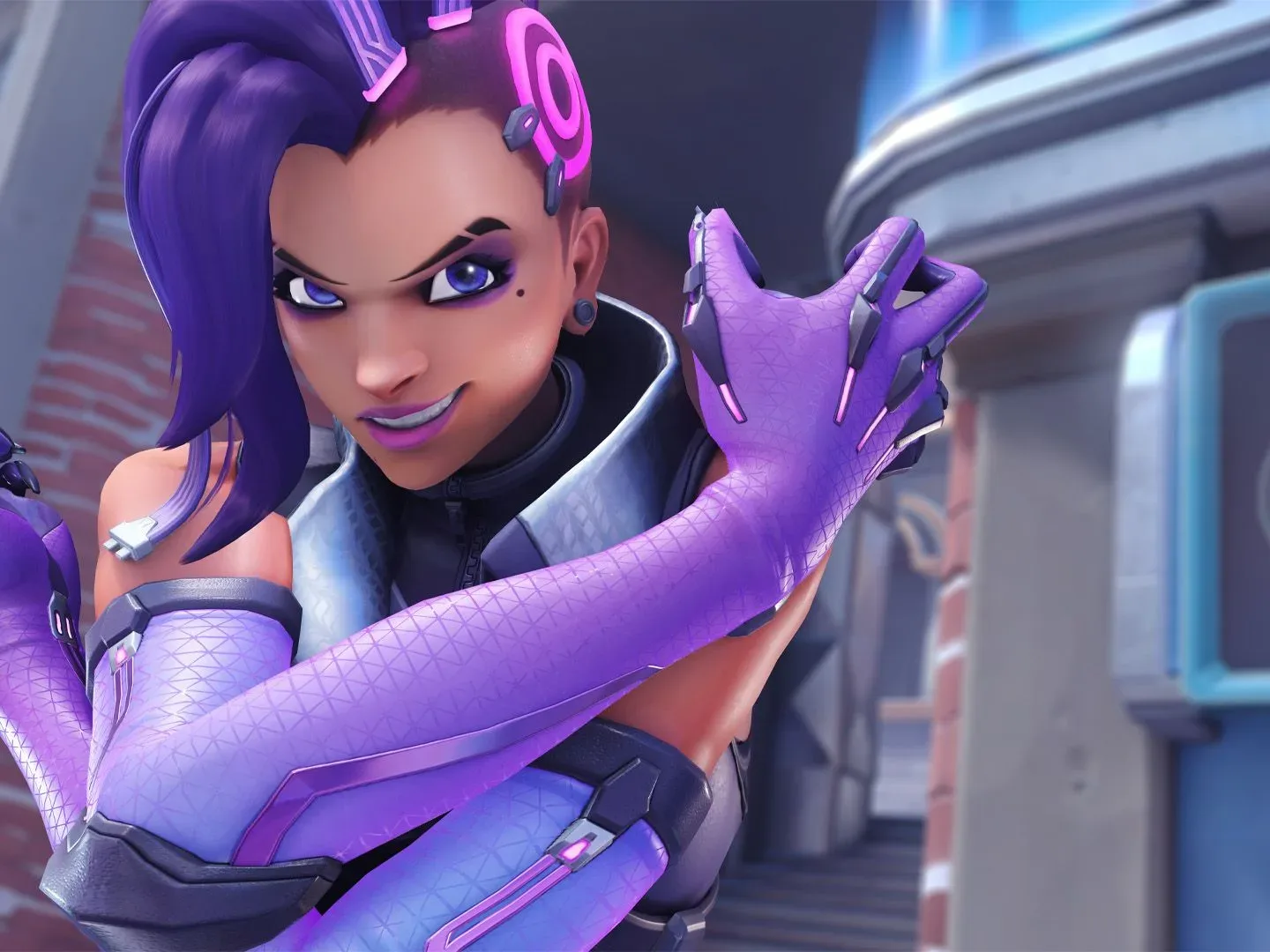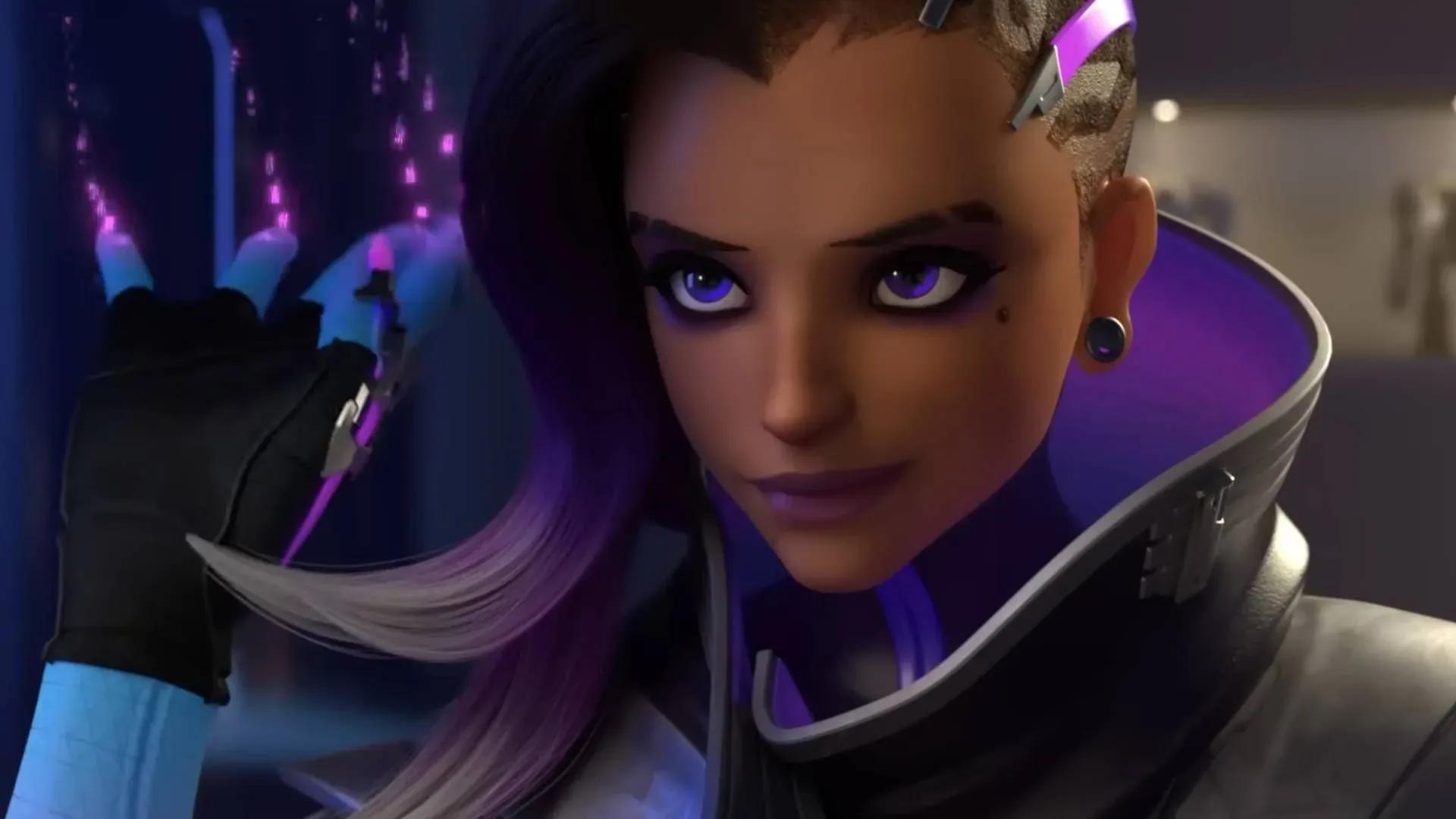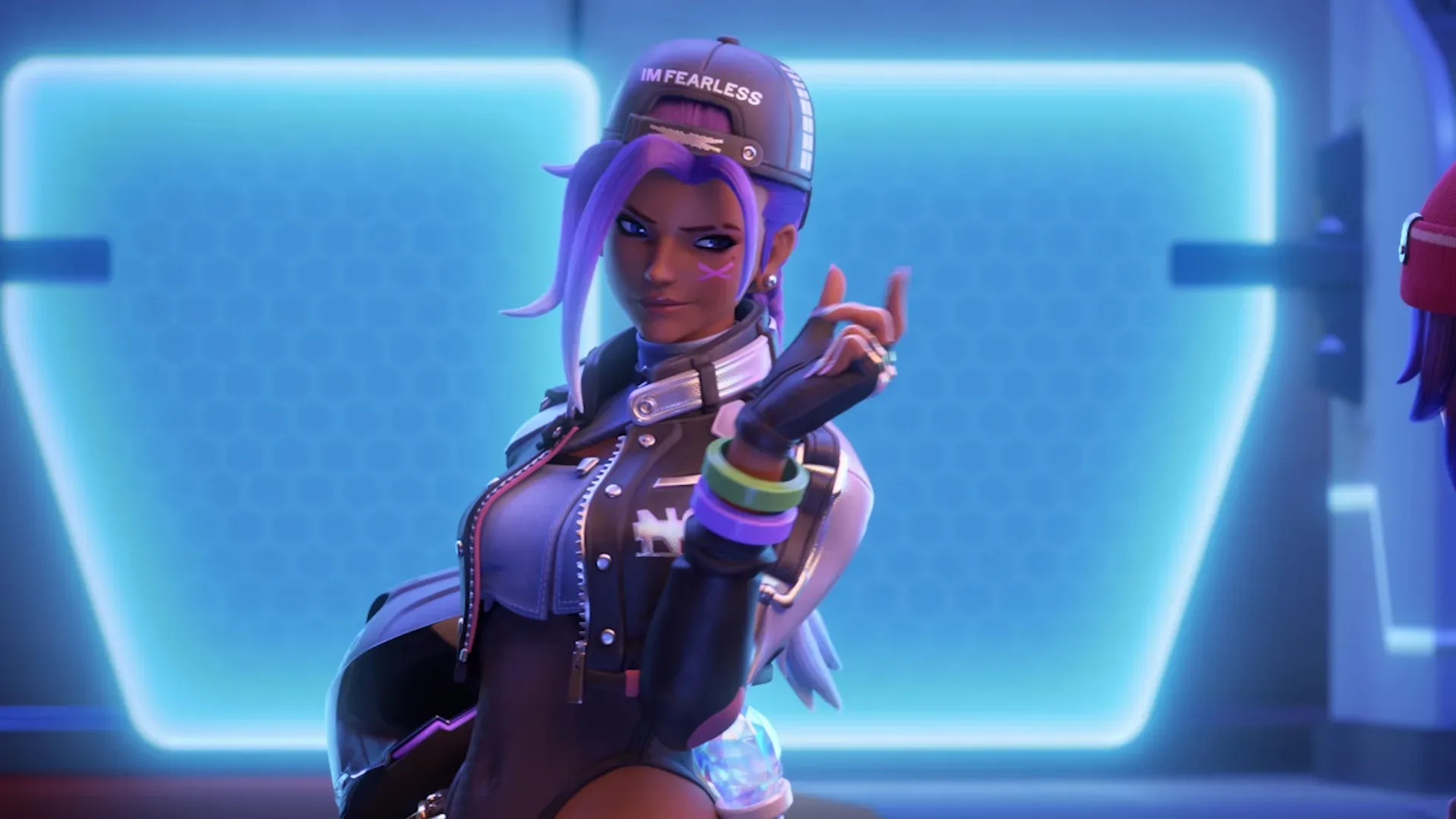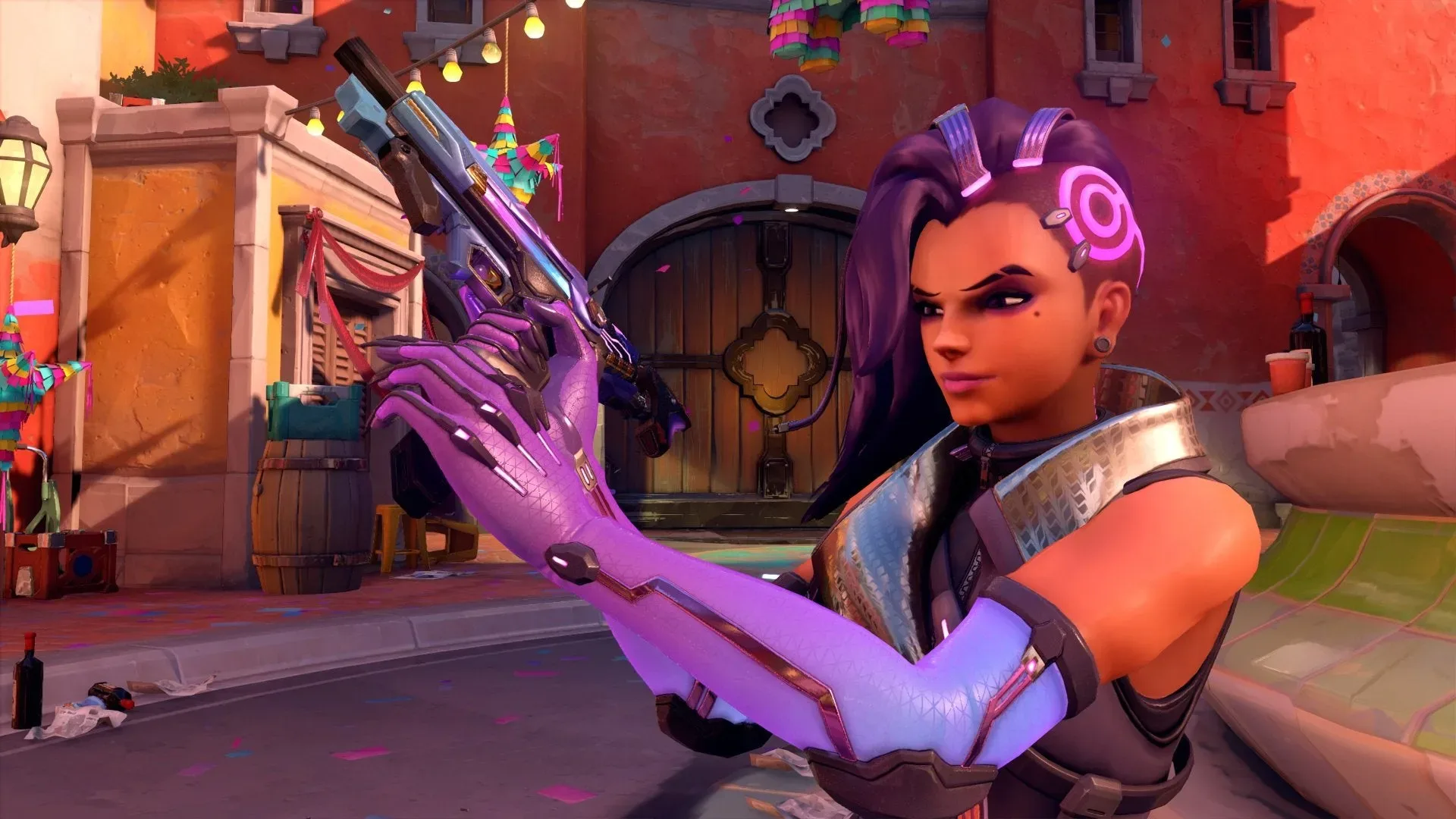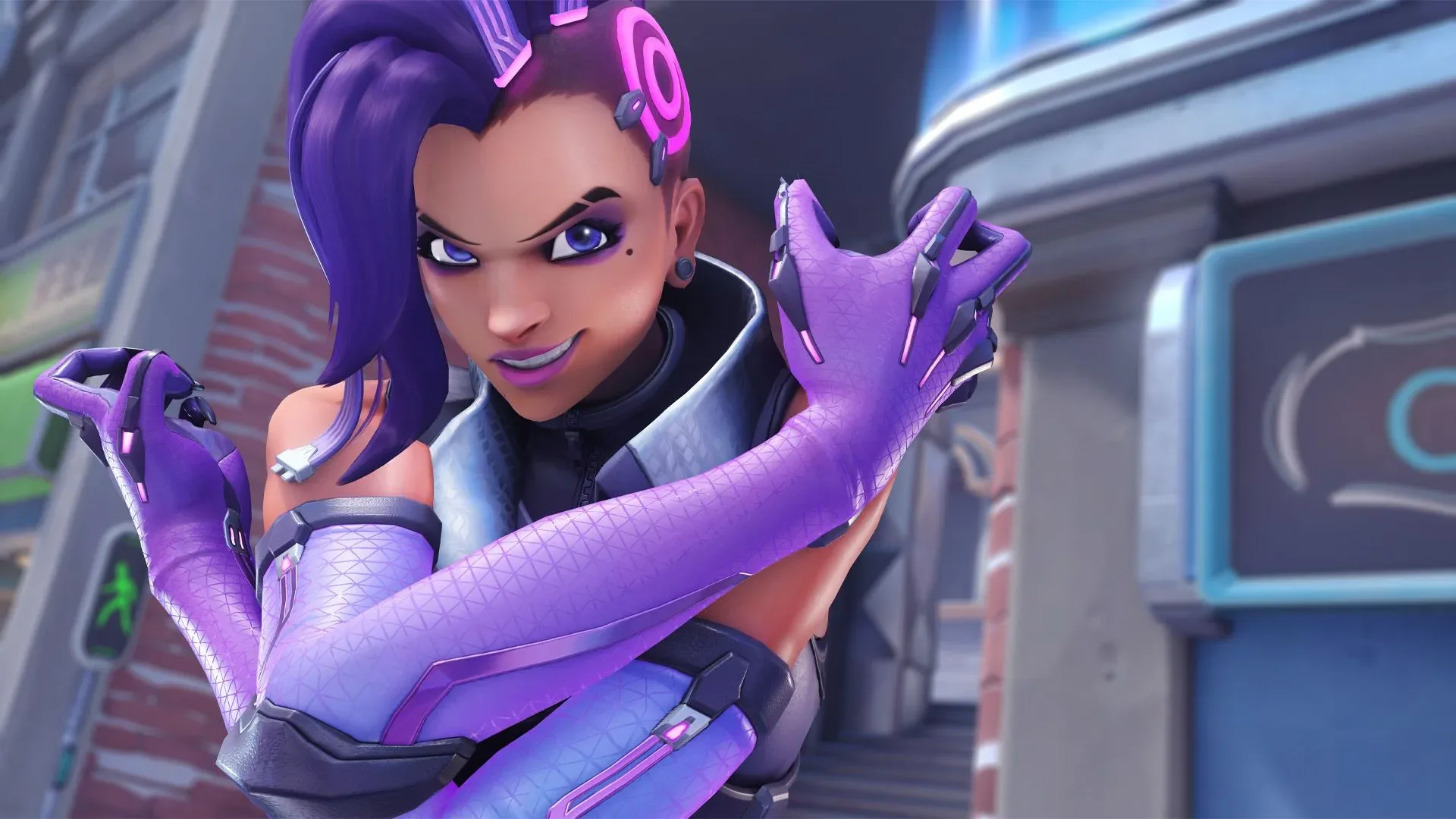
Sombra’s next major Overwatch overhaul asks players to accept a particularly sharp trade: the hero most closely associated with hacking opponents will no longer use her standard ability to shut down enemy heroes’ skills.
With Season 5: A Grim Doctrine, Sombra is moving from the damage roster to the support role. Her familiar Hack ability is being replaced by Hotfix, a healing-over-time tool for allies. The development team has directly acknowledged that the decision will frustrate part of Sombra’s established player base, but argues the result should be better for both the game and the people playing it.
That is a larger adjustment than a routine balance pass. It changes Sombra’s job in a match, the kind of pressure she creates, and the ways teammates and opponents will need to react to her. It also puts a practical question in front of veteran Sombra players: if the hero no longer disables enemy abilities as a regular part of her kit, what remains of the hacker fantasy?
Hack leaves the standard kit, Hotfix takes its place
Previously, Hack was central to the tension Sombra brought to fights. Its defining purpose was interfering with opponents by temporarily taking away their abilities. Under the support redesign, Hotfix instead heals allies over time.
For more context, explore Brian Steel Argues Rap Lyrics and Tattoos Should Not Be Treated as Criminal Evidence.
The rework also removes Virus, Sombra’s damage-over-time ability. Its replacement is Cyberspace, a projectile that weakens enemies while healing teammates. In plain terms, a damage-over-time effect continues dealing damage after it lands, while healing over time restores an ally’s health gradually rather than in a single burst. Cyberspace is therefore designed around a dual support function: helping a friendly target while placing a debuff, or weakening effect, on an opponent.
The available details point to a concerted effort to move Sombra’s moment-to-moment value away from disruption followed by damage, and toward assistance and controlled enemy pressure. Hotfix is the clearest marker of that change. It is not a renamed Hack with a slightly different target priority; it turns a defining enemy-control button into a team-sustain button.
That may sound at odds with Sombra’s identity at first glance, especially because game director Aaron Keller had previously said the rework would not alter that identity. But the team’s approach appears to be preserving hacking as a theme while narrowing the circumstances in which it directly affects enemy players.
Why the team chose to drop enemy Hack
Senior hero designer Leo Robles Gonzalez said the team had experimented with many versions of Sombra that still allowed her to hack enemies. The recurring problem, even when her damage was lower, was the experience of Sombra appearing unexpectedly, disabling abilities and then dealing damage while the targeted player felt unable to respond.
“There was always that feeling of Sombra appearing out of nowhere, turning off my abilities, and then outputting damage that I can’t really do anything about.”
That explanation is important because it distinguishes the issue from pure damage numbers. A hero can be numerically restrained and still generate an interaction that feels oppressive or unanswerable. Here, the objection described by the team is about the sequence itself: surprise, loss of agency, then incoming damage.
Agency, in a competitive multiplayer context, is the player’s ability to make meaningful choices and use their character’s tools. Temporarily removing those tools can be powerful tactically, but it can also make the opponent feel as though the match stopped being interactive at the exact moment they needed to act. The stated design concern is not simply that enemy Hack was effective. It is that it could create a frustrating experience even after efforts to reduce Sombra’s damage.
This makes the support conversion easier to understand as a design solution, not merely a role swap. Supports are generally expected to provide value to teammates as well as influence opponents. Moving Sombra’s standard Hack function into healing gives her a more direct way to support her own team while removing the regular, individual enemy ability lockout that the developers identified as the sticking point.
Sombra can still hack—just not ordinary enemy heroes with Hotfix
The new kit does not erase hacking altogether. Hotfix can hack health packs and deployable objects. The team specifically identified Torbjörn’s turrets and Ashe’s B.O.B. as examples. Sombra can also hack human enemies through her ultimate ability, EMP.
That distinction matters. A deployable is an object placed into the match by a hero, such as a turret or B.O.B. By retaining interaction with health packs and deployables, the rework keeps Sombra connected to the battlefield systems and objects that fit her technological theme. By confining enemy-human hacking to EMP, it makes that disruption an ultimate-based event rather than a repeated standard-ability interaction.
An ultimate is a hero’s high-impact ability. The provided details do not specify how EMP has otherwise changed, so it would be premature to draw conclusions about its exact frequency, strength or use cases after the rework. What is clear is that EMP remains the route for Sombra to hack enemy players, while Hotfix is aimed at healing allies.
For opponents, that could make Sombra’s direct ability-denial threat more predictable in principle: it is attached to a specific high-impact ability rather than an everyday button. For Sombra players, it means learning to find value in a different set of decisions—supporting allies with Hotfix, using Cyberspace’s mixed healing-and-weakening function, and selecting the right moments for the hacking that remains.
Veteran players are being asked to relearn a defining hero
Hero designer Scott Kennedy said the team hopes this will be Sombra’s last rework. He also conceded that players will be upset at losing the version of the character centered on hacking enemies, while expressing confidence that the broader game and its players will benefit from the new approach.
“Obviously players are going to be upset that they lost this hacking enemies version,” Kennedy said, while describing the redesign as better for the game.
That is a candid admission of the rework’s risk. For long-time Sombra specialists, enemy Hack was not an incidental feature. It defined much of the character’s appeal and skill expression. Players built habits around identifying vulnerable targets, creating surprise windows, disrupting an opponent’s options and capitalizing on that disruption. A support Sombra will still have her own tactical demands, but those demands are not interchangeable with the old pattern.
There is also a social dimension to the change. The rework was presented as an attempt to make Sombra less annoying for enemies and allies alike. That wording suggests the team sees the old design as creating strain on both sides of a match: opponents disliked sudden shutdowns, while allies may have found the prior damage-focused version less directly aligned with what they need from a support slot.
Whether the redesign succeeds will depend on how the new tools work together in actual team play, information not established here. But its objective is unusually explicit. The developers are not presenting a minor modernization of the same disruptive character. They are intentionally removing the standard enemy Hack interaction because attempts to retain it did not resolve the negative experience they were trying to address.
What players should watch when the rework arrives
The most useful way to assess the new Sombra is to separate theme from function. The theme remains present: she can interact with health packs and deployables through hacking, and EMP can still hack enemy players. Functionally, however, her regular kit is being rebuilt around healing and weakening rather than ability denial and damage.
- For Sombra veterans: Hotfix and Cyberspace will require a new emphasis on helping allies. Familiarity with enemy Hack will not automatically transfer to the support role’s priorities.
- For Sombra’s teammates: the new kit offers more direct support tools, including healing over time and a projectile that can heal allies.
- For opponents: health packs, deployables and EMP remain relevant parts of Sombra’s hacking identity, but ordinary enemy Hack is no longer her standard threat.
- For everyone: the team is deliberately prioritizing a less frustrating interaction model over keeping the old ability intact.
There is no disguising the scale of the adjustment. Removing Hack from Sombra’s normal ability lineup risks alienating players who chose her precisely because she could interfere with enemy heroes’ tools. At the same time, the developers’ comments make their rationale plain: they tried keeping enemy hacking in alternate versions of the rework and concluded it repeatedly recreated the same frustrating encounter.
The result is a bet that Sombra’s identity can survive through technological battlefield manipulation, support utility and EMP, rather than through constant direct shutdowns of enemy heroes. It is also a bet that a hero known for creating chaos can become more welcome on both sides of the match by making her assistance to allies more visible and her disruption more bounded. For additional coverage of the change, see this report on Sombra’s support rework.