The Legend of Zelda: Ocarina of Time Remake appears to be taking a deliberately restrained route back to Hyrule. A hands-on preview of the Nintendo Switch 2 release describes a game that substantially updates the presentation and player controls while retaining the landmarks, progression and puzzle-focused character that players associate with the Nintendo 64 original.
That balance is the central challenge for any remake of a beloved game. An extensive rewrite risks turning familiarity into a marketing label rather than a lived experience. Too little change, meanwhile, can leave a re-release looking like a technical curiosity. The reported approach here is more selective: use a new visual framework and modern conveniences to make the original spaces more readable and lively, but avoid replacing the adventure’s basic identity.
The game is listed for Nintendo Switch 2 on November 5, 2026. The preview covered three separate portions: the opening through part of the Deku Tree, a visit to Hyrule Field and Castle Town, and a full run through the Forest Temple. That is enough to outline several changes, but it is not a comprehensive account of the finished game. Players should therefore treat details beyond those areas, including the full scope of alterations across Hyrule, as unconfirmed.
A new look that keeps Hyrule recognizable
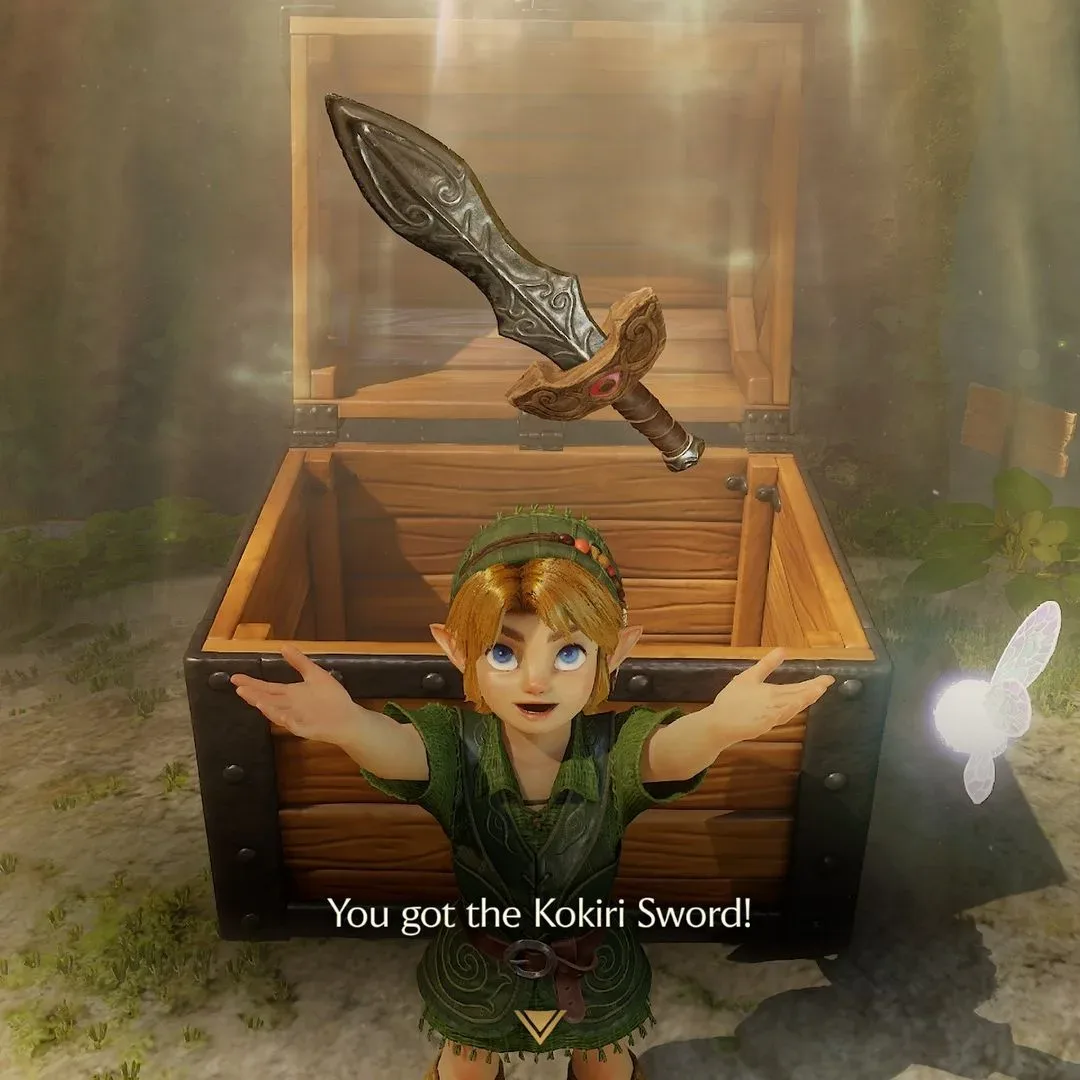
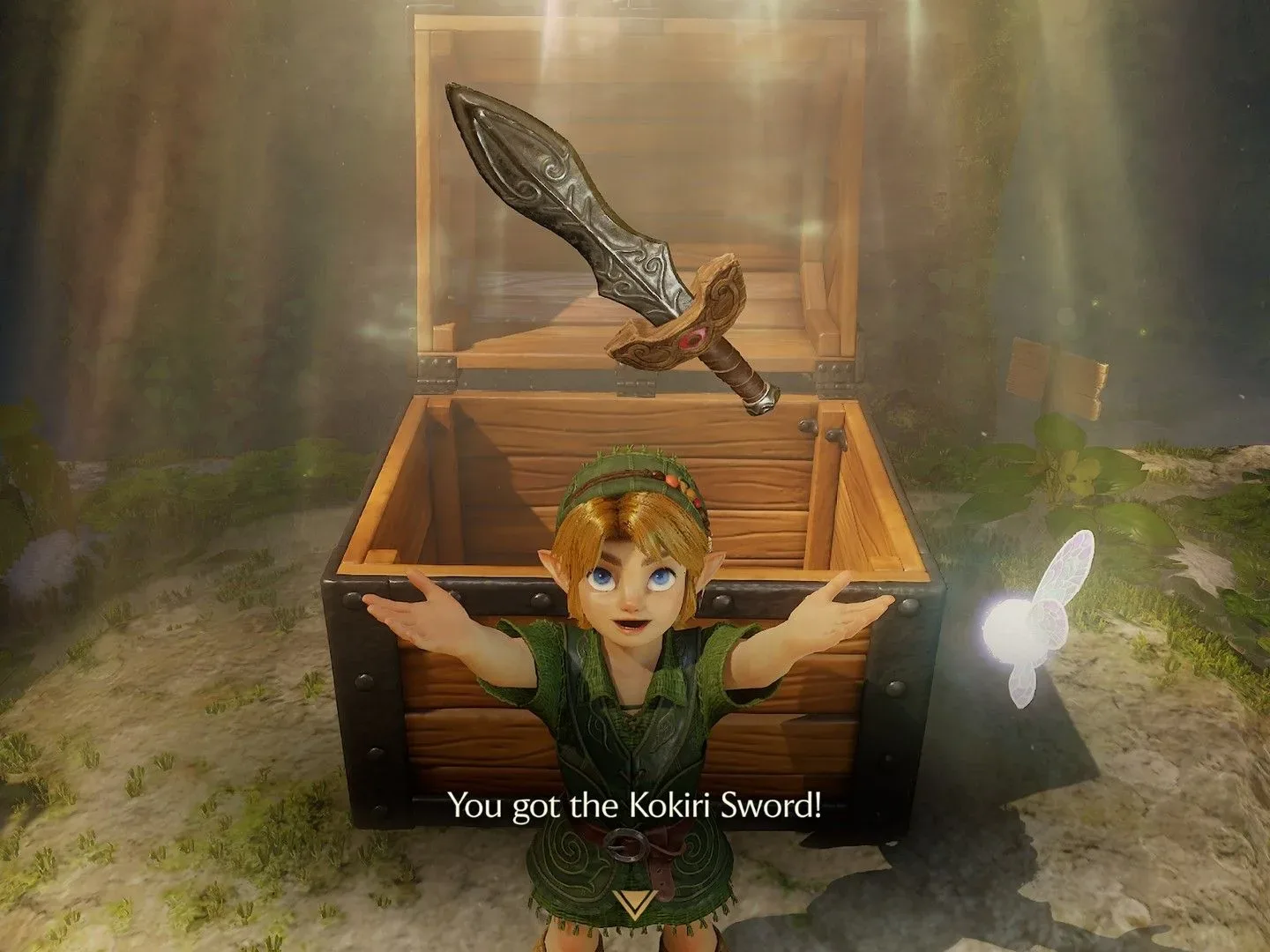
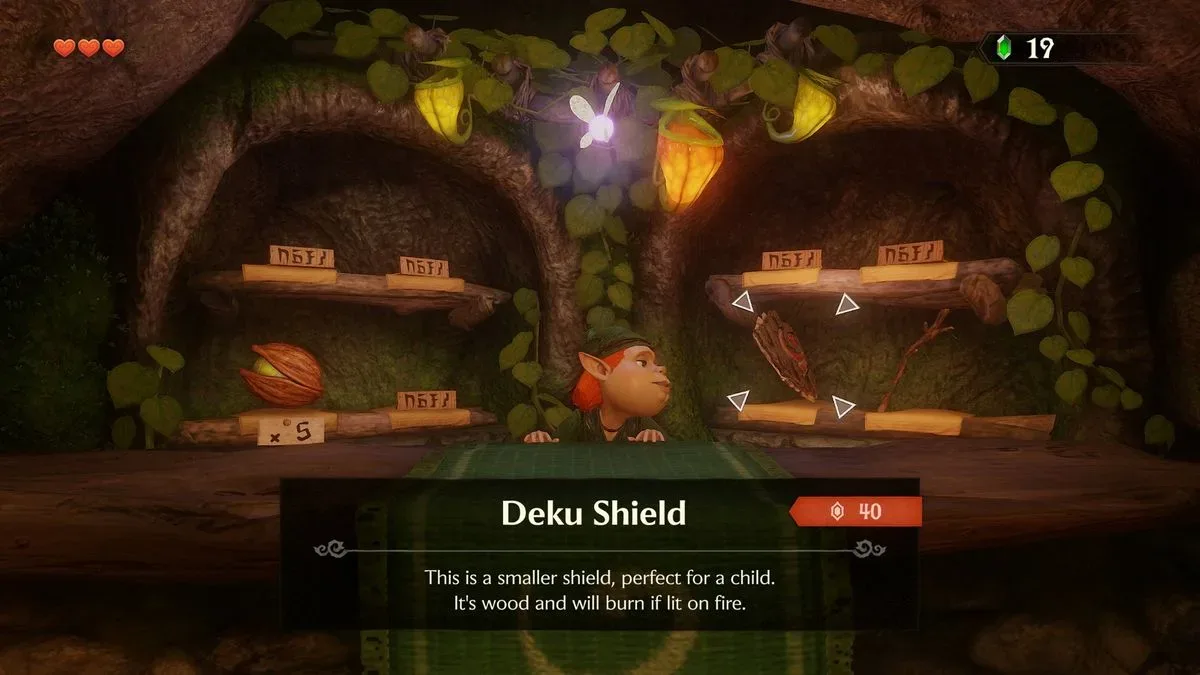
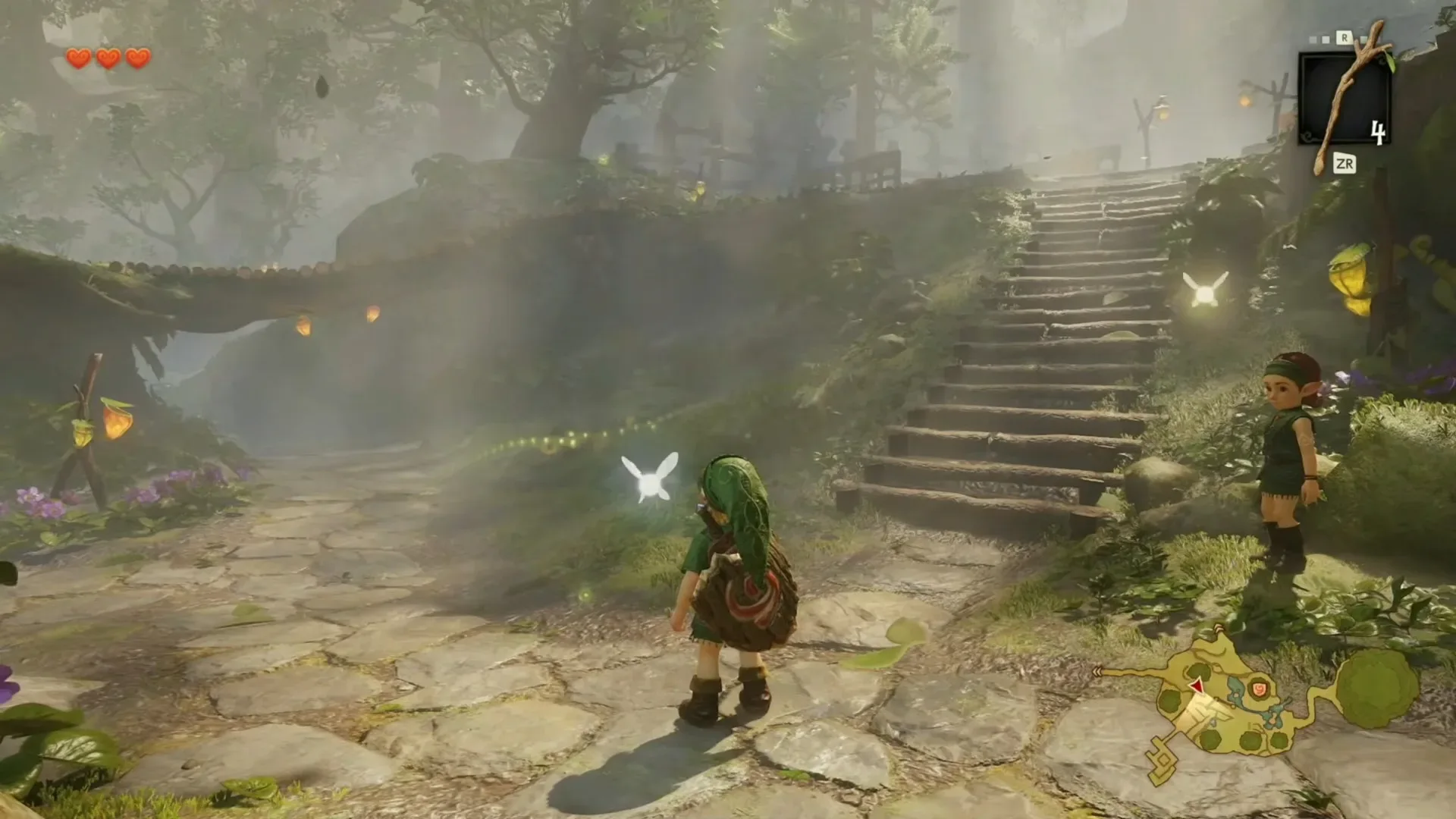
The remake reportedly moves away from the Nintendo 64 game’s hard-edged, angular appearance without abandoning its broad color choices. Kokiri Forest is brighter and seems more spacious, while still preserving the crucial geography that teaches players the early rhythms of exploration: Link’s home, the route toward the sword, and the blue rupee used toward a shield remain where returning players expect them.
For more context, explore Paul Bettany Says Wanda’s Absence Haunts White Vision in VisionQuest.
That is a meaningful design choice. Early areas in adventure games do more than introduce characters; they train the player to understand distance, landmarks and rewards. Repositioning every small pickup or route can make a remake feel novel, but it can also weaken the sense that the player has returned to a known place. Keeping the spatial logic intact lets the revised visuals do the refreshing work instead.
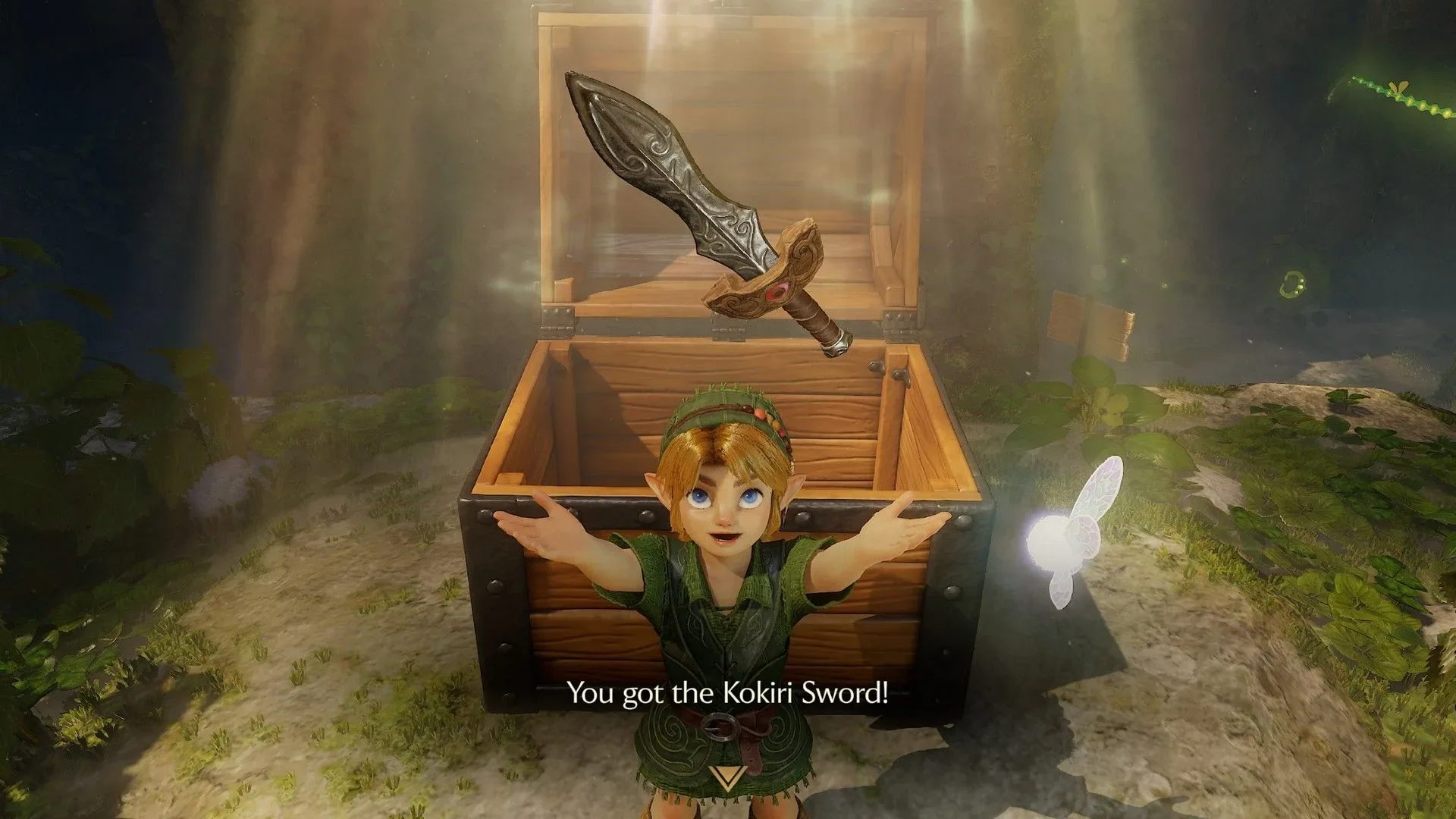
Young Link has also been redesigned with rounder facial features, including wider eyes and fuller cheeks. The preview suggests that the character model fits the story’s opening better in motion than it may have in still images. The contrast becomes more pronounced later, when the Forest Temple section places the player in control of adult Link after the game’s seven-year time shift.
Lighting is one of the strongest reported visual upgrades. In the Forest Temple, dim wooden hallways are said to absorb much of the available light, while courtyards and stained-glass windows hold softer illumination. This is more than a decorative upgrade in a dungeon built around atmosphere and uncertainty. Careful light placement can distinguish routes, set mood and draw the eye toward architectural details without changing a single puzzle solution.
Related coverage includes Ocarina of Time Remake Preview: A Familiar Hyrule Rebuilt for Switch 2.
Free camera control and a proper jump button
The clearest mechanical modernization is the removal of the original game’s locked camera. Players can apparently move the camera freely, giving them more direct control over how they view platforms, rooms and surroundings. A free camera is common in contemporary third-person games, but it carries particular weight in Ocarina of Time because the original was such an important early 3D adventure. Its camera and movement solutions were built around the constraints and conventions of that era.
Free camera control means the player can independently rotate the viewpoint rather than relying chiefly on the game to frame action. The practical benefit is clearest in platforming. The preview reports that Link can now be lined up manually before a jump, reducing the uncertainty that could come from running toward a ledge and trusting automatic movement behavior.
Link can also jump on command. In the original design, a standard forward leap was generally contextual, occurring when Link ran toward an edge. A dedicated jump command changes the moment-to-moment feel of traversal because it gives the player a direct input for correcting position and committing to a leap. The report does not indicate that the remake has redesigned the game around elaborate jumping challenges; instead, the change sounds intended to make established navigation less awkward.
Combat, by comparison, seems to preserve its simple and readable foundations. The reported approach against enemies such as Deku Babas and Stalfos remains to lock onto a target, wait for an opening and strike. Lock-on targeting is a system that keeps the player’s focus tied to a selected foe, helping directional movement and attacks remain legible in 3D space. Its retention suggests the remake is not chasing the faster, more freeform combat style of later Zelda entries.
The interface has apparently been improved to make item switching easier. That has a practical knock-on effect: a tool such as a Deku Nut, which can stun enemies, is more likely to be used when accessing it is less cumbersome. Quality-of-life changes are often least flashy on a feature list, but they can have an outsized effect on whether a player engages with the full toolkit rather than relying on a sword for every situation.
Gyro aiming could change how tools feel
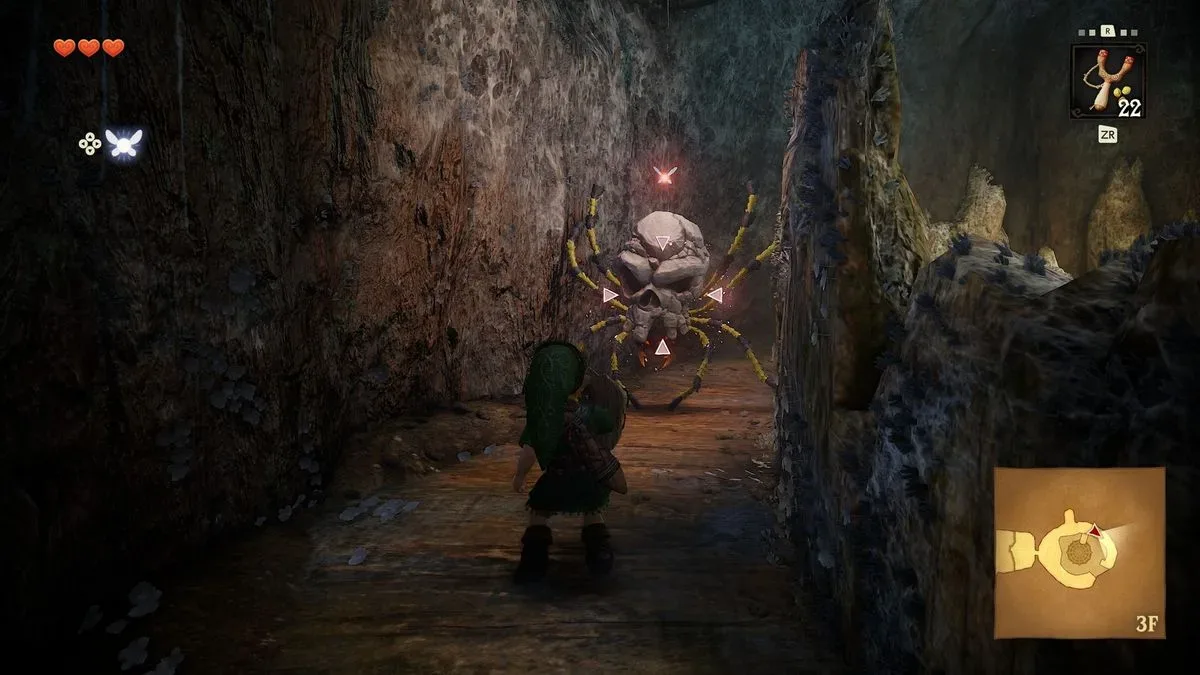
The Slingshot and the Hero’s Bow reportedly support gyro controls, with aiming described as smooth during the preview. Gyro controls use the motion sensors in a controller, allowing a player to make small aiming adjustments by physically tilting or moving it. In this case, that reportedly made it easier to hit Skulltulas with Slingshot seeds and remained appealing after adult Link acquired the bow.
For a remake of a game originally designed around an analog stick, motion aiming is a notable optional-style evolution of ranged combat. Fine aim can be a natural fit for a tool that requires quick corrections, though individual players will still have different comfort levels with motion input. The available account establishes that gyro aiming was present and effective in the preview build; it does not detail customization settings, sensitivity options or whether it can be disabled.
Adult Link’s Hookshot is also described as having a pleasing wobble when fired. That sounds small, but animation response is part of how a classic item earns its personality. A remake does not need to invent a new function for every familiar tool. Sometimes better animation, clearer feedback and more responsive input are enough to make an old action feel newly tactile.
Castle Town becomes a place rather than a single screen
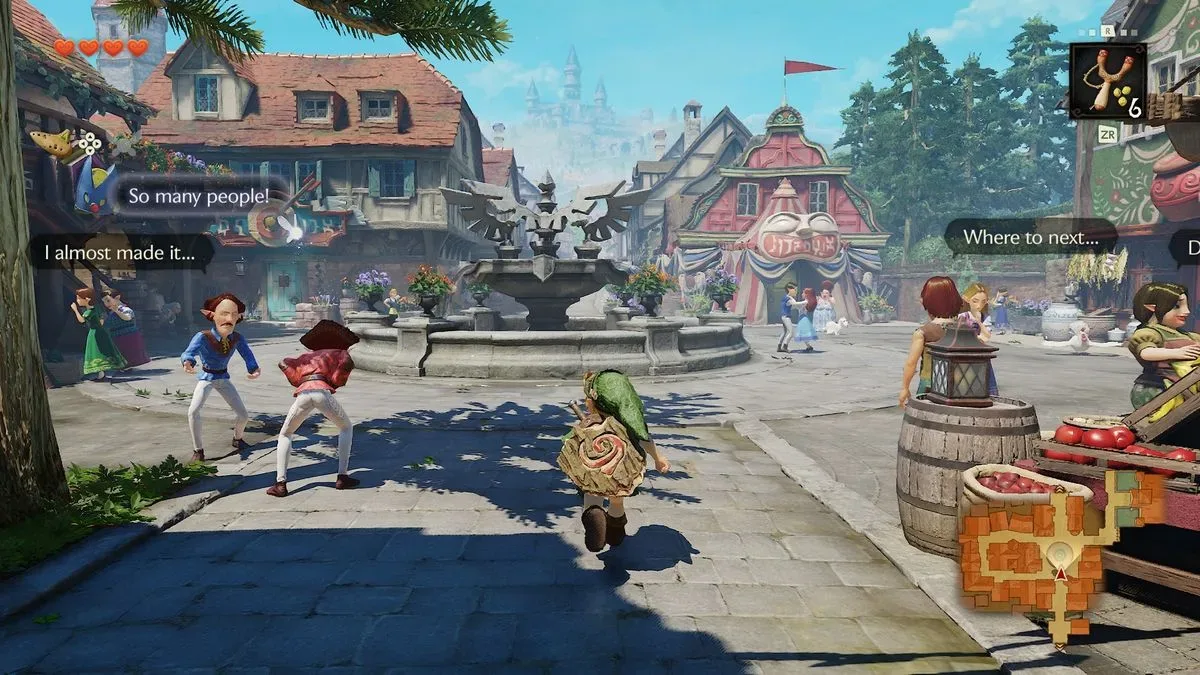
Of the locations shown, Castle Town appears to have received the most substantial environmental expansion. The original settlement’s sense of bustle has reportedly been extended into a fuller 3D space with added backstreets and people moving about their daily business. The comparison drawn in the preview is to the livelier settlements of later 3D Zelda games, including Wind Waker, Twilight Princess and Skyward Sword.
The expanded town is not just visual scenery. New and existing residents can direct Link toward key people and destinations, including Talon and Hyrule Castle. That is an example of what designers often call player guidance: cues that point a player toward the next objective without necessarily placing an explicit arrow over it. Dialogue from townsfolk can preserve the feeling of discovery better than a blunt interface prompt, while still reducing the chance that someone loses the intended thread of the opening.
The shooting gallery minigame has reportedly been adjusted so that its difficulty rises rather than beginning at its toughest setting. This is another small change with a clear accessibility implication. A gradual curve lets players learn the activity before it asks for strong precision, potentially making an optional diversion feel inviting instead of immediately punishing.
Not every familiar interaction has survived unchanged. The preview specifically notes that players can no longer run up the Castle Town drawbridge chains to collect a hidden rupee. It is a minor omission in the larger adventure, but it illustrates the difficult accounting of a remake: even a project committed to accuracy may alter or lose incidental secrets when spaces are rebuilt in a different engine and at a different scale.
Hyrule Field and the Forest Temple retain their roles
Hyrule Field retains its recognizable layout in the available hands-on footage, although ruined buildings now appear across the countryside and the field feels larger. The location is introduced with a sweeping title treatment said to resemble the way areas are presented in Breath of the Wild. The preview does not establish whether the added ruins hold quests, items or other new activities, so their broader purpose remains unknown.
The Forest Temple, meanwhile, offers the strongest indication that the remake intends to respect the original dungeon experience. Its puzzles and minibosses were recognizable enough for a returning player to navigate much of the temple from memory, but they still carried their established increase in complexity. This is a useful boundary for the remake’s modernization: better movement and lighting should help players engage with dungeon design, not flatten the deliberate friction and mystery that make the temple memorable.
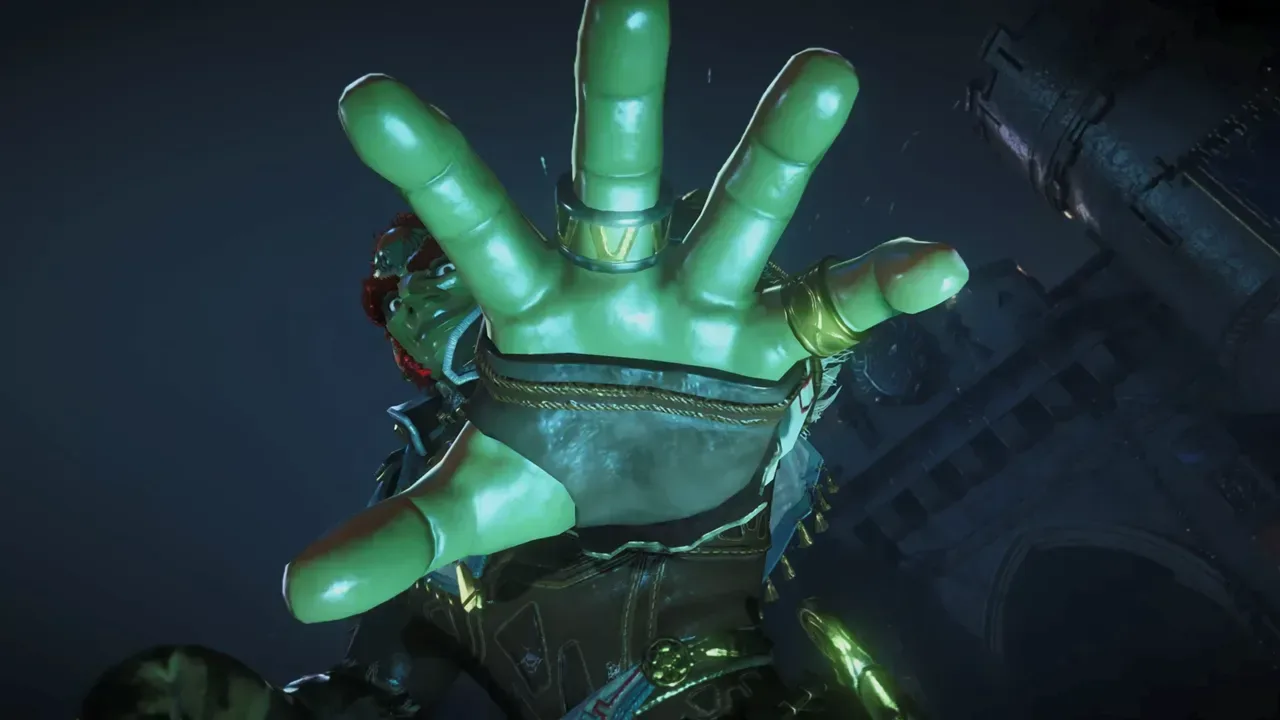
Phantom Ganon remains the dungeon’s climactic encounter. The battle still begins with the spectral rider appearing through large paintings before moving to projectile exchanges with Link. The preview describes completing the Forest Temple in 45 minutes, though that timing reflects one player’s familiarity with the material rather than a general estimate for newcomers.
What the preview suggests—and what it does not
The reported changes form a coherent philosophy. Ocarina of Time Remake seems designed to preserve the original game’s routes, set pieces and core combat language, while making its camera, platforming, aiming and presentation feel more current. The greatest additions described so far are environmental rather than structural: more dimensional spaces, more guidance from characters and more atmosphere in the lighting.
For longtime players, that could make the remake a return visit rather than a replacement for the Nintendo 64 release. Familiar item placements and dungeon architecture carry forward the original’s memory map, while free camera movement and manual jumping answer frustrations that were easier to accept in an earlier era of 3D design. For players who know Zelda chiefly through Breath of the Wild or Tears of the Kingdom, the potentially bigger adjustment may be the more directed structure: discrete dungeons, defined puzzle rooms and combat built around lock-on exchanges.
There are still major unanswered questions, simply because the preview was limited. It does not establish the complete map, the extent of any new quests or secrets, every interface option, performance characteristics, or how the remake handles all late-game areas. But the sections shown point toward a confident and unusually careful restoration—one willing to make modern play feel smoother without treating the original adventure as something to be corrected out of existence.