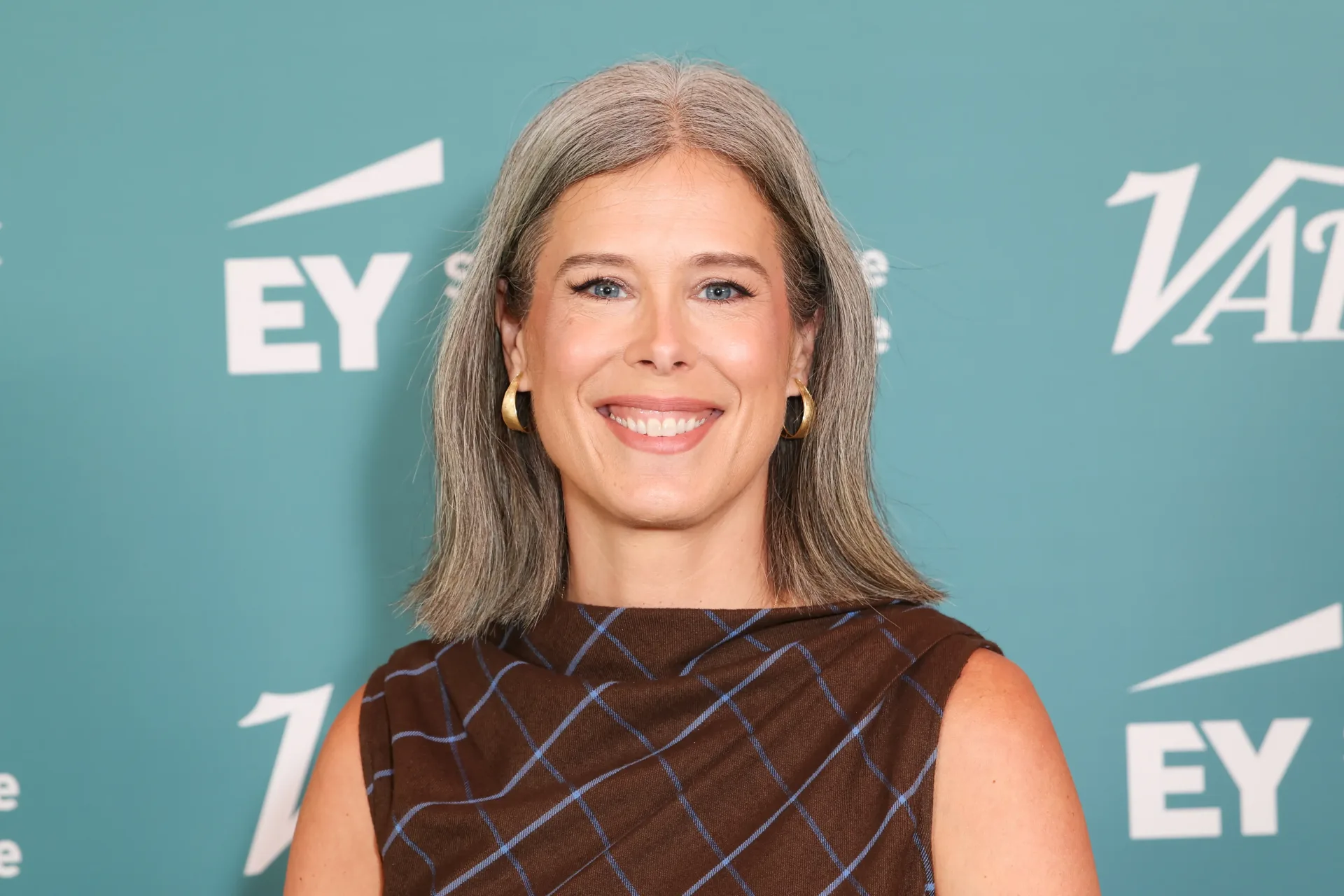
Nintendo’s current Zelda anniversary celebration is being framed as more than a single commemorative moment. Nintendo of America president and COO Devon Pritchard has described the company’s plans as the opening stage of a longer, multi-year effort built around its major intellectual properties, with Switch 2 games and screen projects serving as connected points of contact for existing fans and prospective new ones.
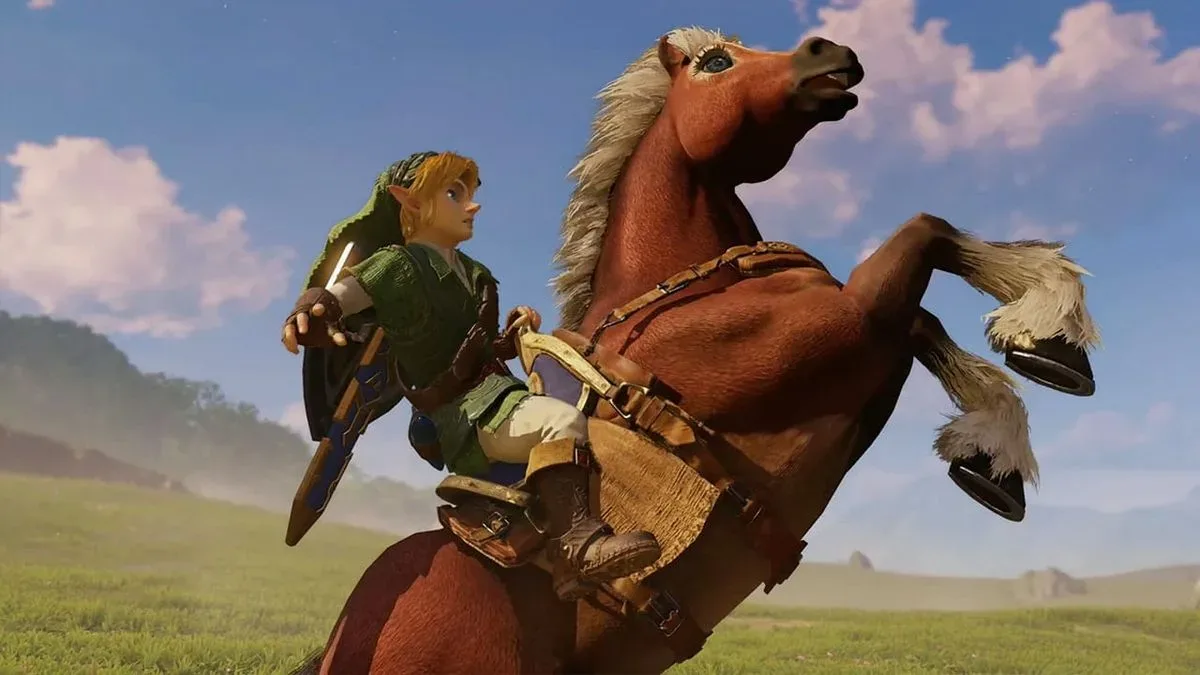
The immediate landmarks are unusually clear. The Legend of Zelda: Ocarina of Time is set to receive a remake for Switch 2 in November, while a live-action The Legend of Zelda film is planned for the end of April next spring through Nintendo’s work with Sony Pictures. Those projects arrive as the Zelda series marks its 40th anniversary and Switch 2 passes its first year on the market.
That does not automatically mean every Nintendo property is about to get a movie, remake, or coordinated release campaign. It does, however, establish the company’s stated direction: use games, partnerships, and broader entertainment touchpoints to build durable relationships around its characters and worlds rather than treat each release as an isolated event.
What Nintendo has actually put on the near-term Zelda roadmap
The most concrete game item is the Ocarina of Time remake planned for Switch 2 in November. The supplied details identify it as a remake, not merely a re-release, but do not specify its developer, visual approach, gameplay changes, pricing, or whether it will have additional editions or features. Those are important distinctions, and none should be assumed from the word “remake” alone.
In practical terms, a remake usually means an older game is rebuilt or substantially revised for contemporary hardware, rather than simply made available again in its original form. The scope can vary greatly: some remakes chiefly modernize presentation and controls, while others reshape systems or content. Until Nintendo provides more detail, players should avoid treating assumptions about mechanics, graphics, or additions as confirmed information.
The film sits alongside the game rather than after it. Pritchard said Nintendo is working with Sony Pictures and that the movie is due at the end of April; it is also described as arriving next spring. The available information does not identify cast, director, plot, rating, distribution specifics, or a precise release date. What it does show is an intentional overlap in timing: a major Zelda game revival is due before a live-action adaptation reaches cinemas.
That sequencing has an obvious audience benefit. Players curious about the franchise after seeing a trailer or hearing about the film would have a prominent Zelda game on the current Nintendo platform to consider. Longtime fans, meanwhile, have a familiar game receiving a new version during the anniversary period. The strategic logic is easy to see, but it remains analysis rather than a declared statement of the release plan’s exact purpose.
Switch 2 is being presented as a starting point, not a finished slate
Pritchard’s broader message was that Nintendo considers Switch 2 early in its life. She highlighted both Nintendo-made releases and third-party experiences, and said she is looking ahead to what developers will bring to the system. Third party is industry shorthand for games made by outside publishers and development studios rather than the console maker itself. For a platform, that support matters because it expands the range of software without requiring the hardware company to create every major release on its own.
The remarks offer no game-by-game Switch 2 schedule and do not commit Nintendo to particular franchises beyond the Zelda material discussed. Still, they set expectations for continued platform investment. A one-year milestone can invite premature judgments about a console’s identity, especially when players evaluate a machine by the size of its initial catalog. Nintendo’s own view, as expressed here, is that the important development work is still ahead.
That perspective also puts the Ocarina of Time remake in a useful context. It is not being described as the endpoint of Switch 2’s Zelda ambitions, and it is not the only type of experience Nintendo expects on the machine. Its role is better understood as one significant release within an expanding ecosystem of first-party games, third-party software, and entertainment projects connected to Nintendo properties.
For players trying to decide what these comments mean today, the sensible takeaway is narrow: November’s remake is the named upcoming Switch 2 game, while additional future releases remain unspecified. A statement of long-term intent is not a substitute for dates, platforms, or feature lists. It is a signal about the company’s confidence in the hardware’s runway.
Why the Sony Pictures relationship matters
Nintendo’s collaboration with Sony Pictures is notable because it takes Zelda beyond the console screen while keeping the game business at the center of the conversation. Pritchard described partnerships with companies such as Sony and Sony Pictures as opportunities to take Nintendo experiences to current players and to people who may not yet be part of its audience.
Intellectual property, often shortened to IP, refers to the characters, settings, names, stories, and other creative assets a company controls. Zelda is a powerful example because it can work simultaneously as a game series, a recognizable fantasy world, an anniversary celebration, and now a planned live-action film. The challenge for Nintendo is not simply extending that IP into another medium. It is making each extension feel worthwhile to people who know the games intimately while remaining understandable to newcomers.
Pritchard’s language suggests Nintendo’s goal is breadth without reducing its work to a race for attention. That is a meaningful distinction at a time when entertainment companies frequently describe every service, game, film, and social platform as competing for the same limited hours. Nintendo recognizes the abundance of material available around the clock, but Pritchard says its focus is to create experiences that form relationships across generations.
There is no shortcut hidden in that phrase. A film can introduce someone to Zelda, but it cannot guarantee that person will become a game player. A remake can attract a returning fan, but it cannot by itself establish the identity of a newer console. The connection has to be earned through the quality of the game and the quality of the adaptation. Pritchard distilled Nintendo’s internal test to a deceptively simple question: whether something is fun.
That sounds uncomplicated only until it is applied to a decades-old game and a major live-action production. “Fun” can involve responsive play, clear design, emotional attachment, accessibility for a new audience, and confidence that a familiar property has been handled thoughtfully. Nintendo has not explained how the remake or film will address those separate demands, so any judgment must wait for more specific information.
Ocarina of Time carries a particular kind of expectation
The choice of Ocarina of Time gives the November release an especially high profile. It is not just another Zelda title with an established name; it is a game that has remained central to discussions of Nintendo’s history and legacy. A remake therefore has two audiences at once: people discovering it for the first time and players who may remember every location, melody, puzzle, and turning point.
That dual audience is one reason accurate language matters. At present, the confirmed point is a Switch 2 remake in November. It is not yet possible to say whether the project will preserve every element of the original, how it will adapt its design, or what new players should expect beyond the fact that it is a new version of Ocarina of Time. Enthusiasm is understandable, but a remake’s final identity rests on details Nintendo has not supplied.
There is also a broader Nintendo heritage angle. The company continues to have an audience interested in both modern hardware and the preservation, revision, or rediscovery of earlier systems and software. For a different view into that history, see our look at Nintendo DSi modding history, camera exploits, Unlaunch and the NAND revolution. The Ocarina of Time project belongs to a separate, official Switch 2 release path, but both subjects illustrate how strongly Nintendo’s past continues to shape present-day interest.
What players should watch for next
The next useful updates will be concrete rather than aspirational. For the game, players will want to know what “remake” means in practice: its visual direction, controls, game structure, any new material, and the exact November launch date. For the film, the key unknowns include its specific April date and the creative information that will explain how a live-action Zelda is being approached.
For Switch 2 more broadly, the central question is which first-party and third-party projects join the platform after its first anniversary. Pritchard’s comments make clear that Nintendo sees the console’s current state as an early chapter. They do not reveal the full chapter list.
The firmest conclusion is therefore also the most restrained. Nintendo is using Zelda’s 40th anniversary to place a Switch 2 remake and a live-action movie in close succession, while presenting both as part of a wider, longer-lived IP strategy. The company wants the work to reach beyond its existing audience, but it is grounding that ambition in a standard players will recognize immediately: the experiences still have to be fun.