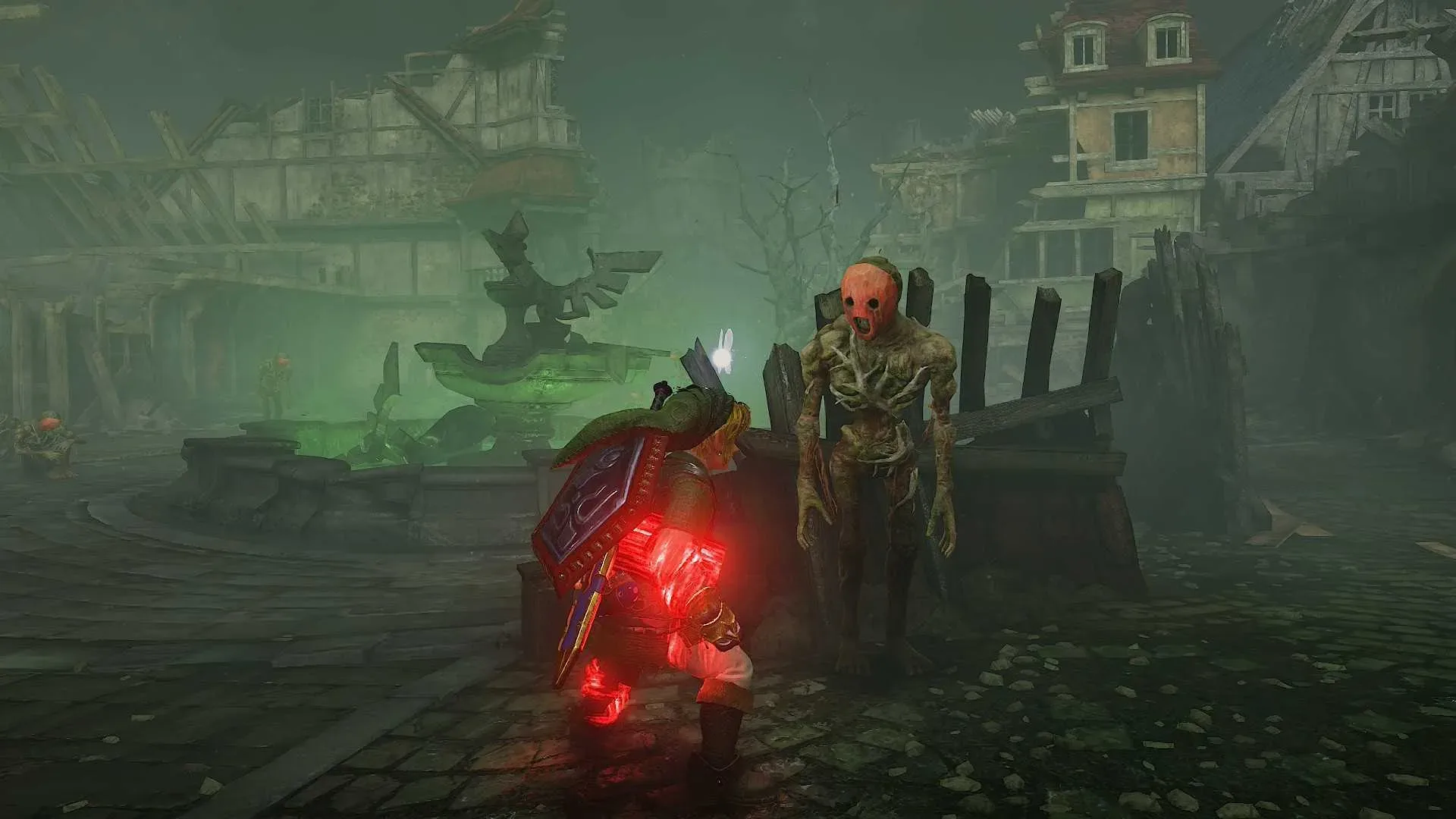
A remake can preserve every major plot beat, every dungeon and every boss encounter, then still feel meaningfully different because its oddest faces no longer land quite the same way. That appears to be the delicate case with The Legend of Zelda: Ocarina of Time on Nintendo Switch 2: the reported remake retains a remarkably broad set of the original game’s memorable eccentrics, monsters and background oddballs, but the transition does not treat all of that strangeness equally.
That is not a trivial concern for a game like Ocarina of Time. Its world is populated not merely by heroes, villains and quest-givers, but by creatures and characters whose appeal comes from being difficult to classify. Some are funny without quite being jokes. Some are threatening in a manner that is disproportionate to their place in the story. Some are bizarre simply because a game made with an earlier visual language could make them look unfamiliar, stiff or slightly off in ways that feel impossible to recreate cleanly.
The positive headline is simple: the remake reportedly has not swept away the weird little guys. Redeads, the Happy Mask Salesman, the Great Fairy, Deku Business Scrubs, Cojiro, Dead Hand, Bongo Bongo, Biggoron, Rauru, King Zora, Koume and Kotake, and many more are all said to return in some form. Mario also remains present. That breadth matters. It suggests that the remake’s idea of faithfulness extends beyond the central adventure and into its less orderly texture.
But preservation and improvement are not synonyms. The early character-by-character impressions point to a more complicated result: a few redesigns sharpen what was always memorable, some lose the uncanny roughness that made them distinctive, and at least one character becomes so frightening that the joke-like part of the original response no longer applies.
For more context, explore Bruce Springsteen Blames ‘Jaws’ for Ruining Skinny Dipping in Spielberg Tribute.
What “weird little guy” means in a remake
“Weird little guy” is not a formal character category, and it is not limited by a character’s literal size. Biggoron can apparently qualify just as readily as a small frog or a wall-bound face. The phrase works better as a description of a particular kind of design energy: characters that interrupt the expected tone of an adventure game through an odd silhouette, strange behavior, unsettling dialogue, an incongruous animation, or a combination of all four.
That distinction is useful because a remake changes several layers at once. A character model is the visible 3D representation of a character. Animation refers to the movement performed by that model. Framing concerns what the camera and scene composition draw the player’s attention toward. Dialogue presentation includes not only the words on screen but which object, face or part of an environment seems to be speaking. A change in any one of those can alter the emotional reading of a scene.
The reported remake offers examples across all of those layers. Redeads are described as looking almost costume-like in a still image while remaining frightening in motion. Dead Hand succeeds through a combination of its updated appearance and jerky movement. The face in the wall is more clearly menacing visually, yet the scene loses a little of its ambiguity because the message about travelling by ferry to another world is now evidently delivered by a floor plaque rather than seeming to emerge from the unsettling statue itself.
That is the central tension. Modernized clarity can make an image more legible, but legibility can also remove the uncertainty that made it eerie. In an older game, technical constraints and stylization can leave room for a player to wonder what, exactly, they are looking at. A remake often answers that question. Sometimes the answer is better. Sometimes the unanswered question was the point.
The winners: characters whose new forms amplify the oddness
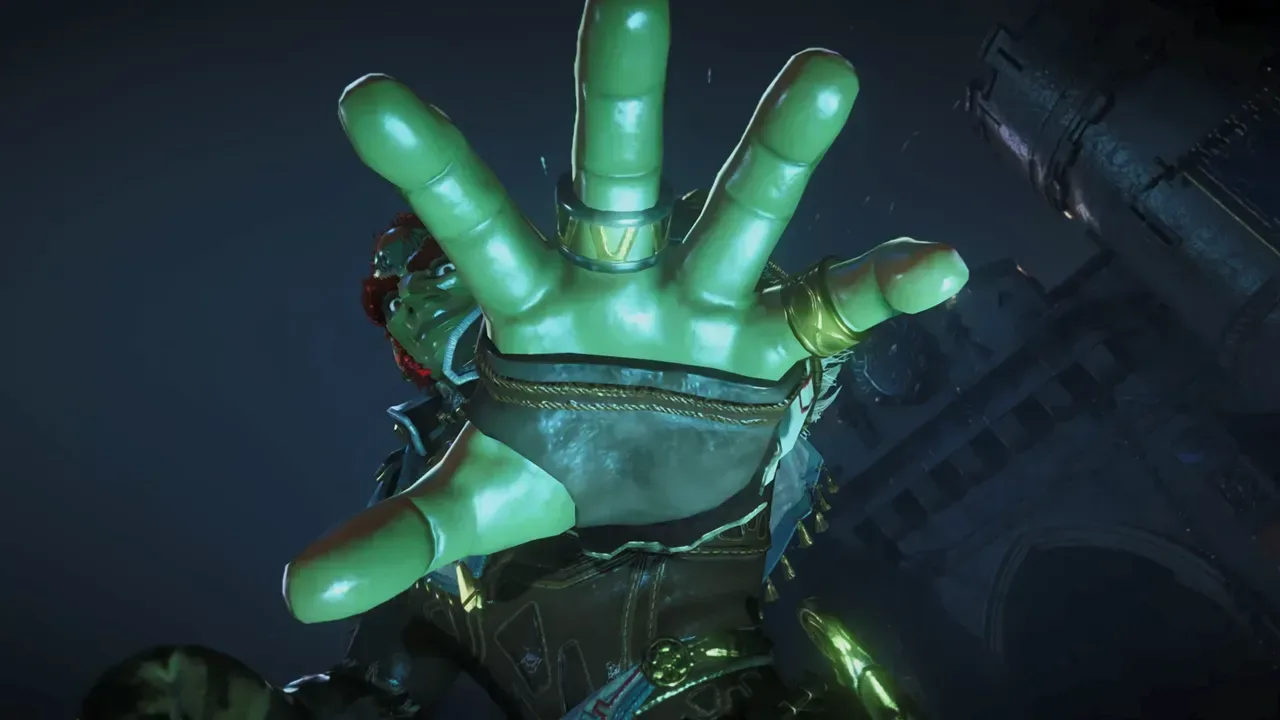
Dead Hand sounds like one of the clearest successes. There was understandable room for concern that a more detailed presentation might make the creature feel less strange rather than more strange. Instead, its visual update paired with deliberately awkward, abrupt movement reportedly retains its freakish effect. That is an important result: high-fidelity detail is not inherently the enemy of horror or surrealism. It simply needs animation and staging that support the intended discomfort.
The wall face also earns strong marks as a visual object. Its revised look is said to be superbly menacing. The caveat about the plaque’s clearer role in delivering dialogue is revealing, though. It is possible for the model itself to improve while the whole encounter becomes slightly less uncanny. Those are not contradictory claims. A game scene is more than its best-looking asset.
The unidentified “thing” singled out among the remake’s stranger sights is reportedly the most successful escalation of all: an already freakish presence made even more overtly horrifying. Without a more precise label or extra context, it would be unwise to claim more about what it is or where it appears. Still, the reaction matters because it suggests the remake is not committed only to smoothing, beautifying or sanitizing the game’s oddest imagery. In at least this case, it leans into the discomfort.
Skulltula-Man receives an unambiguous thumbs-up, while the eyeball frog is viewed as an improvement because of a rounder shape. Those assessments may sound slight, but they underline how much character personality can reside in proportions. Roundness can make a design read as cuter, more toy-like, more cartoonish or simply more distinct. In the context of Ocarina of Time, that can be enough to preserve a creature’s memorable visual identity.
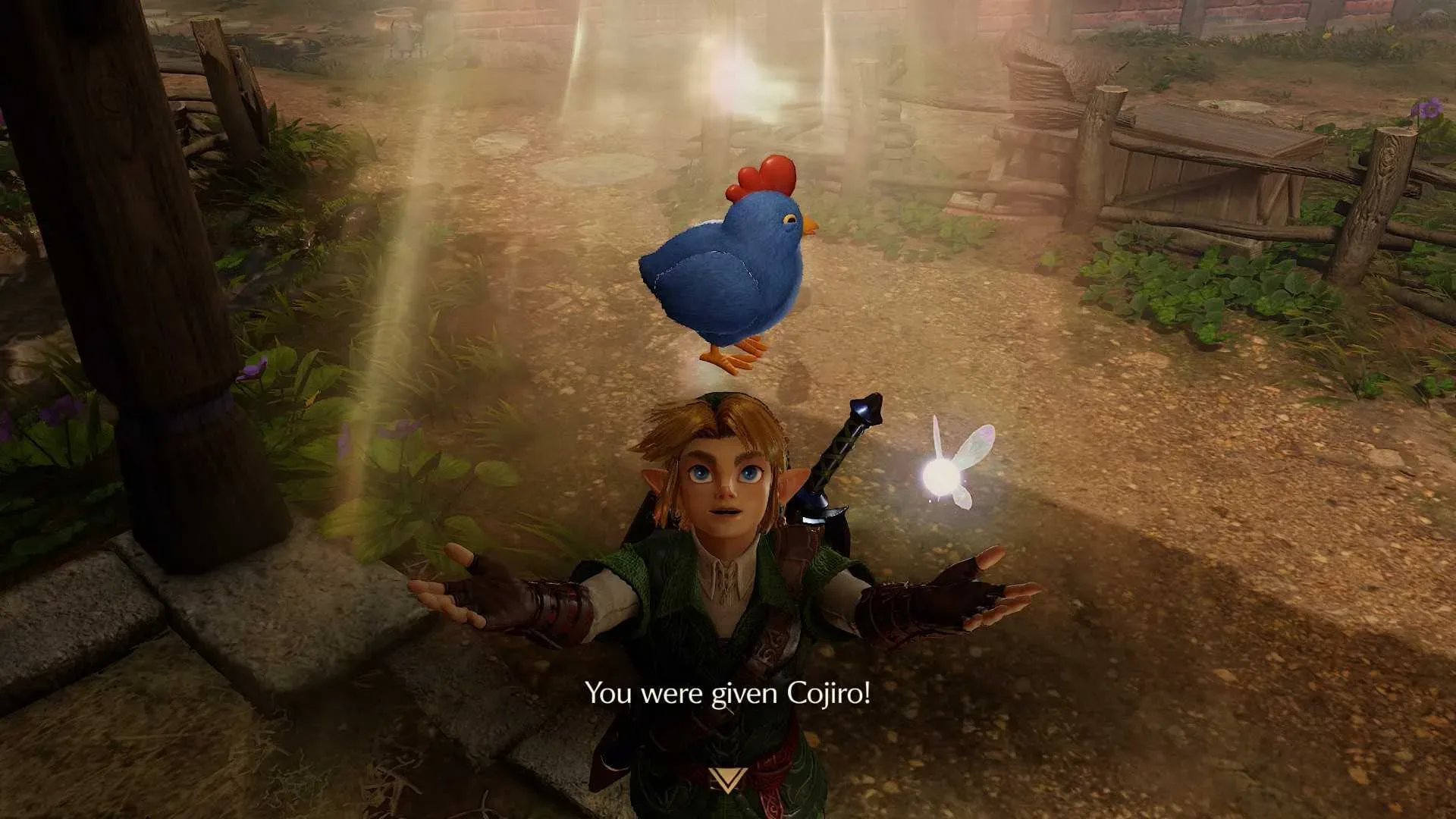
Cojiro also remains a success despite a change in the eye that reportedly makes the bird less cute than before. That is a useful corrective to the assumption that a remake must preserve every appealing detail exactly. The test here is not whether every feature produces the same reaction. It is whether the overall character continues to have a strong, eccentric presence. Cojiro apparently does.
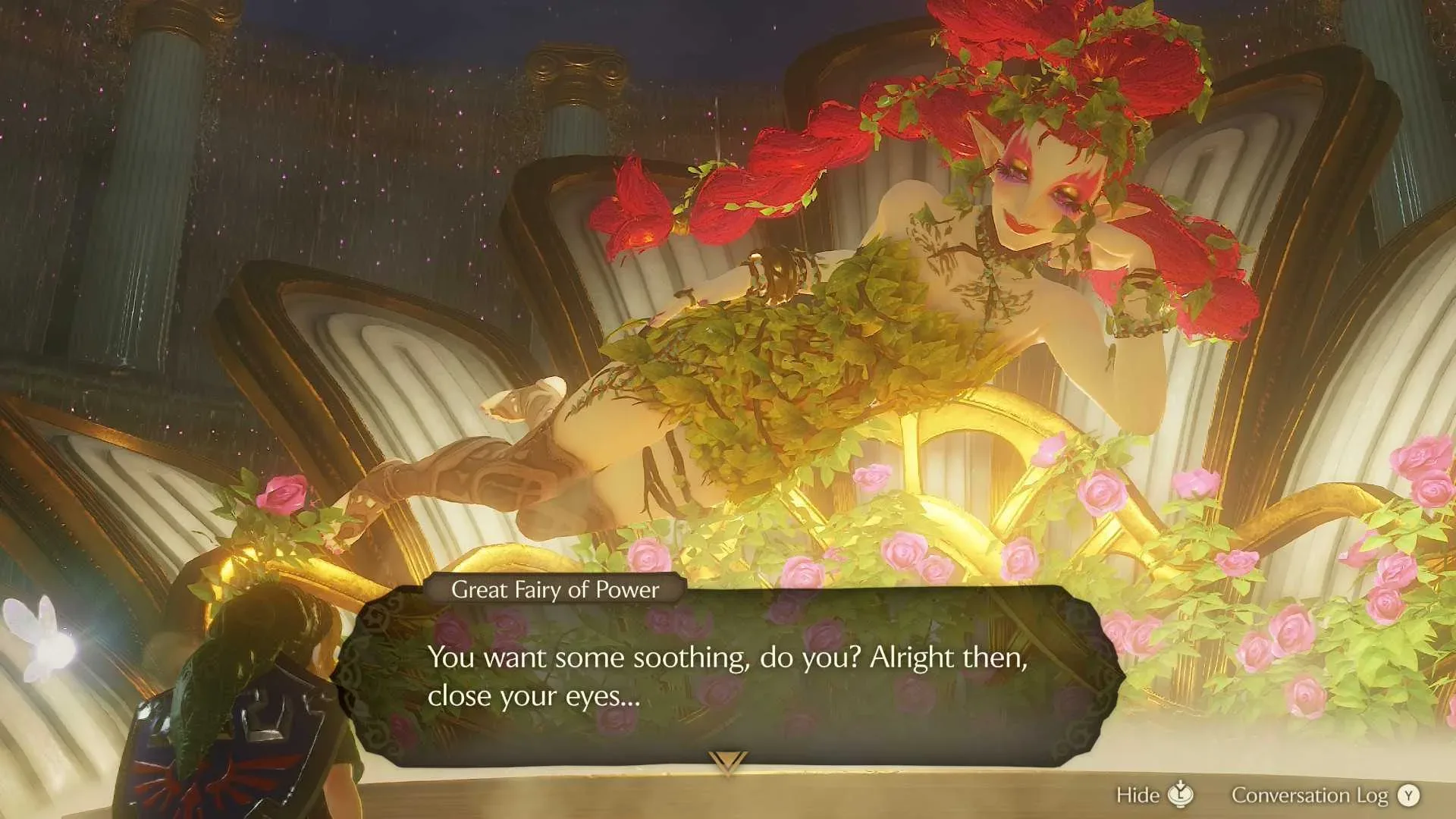
And then there is the Great Fairy, judged to have made the transition without issue. For a remake, an unchanged success can be as valuable as a radical redesign. Not every element needs reinterpretation; sometimes the proper response to an enduringly odd design is to recognize that it already works.
The losers: when polish reduces the uncanny
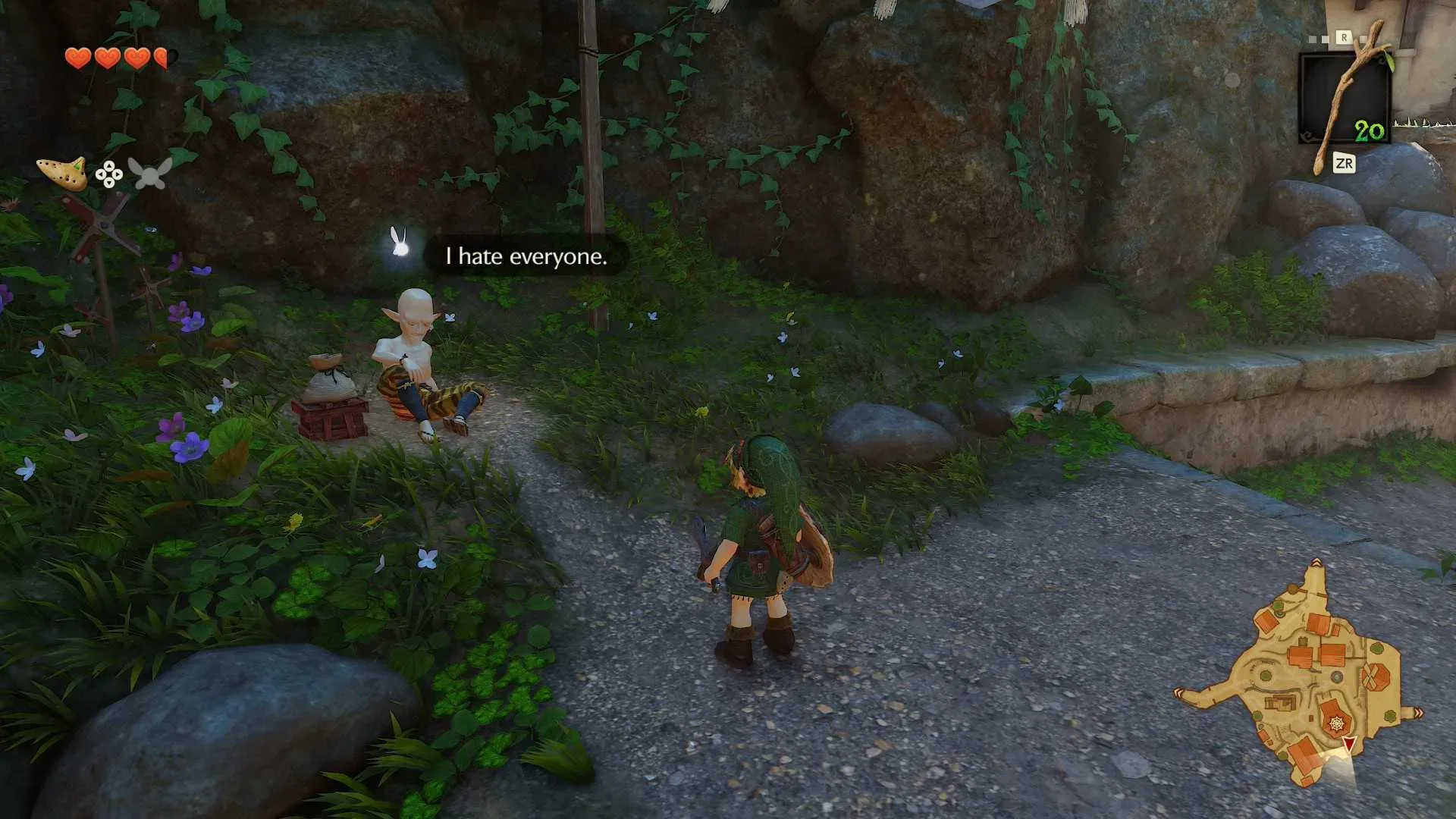
One unnamed character is characterized as a major downgrade, with the older polygonal presentation considered substantially weirder than the remake’s version. The dialogue also reportedly changes: a line that once described every person encountered as “disgusting” is gone, replaced by more generalized antisocial complaining. That is a small textual revision with an outsized tonal consequence.
The original word choice was unusually blunt and specific. A character who calls everyone disgusting conveys something more vivid than ordinary irritation. It presents a peculiar worldview in a single word. The newer line may still establish that the character dislikes company, but it apparently does so in a less idiosyncratic fashion. Remakes can modernize dialogue for many reasons, but this is a reminder that eccentric phrasing is often characterization, not disposable garnish.
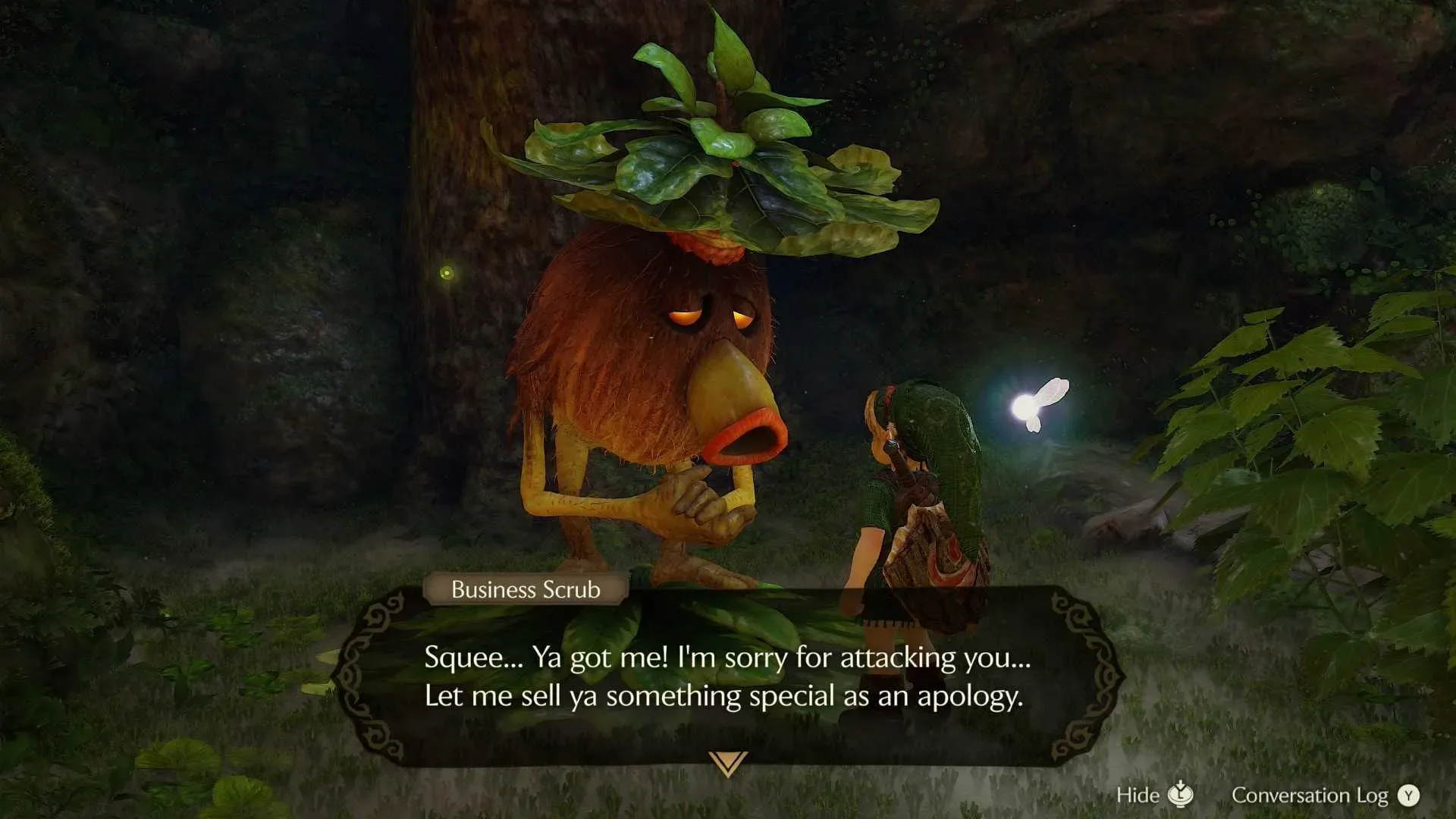
The Deku Business Scrub is another mixed case. The remake’s version is still considered visually solid, but its emotional register shifts from weird toward pathetic. That may seem like an insignificant distinction, yet it changes how players relate to a character. “Weird” keeps a creature at a curious distance; “pathetic” invites pity or embarrassment. Neither response is automatically better, but they are not interchangeable.
Rauru, identified here in owl form, is said to have lost weird-little-guy status altogether. The judgment is concise: he now reads as just an owl. Again, that is not necessarily an indictment of the model as a model. It is a comment on specificity. If an update makes a previously unusual character feel more conventional, it can sand down the very trait that inspired affection.
The frogs, meanwhile, reportedly suffer from insufficiently large eyes. That is a wonderfully direct illustration of how visual exaggeration functions in stylized character design. Enlarged eyes are not merely decoration; they can be the feature that carries the intended charm, absurdity or creature-like intensity. Reduce them too much, and a design may remain recognizable while becoming less expressive.
When “better” becomes too scary
Bongo Bongo presents the most interesting reversal. Rather than being deemed less successful, the character is effectively removed from the “weird” conversation for becoming too scary. The sight of a villain associated with bongos no longer produces the same funny contrast. The horror has overwhelmed the silliness.
That observation gets at a key difference between being strange and being frightening. Strange designs can be creepy while still leaving room for laughter. Their proportions, props, behavior or context may be ridiculous enough to deflate the tension. A horror-forward redesign can remove that safety valve. If Bongo Bongo’s new depiction changes a player’s response from nervous amusement to a desire to escape the encounter, then the remake has not necessarily failed; it has simply shifted the character into another category.
Redeads illustrate the opposite balance. They reportedly look comical in a still frame yet become terrifying in motion. The collision between those responses is what makes them work. A static screenshot cannot fully communicate animation timing, posture, speed or sound-adjacent implication, and so it cannot tell the whole story of how an enemy lands in play. The reported result is a creature that remains frightening while acquiring a slightly goofier visual layer—a “weird dude,” rather than an outright loss of menace.
The familiar faces that hold the world together
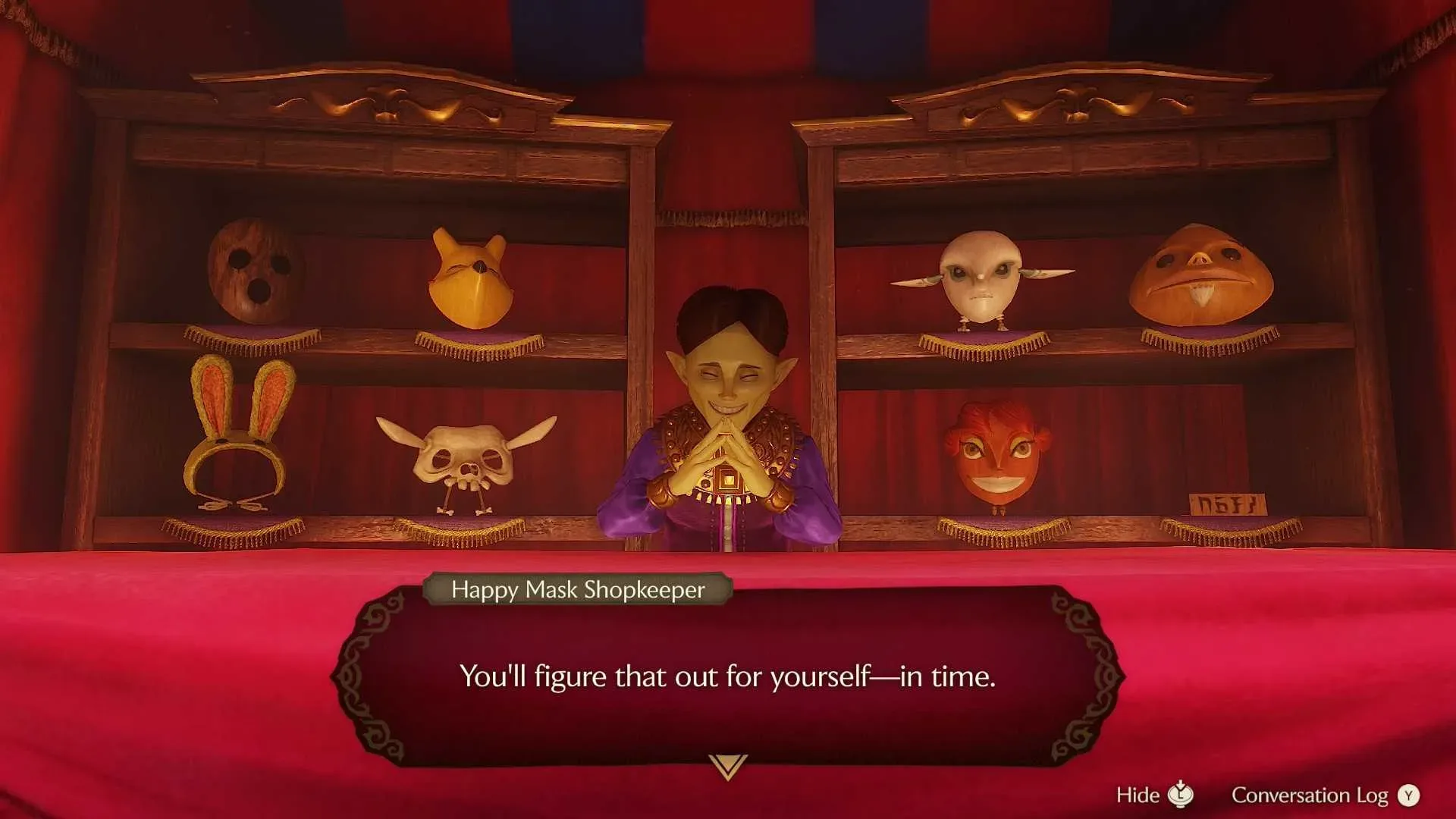
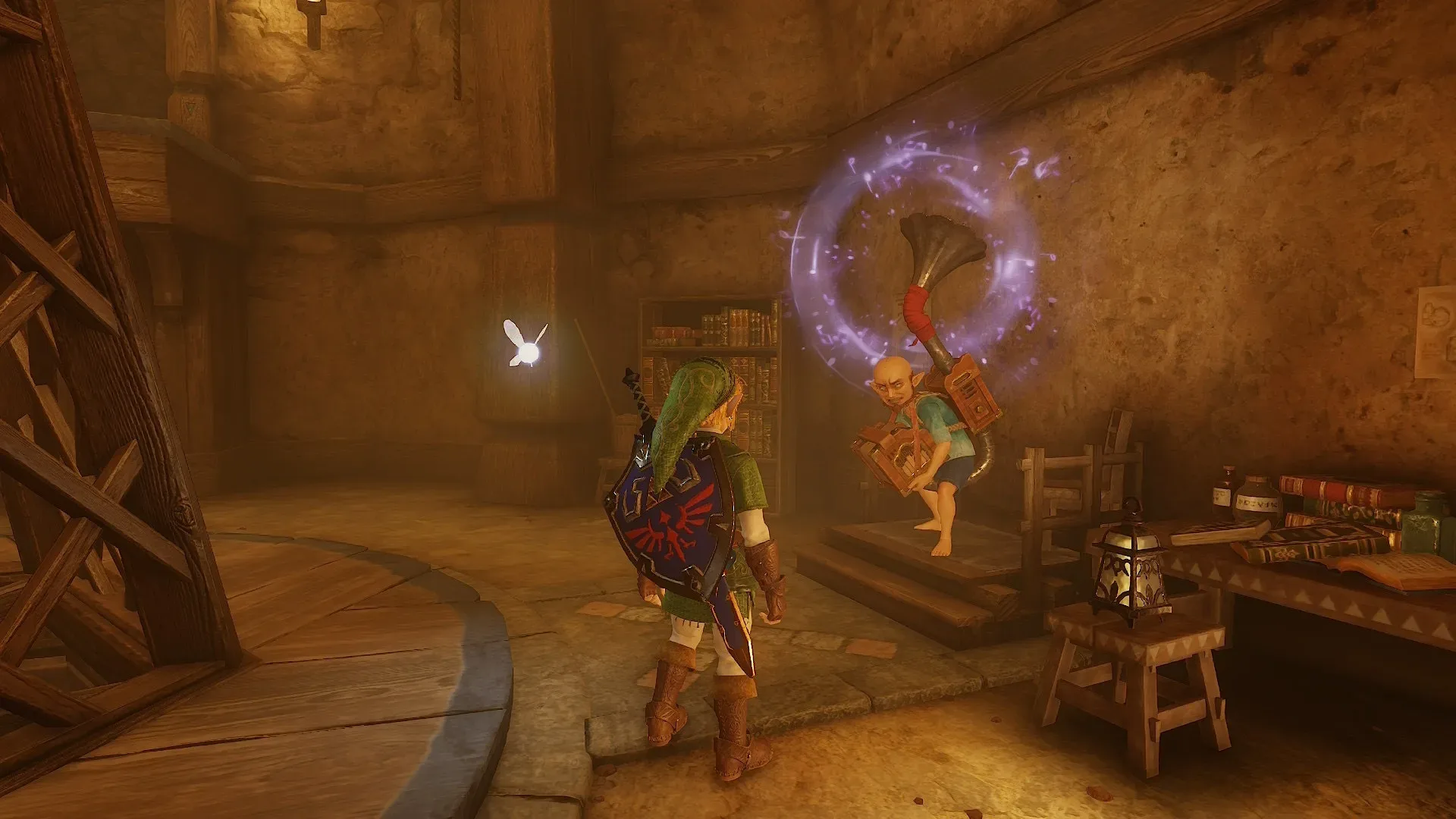
Several returning characters seem to demonstrate the remake’s confidence in the original game’s broad tonal range. The Happy Mask Salesman receives an expected update, including a more elaborate outfit and an effective facial shadow. That wardrobe has prompted speculation that another Zelda game may be imminent, but there is no confirmed connection in the material available here. The safer reading is that the remake has given the character a richer presentation without turning costume detail into evidence of another project.
Biggoron remains a beloved representative of the Gorons’ collective oddness, even if the phrase “little guy” becomes playful nonsense when applied to such a large figure. King Zora remains strange as well, with an added impression of chewiness. Koume and Kotake continue to embody their established unusualness. These are not necessarily radical reinterpretations, but they show why a faithful remake should protect tonal variety rather than treat unusual NPCs as obstacles to a more uniformly serious fantasy world.
The scarecrow, identified as Pierre, remains charming and is said to greet Link with “Howdy” when the player grapples to him. That detail is particularly effective because it connects personality to interaction. Players do not simply observe Pierre; they receive a little burst of character at the moment the game’s traversal action brings them together.
Mario’s continued presence is another small but significant preservation choice. Cameos and decorative references are easy material for a remake to remove if it is pursuing a more self-contained presentation. Keeping him maintains one of the original game’s playful edges.
Ganondorf and Link make the honorary case
Ganondorf is an awkward but persuasive candidate for weird-little-guy status. He is a serious antagonist and reportedly even less overtly odd in the remake. Yet the image of him sitting at an organ in Hyrule Castle invites comic questions. Did the instrument already exist there? Did he devote years to learning it? Was it built expressly so he could make an entrance for Link? None of those questions needs a canonical answer to make the underlying point: grand villainy and theatrically specific hobbies can coexist.
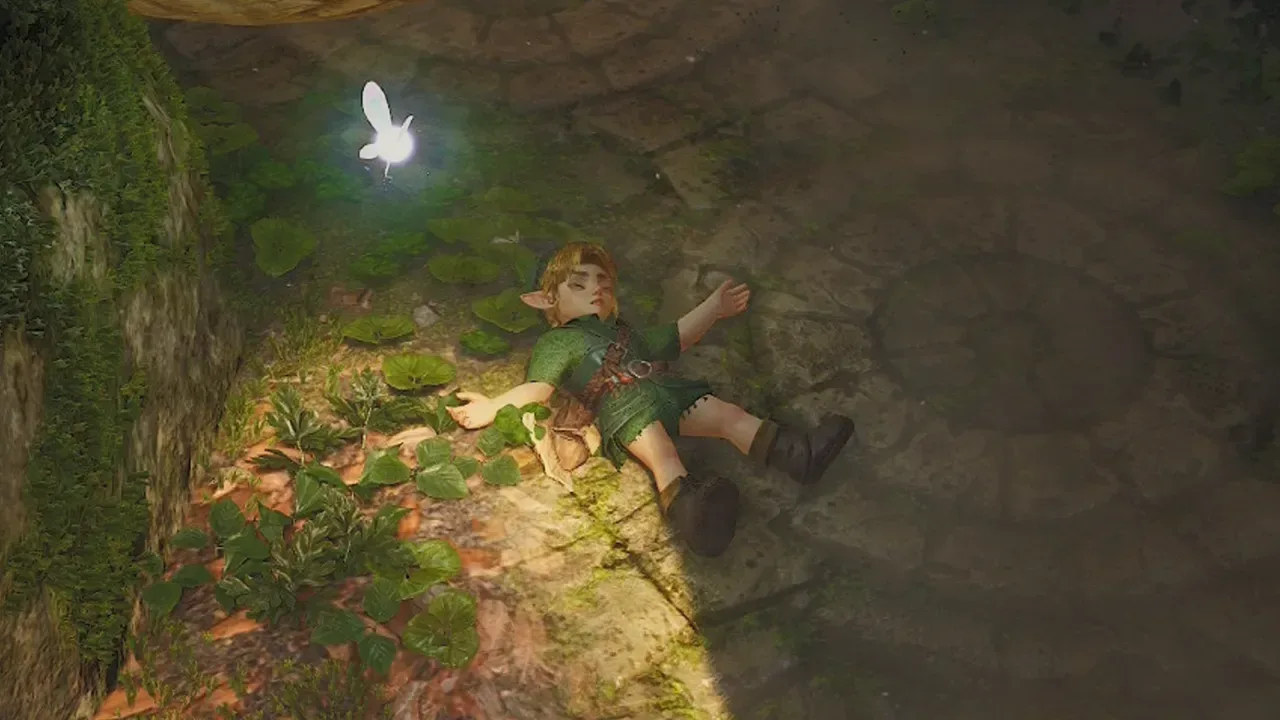
Link is the more surprising honorary inductee. The remake reportedly makes him feel even more like a small, strange person facing a huge and threatening world. Dialogue details portray him as a bit mischievous, inclined toward jokes and trouble, even lazy. That reading reframes the adventure’s familiar stakes in a useful way. The fate of Hyrule does not rest only on a mythic hero; it rests on an imperfect kid who happens to keep moving forward.
The Deku Tree Sprout also joins the honorary ranks after being overlooked in an earlier count. The example reinforces the point that Ocarina of Time does not store its oddness in one neat corner. It is distributed through bosses, monsters, side characters, environmental curiosities and the hero himself.
Why these details matter for the remake
There is a practical lesson for players watching a remake closely: visual comparisons should not stop at resolution, texture detail or how faithfully a model reproduces a screenshot. The more meaningful questions are whether movement retains its intended rhythm, whether a scene keeps its ambiguity, whether dialogue stays distinct, and whether the emotional balance between comedy and dread survives.
That is especially true for a game remembered as much for its atmosphere as for its major narrative moments. A remake can preserve the cast on paper and still alter its personality in practice. The reported Switch 2 version appears to be doing both: keeping a generous number of the old oddballs while changing the ingredients that made a few of them so memorable in the first place.
For a separate look at how the remake’s strangest returning characters have been ranked, see this character-focused roundup. The broad takeaway remains more cheerful than alarming: Hyrule has not been cleaned up into blandness. It is still home to monsters, mascots, witches, giant Gorons, a wall face, a scarecrow, a villain at an organ and a hero with a mischievous streak. That is an awful lot of weirdness to preserve, even when the remake does not preserve every weird feeling exactly.