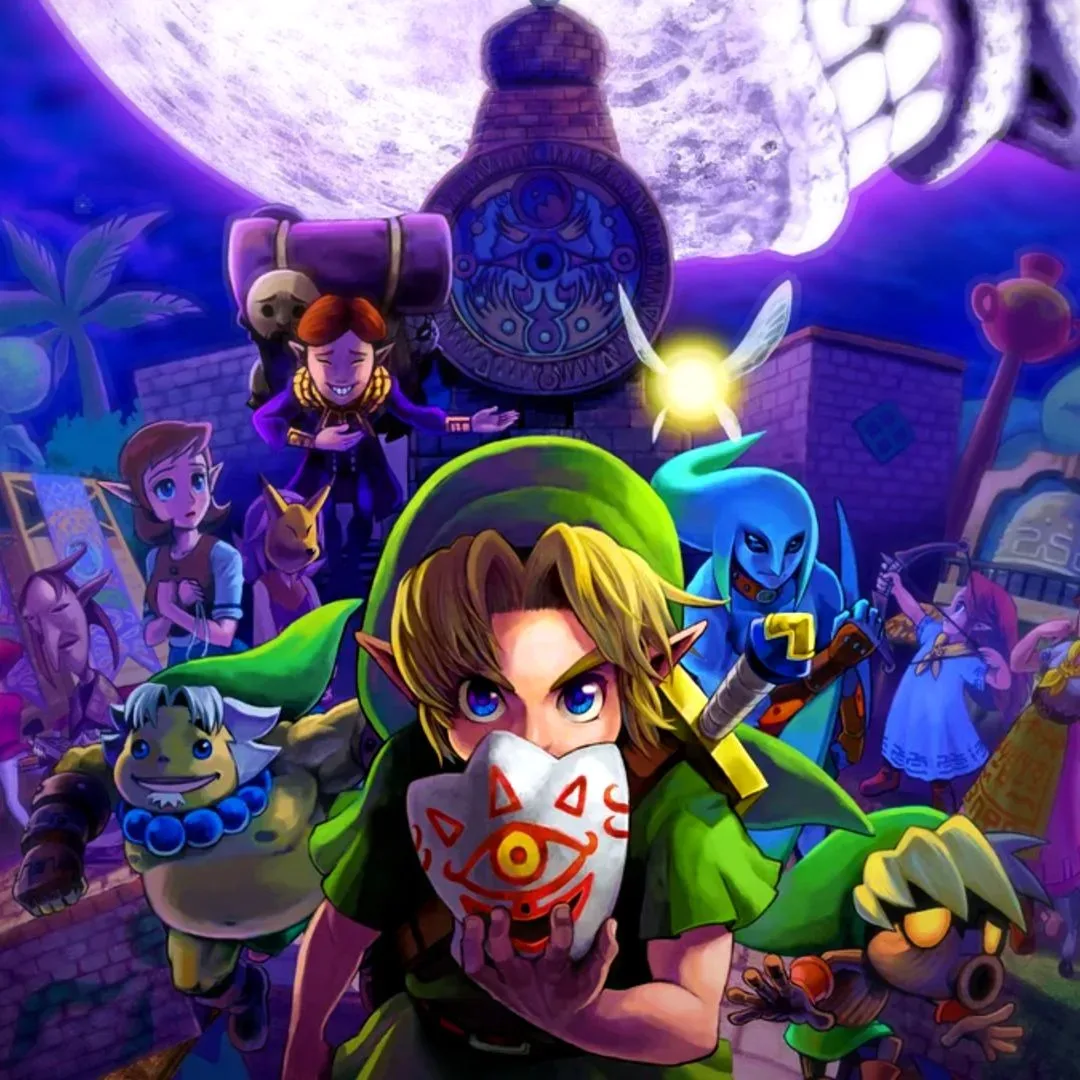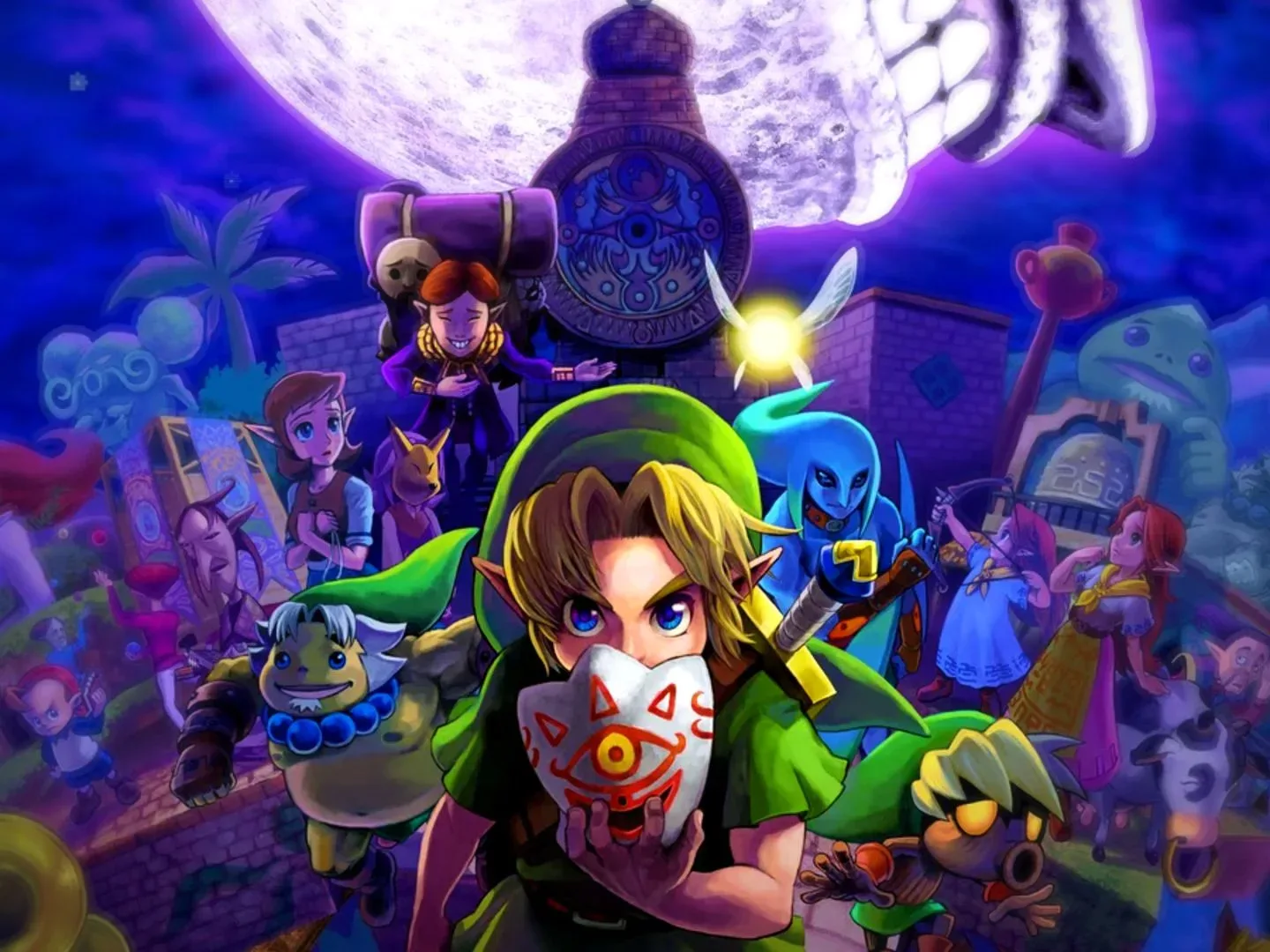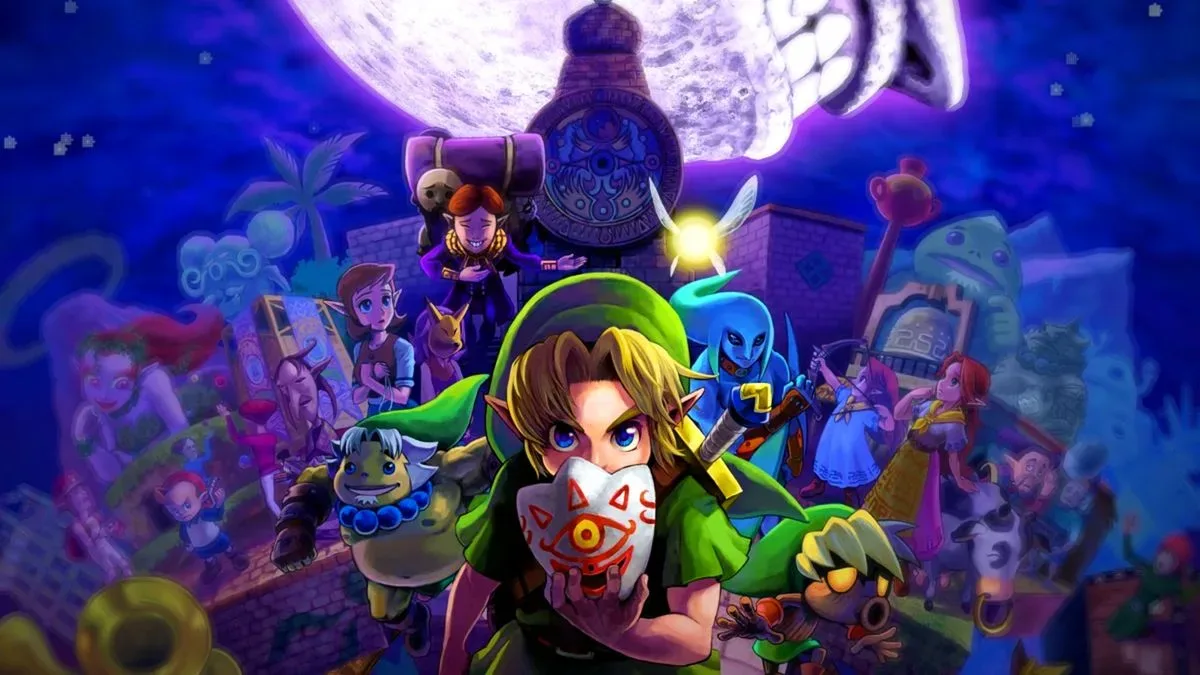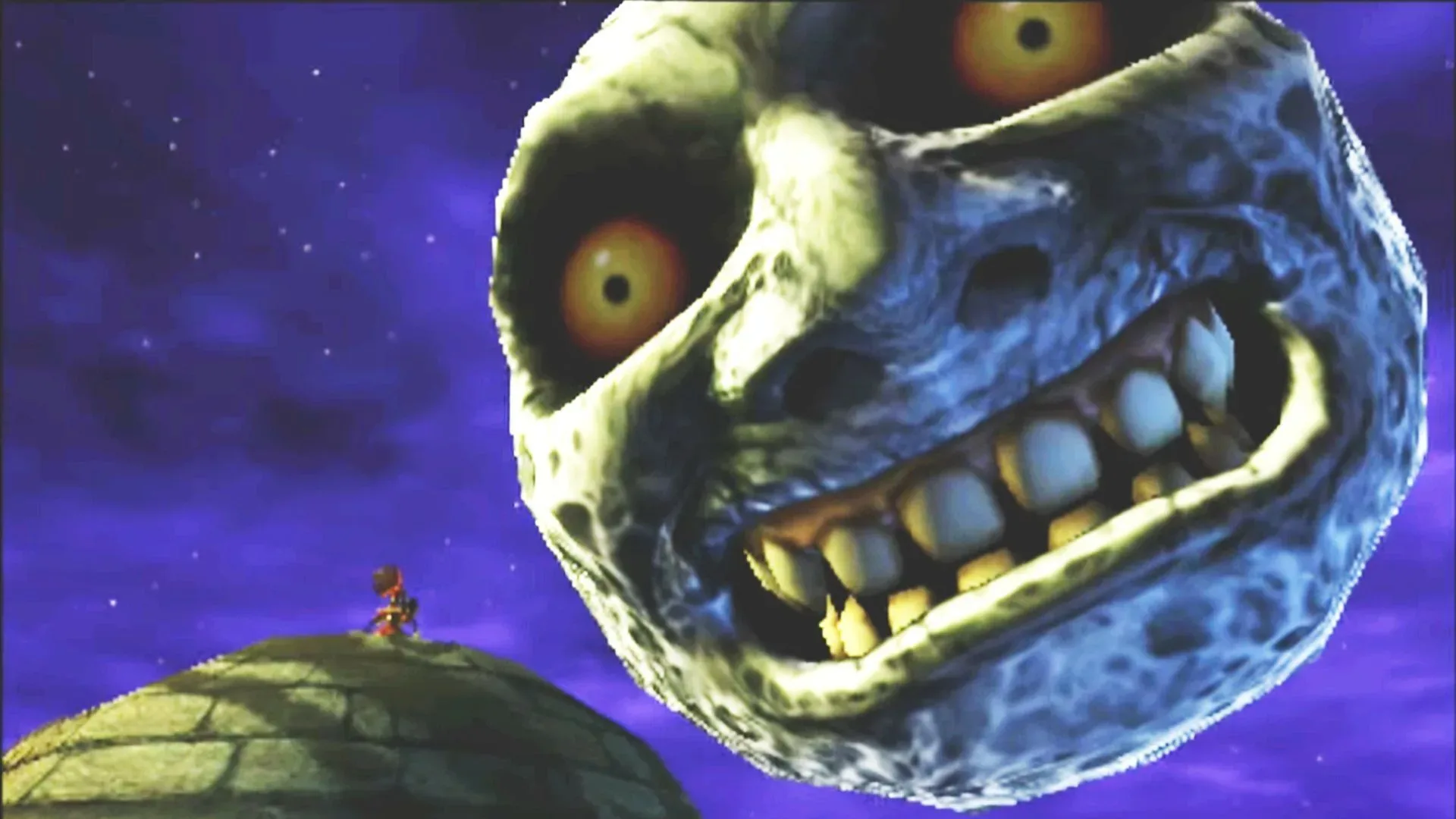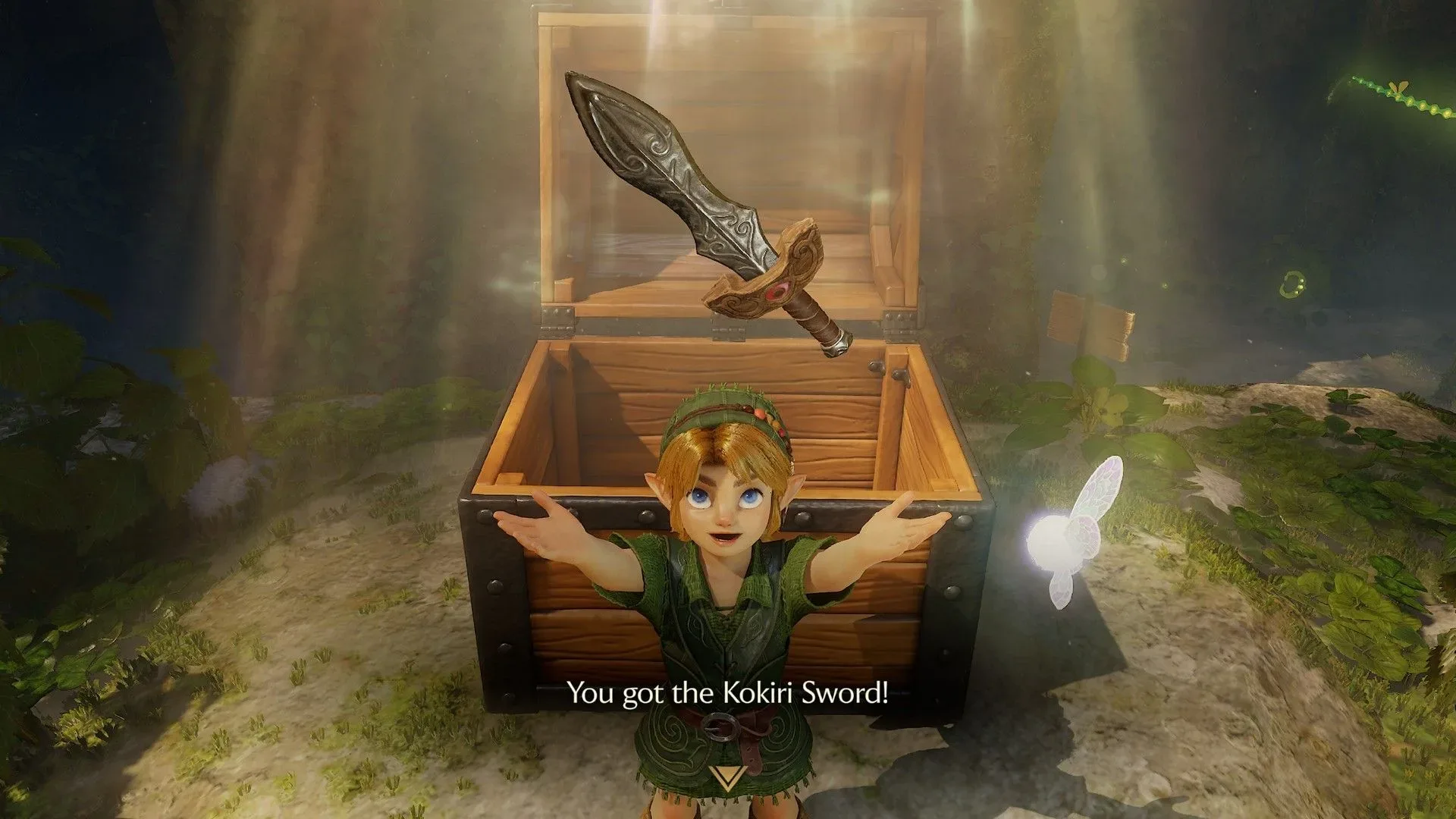
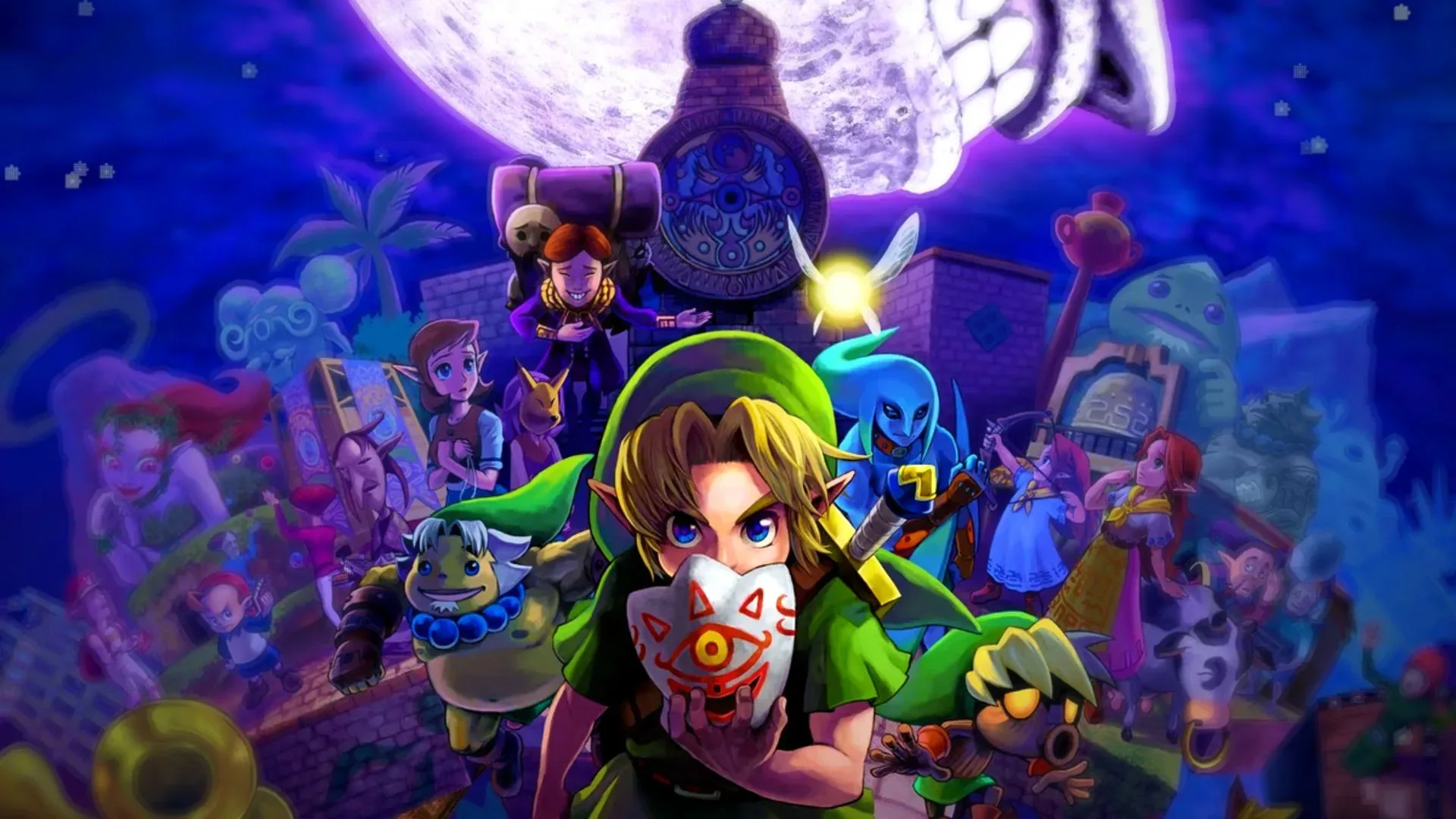
Hopes for an immediate follow-up to The Legend of Zelda: Ocarina of Time may need to be put on hold. NateTheHate, the leaker who previously shared accurate information connected to the Ocarina of Time remake, says they have heard nothing to indicate that a remake of The Legend of Zelda: Majora’s Mask is currently an active project.
“Can only comment on Majora’s Mask and it’s that I’ve heard nothing to suggest any such project is currently active.”
That wording matters. It does not establish that Nintendo will never revisit Majora’s Mask, nor does it rule out internal discussions, early concepts, or a project that has simply not reached the leaker’s sources. What it does do is undermine the expectation that Nintendo is preparing a near-term announcement or release simply because Ocarina of Time has returned successfully.
For fans, the sensible reading is measured rather than catastrophic: there is currently no reported evidence of an active Majora’s Mask remake. Until Nintendo says otherwise, an assumed one-year turnaround from one Zelda remake to the next is speculation, not a schedule.
Why a Majora’s Mask remake felt like an obvious next move
The speculation has an understandable basis. Majora’s Mask follows Ocarina of Time in the series’ timeline and is closely associated with it. The two games share familiar visual and structural roots, making a modern follow-up seem like a practical proposition to players who see the newer Ocarina release as a foundation rather than a one-off project.
There is also precedent for Nintendo revisiting both games on Nintendo 3DS. That earlier history proves that the company has, at least once, treated the two adventures as titles worth bringing forward for a newer audience. It does not, however, create an obligation or confirm a matching strategy now. A past remake is background context, not evidence of a currently staffed production.
It is tempting to view asset reuse as a shortcut that makes a remake inevitable. In game development, “assets” generally refers to reusable production material such as character models, environments, animation work, interface elements, audio resources, and technical tools. Sharing assets can reduce duplicate work, but it does not resolve the larger decisions behind a remake: design direction, performance targets, platform plans, accessibility, quality assurance, and the scope of any changes. Even projects with common material can demand substantial work.
That distinction is especially relevant here because Majora’s Mask is not merely Ocarina of Time with a different map. Its identity is strongly tied to a repeating countdown structure and the player’s need to manage time, objectives, and progress within that framework. Any remake would face a central creative question: how faithfully should it preserve the pressure and planning that define the original?
Related coverage includes Majora's Mask Remake Reportedly Not Active Despite Ocarina of Time's Return.
The three-day cycle is not a minor setting
Majora’s Mask is built around a time limit: the player operates within a repeating three-day cycle as the moon threatens Termina. That structure creates urgency, but it also organizes the game’s quests, discoveries, and sense of consequence. Players are asked not only where to go, but when to go there and what can realistically be accomplished before resetting the cycle.
In design terms, a timer is not automatically a punishment mechanic. It can be a pacing tool. Pacing is the way a game controls the rhythm of discovery, action, tension, and downtime. In Majora’s Mask, the clock gives the world a schedule and turns knowledge into a form of progress. Learning a character’s routine or discovering a more efficient route can matter as much as gaining an item.
That is why calls to remove the timer are not a simple quality-of-life request. “Quality of life” usually describes adjustments intended to reduce friction without changing the core experience: clearer menus, improved controls, more legible information, or smoother saving systems, for example. Removing the central time structure would be a far more fundamental change. It could make the game less stressful for some players, but it would also alter the loop around which its quests and atmosphere are built.
A hypothetical remake would therefore need to balance approachability against identity. Better explanation of the system, improved navigation, or thoughtful support for players learning the cycle are conceptually different from eliminating it. There is no announced project, and thus no confirmed debate within Nintendo about how it would handle these choices. Still, the nature of the original means any future remake would invite close scrutiny over what it preserves.
What the report does—and does not—tell players
Leak reporting is inherently limited. A leaker’s statement reflects the information available to that individual, not a complete public accounting of every internal plan. “I have heard nothing” is different from “the project was cancelled,” “Nintendo will not make it,” or “there is no work of any kind happening.” The narrower phrasing should remain the headline.
At the same time, the comment is relevant because NateTheHate had previously provided correct information around Nintendo, including the Switch 2 reveal date in 2025 and details connected to the year’s Ocarina of Time remake. A track record can make a report worth paying attention to; it cannot turn an unannounced project into a certainty. Fans should keep those two ideas separate.
Practically, the report gives would-be players little reason to delay engaging with the currently available Zelda release while waiting for a linked sequel remake that has not been substantiated. It also means that elaborate expectations about a reveal window, launch year, platform specifics, or remake features should be treated as unsupported. None of those details have been established here.
Nintendo has kept Zelda visible frequently since 2013 through new games, remakes or remasters, and Hyrule Warriors releases, with 2022 identified as the exception in that span. That wider cadence helps explain why a remake is an appealing possibility to fans. Yet a franchise appearing regularly is not the same as every desired installment receiving a remake on a predictable timetable.
A quiet report is not the end of the possibility
The immediate takeaway is modest: there is no reported sign that a Majora’s Mask remake is actively underway. The longer-term outlook is necessarily open. The game’s relationship to Ocarina of Time, its prior 3DS remake, and Zelda’s ongoing visibility all give fans understandable reasons to believe Nintendo could return to it eventually. But none of those factors indicate when that might happen or what form it would take.
For now, the best expectation is no expectation of an imminent reveal. A remake could emerge later, arrive in a different form than fans anticipate, or remain absent while Nintendo chooses other Zelda projects. Until an official announcement changes the picture, the responsible position is to distinguish a plausible wish from a reported plan.
Players weighing whether to jump into the current Zelda release can also consider the broader question of what they want from it: a refreshed route through a landmark adventure, or an indication of a guaranteed remake series. The available information supports the former, not the latter. For a wider look at how speculation around major game projects can outpace confirmed details, see this report on early discussions around a possible AAA game.