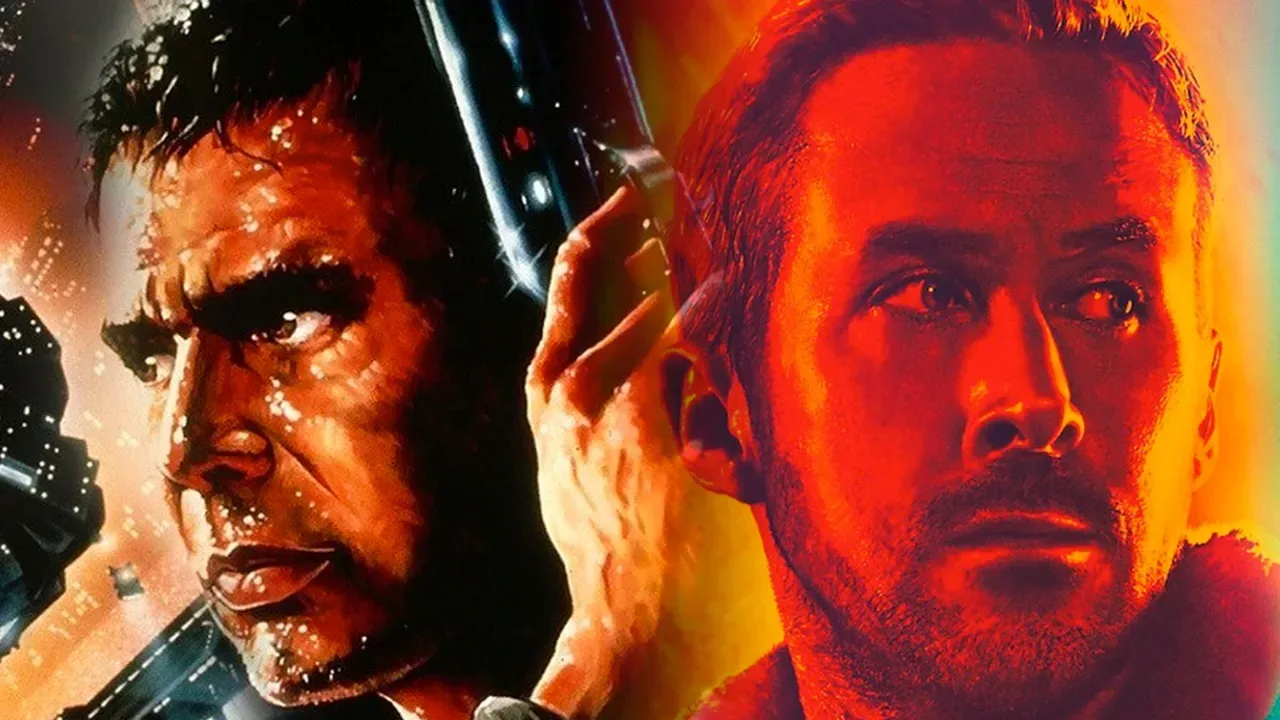

A large-scale Blade Runner video game is being discussed, but it is not a confirmed release. Andrew Kosove and Broderick Johnson, executive producers on Blade Runner 2099 and co-CEOs of franchise owner Alcon Entertainment, have indicated that a potential game could happen further down the line. Their stated ambition is that it would be an “AAA” project, with player interaction in the Blade Runner universe treated as a central opportunity.
That is an enticing prospect for a property defined by dense atmosphere, uneasy questions of identity, and a grimy futuristic cityscape. It is also important to separate what has been said from the assumptions naturally attached to a famous name. There is no identified developer, no named publisher, no announced platform, no release window, no gameplay footage, and no indication that a game is presently in full production. At this stage, the possibility is best read as an early creative and business ambition rather than a formal product announcement.
What has actually been indicated
Kosove and Johnson have signaled interest in a game set in the Blade Runner cinematic universe and described the desired scale as AAA. They also emphasized the value of letting players interact with that world. Those points matter because they frame the apparent goal as more than simply attaching the Blade Runner name to a small side project.
However, “potential” remains the key word. Entertainment franchises often explore game adaptations well before a deal, a development partner, or a production plan is ready to be made public. Until more concrete information appears, fans should not infer that a title is locked in, imminent, or attached to the upcoming television series.
Blade Runner 2099 is set to arrive on November 25. The series gives the franchise a new screen presence, but nothing disclosed so far establishes whether a potential game would share its characters, story, setting, or timeline. It could potentially be connected to the series, tell a separate story in the same broader universe, or remain only an exploratory idea. The available comments do not settle that question.
What “AAA” means — and what it does not
AAA is an industry term generally used for games with major commercial ambitions and substantial development resources. It usually suggests a high production standard, extensive art and audio work, polished presentation, and a broad release strategy. It does not describe a specific genre, business model, studio, engine, or gameplay structure.
In practical terms, calling for a AAA Blade Runner project raises expectations around world-building. The franchise’s appeal is inseparable from its visual and emotional texture: futuristic technology exists alongside worn-down spaces, corporate power presses against ordinary lives, and the line between human and artificial personhood is deliberately difficult to pin down. A game aiming for that tone would need more than neon-lit streets. It would need systems and storytelling that make the setting feel consequential to the player.
That is where the producers’ emphasis on interaction is especially notable. “Interaction” could mean investigation, dialogue choices, exploration, surveillance, deduction, action, or any combination of those elements. It does not confirm any one of them. Still, it points toward a desire to make the world something players participate in rather than merely observe.
Related coverage includes Blade Runner 2099 Producers Discuss Potential AAA Game Set in the Cyberpunk Universe.
Why Blade Runner is a natural fit for interactive storytelling
The Blade Runner universe began with Ridley Scott’s 1982 film and has stayed culturally visible in various forms since. Its core dramatic material is unusually compatible with games: players can gather incomplete information, make judgments under pressure, inhabit morally ambiguous roles, and see the effects of decisions in a world where certainty is scarce.
That does not require the game to become a sprawling role-playing game. A tightly structured detective story could use player agency through leads, interviews, evidence, and competing interpretations. An action-focused approach could instead use the world as a backdrop for pursuit and survival. A hybrid could attempt both. The central design challenge would be preserving the franchise’s ambiguity without making players feel that their choices are cosmetic or confusing.
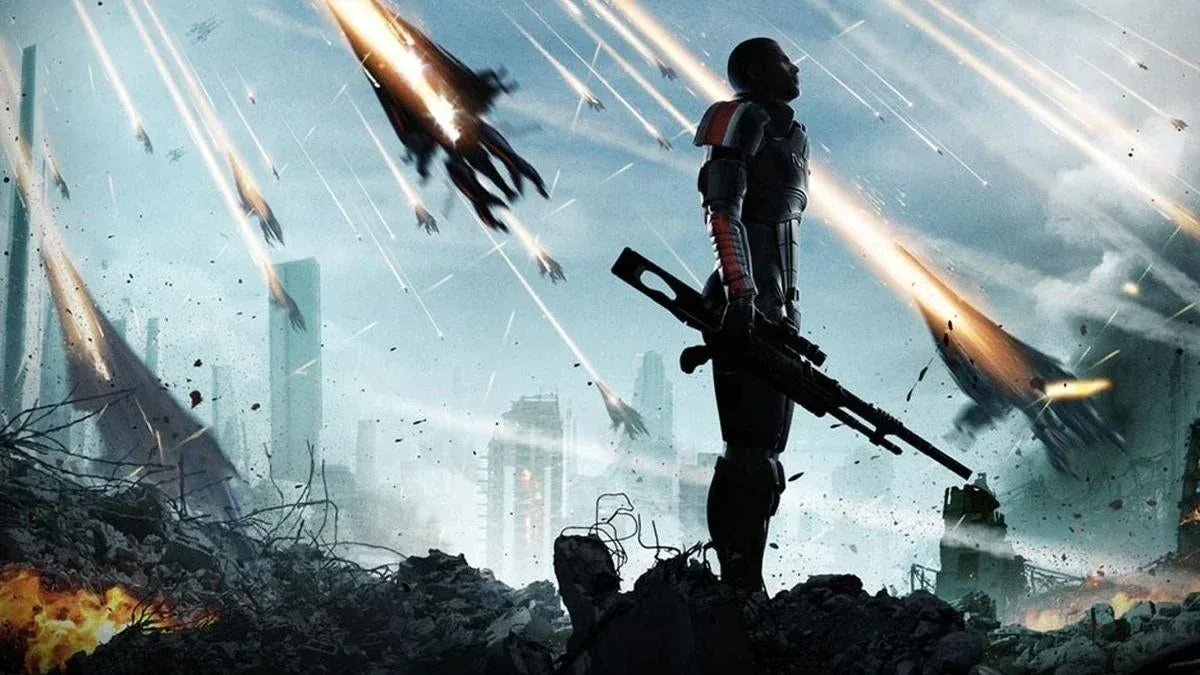
For a project built around questions of memory, personhood, and power, narrative consequences would be one obvious route to meaningful interactivity. But consequence does not have to mean a huge collection of endings. It can also mean altered relationships, changed access to information, a different understanding of another character, or a case that develops in a different direction. The wider games conversation has repeatedly shown why persistent choices and character-driven outcomes resonate with players; save-import storytelling in Mass Effect remains a useful example of why continuity and player decisions can become part of a series’ identity.
The biggest unanswered questions
Even with the stated AAA ambition, virtually every production-level detail is unknown. Most significantly, there is no word on who would make the game. A developer’s strengths would heavily shape the final form: a studio known for cinematic action, systemic simulation, open-world design, or narrative role-playing would each approach Blade Runner very differently.
There is also no reason yet to expect a particular perspective or structure. A first-person format could intensify the sensation of inhabiting the setting. A third-person perspective could better foreground a defined protagonist and their relationship to the city. A contained district might support carefully authored investigation, while a larger environment might prioritize atmosphere and discovery. All are plausible design directions; none has been confirmed.
Nor is there any confirmed relationship to existing Blade Runner characters or stories. The franchise’s established screen history gives a potential game recognizable material to draw from, but familiar faces are not a requirement for a compelling adaptation. An original cast would give developers room to build a self-contained mystery while retaining the setting’s essential themes. Conversely, a direct tie-in could make continuity a bigger attraction — and a bigger creative constraint.
What fans should watch for next
A meaningful shift from discussion to an active game announcement would likely involve several clearer signals. The most useful would be a named studio or publisher, a stated development partnership, an official project title, or a basic description of genre and platforms. A teaser alone could establish that a game exists, but details about the team and intended play style would say much more about whether the project can deliver on the AAA label.
- Developer or publisher: This would provide the strongest clue about the project’s scale and design strengths.
- Genre and player role: Whether players investigate, role-play, fight, explore, or combine these activities is still unknown.
- Connection to Blade Runner 2099: A shared setting or characters would make it more directly tied to the new series, but no link has been established.
- Platforms and timing: Neither has been announced, so players should be wary of speculative listings or supposed release dates.
A promising premise, not a game to pre-order
The producers’ comments are encouraging because they recognize a basic truth about Blade Runner: the setting has room for players to do more than admire its imagery. The strongest adaptation would make its city, institutions, and moral tensions responsive enough that a player’s presence matters.
For now, though, the story is about intent rather than implementation. A possible AAA Blade Runner game could become one of the more intriguing uses of a major science-fiction film universe in games. It could also change substantially, take years to materialize, or never move beyond preliminary talks. Until a studio, game format, and production status are formally identified, anticipation should remain measured.