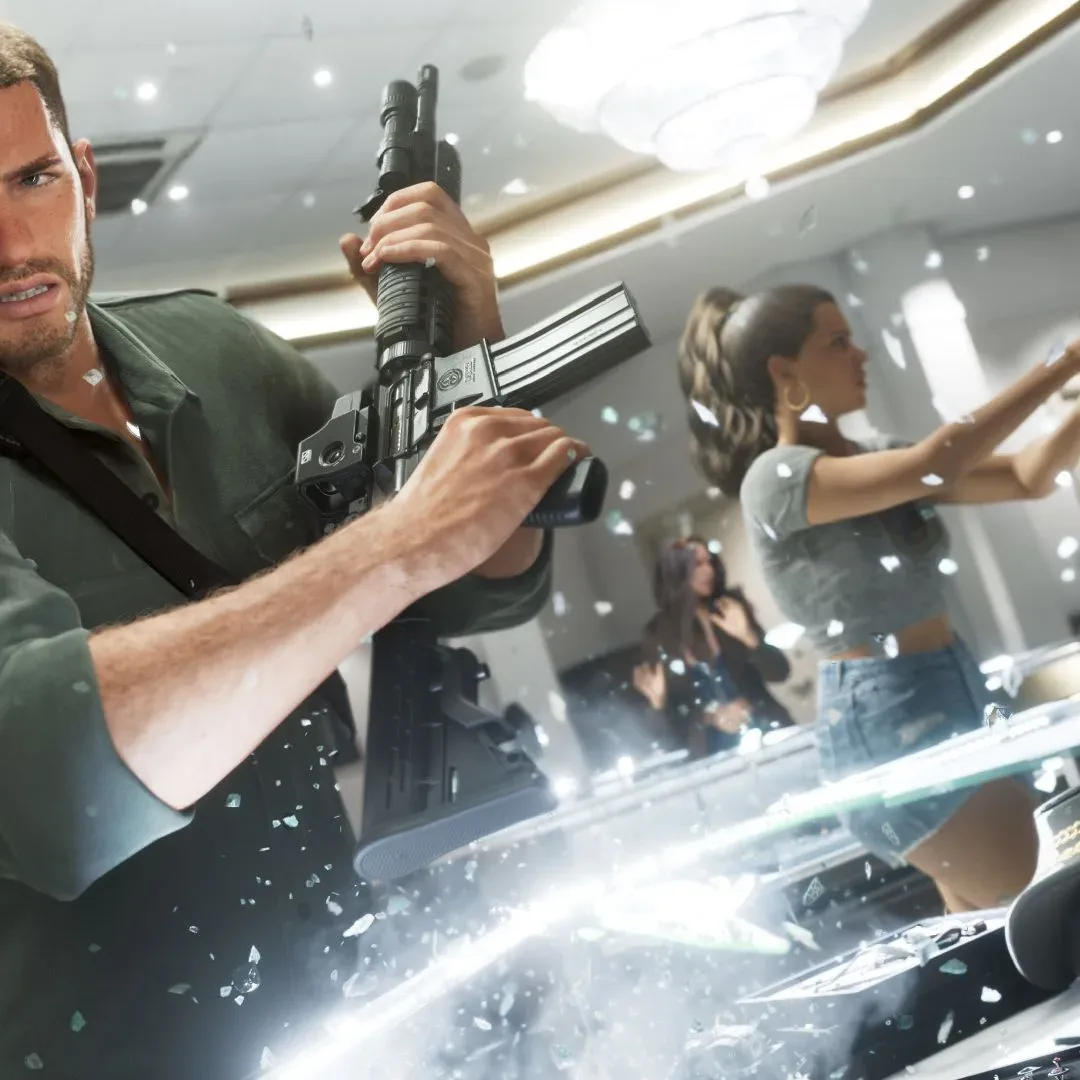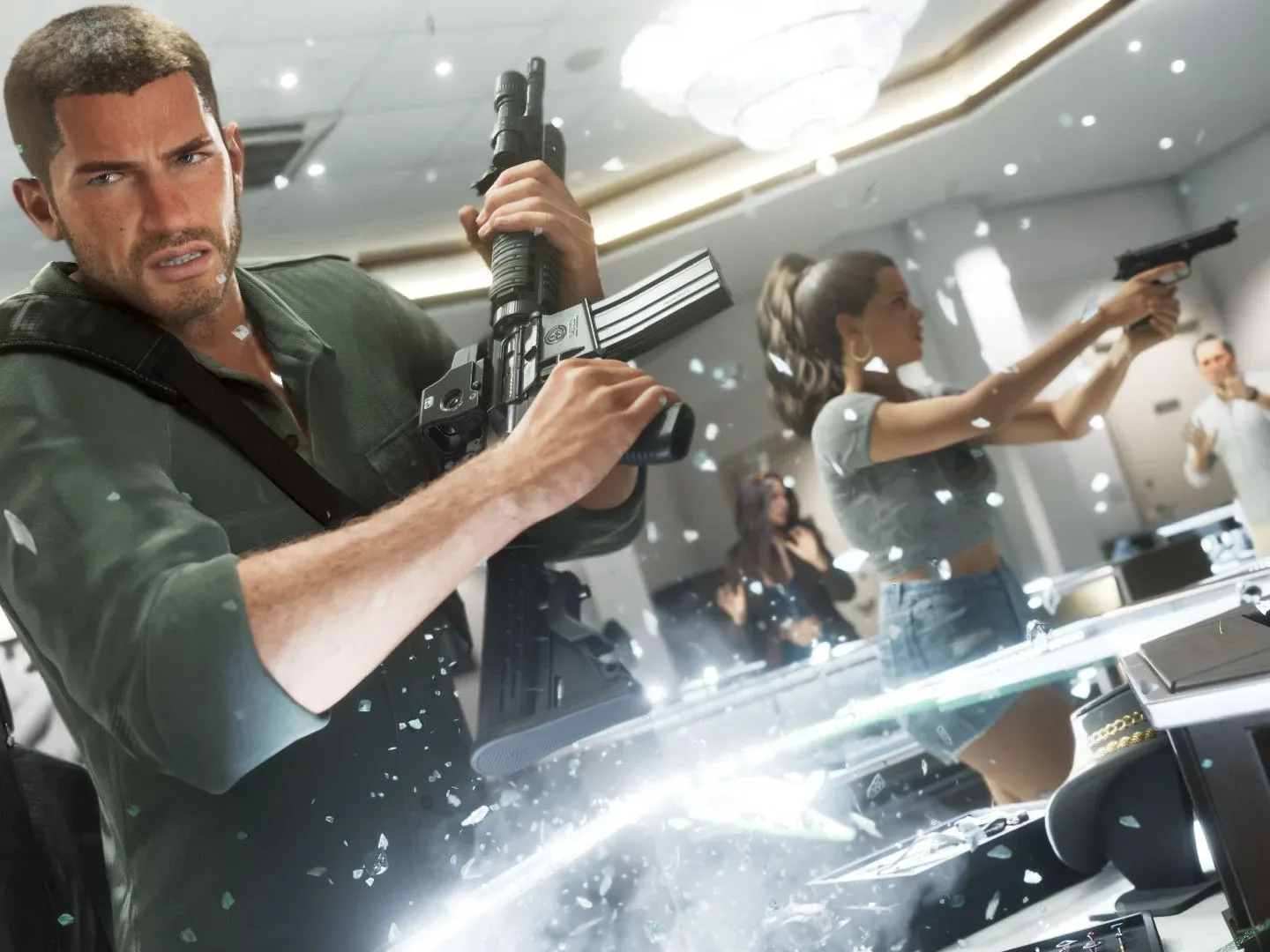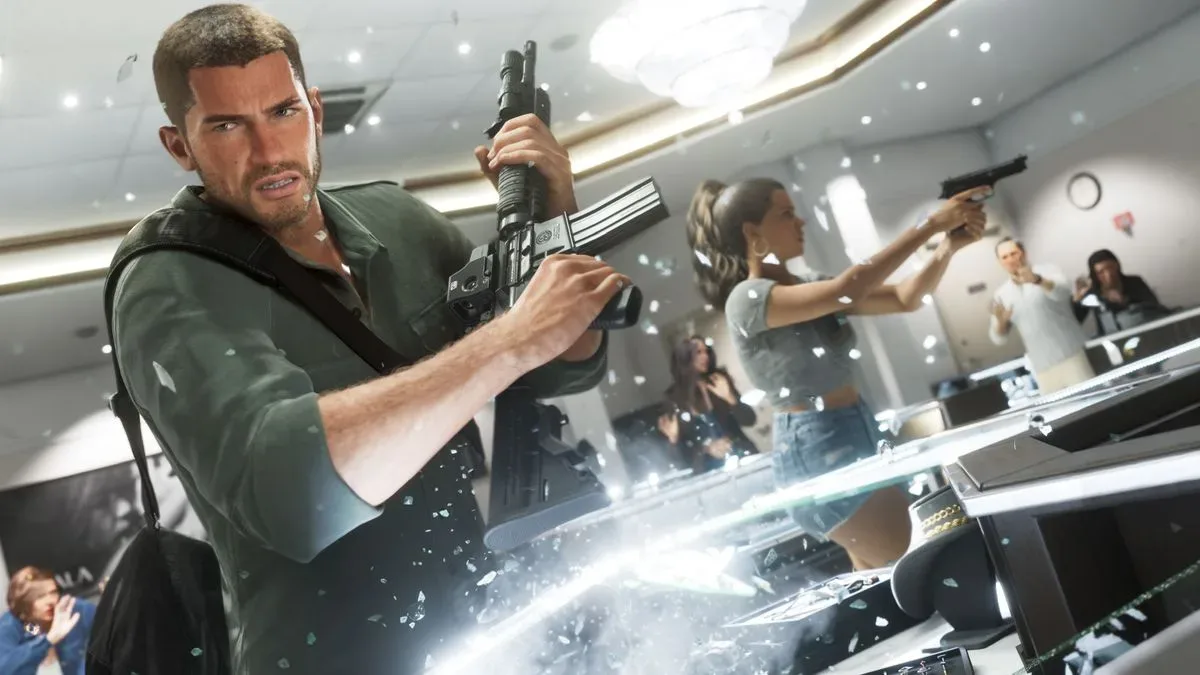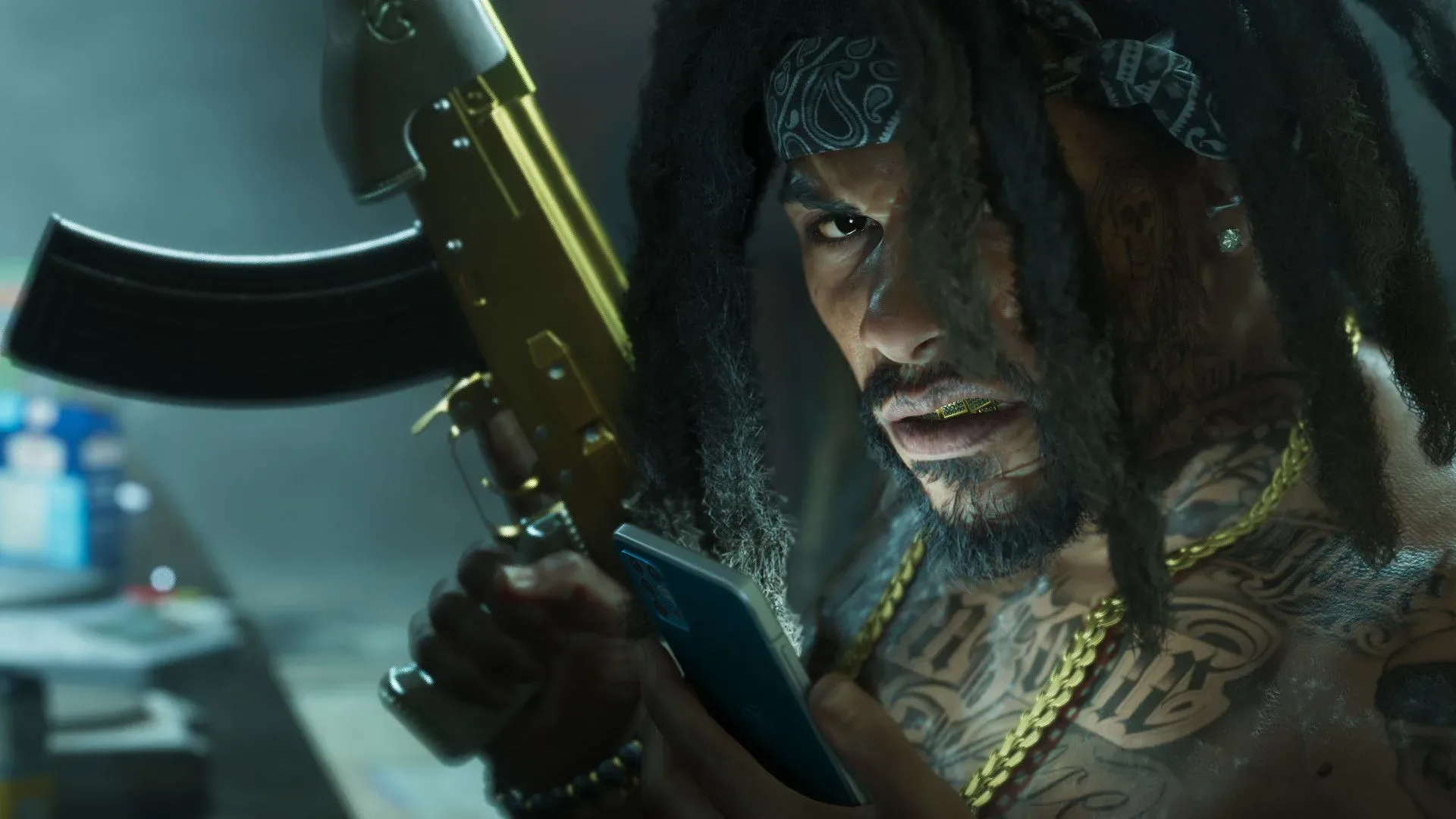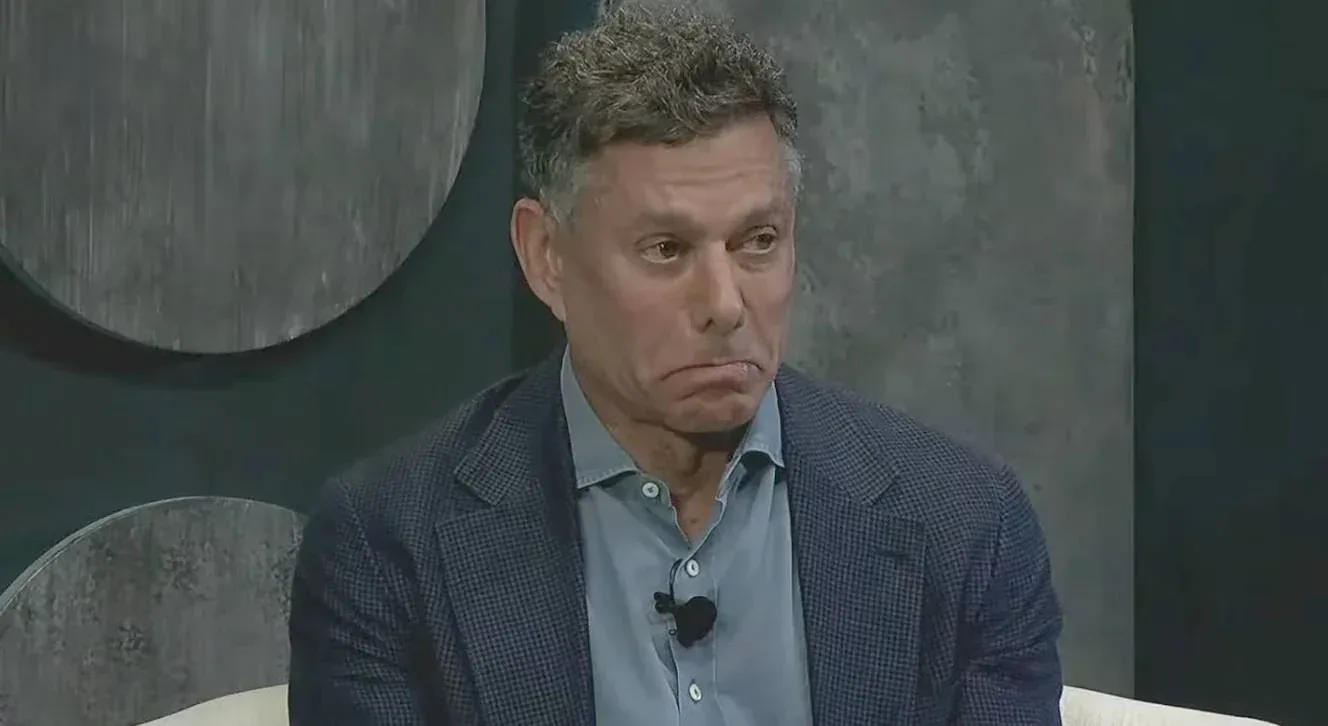
Take-Two Interactive does not appear to be looking for a larger corporate home as Grand Theft Auto 6 approaches. Chief executive Strauss Zelnick has made the case that the publisher is already large enough to compete on its own—and that becoming part of a bigger organization would not necessarily improve its chances.
The position is notable in an industry where major acquisitions have reshaped ownership of large publishers and studios. Zelnick’s argument is not that size never matters. Rather, he draws a line between reaching the minimum scale needed to operate globally and pursuing scale for its own sake. Take-Two, in his view, has already crossed that line.
Take-Two’s case for staying independent
Zelnick said Take-Two has demonstrated that it can thrive independently, describing the company as being at scale with a strong balance sheet. He expects it to return to being a net cash company by the end of the current fiscal year.
Net cash is a straightforward but important financial term: it means a company has more cash and cash-like holdings than debt. It does not mean the business has no obligations or spending plans, but it can indicate more financial flexibility than a company carrying a heavier debt load. For a publisher managing expensive, long-running game development and worldwide promotion, that flexibility can matter.
Take-Two’s fiscal-year guidance is between $8 billion and $8.2 billion in revenue. Zelnick contrasted that with the challenge facing entertainment businesses below roughly $1 billion in annual revenue. At that lower level, he argued, it can be difficult to sustain a competitive creative operation, worldwide marketing and distribution, and the capacity to survive projects that fail.
That framing treats scale as a threshold rather than an endless advantage. A smaller publisher may struggle to finance a major release, market it across regions, and weather a commercial disappointment. Once a company is far beyond that threshold, however, the benefits of getting even bigger can become less obvious—especially if larger ownership structures bring new priorities, debt, or organizational disruption.
“We are not in a place where we need to be part of a bigger organization to be competitive,” Zelnick said.
Why GTA 6 strengthens that argument
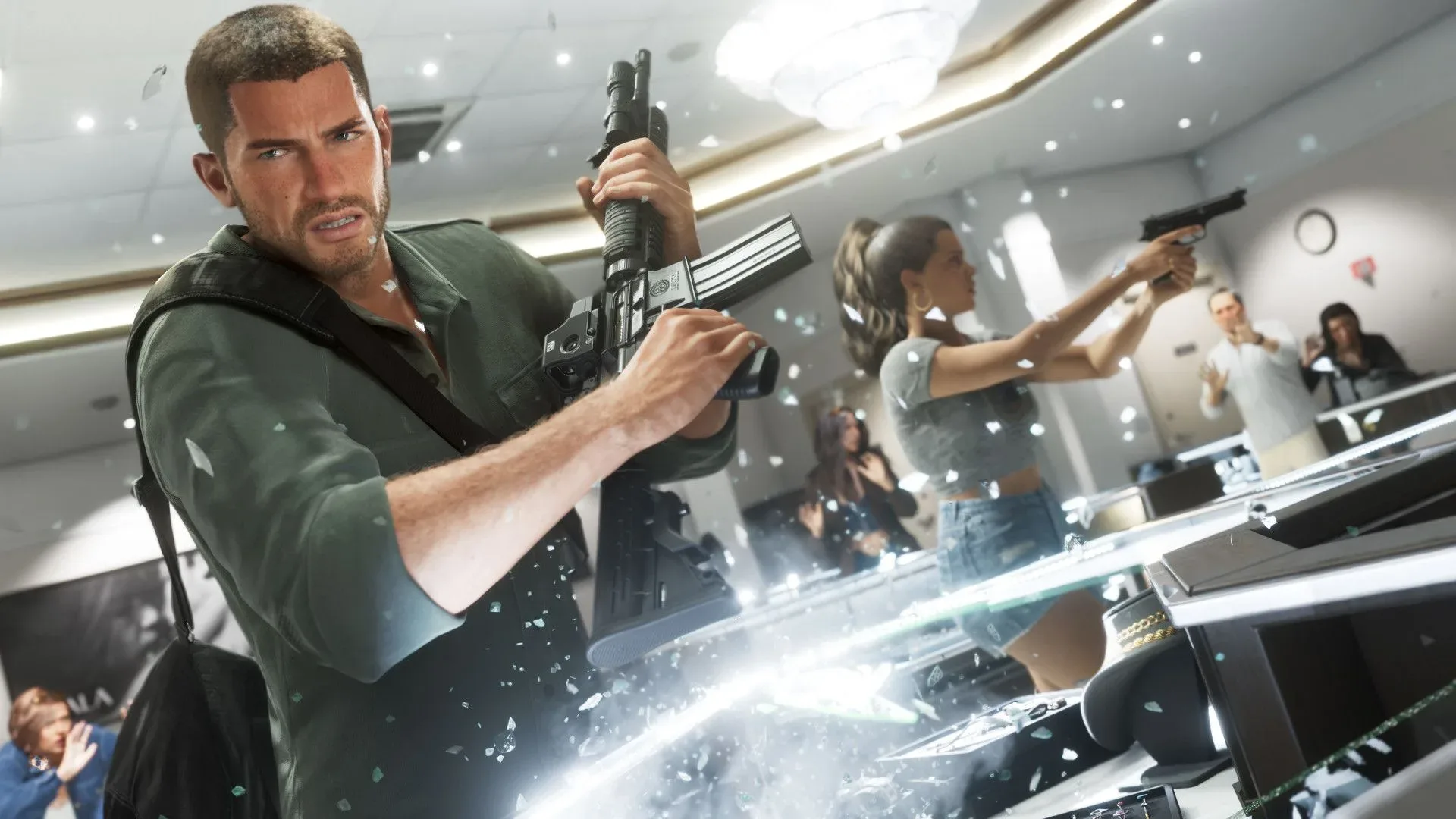
GTA 6 is central to the timing of the discussion. The game is described as the most pre-ordered title to date on both the PlayStation and Microsoft stores, while one market-intelligence estimate puts its pre-launch revenue at $942 million. That is an estimate, not a confirmed company result, but the reported demand underlines why Take-Two is entering this period from a position of confidence.
Related coverage includes Take-Two CEO Says Independence Remains the Plan as GTA 6 Nears Launch.
A blockbuster release can do more than produce a single surge in sales. It can strengthen a publisher’s bargaining position, broaden the amount it can invest in future work, and reduce the apparent need to seek an outside buyer. Those are practical implications rather than guarantees: a game’s full commercial performance remains to be seen, and pre-order activity is not the same thing as long-term revenue or profit.
Still, a major launch arriving alongside revenue guidance in the $8 billion-to-$8.2 billion range gives Take-Two a concrete answer to the notion that it needs a merger to remain competitive. The company is not presenting independence as a defensive compromise. It is presenting it as the strategy made possible by existing commercial strength.
For readers tracking the game’s run-up, Joking Joystick has also covered why GTA 6 game dumps may be unlikely on PS5 firmware 14.xx. That separate issue concerns the platform environment around the release, rather than Take-Two’s ownership strategy.
Portfolio matters as much as corporate size
Zelnick also pointed to Take-Two’s intellectual property portfolio, citing its collection of game brands as an advantage. The company’s key properties include Grand Theft Auto, Red Dead Redemption, Borderlands, and BioShock.
Intellectual property, often shortened to IP, refers here to the characters, settings, names, worlds, and creative identities that a company controls. Established IP can reduce some uncertainty around a new release because players already recognize the brand. It does not eliminate creative or commercial risk, but it gives a publisher assets that can support sequels, new entries, and other projects over time.
This is a key distinction in the independence argument. The case is not simply that Take-Two earns a lot of money; it is that it owns a collection of recognizable series with broad audiences. A larger parent company might provide additional resources, but Take-Two already possesses the kind of brands that publishers typically seek through acquisitions.
Consolidation can mean more than added resources
The alternative to independence is not automatically stability. Large acquisitions can change how a publisher allocates money, which projects it continues, and how much debt sits on the combined business. Those changes may ultimately affect development studios and the games players expect to see.
EA’s reported $55 billion sale to a group including Saudi Arabia’s Public Investment Fund, Silver Lake, and Jared Kushner’s Affinity Partners came with $20 billion in debt. Not long afterward, EA announced the closure of BioWare, the studio associated with Dragon Age and Mass Effect, and cancelled Mass Effect 5.
It would be too simple to assign every studio closure or cancelled game to a single transaction without more evidence. Game development decisions have many possible causes, including budgets, schedules, changing priorities, and project viability. But the sequence illustrates why players can view consolidation with caution. A purchase can provide capital and reach, yet it can also coincide with restructuring and a narrower appetite for risk.
For Take-Two’s fans, Zelnick’s comments therefore carry an implication beyond shareholder mechanics. Remaining independent may preserve a structure in which the company’s own leadership, rather than a new parent organization, decides how to balance its established franchises and future projects. That does not promise that every series will continue or that every studio decision will please players. It does mean Take-Two is publicly arguing that it has no competitive need to hand those decisions to a larger owner.
What the CEO’s threshold argument really means
Zelnick’s broader claim is that industry scale has diminishing returns. In economics and business, diminishing returns describes a situation where adding more of something produces progressively smaller benefits. Applied here, a company may gain a great deal by growing from too small to globally capable. But once it has the teams, funding, distribution, marketing reach, and IP needed to operate at the top tier, another layer of size may not materially improve the creative results that make games successful.
That is an argument, not a universal rule. Bigger organizations can still gain access to capital, technology, distribution, or complementary studios. Conversely, independent publishers still face the risk of costly flops and the pressure of maintaining a release pipeline. Zelnick’s point is narrower: Take-Two’s current finances and portfolio mean that a sale is not required for it to compete.
With GTA 6 near launch, that confidence will receive unusually visible scrutiny. The game’s pre-order momentum and estimated pre-launch revenue provide evidence of intense demand, while Take-Two’s fiscal guidance sets a clear financial backdrop. Whether independence proves more valuable than consolidation will be a long-term question. For now, the company’s leadership is signaling that the answer is not more scale, but making effective use of the scale it already has.