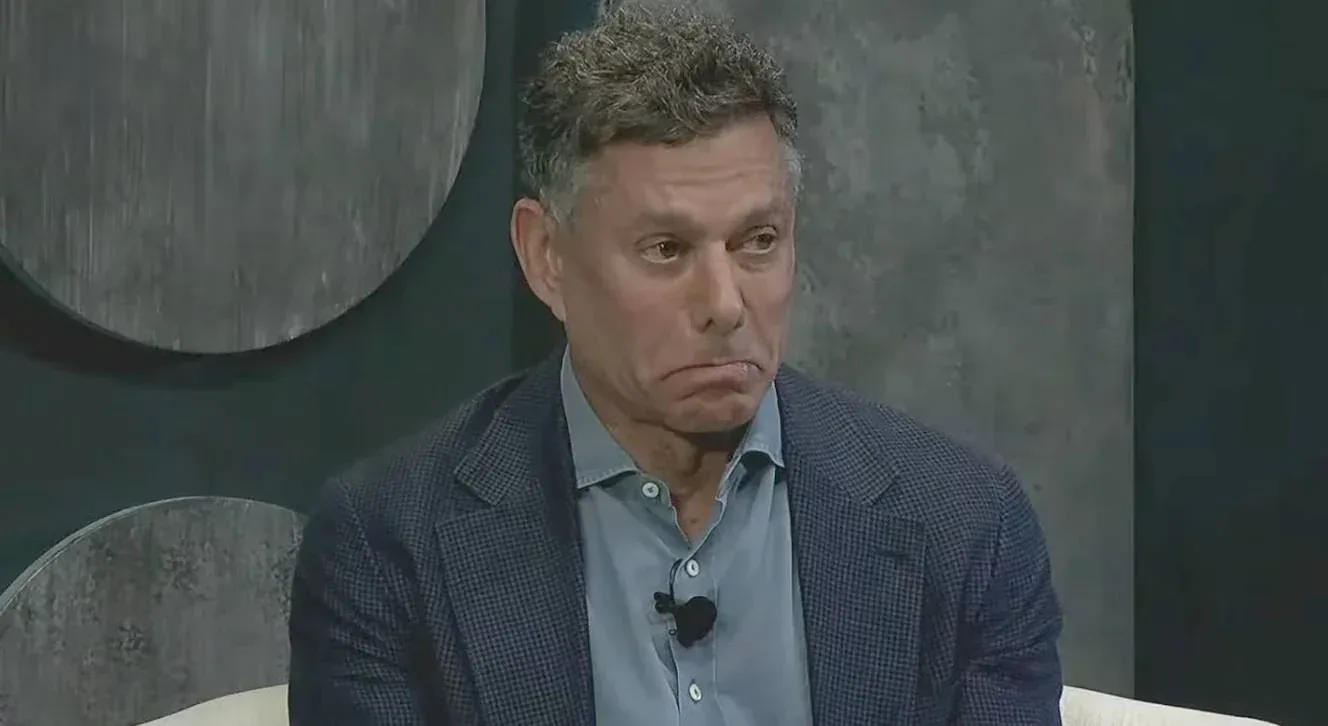
Take-Two chief executive Strauss Zelnick has offered a blunt defense of the publisher’s game catalogue after being challenged over whether the company has enough major hits beyond Grand Theft Auto 6.
The awkwardly phrased exchange has travelled quickly among players, largely because Take-Two’s ownership of Rockstar Games, Grand Theft Auto, Red Dead Redemption, NBA 2K, WWE 2K, Borderlands, Civilization and BioShock makes the suggestion of a thin library sound immediately counterintuitive. Zelnick’s initial hesitation became the clip’s headline moment. His substantive answer, however, was a list of franchises and a sales threshold intended to make a narrower point: Take-Two does not view itself as a company built around only one blockbuster.
That does not mean the underlying business question is pointless. A publisher can possess a formidable back catalogue and still face heightened expectations when one forthcoming game is expected to be an unusually consequential commercial event. The discussion around Take-Two is really about the distance between those two ideas: an established, varied portfolio and a release calendar whose biggest near-term spotlight is trained on GTA 6.
Zelnick’s case: 15 franchises, not one
Zelnick said Take-Two has 15 franchises with individual releases that have sold at least 5 million copies. He described the company’s owned intellectual-property collection as the strongest in games, pointing to its revenue, profitability and market value as support for that assessment.
His examples spanned several types of game business rather than one genre or platform:
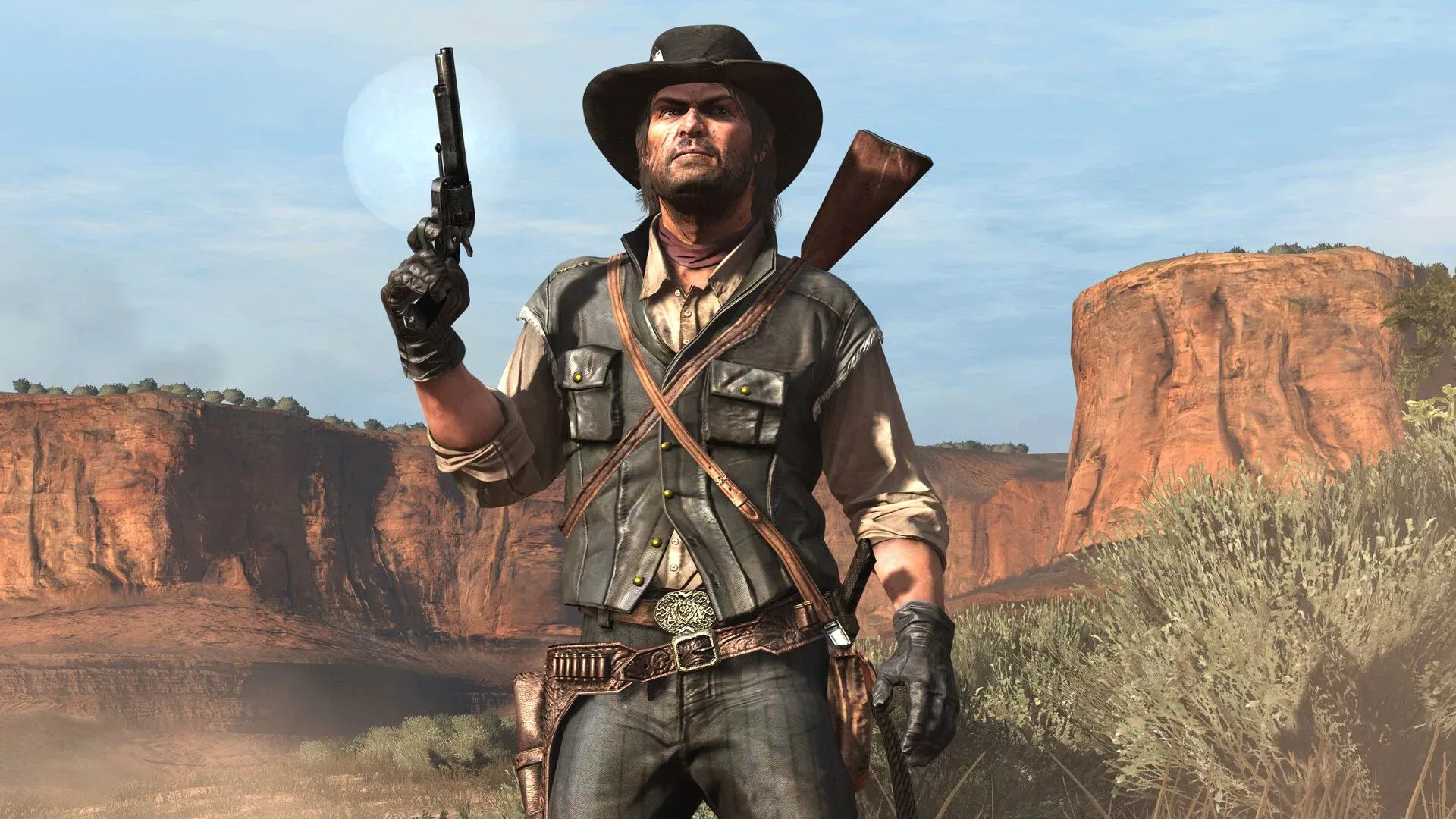
- Grand Theft Auto and Red Dead Redemption, including Grand Theft Auto Online and Red Dead Online;
- NBA 2K and WWE 2K, recurring sports series;
- Borderlands, Civilization and BioShock;
- mobile games including Words with Friends, Empires & Puzzles and Good Poker.
He also said the most recent Red Dead Redemption release has sold more than 65 million copies. That is an important detail because it counters the idea that Grand Theft Auto is the only Take-Two brand capable of operating at an enormous scale. The company also has recurring sports releases and online games that extend engagement beyond a single boxed launch.
For readers outside the corporate side of games, intellectual property, often shortened to IP, means a company’s controlled brands, characters, worlds and concepts. A big IP can support sequels, online modes, new platforms and related products over time. Owning a recognisable series is not a guarantee that every instalment will land, but it gives a publisher an established audience and a base on which to build future releases.
That distinction matters here. The criticism was not really that Take-Two lacks names people recognise. The listed series plainly have recognition. The more meaningful question is whether enough of those names are currently producing the kind of broad commercial and critical momentum investors want, especially before GTA 6 arrives.
Related coverage includes Take-Two CEO Defends Its Hit Portfolio Ahead of GTA 6.
Why GTA 6 changes the scale of every question
Analysts expect GTA 6 to be an exceptionally large entertainment launch by dollar value. Even with that expectation, Zelnick declined to treat anticipated success as already secured. That restraint is sensible: a projected result is not the same as a released game’s sales, player response or longer-term performance.
Still, the prospect is so large that it can distort the conversation around everything else. When a single project is expected to command enormous attention, observers naturally measure a publisher’s other releases against it. Very few games could look equally dominant under that comparison.
Take-Two’s position is unusual because it has both a huge forthcoming premium release and continuing businesses tied to familiar annual or online-driven properties. Grand Theft Auto Online, NBA 2K and WWE 2K help show why “one-hit company” is an imprecise label. A continuing online game can remain commercially relevant after its original release, while an annual sports series has a fresh instalment cycle rather than depending on one distant sequel.
There is also a difference between a game that sells once and a game that sustains activity. In this context, live service describes a game supported over time with ongoing updates, events or content intended to keep a player community engaged. That model can provide continuity, but it also creates pressure: publishers must keep development, operations and audience interest moving together. It is not automatically a substitute for a successful new release.
GTA Online is a particularly prominent part of the current Take-Two story because it demonstrates that a major release can remain economically significant after launch. That does not erase the risk of concentrating public expectations around GTA 6. It does help explain why Zelnick’s response focused on the portfolio as a whole instead of accepting the premise that the company has no other dependable pillars.
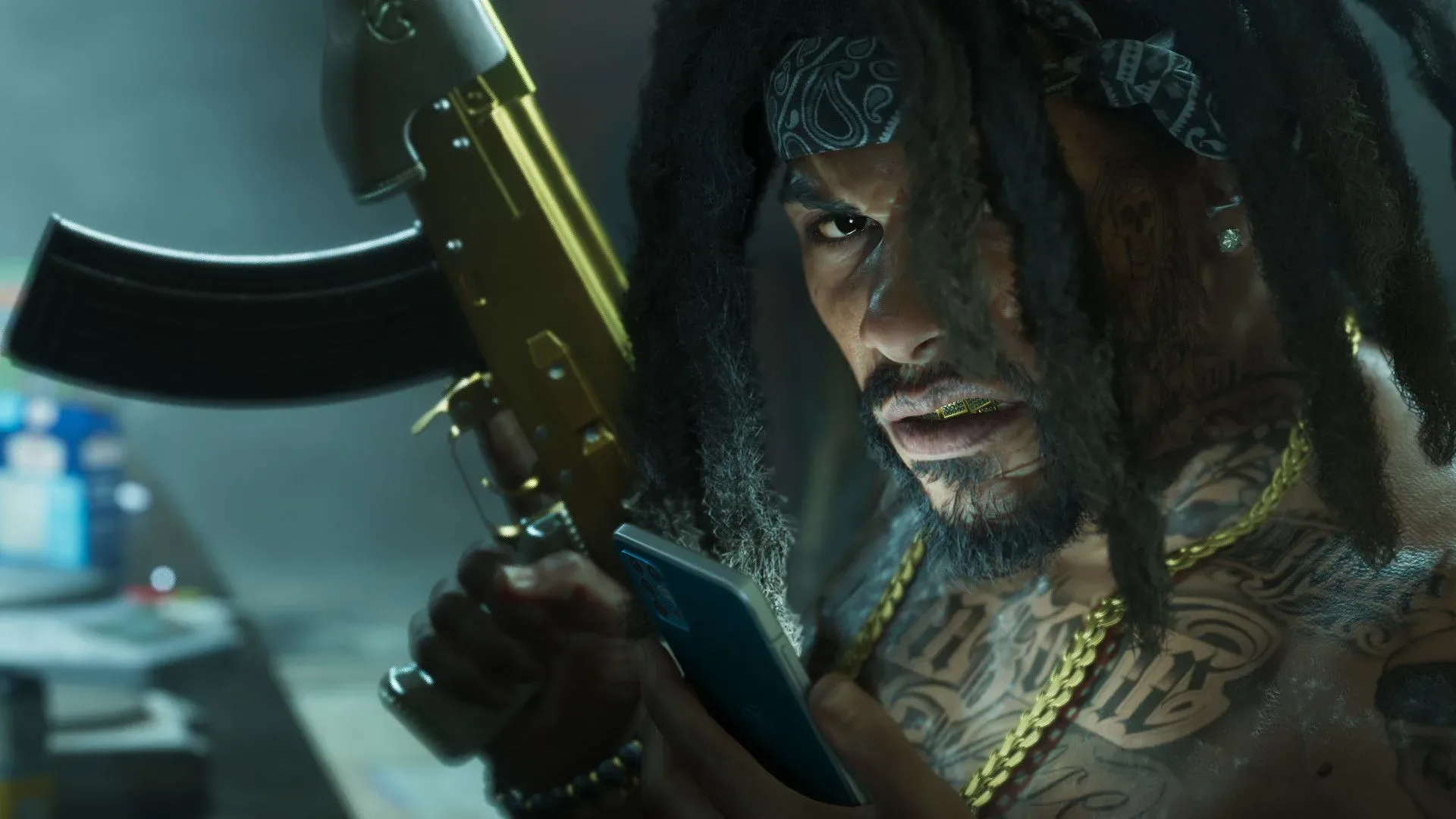
For more discussion around the game’s wider public profile, see the questions surrounding a reported GTA VI screenshot appearance.
The reasonable concern beneath the viral moment
The viral reaction has largely treated the challenge as evidence that games are being underestimated or misunderstood. Take-Two’s list of franchises gives that reaction plenty of ammunition. Two of the five best-selling games of all time belong to the publisher, and Zelnick had no difficulty naming properties that many competitors would be delighted to control.
But the broader concern is still worth separating from the wording that made the moment memorable. No entertainment company wants its perception, share performance or future expectations to hinge too heavily on one release, even an extraordinary one. Diversification is valuable because games do not all arrive on schedule, audiences do not always respond as hoped, and the cost of making a high-profile title can be substantial.
In practical terms, a diversified portfolio means that a weaker result in one area may be balanced by strength somewhere else: sports titles, mobile games, online communities or another major series. It does not require every franchise to be equally big. It requires the group to have credible sources of revenue and attention that are not all dependent on the same game.
Take-Two can credibly point to that diversity. Yet it also has visible questions attached to parts of its catalogue. The supplied record describes Borderlands 4 and Civilization 7 as falling short of the clean, runaway reception associated with some earlier franchise entries. It also notes that a new BioShock has not emerged despite roughly a decade passing, while live-service multiplayer project Project Ethos has continued to consume resources without a clear breakthrough.
Those are not arguments that Take-Two has no hits. They are arguments about execution and momentum. A portfolio can be deep on paper while some individual brands face difficult development, uncertain reception or an unclear path to growth. That is closer to the real tension in the exchange.
What the stock discussion does—and does not—tell players
The conversation also came amid a reported decline of nearly 20 percent in Take-Two’s share price from its peak late in the previous year. A share price is not a review score, sales total or direct measure of whether players will enjoy an upcoming game. It reflects investor expectations, which can include views on timing, costs, risk, future growth and how much anticipated success has already been factored into a company’s valuation.
That is why a company preparing a potentially record-setting release can still face sceptical questions in a financial setting. Investors may be asking whether expectations are too high, whether the period before a giant launch is sufficiently supported, or whether the publisher can sustain its performance after the launch window. None of those questions negate the popularity of Grand Theft Auto or Red Dead Redemption.
Zelnick’s “examine the facts” approach was therefore less an attempt to predict the result of GTA 6 than a defense of Take-Two’s existing assets. His evidence was franchise breadth, proven sales, sports-game scale, mobile titles and ongoing online games. It is a stronger response to the claim that Take-Two has no bench than to the separate proposition that every item on that bench is performing perfectly right now.
What this means for the games Take-Two makes next
For players, the exchange is most useful as a reminder that corporate questions and game-facing questions often overlap without being identical. The company’s need for several healthy franchises is not just an investor concern. A publisher that can support successful projects across genres is better positioned to keep funding different kinds of games, including strategy, shooters, sports games, mobile releases and enormous open-world productions.
At the same time, players should not read an executive’s franchise list as confirmation of unannounced release timing, product details or future plans. BioShock’s place in a portfolio discussion is recognition of the series’ value, not a new game announcement. The same is true for any implication that a brand’s past success guarantees the shape or reception of its next entry.
The central point remains straightforward. Take-Two is approaching the GTA 6 era with an enviable collection of properties and several durable revenue engines. It is also facing the normal hard questions attached to giant budgets, delayed or unsettled projects, and a forthcoming release so large that it makes almost everything around it look smaller.
Zelnick’s confused pause may be what audiences remember, but the numbers and franchises he cited make his broader objection understandable. Take-Two’s challenge is not finding evidence that it has hits. It is proving that the company’s portfolio can keep delivering while GTA 6 becomes the centre of attention—and after that attention eventually moves on.