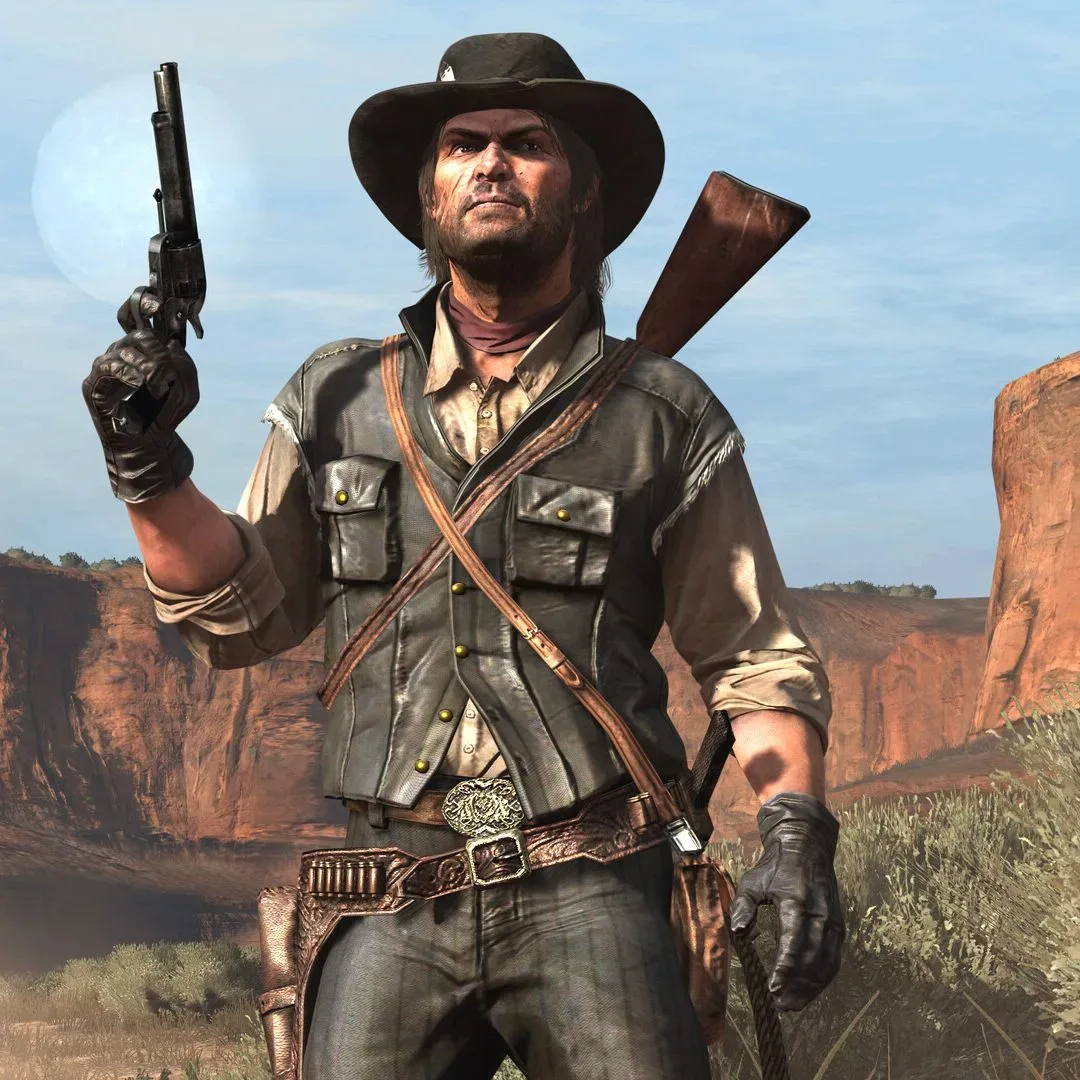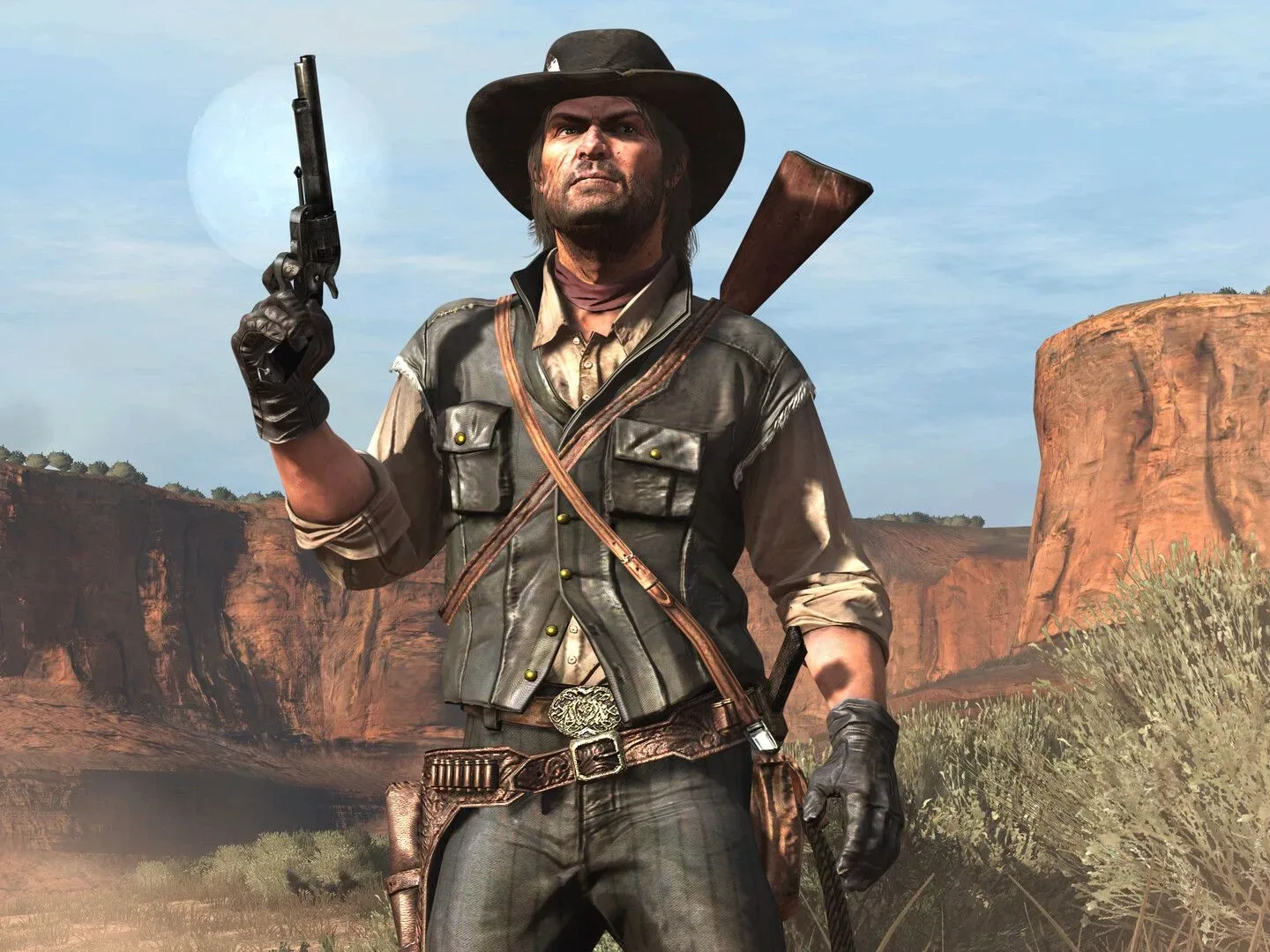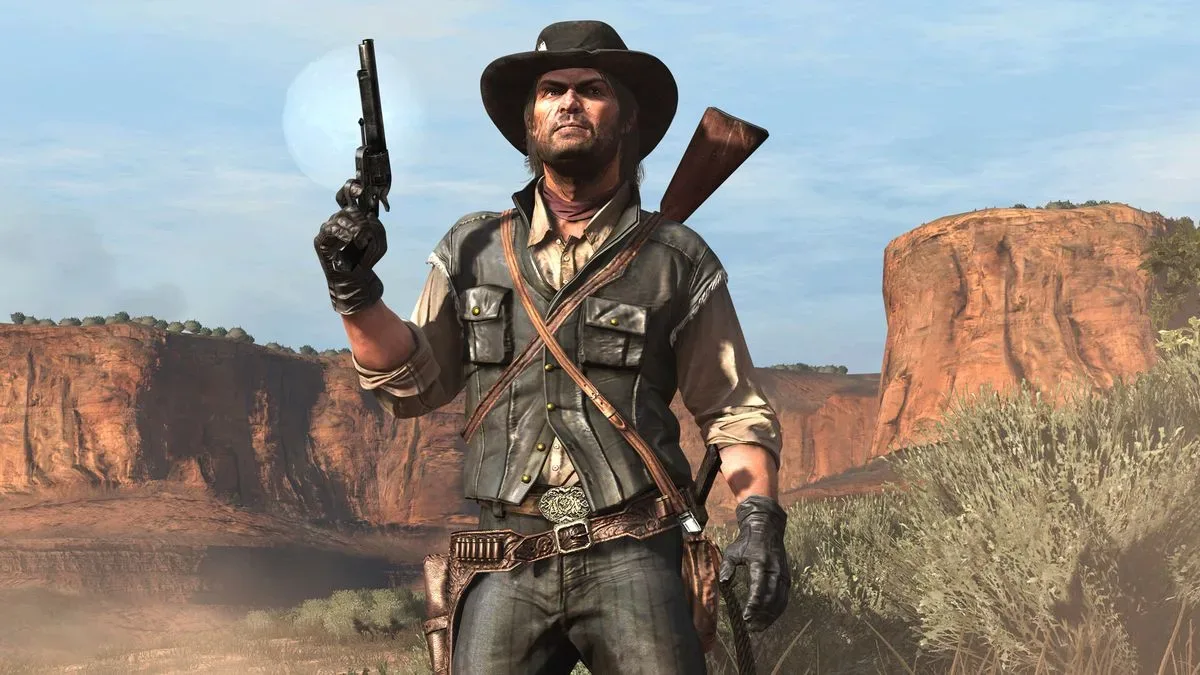
Some of the games most firmly associated with Rockstar’s identity beyond Grand Theft Auto were not inevitable successes on a production schedule. Former Rockstar Games co-founder and lead writer Dan Houser has said that Red Dead Redemption and Bully each came close to never being finished.
Houser’s point is bigger than either title. In his telling, the difficult part of creating a major new game is not simply making a large quantity of content or solving isolated technical bugs. It is identifying what the game is supposed to be while it is still being built, then solving the problems that emerge once that idea encounters the realities of production. A sequel begins with more answers. A new property often begins with questions.
“I think there were lots of moments where Red Dead nearly didn’t happen. I think there were lots of moments when Bully nearly didn’t happen, and lots of other moments when games that didn’t happen could have,” Houser said. “There are lots of happenstance moments, or one good build, or the game suddenly comes together, that save projects that are struggling.”
Why a promising game can still be vulnerable
“AAA” generally refers to a large-scale, high-budget game made with significant staffing, production demands, and commercial expectations. That scale can make a project more difficult to redirect. If a central piece of the experience is not working, the issue may affect missions, writing, art, systems, technical performance, and the work of many separate teams at once.
Houser argues that original games are especially susceptible to this pressure. Sequels can inherit a foundation: an established setting, familiar design language, known audience expectations, and systems that a team has already learned how to build. That does not make follow-ups easy, but it means fewer fundamentals must be proved at the same time.
New properties face a more basic test. Developers need to discover which ideas belong together, which should be removed, and whether the result has a clear identity. Houser described those projects as ones that “tend to struggle a lot,” adding that it can be more remarkable when they make it to release than disappointing when they do not.
That observation does not turn every cancelled project into a hidden masterpiece. A project can fail because its concept never becomes coherent, because the problems cannot be solved within its production constraints, or because a studio decides its resources are better used elsewhere. The meaningful distinction in Houser’s account is that uncertainty is not necessarily evidence that a game lacks potential. Sometimes the work is still searching for the form that makes its potential visible.
Red Dead Redemption’s difficult route to clarity
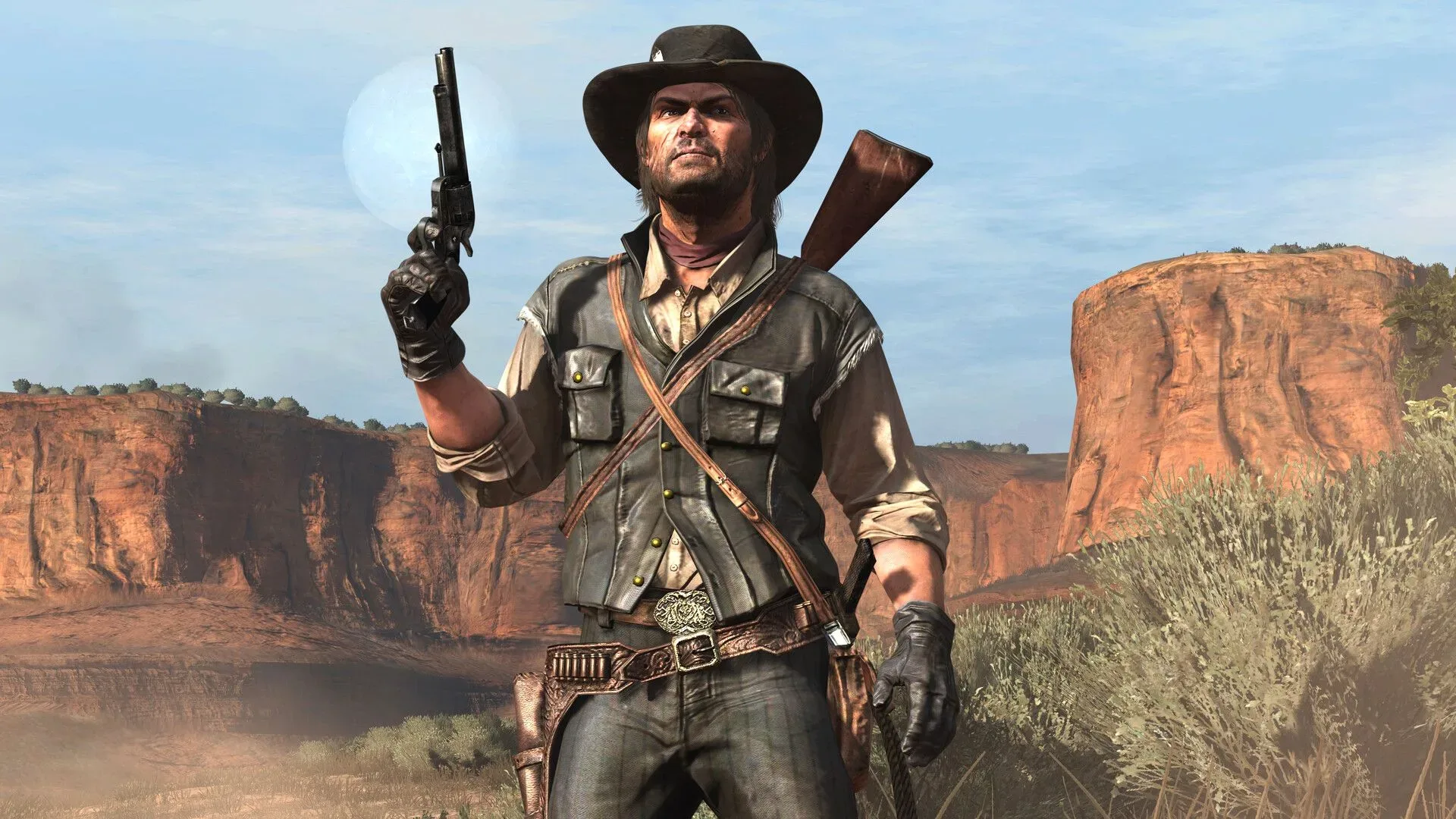
Houser specifically recalled that 2010’s Red Dead Redemption endured “a lot of difficult periods.” He credited the people at the center of the team for maintaining focus, working through problems, and keeping sight of what they were trying to achieve.
Related coverage includes Dan Houser Says Red Dead Redemption and Bully Both Came Close to Never Happening.
His description of the process is revealing because it frames development as discovery rather than execution. The team was working out the problems and gradually identifying what was compelling about an open-world cowboy game. In hindsight, the appeal of Red Dead may feel self-evident: a western setting paired with a broad world and player freedom. During development, however, the project was still a collection of gaps that had to be filled deliberately.
An open-world game is typically built around a navigable environment in which players can choose routes, activities, and objectives with a degree of freedom. The term does not automatically describe the game’s tone, structure, or moment-to-moment appeal. For a western open world, the team still had to establish what activities, pacing, characters, spaces, and systems would make the setting meaningful rather than merely large.
Houser’s “holes” metaphor gets at that uncertainty. A development team can see individual missing pieces without yet knowing which pieces are truly foundational. One successful playable build can change that. A build is a version of a game assembled so the team can evaluate how its components work together. If a build finally makes the intended experience legible, it can give a struggling project direction. It can also reveal more work. Either way, it replaces speculation with something concrete.
That is why Houser places weight on a good build or a moment when a game suddenly coheres. The breakthrough need not mean every problem is solved. It can mean the project has found its center: the part worth protecting while the team continues to address everything around it.
Bully’s inclusion matters
Bully is important to Houser’s remarks because it was not simply an early step toward the same outcome as Red Dead Redemption. It became one of Rockstar’s defining games outside the Grand Theft Auto series, yet Houser says it too had moments when it nearly did not happen. Its presence in the discussion reinforces that the uncertainty applied across distinct ideas, not just to one western experiment.
The available information does not identify the precise obstacles faced by either project, and it would be misleading to fill those blanks with assumptions about cut content, schedules, technology, or business decisions. What Houser does provide is a useful high-level account: original projects can reach points where their completion depends on focus, problem-solving, and the chance arrival of a version that demonstrates why the game should continue.
For players, this is a reminder that a finished game presents a cleaned-up surface. By the time a title reaches an audience, its premise can appear obvious and its strongest elements can seem inseparable. Development does not begin from that polished certainty. Teams have to create it.
What the comments do—and do not—say about Rockstar now
The contrast between the two series is also notable. Bully never received a sequel, while Red Dead Redemption did continue with Red Dead Redemption 2, identified as one of the best-selling games of all time. That difference may invite endless speculation about which dormant Rockstar property could return next, but Houser’s comments are about the uncertainty of making games, not a roadmap for future releases.
At present, Rockstar appears to be focused on Grand Theft Auto 6. Nothing in these reflections confirms a new Bully game, another Red Dead, or any other unannounced project. The safest reading is also the most interesting: celebrated games can be the survivors of a long creative filtering process, rather than guaranteed results of a studio’s reputation.
There is a practical lesson here for how audiences interpret the modern appetite for sequels. Established franchises offer familiarity and a clearer commercial proposition, but Houser’s account suggests that the games which define a studio in unexpected ways often require tolerance for uncertainty before they can prove themselves. The success of Red Dead Redemption was not just the result of choosing a western setting; it depended on a team finding, piece by piece, what that setting could support as an open-world game.
That does not diminish sequels. It clarifies the value of new ideas that survive their messy middle. In development, “obvious” is often something achieved only after many decisions, revisions, and problems have been worked through. For more coverage of projects finding their own distinct game identity, see our look at Space Savory’s deep-space diner simulation.