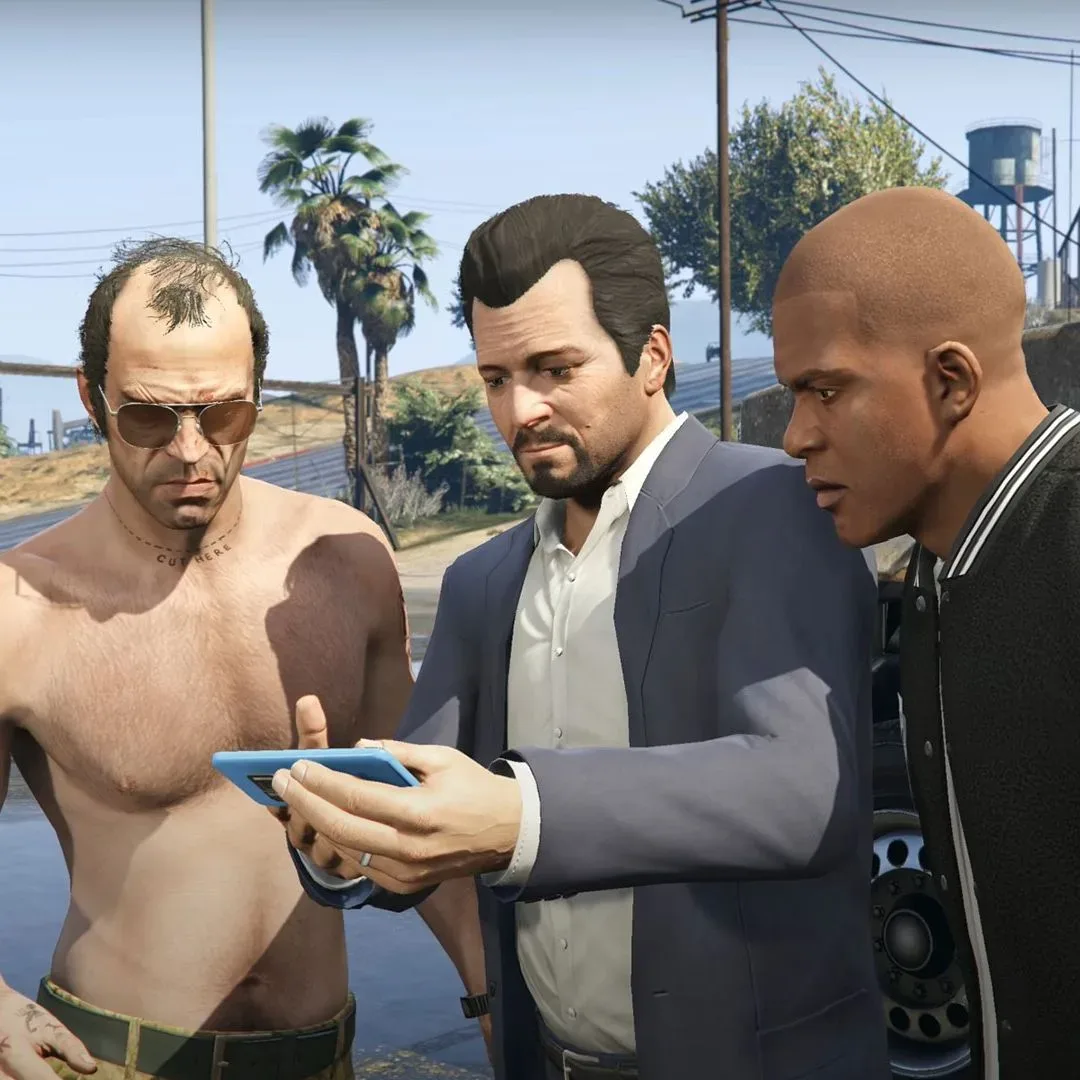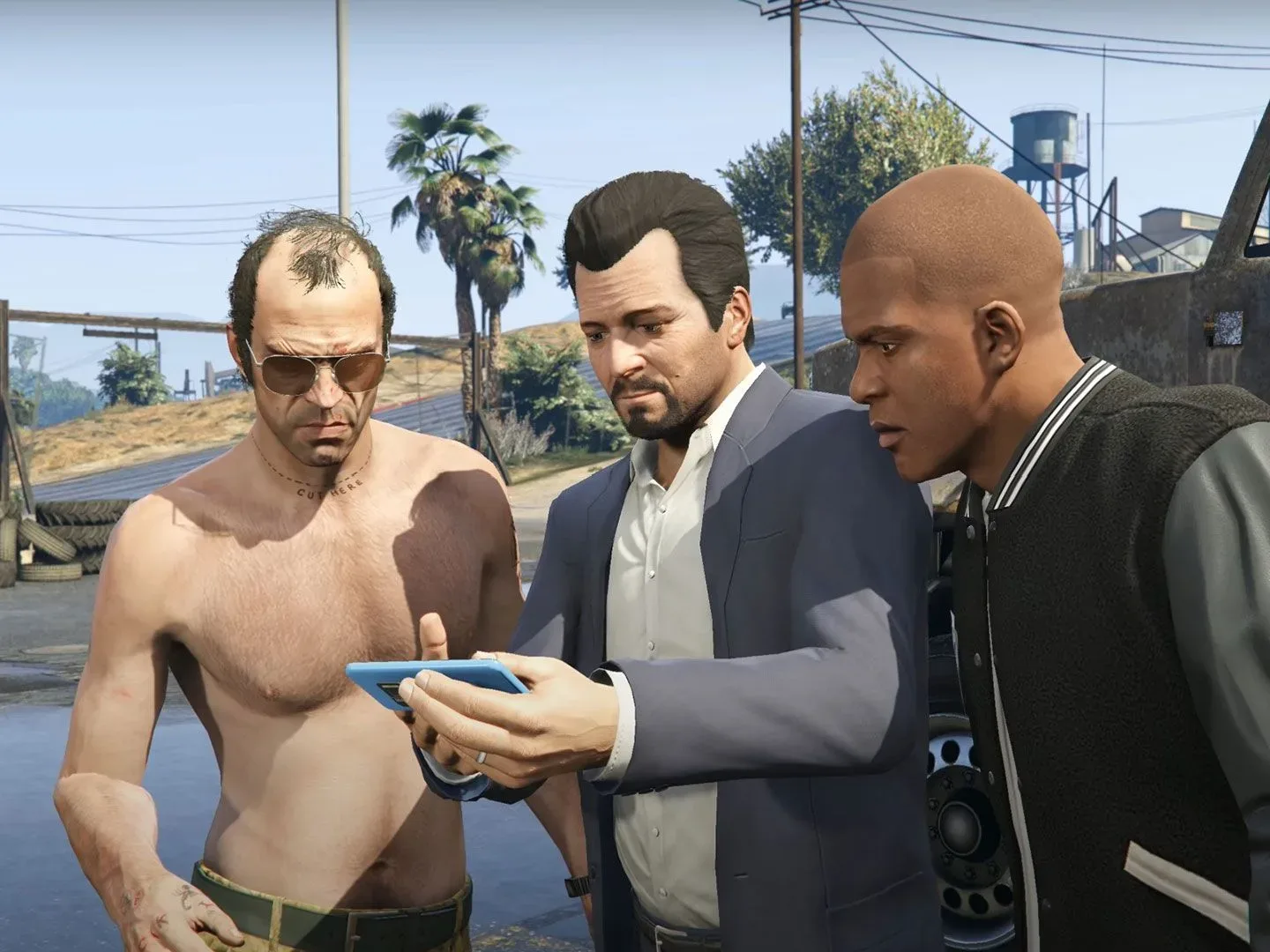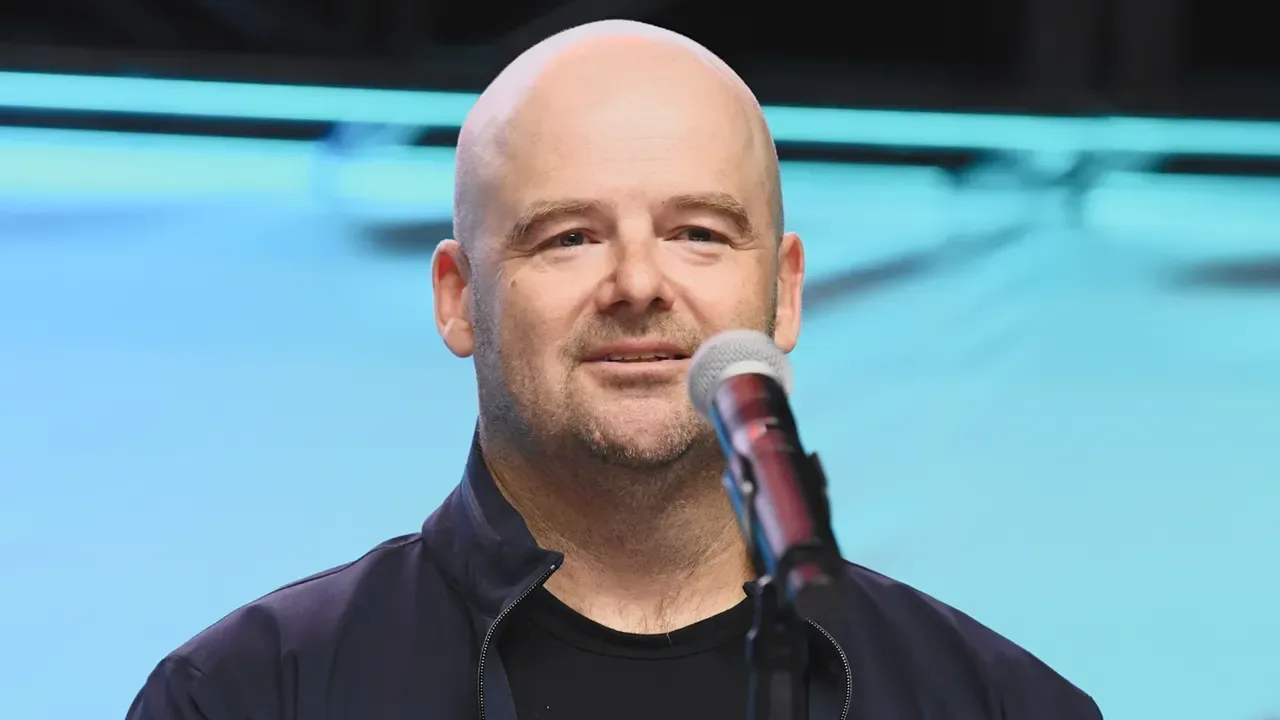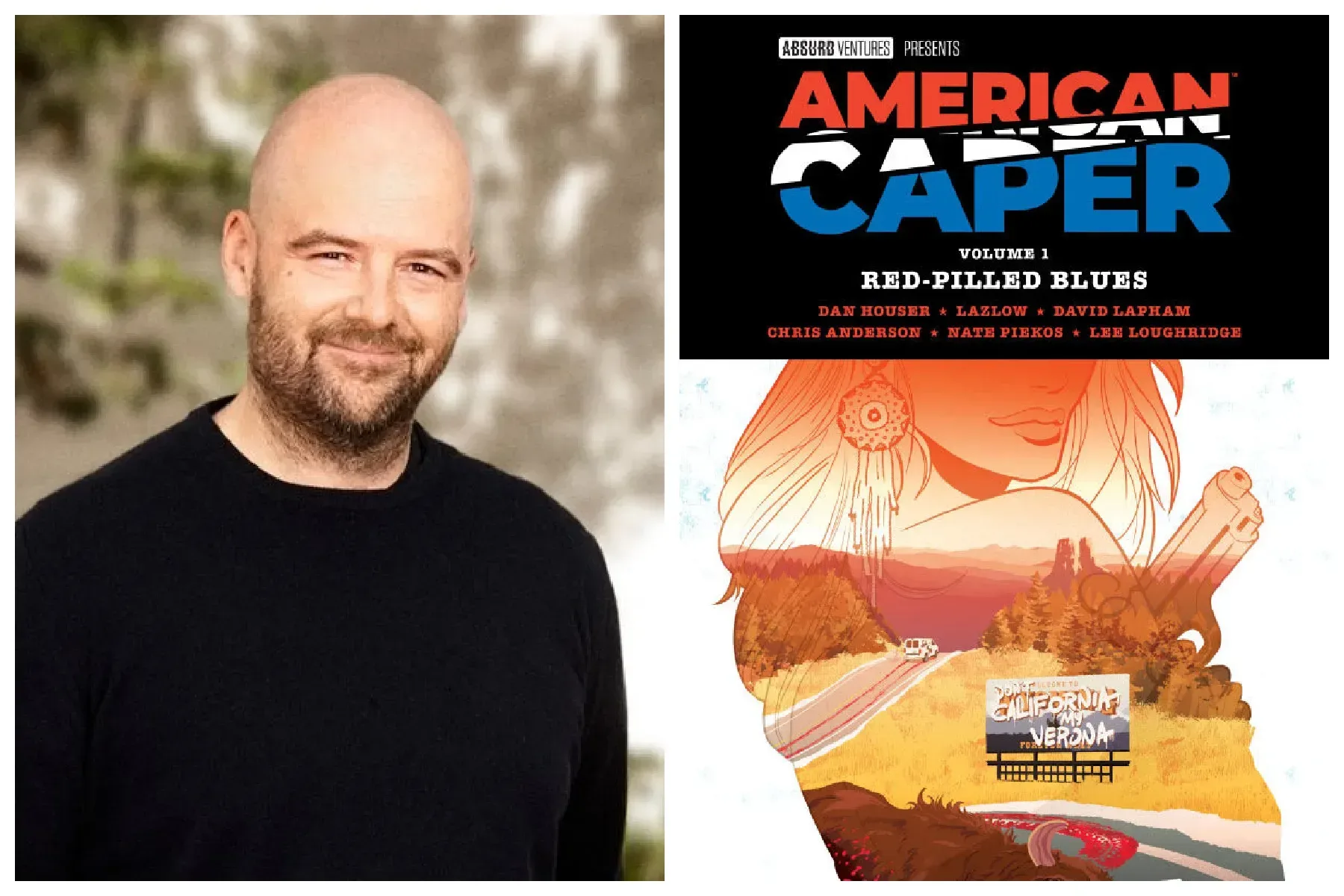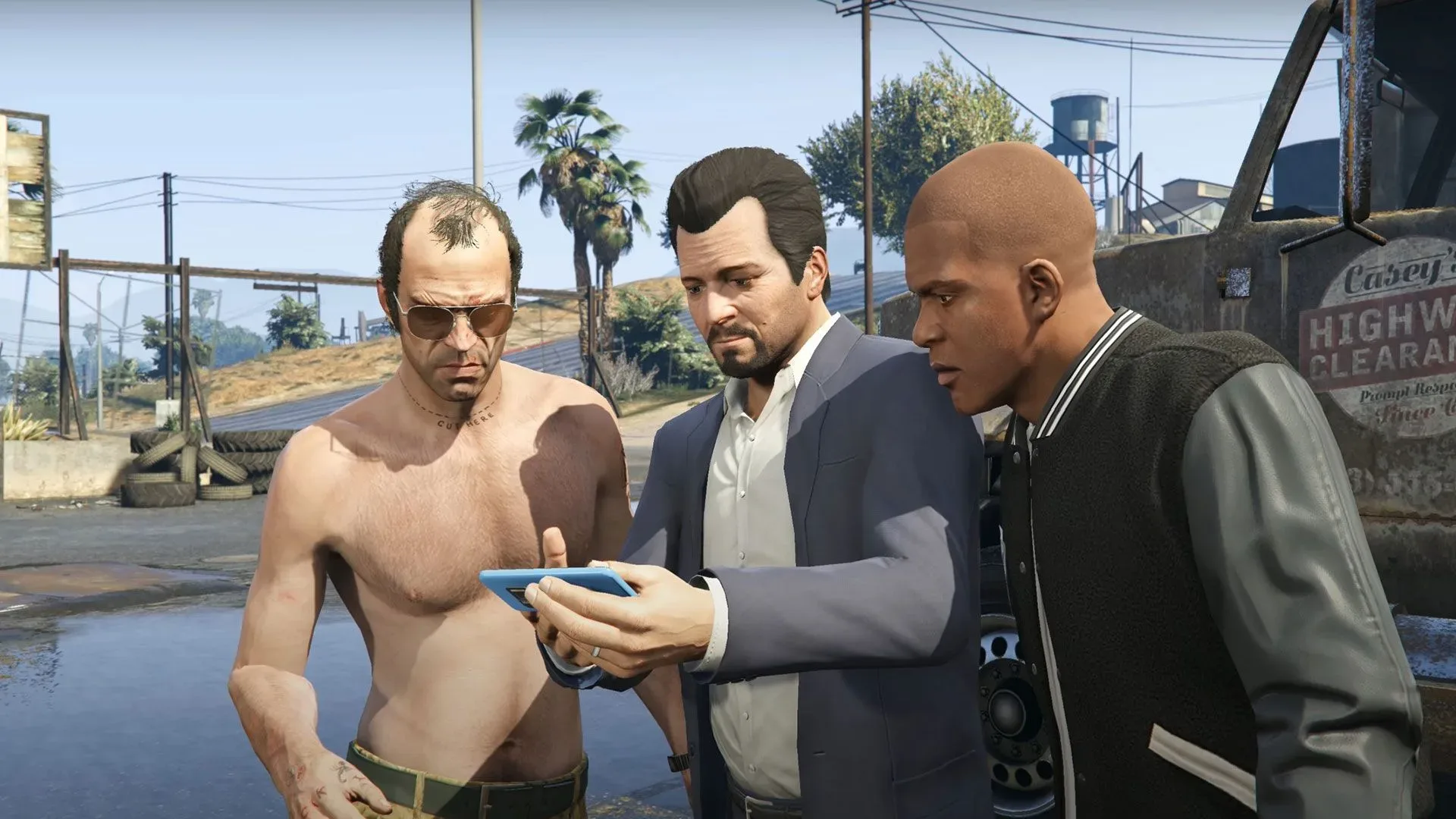
Dan Houser knows that any project bearing his name will invite a familiar question: is it anything like Grand Theft Auto? The former Rockstar co-founder and lead writer does not dismiss that comparison. In fact, he regards it as a substantial compliment. But as Absurd Ventures develops its own slate of multimedia projects and games, Houser is also drawing a clear line between appreciating a legacy and being trapped inside it.
Houser left Rockstar in 2020 and subsequently founded Absurd Ventures. The company is working across multiple media and has games in development, including at least one described as an open-world comedy. That combination makes the GTA comparison easy to understand: an open world is a game structure built around player freedom to move through a broad environment and choose activities rather than following only a fixed sequence of levels. Still, similar structure does not automatically mean similar creative purpose, tone, characters, or ambitions.
For Houser, the challenge is not to pretend the comparison will never happen. It is to make new work that earns recognition for its own qualities.
“Hopefully, on some level there could be no greater compliment,” Houser said of being compared with his earlier games, while adding that he hopes the new work can be “successful in its own right.”
A legacy can be praise and pressure at once
That position captures an awkward reality for prominent game creators who move on from a defining franchise. A famous body of work gives audiences a useful shorthand: players know what the creator helped make, understand why they cared about it, and may be eager for a new project with some of the same creative energy. It also creates a very high baseline for public expectations.
Houser does not frame that legacy as a burden to resent. He calls it a privilege to have made good things. Yet he also acknowledges the risk that follows a major success: every subsequent project can be treated as a ranking exercise rather than encountered as a new work. If the latest game does not have the same impact, that can be disappointing even if it is good on its own terms.
His phrasing points to a useful distinction. Impact is not simply a measure of craft. It can include cultural visibility, audience scale, longevity, timing, and the way a game becomes part of wider conversation. A project may be creatively accomplished without immediately producing the same footprint as an earlier landmark. Conversely, commercial attention alone cannot settle whether the people who made it believe it reached its artistic goals.
That distinction matters particularly for a new company. The available information confirms that Absurd Ventures is developing several projects across media, alongside games, but it does not establish release dates, platforms, business models, or detailed gameplay features. It would therefore be premature to treat its games as direct successors to any specific Rockstar title. The most concrete takeaway is that Houser expects comparisons and wants the work to be judged beyond them.
Related coverage includes Dan Houser Embraces GTA Comparisons While Building Absurd Ventures' Future.
Why “successful in its own right” is a meaningful standard
“Successful” can mean several different things in games: sales, audience reach, critical response, influence, player retention, or the ability to support a studio’s future work. Houser’s comments do not reject those outcomes. Instead, they resist making market reception the sole test of whether a creative project has value.
He says his responsibility is to make things he is proud of rather than to make things successful in the abstract. That is not a promise that every project will ignore audience needs. It is a statement about where a creator can place attention during development. The team can directly work on writing, design, coherence, originality, and whether the finished work feels fresh. It cannot fully control what becomes a phenomenon.
Houser describes this approach as pursuing the greatest integrity he can muster and asking whether the work feels new. Here, creative integrity is best understood as the effort to follow a project’s intended ideas and standards instead of chasing an external result at any cost. It is not a technical feature or a guarantee of quality. It is a creative process principle: make deliberate choices, then accept that the market’s verdict is only one part of the outcome.
That framing is especially notable because Houser says there was significant pressure in making GTA games during his time at Rockstar. A franchise with enormous public recognition does not become pressure-free simply because it is established. If anything, familiarity can raise the stakes: audiences carry memories of previous entries and expect a new release to feel worthwhile, distinct, and consistent with what they value about the series.
The danger of turning every release into a verdict on the creator
Houser’s most direct warning is against the binary of “biggest thing ever” or failure. In his view, defining oneself entirely as either a success or failure can end up feeling much the same. The actual work remains the creative work, not the market’s judgment of it.
This is a practical idea, not merely a philosophical one. Market outcomes arrive after a project is made and are shaped by factors outside a creative team’s control. Development choices, of course, matter. But so do audience expectations, the crowded entertainment landscape, and the difference between a project being noticed and a project being understood. Focusing only on a final commercial label can obscure what the team could learn from the work itself.
Houser also says that he could be proud of Rockstar games that were not successful if he believed the team had done a good job. The comment establishes a consistent standard across his earlier work and the projects now being made at Absurd Ventures. Pride, in this account, comes from whether the creators met their own bar for the work—not from treating a title’s place in a marketplace as a complete account of its worth.
That does not make comparisons disappear. Nor does it ask audiences to avoid them. Comparisons are often unavoidable when a creator is closely associated with one of gaming’s most recognizable open-world series. The more useful version of comparison, though, may be one that asks what the new project is trying to accomplish rather than demanding a replica of the old one.
GTA’s shadow—and room beyond it
The GTA connection will remain part of the conversation around Houser’s next games, particularly given the reference to another open-world project. At the same time, “open-world” is a broad structural description, not a complete creative identity. It tells players that exploration and a sizable navigable setting may be central. It does not, by itself, tell them the game’s story, systems, mood, characters, or sense of humor.
There is also a separate GTA conversation currently surrounding the series’ next installment. For a look at its setting and satire, see how GTA VI turns modern Florida into Leonida satire. Houser’s comments, however, concern a different creative path: the task of building Absurd Ventures while carrying the public association with his previous work.
He has reportedly chosen not to follow GTA VI closely because he does not want it to distract from or disrupt the new games. Within the context of his broader remarks, that decision fits a recognizable goal: protect attention for the projects directly in front of him rather than continually measuring them against a former chapter.
For players, the immediate implication is one of patience and precision. There is confirmed evidence of an Absurd Ventures game slate and at least one open-world comedy, but not enough disclosed detail to responsibly define those games through GTA-style checklists. The strongest expectation to take from Houser’s own words is less about a promised feature set than about an intention: make work that feels fresh, make it with integrity, and allow it to find its own identity.
That may not stop the comparisons, and Houser does not expect it to. But he appears comfortable with the paradox. The past can be a compliment without becoming a blueprint, and a new studio can respect the scale of an earlier achievement while trying to make the next thing matter for entirely different reasons.