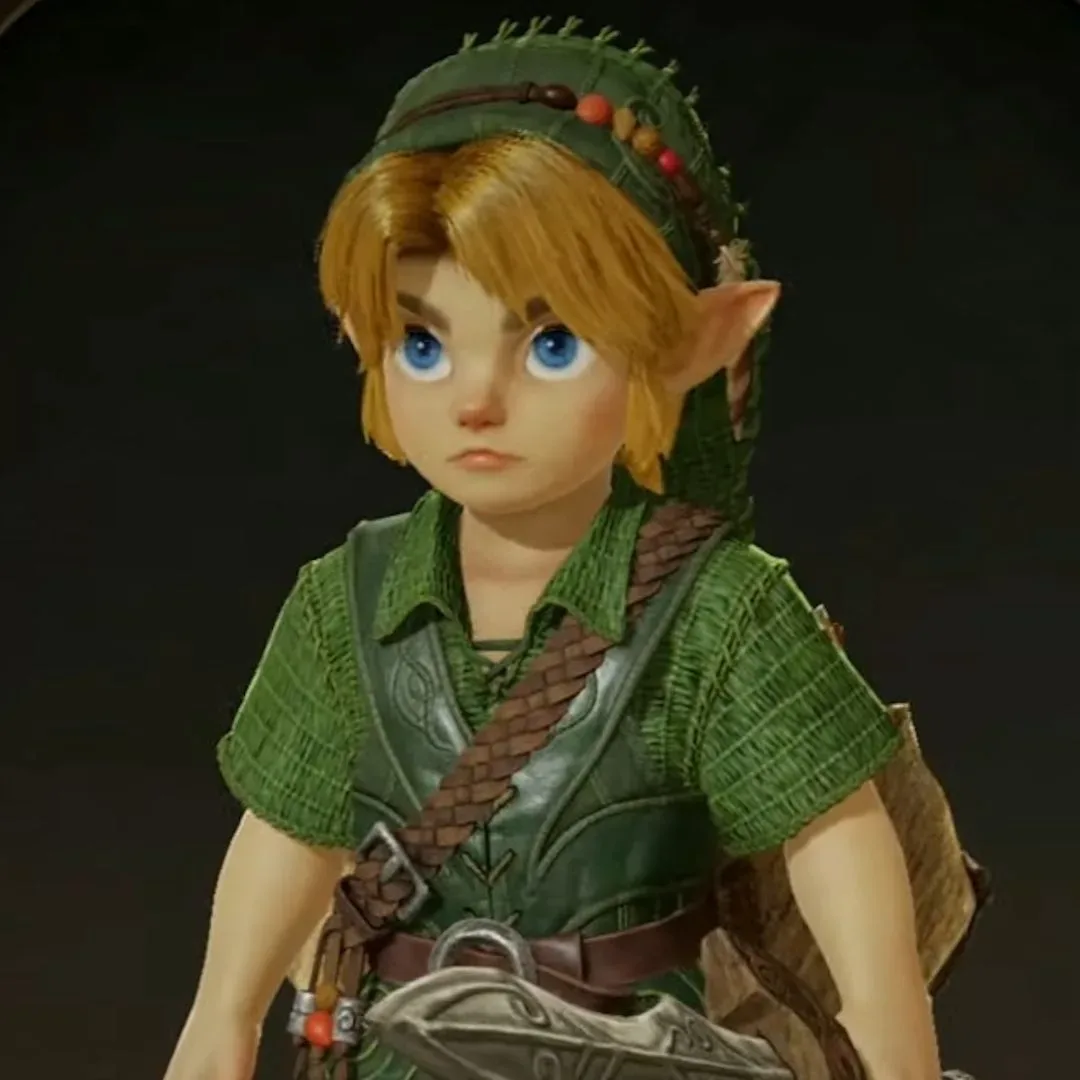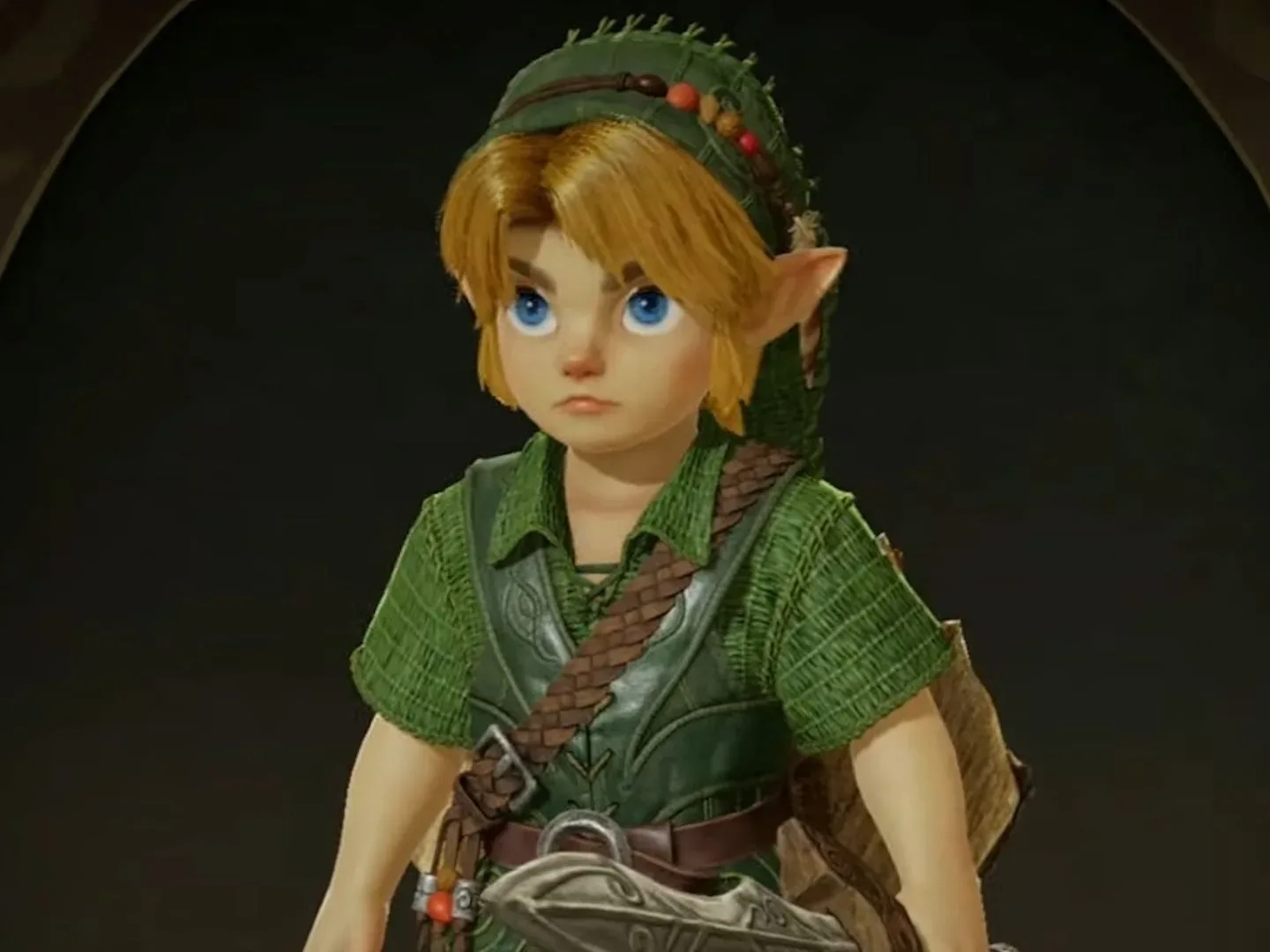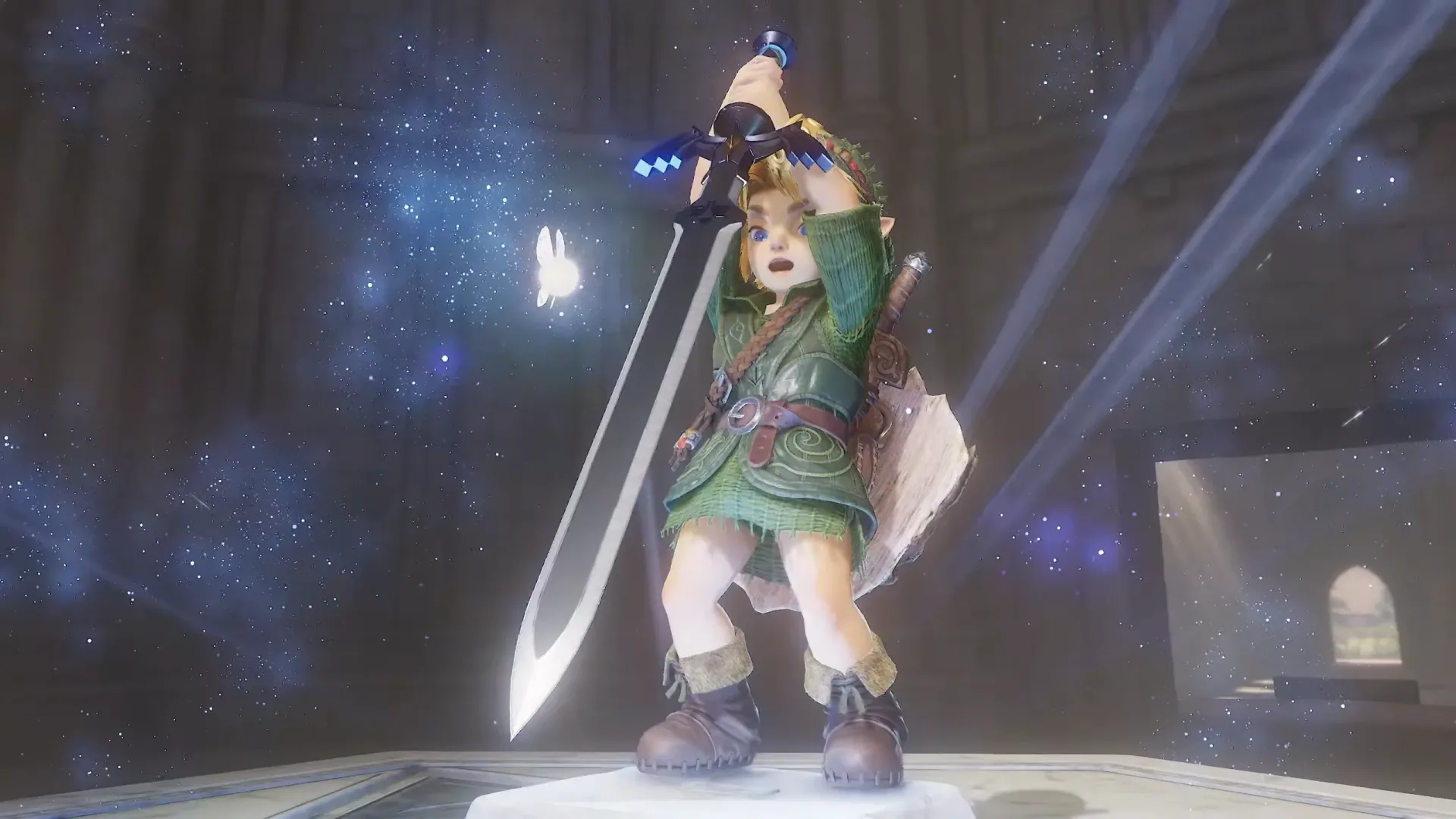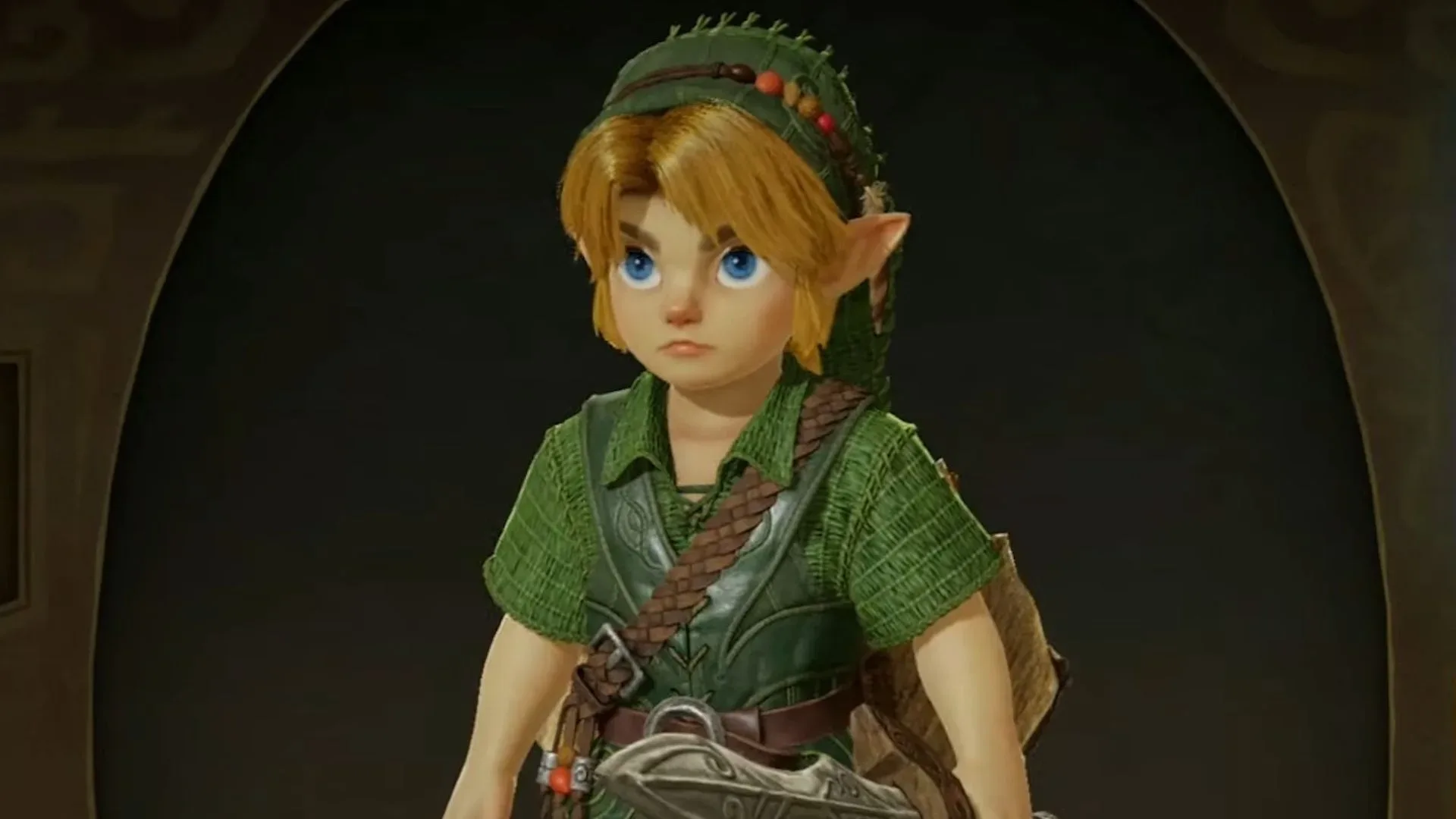
A comedy sketch can try to establish a winner, but an audience may decide it has other ideas. That is the interesting wrinkle in the recent Saturday Night Live face-off between The Legend of Zelda: Ocarina of Time and Grand Theft Auto 6: the material treated GTA 6 as the flashy, fast-car, adult-oriented contender while assigning Zelda the deliberately uncool role of puzzle game, green outfit and all. Yet the response for Nintendo’s fantasy series was loud enough to complicate the gag.
Kit Ellis and Krysta Yang, both former Nintendo of America marketing leaders, believe that distinction matters. Their assessment is not that every part of the sketch would have pleased Nintendo. Rather, it is that the broadest message was valuable: Ocarina of Time was placed beside GTA 6 as one of November’s defining games, not dismissed as a minor alternative.
That is a much more meaningful outcome than whether every punchline was flattering. In mainstream comedy, being recognizable enough to support the premise is already a form of cultural currency. Being recognizable enough to be positioned opposite a game as prominent as GTA 6 is something more: an acknowledgement that viewers understand the stakes without needing the setup explained.
The sketch’s rivalry was built on two different kinds of appeal
The premise put performers dressed as Link and GTA 6’s Jason in a contest of escalating boasts. GTA 6 represented action, sex appeal and cars; Zelda represented puzzles and Link’s recognizable costume. It was a variation on the “two huge releases occupy the same moment” framing that has become an easy pop-culture shorthand for audiences.
On its surface, the joke relies on a familiar hierarchy. One side is presented as dangerous, mature and socially effortless. The other is coded as quaint, studious or enthusiast-only. In this case, Link’s “little green dress” was part of the tease, while puzzle-solving was positioned as less thrilling than the Grand Theft Auto pitch.
But that framing overlooks what the sketch itself reportedly demonstrated: audience enthusiasm for Zelda. The intended contrast may have been between the cool-kid blockbuster and the supposedly nerdy alternative, but a strong crowd reaction changes the subtext. It suggests that Zelda’s nostalgia, identity and popularity are not confined to the narrow stereotype the joke was using.
Ellis’s and Yang’s reading is especially focused on this gap between tone and positioning. Tone is the local joke—the visual jab at Link, the art-style teasing, or the suggestion that puzzles are inherently less glamorous. Positioning is the larger cultural claim created by the sketch’s existence: that Ocarina of Time belongs in a national-comedy comparison with GTA 6. The former can sting; the latter can still be powerful promotion.
Why a puzzle reference can be useful marketing
Yang noted that the sketch’s mention of Zelda puzzles was, at least in part, an accurate statement of what the game offers. That may seem modest, but it illustrates why not all comedy references work the same way for a brand.
Related coverage includes Former Nintendo Marketers Say Zelda vs. GTA 6 SNL Sketch Likely Landed Better Than It Seemed.
A reference becomes useful when it reinforces an attribute audiences actually associate with a game. Here, puzzles are not an arbitrary insult added from outside the series. They are part of Zelda’s recognizable identity. The joke may have contrasted them with GTA 6’s more sensational selling points, but it also reminded an enormous general audience of a reason people play Zelda.
That does not mean a game company needs to welcome every joke made at its expense. Marketing is not simply about being mentioned; it is about what the mention teaches viewers. A caricature that preserves a product’s core appeal can be easier to tolerate than one that attaches it to behavior the company would never want near its characters.
For a broader look at how games and genre stories use familiar identities and expectations as shorthand, see our Hellraiser: Revival story and lore primer.
Where Nintendo would likely draw the line
Ellis and Yang contrasted the Zelda sketch with a 2021 SNL Wario sketch that aired while they were employed at Nintendo of America. Yang said that earlier piece was not received well internally. Its premise placed Wario, portrayed by Elon Musk, in court over Mario’s death in a Mario Kart-style crash, while also incorporating references to Mario using drugs and Luigi sexting Princess Peach.
The difference is not subtle. The Wario material put Nintendo characters into explicit, criminal and sexualized situations that conflict sharply with a carefully managed, broadly accessible family-image brand. It was not merely laughing at a recognizable trait or staging a silly rivalry. It used the characters as containers for material fundamentally outside the world Nintendo wants associated with them.
The Zelda sketch, by comparison, was competitive teasing. It played with visual design, fantasy conventions and old assumptions about which gamers are “cool,” but its essential message remained that Ocarina of Time is a huge release capable of standing beside GTA 6. The fairy gag—where a fairy in a bottle falls apart and dies—was another likely sore spot, Yang suggested. Still, it is categorically different from building an entire scenario around drugs, sex or murder involving the company’s best-known mascots.
Brand safety, explained
Brand safety is the practical marketing term for avoiding associations that can damage a company’s public image, advertising relationships or audience trust. It does not mean a brand rejects all parody. Parody is often unavoidable once a property is widely known. The concern is whether the parody attaches a character to themes that make the character harder to use across the company’s intended audience.
From that perspective, the former marketers’ distinction is straightforward. A joke that calls Link a nerd may be irritating because it revives a tired social label. A joke that nevertheless reminds viewers Zelda is a major cultural event may have a net-positive effect. A joke that places Mario characters inside drug references and sexual messaging produces a much harder reputational problem to overlook.
The “nerds versus cool kids” setup is the weakest part
Ellis identified the portrayal of Link as being for “nerds” or “losers” as a likely objection for Nintendo. That criticism is bigger than one costume joke. The sketch drew on an old media assumption: that games such as Grand Theft Auto are for the socially confident and fashionable, while puzzle-led fantasy games are for a lesser, uncool audience.
It is an efficient comedic contrast, but it is also reductive. More importantly for Nintendo, it turns a contrast between genres into a judgment about people. One game can emphasize cars, action and adult themes while another emphasizes puzzles, exploration and fantasy without either audience needing to be treated as socially inferior.
That point matters because the audience reaction apparently undermined the premise in real time. A joke can assert that one option is the uncool choice, but a crowd responding warmly to that option signals that the label no longer has much authority. In that sense, the sketch did not simply make Zelda the foil to GTA 6. It provided a very public demonstration that the foil has its own deep reservoir of affection.
What this means for the November matchup
There is no need to turn a comedy sketch into a sales forecast. Audience cheers do not establish commercial results, and former employees’ commentary should not be mistaken for an official Nintendo response. Their discussion is best understood as informed analysis from people familiar with how a major game company may evaluate entertainment coverage and parody.
Still, their core point is persuasive: attention is not automatically negative just because the joke is barbed. Zelda came out of the exchange looking like a legitimate counterpart to GTA 6—an extraordinary position for any release to occupy in a mainstream sketch. The game’s puzzles were named, Link was instantly identifiable, and the audience reaction became part of the story.
For Nintendo, the likely calculation described by Ellis and Yang is therefore a balance. The company might reasonably dislike the art-style mockery, the failed fairy and the nerd stereotype. But it could also appreciate that Ocarina of Time was treated as a major November contender rather than a nostalgic footnote. In pop culture, the latter is often the lasting impression—especially when the crowd refuses to accept that Link is supposed to be the loser of the bit.