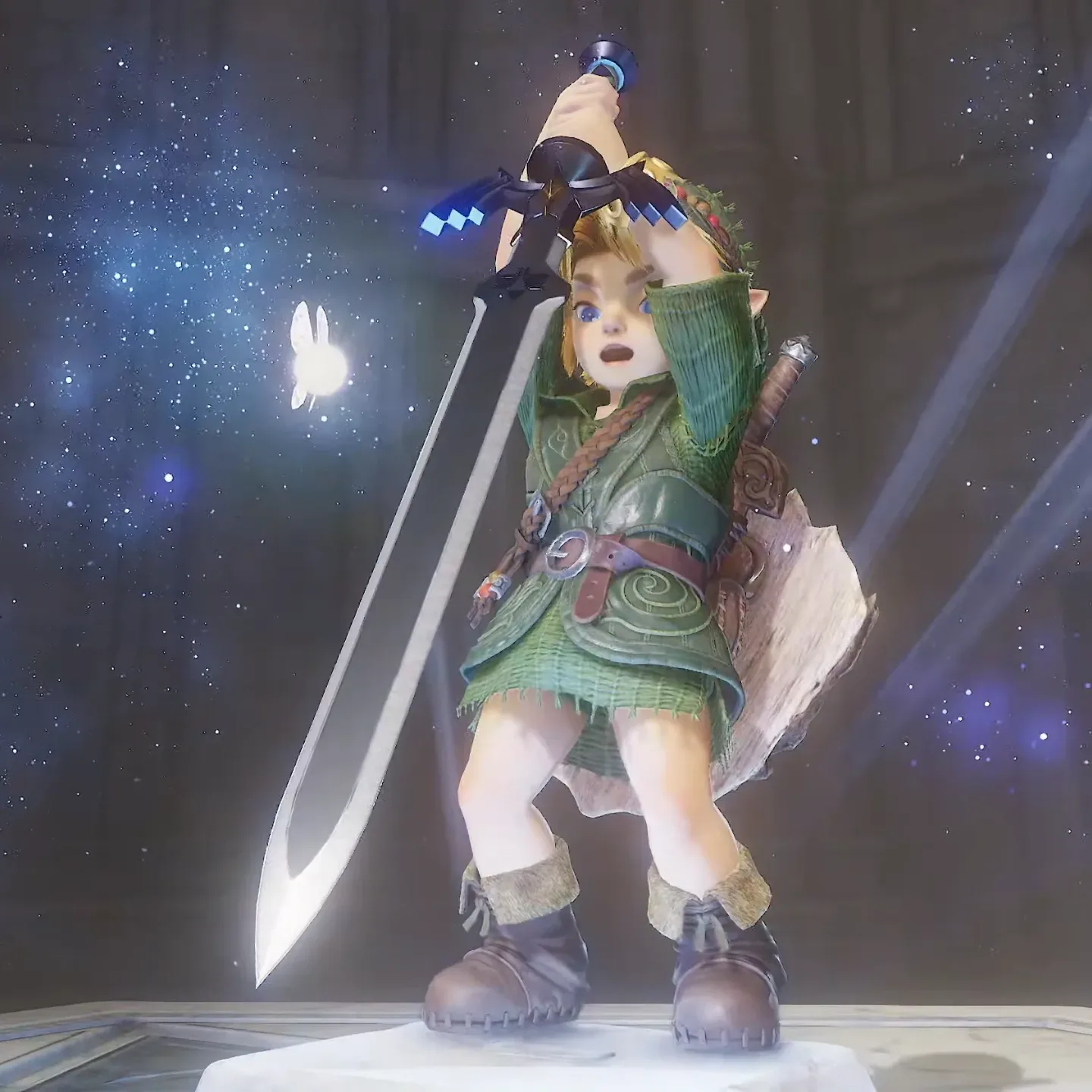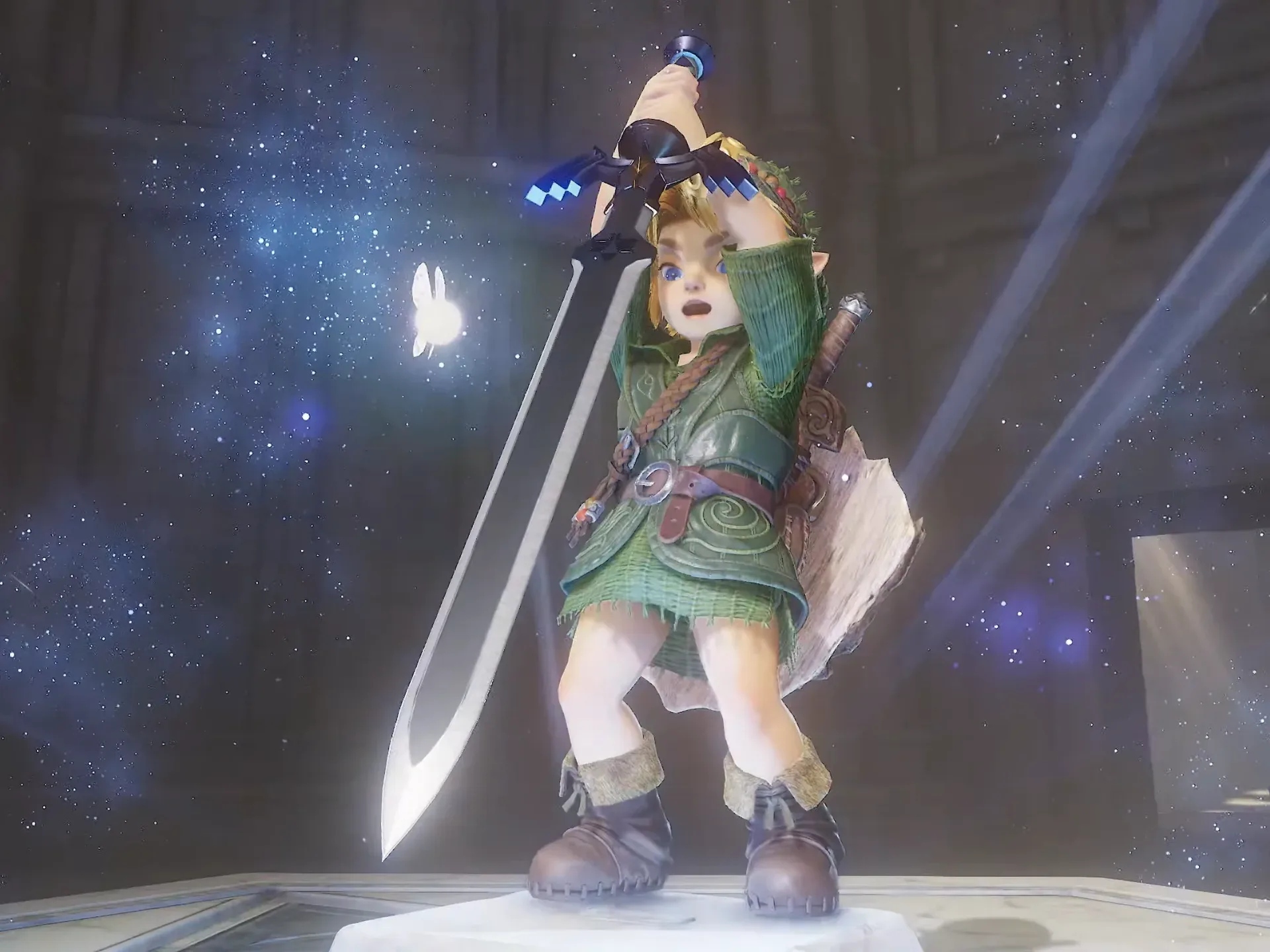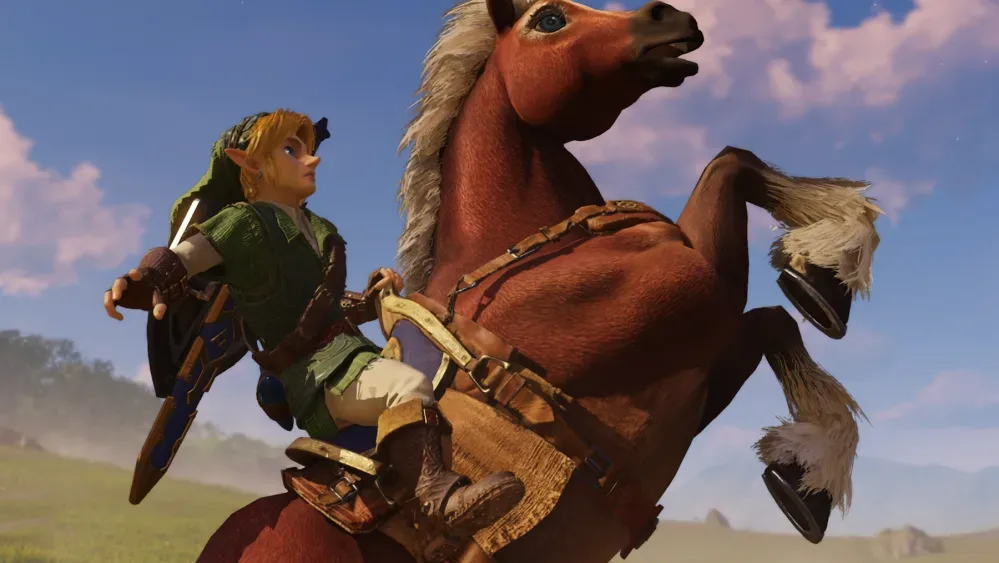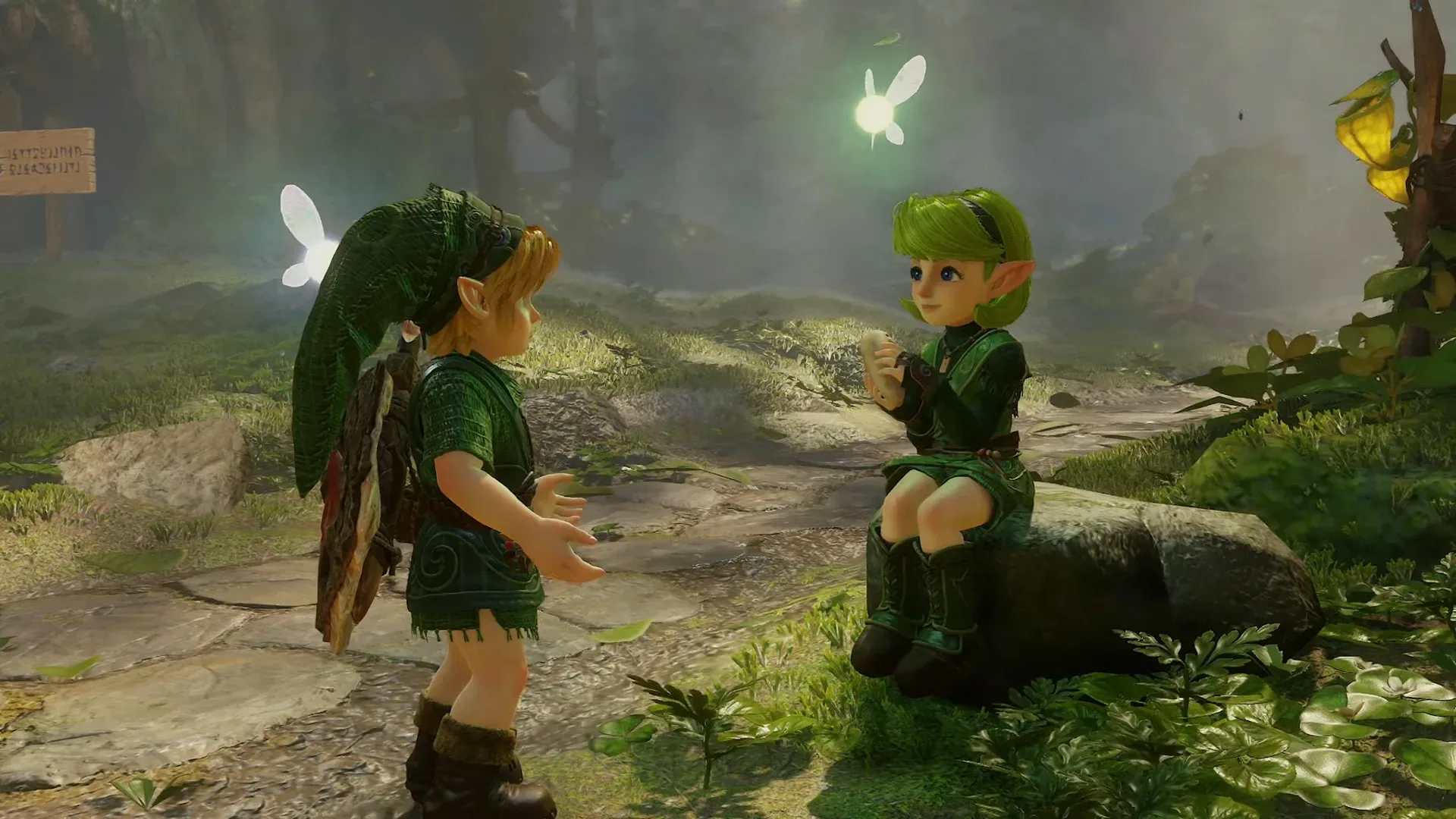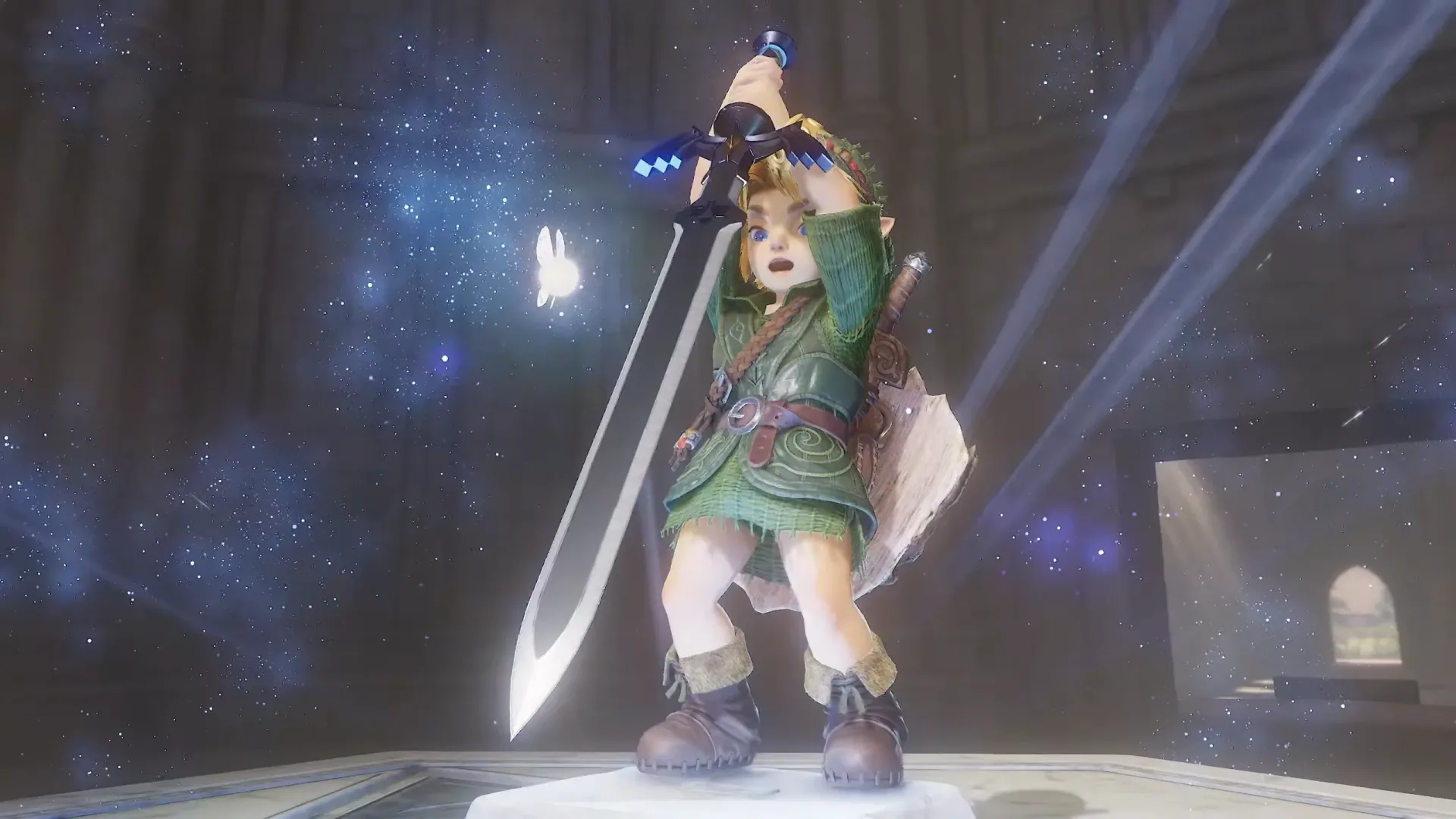
Nintendo’s reported The Legend of Zelda: Ocarina of Time remake has reopened a familiar debate: are remakes a healthy way to keep a console supplied with games, or an alluring shortcut that can slowly crowd out new ideas? Former Nintendo of America PR leads Krysta Yang and Kit Ellis see a case for using them more often on Switch 2—but both also identify a line Nintendo should not cross.
Their central argument is less about revisiting one particular classic than about the practical demands of maintaining a release calendar. Major, original games require enormous resources and long development cycles. A remake, remaster, port, or smaller franchise spin-off can give players something meaningful between the largest releases. That does not make every older game an automatic candidate for revival. It means a platform holder with Nintendo’s catalog has options when it needs to prevent long stretches without a notable first-party release.
Ellis argued that Nintendo should put greater focus on remakes, pointing to the planned 2026 returns of Star Fox and Ocarina of Time as evidence of a substantial audience for older games treated as premium releases. His point is straightforward: Nintendo has an unusually deep back catalog, and its past success on the original Switch showed how older projects can materially strengthen a system’s software library. Wii U ports, in particular, helped fill out that machine’s lineup over time.
But Yang framed the balancing act more sharply. Big-budget, highly innovative AAA projects cannot be the only kind of game a company produces. The danger, however, is that a commercially successful remake can look like a much safer proposition than an unusual new Zelda, Mario, or other franchise experiment. If an older hit sells extremely well after being rebuilt, management may conclude that revisiting proven material is preferable to funding the unknown.
What a remake strategy is actually meant to solve
The phrase “remake strategy” can obscure the much simpler issue underneath it: cadence. A healthy release cadence is the steady arrival of games across a year, rather than a calendar dominated by one enormous launch and then silence. Not every release has to be a generation-defining blockbuster for that cadence to matter. A range of scales and genres helps give players reasons to stay engaged with a platform.
Ellis’s position is that remakes can supplement original games rather than replace them. In that model, the remake is a support beam, not the house. It can bring a game to hardware that is easier for current players to access, reintroduce a series that has been quiet, and offer a reliable release while teams work on more ambitious projects.
That distinction matters because the games being discussed are not all doing the same job. A port typically brings an existing game to another platform with limited changes. A remaster generally improves presentation or technical performance while retaining the original game’s underlying structure. A remake implies more extensive reconstruction. The source material may remain recognizable, but the work can involve new assets, systems, or design changes. These labels are often used loosely by audiences, yet their production demands and creative stakes can be very different.
There is also a business reality behind the discussion. A company cannot indefinitely release only its biggest games, because those projects take time and absorb staff and budget. Yang’s comparison to the complaints around PS5 exclusive gaps was deliberately blunt: a platform that depends too heavily on giant tentpole projects risks leaving long periods in which players feel the slate is thin. Her point was not that remakes alone solve that issue. It was that a broader mix of project sizes can reduce it.
Related coverage includes Former Nintendo Leads Say Remakes Could Help Keep Switch 2's Release Schedule Strong.
Nintendo has used revivals selectively, not as a conveyor belt
Nintendo’s approach has appeared comparatively selective outside Pokémon. Over the past decade, remakes and return projects have often helped bring attention back to franchises that were not continually active, including Metroid, Star Fox, and Advance Wars. That is different from an approach built around repeatedly rebuilding a publisher’s most commercially dependable blockbusters.
The reported Ocarina of Time project would therefore carry extra symbolic weight. Ocarina of Time is described as perhaps Nintendo’s biggest game, which makes it a different kind of choice from a revival intended chiefly to remind players that a dormant series exists. It would test whether Nintendo sees remakes as occasional catalog preservation and franchise maintenance, or as a more regular part of a modern Switch 2 release plan.
That broader Switch 2 context is already part of Nintendo’s larger discussion. The company’s upcoming platform plans have also been linked to Zelda’s 40th anniversary, Call of Duty’s return, and questions surrounding GTA 6, as covered in this look at Nintendo’s expanding Switch 2 plan. The relevant takeaway here is not that every high-profile game should be remade. It is that platform libraries are built from multiple sources: new first-party games, third-party releases, existing catalog titles, and smaller projects that bridge the gaps.
The “premium” question is more important than the nostalgia
Ellis emphasized audience interest when old games are handled in a premium way. That qualifier is important. A remake does not earn goodwill simply because its original is beloved. Players will judge whether the new release feels purposeful, whether it respects the qualities that made the older game matter, and whether the changes suit the new platform.
For Nintendo, the opportunity is unusually broad. Its history contains landmark games, cult favorites, dormant series, and titles that may have reached relatively limited audiences on their first platforms. Those categories invite different decisions. A celebrated classic may reach a new audience; a less-visible game may get the chance it missed; an inactive franchise may discover whether there is demand for a future rather than merely a past.
Yet “premium” should not become shorthand for cosmetic change alone. The strongest case for a remake is usually clear purpose: making a game easier to access for a current audience, updating elements that no longer function well in a contemporary context, or giving a series a credible return without pretending it is a wholly new chapter. The supplied discussion does not specify how Ocarina of Time or Star Fox will be approached, so it would be premature to judge either project on those terms. Still, they are the standards any remake will face.
The risk: success can narrow the appetite for experiments
Yang’s caution is the heart of the debate. A hit remake can create powerful “positive reinforcement”: it appears to validate a decision that is less risky than building a new game from the ground up. She suggested that a strong Ocarina of Time performance could tempt decision-makers to see the remake route as the easier path to a huge sales total than financing an unconventional Zelda project.
That does not mean remakes are inherently low-effort or creatively empty. It means their appeal can distort portfolio choices if the return on investment becomes the only measure that matters. A company can easily over-index on familiar names because audiences recognize them, marketing is clearer, and the original already demonstrated demand. The immediate result may be a steadier schedule. The longer-term result could be fewer new concepts capable of becoming tomorrow’s classics.
Ellis made a compatible point: Nintendo would need to watch the percentage of remakes and remasters in any given year. Raising that percentage somewhat may not provoke meaningful resistance, but leaning too heavily on old releases could make the company appear dependent on its past. The issue is not an exact numerical threshold. It is whether players can still see a living creative pipeline alongside the archival one.
Smaller new games may be the better bridge in some cases
Remakes are not the only answer to the cadence problem. Yang and Ellis’s discussion also sits alongside Nintendo’s use of smaller franchise entries and new variations on established properties. Splatoon Raiders and the Mario Sports games were raised as examples of releases that can help cover the distance between major launches.
That option offers a useful compromise. A smaller original entry can carry recognizable characters and an established audience while still testing a new format, mechanic, genre angle, or creative team. It has some of the commercial clarity of a remake, but it can contribute something genuinely new to a series. For players who can already access an older game, that may be more enticing than another straight revisit.
Of course, the two approaches need not compete. A healthy lineup could contain all three: a carefully chosen remake, a smaller new spin-off, and a large original release. The challenge is making the mix feel intentional rather than opportunistic. Remakes should be selected because the game and audience benefit from a return, not only because the title is recognizable enough to smooth over a quiet quarter.
What players should watch next
The practical signal will be the balance of Nintendo’s future announcements, not the existence of one Ocarina of Time remake. If revivals arrive alongside new experiments and substantial flagship games, they can make the Switch 2 library feel fuller without reducing Nintendo to its archive. If returning classics begin to displace fresh entries, Yang’s concern will look more prescient.
For now, the former leads’ argument is nuanced: use Nintendo’s catalog more confidently, but do not mistake dependable nostalgia for a substitute for invention. Remakes can be useful schedule tools, revitalizers for dormant series, and premium ways to introduce major games to new players. They should not become a reason to stop asking what the next unexpected Nintendo game could be.