Nintendo’s current Switch 2 message is not simply about a newer machine with sharper graphics. It is about making the platform’s audience, software range and cultural footprint feel substantially wider than the company’s familiar family-friendly shorthand might suggest.
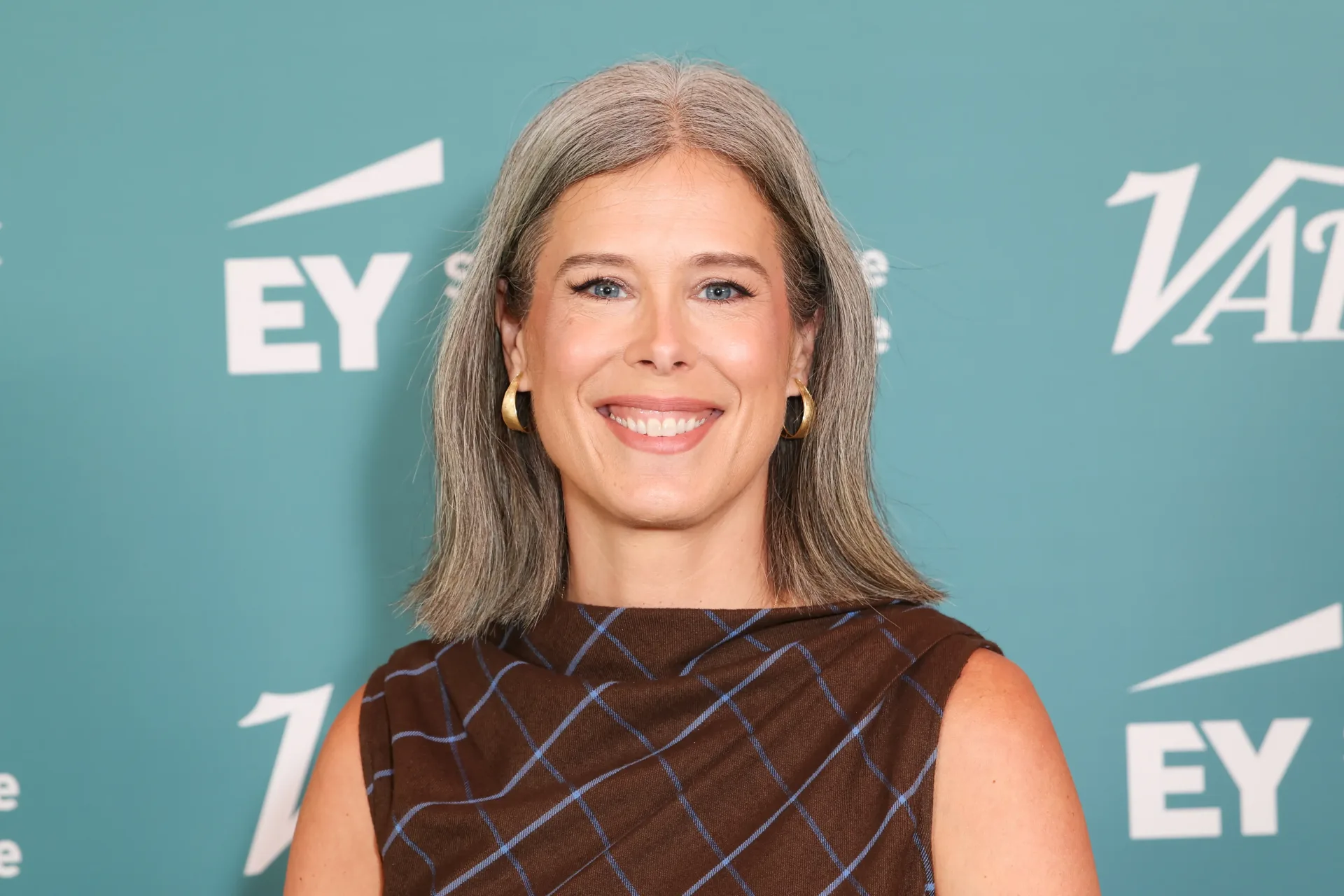
Devon Pritchard, who became president of Nintendo of America in January, has pointed to the relative youth of Switch 2 as the foundation for that effort. The system launched in June 2025 and has sold more than 23 million units so far. Nintendo has already released hundreds of games for it, from first-party title Mario Kart World to third-party release Resident Evil Requiem.
That is a serious installed base, but Pritchard’s emphasis is on possibility rather than a finished picture. In her view, Switch 2 is still early in its life, and developers are only beginning to work with the creative options opened by its improved processing power and graphics compared with the original Switch.
For players, the practical takeaway is straightforward: Nintendo wants Switch 2 to be a home for a broader set of experiences, not a platform defined by one genre, one age group or only Nintendo-made games. For the industry, it presents a more consequential question. Can Nintendo use the momentum of its new hardware to attract games that previously skipped its consoles—without losing the distinct identity that made the Switch line work in the first place?
What “more powerful” means for Switch 2
Processing power is the hardware capacity that helps a system run game logic, manage simulation and handle demanding scenes. Graphics capability concerns the visual work a system can produce and display. Neither term, by itself, guarantees that a game is good. They do, however, affect the range of technical trade-offs developers can make when bringing a game to a console.
Pritchard’s central argument is that the move beyond the original Switch creates room for experiences designed specifically around the newer system. That does not mean every Switch 2 release must chase visual realism or high-intensity action. It means creators have more latitude in how they build their games.
The clearest cited example is Activision bringing Call of Duty back to Nintendo hardware for the first time in more than a decade. Call of Duty: Modern Warfare 4 is scheduled to arrive on Switch 2 this fall alongside Xbox and PlayStation versions. A major fast-paced action franchise returning to Nintendo is meaningful because it places Switch 2 in a type of multiplatform conversation that Nintendo systems have not always occupied.
It is also important not to oversell a single release into a definitive technical verdict. One game does not establish the capabilities of every future port, and it does not reveal the business choices publishers will make title by title. Still, its presence is a visible indicator that the hardware can be considered for a large, contemporary action series.
Related coverage includes Nintendo Maps a Bigger Switch 2 Era as Zelda Turns 40.
Nintendo’s own software mix makes the wider strategy clearer. Pritchard highlighted the role-playing game Fire Emblem: Fortune’s Weave and the cozy game Pokémon Pokopia alongside action-oriented third-party releases. The stated goal is a system serving people from ages 5 to 95, with different creative experiences rather than one narrowly defined player profile.
That framing matters because “broader audience” can be misunderstood as a pivot away from Nintendo’s strengths. The available evidence instead describes an additive approach: retain games with wide appeal while increasing the number of genres and tones represented on the device.
The Grand Theft Auto VI question remains exactly that: a question
Grand Theft Auto VI, due in November, is perhaps the biggest test of how far speculation can outrun confirmed information. Pritchard acknowledged that Switch 2 has the horsepower to host the M-rated game, but did not confirm a Switch 2 version. She said any decision would be for Take-Two and Rockstar, with nothing to announce from Nintendo.
That distinction deserves to stay intact. Hardware capability and release plans are separate matters. A publisher weighs its own development priorities, technical work, schedules and business strategy when deciding which platforms receive a game. It is therefore inaccurate to treat Nintendo’s comments as confirmation that GTA 6 is coming to Switch 2.
The question is still revealing, though. It shows why Switch 2’s positioning has drawn attention beyond Nintendo’s traditional franchises. Grand Theft Auto VI is M-rated for adult content and themes, which makes it a particularly conspicuous example in debates over how expansive Nintendo’s software tent can become.
Pritchard’s answer suggests that Nintendo is not setting a public boundary around mature games. At the same time, it does not promise every blockbuster will arrive. The more useful way to read the moment is this: Switch 2 is being presented as capable of participating in the discussion, while individual publishers retain control over their games.
For players deciding whether to wait for a hypothetical version, the only responsible advice is not to make plans around an unannounced port. The confirmed picture includes Switch 2’s growing catalog and the announced return of Call of Duty; the GTA question is unresolved.
Zelda’s 40th anniversary is a game, concert and film moment
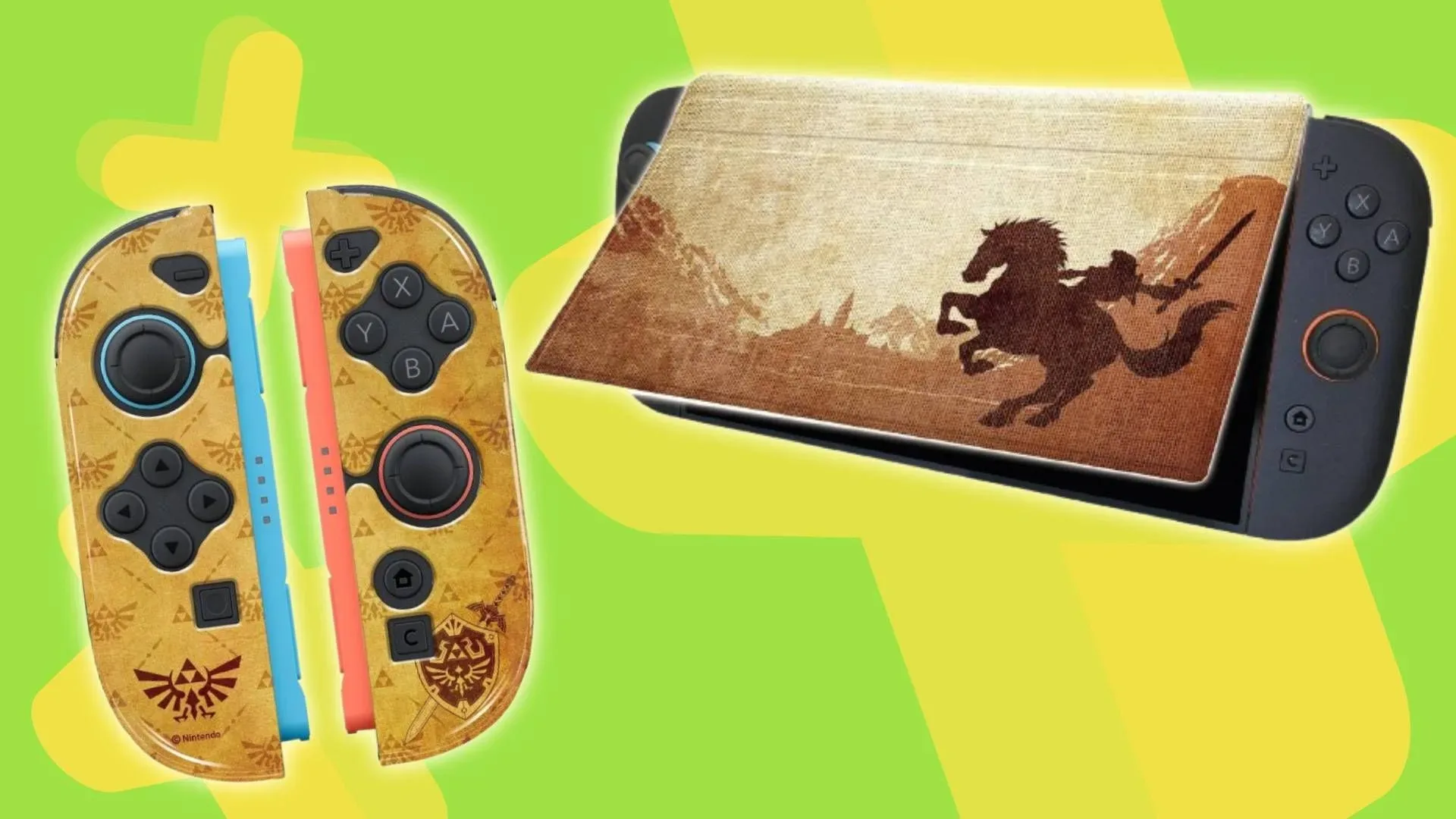
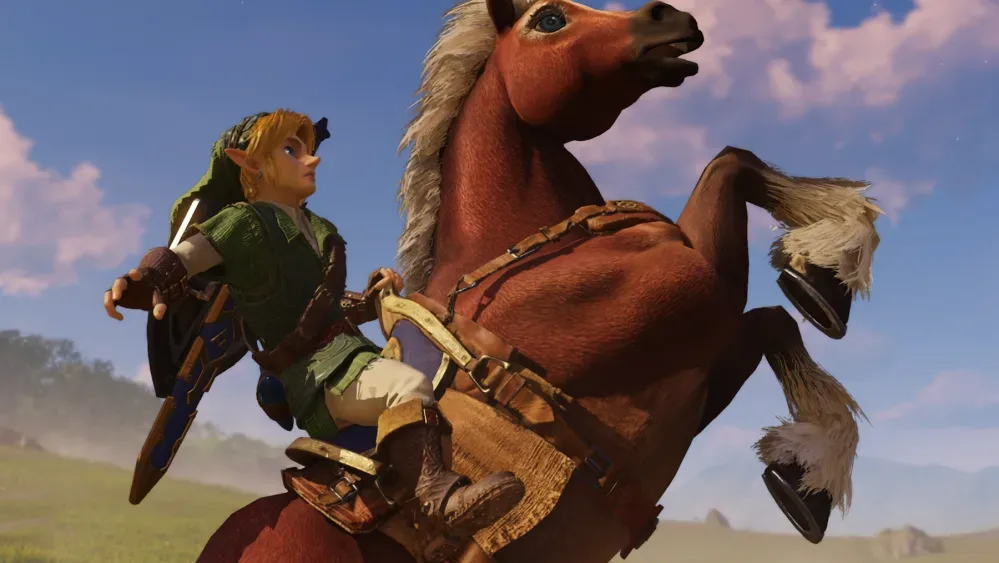
The largest Nintendo franchise celebration on the horizon is the 40th anniversary of The Legend of Zelda. Nintendo’s plan stretches across multiple forms of entertainment: a remake of The Legend of Zelda: Ocarina of Time, a Zelda-inspired live concert series and a live-action Zelda movie made with Sony that is set to debut next April.
The Ocarina of Time remake is scheduled for the same November launch window as Grand Theft Auto VI. That makes the calendar notable on its face. One is a remake tied to a long-running Nintendo adventure series; the other is a forthcoming M-rated open-world blockbuster. They address very different audiences and expectations, but their proximity illustrates Nintendo’s confidence in Zelda as an event franchise.
The anniversary program is not described as a nostalgia exercise aimed only at longtime fans. Pritchard emphasized the Zelda universe as a whole—Link, Zelda and the wider cast—and described a celebration that newcomers can join as well. That is an important balancing act for any long-running property. Existing fans often care deeply about specific characters and works, while a movie, concert or remake also needs a welcoming entry point for people encountering the series for the first time.
Cross-media expansion can amplify that challenge. A game remake has one relationship to established material; a live concert translates a world into music performance; a live-action movie faces its own storytelling and audience expectations. None of these formats has to accomplish the same thing. Taken together, they can introduce different routes into the same fictional setting.
The broader idea—that memorable characters need dimension rather than an overly polished surface—also has relevance here. As discussed in this look at character creators and imperfection, lasting attachment often depends on more than a character being presented as ideal. For Zelda’s anniversary, the stated focus on the entire universe, rather than only a logo or one hero, points toward that larger-world approach.
Theme-park expansion will be selective, not automatic
Super Nintendo World is another possible venue for Zelda’s anniversary, but Pritchard did not signal that a tie-in is guaranteed. She said Nintendo could update Universal’s locations with limited-time Zelda material, while also stressing the need to protect the immersive environments already centered on Mario and Donkey Kong.
That caution is more significant than it may initially sound. A theme-park area is not just an advertising space where another recognizable property can be placed. Its attractions, physical design and atmosphere need to feel coherent to guests. Pritchard’s position is that additions must be organic rather than merely extra.
It is a philosophy that connects the company’s game and entertainment efforts. A Switch 2 game should have a purpose on the hardware beyond simply existing there; an anniversary movie should help people connect with Zelda’s world; a potential park addition should fit the experience around it. The common thread is deliberate expansion, not expansion for its own sake.
What Nintendo is trying to prove
Nintendo’s near-term strategy can be read as an attempt to hold several ideas together:
- Switch 2 is still early: Nintendo sees additional room for developers to use the system’s improved technology in new ways.
- The catalog should be varied: Role-playing games, cozy games, racing, action titles and third-party releases all have a place in the stated vision.
- Third-party support matters: The return of Call of Duty is a concrete example, while a Switch 2 edition of Grand Theft Auto VI remains unconfirmed.
- Zelda is bigger than one release: Its 40th anniversary is being marked through a remake, concerts and a planned live-action movie.
- Brand extensions need to fit: Potential theme-park updates will be weighed against the immersion of existing Super Nintendo World spaces.
The immediate schedule provides plenty to watch. This fall will test the visibility of Call of Duty: Modern Warfare 4 on Switch 2, while November places the Ocarina of Time remake in a crowded and closely watched release window. Next April’s Zelda film will then show how Nintendo and Sony translate one of gaming’s best-known worlds into live action.
For now, the company’s message is less about declaring that every major game is coming to Switch 2 and more about enlarging the set of possibilities. The platform has substantial sales, a library spanning Nintendo staples and outside publishers, and an entertainment calendar built around one of gaming’s most enduring series. The unanswered GTA 6 question will continue to draw headlines, but the confirmed strategy is already considerably broader than that one hypothetical port.