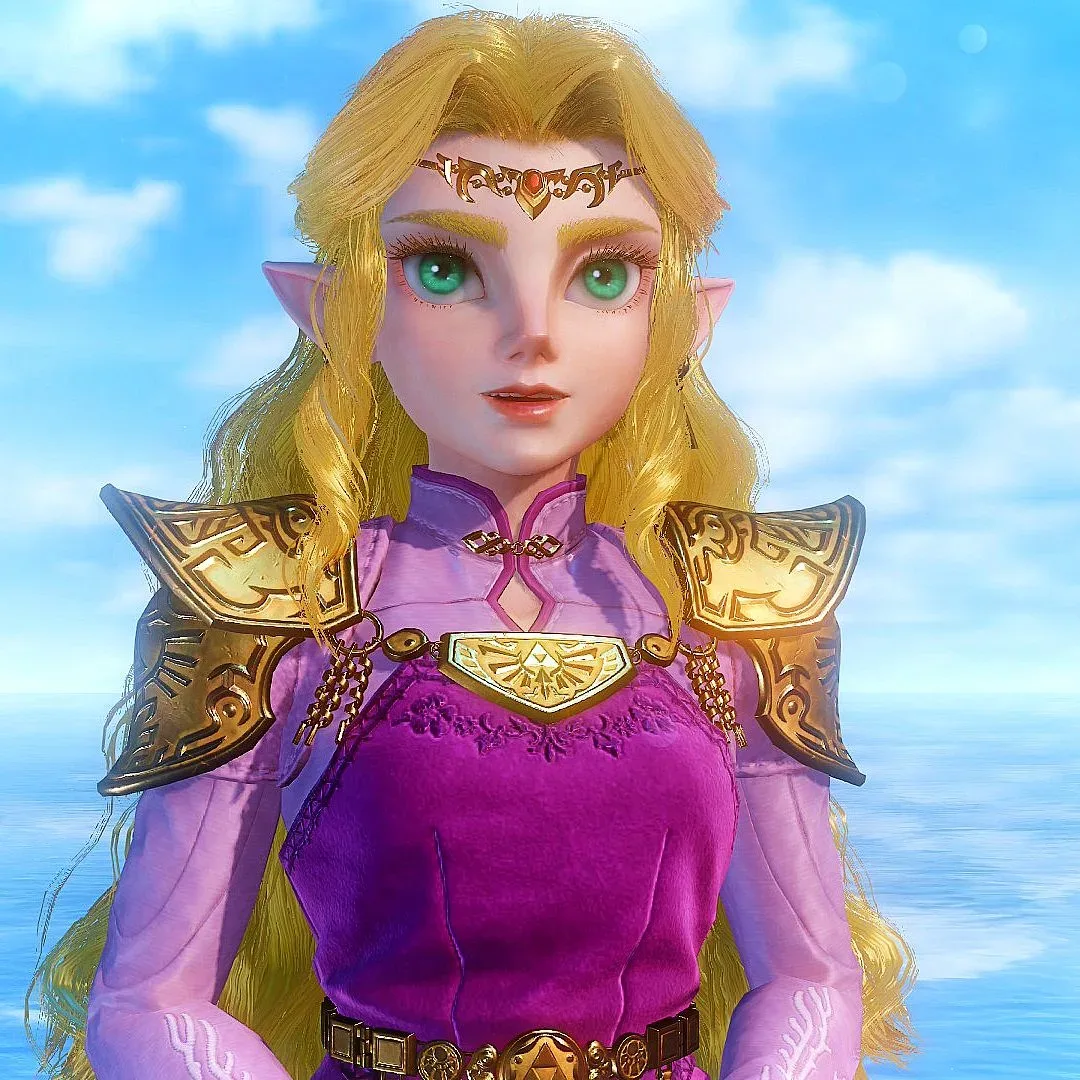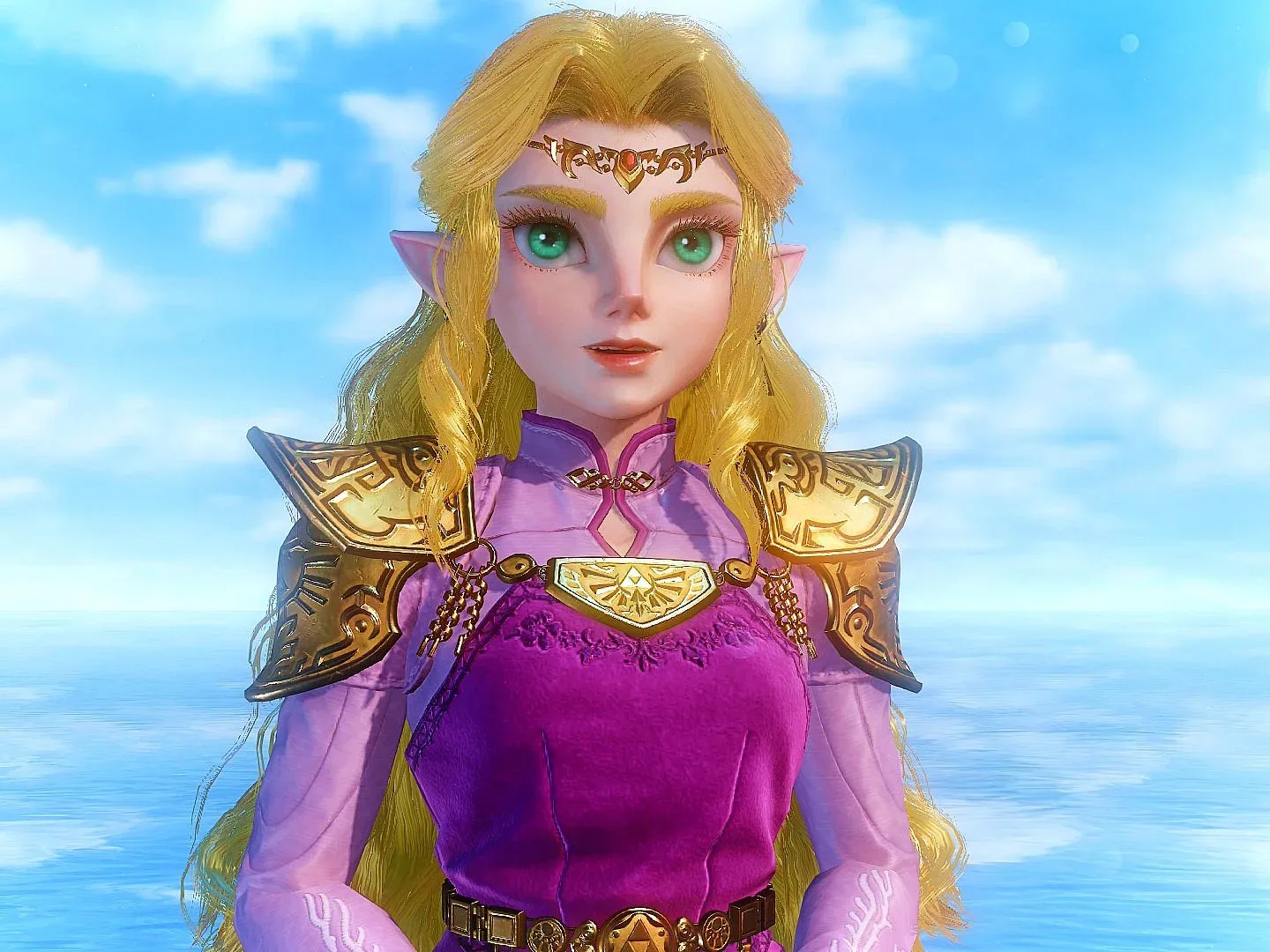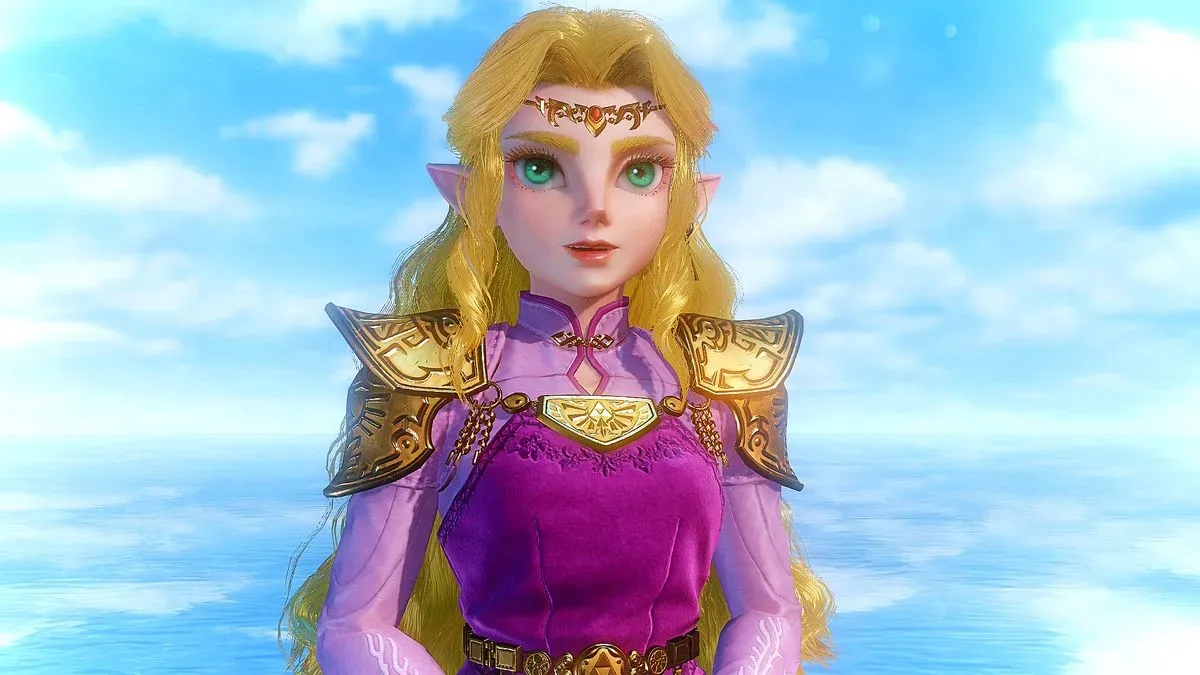
Yoko Taro has offered a concise but meaningful tribute to The Legend of Zelda: Ocarina of Time, saying the 1998 original exerted such a large influence on NieR that buying Nintendo’s new remake was effectively unavoidable.
In posts on X, Taro said he had owned Ocarina of Time before and shared an image showing the remake’s Switch 2 case. His central point was not simply that he is revisiting a beloved Zelda game: it was that the original helped shape the creative foundations behind the action RPG work associated with NieR, including NieR: Automata.
“It had such a huge influence on Nier that I had no choice but to buy it,” Taro wrote in a machine-translated post whose meaning was cross-checked against native speakers.
That is a notably direct acknowledgement from a creator whose games are often discussed for their distinctive combat, unusual structure and memorable storytelling. It also provides a useful reminder that influential games do not have to be copied feature-for-feature to leave a mark. Sometimes their larger design proposition—the things they prove a game can successfully combine—becomes the inspiration.
What impressed Yoko Taro about Ocarina of Time
Taro expanded on what made Nintendo’s original feel so important. He described seeing a third-person 3D action game with a semi-open world and progression systems, and being stunned that it seemed to contain “everything.” He also suggested that many developers working during that era were likely influenced by it in one way or another.
Those terms are worth unpacking, because they identify the broad design vocabulary Taro is highlighting rather than pinning NieR to one individual Zelda mechanic.
- Third-person 3D action means the player controls a character viewed from an external camera, navigating and fighting in three-dimensional spaces.
- Semi-open world describes a game structure that allows meaningful movement between explorable areas without necessarily presenting every location as freely accessible from the beginning.
- Progression systems are the structures through which a player’s options, abilities or access expand over time.
Put together, those ingredients can create a powerful feeling of adventure: players have a character to guide through a coherent world, challenges that reward learning, and a sense that further play will open new possibilities. Taro’s description points to that total effect. The achievement, in his reading, was not merely having combat, exploration and advancement in the same package; it was making those elements feel like parts of a complete whole.
That distinction matters when discussing influence. A developer may be inspired by the confidence of a game’s structure, its rhythm of discovery, or the way it presents an expanding journey, while producing something with an entirely separate tone and identity. Taro’s remarks should therefore be read as an acknowledgment of formative design influence, not as a claim that NieR and Ocarina of Time are the same kind of game.
Related coverage includes Yoko Taro Says Ocarina of Time's Influence on NieR Left Him 'No Choice' but to Buy Its New Remake.
An influence that reaches beyond one series
Taro’s broader observation—that developers of the time may all have absorbed something from Ocarina of Time—is necessarily personal opinion, but it captures why landmark games remain part of design conversations decades after their original release. Their importance is often felt in the questions they make practical for other creators: Can this camera perspective work for action? Can exploration and player advancement reinforce each other? Can a large game world still offer a clear sense of direction?
For players, remarks like Taro’s offer an alternative way to revisit a classic. Rather than only looking for references, familiar enemies or an old favorite area, it can be useful to pay attention to the game’s connective tissue: how the player is introduced to spaces, how movement between areas contributes to momentum, and how the game signals that an obstacle may become manageable later.
None of that requires treating later games as footnotes to Zelda. On the contrary, it highlights the creative chain that runs through the medium. A foundational work can establish a language, while later teams use that language to say radically different things. The emotional and thematic identity of NieR remains its own; Taro’s comments simply name one of the games that made a particular kind of 3D adventure feel possible and exciting to creators.
Taro also praises the remake’s character design
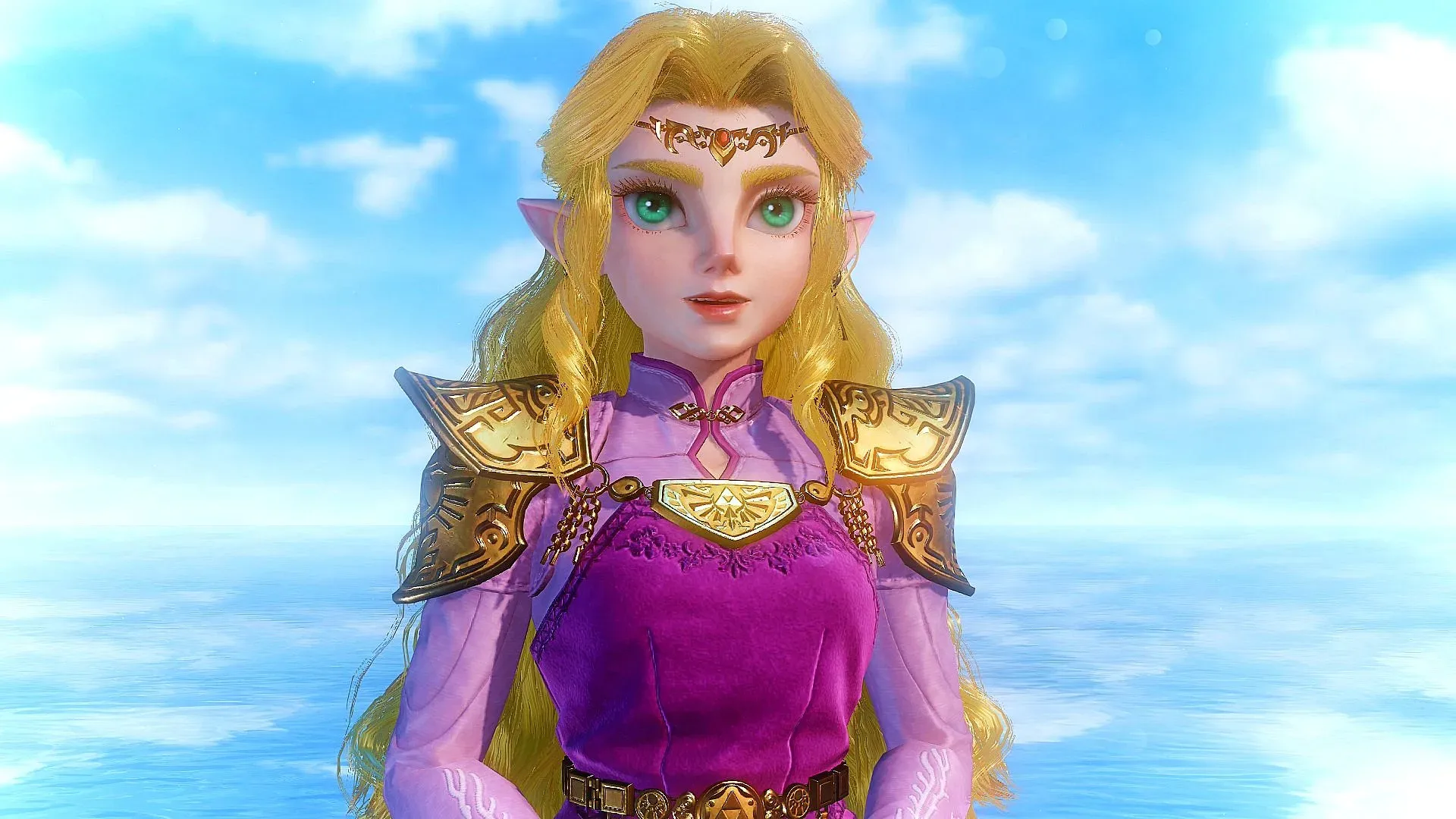
The discussion did not stop at the 1998 release. Taro also commented positively on the remake’s character faces, describing their distinctive features as cool and understated. He said he would like to see that approach again.
It is a small observation, but it carries weight because remakes have to balance recognition with reinterpretation. Updating visual presentation means deciding which traits should be made more pronounced, which should be softened, and what should remain immediately recognizable. Taro’s praise suggests that the remake’s facial design struck him as deliberate rather than flashy—stylized enough to have character, but restrained enough not to overwhelm the broader presentation.
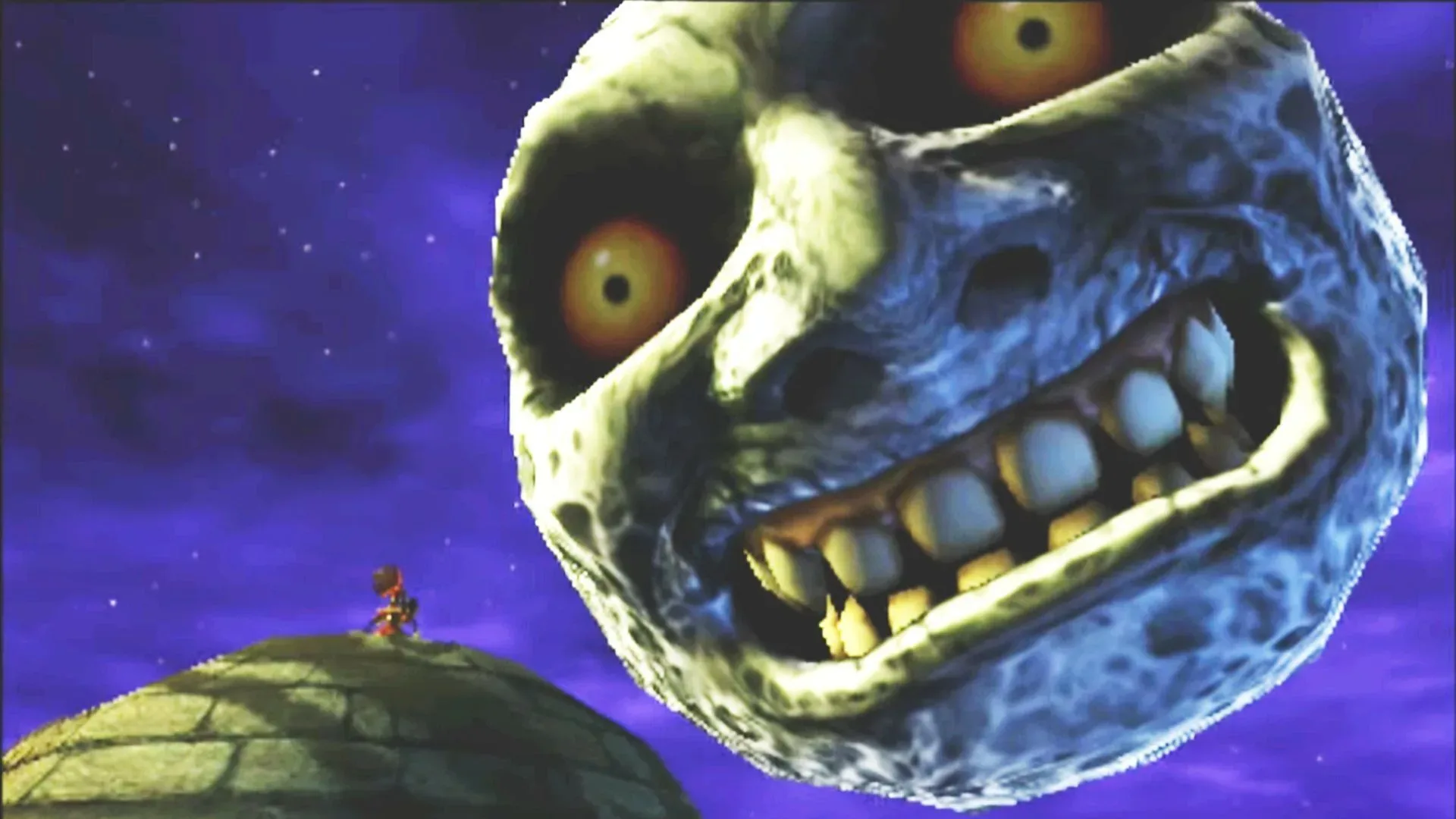
His response has naturally prompted renewed interest in the possibility of a Majora’s Mask remake using a similar visual approach. However, there is no confirmation in the supplied information that such a project exists. Former Nintendo marketing leaders Kit Ellis and Krysta Yang have characterized a remake as a “foregone conclusion” and speculated that work may already have begun, but that remains their assessment, not a verified Nintendo announcement.
The distinction is important. Taro saying he would like to see the facial-design style again is appreciation for a creative direction, not evidence of Nintendo’s future plans. Fans hoping for a new version of Majora’s Mask have a reason to discuss what they would like from one; they do not yet have a confirmed product to anticipate.
Why this endorsement is more than nostalgia
Creator tributes can easily become nostalgia exercises, especially around a game as widely remembered as Ocarina of Time. Taro’s comments are more useful than that because they identify the qualities he found revelatory: a third-person action framework, broad exploration, and systems that let the journey evolve. Those are practical design ideas, not just memories.
They also show why a remake can matter even for people who know the original. A new edition gives returning players an opportunity to assess how those ideas land in a different technical and visual context. For newer players, it offers a route into a game whose influence has extended into works they may already know. Taro’s decision to pick it up frames the remake as both a current release and an occasion to reconnect with an earlier creative catalyst.
For anyone interested in how games influence one another, this is a worthwhile lens through which to approach it: not as a scavenger hunt for direct borrowing, but as a chance to see how a major work brought multiple ambitions together. It is the kind of design achievement that can stay with developers for years—and, in Taro’s case, long enough to turn a new version into a must-buy.
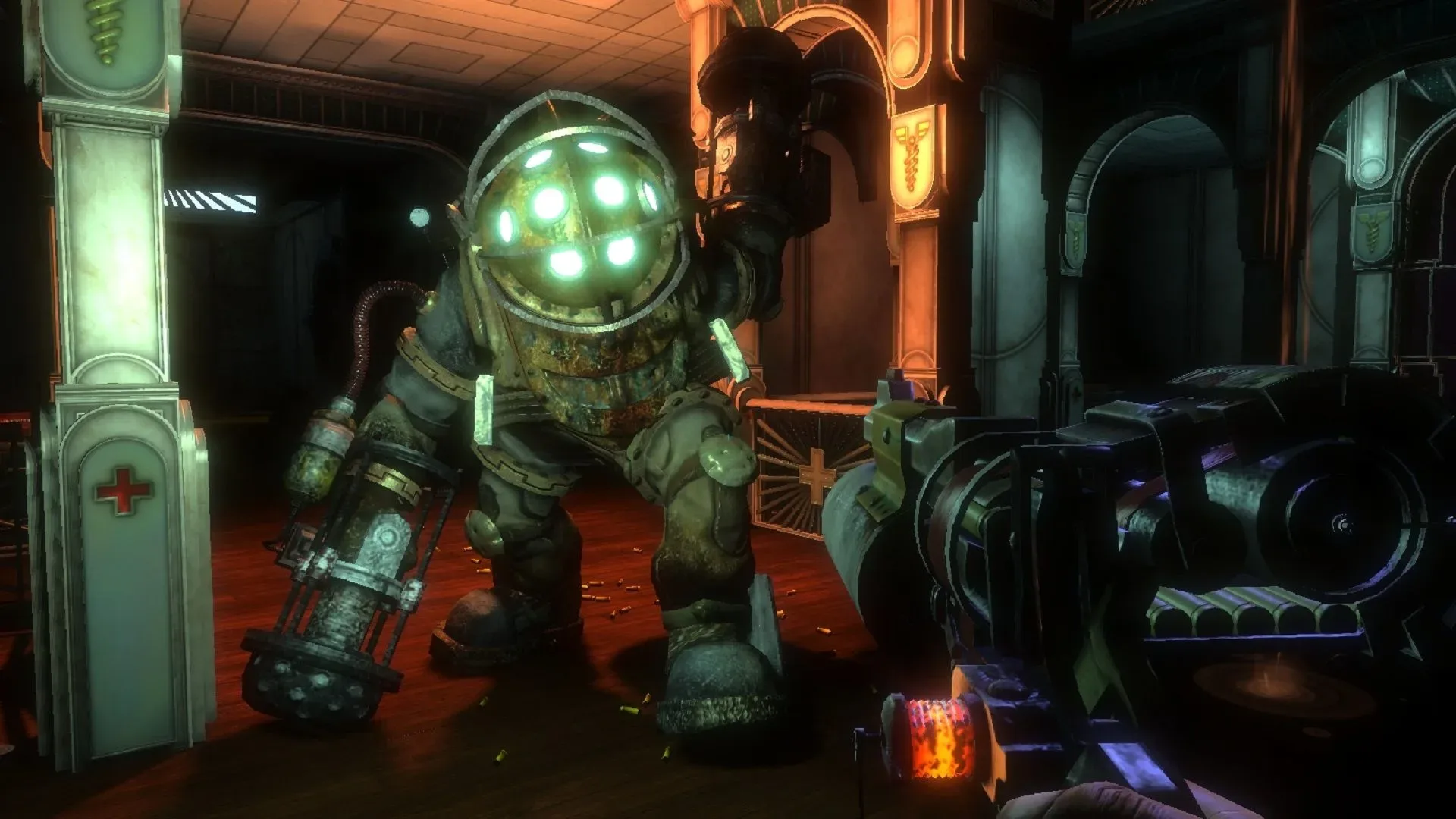
For another perspective on how games travel between formats while their worlds remain central to the appeal, see the discussion of BioShock’s world as both an asset and a challenge for adaptation.