Francis Lawrence still sees enormous potential in the long-gestating BioShock film for Netflix, but he has also put his finger on the problem that will determine whether the adaptation works: a game can make its audience the central character, while a movie has to make that character hold together on screen.
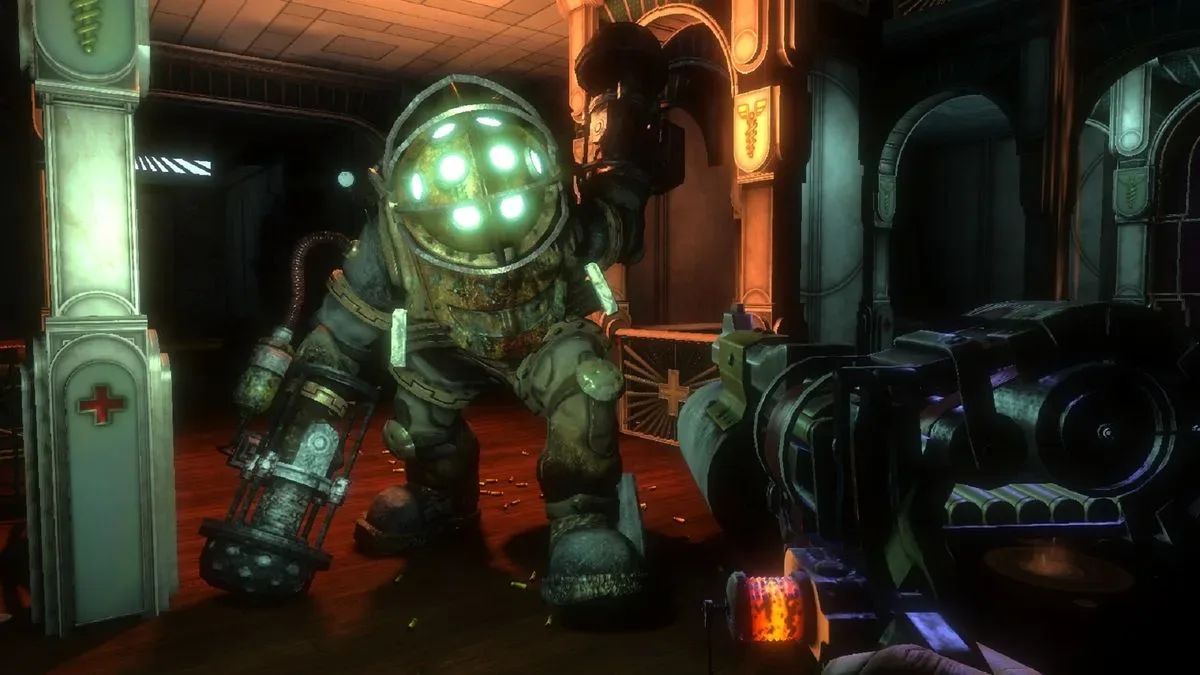
The filmmaker, who is attached to direct the project, described BioShock as one of the greatest fictional worlds created in any medium. It is the kind of setting that particularly appeals to him because of his interest in world-building: the filmmaking work of creating a place that feels coherent, lived-in and expressive of the story’s ideas rather than merely serving as decorative scenery.
That enthusiasm is promising, especially because Lawrence’s comments do not reduce the game’s appeal to its visual identity. He also highlighted its themes and philosophies. At the same time, he was candid that the adaptation is difficult, calling the task of getting its lead character, emotions, themes and setting to fit together a puzzle the team is continuing to work through.
The core challenge: games give players a role; films give viewers a person
Lawrence’s point gets at an essential difference between interactive and non-interactive storytelling. In a game, the player performs actions, controls movement and often supplies part of the character’s identity through decision-making. Even where a protagonist has a defined name, history or objective, the experience can feel personal because the player is the one pushing forward.
A film cannot rely on that relationship. The audience may identify with a screen protagonist, but it cannot inhabit them in the same way. The movie therefore needs a lead character whose choices, interior life and place in the story are legible without a controller in hand.
That is not simply a casting question. It is a writing and structure question. A film protagonist needs a clear emotional throughline: what they want, what they fear, what changes them, and why their response to the world matters. Lawrence said the challenge is to create a character who makes sense both emotionally and thematically while fitting naturally into BioShock’s established setting.
“You the player are the lead character,” Lawrence said, explaining why the transition is so complicated. His framing suggests the creative team is not treating the game-to-film conversion as a matter of reproducing recognizable imagery alone. The central work is translating a player’s role into a cinematic character without breaking the connection between that person and the world around them.
Why world-building matters here
World-building is often used loosely to mean elaborate production design. In this context, it means something more useful: ensuring that a setting has rules, values, pressures and consequences that shape everyone inside it. Lawrence’s emphasis on BioShock’s ideas indicates he sees its world as more than a backdrop for a series of action scenes.
Related coverage includes BioShock Movie Director Francis Lawrence Says Netflix Adaptation Is Still Solving Its Biggest Challenge.
That approach matters because a faithful adaptation does not necessarily mean a literal, scene-by-scene retelling. A movie must make choices about perspective, pacing and character focus. But it still needs to preserve the qualities that make the original setting distinct. If the world’s themes and philosophy are detached from the people living through them, familiar names and visuals will not carry the dramatic weight on their own.
Lawrence’s comments point toward a more encouraging goal: locating the dramatic engine that lets the setting and the protagonist explain each other. The lead character should not just travel through a striking environment; their journey should reveal why that environment is fascinating, troubling and consequential.
It is also a useful warning against assuming that a celebrated game world automatically produces an easy film. A rich setting creates opportunity, but it creates obligations too. Every major creative decision—whose story is told, how much backstory is explained, what is held back, and where the emotional emphasis falls—can affect whether viewers experience the setting as a meaningful place or a collection of references.
“Pretty close” to a script is progress, not a release date
The Netflix film was announced in 2022. Earlier this year, Lawrence said the project was “pretty close” to having a script. That is a meaningful update, but it should not be mistaken for a completed screenplay, a start of production or a release-window confirmation.
For fans tracking the project, the practical takeaway is patience. Lawrence’s latest comments make clear that the team is still refining the screenplay’s central adaptation challenge. That may sound cautious, but it is preferable to pretending that the player-character issue is minor. The script is where the film has to solve the question he identified: who carries the audience through the world, and how does that character make its ideas land?
There are no newly stated details here on casting, filming, a release date or the movie’s precise story. Keeping that distinction clear is especially important with an adaptation whose public development has stretched across several years. “Close to a script” describes a stage of development, not a timetable for when audiences will see the finished film.
What Lawrence’s attachment signals
Lawrence is also associated with The Hunger Games: Sunrise on the Reaping, which arrives November 20. His continued attachment to BioShock matters less as a guarantee of a near-term premiere than as evidence of sustained interest in solving the project’s creative problem.
His explanation of why he has stayed involved is notably specific. He did not just say the property is popular or that it offers spectacle. He stressed the opportunity in its world, themes and philosophy, then immediately paired that optimism with the difficulty of adaptation. That balance is significant. It recognizes the reason BioShock is attractive as a film while acknowledging that those same qualities make shortcuts risky.
Video-game adaptations are often judged on two separate levels: whether they capture the recognizable identity of the game, and whether they work as films for people who have never played it. Lawrence’s focus on a viable lead character speaks directly to the second test without dismissing the first. The setting remains vital, but a movie needs someone who can turn the setting’s pressures and ideas into a story with emotional momentum.
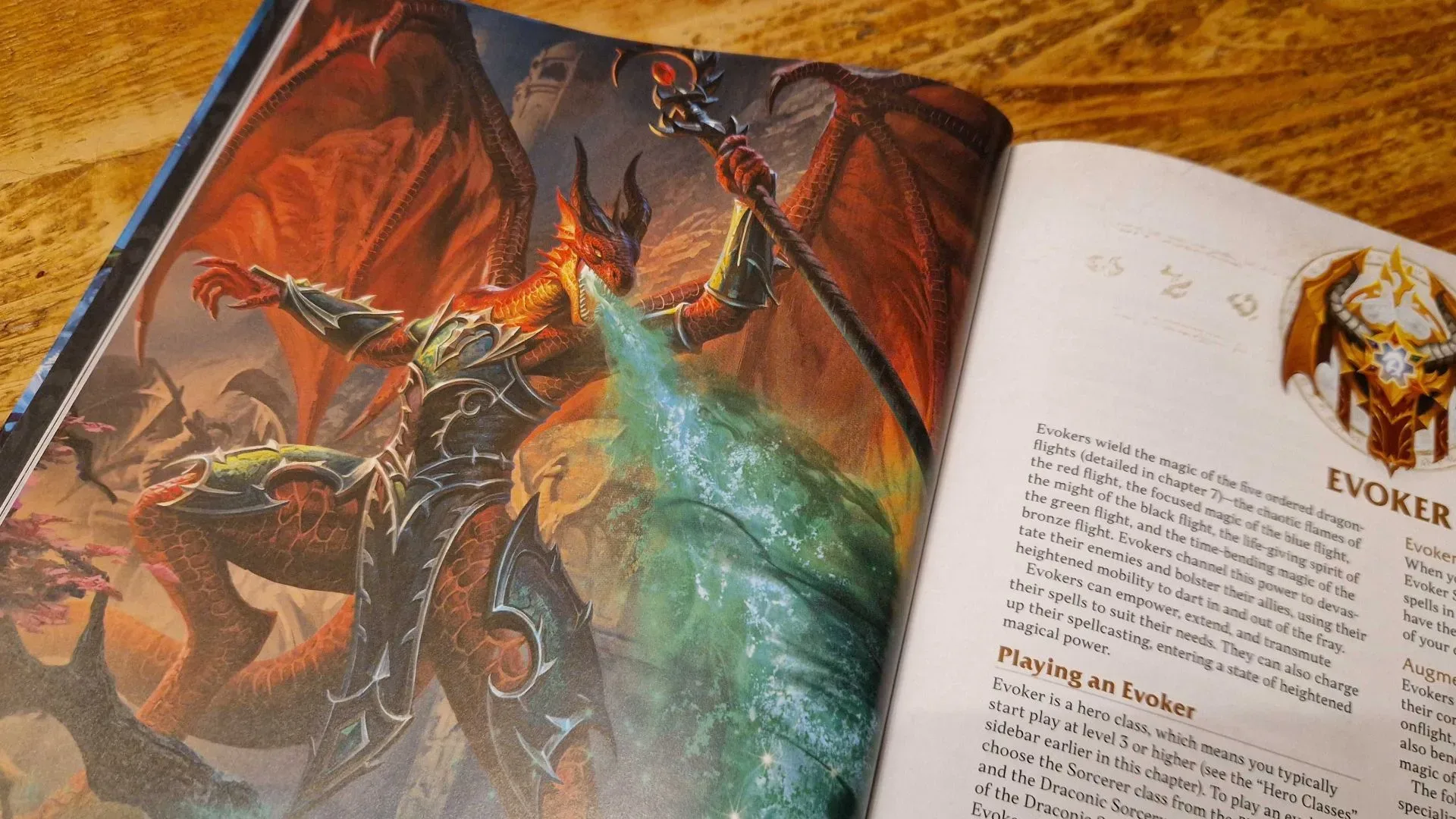
That broader translation problem is increasingly central to game adaptations, whether the source material is built around a fixed hero, a player avatar or a sprawling world with many possible paths. Related conversations about adapting game systems and familiar fantasy structures continue across the industry; for another example of how game design can influence storytelling choices, see the discussion around D&D and World of Warcraft design.
A promising update with deliberately limited certainty
The most substantial news is not a new trailer or a revealed cast list. It is a clearer articulation of the film’s development priorities. Lawrence believes BioShock has “incredible possibility,” rooted in a world he considers extraordinary, but the team is still working to build the human point of view that a feature film requires.
For audiences, that is a more informative status report than vague assurances that development is moving along. It identifies the real hurdle: preserving the pull of a player-driven experience while creating a protagonist who is compelling in a medium where viewers watch rather than act.
BioShock’s world is evidently the reason Lawrence remains committed to the film. Making that world feel as powerful from a cinema seat as it does through a player’s decisions is the puzzle still being assembled.