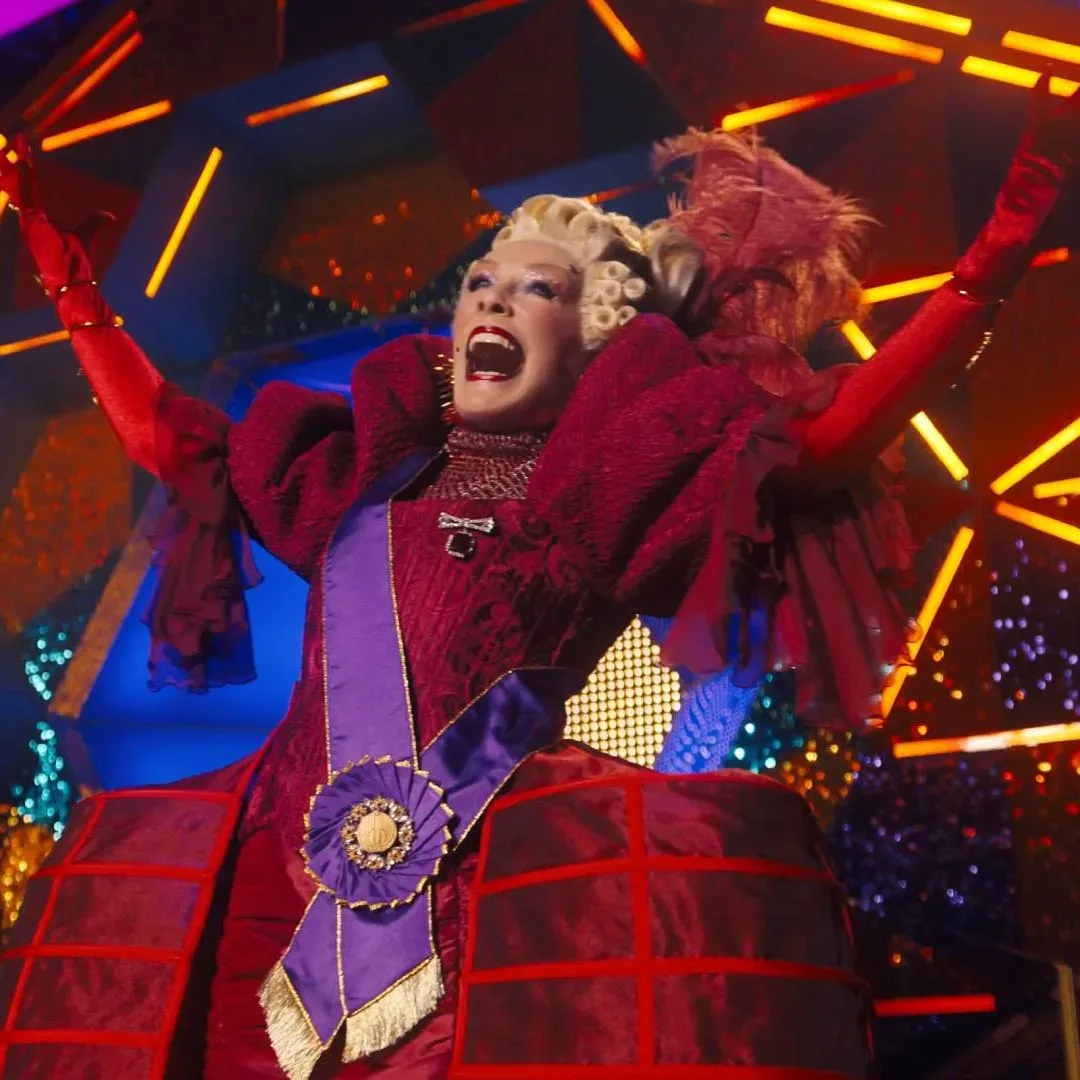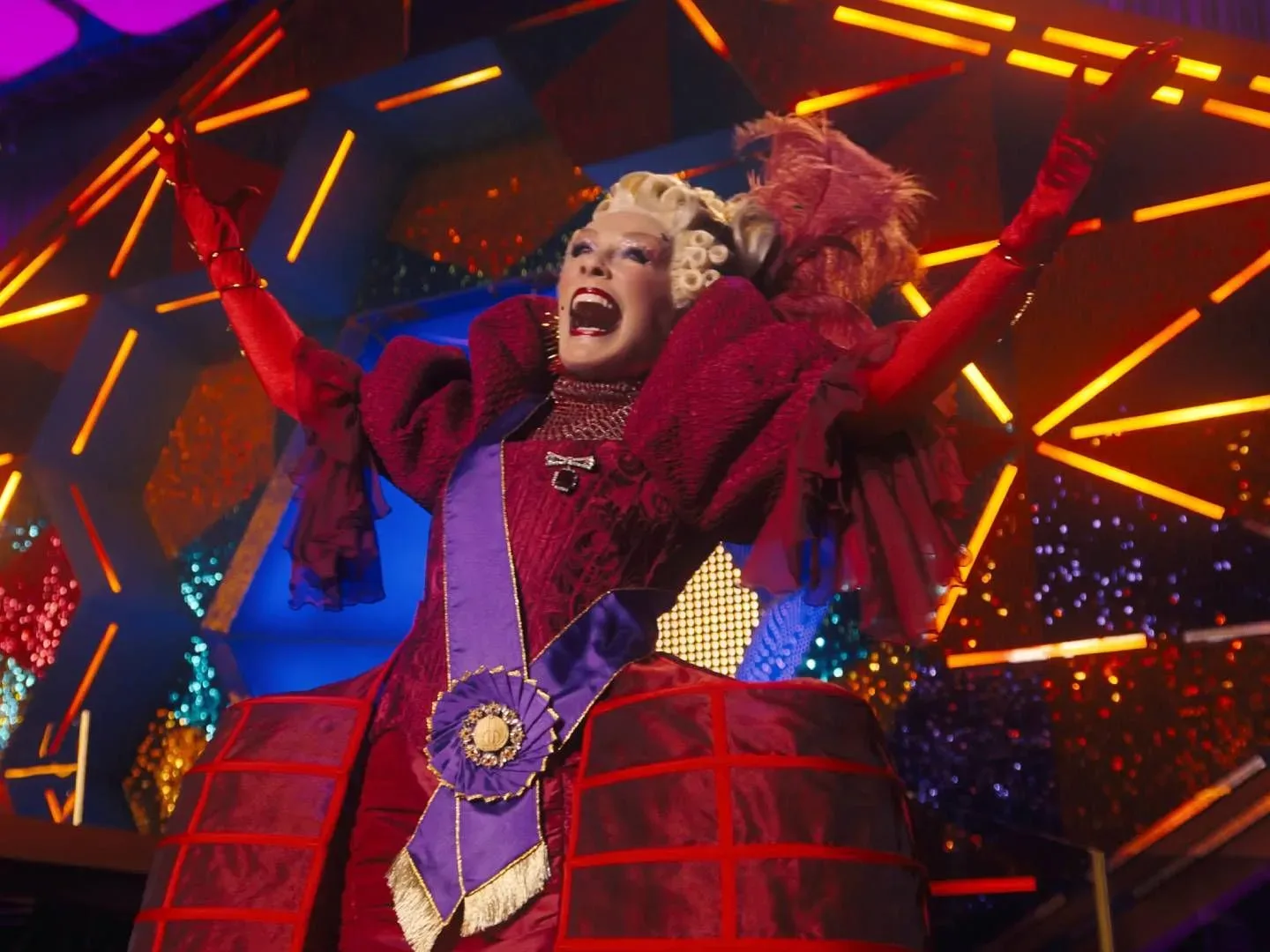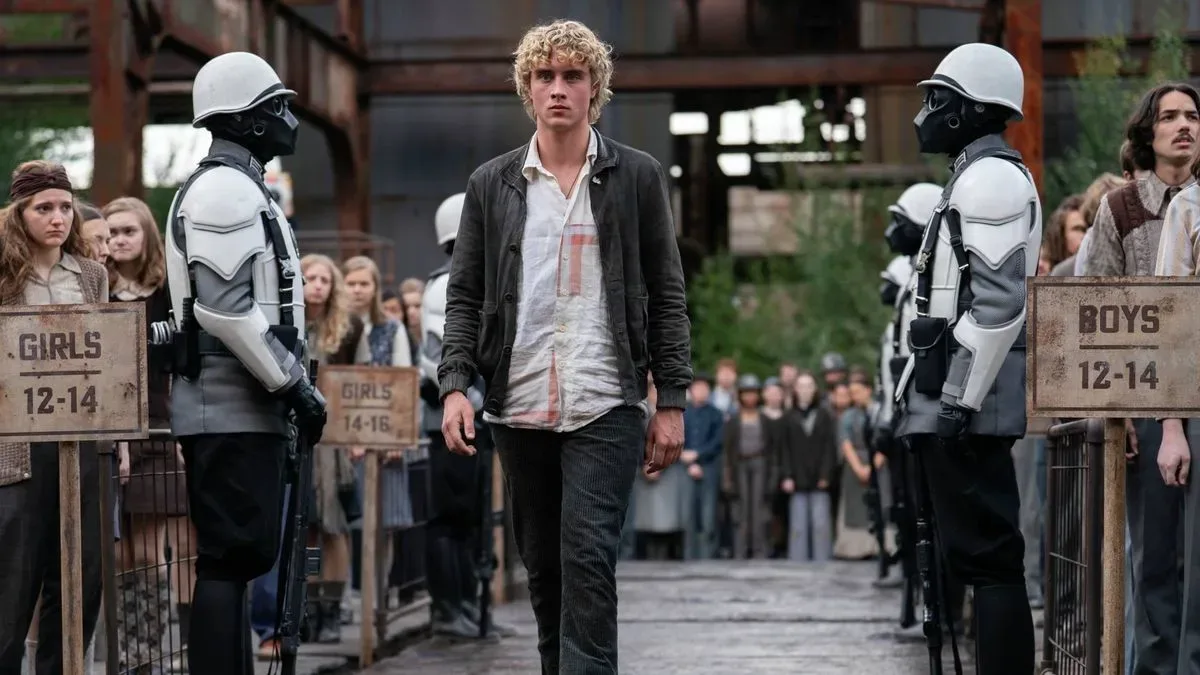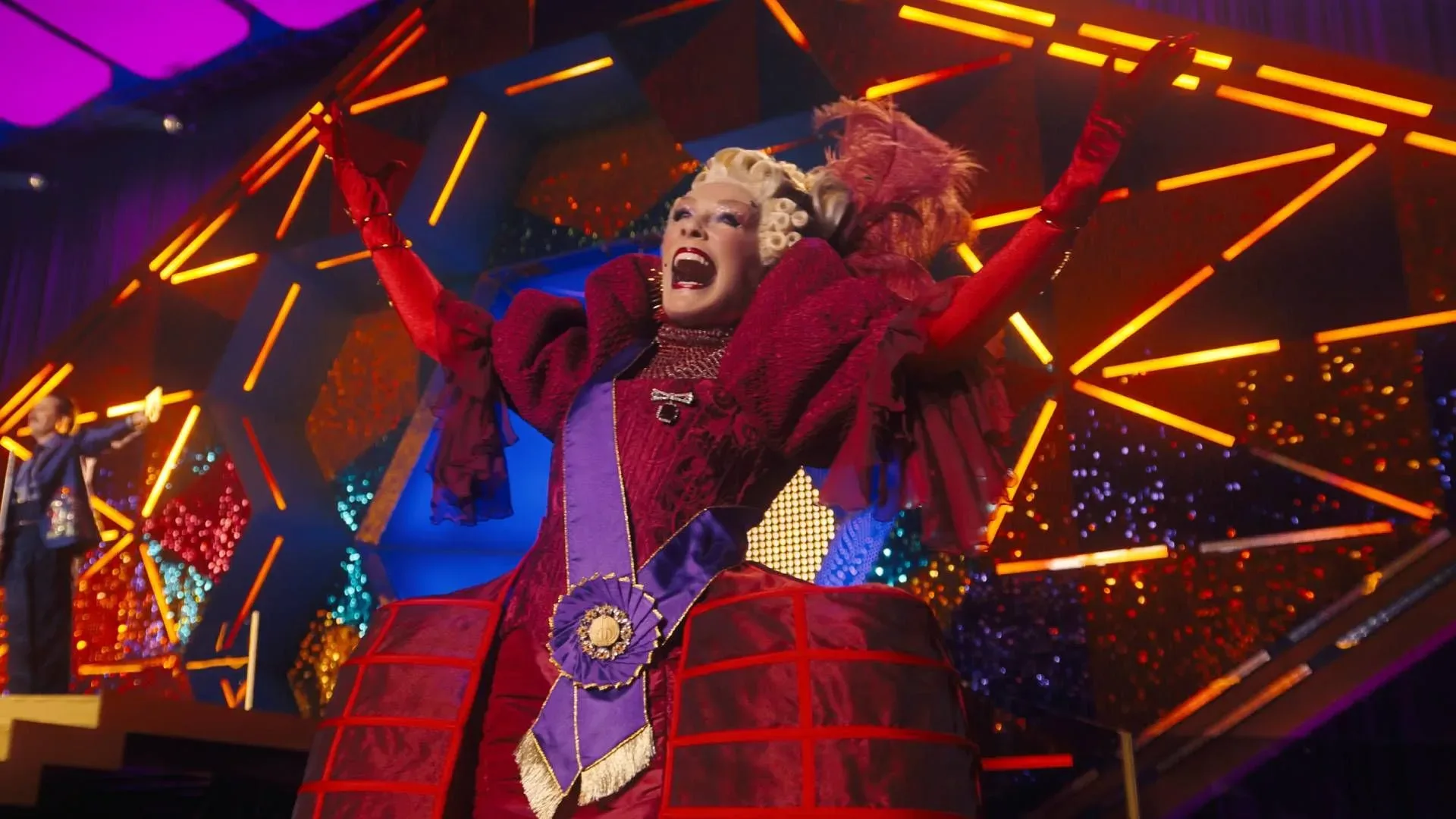
The Hunger Games: Sunrise on the Reaping will revisit a format audiences know well: a tribute’s journey from the reaping through the Capitol spectacle and into the arena. But director Francis Lawrence says the next film is not intended as a simple replay of the original series’ formula.
Due in theaters on November 20, 2026, Sunrise on the Reaping adapts Suzanne Collins’ novel of the same name and takes place during the 50th Hunger Games, 24 years before the original trilogy. Its central character is Haymitch Abernathy, whose later role in Katniss Everdeen’s story makes this particular Games a major point of interest for long-time readers and moviegoers.
Lawrence has described the project as a “return to form,” a phrase that speaks less to repetition than to narrative shape. The film will be focused on the lead-up to the Games and the arena itself, putting the competition at the center of the story in a way that distinguishes it from the franchise’s immediately preceding prequel, The Ballad of Songbirds and Snakes.
What “return to form” means here
In franchise terms, a return to form means a return to the core progression associated with The Hunger Games and Catching Fire. Lawrence pointed to the elements viewers recognize: the reaping, Capitol chariots, interviews and the Games. These are more than familiar set pieces. Together, they form the machinery through which Panem turns coercion and violence into public entertainment.
The reaping is the selection process that sends young people into the Hunger Games. The chariot presentation and interviews, meanwhile, turn tributes into public-facing figures before the arena begins. This structure creates a particular kind of tension: competitors must navigate performance, image and political pressure before facing the physical danger of the Games themselves.
Lawrence’s point is that the new film is built around that recognizably Hunger Games-shaped journey. Haymitch is positioned as a protagonist audiences can follow and empathize with, rather than the story being primarily structured around an antagonist’s origins or around a conflict outside a conventional Games framework.
That distinction matters because the franchise has used very different storytelling models across its films. The first story and Catching Fire place the arena experience at the narrative center. Mockingjay, adapted into two films, changes the situation considerably: the Capitol effectively becomes the arena, making the conflict a broader and more literal political struggle rather than another edition of the Games. The Ballad of Songbirds and Snakes takes a different route again, functioning as the origin story of an antagonist and using a chapter structure Lawrence sees as unlike the earlier films.
Sunrise on the Reaping is therefore not simply “more Hunger Games” in the broadest sense. It appears designed to recover the escalating event structure that helped define the original trilogy’s early entries: selection, preparation, presentation, survival and the consequences of being forced through all of it under the Capitol’s gaze.
Haymitch’s Games bring a known character into a new lead role
The film’s 50th Games setting brings the audience to an era well before Katniss Everdeen becomes a tribute. Yet it is not detached from the main saga. Haymitch is already a familiar figure within the larger story, which gives the prequel a different challenge from an entirely new narrative: it must make a character known from a later point in the timeline feel immediate as the protagonist of an earlier one.
Lawrence said reading Collins’ new story recalled the feeling he had when he became involved with Catching Fire. He joined the film series as director for that installment after Gary Ross directed the first film, and has directed every screen entry since, working alongside executive producer Nina Jacobson.
That long association gives Lawrence a useful frame for discussing what audiences respond to in the series. His comments emphasize an identifiable lead character and a sequence of major story beats that fans have come to expect. In this case, those familiar beats do not merely provide continuity. They establish an expectation that Collins can then challenge.
A tentpole moment, as Lawrence uses the term, is a major sequence that supports the larger construction of a story. In this franchise, a reaping, public tribute presentation, interview or arena entrance can operate as a tentpole because each is a turning point in both plot and character pressure. They are also moments viewers can immediately place within the language of The Hunger Games.
For a prequel centered on a previous victor, this combination creates a built-in tension. The broad outline is rooted in an established world and a character audiences recognize, but the film still needs to make its individual scenes, relationships and reversals stand on their own. Lawrence’s comments suggest that the approach is to use the series’ best-known framework while refusing to treat that framework as fixed.
Familiar ritual, altered expectations
Lawrence’s strongest claim about the film is that Collins changes the meaning of the things audiences think they recognize. He described a pattern in which viewers may believe they are watching a standard reaping or chariot sequence, only to find that the situation develops differently.
That is a useful distinction between familiarity and predictability. Familiarity comes from revisiting the franchise’s institutions and ceremonial landmarks. Predictability would mean those elements lead to the same emotional and narrative outcomes they have before. Lawrence’s description promises the first while arguing against the second.
This is especially important for a world as ritualized as Panem. The Capitol’s events are designed to look formal, polished and repeatable. That surface order is part of the setting’s menace: a system has standardized the presentation of human suffering. Altering what happens inside those rituals is an effective way for a new story to find surprises without pretending the audience has no knowledge of the franchise.
It also explains why calling the film a return to form should not be confused with calling it a reset. Lawrence contrasted the film with the structural departures of Mockingjay and The Ballad of Songbirds and Snakes, but he did not suggest those departures were mistakes. Rather, he identified Sunrise on the Reaping as a story that happens to bring the series back toward the framework of its arena-focused installments.
Why the arena focus changes the kind of story being told
The arena is not just a location in The Hunger Games. It is a controlled environment in which the Capitol can shape the conditions, spectatorship and stakes of the competition. An arena-centered story therefore places attention on the systems surrounding the tributes as well as the tributes themselves.
By contrast, Lawrence characterized Mockingjay as moving the arena concept outward, with the Capitol becoming the arena in metaphorical and practical terms. That makes its conflict structurally different: the story no longer revolves around one discrete competition. Likewise, an antagonist-origin narrative such as The Ballad of Songbirds and Snakes necessarily shifts audience perspective away from the kind of tribute-led experience associated with the original films.
Sunrise on the Reaping appears set to put the machinery of the Games back in direct view. The practical implication for viewers is clear: anyone who connected most strongly with the tense progression and public spectacle of the first films may find the new entry closer to that mode, while still encountering a story that uses those ingredients differently.
That balance is the key claim behind Lawrence’s “return to form” description. The movie will have a protagonist to root for, familiar franchise rituals and an arena-driven structure. Yet its purpose is not to reassure audiences that every step will proceed exactly as memory suggests. Its opportunity lies in letting a recognizable Hunger Games sequence become something newly unsettling once its details begin to shift.
For viewers keeping an eye on screen stories that borrow from established genre language while seeking a distinct identity, the wider release slate also includes Signal Veil’s 90s anime-horror premise, though its medium and subject are very different.
Release date
The Hunger Games: Sunrise on the Reaping is scheduled to open in theaters on November 20, 2026. Until more is shown, Lawrence’s description offers the clearest guide to the film’s intended identity: a return to the franchise’s most recognizable storytelling architecture, built to make even its most familiar ceremonies feel different.