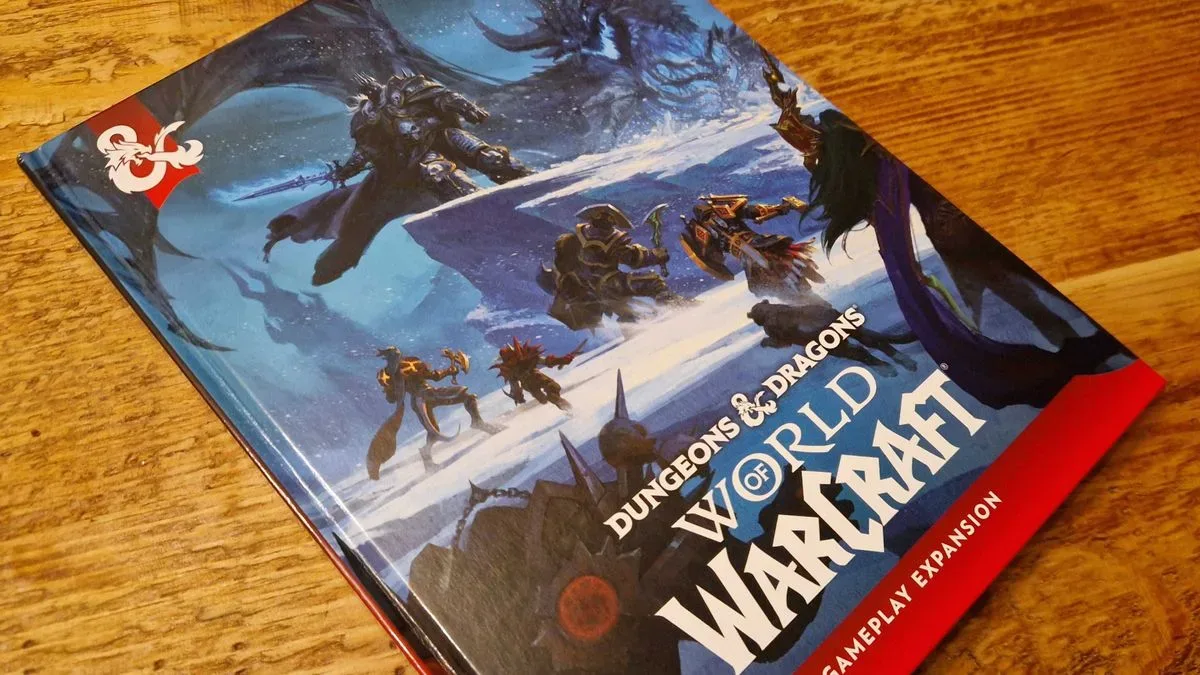
Dungeons & Dragons: World of Warcraft launches November 17, 2026, bringing Azeroth into tabletop form as the first Dungeons & Dragons Universes Beyond expansion. But its ambitions appear to extend beyond adapting familiar Warcraft names, locations and factions. Principal Game Designer James Wyatt has described the project as a design exercise that could help move the wider D&D team forward, particularly through its approach to Hero Classes, monster encounters and Druid transformations.
That does not mean these mechanics are confirmed for core D&D. Wyatt was clear that there is no settled plan for which existing classes, if any, might receive this kind of treatment. Still, the book offers a notable glimpse at how a crossover setting can become a testing ground: take the fantasy and identity that make Warcraft distinctive, then rebuild them for a game centered on a Dungeon Master, a party and unpredictable player choices rather than a fixed digital system.
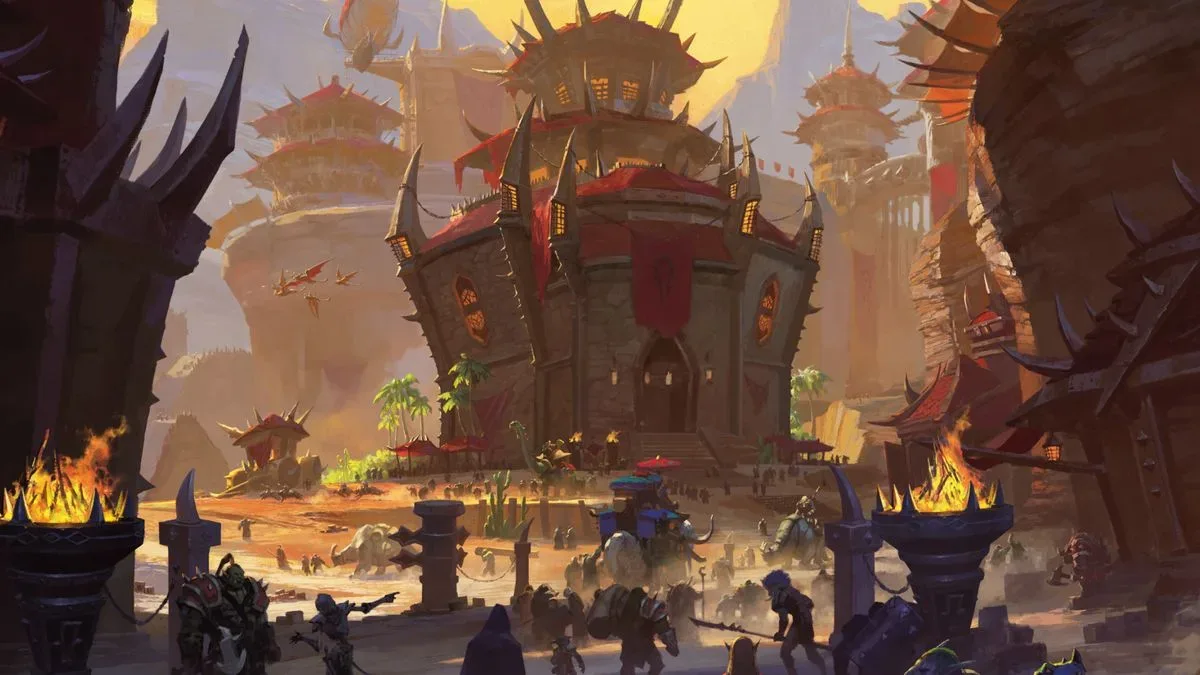
The resulting product is positioned less as a single linear retelling of Warcraft and more as a toolbox for campaigns set in Azeroth. It includes material around the Alliance and Horde conflict, the Burning Legion, Dragonflight, Elemental Lords, Old Gods and the Scourge, with campaign guidance running through level 20 and additional endgame material for each theme. A separate Icecrown Citadel map pack includes a digital code for an adventure intended to take level 16 characters to level 20.
Azeroth is being adapted, not copied
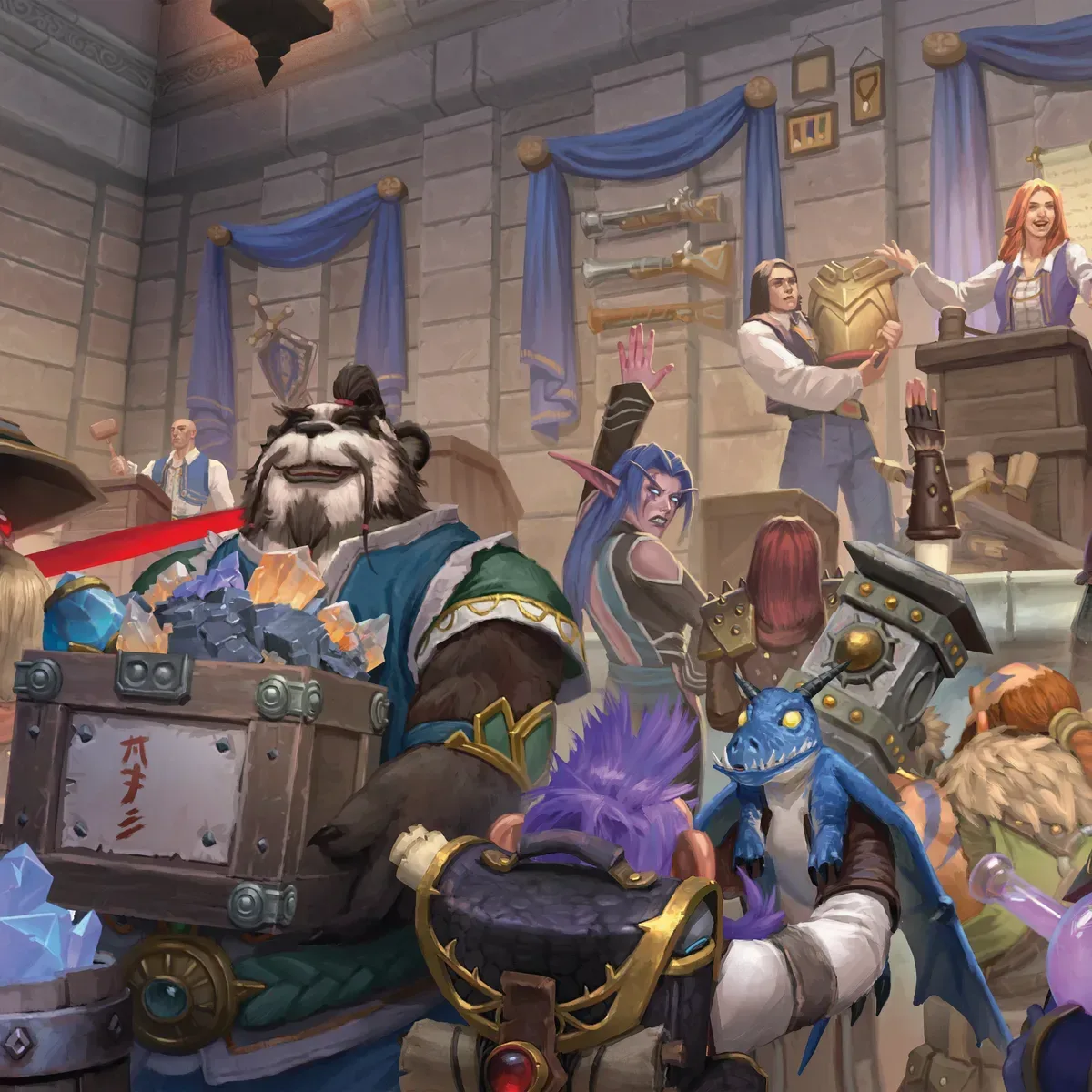
The essential challenge is that a massively multiplayer online role-playing game and a tabletop role-playing game reward very different behavior. In an MMO, large numbers of players can repeat activities, pursue individual gear or mount goals, and work through quests designed around a persistent digital world. At a D&D table, a small group shares the spotlight, decides its own priorities and can derail any intended route with one persuasive conversation, one reckless spell or one unexpectedly sympathetic decision.
Wyatt’s framing for this conversion is “paraphrase,” rather than a strict translation. The distinction matters. A direct transfer of every system and activity from World of Warcraft would not automatically produce a good tabletop session. Instead, the objective is to preserve the feeling of an Azeroth scenario and express it through D&D’s tools: maps, creature statistics, encounters, quests, character options and Dungeon Master guidance.
That approach is especially apparent in the book’s advice about avoiding grind. Repeating a task can have a different function in a digital game, where a quick combat loop and incremental rewards are part of the structure. At the table, however, a fight can take far longer. The book reportedly calls out the danger of carrying over quests that amount to collecting routine monster drops; spending a lengthy session on repeated kills for Zhevra Hooves is unlikely to create the same appeal.
For Dungeon Masters, the practical takeaway is straightforward: use Warcraft’s quest concepts for stakes, atmosphere and conflict, not necessarily for their original quantity requirements. A faction needs evidence, a region is threatened by creatures, or a leader demands a favor—those are useful prompts. The table campaign then needs to give player characters room to make consequential choices and leave a visible mark on the world.
Icecrown Citadel is a campaign ingredient, not the entire meal
The Lich King may feature prominently in the visual presentation, but Icecrown Citadel is only one route through the book’s material. The included adventure is designed for characters beginning at level 16 and reaching level 20 by the Frozen Throne, providing a high-level arc rather than an opening campaign.
Related coverage includes D&D: World of Warcraft Designer Sees Azeroth Book as a Chance to Advance Future D&D Design.
Its presentation also reflects an emphasis on usable Dungeon Master support over exhaustive scripting. Maps were adapted as faithfully as possible to their digital counterparts, including detailed study of the Citadel’s internal layout and exterior. Yet the stated goal is not to dictate every action. The dungeon format uses maps with pins for bosses and expected points of interest, plus short descriptions and creature guidance. The rest is deliberately open to improvisation.
That is a sensible fit for D&D’s structure. A dungeon map establishes geography and pressure points, but a tabletop group may negotiate with an enemy, bypass an encounter, retreat, create a distraction or attempt something no writer could reasonably pre-plan. Giving the Dungeon Master a clear foundation while preserving blank space can make a famous location feel less like a reenactment and more like a shared story.
The same principle can serve campaigns that do not use Icecrown at all. The book’s broad faction menu invites different tones: a group could focus on diplomacy between Alliance and Horde members, clandestine meetings and political intrigue, or instead choose conflicts surrounding the Legion, the Scourge, elemental powers or the Old Gods. The framework is explicitly meant to let a Dungeon Master mix those elements rather than follow one mandatory plot.
What Challenge Rating 24 means for Illidan
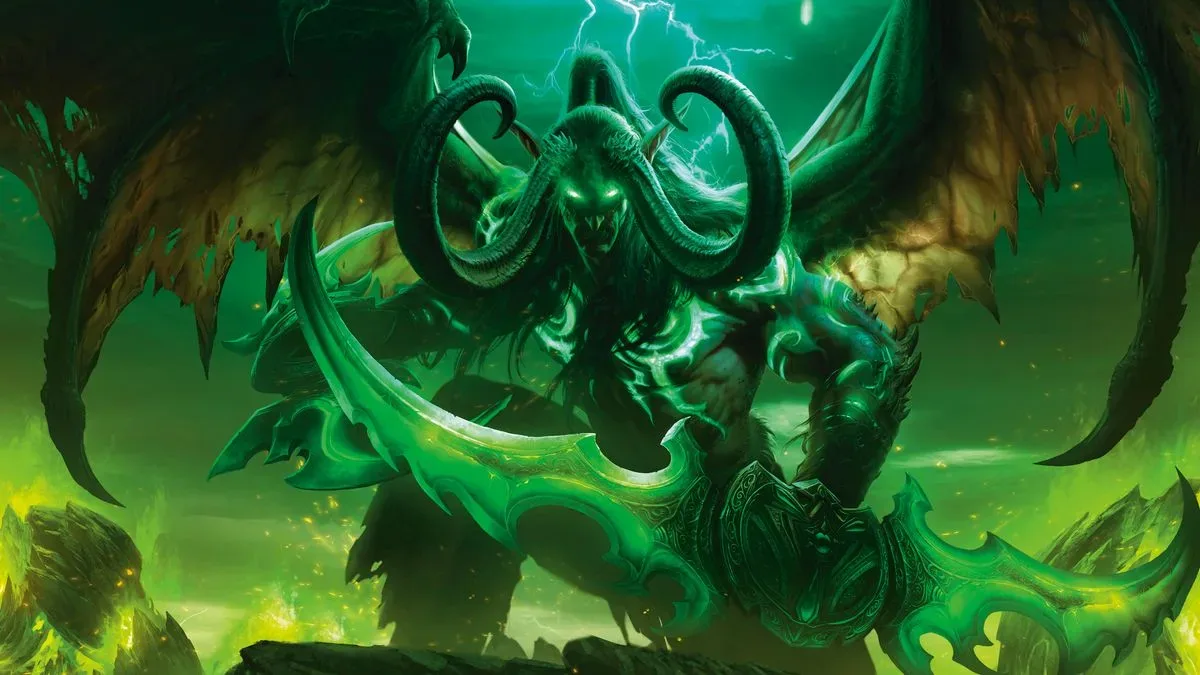
Iconic villains create another adaptation problem. In a video game, an encounter can rely on repeated attempts, tightly authored phases and mechanics that are learned by doing. A D&D boss must work through a different combination of turn order, party composition, spell choices and improvisation. The book’s Illidan is set at Challenge Rating 24.
Challenge Rating, or CR, is D&D’s broad measure of a creature’s threat. It is useful as an encounter-building reference, not a guarantee that every group will have the same experience. Characters at the same level can vary greatly in resources, tactics and abilities, while dice rolls and a Dungeon Master’s choices can change a battle immediately. Still, CR 24 signals that Illidan is intended as an extreme challenge, even for a level 20 party.
Wyatt emphasized survivability and recognizable abilities as priorities in translating such a figure. That reveals an important boss-design goal: an adversary has to remain present long enough for the encounter’s identity to emerge. If a legendary foe disappears before their defining abilities matter, the encounter may be balanced in a narrow mathematical sense but fail to feel like the character players expected.
This is also where “paraphrase” is more useful than imitation. The tabletop version does not need to reproduce every beat from a Warcraft fight exactly. It needs to establish why the enemy is dangerous, distinctive and memorable within the language of D&D combat. In other words, the rule text needs to create a scenario that evokes the appropriate fantasy without demanding that every table perform the same choreography.
Hero Classes may be the book’s most important experiment
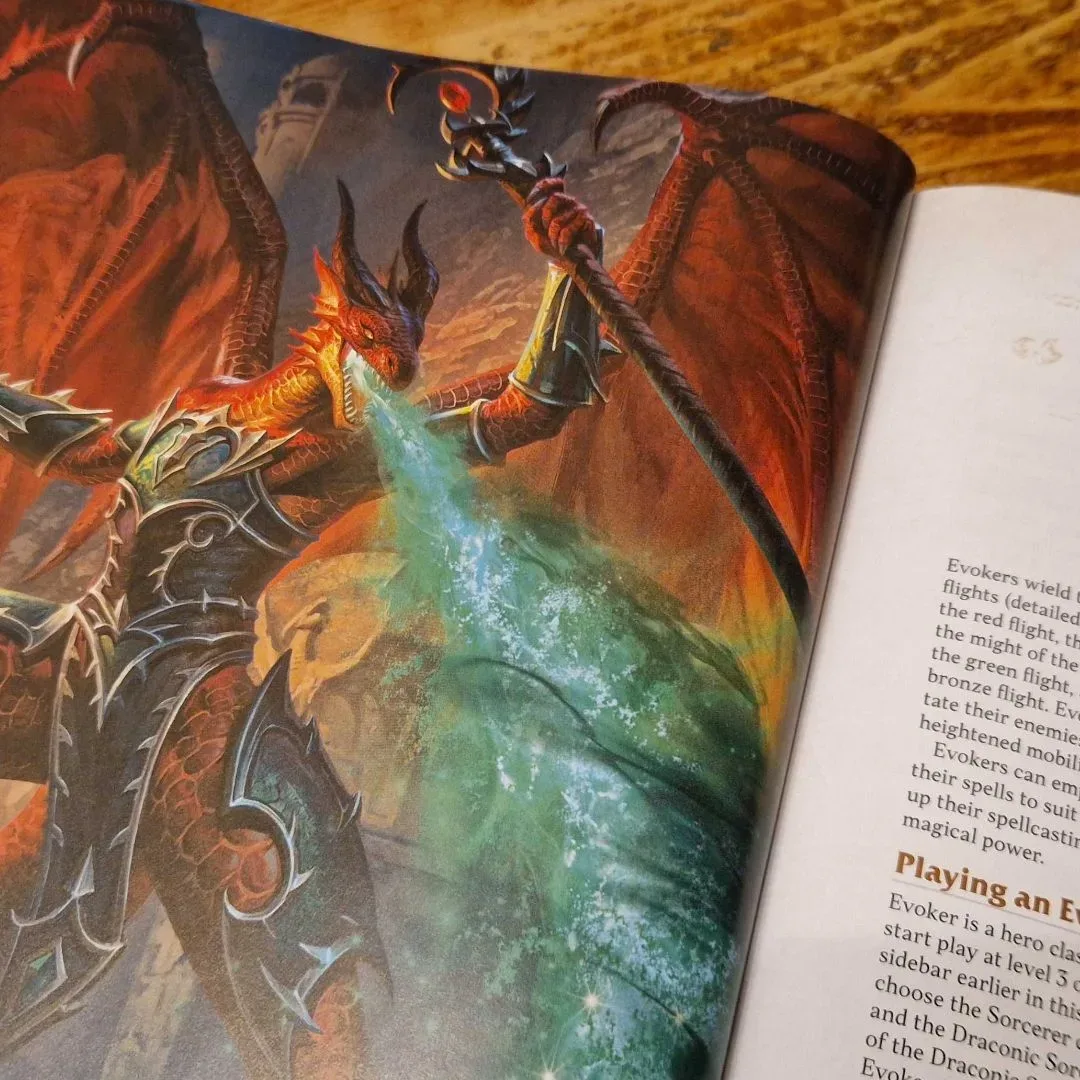
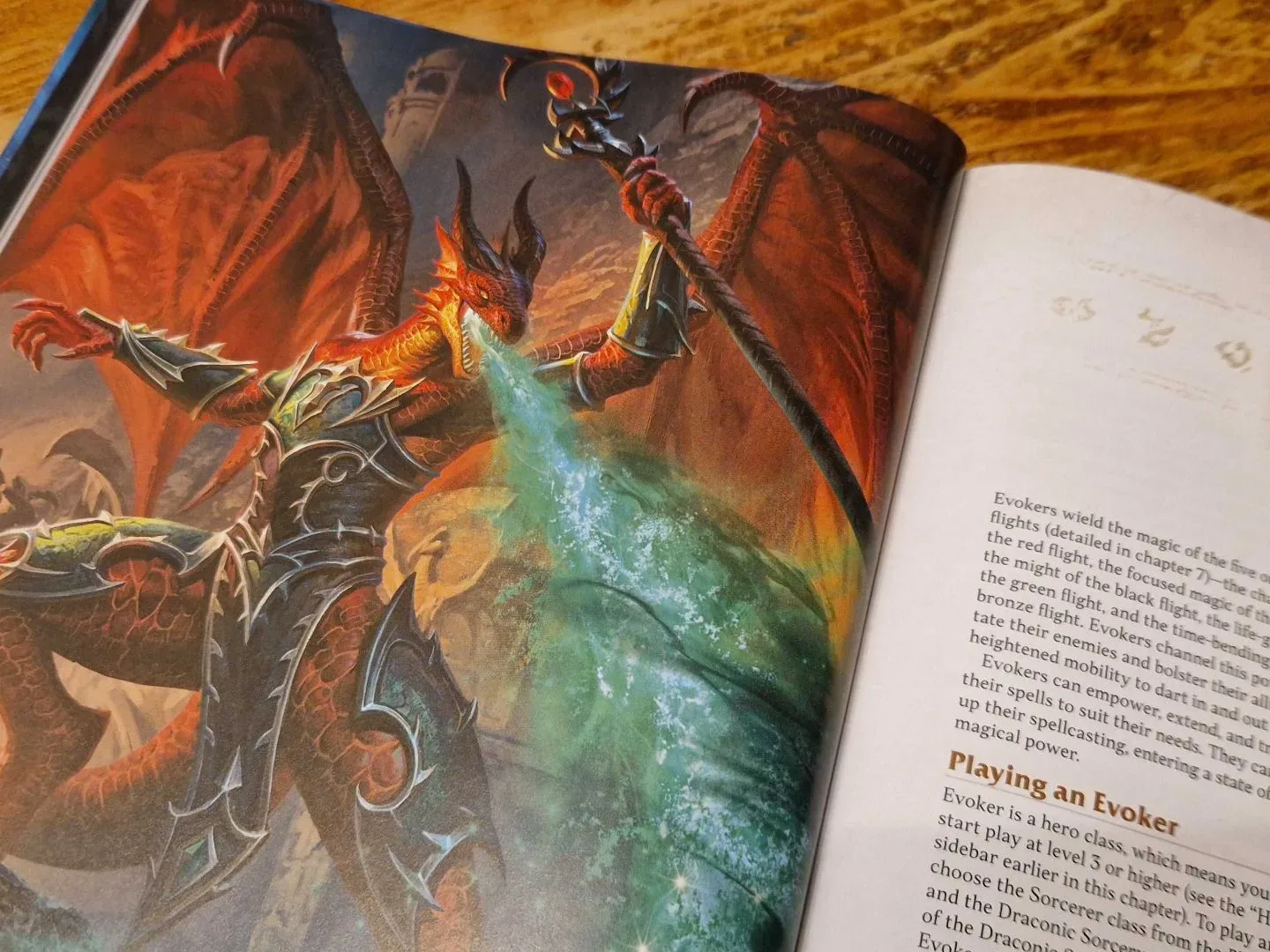
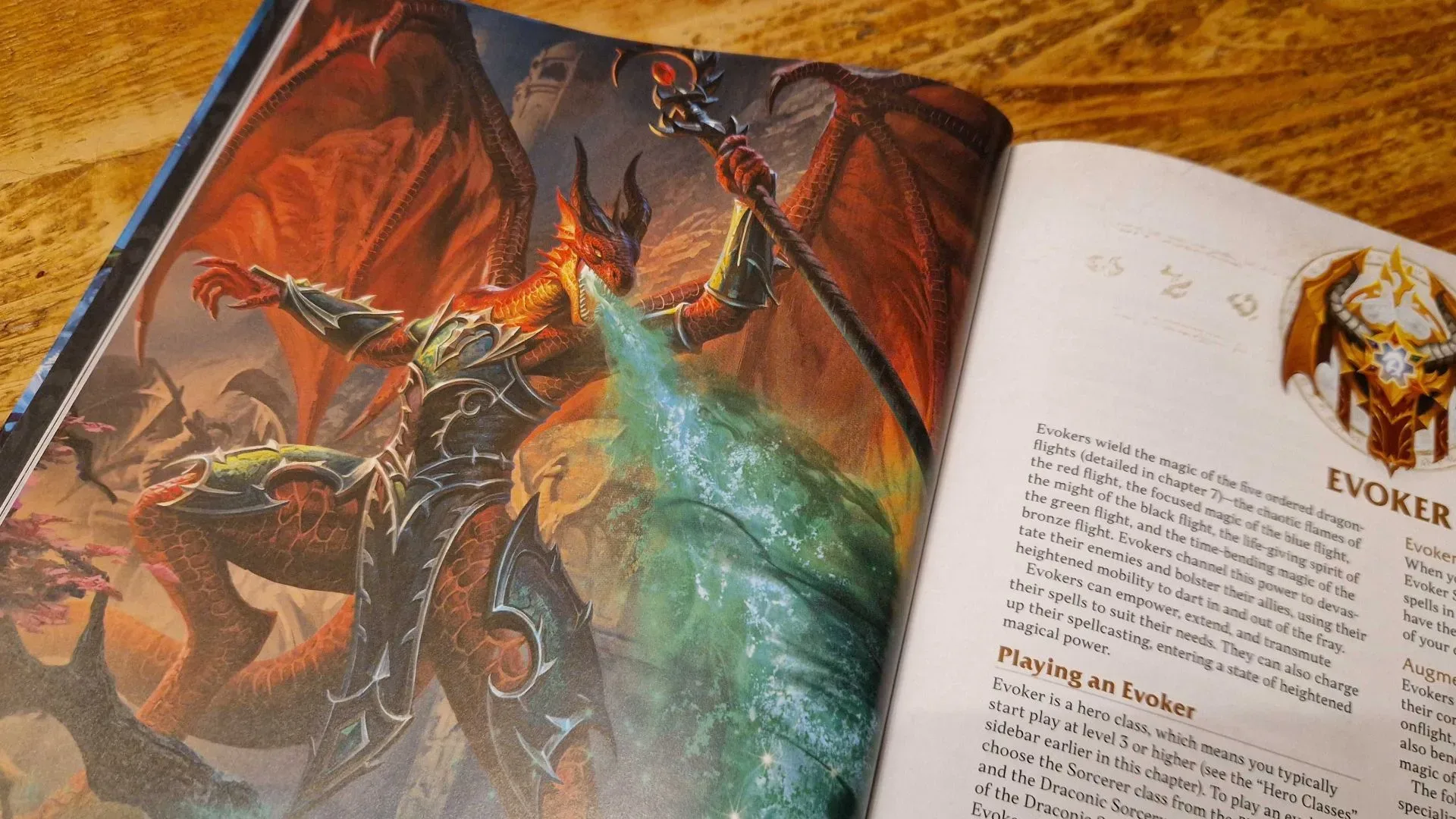
The potentially longer-lasting idea lies in the treatment of the Death Knight and Demon Hunter. Using Warcraft terminology, the book calls them Hero Classes, but Wyatt described the D&D implementation as a subclass that alters a character’s base features.
In D&D, a subclass is normally a specialization within a broader character class. It differentiates two characters who share a base class by granting distinct features. The Hero Class approach, as described, appears more transformative: rather than merely adding a few thematic options, it changes underlying class features to capture an identity that may otherwise be difficult to represent with ordinary subclass design.
That could be a useful tool for adaptations because Warcraft’s class identities are so specific. A Death Knight or Demon Hunter is not simply a character with a particular weapon or spell list; the concept brings a larger package of fantasy, abilities and expectations. The design challenge is to express that package without discarding D&D’s own foundations.
Wyatt sees potential in exploring this structure for core D&D, though he has not identified which classes could use it or how such an implementation would work. That uncertainty should be taken seriously. The book demonstrates an idea worth examining, not a confirmed direction for a future rules revision. Yet it is a meaningful sign that crossover work is informing internal experimentation rather than being treated as mechanically separate from the main game.
There is a useful parallel in how game creators often treat remakes and adaptations as a chance to rethink established systems, a theme also visible in this discussion of remake development as a learning process. The important difference here is that D&D: World of Warcraft is not simply revisiting one D&D work. It is testing how another game’s genre conventions can be reshaped for a tabletop ruleset.
Druid forms and monster design are also part of the experiment
Wyatt also pointed to Druid transformations as an area of shared learning. The World of Warcraft book uses specific Wild Shape forms, and he said a related model had already been used in a future D&D book for a Cataclysm Druid concept that takes on a kaiju-like form. The exact name and final placement of that material remain uncertain, so it should not be treated as a confirmed feature of any particular upcoming release.
What is clearer is the workflow: design work created for one product can offer a tested template for another. In this case, stat blocks from a draft helped establish the model for a more specific Druid transformation. A stat block is the rules summary for a creature or form, typically covering its defensive qualities, movement, attacks, traits and other game-relevant capabilities. For a special transformation, the stat block is a major part of how the fantasy becomes playable rather than merely descriptive.
Monster design is another stated area where the Azeroth project could have influence. That does not establish any exact future mechanics, but it suggests that the team views the book’s work on high-profile foes as more than one-off crossover material. Building enemies that last long enough, display their iconic abilities and still leave room for player ingenuity is a continuing D&D design problem, whether the opponent comes from Warcraft or an original setting.
Mounts illustrate the tabletop difference
The handling of mounts sums up the difference between the two formats. In an MMO, a special mount can function as a personal trophy: proof of completing difficult content or achieving something rare. The D&D version retains some of that flavor. Defeating the Lich King can reward the party with the Reins of Invincible.
But tabletop prestige works differently because the achievement belongs to the group. The victory was created by everyone at the table, and travel speed is not normally a constant inconvenience in the way it can be in an MMO. A player may also simply acquire an ordinary mount, such as a Pandaren Dragon Turtle, without it carrying the same narrative weight.
That does not make special rewards less valuable. It changes their function. A memorable mount is most effective when it marks a campaign event, reinforces a character or group’s history, and creates new story possibilities—not merely when it increases movement. The party’s shared accomplishment becomes the real reward, while the mount is an enduring reminder of it.
Dungeons & Dragons: World of Warcraft therefore looks designed to offer both a playable Azeroth setting and a set of ideas about adaptation. Its campaign material can support groups who want the Lich King, faction politics or a broader mix of Warcraft threats. Its deeper significance may lie in the systems being explored along the way: transformative subclasses, highly specific forms, flexible dungeon presentations and boss encounters built around identity as much as numbers.
Whether those ideas ultimately travel into core D&D remains unresolved. For now, the confirmed point is more modest and more interesting: the process of making Azeroth work at a tabletop has given its designers approaches they want to investigate further.
Shop the products
Check current price, model and availability at the retailer.