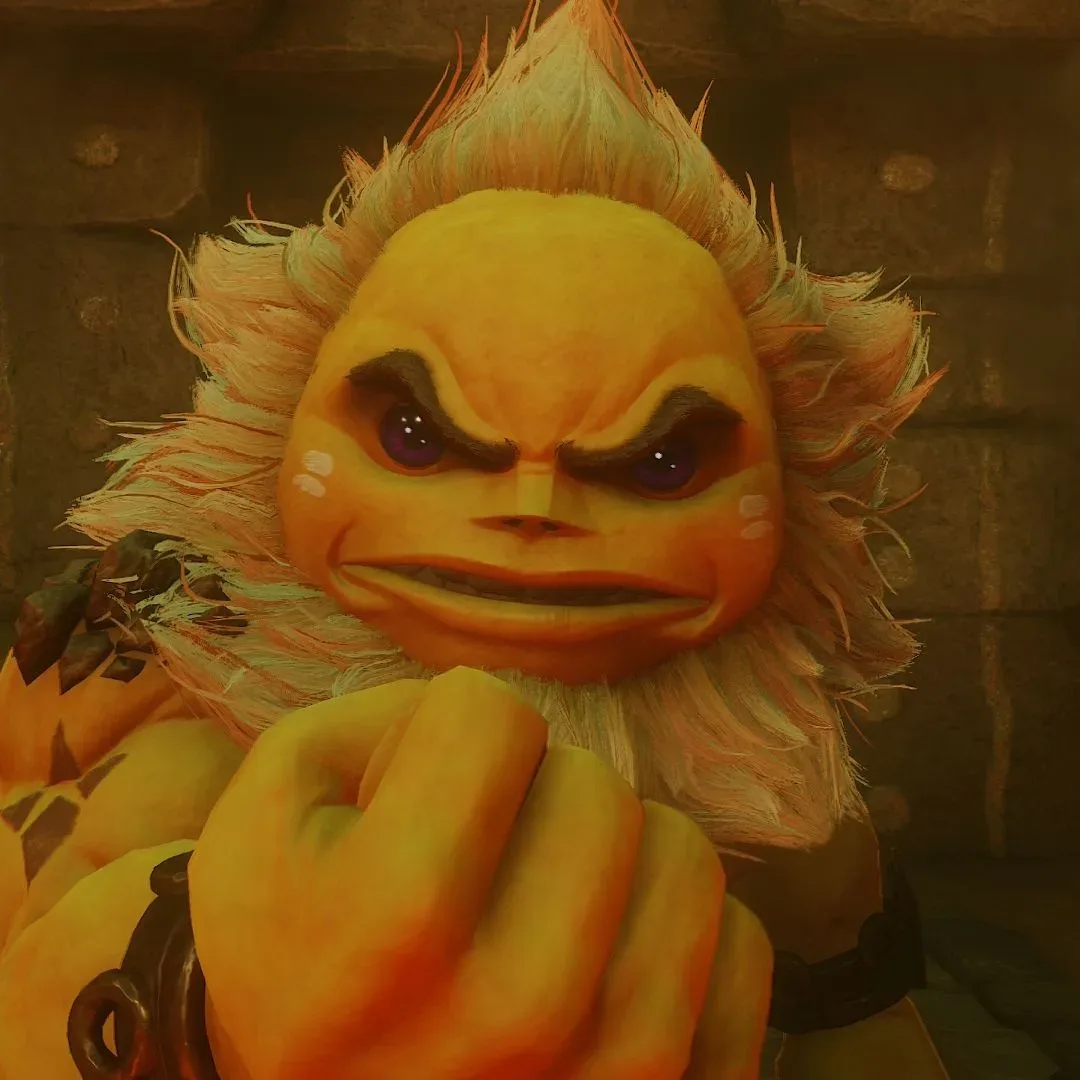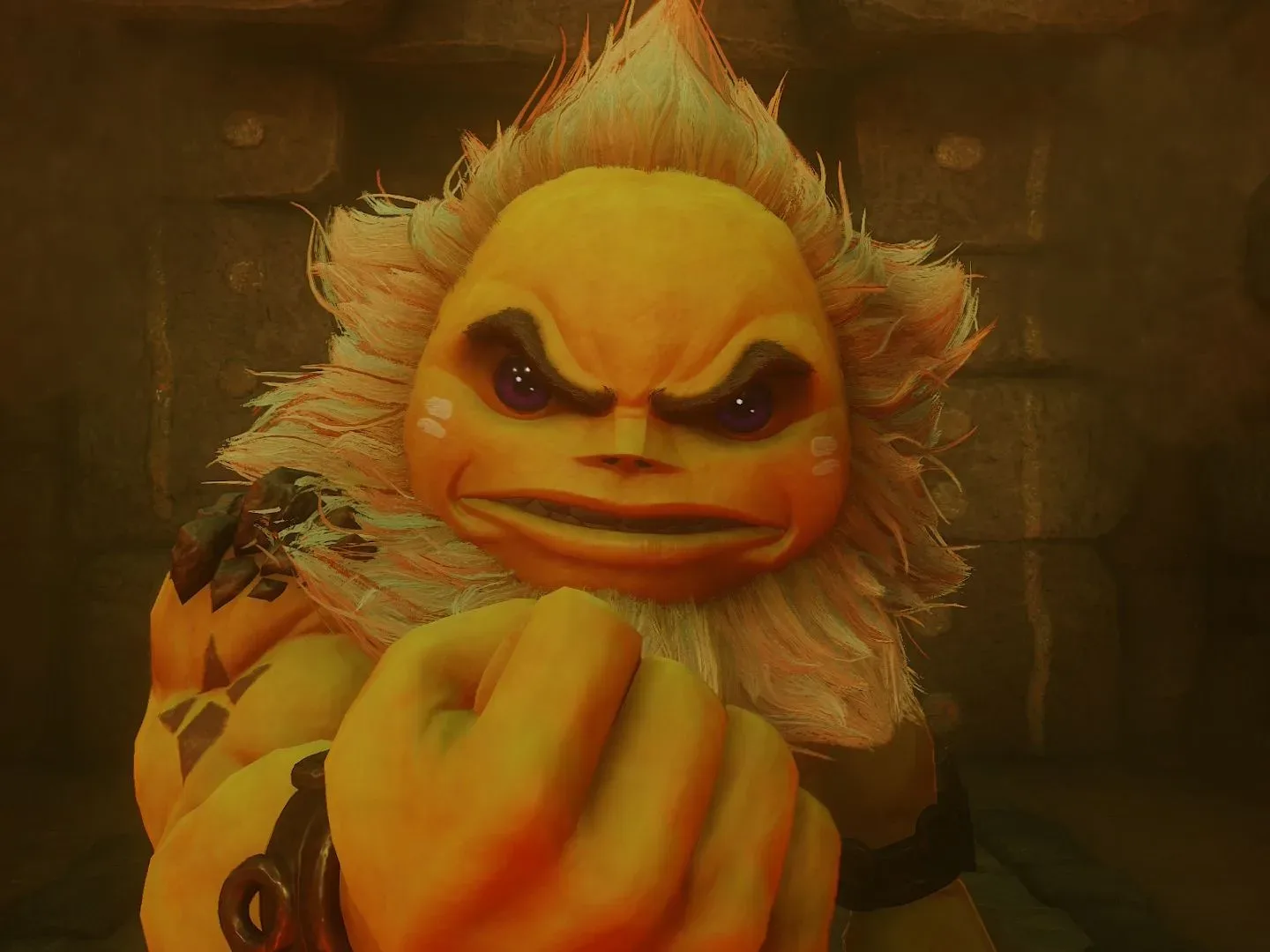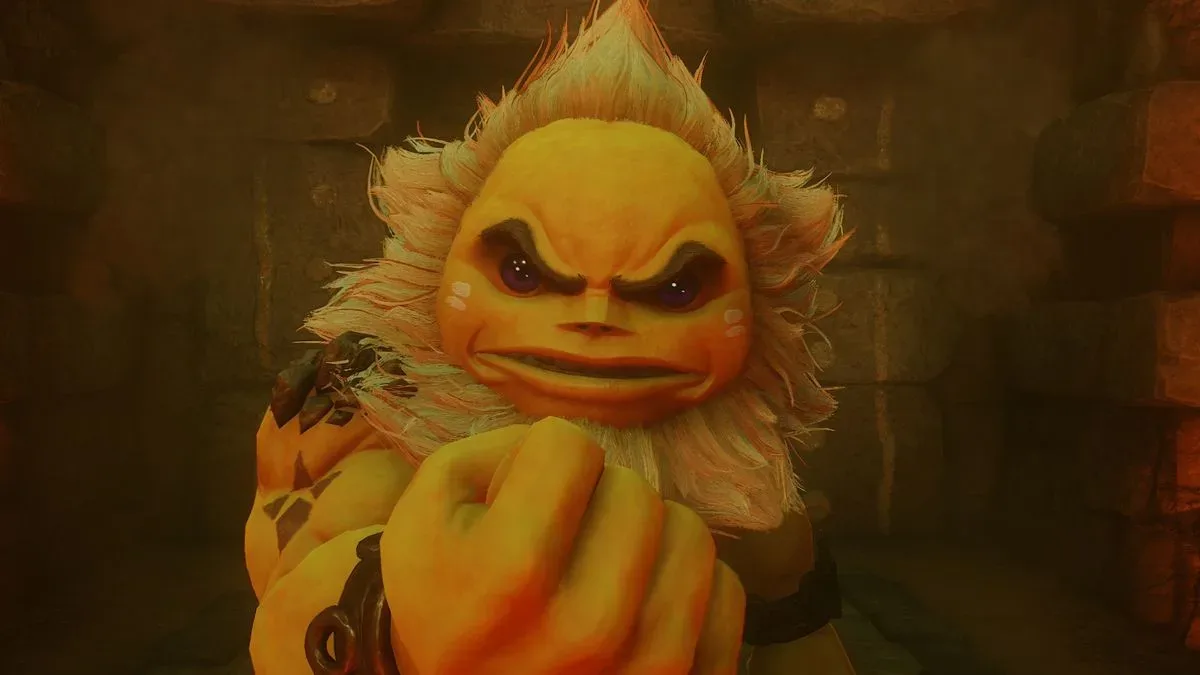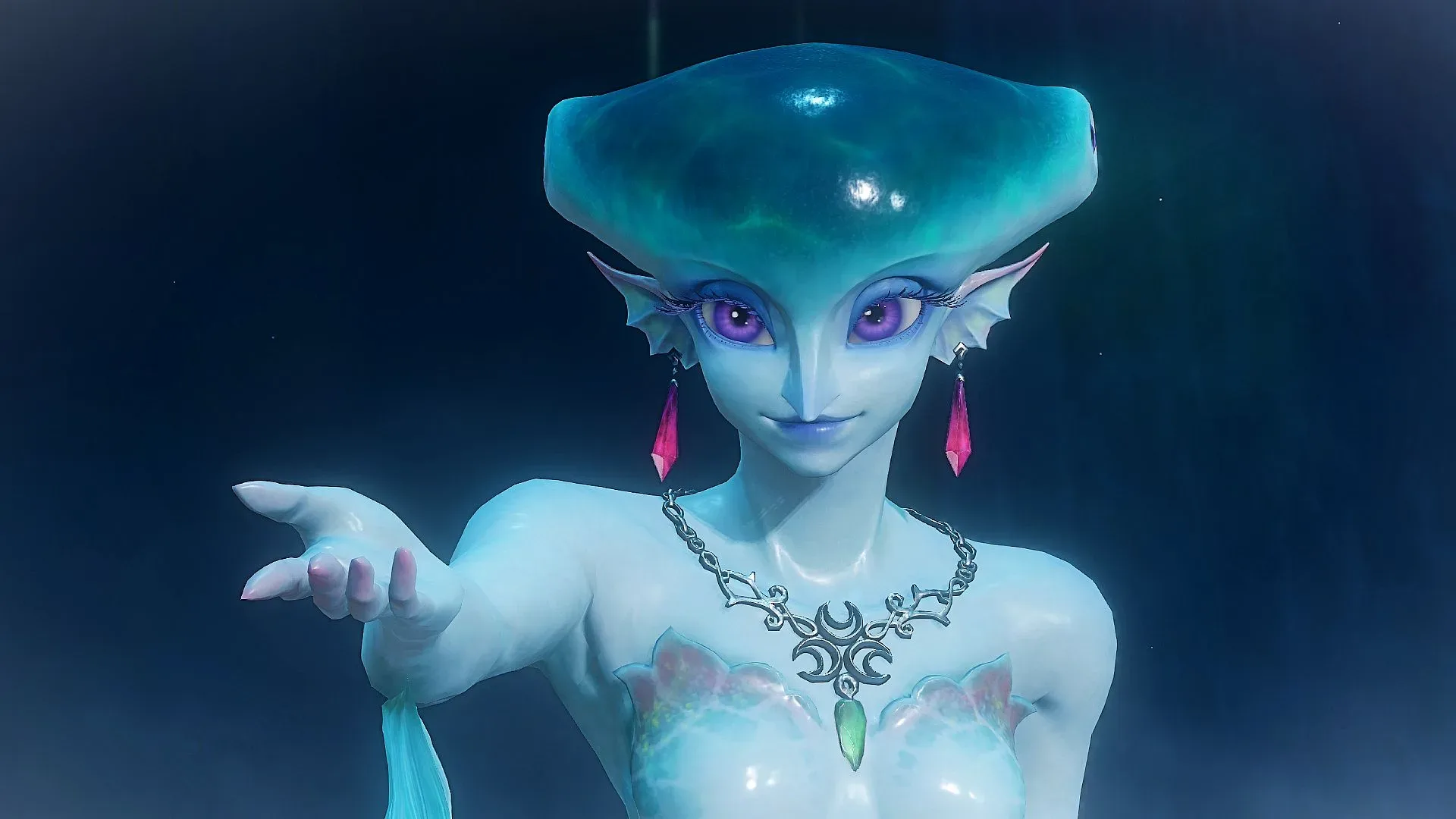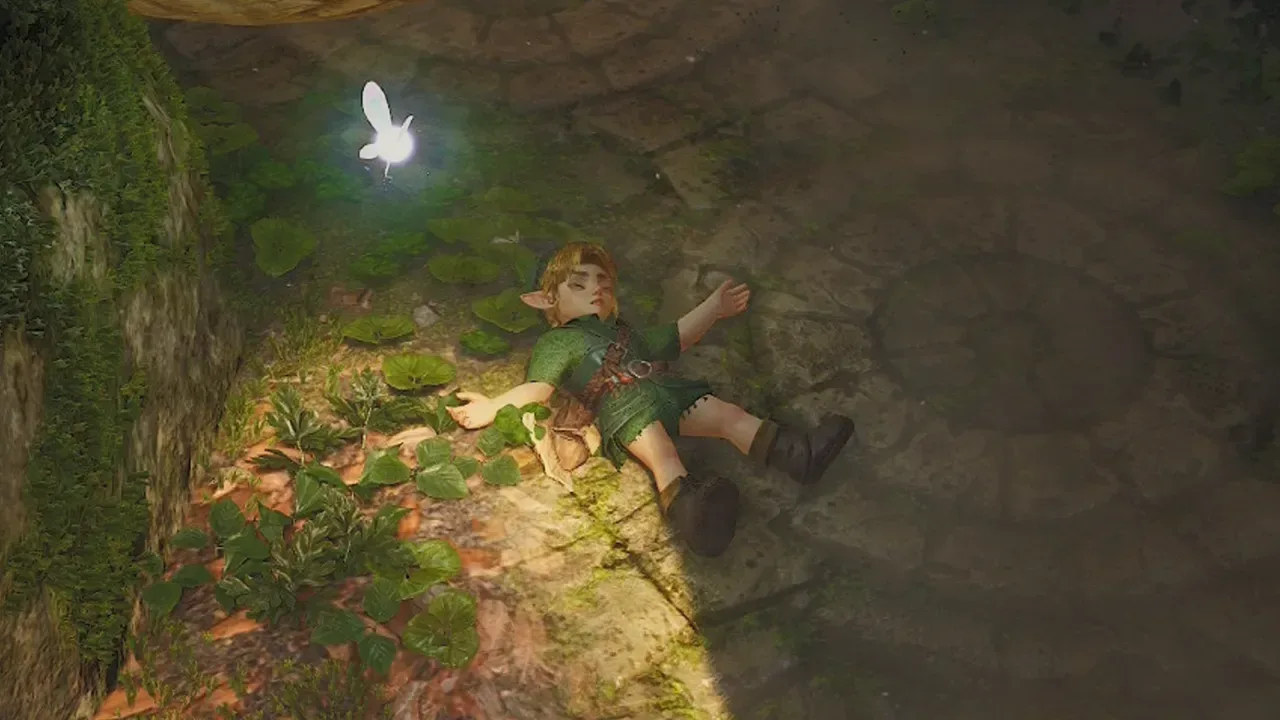
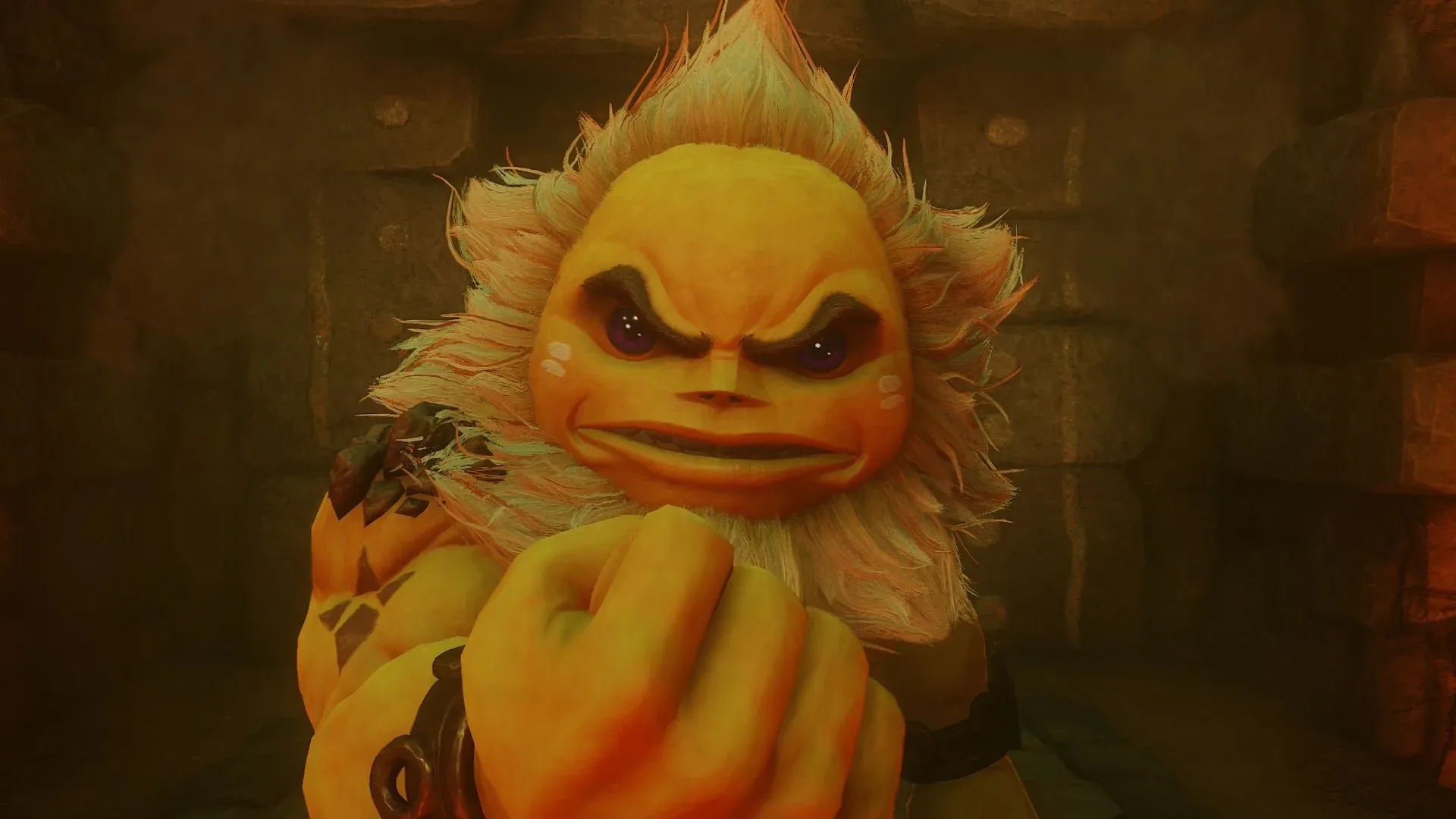
Keisuke Nakashima, producer of Final Fantasy Resonance, has added his voice to the growing developer admiration for The Legend of Zelda: Ocarina of Time’s remake. After completing Nintendo’s newly remade version of the landmark adventure, Nakashima described it as remarkable and, more importantly, as a valuable learning experience for anyone thinking seriously about remakes.
That is a meaningful response from a producer attached to a major 2026 JRPG success. Final Fantasy Resonance has connected with series fans and set the biggest recorded Steam concurrent-player peak for a JRPG. It is not itself positioned as a straight remake, but it does rework elements of the mobile game Final Fantasy: Brave Exvius. That gives Nakashima’s reaction particular relevance: it comes from someone working in a franchise where legacy, adaptation and audience expectations are not abstract design problems.
Nakashima’s comments were shared on social media and circulated through machine translation, so the precise wording should be treated carefully. The broad sentiment is clear, though. He has spent substantial time with the original Nintendo 64 release since it first arrived and considers the new version an exceptional example from which remake teams can learn.
Why the praise matters
A remake is not merely an older game with sharper assets. At its most demanding, it is an act of interpretation. The team must decide what the original game fundamentally is: its atmosphere, structure, controls, pacing, visual identity, emotional beats and relationship with player memory. It then has to make those qualities legible to a contemporary audience without hollowing out the reasons the original endured.
That balancing act is why a respected remake can become a reference point for other creators. Developers are not only looking at whether it attracted players. They are looking for a method: what appears to have been protected, where the project appears to have changed course, and how the finished work handles the unavoidable distance between the hardware and design expectations of different eras.
Nakashima’s description of the game as a lesson does not provide a checklist of specific techniques, and it would be premature to invent one for him. Still, the phrase points to a central truth about revivals: the most useful successes make their creative priorities easy to understand. A remake can be lavish and still feel uncertain about what it is trying to preserve. Conversely, a remake that convincingly communicates its priorities can give other teams a model for navigating similarly high-stakes projects.
The original’s weight makes every decision visible
The Nintendo 64 Ocarina of Time was released in 1998 and has remained one of the medium’s most celebrated games. Remaking a work with that status carries enormous advantages and equally enormous risks. The existing audience knows the world, the rhythms and the iconic moments intimately. New players arrive knowing that the game has a formidable reputation. Neither group is likely to approach the project without expectations.
For that reason, a prominent remake is evaluated on two tracks at once. Returning players ask whether it recognizes the game they remember. Newcomers ask whether it works on its own terms now. Those questions can overlap, but they do not always lead to identical answers. A decision that prioritizes historical fidelity may preserve a beloved characteristic while making an older convention more conspicuous; a decision that modernizes an element may improve clarity for a first-time player while altering the texture veterans associate with the original.
Related coverage includes Final Fantasy Resonance Producer Calls Ocarina of Time a Remake Masterclass.
There is no universal formula that resolves that tension. Every property has different strengths, different technical constraints and a different relationship with its audience. The value of a widely praised remake is therefore less about copying it beat for beat and more about studying the reasoning it appears to express.
Remake, remaster and revival are not interchangeable terms
These labels are often used loosely, but they describe distinct approaches. A remaster generally updates an existing release, potentially improving presentation or compatibility while retaining much of the original underlying game. A remake is a more comprehensive reconstruction, which may revisit the game’s technology, audiovisual presentation or design implementation. A revival is broader still: it can describe any project that brings a dormant game, series or concept back into active use.
The distinctions matter because they shape expectations. Calling something a remake tells players that they should expect more than preservation. It also tells them that changes, if made, need a coherent purpose. Nakashima’s own project illustrates the nuance. Final Fantasy Resonance is not being framed as a conventional remake, yet its relationship to Final Fantasy: Brave Exvius means it still participates in the complicated work of carrying material from one form into another.
A 2026 benchmark in a crowded conversation
The new Ocarina of Time has become one of the year’s most prominent critical successes. It is reported as 2026’s highest-rated game so far, a position it may retain at least until the arrival of Grand Theft Auto VI. That comparison says more about the extraordinary scale of the release calendar than about the games being direct equivalents. One is a revival of a beloved Nintendo adventure; the other is a huge new installment in another of gaming’s defining franchises.
Still, high-profile releases create a shared industry conversation. The attention around game music is another sign of how broad that conversation can become, as seen in the latest video game score nominations. Remakes, too, are not judged only as products for nostalgia. They are increasingly discussed as creative works with their own choices, ambitions and standards.
Nakashima is not alone in highlighting the new Zelda project. Yoko Taro has also spoken about purchasing it because the original was an influence on the Nier series. Take-Two chief executive Strauss Zelnick has called it a terrific achievement that Nintendo should be proud of. These responses come from different corners of the business, but all point toward the same larger outcome: the remake has attracted notice not simply because of the name on the box, but because peers see it as a notable piece of game-making.
What other remake teams can take from the moment
The immediate practical implication is not that every publisher should rush to remake its catalog. A revered original alone does not guarantee that a new version has a clear creative rationale. The better question is whether a team can articulate why this particular game should return in this particular form.
- Identify the original’s core identity. Teams need to understand which qualities players consider inseparable from the experience before deciding what to revise.
- Set expectations honestly. The difference between a remaster, remake and broader revival affects what audiences reasonably expect to receive.
- Consider both audiences. Longtime players and newcomers can value different things, and a successful remake needs to know how it intends to serve each group.
- Give changes a purpose. Alterations are not automatically betrayals, but they should serve a clear goal rather than exist merely to prove that a new version is new.
- Accept that heritage raises the stakes. The more beloved the source material, the more visible every creative choice becomes.
None of those principles guarantee success, and Nakashima did not present them as rules. They are, however, useful ways to understand why his praise carries weight. A project regarded as a masterclass is one that makes a difficult task look thoughtfully solved, even when the task itself remains difficult for everyone else.
Resonance adds a JRPG perspective
Final Fantasy Resonance’s strong Steam performance gives its producer a platform, but the more interesting point is the perspective behind the comments. Long-running series often have to decide how much of their past is a foundation and how much is a constraint. They can revisit characters, systems, worlds or stories, yet each return asks audiences to compare the present with their personal memory of what came before.
That dynamic is especially relevant when material has previously existed on mobile platforms. Translating or reworking a mobile title’s elements for a different kind of release is not the same as rebuilding a Nintendo 64 classic, but both situations require judgment about what should carry forward. The goal cannot simply be to transport every detail unchanged. Nor can it be to use a familiar title as a decorative label while discarding the things that gave it meaning.
For Nakashima, the new Ocarina of Time apparently offers a persuasive answer to that creative challenge. His response is ultimately praise for the completed game, but it is also recognition of the discipline behind a successful remake: respect for a classic must become concrete design work, not just a marketing promise.
As more publishers revisit their libraries, that distinction will only become more important. The Zelda remake’s critical standing and the reaction from fellow creators have made it a conspicuous benchmark. Whether future projects match that benchmark will depend less on the age or fame of their source material than on whether their creators can explain, through the game itself, why the old work deserved to live again.