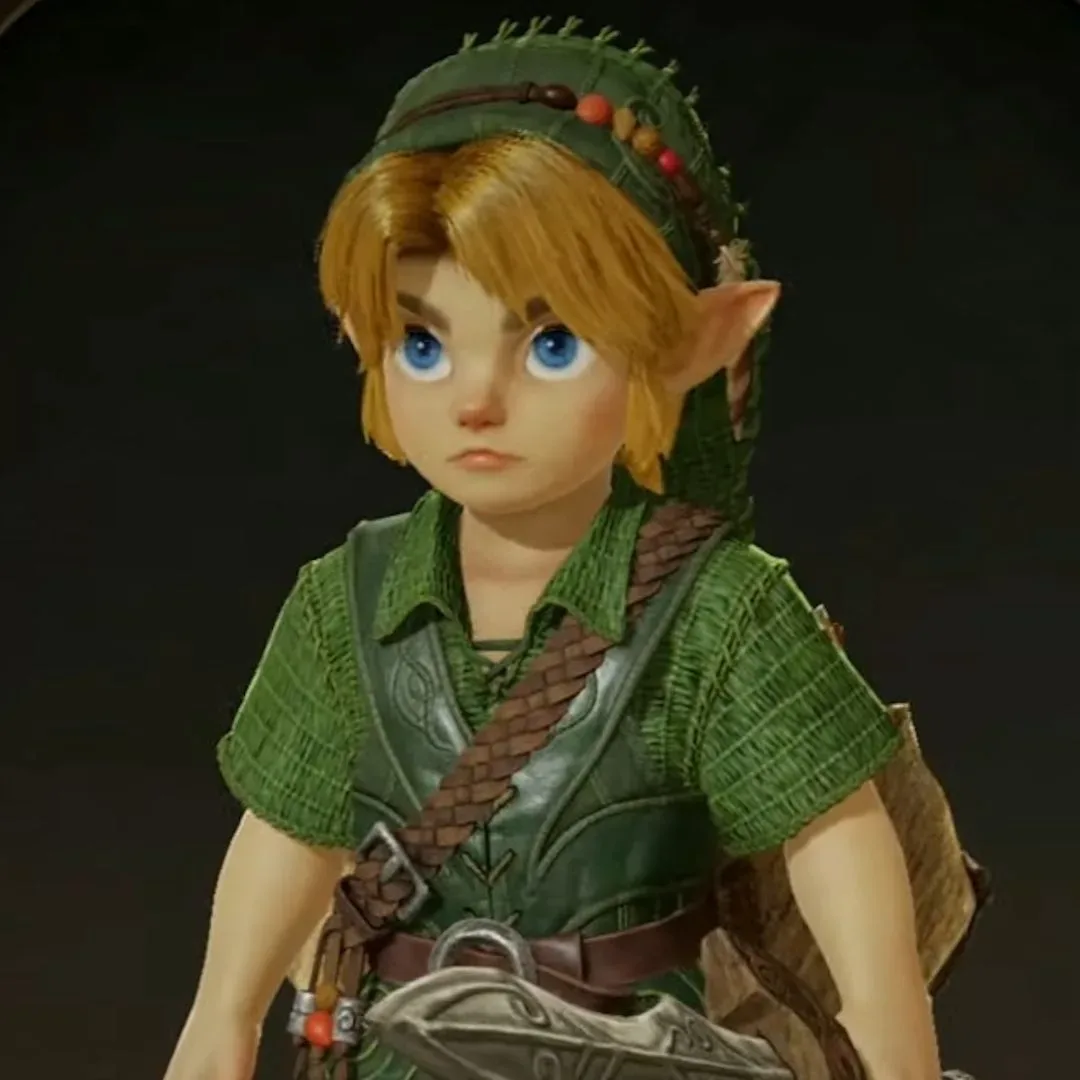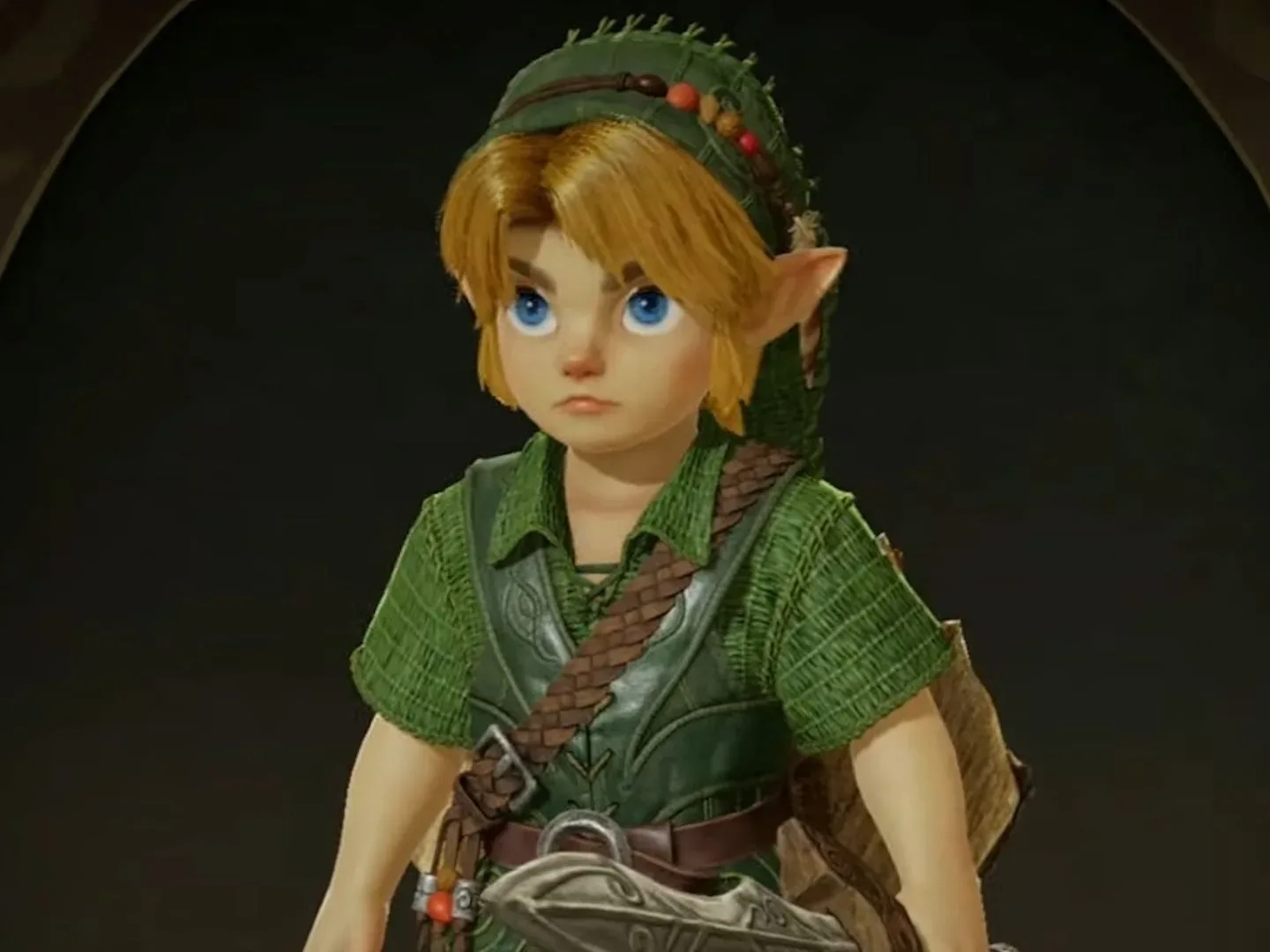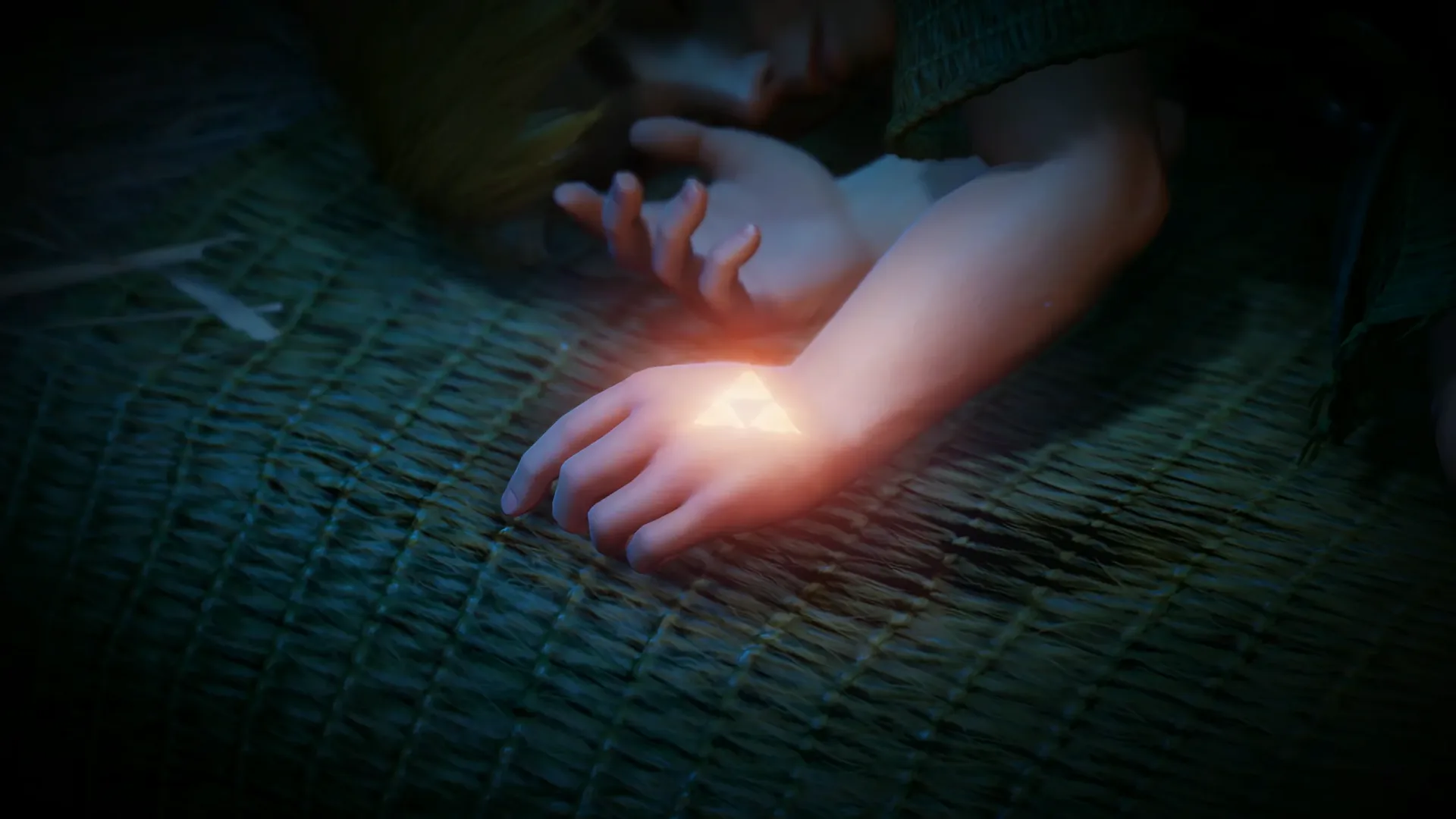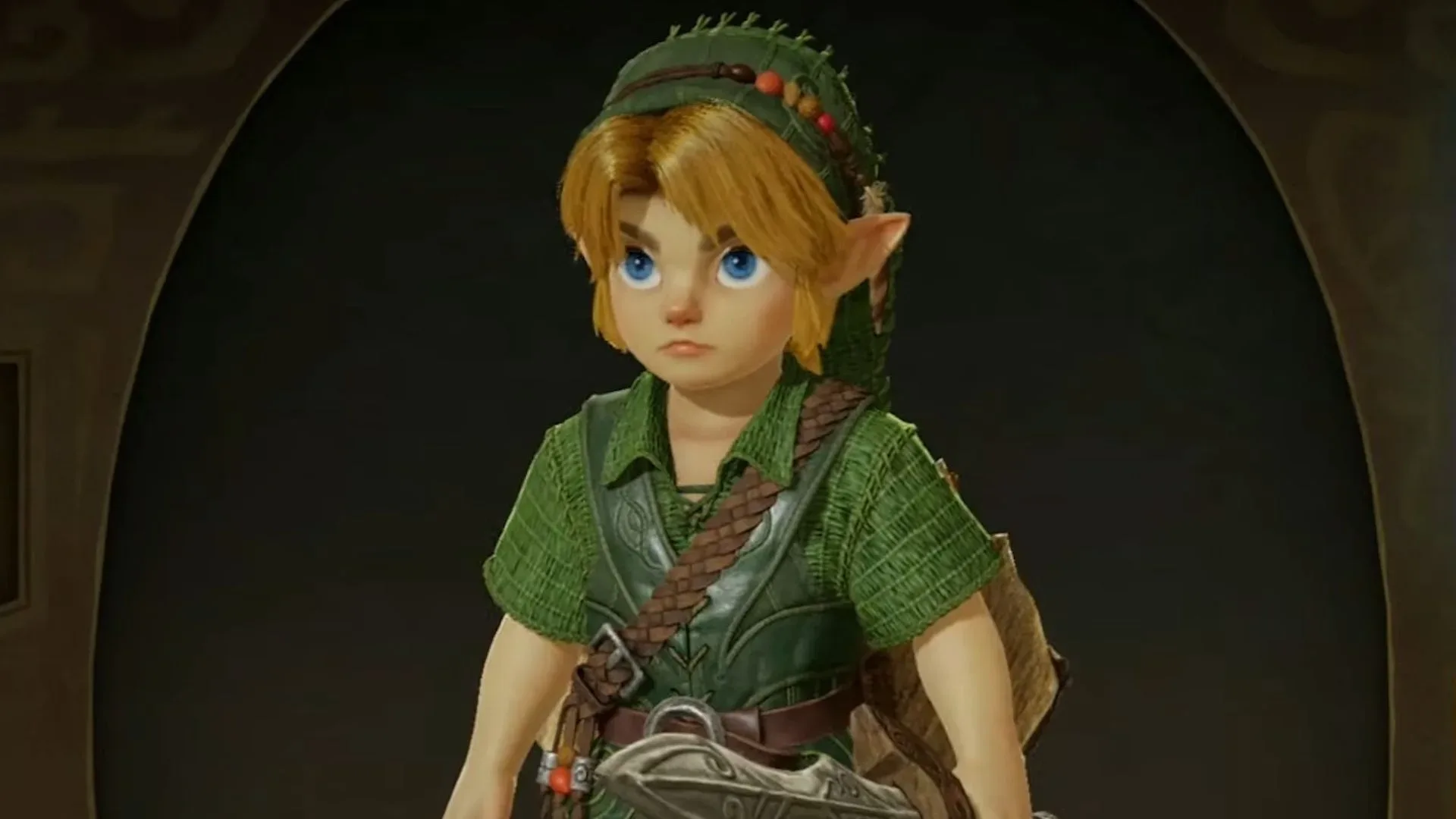
Nintendo has set The Legend of Zelda: Ocarina of Time remake for release on November 5, 2026. The date was revealed during a Zelda-focused Nintendo Direct presentation, putting a new version of the landmark adventure into a November calendar that already has an enormous fixed point: Grand Theft Auto 6, due on November 19.
It is an attention-grabbing pairing even before considering the considerable distance between the two series. One is a return to Hyrule and a game originally synonymous with Nintendo 64; the other is Rockstar’s next open-world crime epic. Their audiences can overlap, but their immediate platform paths do not completely do so: GTA 6 is slated for PlayStation 5 and Xbox Series X, rather than Nintendo Switch 2.
That gives November 2026 a particularly unusual shape. Ocarina of Time arrives first, then GTA 6 follows exactly two weeks later. For players trying to make time for both, it is less a neat release schedule than an ambitious request to temporarily stop sleeping.
A major return for a Nintendo classic
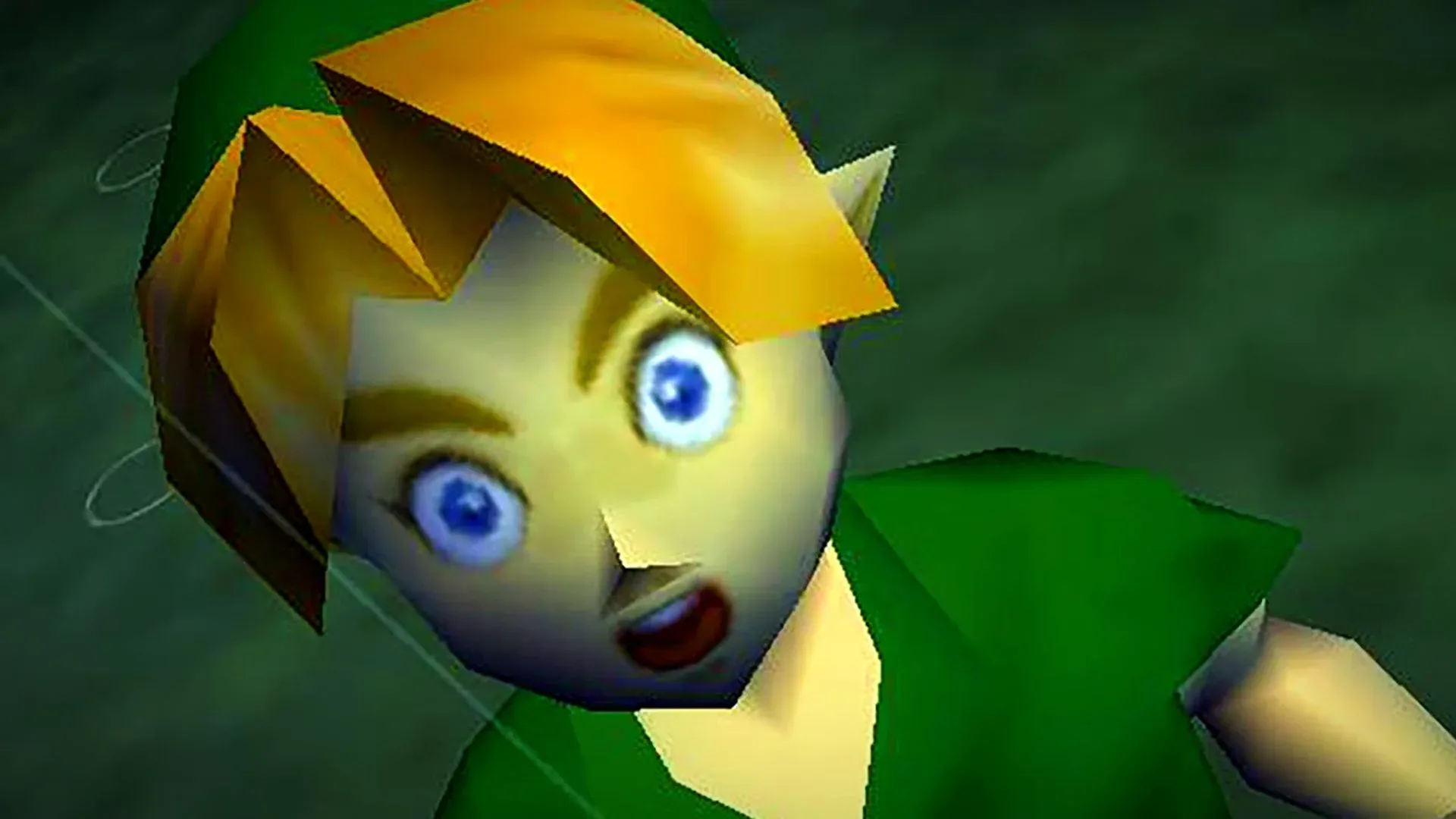
Ocarina of Time holds a special place in the history of games, and the word remake makes this November date significant beyond ordinary release-calendar maneuvering. The original Nintendo 64 release is a reference point for 3D action-adventure design, remembered for its journey between childhood and adulthood, its dungeon structure, its targeting system, and the way its version of Hyrule connected exploration with story progression.
That reputation also creates unusually high expectations for any modern revisit. A remake is not merely a chance for longtime players to replay a favorite with a new coat of paint. It invites questions about how a foundational game should be presented to people encountering it for the first time, and how much of its original identity should remain untouched. The November 5 date establishes when those questions will become practical ones for players, rather than just material for wish lists and memory-fueled debates.
The announcement supplies a release date, but it should not be treated as an answer to every remaining question about the remake. Details beyond the dated release have not been established here. As with any major Nintendo revival, specifics around the exact form of the remake and its broader presentation matter greatly, but the immediate certainty is the calendar: November 5.
Readers following earlier store-related chatter can also see our coverage of an Ocarina of Time Switch 2 remake listing that raised price questions. A listing is not a substitute for confirmed release information, however, and the newly announced date is the clearest part of the current picture.
Why November suddenly looks so strange
November is normally a major release window. It sits close enough to the holiday shopping period to matter enormously, and publishers often want their biggest games visible when gift buying begins. Yet GTA 6 has turned this particular November into an especially conspicuous piece of scheduling real estate.
Related coverage includes The Legend of Zelda: Ocarina of Time Remake Set for November 5, Landing Ahead of GTA 6.
The game’s November 19 date has helped prompt other games to move away from the month, with October becoming unusually crowded as a result. That makes Nintendo’s November 5 choice stand out. Rather than following the retreat and avoiding Rockstar’s gravitational pull altogether, Nintendo has put one of its most recognizable names in the same month.
There is a sensible distinction to make between sharing a month and launching on the same day. Ocarina of Time remake has a two-week lead before GTA 6 arrives. Two weeks is enough time for an audience focused on Nintendo’s adventure to start exploring it before another massive release takes over a large part of the wider conversation. It is not an infinite runway, of course. In a season packed with games and holiday demands, players routinely carry unfinished adventures from one launch into the next.
Still, the separation matters. The November 5 release is not positioned as a direct day-and-date collision with GTA 6. It is a deliberate early-month arrival, followed by a November 19 release that will likely dominate discussion across PlayStation 5 and Xbox Series X communities. The result is less a head-to-head contest than a month with two giant landmarks planted close together.
Different platforms, different shopping decisions
The platform divide is one reason this scheduling situation is more complicated than it first appears. GTA 6 is coming to PS5 and Xbox Series X, and not Nintendo Switch 2. Someone whose current gaming setup is centered on Nintendo hardware is not choosing between two versions of the same kind of purchase in a simple way. They may have no direct access to GTA 6 at all, while still being fully invested in Ocarina of Time remake.
Conversely, players with multiple platforms may face a very familiar modern release-season problem: deciding what to play first, what to buy immediately, and what to leave waiting in the backlog. That is especially true when one game has the scale associated with Grand Theft Auto and the other has the legacy and likely replay appeal of Ocarina of Time.
The audiences are not identical, either. Zelda has always attracted players who value action, puzzles, exploration, dungeons, and an iconic fantasy setting. Grand Theft Auto has its own sprawling cultural reach and open-world appeal. The overlap is real because both are major games, but it should not obscure the fact that their experiences, tones, and hardware availability differ substantially.
The significance of a dated Zelda event
Nintendo chose a Zelda-specific Direct setting to disclose the November 5 release date, an appropriate venue for an announcement tied to one of the company’s defining series. In the increasingly crowded game-news landscape, a clear date can be just as important as a reveal itself. It gives fans a point around which to plan, gives the autumn calendar a new anchor, and shifts conversation from whether the project will arrive to how close it now is.
For the broader Nintendo audience, the timing also puts renewed attention on a game from the Nintendo 64 era. Ocarina of Time is frequently discussed as a historical touchstone, but a remake makes it newly current. That can mean longtime fans revisiting locations and moments they know intimately, while newer players approach Link’s journey without the same attachment to its original hardware and era.
It is also a reminder that the holiday period is not solely built around brand-new properties. A remake of a classic can be one of the season’s most notable releases precisely because its history is part of its appeal. The challenge and attraction lie in balancing familiarity with whatever changes define the new edition—subjects that remain more important to assess when additional confirmed information is available.
What the calendar now tells us
The confirmed dates are straightforward:
- November 5, 2026: The Legend of Zelda: Ocarina of Time remake.
- November 19, 2026: Grand Theft Auto 6.
Between them is a 14-day gap, but the cultural gap may be much smaller. Both names carry decades of recognition. Both can command attention well beyond their core fans. And both arrive as the industry moves into a holiday period that has already seen release dates reshuffled around Rockstar’s game.
For now, Nintendo’s move makes November feel less empty than the recent flight toward October might have suggested. It is a month where players on different platforms may be preparing for completely different marquee releases, while multi-platform households may be bracing for a packed two-week stretch.
The essential news is firm: The Legend of Zelda: Ocarina of Time remake is scheduled for November 5, 2026. With GTA 6 following on November 19, the final weeks of autumn have acquired an exceptionally high-profile double feature—one built around Hyrule’s past and another around one of the industry’s biggest forthcoming events.