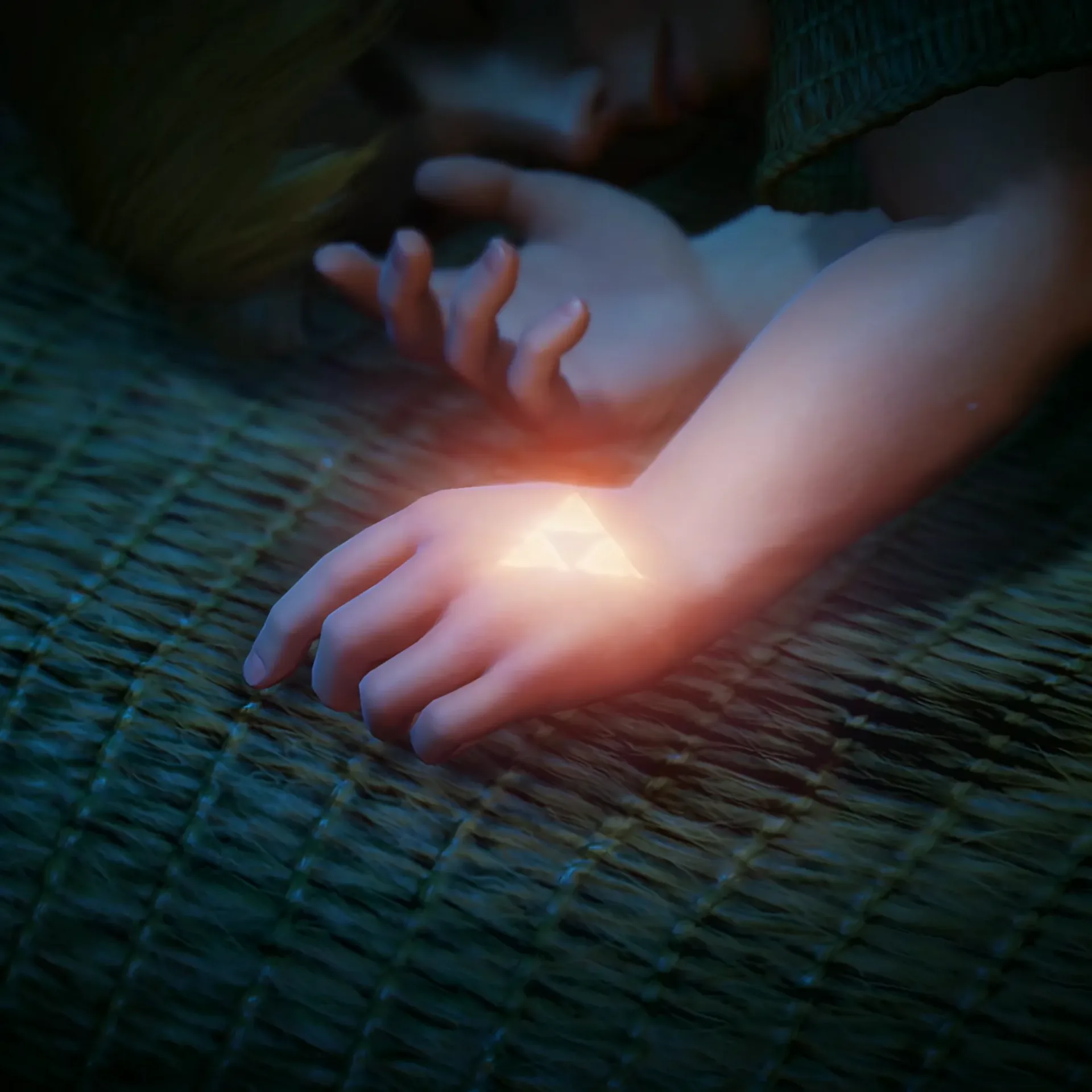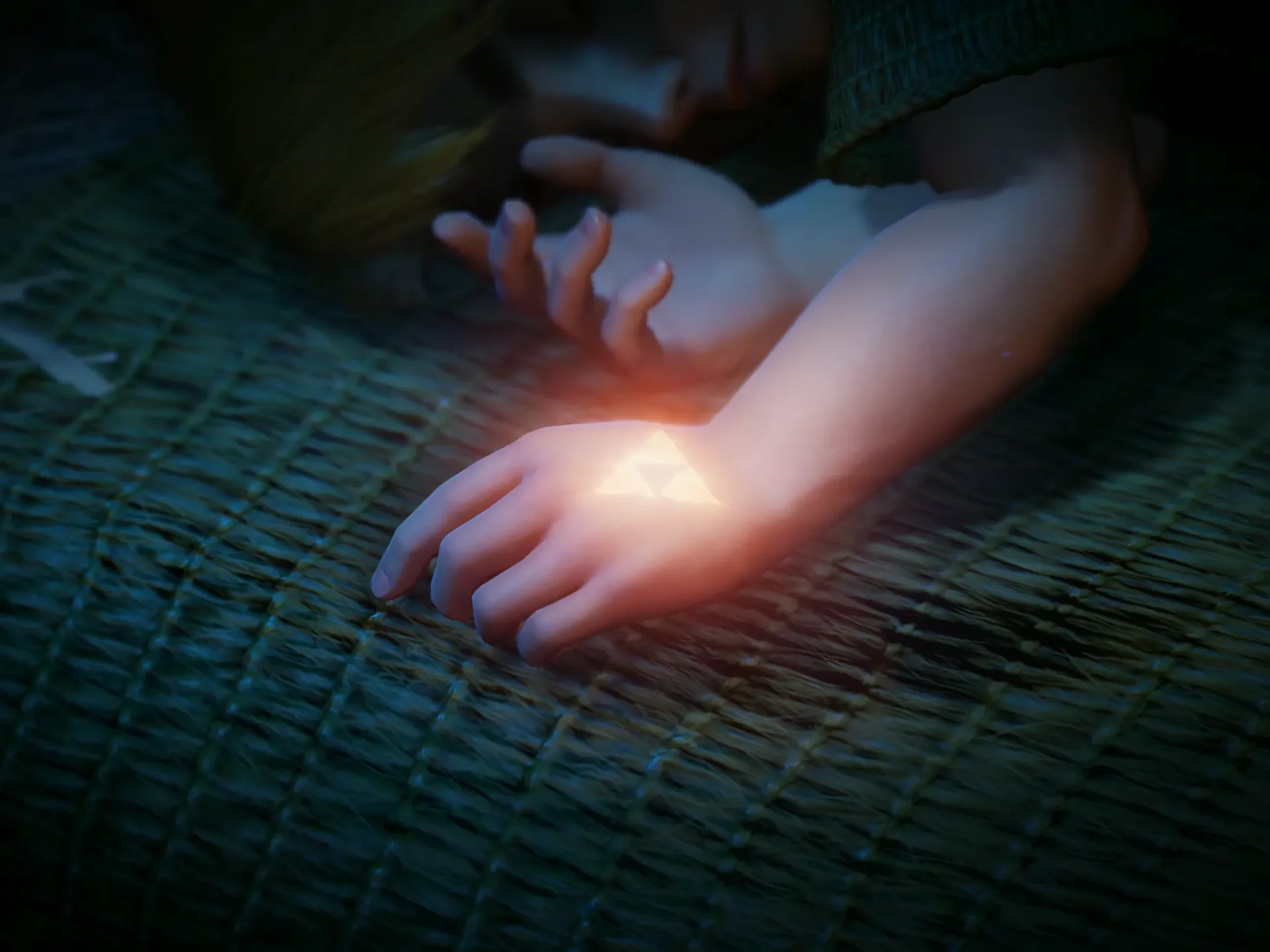
Nintendo has put two major presentation dates on the calendar for next week, and the arrangement is unusually generous: a dedicated 30-minute broadcast for The Legend of Zelda’s 40th anniversary, followed the next day by a wider Nintendo Direct and an extended Treehouse Live showcase.
The Zelda anniversary Nintendo Direct is scheduled for September 8, 2026, beginning at 7 a.m. PT, 10 a.m. ET, and 3 p.m. BST. Nintendo has set its running time at 30 minutes. A standard Nintendo Direct follows on September 9 at the same times and is expected to last 45 minutes. Once that presentation ends, Nintendo Treehouse Live will continue with 110 minutes focused on games shown during the Direct.
That is a substantial amount of Nintendo broadcast time packed into two mornings. More importantly, the separate Zelda event means the series will not merely receive an anniversary montage squeezed between trailers and a cheerful reminder that calendars exist. It gets a program all to itself, which should give Nintendo room to explain what its 40th-year plans actually look like.
A Zelda event with room for more than a sizzle reel
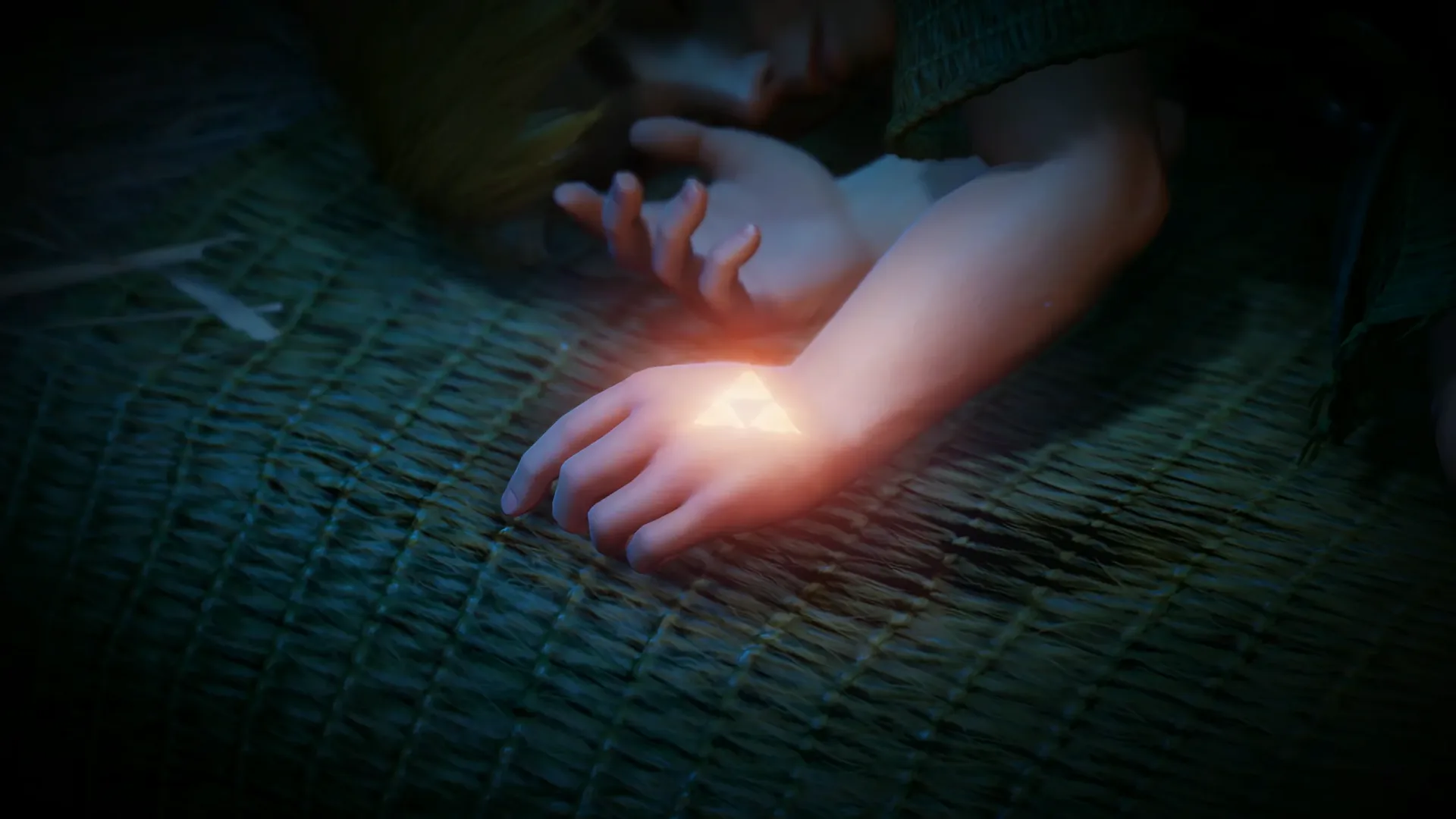
The most obvious candidate for the centerpiece is The Legend of Zelda: Ocarina of Time remake, which is expected this year. Nintendo has not detailed the lineup for the anniversary presentation in the announced schedule, so the exact contents remain unconfirmed. Still, a 30-minute dedicated Zelda Direct would be a very natural setting for an extended look at a remake of one of the series’ most enduring games.
Ocarina of Time is also an especially fitting game to place at the center of a retrospective-minded event. Its original Nintendo 64 release remains a defining moment for 3D adventure design, and a remake would invite the unavoidable questions: how closely will it follow the original structure, what visual direction will it take, and whether its dungeons, pacing, interface, and famously time-traveling world have been reworked for a modern audience.
Those are questions for Nintendo to answer, not for the rumor furnace to answer while wearing a trench coat made of screenshots. At present, fans should treat any assumptions about specific gameplay systems, platforms, release timing beyond this year, or the identity of the development team as speculation unless Nintendo addresses them directly.
There is also understandable interest in whether older Zelda releases could return. Ports of The Wind Waker HD and Twilight Princess HD are frequent wish-list occupants whenever Nintendo prepares a Zelda presentation. Neither has been confirmed for this event. The anniversary Direct may focus entirely on the Ocarina remake, or it may make space for broader celebrations, past games, merchandise, music, or future projects. Thirty minutes is long enough for surprises, but it is not a binding contract requiring every fan’s personal backlog to become available by lunchtime.
The Zelda movie is another possibility, not a promise
One other item that may be on viewers’ minds is The Legend of Zelda Movie, which is due next May. Last year’s anniversary programming included the first look at The Super Mario Galaxy Movie, so there is a reasonable precedent for Nintendo using a major franchise celebration to acknowledge its film plans.
That precedent does not confirm a trailer, casting news, footage, or even a brief logo sting for the Zelda film. A game-focused presentation can stay game-focused, and a movie’s promotional schedule may operate on its own timetable. But the proximity of the anniversary broadcast and the movie’s planned release has made it one of the more plausible possibilities to watch for.
If Nintendo does mention the film, it could be a small part of the presentation rather than its main attraction. The dedicated event’s clearest purpose is celebrating Zelda as a game series, and the scheduled Ocarina of Time remake gives it a major video game topic already. In other words: keep expectations packed in a sensible travel case, not launched from a cannon.
September 9 is the broader Nintendo question mark
The following day’s 45-minute Nintendo Direct is a separate, general presentation. Nintendo has not provided a game-by-game rundown in the scheduling information, which makes this the more open-ended of the two broadcasts. A regular Direct can cover first-party titles, partner games, updates, downloadable content, smaller projects, release-date reminders, and the occasional announcement designed to turn group chats into a sequence of keyboard-smash noises.
Rumors have circulated around a possible new Metroid game, while a person previously associated with the Ocarina of Time remake leak has suggested that a new 3D Mario could be planned for next year. Those reports are not official confirmation of anything appearing on September 9. They are useful mainly as context for why viewers are scanning the horizon with binoculars, a map, and perhaps a suspicious amount of mushroom imagery.
There is a practical benefit to Nintendo splitting the shows, though. A separate Zelda Direct prevents an anniversary segment from taking over the general presentation, while the general Direct can focus on the company’s wider release slate. The result is less competition for time between Hyrule news and everything else Nintendo might want to show.
It also gives each broadcast a different expectation. September 8 is the date for Zelda history, Zelda future, and potentially a closer examination of Ocarina of Time’s return. September 9 is where the larger Nintendo calendar may come into view. Treating them as two distinct shows will make the schedule easier to follow—and may spare people from declaring a 45-minute Direct “disappointing” because it did not also contain thirty extra minutes of Hylian business.
Treehouse Live may supply the useful details
After the September 9 Direct, Nintendo Treehouse Live is slated to run for 110 minutes and feature games that appeared in the presentation. This follow-up matters because a Direct trailer is often built for announcement impact, while a Treehouse segment can offer a clearer sense of how a game actually plays. That does not mean every headline game is guaranteed a lengthy demonstration, but the scheduled format points to more detailed coverage of at least some of the day’s reveals.
For players who prefer menus, mechanics, moment-to-moment action, and developers or presenters explaining systems over rapid-fire teaser editing, the Treehouse portion may be the day’s most informative segment. It is also a helpful reminder that the September 9 event is more than a single 45-minute video: viewers interested in the games themselves will have nearly two additional hours of programming to monitor.
As always, it is wise to distinguish a game appearing in a Direct from a game receiving Treehouse time. Nintendo has confirmed the stream’s broad purpose, but has not named its featured titles in the schedule information. The eventual Direct lineup will establish what games are eligible for that deeper follow-up.
Why the anniversary matters to longtime Nintendo players
A 40th anniversary is an unusual milestone, one big enough to encourage celebration but still close enough to a series’ living history that its older entries are not just museum pieces. Zelda’s long journey includes 2D explorations, Nintendo 64 reinvention, experimental motion-controlled adventures, handheld detours, open-air transformations, and a deep catalog of music, characters, items, and locations that fans can identify from a single sound effect.
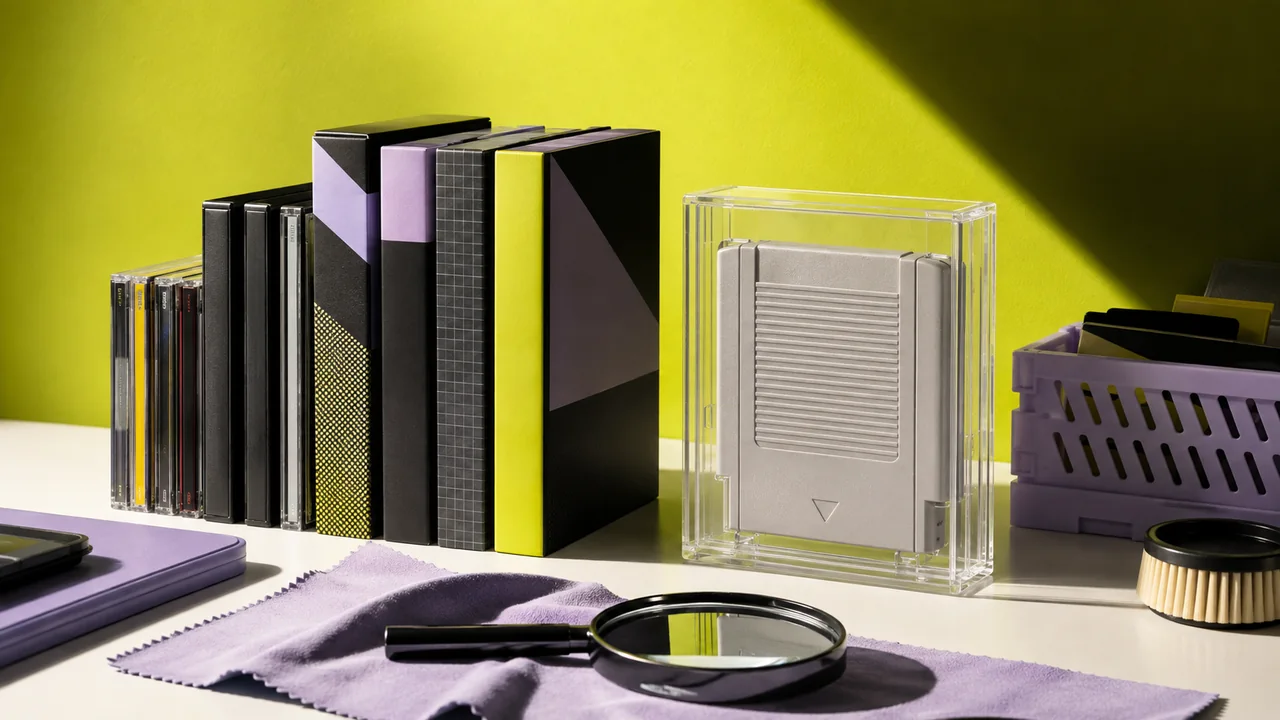
For collectors and players revisiting earlier hardware, this is also a fine excuse to check the condition of the old shelf heroes. If an anniversary broadcast inspires a return to original cartridges or discs, our guide on how to store retro games is a useful starting point for keeping a collection playable rather than merely dusty. Anyone connecting legacy systems to a newer display may also want to consult this retro console HDMI adapter checklist before buying the first converter with a heroic-looking product photo.
There is a social angle, too. Zelda is mostly associated with solitary quests, but Nintendo presentations are rarely watched alone in spirit. They produce watch parties, prediction pools, arguments over whether a three-second clip was a remaster or a new game, and the familiar sound of someone loudly claiming they “called it” after naming every conceivable franchise. For preparation on the multiplayer side of Nintendo life, the unwritten rules of couch multiplayer may not settle Direct predictions, but it can at least keep the controller economy from collapsing.
The schedule to keep handy
- The Legend of Zelda 40th-anniversary Nintendo Direct: September 8, 2026; 7 a.m. PT / 10 a.m. ET / 3 p.m. BST; approximately 30 minutes.
- Nintendo Direct: September 9, 2026; 7 a.m. PT / 10 a.m. ET / 3 p.m. BST; approximately 45 minutes.
- Nintendo Treehouse Live: immediately after the September 9 Direct; 110 minutes; focused on games featured in that show.
The confirmed part is straightforward: Nintendo is devoting a full half-hour to Zelda’s 40th anniversary, then following it with a broad Direct and a lengthy gameplay-oriented stream the next day. The Ocarina of Time remake, Zelda movie material, old HD ports, Metroid, and a future 3D Mario are all areas of interest with different degrees of support—but only the dates, runtimes, and overall show structure are locked in for now.