Home-theater upgrades are often judged by the screen first: bigger panel, deeper blacks, sharper resolution. But a television’s built-in speakers can be the weak link in that equation, especially when a game, film or series is built around positional effects, environmental ambience and dialogue that needs to remain clear during busy scenes.
The Marshall Heston 60 soundbar is currently listed at $550, a reduction from its stated $700 regular price. That is a $150 difference, or roughly 21% off. The price is described as a limited-time offer, so it is sensible to verify the listing and final checkout total before treating the discount as current.
The deal does not require a membership, based on the available information. Readers looking for the original deal coverage can find it here.
What the Heston 60 is offering
The Heston 60 is presented as a 5.1-channel soundbar with Dolby Atmos support. In plain terms, “5.1” describes a surround-oriented arrangement: five main audio channels plus a low-frequency effects channel, commonly associated with bass-heavy material. The available details do not specify every physical driver, external speaker or subwoofer configuration, so buyers should not infer hardware specifics beyond the stated 5.1-channel designation.
Dolby Atmos is an audio format intended to add a height-oriented, three-dimensional element to a soundtrack. Its practical goal is to make effects feel placed around the listener rather than simply emerging from the left or right side of a TV. The experience depends on the source material, room, setup and the way the soundbar processes or projects sound, so Atmos branding is not a guarantee that every title will produce the same sense of space. Still, the support matters for people whose compatible entertainment setup and content use the format.
For gaming and movie nights, that distinction is useful. A soundtrack may contain dialogue at the same moment as crowd noise, music, gunfire or a dramatic score. A soundbar cannot change the mix created by a game or film, but it can offer more room and control than the compact speakers built into many televisions.
Four modes, each aimed at a different listening problem
Marshall lists Movie, Voice, Music and Night modes for the Heston 60. These are presets: alternate sound profiles designed to emphasize different parts of an audio signal. They should be thought of as convenience tools rather than universally better settings. The best choice will vary with the program, room volume and personal preference.
- Movie Mode is intended to give sound effects more impact. That makes it the obvious starting point for action films and spectacle-heavy viewing, where a listener wants effects to feel more pronounced.
- Voice Mode is designed to raise the prominence of dialogue. This can be useful when speech is getting lost beneath music or effects, or when viewers would prefer not to rely on closed captions. It is not a promise that every line will become perfectly audible, since clarity also depends on the original mix and the listening environment.
- Music Mode aims to bring out the separate layers within a track. That makes it the fitting option when the soundbar is being used for music rather than television viewing.
- Night Mode reduces the intensity of louder effects. The purpose is straightforward: keep late-night viewing more considerate for people nearby without turning the entire session into a near-silent one.
Night Mode is arguably the most practical of the group for apartment living and shared homes. Sudden peaks are a major reason viewers reach for the remote during action scenes, while reducing the master volume can also make quieter speech harder to understand. A mode that reins in loud effects is meant to reduce that trade-off.
Placement matters as much as the feature list
The Heston 60 can be wall mounted alongside a wall-mounted television. Its front drivers are angled to support sound performance across positioning choices. That is a meaningful design consideration, because a soundbar’s location affects how directly its output reaches the listening position.
There is no need to turn this into a complicated installation project, but a few common-sense checks follow from the product’s intended use. A buyer should confirm that the bar will fit the available space, that a wall mount will not obstruct the TV or soundbar, and that the television and content setup are appropriate for the features they expect to use. The supplied information does not detail connections, TV compatibility requirements or included mounting hardware, so those points should be confirmed on the product listing before purchase.
People upgrading from TV speakers may notice the benefit most in straightforward ways: dialogue can be easier to prioritize through Voice Mode, effects can have more presence in Movie Mode, and Night Mode can make later sessions less disruptive. Those are functional quality-of-life gains, not merely a change in volume.
A distinctly Marshall-looking soundbar
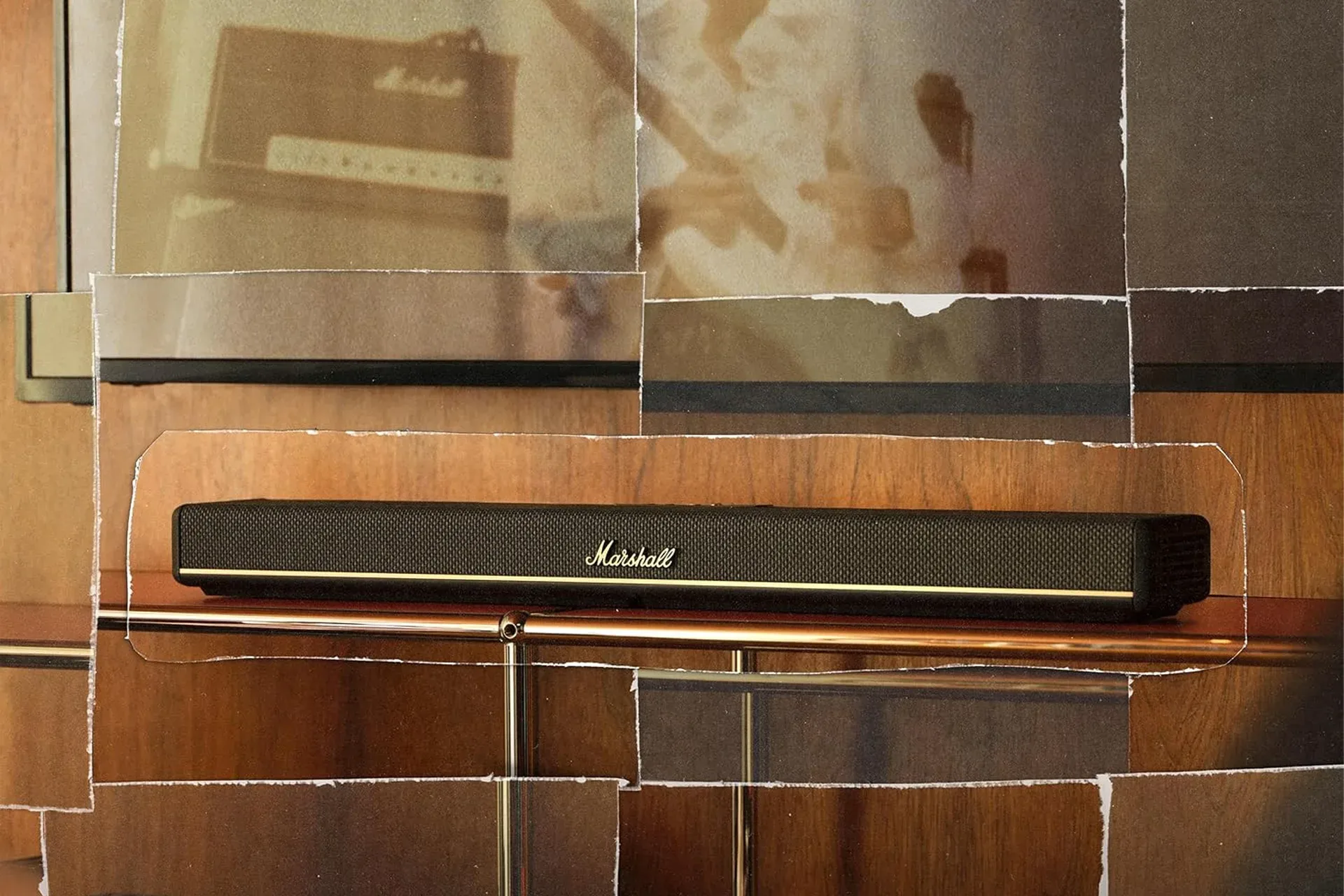
Marshall is also leaning into visual identity rather than treating the Heston 60 as anonymous black home-theater hardware. The soundbar uses styling associated with the brand’s guitar amplifiers, adapted into a wide, low-profile form for a TV setup. That may appeal to buyers who want the equipment beneath the screen to look intentional rather than disappear entirely.
At the same time, the front logo is magnetic and detachable. That small detail provides an option for people who like the overall design but want a cleaner look under the display. Aesthetic preference is subjective, but removable branding is a more flexible answer than asking every buyer to embrace a prominent logo.
How to judge the $550 listing
The most concrete case for this deal is the $150 reduction from the stated $700 price alongside the Heston 60’s Dolby Atmos support, 5.1-channel positioning, sound presets and wall-mount accommodation. It is a potentially appealing package for someone who wants a more deliberate audio setup without focusing solely on a television upgrade.
However, buyers should separate confirmed information from assumptions. The available details support the stated price reduction and feature list; they do not establish how the Heston 60 will perform in every room, with every TV, or with every kind of content. They also do not spell out connectivity, dimensions, included accessories or a precise end time for the offer.
That makes the sensible shopping checklist short: confirm that $550 is still the live price, check the mounting and connection details that matter for the specific TV setup, and consider which mode solves the actual problem at home. Someone struggling with buried dialogue may value Voice Mode most. Someone watching late at night may care more about Night Mode. For a system being built around movies and atmospheric game audio, Dolby Atmos support and Movie Mode are likely to be the attention-grabbers.
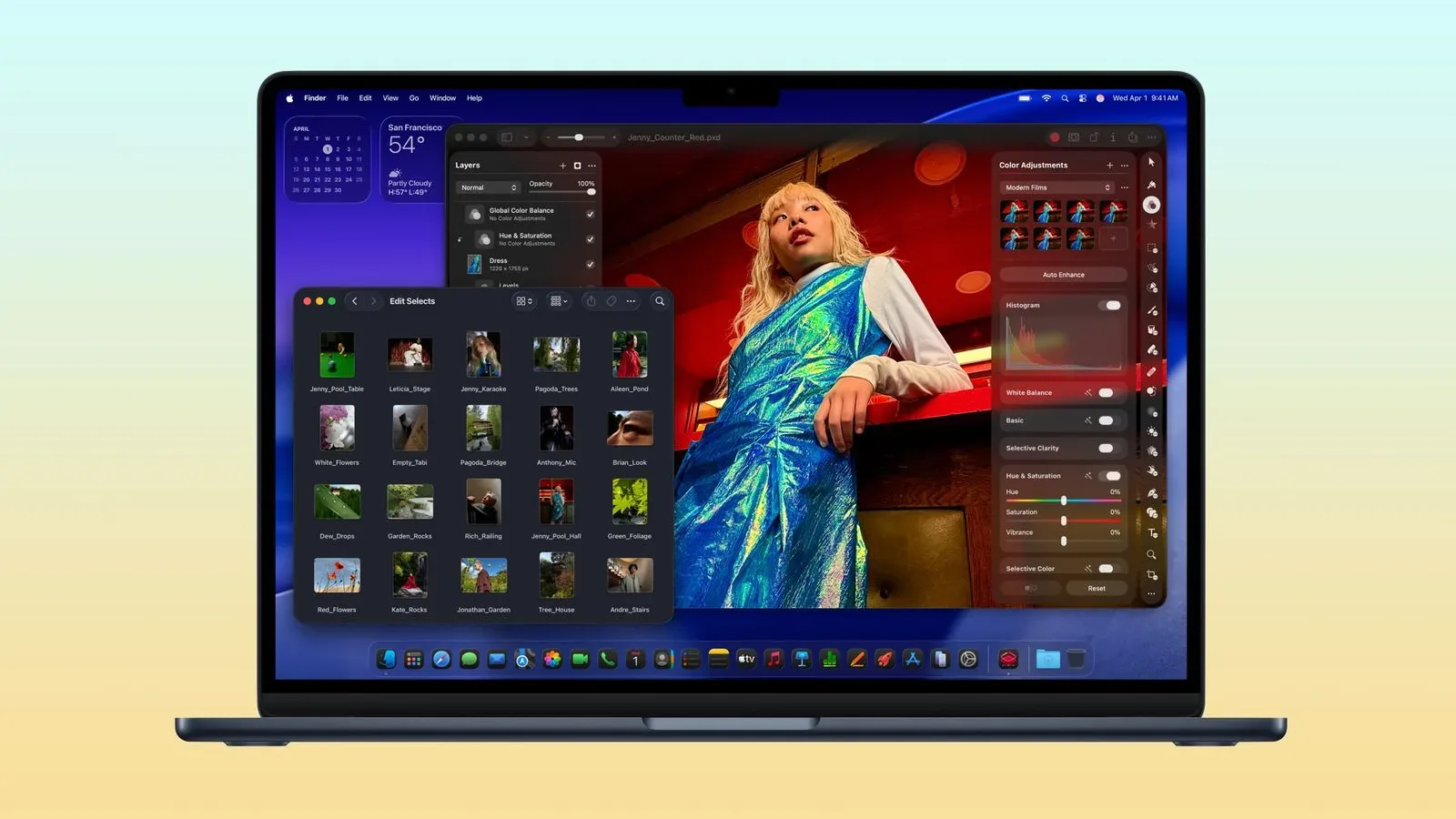
For shoppers considering a larger tech refresh rather than audio alone, Joking Joystick also has separate coverage of discounted M5 MacBook Air models. The Heston 60 listing, meanwhile, is best viewed as a time-sensitive soundbar purchase: its value rests on whether its audio features and Marshall-forward design fit the listener’s room and routine.
Shop the products
Check current price, model and availability at the retailer.