A screen can make a game world look enormous, but weak television audio has a remarkable ability to shrink it right back down. Menu music becomes a thin hum, dialogue gets swallowed by effects, and the big cinematic moment lands with all the force of someone dropping a controller onto a couch cushion. A separate soundbar will not turn every living room into a theater, but it can be a practical next step for players who have already invested in a TV and want the sound to stop feeling like an afterthought.
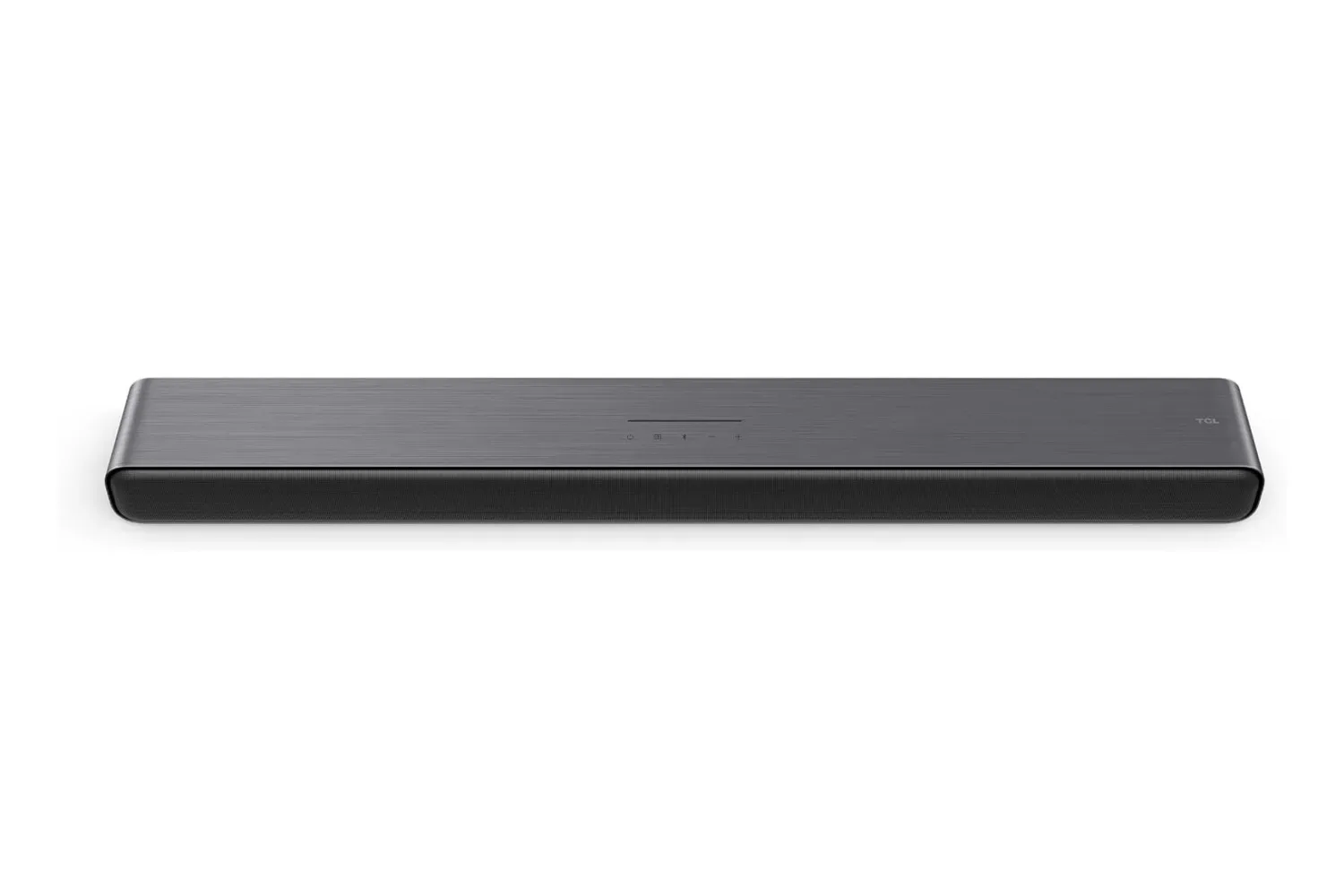
The TCL S45H 2.0 soundbar is currently listed at $80, a reduction of $50 from its stated regular price of $130. That works out to a 38% discount. As with any retailer promotion, the price and duration can change, so the $80 figure should be treated as a current listing rather than a permanent new baseline.
At that price, the appeal is less about promising a full surround-sound installation and more about adding a compact, simpler audio component to a television, console, or desk-adjacent entertainment setup. TCL lists support for Dolby Atmos and DTS Virtual:X, a claimed total output of up to 100 watts, AI Sonic automatic room calibration, HDMI connectivity, and Bluetooth. The box is also said to include the HDMI cable, power cord, remote with batteries, and a wall-mount kit.
A budget sound upgrade for the screen you already own
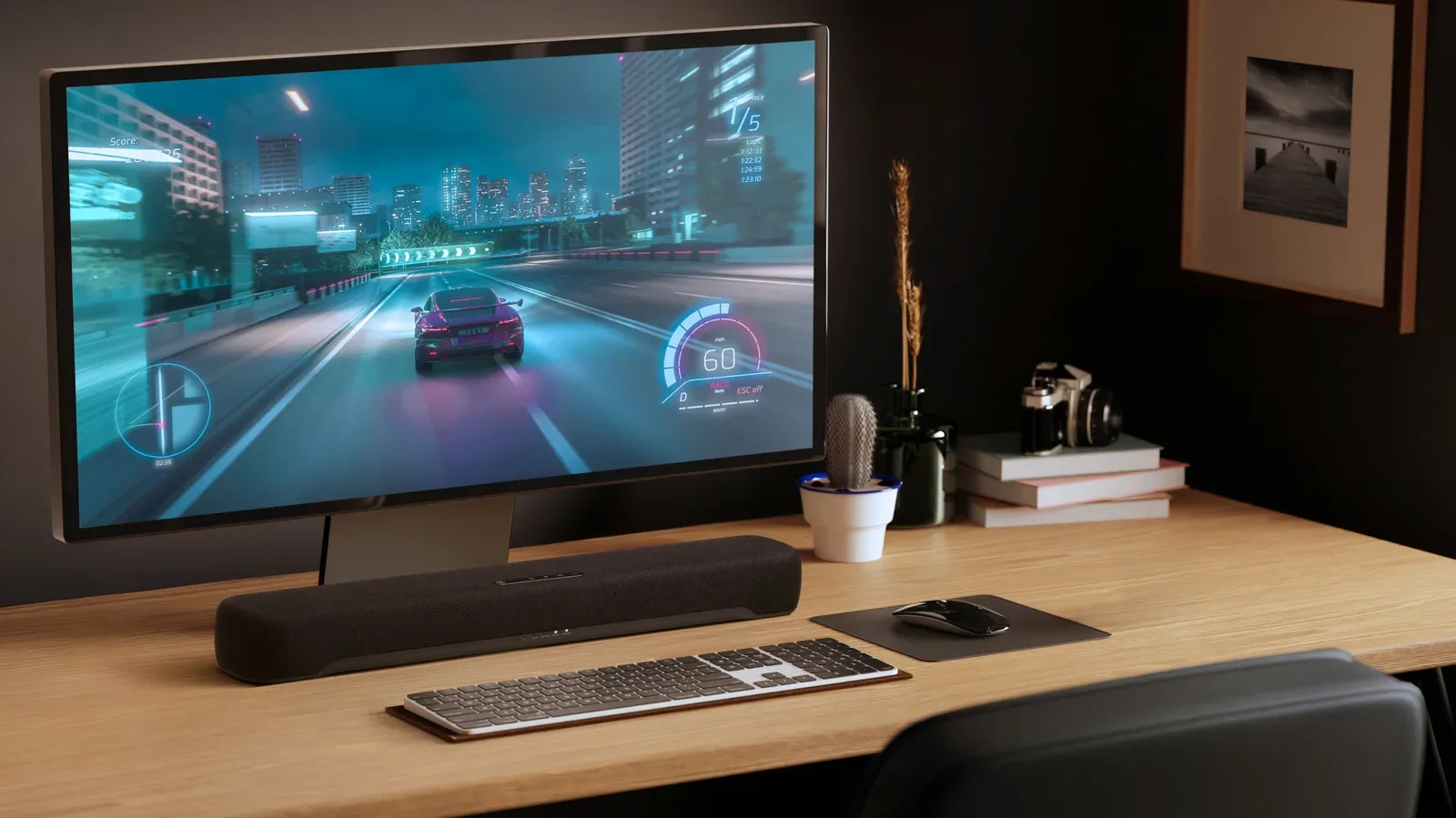
Soundbars occupy a useful middle ground. They generally ask for less space, fewer cables, and less setup time than a receiver-and-speaker package. That matters for people whose gaming station is also the family TV area, a bedroom display, an apartment living room, or a desk that has already lost a territorial dispute with monitors, handhelds, charging docks, and collectible figures.
The S45H is a 2.0-channel model. In straightforward terms, that means it is built around left and right audio channels rather than being a package with a separate subwoofer or rear speakers. Prospective buyers should keep that distinction in mind. Features that process or virtualize spacious sound are not the same as placing physical speakers behind or above the listener. The goal here is a cleaner and potentially broader presentation from a single bar, not a promise of identical results to a larger multi-speaker system.
That does not make the listed feature set irrelevant. Modern games and streamed shows frequently make heavy use of environmental audio: rain outside a shelter, a soundtrack entering during exploration, distant vehicle noise, footsteps, voices in a crowded hub, or effects moving across the screen. Better separation than a TV’s built-in speakers can make those layers easier to follow. Dialogue is another obvious reason to consider an external speaker, particularly for games and films that alternate quickly between quiet conversation and explosive action.
TCL rates the S45H at up to 100 watts of total output. Wattage alone is not a complete shorthand for clarity, bass extension, or performance in every room, so it should not be used as a one-number verdict. Still, the rating indicates that the product is positioned as a meaningful step above the small speakers built into many televisions. Room dimensions, placement, volume preferences, the source material, and TV connection settings will all influence the result.
What Dolby Atmos and DTS Virtual:X mean here
Dolby Atmos and DTS Virtual:X are the headline technologies in the S45H specification list. Both are associated with more dimensional audio presentation, aiming to give compatible soundtracks a greater sense of width, height, and movement. For a game with helicopters overhead, a fantasy battle packed with projectiles, or a film with weather rolling across a scene, that is the kind of experience the formats are designed to support.
There is an important practical caveat: a soundbar’s format support and the audio experience available in a specific setup are related, but they are not interchangeable. The content itself needs an appropriate audio track, the connected hardware must be configured correctly, and the TV or source device needs to pass the intended signal. A player should not assume that every game, every app, and every connection arrangement will produce the same result simply because a format logo appears on the box.
Likewise, the S45H’s compact 2.0 design means its spatial effect is created without dedicated rear or height speakers. Virtual processing can help make audio feel less locked to the center of the television, but the room remains part of the equation. Furniture, walls, listener position, and the bar’s location can all alter what a virtualized effect feels like. That is not a knock against a lower-cost soundbar; it is simply the boundary between a streamlined single-unit product and a more elaborate home-theater layout.
AI Sonic calibration could matter more than flashy terminology
The more quietly useful feature may be TCL’s AI Sonic auto-room calibration. TCL describes the system as scanning the room and tailoring the audio to the space. Every living room is a tiny boss arena with its own obstacles: hard floors, curtains, shelves, open sides, wall distance, and furniture that refuses to move because it has been there since the previous console generation. Room calibration is intended to account for variables such as these rather than relying entirely on a one-size-fits-all sound profile.
It is sensible to keep expectations grounded. Automatic calibration is a convenience feature, not a substitute for sensible placement or a guarantee that every listener will prefer the resulting tuning. But for someone who does not want to spend an evening manually adjusting settings while a game update waits in the background, it could reduce setup friction.
Connections for TV nights, laptops, and Bluetooth listening
TCL says the S45H can connect to a display with one HDMI cable, and an HDMI cable is included. That is potentially valuable for buyers starting from scratch, since it removes one easy-to-miss extra from the shopping list. Before buying, it remains wise to check the television’s ports and audio-output options, along with the particular console or media device being used. The right connection path can determine which control conveniences and audio formats are available.
Bluetooth adds a second role beyond television sound. The bar can be paired with compatible devices such as smartphones and laptops for music or podcasts. That flexibility may suit a space where the same screen handles console sessions, streaming, schoolwork, and PC gaming. Anyone building or revising a computer-centered setup may also find our look at the trade-offs involved in moving from a MacBook to Windows for PC gaming useful alongside hardware decisions.
Bluetooth convenience does not erase the need to consider the intended use. Wireless audio behavior can vary by device and application, and players especially sensitive to timing should review their connection choices for games where audio cues are crucial. For TV and console use, HDMI is the stated direct connection option; Bluetooth is an additional way to use the soundbar when the television is not the source.
What arrives in the package
The supplied accessories deserve a little attention because they affect the actual cost and effort of installation. TCL lists an HDMI cable, a power cord, a remote control with batteries, and a wall-mount kit in the package. A buyer who wants the bar mounted below a TV may appreciate that the mounting hardware is included, though wall type, fasteners, and safe installation requirements should always be checked before drilling anything into a wall that may be more decorative confidence than structural certainty.
- Soundbar: TCL S45H 2.0
- Listed sale price: $80
- Stated regular price: $130
- Listed discount: 38%, or $50
- Claimed total output: up to 100 watts
- Listed audio features: Dolby Atmos and DTS Virtual:X support
- Listed tuning feature: AI Sonic automatic room calibration
- Connectivity: HDMI and Bluetooth
- Included items: HDMI cable, power cord, remote with batteries, and wall-mount kit
Who should consider the S45H at $80?
The strongest case is for someone who wants a modest, consolidated upgrade over TV speakers without committing to a subwoofer, receiver, or a web of speaker wire. At the listed $80 price, the S45H’s included cable and mounting kit help make it a relatively self-contained option. Its stated compatibility with smart TVs, HDMI connection, and Bluetooth pairing also position it as a flexible component for mixed-use rooms.
It may be less suitable for someone specifically chasing deep low-end impact, true rear-channel placement, or a carefully built home-theater system with separate speakers. Those goals usually point toward different hardware categories and a correspondingly more complicated setup. Buyers should also verify their own TV’s capabilities before treating Dolby Atmos support as an automatic feature of the entire system.
For everyone else, the TCL S45H presents a simple proposition: a 2.0 soundbar with spatial-audio format support, automatic room-calibration claims, and a stated 100-watt output rating, currently listed for $80 rather than $130. The sale may be temporary, but the underlying question is timeless: if your television sounds like it is broadcasting a dragon attack through two alarm-clock speakers, a dedicated soundbar could be the upgrade that finally lets the picture and audio play on the same team.
Shop the products
Check current price, model and availability at the retailer.