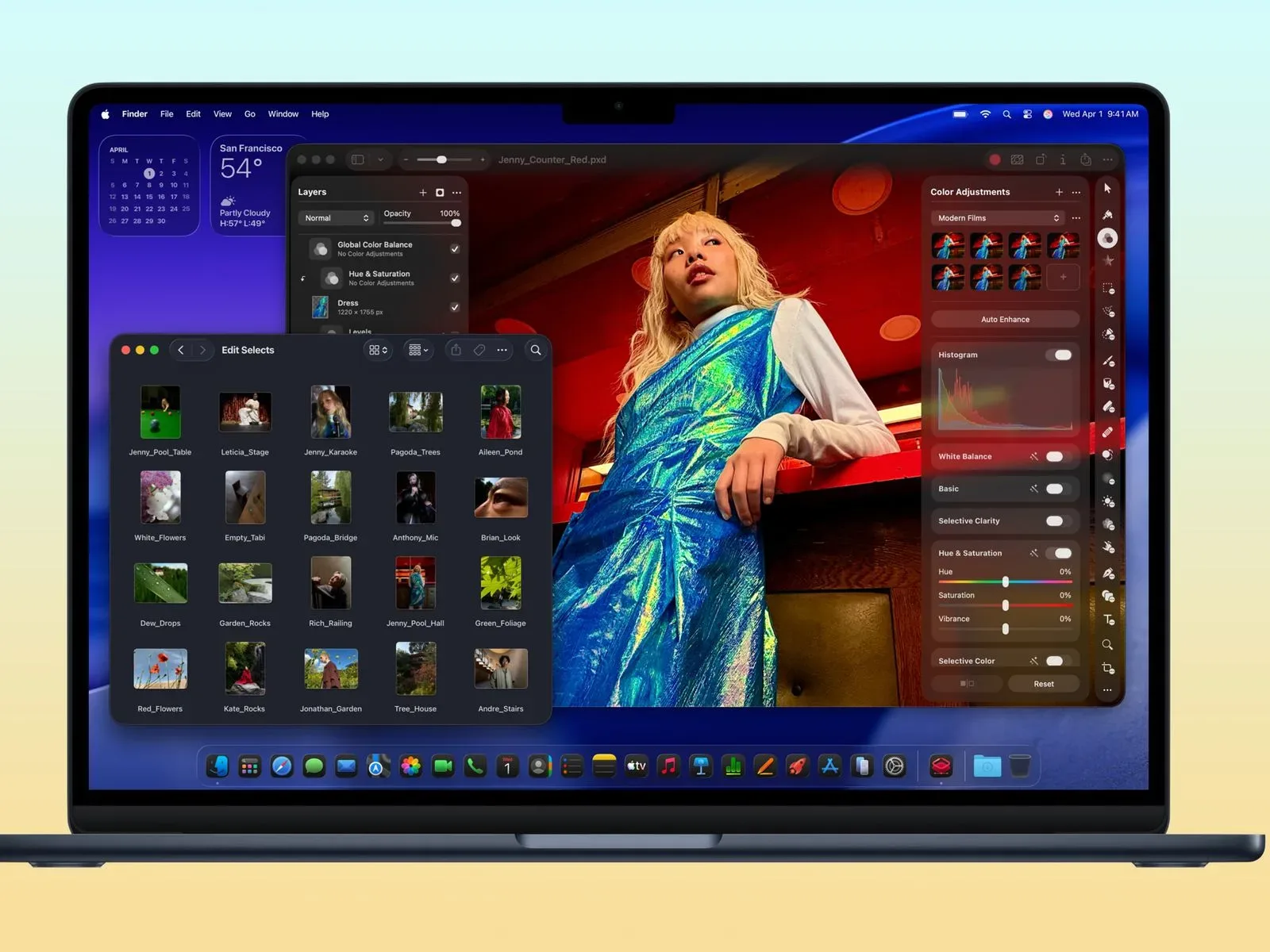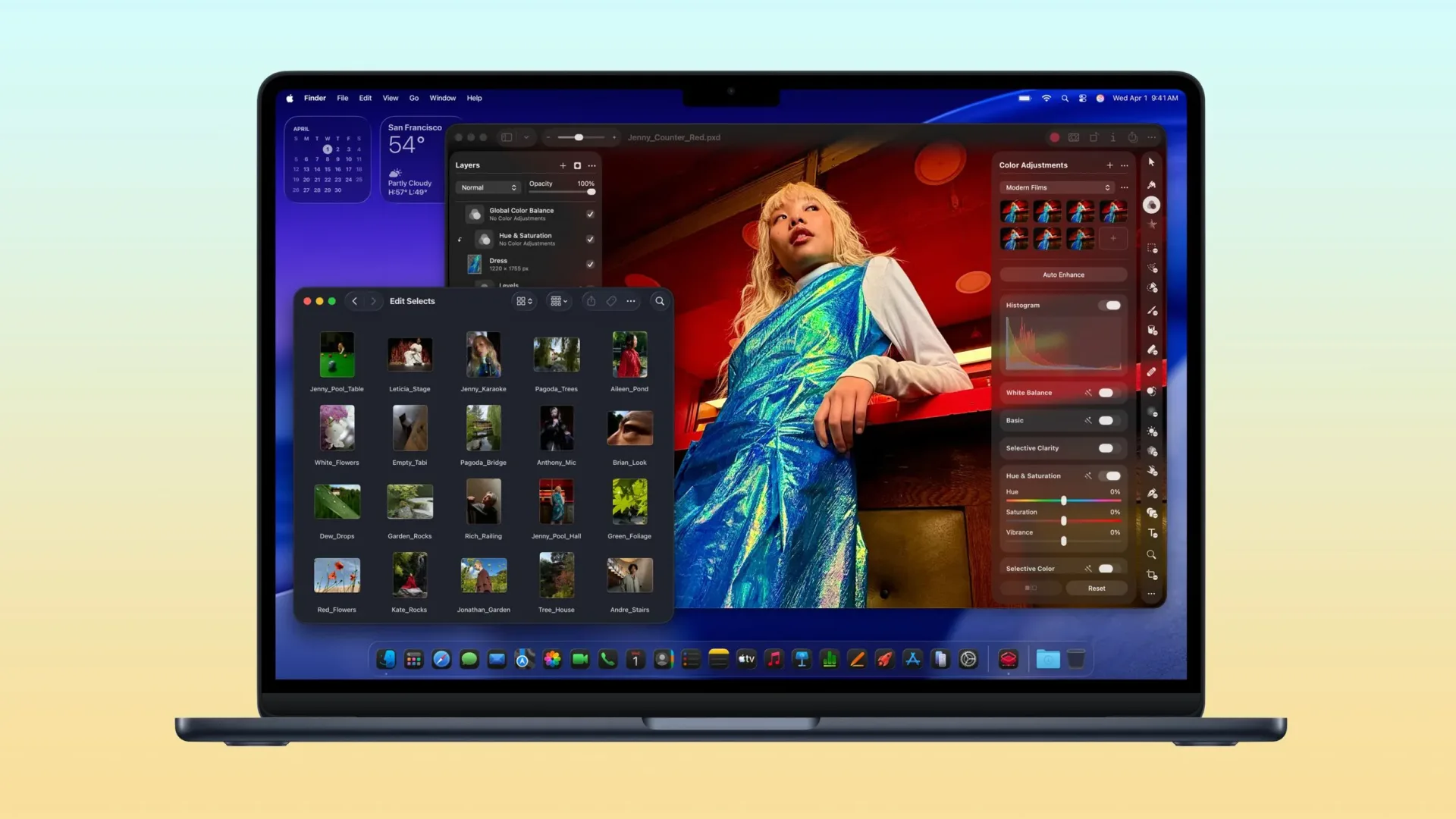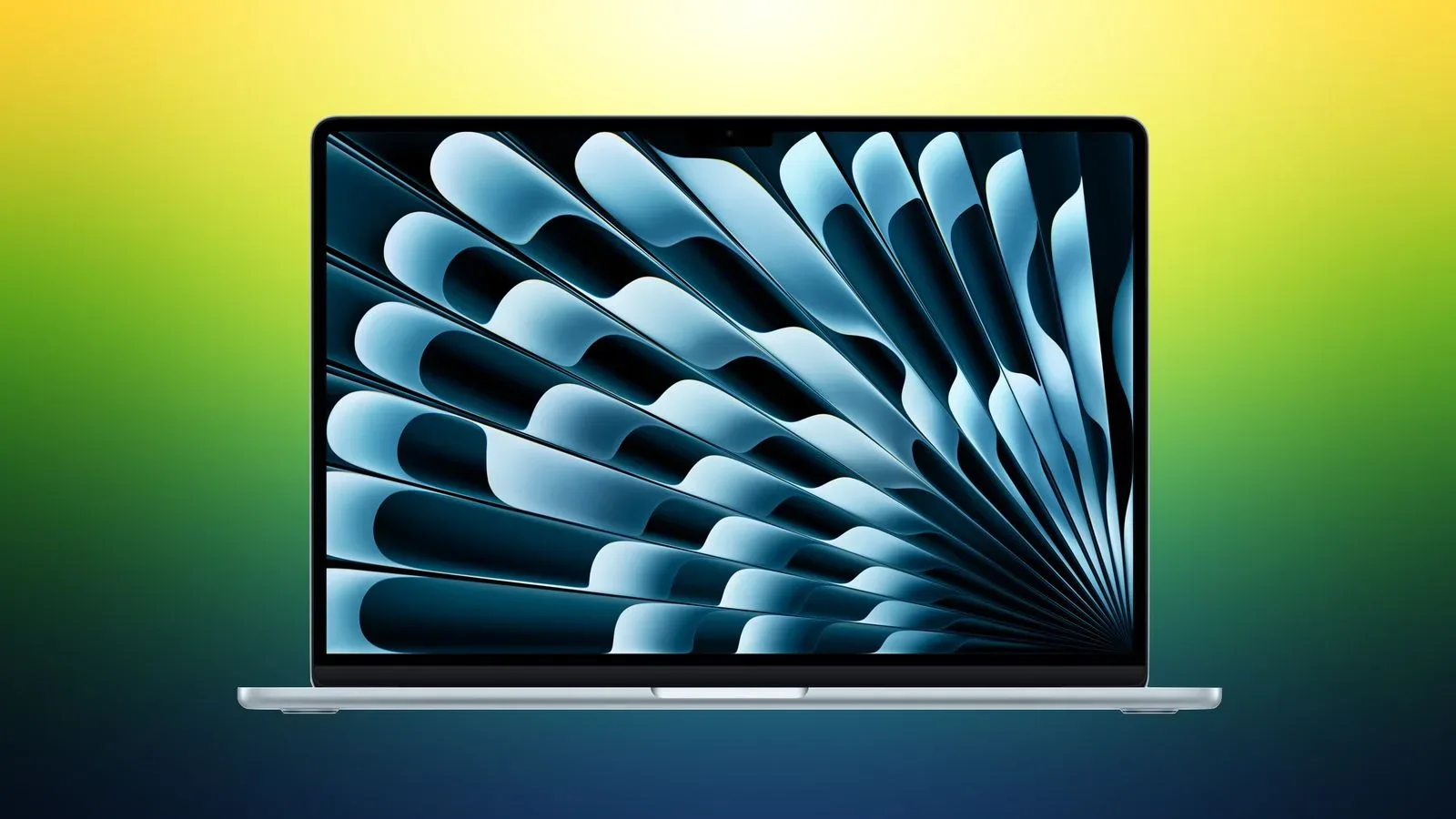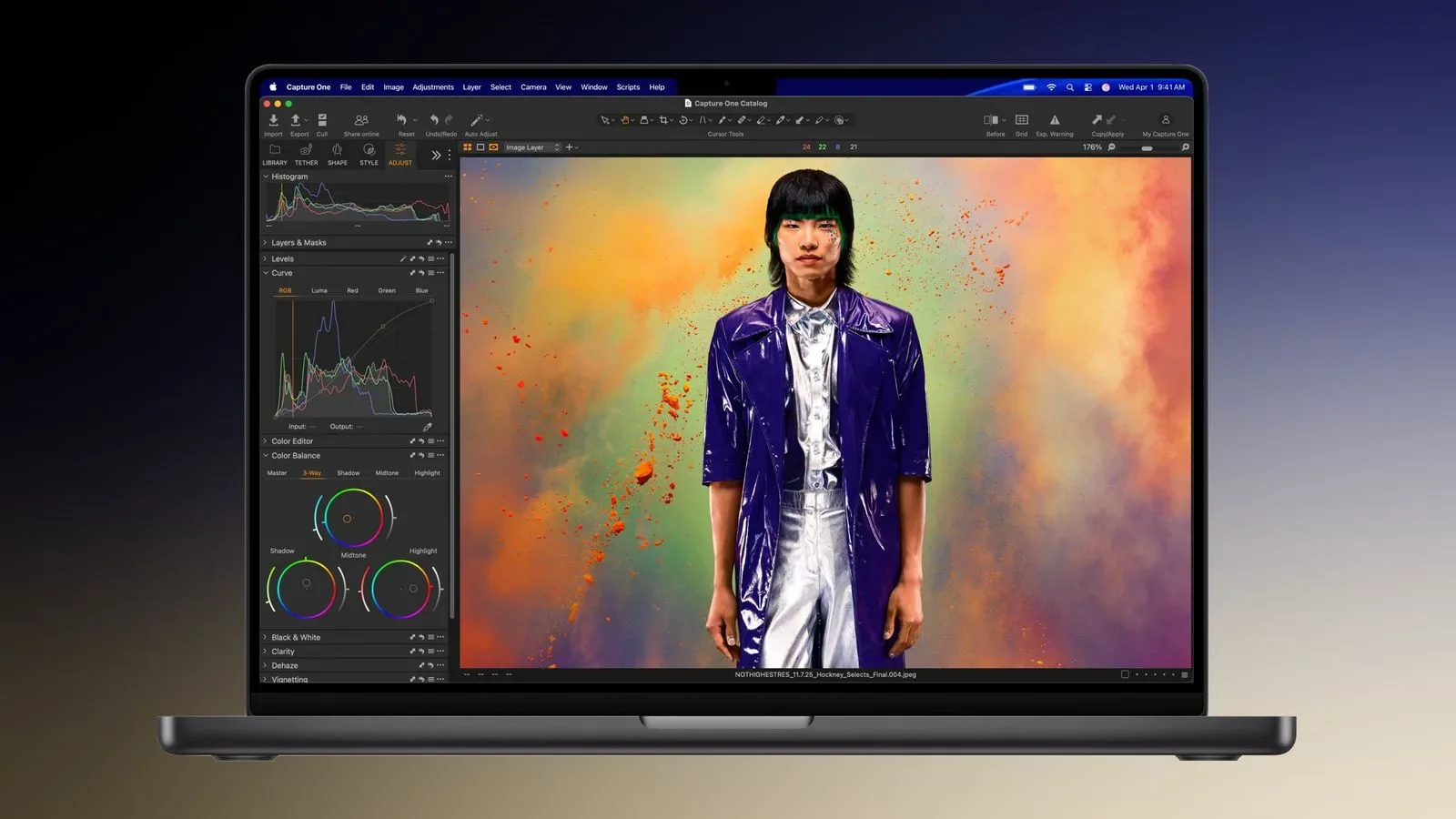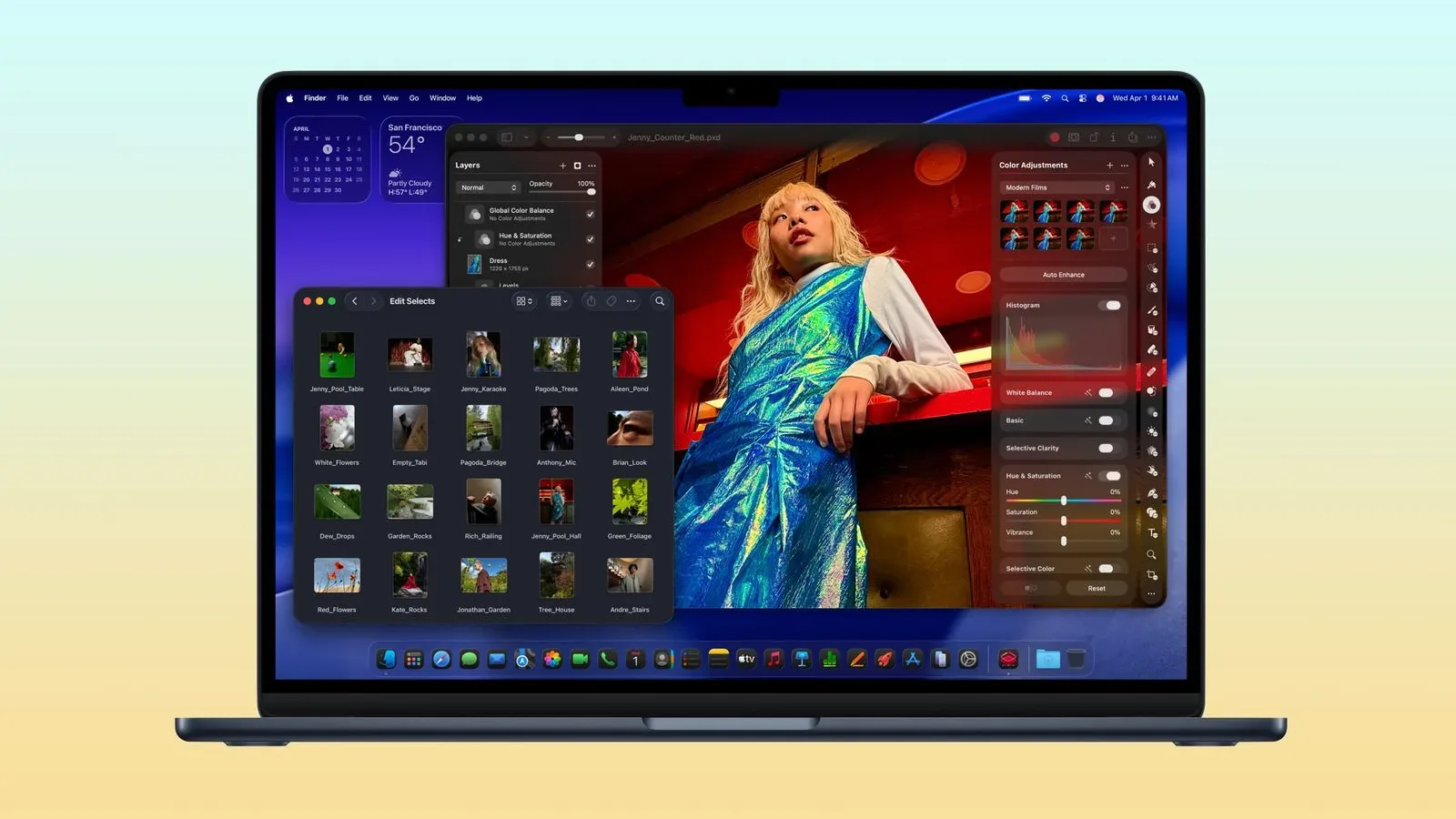
Apple’s M5 MacBook Air has landed in a notable post-sale discount window: reported Amazon pricing cuts $200 from every configuration in the range. The entry point cited for the discounted 13-inch model is $1,099 for 512GB storage, while the 15-inch 512GB configuration begins at $1,299.
For shoppers who were waiting for a meaningful reduction rather than a token discount, the straightforward part of this offer is its consistency. The reported markdown is the same $200 throughout the available M5 MacBook Air lineup, rather than being restricted to one unusually configured model. That makes the decision less about hunting a single deal and more about selecting the screen size and storage capacity that fit the buyer’s work.
The important caveat, as ever with retailer pricing, is that listings and inventory can move quickly. Colors may not all be available in every configuration, delivery estimates differ by location and membership status, and the price worth trusting is the one shown at checkout for the exact machine in the cart.
The prices currently in play
The reported pricing establishes a useful baseline for prospective buyers:
- 13-inch M5 MacBook Air, 512GB: $1,099
- 15-inch M5 MacBook Air, 16GB memory and 512GB storage: $1,299, reduced from $1,499
- 15-inch M5 MacBook Air, 16GB memory and 1TB storage: $1,599, reduced from $1,799
The 15-inch figures are particularly clear because both listed specifications include 16GB of memory. In plain terms, memory, also called RAM, is the fast workspace a computer uses while applications and files are actively open. Storage is the longer-term capacity used for the operating system, apps, games, projects and personal files. A 1TB model doubles the included storage capacity of a 512GB model; it does not, by itself, establish that every part of the computer is faster.
That distinction matters when comparing the two 15-inch offers. The jump from $1,299 to $1,599 buys additional storage, and the reported $200 discount remains intact either way. Someone with a large local library of creative files, downloads or game installs may regard the 1TB version as the cleaner choice. A buyer who primarily works from the web, streams media and keeps fewer files on-device may decide the 512GB model provides enough room at the lower cost.
Why a flat $200 cut changes the comparison
A uniform dollar reduction does not make each configuration equally inexpensive in percentage terms, but it does make the arithmetic unusually legible. The $1,499 15-inch 16GB/512GB model falls to $1,299, while the $1,799 16GB/1TB version reaches $1,599. The $300 difference between those two options stays exactly the same after the discount.
Practically, that means the sale does not create a special bargain on the higher-storage 15-inch system relative to the lower-storage version. It simply lowers the cash required to choose either. Buyers should therefore avoid treating the larger capacity as a mandatory upgrade just because it is also on sale. The sensible question remains: will 512GB become restrictive over the life of the laptop?
There is also a more modest but useful implication for screen-size shoppers. The cited starting point for the 13-inch 512GB model is $1,099, while the cited 15-inch 512GB model is $1,299. That is a $200 gap at the stated sale prices. But the provided information does not establish that these models have identical memory specifications, so it would be wrong to frame that difference as paying solely for a bigger display. Compare the complete configuration labels before treating them as like-for-like alternatives.
13-inch or 15-inch: what the listing details actually answer
The deal gives prospective buyers a clear size choice but not a universal winner. The 13-inch machine is the lower-price route into an M5 MacBook Air with 512GB of storage at the reported sale price. The 15-inch line begins $200 higher for the specified 16GB/512GB configuration, then moves to $1,599 at 16GB/1TB.
Size decisions are inherently personal. A larger display can be attractive for side-by-side documents, editing timelines, spreadsheets, programming environments and games that benefit from more screen space. A smaller laptop can be preferable when portability and a lighter bag are the priority. Neither preference can be settled by a discount alone.
For players and hobbyists who use a laptop alongside their gaming setup, storage planning is worth doing before purchasing. Consider the applications and libraries that genuinely need to live locally, as well as the projects that must be available away from a desktop or external drive. Mac users looking for something new to run on their hardware can also keep an eye on a PC and Mac demo for Expendabots, though a game’s individual system requirements should always be checked separately from a laptop deal listing.
How to read the availability language
The reported promotion says nearly every color is in stock, with delivery estimates placing many computers around early the following week. It also indicates that Prime members could receive orders sooner. Neither point is a guarantee for every combination of finish, size and capacity.
Inventory is typically tracked at the individual SKU level. SKU is retail shorthand for the specific item identifier assigned to a distinct configuration. In this case, changing from a 13-inch machine to a 15-inch model, moving from 512GB to 1TB, or selecting another color can mean looking at a different SKU with its own stock count, price and arrival estimate. A headline that says “every model” is useful as a broad starting point, but it cannot replace checking the exact variant.
Before placing an order, shoppers can use a short verification routine:
- Confirm the display size, memory amount and storage amount shown in the configuration details.
- Make sure the $200 reduction is reflected in the current price rather than only in an older listing description.
- Select the preferred color and re-check the price, because availability may change between finishes.
- Review the delivery estimate after entering the destination.
- Check the seller and fulfillment details, plus the retailer’s current return terms, before completing payment.
This is not busywork. A deal’s value is tied to receiving the intended machine, on an acceptable timetable, at the price that prompted the purchase.
What is known, and what buyers should not assume
What is supported by the available listing information is a $200 reduction across M5 MacBook Air storage configurations, the stated starting prices of $1,099 for a 13-inch 512GB model and $1,299 for a 15-inch 512GB model, and the two detailed 15-inch configurations at $1,299 and $1,599. The sale has been described as a low point for these models after the major promotion period, with broad color availability reported.
What is not established here is how long the pricing will remain live, which individual colors are available in every area, or whether a given buyer will receive the earliest estimated delivery. The information also does not provide a complete technical specification sheet for every 13-inch configuration. Those gaps make it wise to treat this as a current buying lead rather than a permanent new price floor.
Still, the deal is unusually easy to evaluate for someone already committed to buying an M5 MacBook Air. The reported figures take $200 off the cost of a 512GB 13-inch model, a 16GB/512GB 15-inch model and a 16GB/1TB 15-inch model. The choice now is less about decoding the sale and more about selecting a configuration that will not feel cramped after the initial excitement of the discount wears off.
Shop the products
Check current price, model and availability at the retailer.