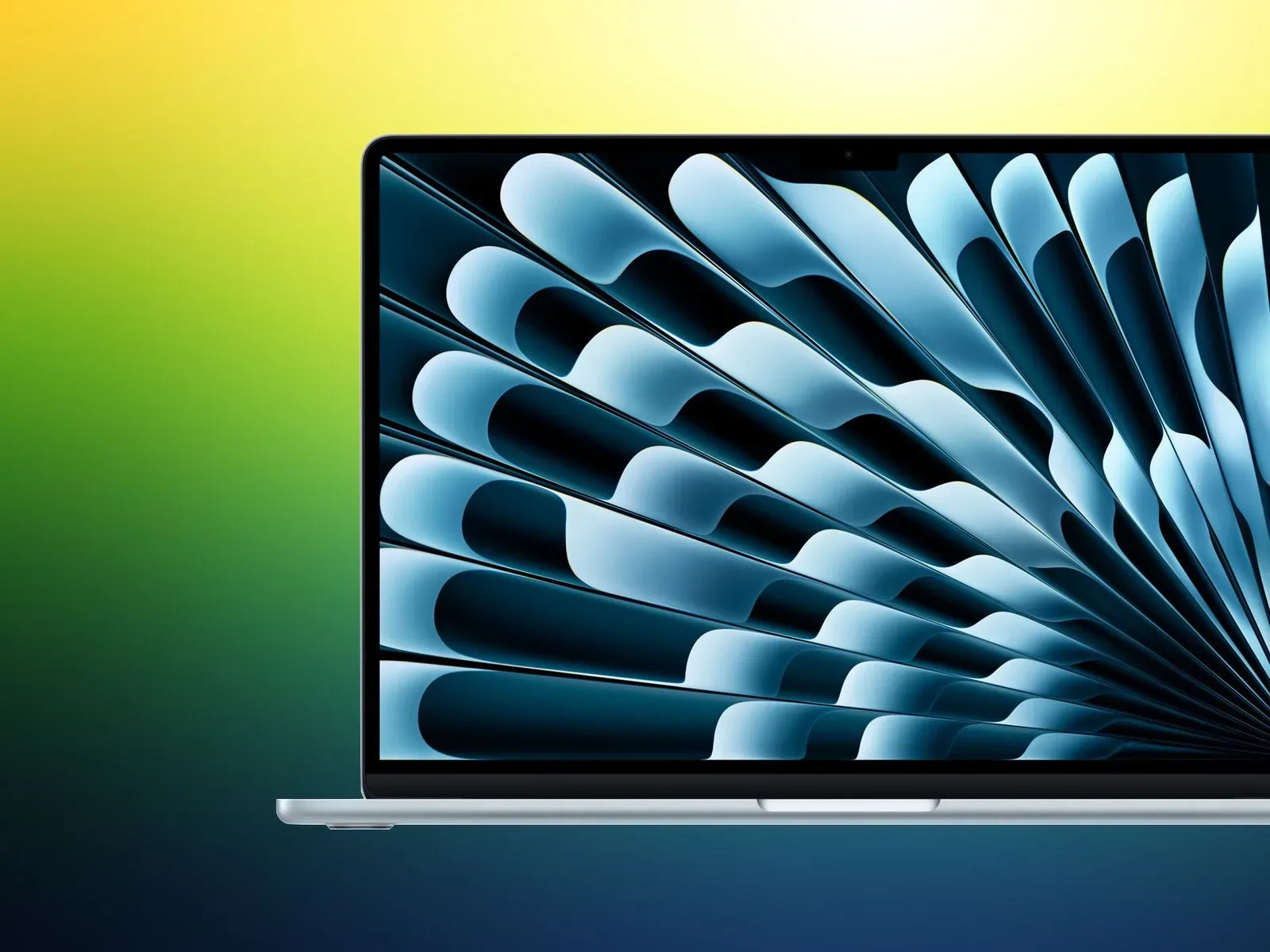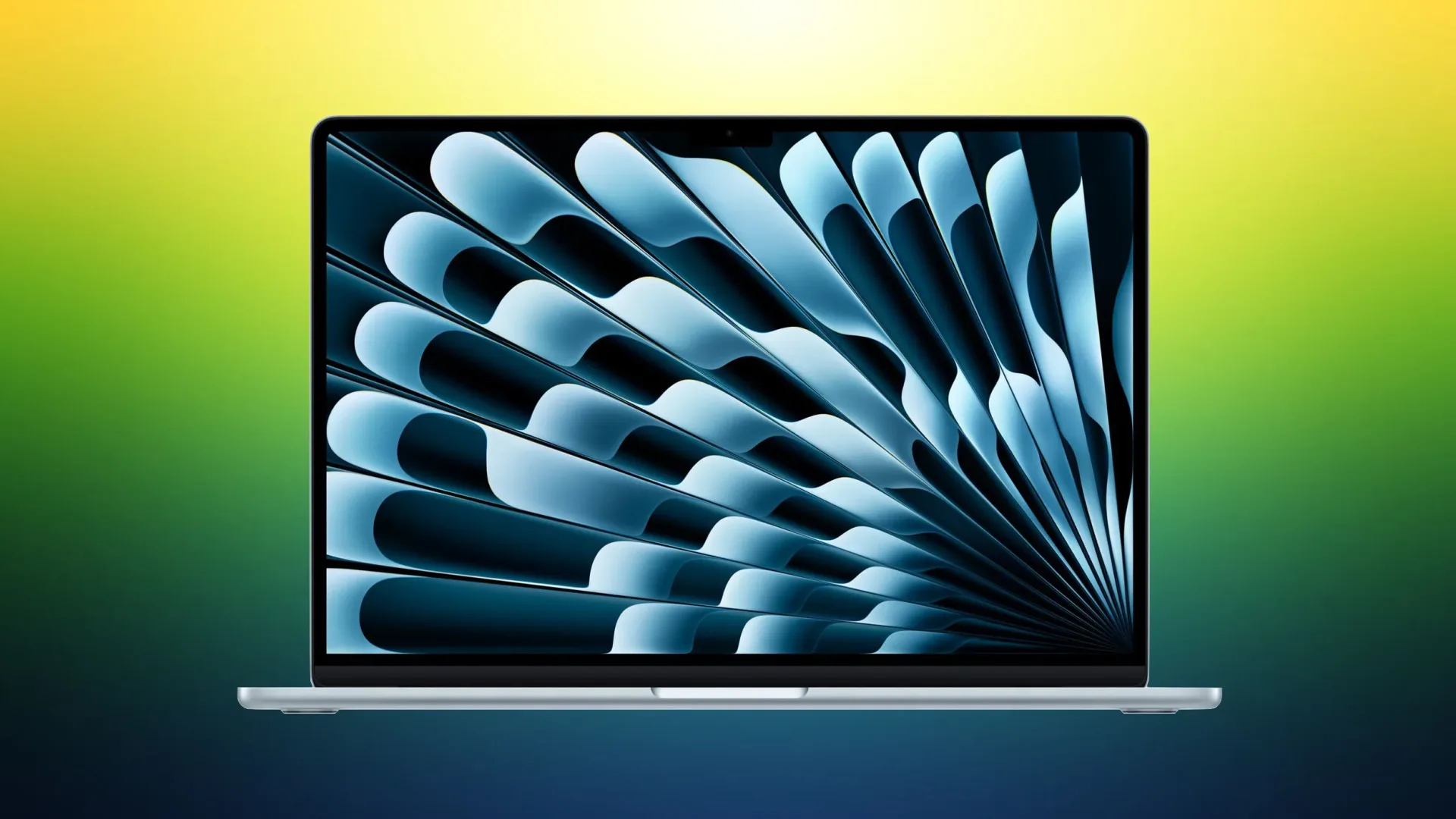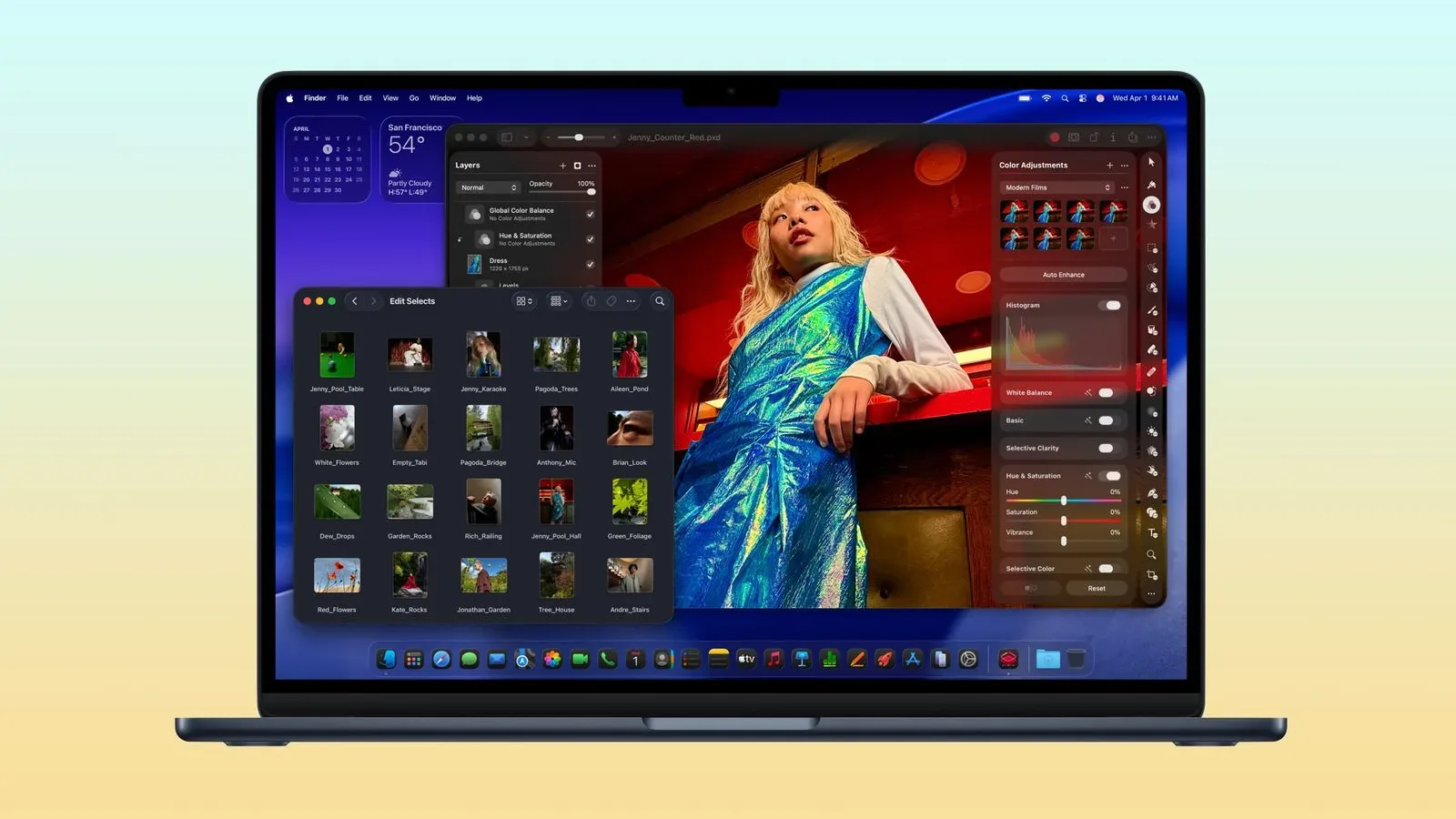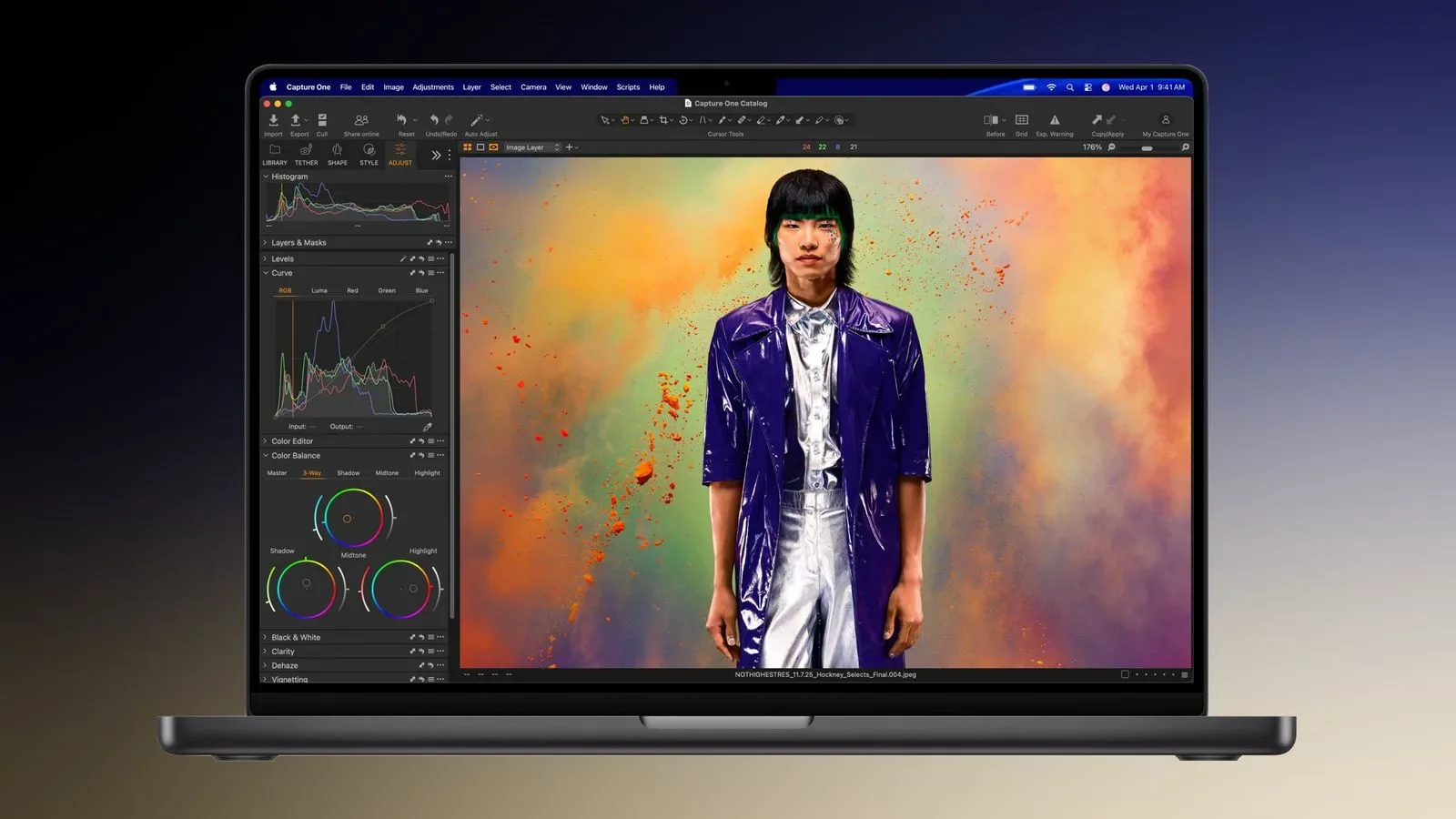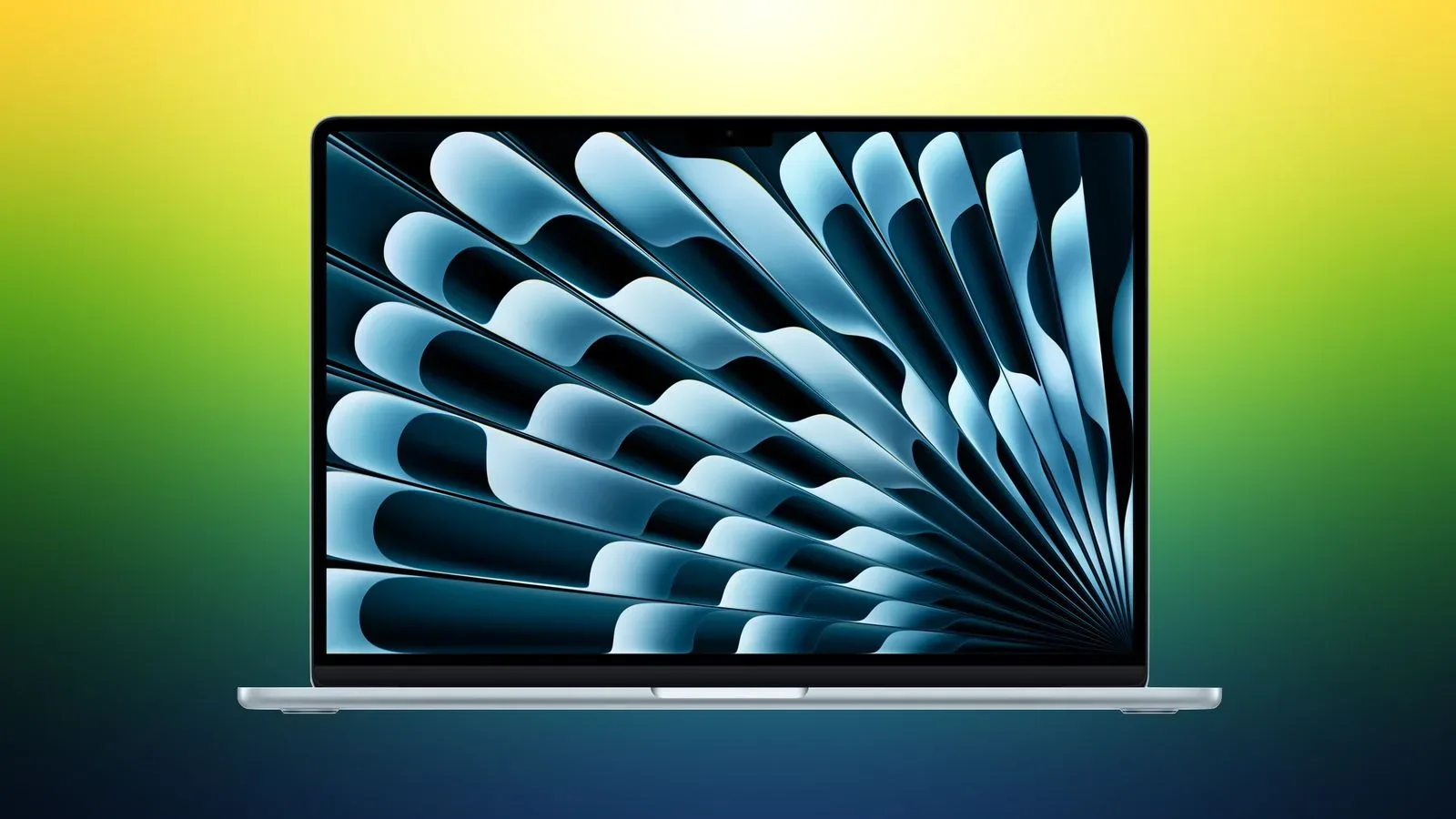
Apple hardware rarely needs much help attracting attention, but a meaningful discount can change the equation for shoppers who have been watching a configuration rather than simply looking for the least expensive laptop on a product page. On September 8, Amazon listed price cuts of up to $150 on select M5 MacBook Air models, spanning both the 13-inch and 15-inch sizes.
The headline matters because the reductions arrive after summertime price increases. A sale that looks modest beside an older launch price can feel more substantial when it moves a current configuration back toward a number buyers may have been waiting for. The listed offers concentrate on upgraded memory and storage tiers rather than an entry-level model, so the useful comparison is not just screen size. It is the combination of memory, storage, color, and the price attached to that exact build.
For gamers, collectors, creators, students, and people building a general-purpose desk setup, that distinction is worth making. A notebook purchase often lasts longer than an accessory purchase, and capacity decisions made at checkout can be difficult to undo later. A $150 reduction will not automatically make a top-tier configuration the best fit, but it can narrow the gap enough to justify a closer look.
The M5 MacBook Air deals currently highlighted
The largest reductions in the listings are on two 15-inch M5 MacBook Air configurations. The 16GB memory and 512GB storage model in Midnight is listed at $1,349, reduced from $1,499. That is a $150 difference.
A 15-inch M5 MacBook Air with 16GB of memory and 1TB of storage is listed at $1,649, down from $1,799, also a $150 discount. That price is additionally $50 lower than comparable tracked discounts near the end of August, making it the more notable of the two for shoppers specifically seeking 1TB of internal storage.
- 15-inch M5 MacBook Air, 16GB/512GB, Midnight: $1,349, down from $1,499.
- 15-inch M5 MacBook Air, 16GB/1TB: $1,649, down from $1,799.
The 13-inch range has a comparable storage-focused option. The 16GB/1TB M5 MacBook Air is listed at $1,449, down from $1,599, for a $150 reduction. It is listed in two colors. A 13-inch configuration with 24GB of memory and 1TB of storage is also reduced by $100, although the supplied listing details do not specify its resulting price or available colors.
- 13-inch M5 MacBook Air, 16GB/1TB: $1,449, down from $1,599; listed in two colors.
- 13-inch M5 MacBook Air, 24GB/1TB: $100 off; a final price was not specified in the deal details.
Discounts and stock can change quickly, especially when they are attached to particular colors and configurations. Anyone considering one should confirm the model size, memory, storage, color, seller, and final checkout total before treating a listed reduction as settled.
Why configuration is the real comparison
It is easy to frame this as a 13-inch-versus-15-inch decision, but the sale is more revealing when sorted by the components that distinguish each listing. All of the specifically priced examples carry 16GB of memory. The variation is then mostly between 512GB and 1TB of storage, with the 13-inch 24GB/1TB version providing a memory step-up at a smaller, $100 discount.
For a buyer who expects to keep large files local, 1TB has obvious appeal. That can include personal photo libraries, video projects, music-production files, reference documents, locally stored games, or a carefully organized archive. Storage used by operating systems, apps, updates, and everyday downloads accumulates in the background. The relevant question is not whether 1TB sounds huge today, but whether a prospective owner wants to manage external storage or constantly triage files later.
Memory calls for a similarly practical calculation. More memory may be meaningful to people who routinely keep numerous applications, browser tabs, communications tools, documents, and creative tasks open at once. Yet it is not a universal requirement. Shoppers with lighter workloads should not assume that a bigger number is automatically the value choice simply because it is discounted. The correct target is the configuration that suits the work actually expected during the machine’s ownership period.
That is where a sale on upgrades can be especially useful. Rather than treating the deal as an invitation to spend as much as possible, use it to price the configuration that would otherwise have been out of reach. If 512GB is enough, the 15-inch 16GB/512GB listing reaches a lower $1,349 price. If 1TB is non-negotiable, there are discounted choices in both display sizes, and the 13-inch 16GB/1TB listing is $200 less than the 15-inch version while retaining the same specified memory and storage amounts.
Choosing between the 13-inch and 15-inch models
Screen size remains important, just not in isolation. A 13-inch notebook may better serve someone who brings it to class, work, events, or travel frequently and values a smaller footprint. The 15-inch option may be more attractive to a person who spends longer stretches reading timelines, arranging windows, editing documents, or viewing a collection database without an external monitor.
The price relationship in these listings is straightforward enough to map out. At the specified sale prices, the 13-inch 16GB/1TB model is $1,449. The 15-inch model with the same 16GB/1TB specification is $1,649. That $200 difference is therefore tied to the size choice in these particular listings, not an increase in stated memory or storage. Meanwhile, the 15-inch 16GB/512GB version at $1,349 comes in $100 below the discounted 13-inch 16GB/1TB model, demonstrating how much the storage decision can affect the final number.
No single version wins for everyone. A shopper who has a reliable external-drive workflow may prefer the less expensive 512GB 15-inch machine and its larger display. Another buyer may prefer the smaller chassis and put the extra $100 toward 1TB. The important thing is to compare like for like, rather than assuming the larger display is always more expensive or the smaller model is always the budget pick.
What the offer does—and does not—tell shoppers
The listings establish specific prices for selected configurations, but they do not promise a permanent new baseline. Retail sales can be limited by color, inventory, or a retailer’s changing promotion schedule. The Midnight color is explicitly associated with the 15-inch 16GB/512GB price, while two colors are mentioned for the 13-inch 16GB/1TB version. That means a buyer who sees a different finish should check whether it carries the same discount before making a decision.
It is also sensible to distinguish a reported discount from an endorsement of every higher-cost configuration. A laptop at $1,649 is still a substantial purchase even after a $150 cut. Buyers should assess whether they need the 1TB capacity, whether a 13-inch or 15-inch screen works best in their space, and whether the timing is right for their budget. Sales are most useful when they align with an existing need, not when they turn an otherwise unnecessary upgrade into a rushed purchase.
PC and gaming setups bring an additional planning angle: the laptop is only one part of the chain. A new machine can expose bottlenecks elsewhere, such as inconsistent wireless coverage, limited upload bandwidth for cloud backups, or a crowded power strip around the desk. Before committing, it may help to review what home internet speed makes sense for gaming, streaming, and large game downloads, especially for anyone expecting to download big libraries or move large files frequently.
A simple checkout checklist
Because these deals are configuration-specific, a short verification pass can prevent the usual retailer-page mistakes. Start by confirming the display size. Then check that the memory and storage match the intended configuration, since 16GB/512GB, 16GB/1TB, and 24GB/1TB are materially different options even if their product names appear nearly identical.
- Confirm whether the model is the 13-inch or 15-inch M5 MacBook Air.
- Verify the listed memory and storage combination.
- Check the color, particularly if shopping for the $1,349 15-inch Midnight model.
- Make sure the displayed discount and final price match the configuration in the cart.
- Review shipping timing, return terms, and any seller details shown at checkout.
- Compare the purchase against the buyer’s real storage, screen, and portability needs rather than the size of the percentage-off badge.
At the reported prices, the clearest savings are the $150 cuts on the 15-inch 16GB/512GB, 15-inch 16GB/1TB, and 13-inch 16GB/1TB models. The discounted 24GB/1TB 13-inch version adds another option for buyers prioritizing memory, though its final sale price was not included in the available details. With recent price increases as the backdrop, these listings give prospective M5 MacBook Air buyers several concrete configurations to weigh—provided the specific deal remains in place when they are ready to buy.
Shop the products
Check current price, model and availability at the retailer.