Three unannounced LG smart-home accessories have surfaced in FCC documentation, giving the clearest look yet at a thermostat, temperature sensor and smart deadbolt that are reportedly being developed with Apple’s input. The filings do not name Apple, so the connection should be treated as reported rather than confirmed by the regulatory records themselves. Even so, the hardware details point to a potentially significant expansion of the smart-home gear that could sit around Apple’s anticipated home products.
The documents show product drawings, label placement and radio-testing information rather than a full consumer announcement. That distinction matters. Regulatory filings can establish that particular hardware has been tested and reveal technical specifications, but they do not by themselves confirm launch dates, retail prices, regional availability, final software behavior or compatibility promises.
LG is expected to sell these accessories under its own name, while Apple has reportedly contributed to the products’ design, features and engineering. The wider reported range extends beyond these three devices to a wired video doorbell, indoor camera, outdoor camera and floodlight camera. For now, though, the filings offer specific evidence only for the thermostat, sensor and lock.
What the filings show
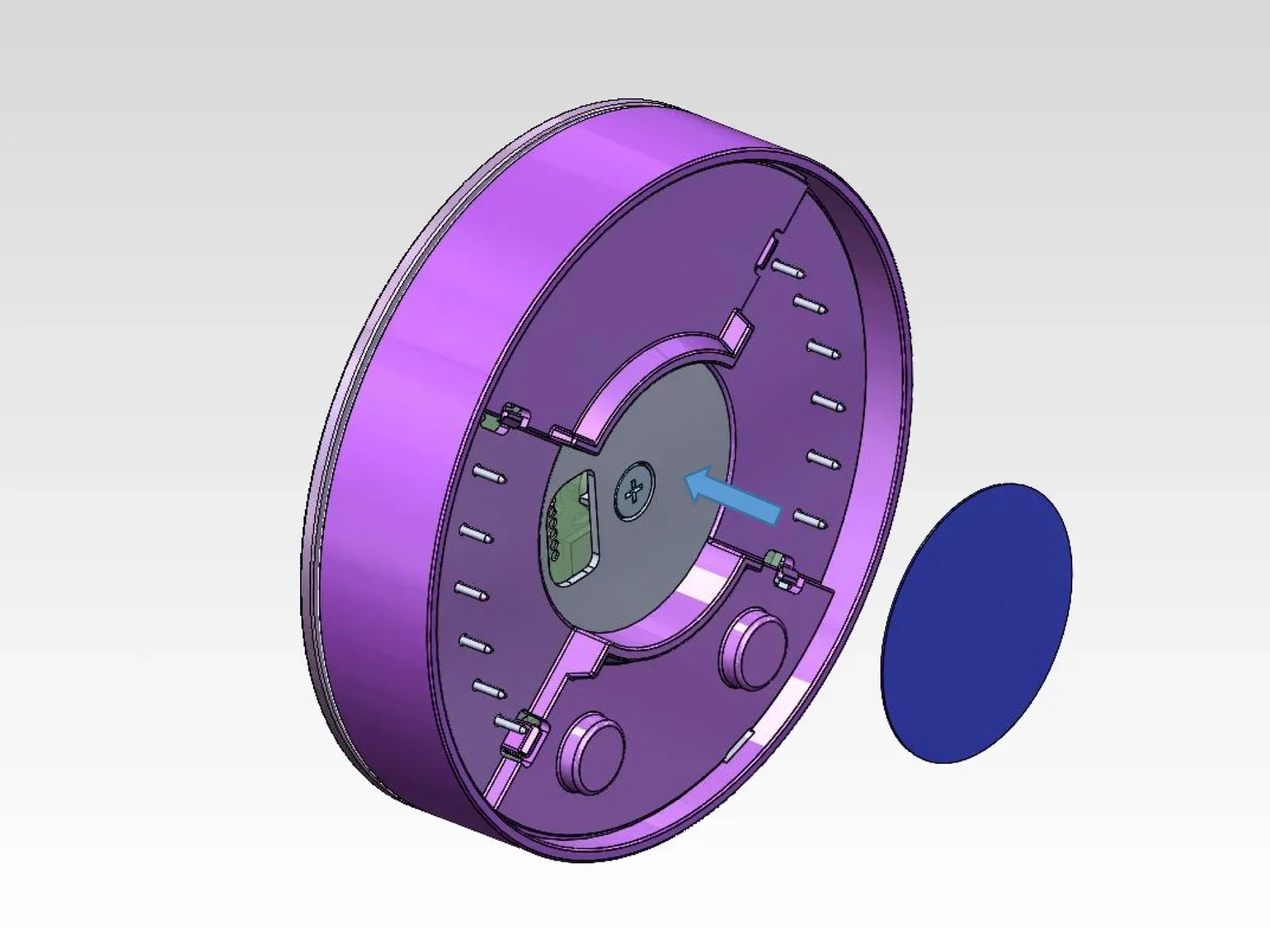
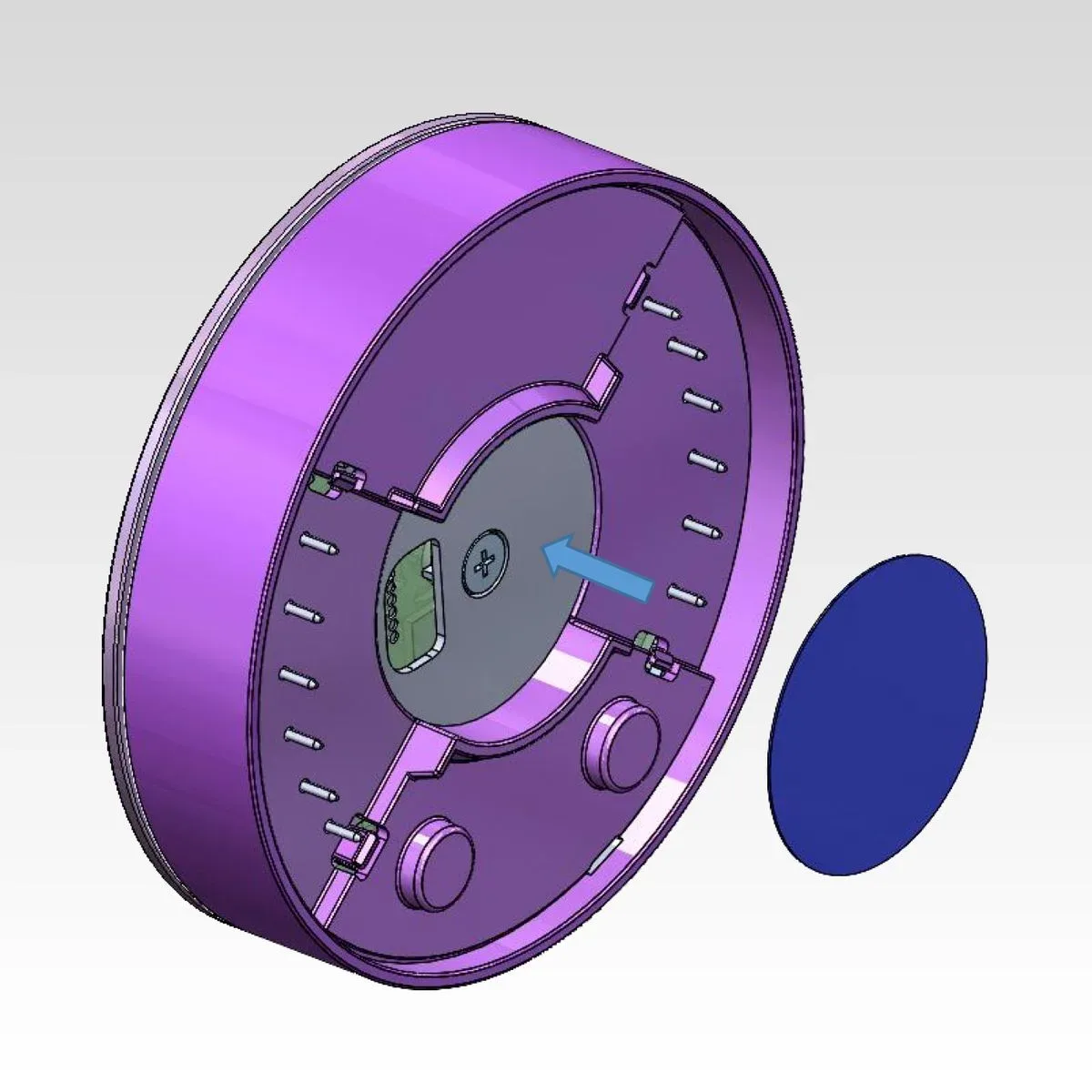
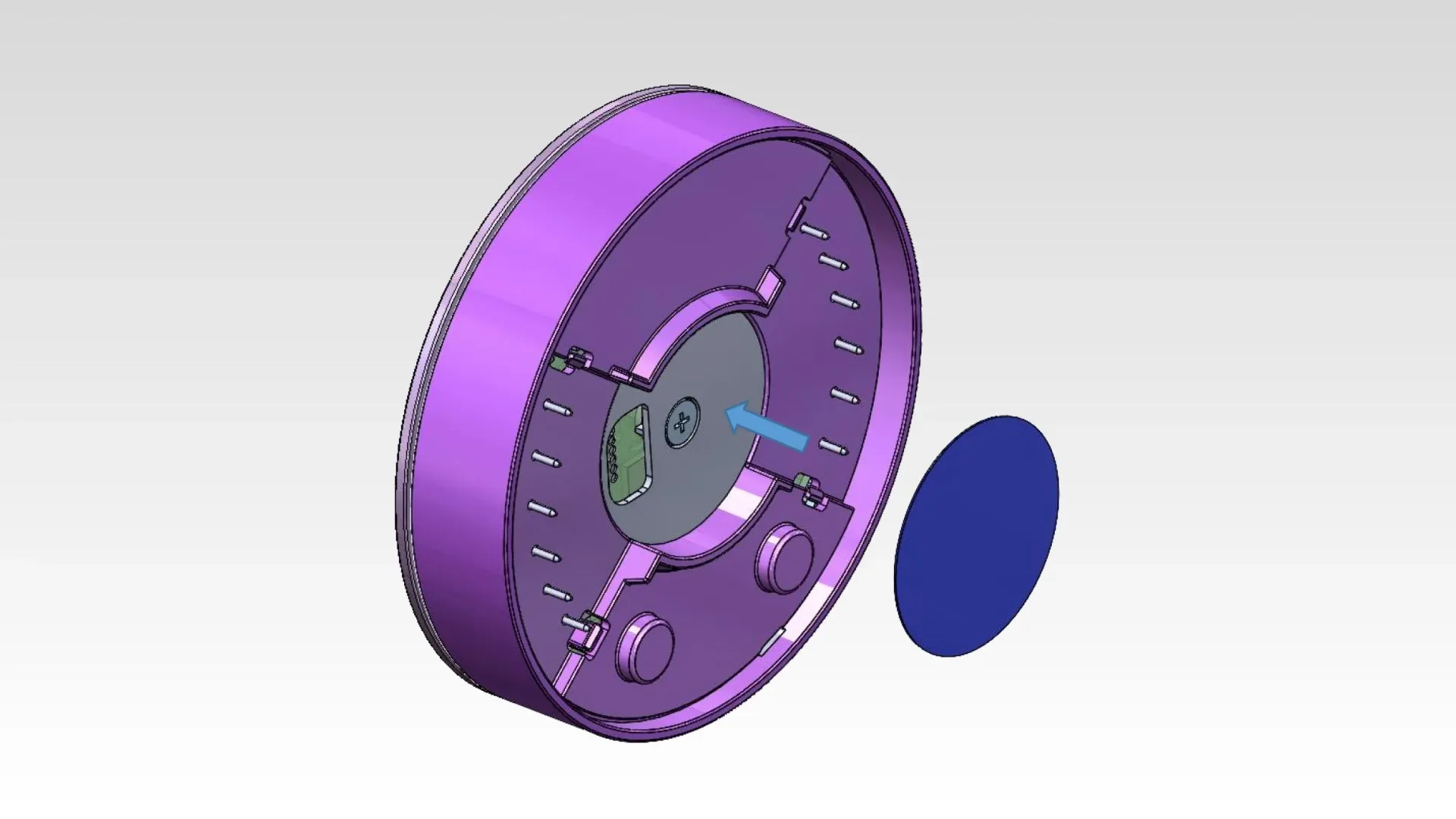
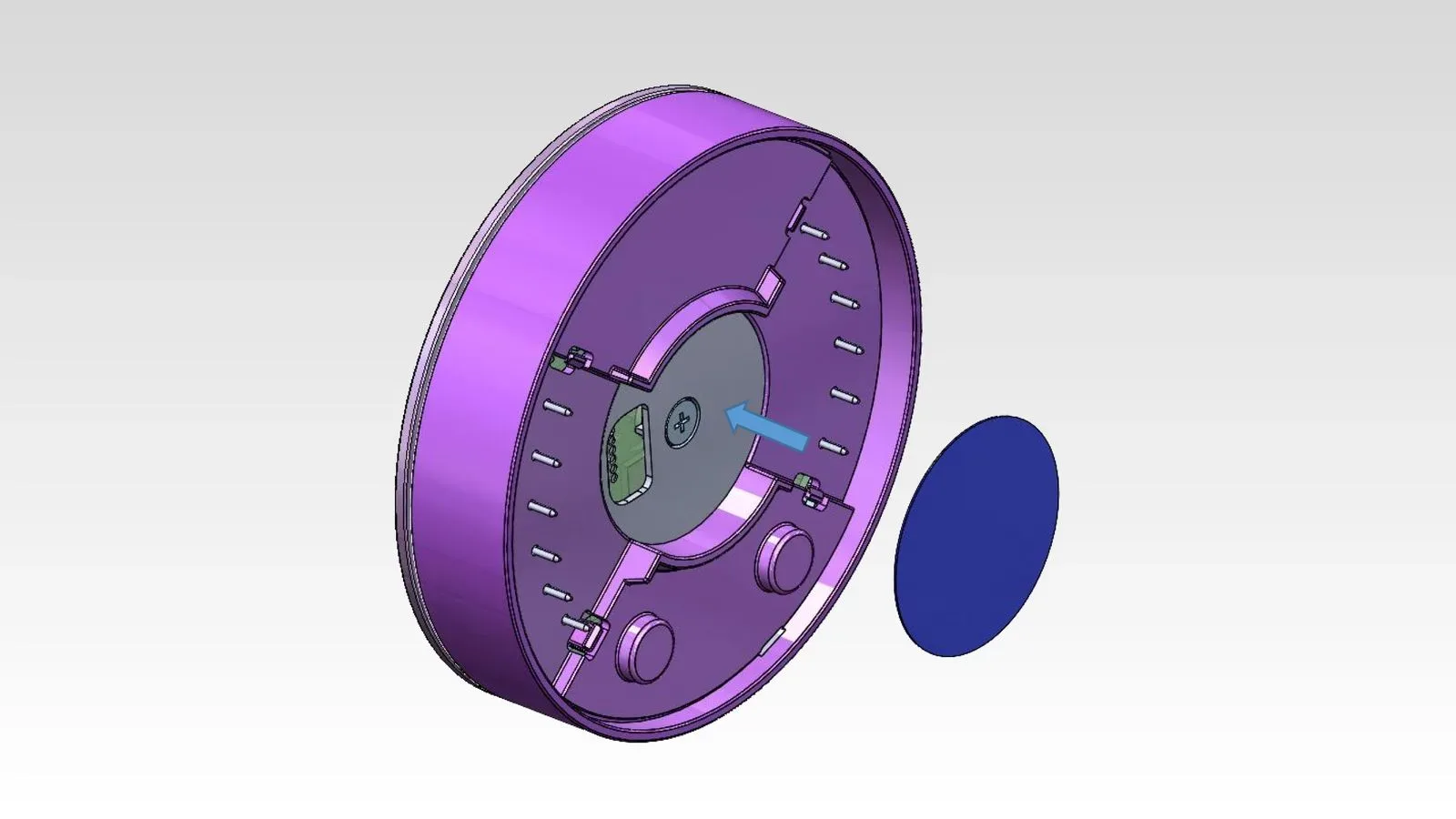
The thermostat carries model number TMCTAW5W. Its enclosure is circular, with a puck-like shape and a raised outer edge. The rear drawing includes a small central socket and two circular protrusions lower down. Its listed power requirement is 24-volt AC, a specification commonly associated with a thermostat that connects to a home’s existing low-voltage HVAC wiring rather than operating from replaceable batteries.
Connectivity is one of the thermostat’s more notable details. The testing records list 2.4 GHz Wi-Fi, 5 GHz Wi-Fi, Bluetooth and Thread, alongside a dedicated report for a 60 GHz radar component. Wi-Fi provides a familiar route to a local network and internet-connected services. Bluetooth can be useful during device setup or for short-range communication. Thread is a low-power mesh-networking technology designed for smart-home devices, allowing compatible products to pass messages through the network rather than relying on every accessory to connect directly to Wi-Fi.
The 60 GHz radar is particularly interesting, although its exact implementation has not been officially described. The available information indicates it could support presence or approach detection. In practical terms, that may allow a thermostat display to react when someone is nearby, but the filing does not establish the full set of behaviors, accuracy, range or privacy controls. It is best understood as a hardware capability with potential uses, not as a confirmed list of finished features.
Details attributed to the leaker known as pdfu suggest software settings called “Far Sight Display,” humidity display, screen-brightness controls, language options, temperature calibration and temperature offset. Temperature calibration and offset controls are designed to let a user adjust the device’s reported reading. That can matter when a thermostat’s placement, nearby airflow or a household’s preferred comparison thermometer leads someone to want a small correction. The report does not say how those adjustments will work in an app, on the device itself or through any particular home platform.
A compact temperature sensor with Matter and Thread
The second product is a round temperature sensor, model TMST2A6W. It is powered by a 3-volt CR2477 coin battery. Regulatory label art places the product name, model number and manufacturing information around the back’s outer edge, while the center houses a Matter setup code, battery warning symbol and UL certification mark.
Matter is a smart-home interoperability standard. Its purpose is to help compatible accessories work across participating ecosystems rather than force a household into one company’s app and hub arrangement. A Matter setup code is therefore a strong signal that LG intends the sensor to join a Matter-compatible smart-home environment, although a label alone does not answer every compatibility question. Individual platform support, feature exposure and setup requirements can still differ.
The sensor’s radio report confirms Bluetooth Low Energy and Thread. Bluetooth Low Energy, often shortened to BLE, is a power-efficient wireless protocol that is well suited to a battery-operated accessory. Thread is also designed around low-power smart-home communication. Taken together, those specifications suggest an accessory built to report environmental data without the higher power demands of a full Wi-Fi connection.
What remains unknown is as important as what has appeared in the documentation. The records described here do not provide claimed battery life, measurement precision, humidity sensing, mounting options, operating-temperature limits or whether the sensor will expose every reading in each supported smart-home platform. Those are details shoppers should wait to see in final product documentation.
The deadbolt’s rotating keypad and physical fallback
The third device is a smart deadbolt lock with a tall indoor assembly. The drawings reveal straight sides with curved ends, and two versions: Graphite, model TMCDD15G, and Silver, model TMCDD15S. Four AA batteries sit vertically in a compartment occupying the upper half of the interior unit. Beneath that, a large rotating circular section spans almost the full width of the lower portion.
The Matter setup code and regulatory text appear near the top, above the battery bay. As with the temperature sensor, this indicates Matter is part of the lock’s intended setup story. But a Matter code should not be mistaken for a complete account of remote-access capabilities, automation support or every mobile credential method. The filings do not settle those questions.
Leaked details describe a keypad that rotates open. An included swivel pin reportedly lets the installer limit movement on one side, a practical accommodation where an adjacent wall could otherwise obstruct the panel. The reported options include a light ring on the touchpad, a “Door Left Audio Alarm” and adjustable lock-sound volume.
The same reported information lists automatic unlocking, tap to unlock, emergency power and master codes, and says the package includes two mechanical keys. These are consequential claims for a front-door product, where convenience has to coexist with access recovery. A mechanical key gives a non-electronic entry method, while emergency power is intended to address a depleted internal battery. Neither the filings nor the reported feature list explains the exact emergency-power method, how master codes are administered or what safeguards may surround automatic unlocking.
The lock is also said to fit 2.375-inch (60.3 mm) and 2.75-inch (69.9 mm) brackets. That is useful early information, but it is not enough on its own for an installation decision. Door thickness, backset, existing hardware, handing and local building requirements can all affect whether a lock is appropriate for a particular door. Prospective buyers will need final installation instructions before treating it as a confirmed fit.
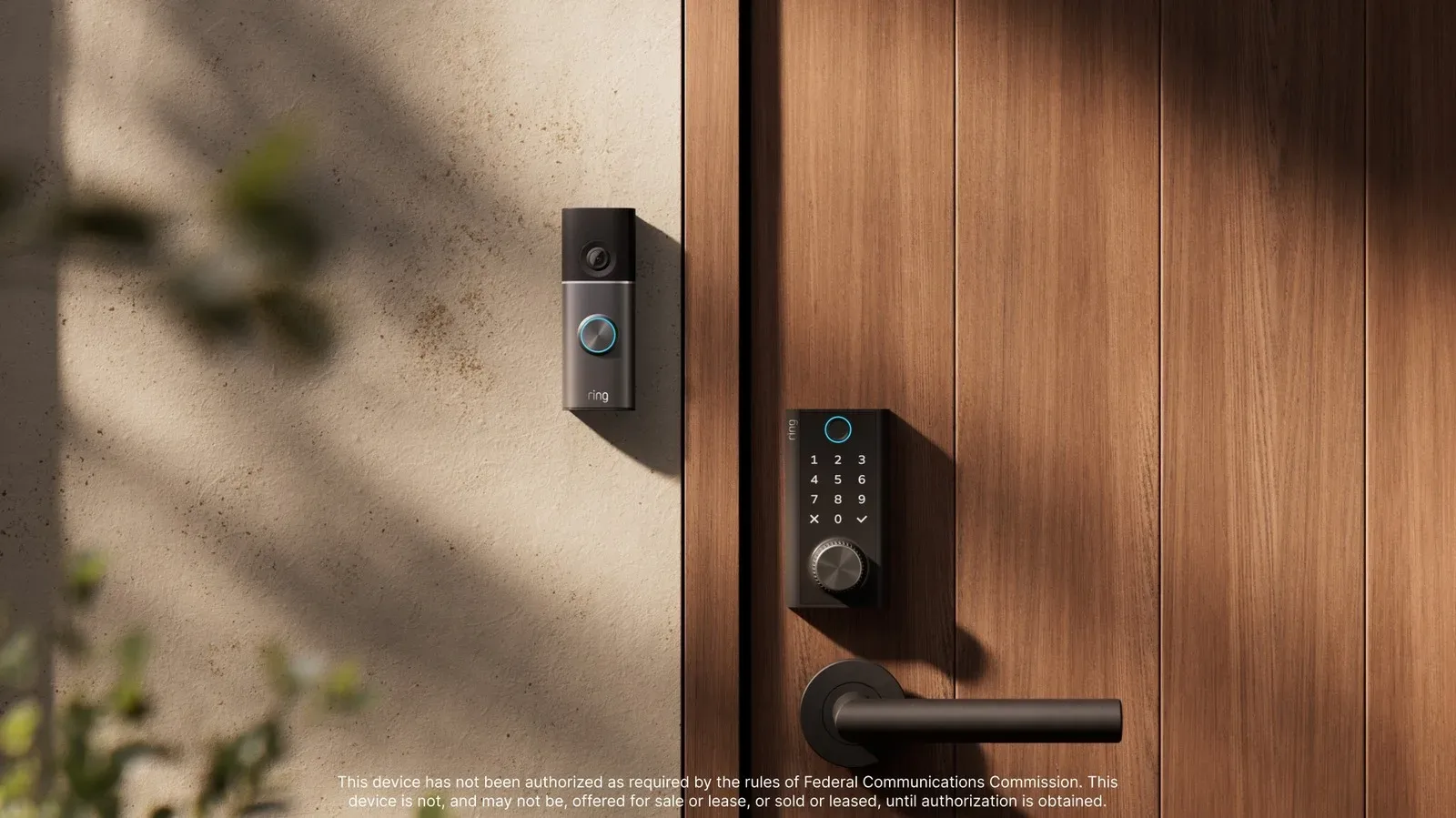
For readers comparing approaches to smart-lock resilience, the reported emergency-power feature is a notable point alongside another lock design that has explored a manual contingency: a planned Ring smart lock with a hand-crank backup. The underlying concern is the same: electronic access hardware needs a credible path through battery failure or other interruptions. The two products’ systems should not be assumed to work alike.
Why Thread, Matter and radar matter here
The combination of Matter and Thread across this emerging range is the larger technical pattern. Smart-home products often have to balance power use, local responsiveness, network reliability and interoperability. A battery temperature sensor benefits from low-energy networking; a wired thermostat can accommodate a broader connection set; and a lock needs practical provisioning and dependable day-to-day status communication. The filings suggest LG’s devices are being designed with those differing needs in mind.
Thread does not automatically mean that every household can simply add the products without further hardware. A Thread-based accessory generally needs an appropriate path into the home network, often through a compatible Thread border router. The precise setup requirements, supported controllers and feature availability have not been provided for these LG models. Consumers should avoid assuming that the presence of Bluetooth, Wi-Fi, Thread or Matter on a specification sheet guarantees identical experiences across every phone, speaker, hub and home app.
Likewise, radar-based approach detection should not be conflated with a camera. The filing identifies a 60 GHz radar component in the thermostat, not a camera, and indicates a possible presence-related role. How it detects movement, whether it can distinguish conditions in a room, when it activates and what controls owners will receive are not established in the available material.
The Apple link is reported, not documented in the filings
The FCC materials identify LG-related hardware and refer to Hyundai HT Global’s factory in Vietnam, but they do not identify Apple. The reported collaboration is instead the context supplied around the filings: Apple is said to be helping shape the design, features and engineering while LG handles manufacturing, sales and support.
Such a structure would let Apple broaden the range of accessories that fit into its smart-home ambitions without placing each product under Apple branding or making Apple the visible support channel. That is analysis of the reported arrangement, not confirmation of final commercial terms. There are no prices, release dates or consumer support policies in the described records.
There is precedent for Apple and LG working together on hardware, including UltraFine 4K and 5K displays designed for Macs. LG has also been building its smart-home position: in 2024, it acquired an 80% stake in Athom, the company behind the Homey smart-home platform. Those facts provide useful context for why LG could be a plausible partner, but they do not reveal how deeply either company is involved in any individual feature of these new accessories.
How the devices fit into the reported home roadmap
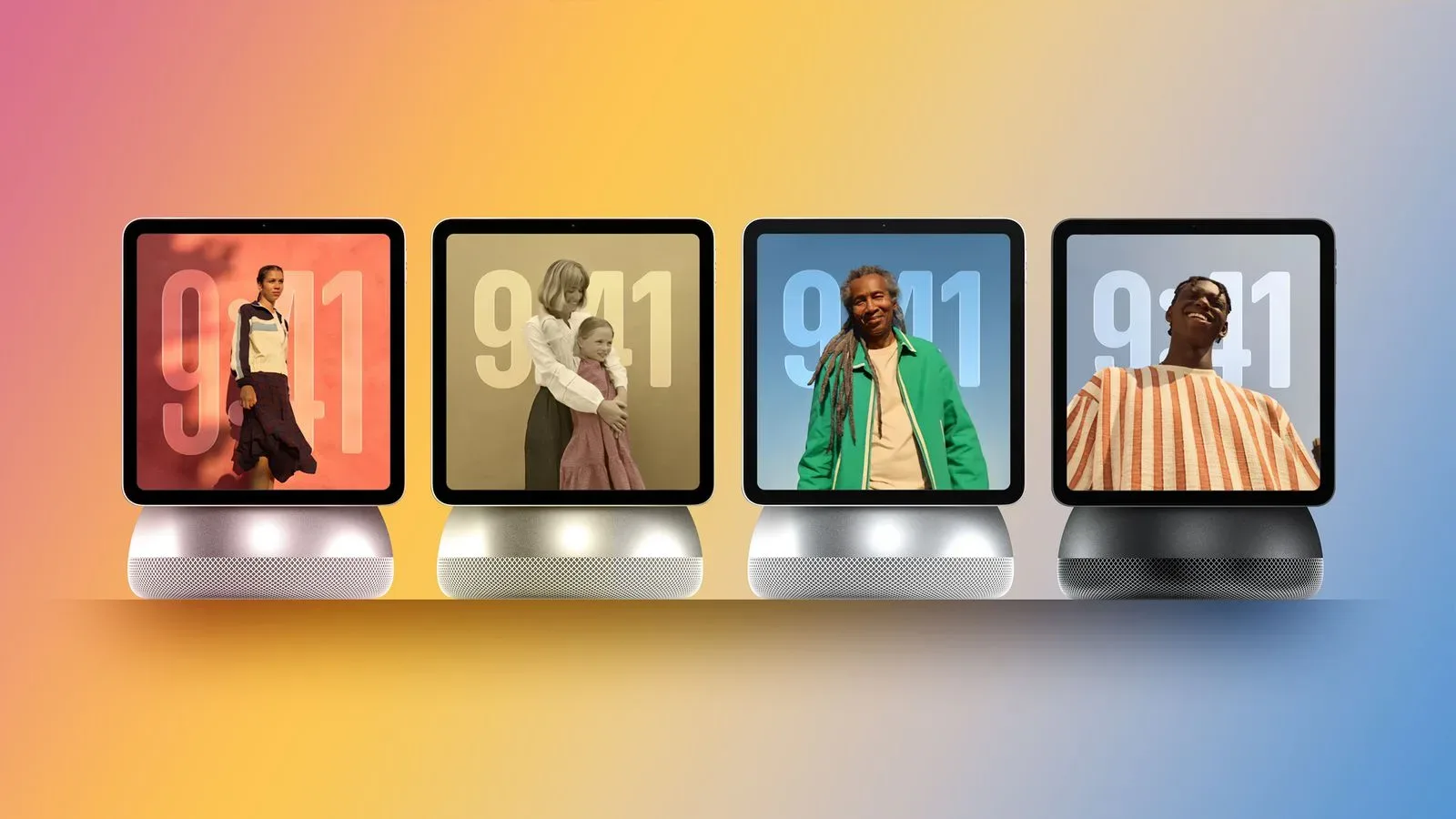
Apple is reportedly preparing a stronger push into the smart-home market, with a home hub, Apple TV 4K and HomePod mini expected on October 13. A higher-end hub with a screen mounted on a robotic arm has also been reported as a longer-term product. Separately, Apple is reportedly developing its own AI-powered home-security camera and sensor, a project described as distinct from LG’s accessory lineup and still expected in 2027.
The distinction is important. The presence of LG camera products in the broader reported seven-device range does not mean they are the same as Apple’s separately reported camera and sensor work. Nor do the current filings prove that every reported product will ship, ship together or arrive on the timeline associated with other Apple hardware.
For now, the thermostat, sensor and deadbolt are best viewed as early, unusually detailed signs of a connected-home accessory strategy in formation. The documents reveal real model numbers, physical designs, power arrangements and radio technologies. They leave the consumer-facing essentials—pricing, release plans, platform support specifics, warranty terms and final feature behavior—for later confirmation.