Apple’s October calendar is shaping up as a crowded one: a foldable iPhone has a firm launch date, two iOS releases are expected during the month, and an extreme Mac Studio configuration is due in late October. Beyond that, a wide collection of rumored hardware could touch the phone, smart-home, TV, tablet, and Mac parts of the company’s lineup.
The important distinction is that only some of this schedule is confirmed. The iPhone Duo, iOS 27.1, iOS 27.2’s additional Siri AI languages, and the high-end Mac Studio configuration have concrete support from Apple’s own statements. The smart-home hardware, Apple TV, HomePod mini, Macs, and iPad mini are still reports and expectations rather than official product announcements. That line matters especially in a month where a rumored product list is so long that it could easily turn one rollout into several.
The October dates that are set
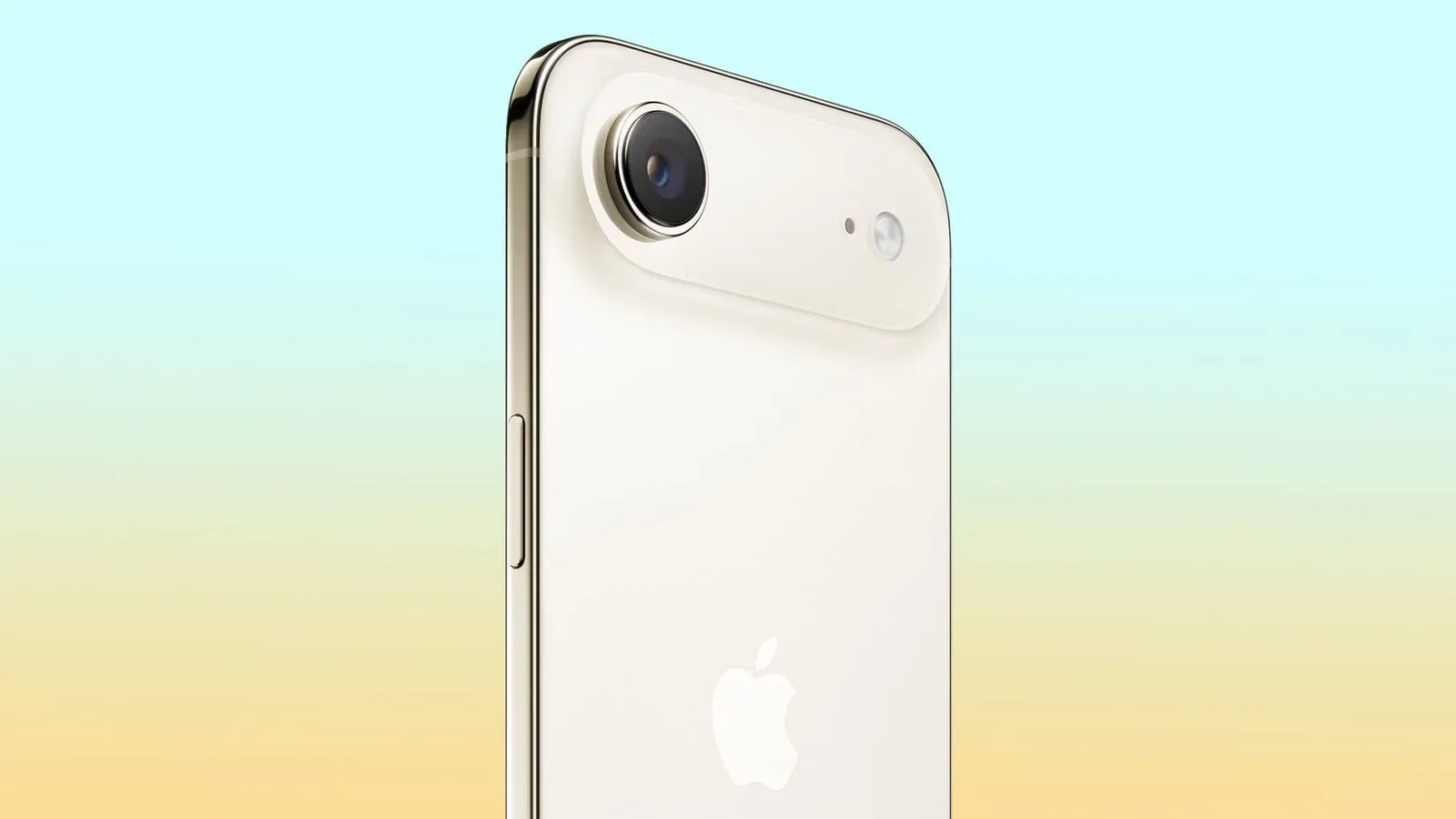
iPhone Duo is scheduled to launch Friday, October 23, with pre-orders opening Friday, October 16 at 5 a.m. Pacific Time. The device is described as a foldable iPhone, making it the central hardware release in the month’s confirmed schedule.
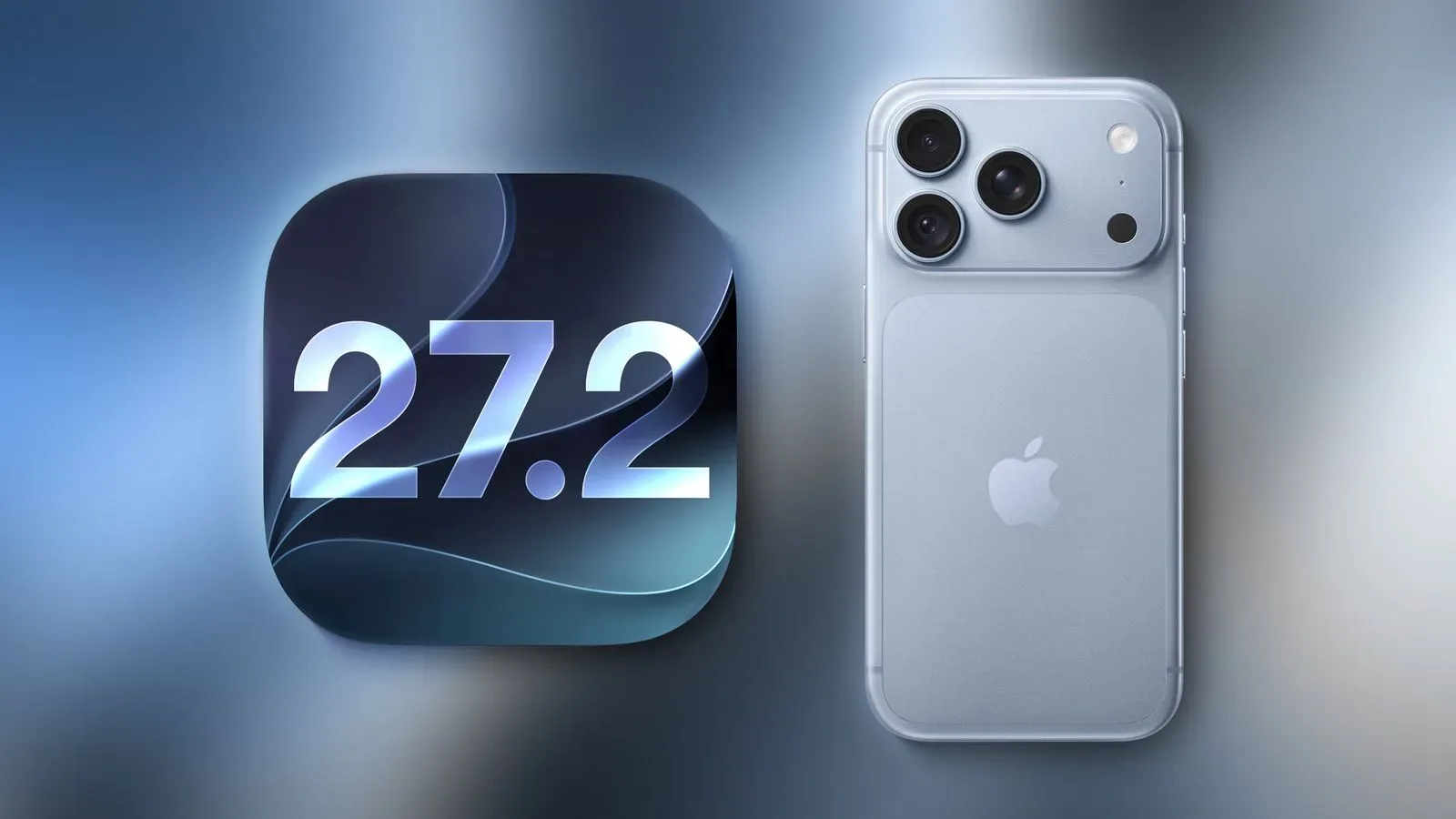
The phone will ship with iOS 27.1, meaning that update is expected before October 23. Apple has indicated that iOS 27.1 is dedicated to the iPhone Duo, which also explains an unusual-looking software sequence: an iOS 27.2 beta arrived ahead of iOS 27.1’s public release.
iOS 27.2 is expected to arrive in October as well. Its notable stated addition is support for five further Siri AI languages. The practical takeaway for iPhone owners is straightforward: language expansion is tied to 27.2, rather than 27.1. People waiting for Siri AI availability in one of those added languages should watch for the later update, while prospective iPhone Duo buyers should expect the earlier version on the new handset.
On the desktop side, Apple has said that a Mac Studio with M5 Ultra and 512GB of RAM will become available in late October. The broader M5 Max and M5 Ultra Mac Studio release happened the previous week, while this 512GB model is the pending top-end configuration.
RAM, or random-access memory, is the working memory a computer uses while applications and tasks are active. A 512GB configuration is not a routine specification bump; it is clearly positioned at the highest end of the Mac Studio range. Apple has not detailed which particular workflows it expects buyers to run on that configuration, so it is best read as a capacity option for purchasers whose work demands unusually large amounts of active memory, rather than a blanket recommendation for every Mac buyer.
The smart-home trio reportedly first in line
A reported Tuesday, October 13 reveal could center on three connected-home products: an entirely new home hub, a fourth-generation Apple TV 4K, and HomePod mini 2. Apple has not announced an October event, so the date and product lineup should remain firmly in the rumor column.
A new smart-home hub and a possible new platform
The most consequential report is an all-new smart home hub. It is said to have a square 6- to 7-inch display, Siri AI, FaceTime, and an A18 chip or newer that supports Apple Intelligence. Two physical versions are anticipated: a tabletop model with a speaker base and a wall-mounted model.
The reported software is just as significant as the hardware. Trademark filings point to a possible name of homeOS. The expected interface would include clock faces and widgets. In plain terms, widgets are compact interface panels intended to surface information or controls without requiring users to open a full application. A dedicated operating system would suggest that Apple sees the hub as more than a screen attached to existing smart-home accessories, although its final name, interface, and capabilities are unconfirmed.
For prospective buyers, the distinction between the tabletop and wall-mounted concepts may be more important than the display-size range. One suggests a movable household device with integrated speaker hardware; the other suggests a fixed control point. Until Apple says more, there is no confirmed guidance on accessories, setup requirements, price, or what functions will differ between the variants.
Apple TV 4K: a familiar box with a rumored internal overhaul
The rumored fourth-generation Apple TV 4K is expected to retain the existing model’s outward appearance. The proposed changes are internal: an A19 or A19 Pro chip, between 8GB and 12GB of RAM, Apple Intelligence and Siri AI support, an Apple-designed N1 chip with Wi-Fi 7, and an updated Siri Remote.
Wi-Fi 7 is a newer wireless-networking standard. Its inclusion would be a connectivity specification rather than a promise that every household will immediately see a benefit; any real-world result depends on the rest of a home network. Still, the reported N1 chip would put networking alongside AI support as a major focus of the refresh.
The possibility of an unchanged exterior is also a useful reminder not to treat a visually similar device as an unimportant revision. If the reported chip, memory, remote, and networking changes prove accurate, the update would be about capabilities and responsiveness rather than a new living-room silhouette. Gamers who use Apple TV should avoid inferring unannounced game-specific upgrades from this report: none have been detailed.
HomePod mini 2 favors refinement over reinvention
HomePod mini 2 is also rumored to receive a newer chip, Siri AI support, improved sound, an N1 chip with Wi-Fi 7, a second-generation Ultra Wideband chip, and additional colors including pink and green. No substantial redesign is expected.
Ultra Wideband is a short-range wireless technology used for precise proximity-aware interactions. The report identifies a second-generation chip, but does not specify the user-facing experiences it would enable in this product. Likewise, “improved sound quality” is the stated expectation, not a published list of acoustic specifications. The safe read is an evolutionary revision that could modernize the mini speaker’s connectivity and intelligence while preserving its familiar form.
Anyone considering current Apple hardware should keep rumors in their proper place. A fresh sale on the company’s phone range may still be useful for someone who needs a device now; for example, there is currently an iPhone Air discount across 256GB and 512GB models. But a discount decision and a wait-for-the-next-model decision are personal timing questions, not evidence that any particular rumored feature is guaranteed.
Late-month Macs could make displays the story
A second, reported product wave in the final week of October may include multiple Macs. The marquee claim is a major redesign for 14-inch and 16-inch MacBook Pro models. The expected list includes OLED displays, touchscreen support, M5 Pro and M5 Max chips, a Dynamic Island, a thinner-and-lighter chassis, and possibly an Apple C1X or C2 modem for built-in cellular connectivity.
OLED, short for organic light-emitting diode, refers to a display technology in which pixels emit their own light. The report’s significance is not merely that another chip generation may arrive: it points to a potential redesign across display, input, body, and connectivity. Touchscreen support and built-in cellular would each alter how a laptop can be used away from a desk, but both remain unconfirmed. They should not be treated as promised features until Apple presents the models.
Two more rumored Macs have a shorter expected feature list. A 24-inch iMac may move to an M6 chip and receive new color options, while a 14-inch MacBook Pro may also get an M6 chip. The difference in the reported chip names is worth noting: the redesigned 14-inch and 16-inch MacBook Pro models are associated with M5 Pro and M5 Max, while a separate 14-inch MacBook Pro is associated with M6. The available information does not explain how Apple would position those machines, so it would be premature to turn those reports into a finalized buying guide or hierarchy.
The iPad mini rumor is more than a screen change
An iPad mini 8 is expected sometime in October with an OLED display, A20 Pro chip, landscape front camera, redesigned speakers, and a water-resistant design. Together, that is a broader possible refresh than a simple processor swap.
The landscape front-camera detail points to a use case centered on holding the device horizontally for video calls. Redesigned speakers and water resistance would address other physical aspects of the compact tablet experience. Yet there are no confirmed specifications for the water-resistance rating, display behavior, battery life, storage choices, or software features. The reported A20 Pro chip and OLED panel are notable, but the final value proposition cannot be established from the available claims alone.
What to watch for before treating the rumors as real
Apple had not announced an October event at the time of this outlook. There is a precedent for a late-October presentation: invitations for the October 30, 2023 “Scary Fast” event arrived six days beforehand, and the reported October 13 smart-home date falls six days after this report’s publication. That timing is interesting, but it is not confirmation that invitations will arrive or that an event will happen.
If an event does not materialize, the anticipated alternative is a sequence of press releases, shorter product-specific videos, and hands-on gatherings for selected media and creators. That approach would suit a potentially fragmented rollout: the confirmed iPhone Duo and software releases have their own schedule, the home products could comprise one set, and Macs could form another.
The sensible watchlist, then, is organized by confidence rather than excitement. The October 16 pre-order opening and October 23 iPhone Duo launch are firm dates. iOS 27.1 must arrive before the phone, iOS 27.2 is expected to bring five Siri AI languages during October, and the 512GB M5 Ultra Mac Studio is slated for late October. Everything else—from homeOS to OLED MacBook Pros—may be compelling, but it remains a collection of specific reports awaiting Apple’s confirmation.