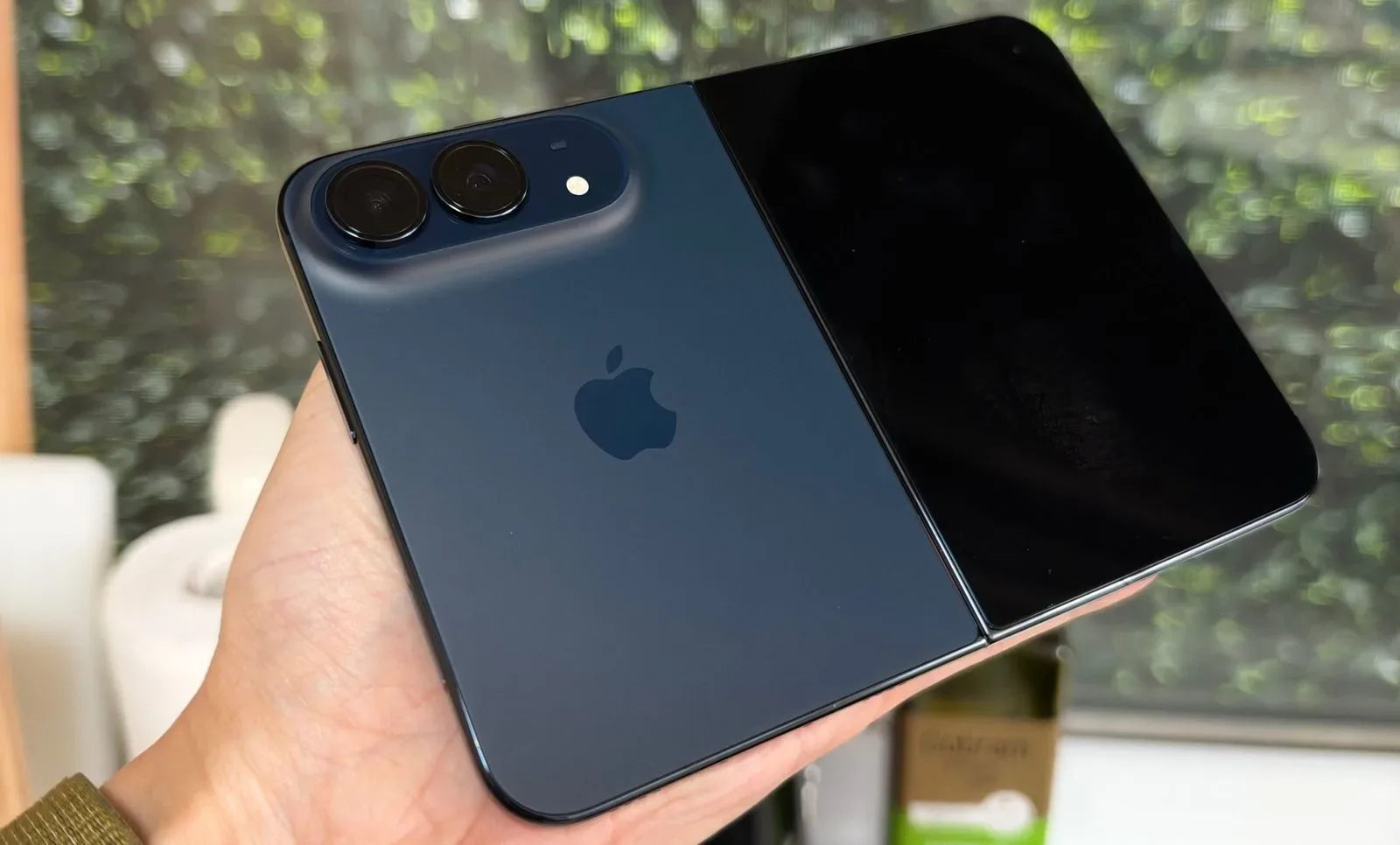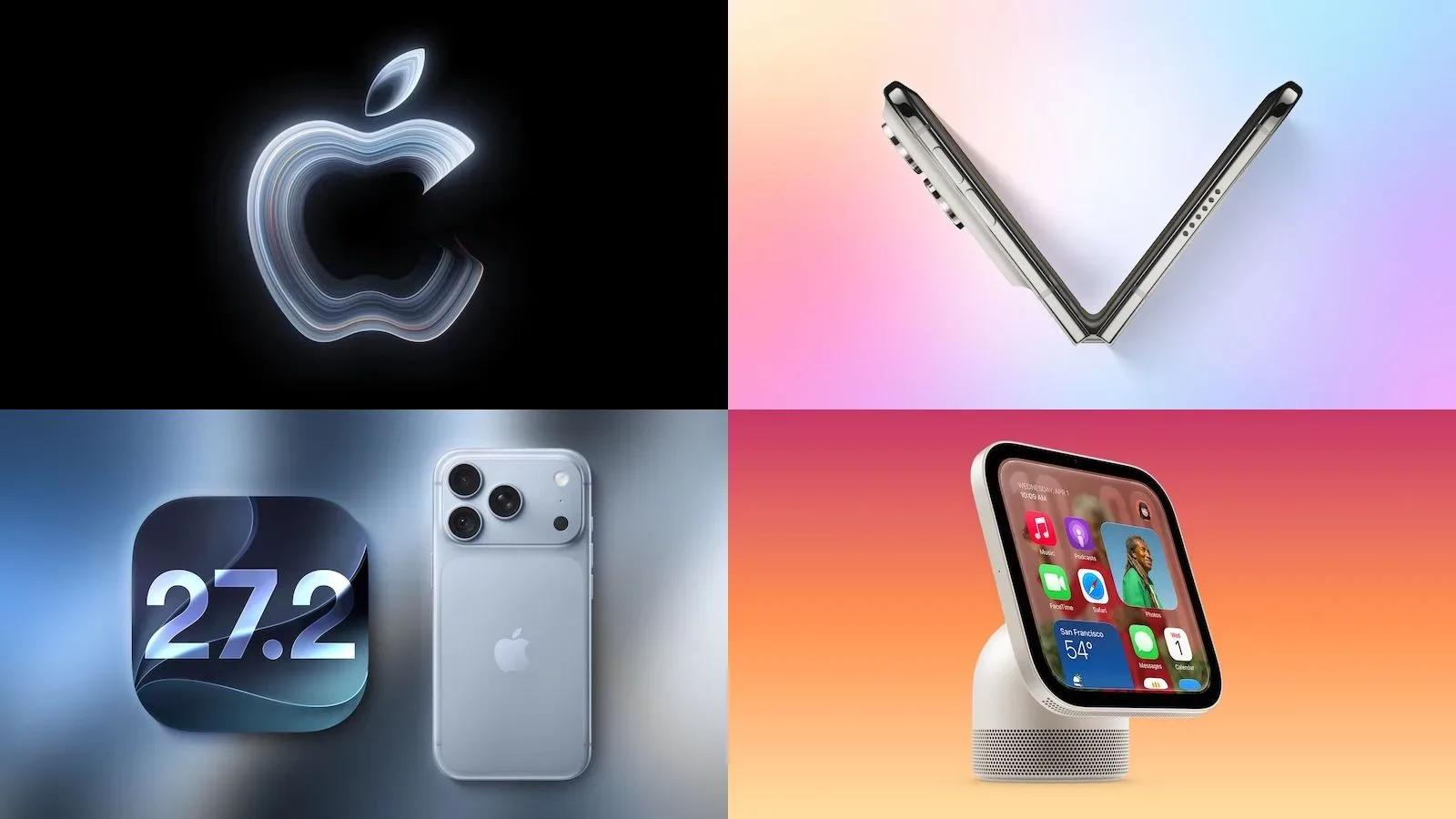
Apple’s late-October schedule is getting crowded: the company has teased a new-product media experience for Wednesday, October 28 in Los Angeles, while its first foldable phone, the iPhone Duo, has begun reaching buyers under unusually tight supply conditions. At the same time, iOS 27.2 and companion operating-system updates have progressed to release-candidate testing, which usually puts a public rollout close at hand.
Those threads matter together. The iPhone Duo introduces a new device shape to Apple’s phone lineup; software support will determine how convincingly that shape works day to day; and the coming “Pro and tell” event could establish what Apple intends to emphasize next. There is plenty that has not been confirmed about the products due next week, but the timing creates an unusually busy moment for people deciding whether to buy into the new foldable, wait for software, or simply watch for the next hardware reveal.
Apple’s next product event is set for October 28
Apple has used the phrase “Pro and tell” to promote a media “experience” taking place in Los Angeles on Wednesday, October 28. The teaser establishes the date and the event branding, but it does not identify the products expected to appear. That means specific hardware claims should remain speculation until Apple shares details.
What does seem reasonable to expect is a concentrated burst of official information on the day. The company’s current product cycle is already in motion following the iPhone Duo’s launch, and the event gives Apple a second focal point instead of leaving its late-October news entirely to the foldable phone.
For prospective buyers, the practical takeaway is straightforward: do not treat the “Pro and tell” tagline as a confirmed reason to purchase or avoid any particular model. It is a confirmed event, not a product list. Anyone weighing a time-sensitive purchase may want to account for the very near possibility of newly announced hardware, while avoiding decisions based on unverified specifications.
iPhone Duo supply has made a walk-in purchase uncertain
The iPhone Duo’s retail launch has been defined by demand outpacing readily available stock. Pre-order shipping estimates moved as far out as January 2027 after what Apple characterized as extraordinary demand. When in-store sales began Friday, Apple said availability would be limited at its stores in most countries.
That limitation is important because launch-day retail habits do not automatically apply to this device. Some store staff were advised to discourage customers from arriving with the expectation that they could simply walk in and buy an iPhone Duo. A small number of customers did manage walk-in purchases, but those outcomes do not turn store stock into a reliable plan.
Apple also appears to be bringing back online ordering for in-store pickup after the option was removed quickly amid the pre-order rush. In-store pickup is the more practical route when it is available: it can distinguish a confirmed reservation from a speculative trip to a retail location. It does not solve the broader stock shortage, but it can reduce the uncertainty around whether a specific store has a unit allocated to a buyer.
What constrained availability means in practice
Limited availability means the iPhone Duo is not necessarily unavailable everywhere, nor does it guarantee that every listed future shipping estimate will remain fixed. It means inventory is scarce enough that shoppers should expect variation by location and a meaningful chance of disappointment without a completed order or pickup confirmation.
- Check online pickup options rather than assuming that a nearby store will have unsold inventory.
- Read shipping estimates as estimates, not promises that a later date cannot change.
- Do not make a special trip solely on the basis of launch-day anecdotes about successful walk-in buyers.
- Consider whether a later delivery is preferable to repeatedly chasing local stock.
Demand also places extra weight on repairability and long-term ownership questions, particularly for a new form factor. A separate examination of the hardware has reported two removable battery cells but a difficult-to-service Touch ID button; readers can find more detail in this iPhone Duo teardown report. That does not settle every durability or service question, but it illustrates why the usual excitement around a fresh device category should be paired with attention to maintainability.
Apple’s apps are adapting to the foldable form factor
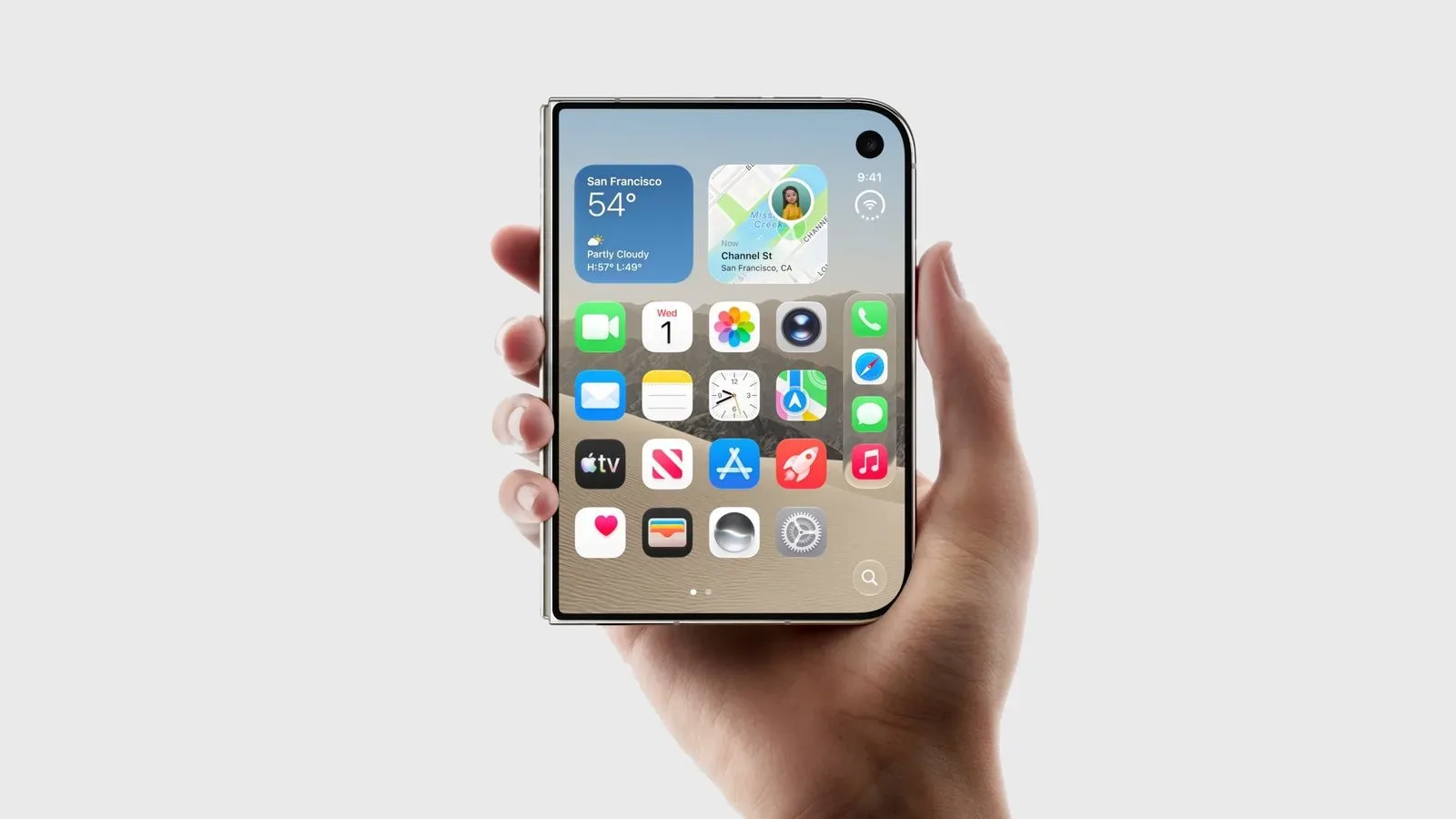
The iPhone Duo is more than a standard iPhone with a different exterior. Its foldable form factor creates a software design problem: apps have to make useful choices about what appears when the display area and device posture change. App Store screenshots released before launch offered a look at how some of Apple’s built-in apps have been adapted.
A form factor is the physical design and shape of a device. In this case, it refers to a phone that can present different usable display layouts than a conventional fixed-shape handset. App adaptation is the work of arranging controls, content, navigation, and views so they remain legible and functional within that changing space.
The available information only confirms that some stock Apple apps have received this attention; it does not establish universal behavior across all third-party software. That distinction will matter to buyers. A foldable’s broader appeal depends not merely on its hardware, but on whether the apps people actually use can take advantage of the screen without creating awkward layouts or inconsistent controls.
For now, the App Store imagery is evidence of Apple’s own software preparation, not a complete compatibility scorecard. It is sensible to separate those two ideas. First-party apps can show Apple’s intended direction for the iPhone Duo experience. They cannot, by themselves, guarantee that every banking app, game, workplace tool, social service, or media player will feel equally considered.
iPhone Handoff adds a second-phone option, but Verizon’s fee changes the equation
iOS 27 introduced iPhone Handoff, a feature designed to let users switch back and forth between two iPhones while keeping one phone number. The premise is especially relevant alongside the iPhone Duo: someone might prefer one form factor in some situations and another at other times, without wanting separate phone numbers.
Here, “one phone number” is the key user-facing benefit. Rather than making a person treat a second iPhone as an unrelated line, iPhone Handoff is intended to support movement between the two phones. The utility is easy to understand for people who see the Duo as a complementary device rather than an automatic replacement for every other iPhone in their routine.
However, Verizon plans to charge $10 per month for iPhone Handoff. That recurring charge is not a one-time accessory expense; it becomes part of the ongoing cost of using the feature on that carrier. Over time, that can materially alter the appeal of maintaining two phones for convenience.
The service is therefore best viewed as an optional workflow choice, not an assumed included benefit of owning two compatible iPhones. Users considering it should confirm the terms that apply to their own line and carrier, and decide whether the flexibility of switching devices is worth an additional monthly bill. The supplied information identifies Verizon’s pricing, but it does not establish terms for other carriers.
iOS 27.2 release candidates point to a likely near-term public update
Apple has seeded release candidates for iOS 27.2 and related updates to testers. A release candidate, commonly shortened to RC, is a build that is being prepared as a possible final public version. It is a meaningful step late in a testing cycle, but it is not itself proof that the exact same build will be released to everyone.
The move suggests iOS 27.2 could arrive publicly next week. That is still a likelihood rather than a firm release-date confirmation. A final change, delay, or revised build remains possible during the last stretch of testing.
For ordinary iPhone owners, the best expectation is to watch for the public update rather than assume it is already available. For iPhone Duo owners and potential buyers, a near-term operating-system release is relevant because new hardware and its software experience often sit close together in the product cycle. The information provided does not list the update’s features, so it would be premature to promise specific Duo fixes, app changes, or performance results from iOS 27.2.
HomeView Max remains a rumor, not a product plan
Beyond the immediate launches and updates, reports continue to point to a more advanced smart-home hub called HomeView Max. The rumored device is described as having a 9-inch display with 360-degree capability and potentially arriving within the next year or two. Apple’s standard HomeView hub has not yet reached customers.
That sequence warrants caution. The HomeView Max name, its display description, and its possible timing are all unconfirmed. A 360-degree screen description may sound precise, but an unannounced product is not a purchase decision waiting to happen. It is simply an indication of a direction Apple may be exploring.
The firmer near-term calendar is clearer: the iPhone Duo is in the market but difficult to obtain, iOS 27.2 is near the end of testing, and Apple has a media event scheduled for October 28. Everything else should be judged by its level of confirmation, especially during a crowded hardware season where a teaser, a rumor, and a shipping estimate can easily be mistaken for the same kind of certainty.