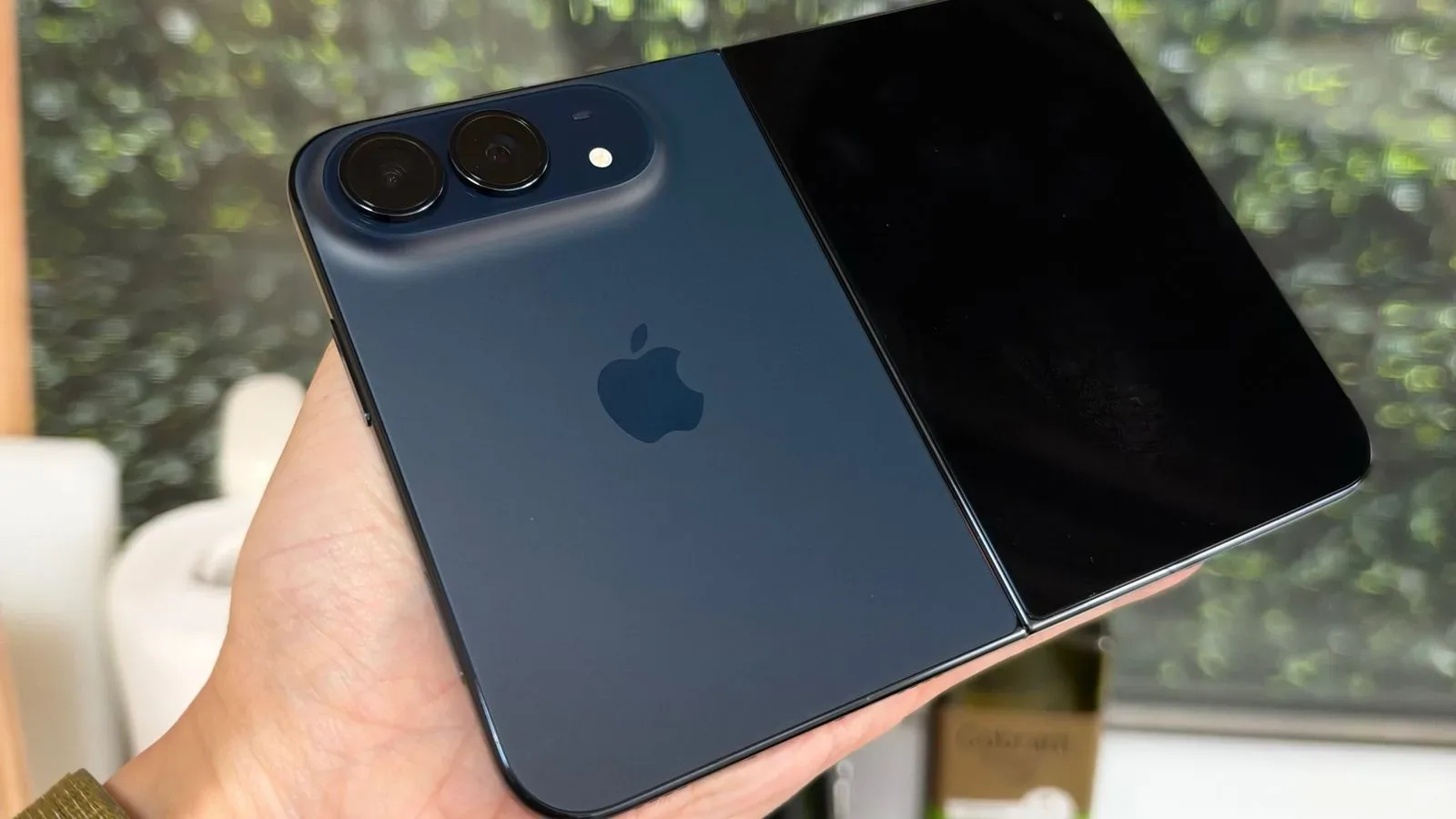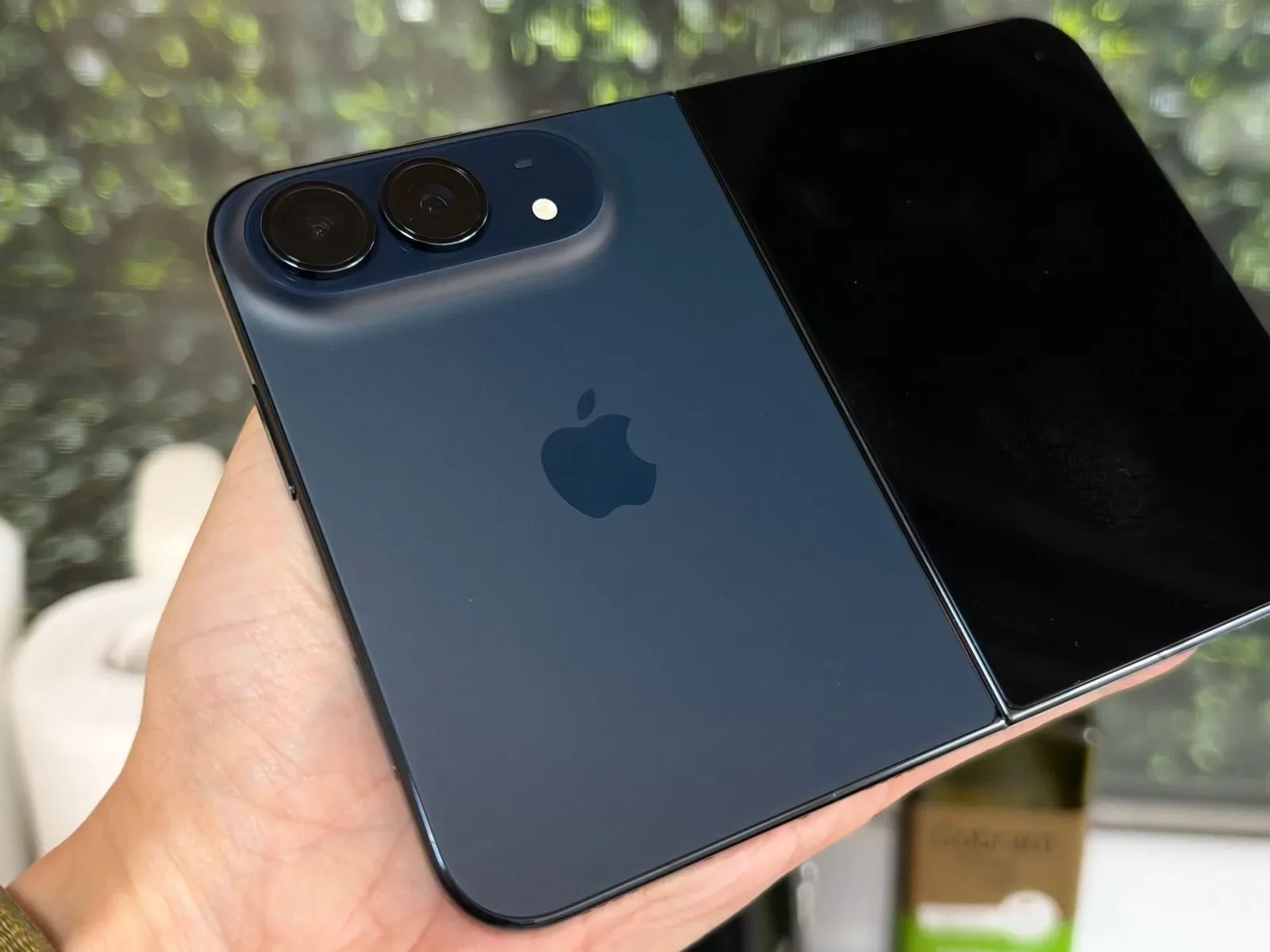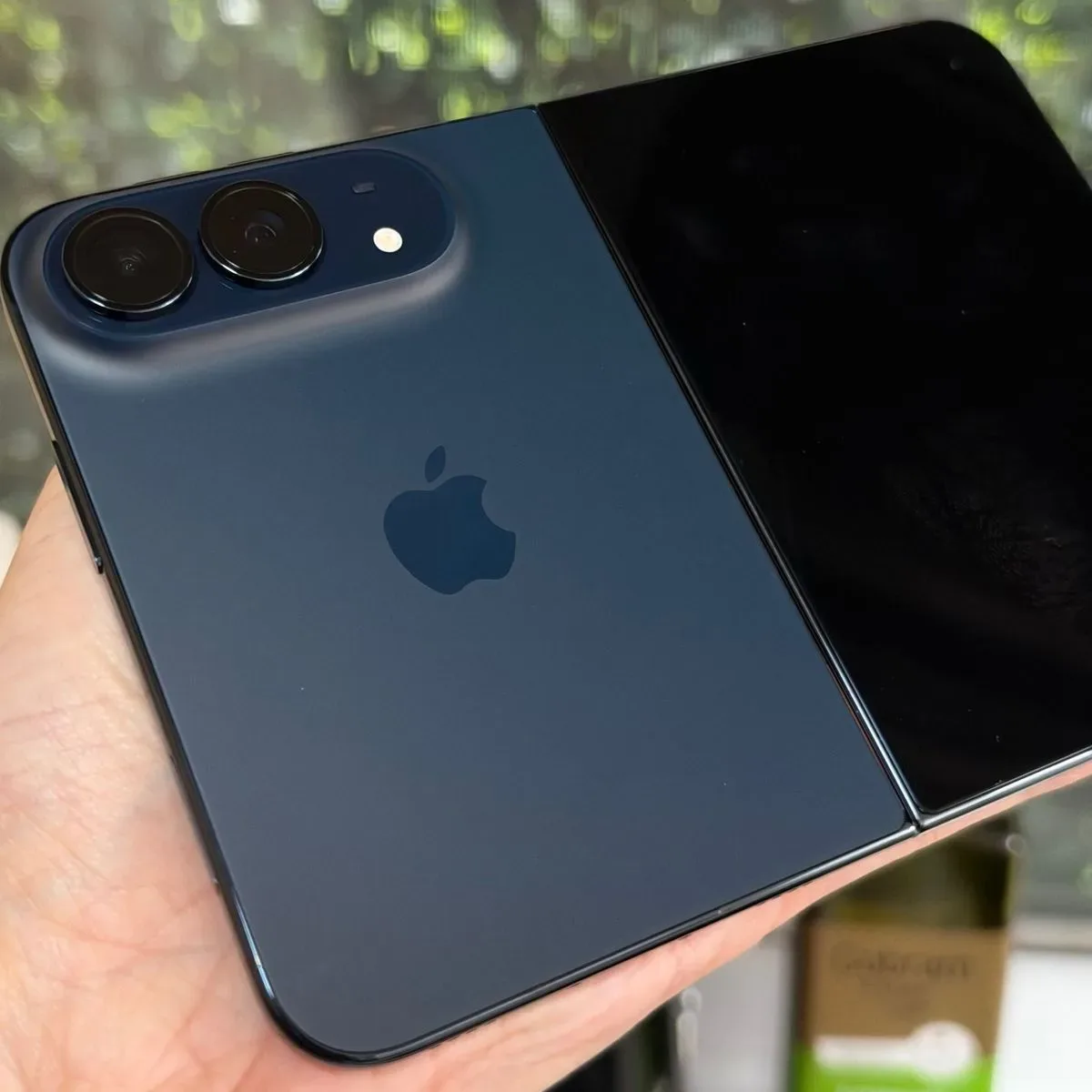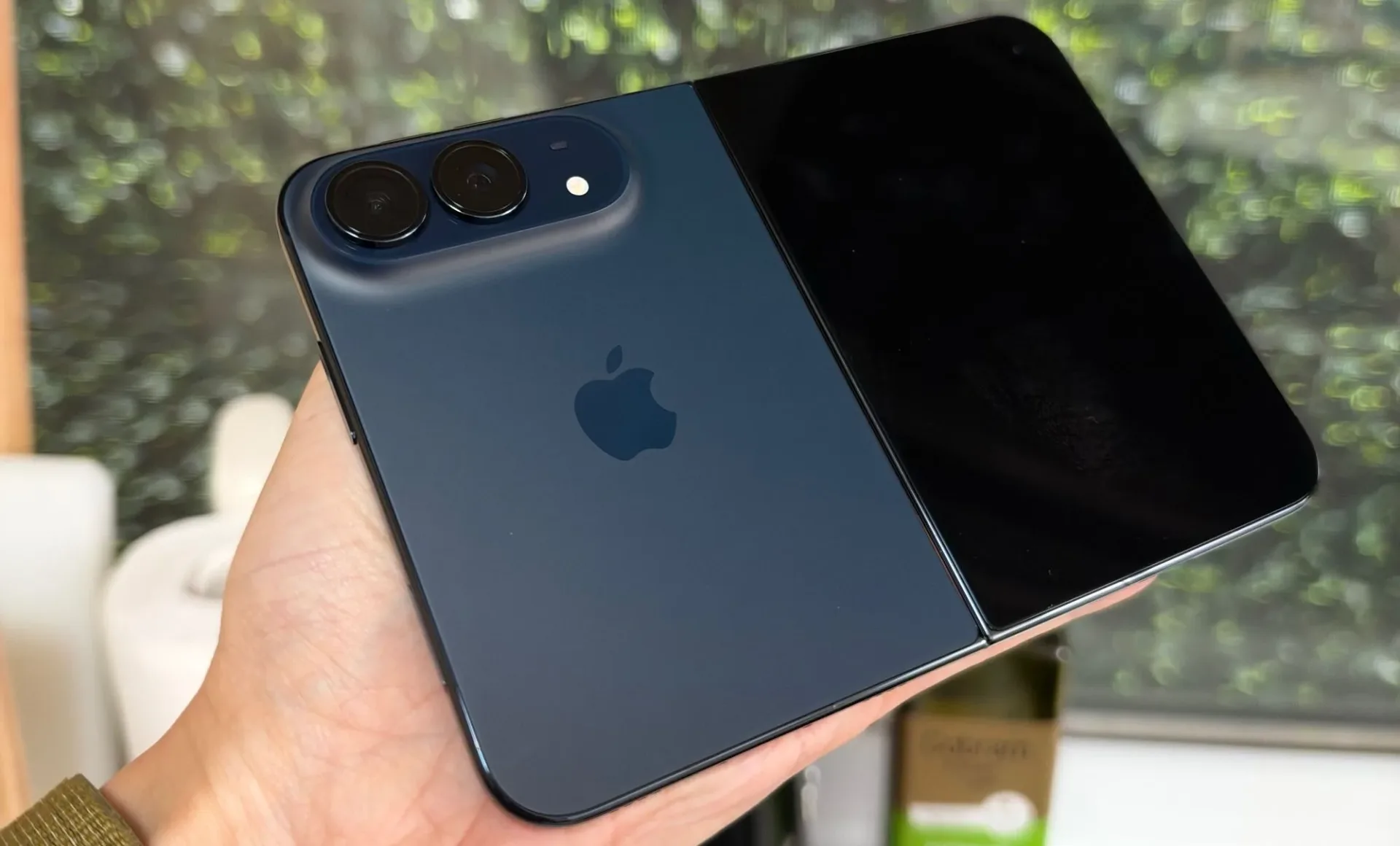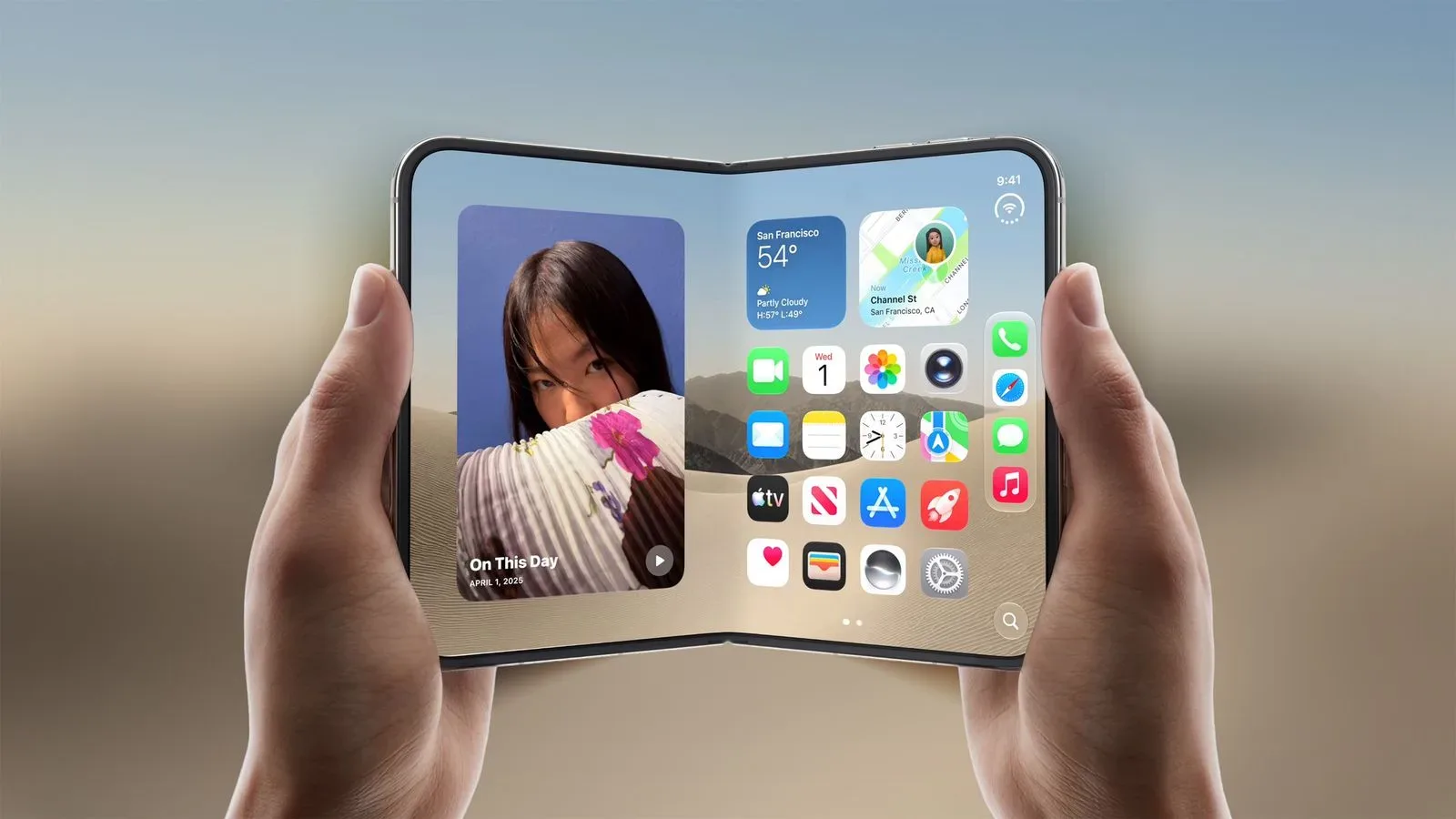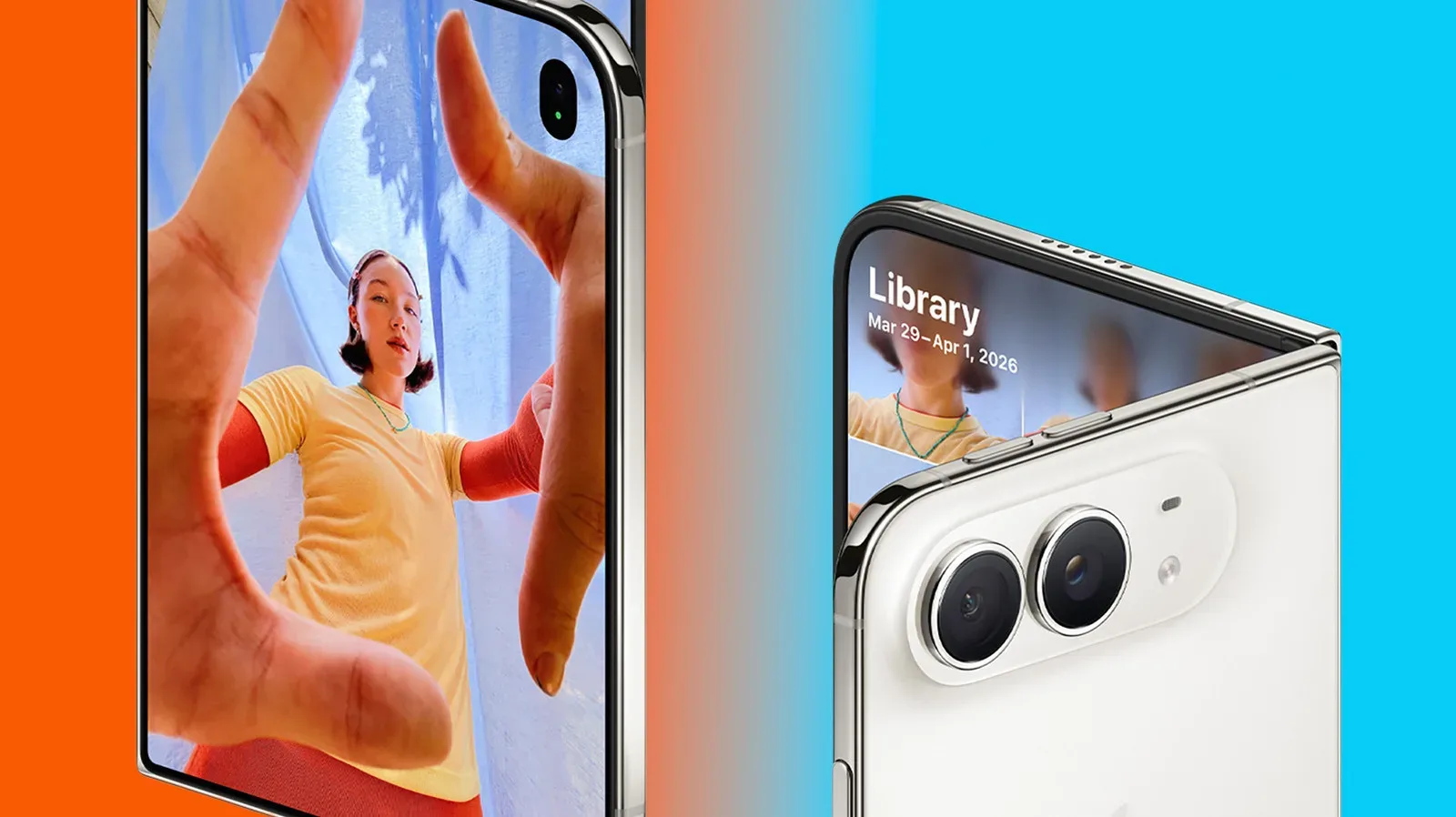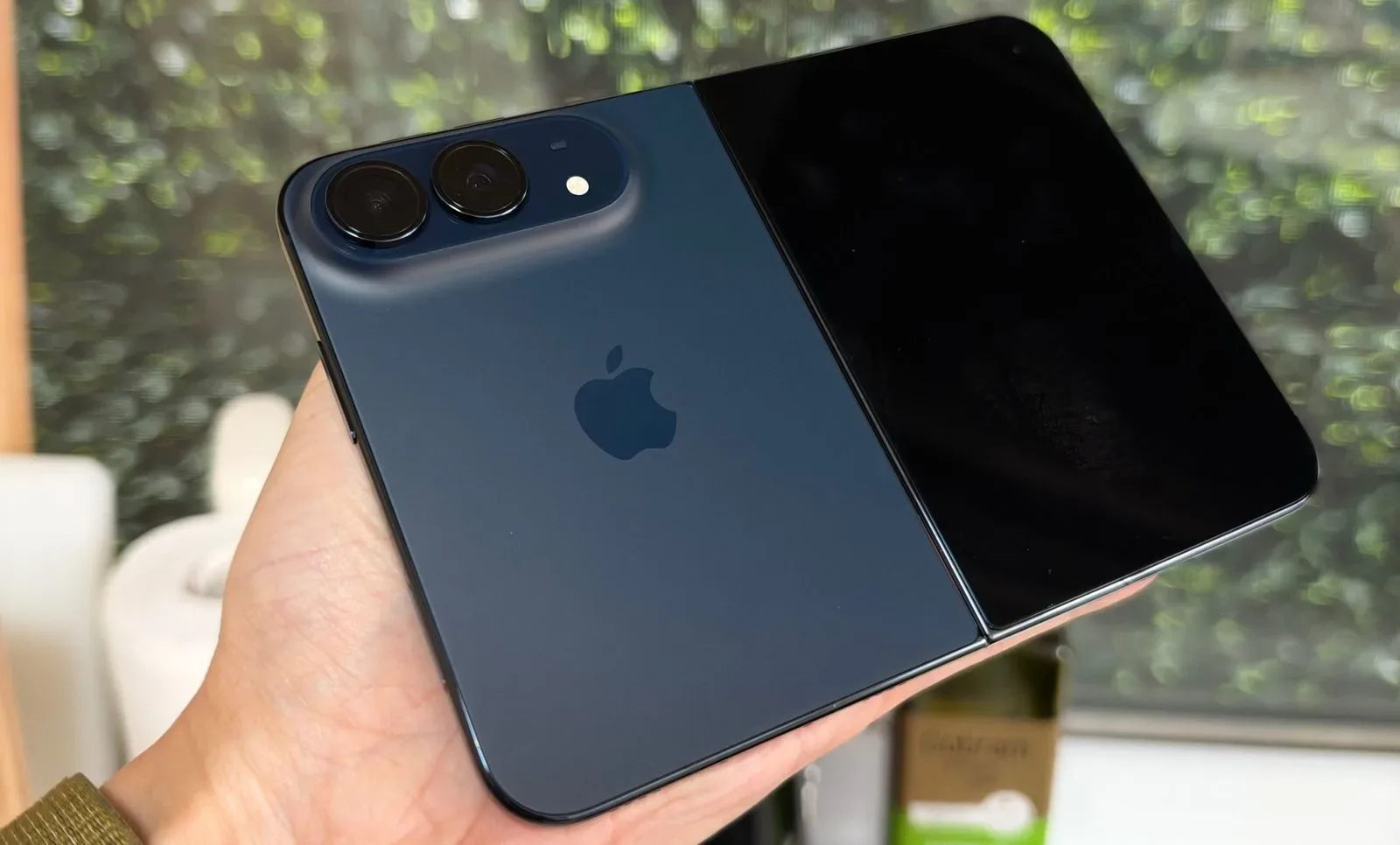
The iPhone Duo’s launch is now underway, with the first preorders beginning to reach customers in Australia and New Zealand on Friday, October 23. Those deliveries mark the first public arrival of Apple’s first foldable phone, a device that starts at $1,999 and pairs a 5.4-inch exterior screen with a 7.6-inch inner display.
The rollout will move westward through Asia, the Middle East and Europe before reaching North America. Some Apple Stores around the world are scheduled to open early, at 8:00 a.m. local time, for the occasion. But for prospective buyers who did not secure an early preorder, the important part of launch day may be less about the spectacle of a new product and more about navigating unusually constrained-looking availability.
What is arriving first
The iPhone Duo is a foldable smartphone: in practical terms, it has one smaller display for use while shut and a larger screen available once the hardware is unfolded. Its stated display sizes place the outer panel at 5.4 inches and the interior panel at 7.6 inches. That creates a straightforward distinction in intended use, even before making assumptions about software features or performance: the outside screen is the compact phone-facing surface, while the inner display offers a substantially larger workspace when opened.
That difference matters because the Duo is not simply another large handset. The fold-out screen is the defining feature of the product, and it is also why shoppers should be cautious about reducing the device to a spec-sheet comparison with a conventional phone. Screen size is measured diagonally, and the 7.6-inch figure describes the unfolded interior display rather than the footprint of the device in its closed state.
Apple has set the starting price at $1,999. That makes purchase planning particularly relevant: this is a premium launch product, and customers deciding whether to seek same-day stock should separate confirmed purchasing options from rumors of inventory. At present, early deliveries, official pickup reservations where offered, and possibly inventory through carriers or major retailers are the relevant routes described for launch day.
Online shipping estimates have already moved far out
Online delivery estimates slipped to January 25 shortly after preorders began and have remained there. That does not prove every configuration or every sales channel is unavailable, but it does establish that an ordinary online order may not be the route to receiving an iPhone Duo this year.
For a shopper who wants the phone sooner, the practical implication is simple: do not treat an order page showing a January date as a temporary inconvenience that guarantees a near-term dispatch. It is the current delivery estimate. Launch-day stock, a later pickup reservation, or potential inventory at carriers and large retail stores may offer alternatives, but each has its own uncertainty.
- Preorder delivery: Existing early orders are now starting to arrive in the first launch markets.
- New online orders: Shipping estimates have moved to January 25.
- Apple Store pickup: Availability depends on reservations in specified markets, rather than walk-in buying.
- Carrier and big-box retail: Stock may be available, but this is a possibility rather than a confirmed guarantee for every location.
In other words, launch day could reward preparation, flexibility and luck more than a simple trip to the nearest store. Customers hoping to buy one should verify the status shown by the specific seller they intend to use instead of assuming that a global launch means uniform local supply.
Reservation-only pickup applies in a long list of markets
Walk-in iPhone Duo purchases will not be available in France, China, Hong Kong, India, Japan, Malaysia, South Korea, Taiwan, Thailand and the United Arab Emirates. Customers in those locations who want to collect a device from an Apple Store need a reservation for pickup.
That wording is worth taking literally. A walk-in purchase means arriving at a store without a prearranged pickup reservation and attempting to buy available stock. A pickup reservation is a separate process that assigns a customer a collection opportunity through the store system. The distinction is especially meaningful in a limited-stock launch: a store opening early does not mean a person without a reservation can obtain a device there.
Apple’s website directs customers to check again on Saturday, October 24 for pickup reservations. That gives interested shoppers a clear next checkpoint, while not promising that reservations will appear at every store or for every version of the phone. Anyone who sees a reservation should still review the collection details carefully, including the named store and pickup timing, rather than regarding it as a general indication of regional stock.
Early customer posts are beginning to appear
As the first deliveries land, photos and first impressions from customers are appearing on forums and social platforms. That is a normal part of a staggered worldwide launch: buyers in the earliest time zones become the first people outside formal product materials to show what has arrived in retail packaging and to discuss their initial reactions.
Those early impressions can be useful for basic questions that are visible from a customer’s own device, but they should not be treated as a substitute for a broad picture of ownership. A first-day photo can establish that a device has reached a buyer; it cannot by itself answer longer-term questions about use, durability, battery life or how a person will adapt to a folding form factor. None of those broader assessments should be inferred from the start of deliveries alone.
The launch also arrives while interest in a potential larger version remains separate from the phone actually shipping now. A previously discussed larger iPhone Duo concept remains only an idea; the model entering customers’ hands has the 5.4-inch outer and 7.6-inch inner screens described above. For buyers weighing a purchase, that distinction avoids turning an unconfirmed possibility into an assumed reason to wait.
What buyers can realistically do now
There are no complex launch-day tricks in the available information, but there are sensible ways to read the situation. First, customers with existing delivery orders should follow the status attached to their own purchase; the launch has begun in the earliest regions, but delivery timing will vary as sales open across time zones. Second, people in reservation-only markets should use the reservation process rather than plan for an unannounced walk-in purchase. Third, buyers facing the January 25 online estimate can watch for legitimate pickup opportunities and check relevant carrier or major-retailer channels, understanding that stock there is not assured.
The iPhone Duo is therefore starting its retail life in two very different modes. For the earliest preorder customers, it is a tangible new foldable device arriving at their door. For many prospective purchasers, it is a product whose official web delivery window has already stretched well beyond launch week. The next several days will show how much local availability emerges as sales and deliveries reach the remaining regions.