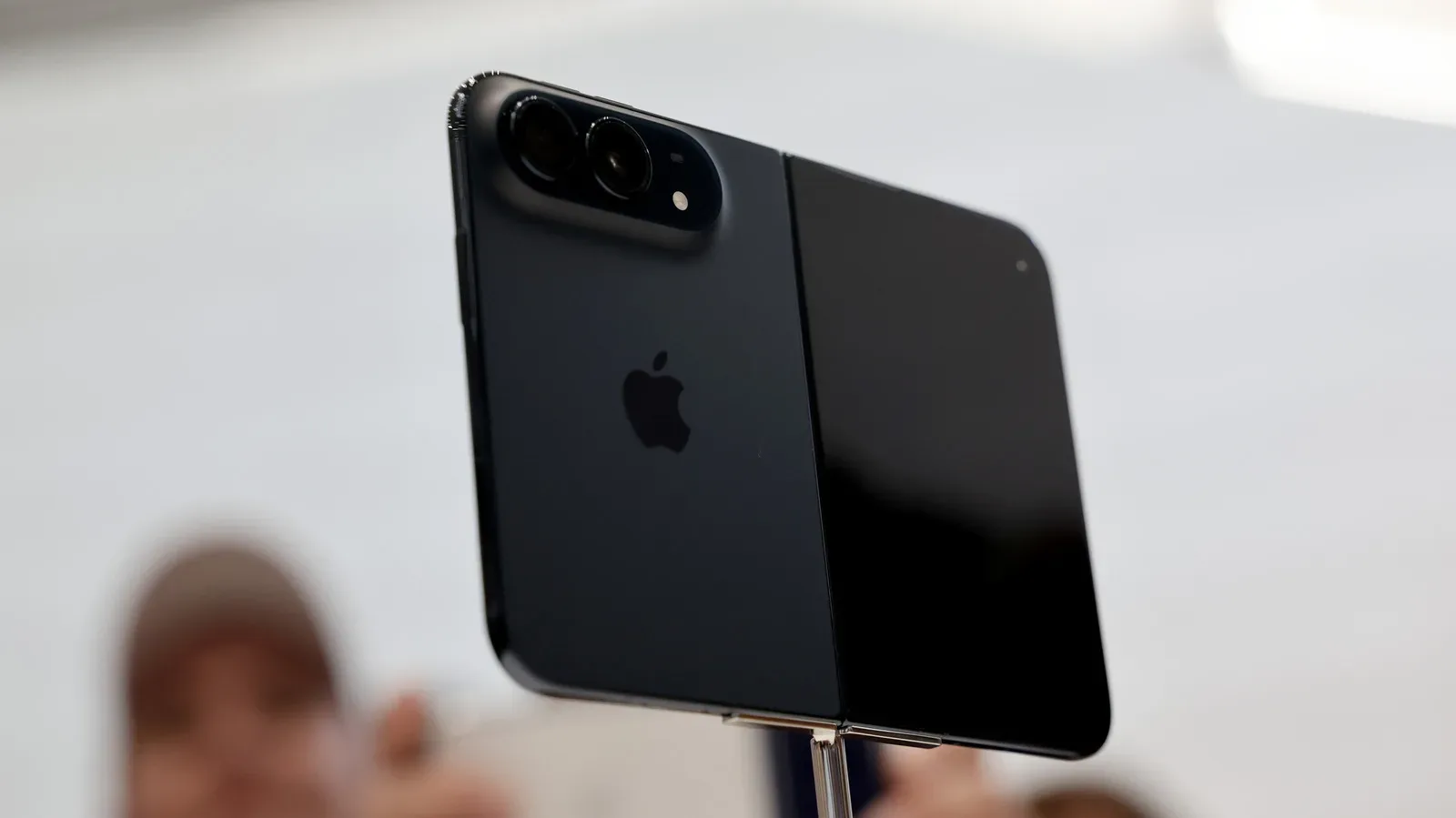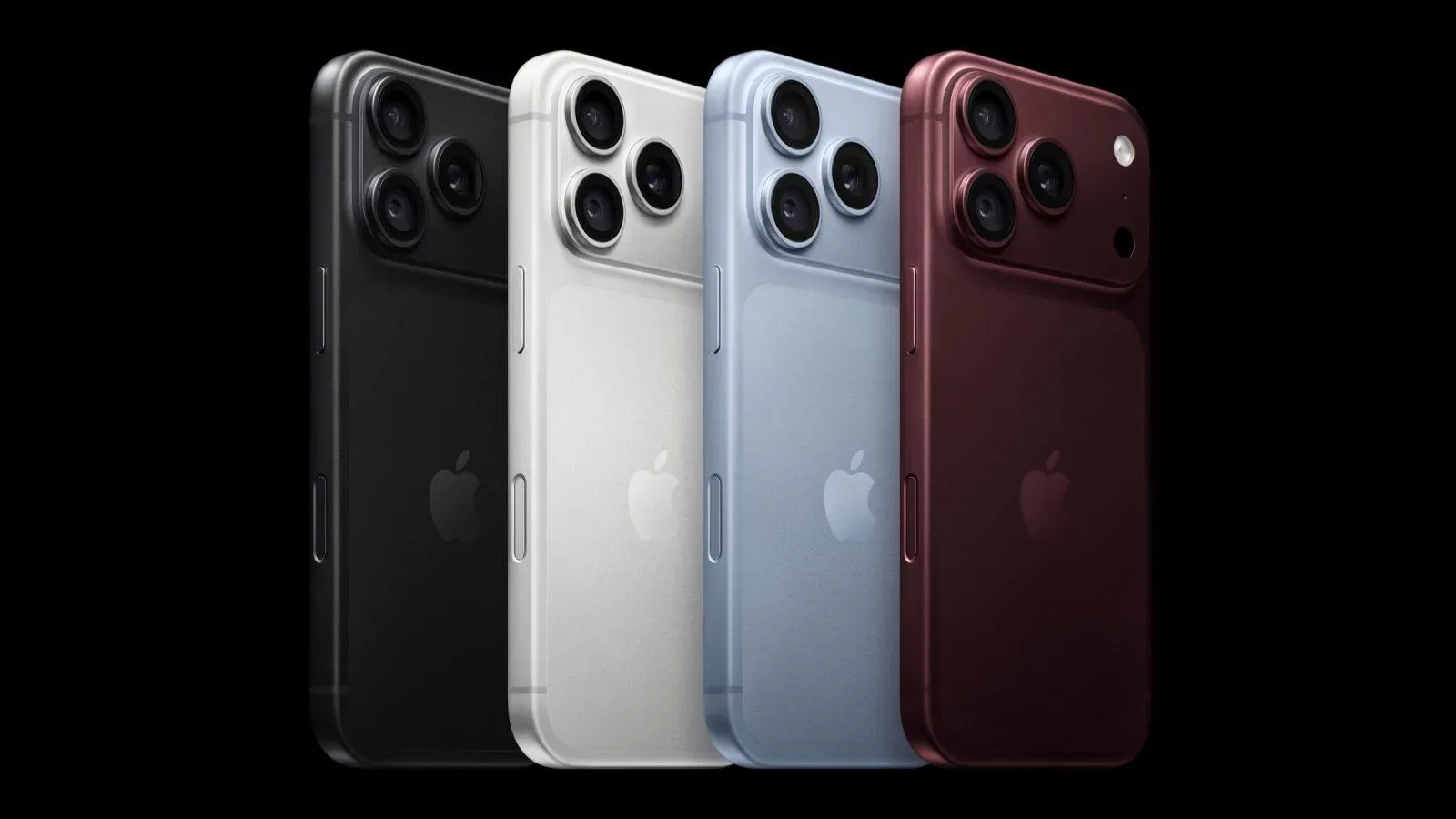
Apple may once have explored putting 16GB of RAM in the iPhone 18 Pro, iPhone 18 Pro Max, and its foldable iPhone Duo, but the hardware that has surfaced points instead to 12GB for the Pro phones. The claim comes from the leaker known as Instant Digital, whose short post did not say when the higher-memory configuration was under consideration, how far it progressed, or whether it applied equally to every model.
That missing detail matters. A proposed internal specification is not the same thing as a confirmed shipping product feature. Still, the report fits a broader picture of a constrained memory market: earlier expectations had already converged on 12GB for the iPhone 18 family, and reporting around the iPhone Duo has tied rising memory costs to potential pressure on the foldable’s starting price.
For prospective buyers, the practical headline is straightforward. The iPhone 18 Pro and iPhone 18 Pro Max have 12GB of RAM, a capacity identified through Xcode 27, and that matches the preceding iPhone 17 Pro models. The iPhone Duo is also expected to use 12GB, though the Xcode information that established the Pro models’ figure did not include the foldable. Apple’s iPhone Duo pre-orders are set to begin October 16, with availability following on October 23.
What is confirmed, expected, and merely reported
It is useful to separate the three levels of information here rather than flattening them into a single “spec bump canceled” story.
- Confirmed for the iPhone 18 Pro and iPhone 18 Pro Max: 12GB of RAM has been identified through Xcode 27.
- Expected for iPhone Duo: 12GB has been widely projected, but the same Xcode material did not verify the foldable’s configuration.
- Reported earlier plan: Apple allegedly initially intended to use 16GB in the Pro lineup and iPhone Duo. There is no stated timeframe or explanation from the leaker beyond the claim itself.
The distinction is especially important because the phrase “initially planned” can describe many stages of product development. Companies investigate parts, capacities, suppliers, costs, thermal requirements, and expected demand long before a final bill of materials is locked. Without more detail, it cannot establish that a 16GB version was close to mass production, nor can it show whether every device would have received it.
What can be said is that 12GB was not a late surprise in the public rumor cycle. Ming-Chi Kuo predicted in April 2025 that the iPhone 18 lineup would carry 12GB. Jeff Pu had similarly projected 12GB for the Pro models and Apple’s first foldable in January. A March report said Samsung would provide 12GB memory modules for the iPhone Duo. Those independent expectations give the 12GB outcome much firmer footing than the otherwise sparse 16GB claim.
RAM explained: why capacity is not the whole performance story
RAM, short for random-access memory, is the fast working memory a phone uses while apps and system processes are active. It is separate from storage capacity. Storage holds installed apps, photos, games, and files when they are not actively being worked on; RAM provides temporary room for the operating system to keep tasks available and move among them quickly.
More RAM can be useful when a device has to keep more demanding work resident at once. In broad terms, that could mean more background apps remain ready to resume, larger creative projects have more room to operate, or intensive software has less reason to discard and reload data. That does not mean a RAM number alone predicts a phone’s speed. Software memory management, chip design, task behavior, and the needs of individual apps all affect the result.
It also means that the difference between 12GB and a hypothetical 16GB configuration should not be framed as proof that the released Pro phones are under-equipped. There is no supplied evidence showing that 12GB causes a specific limitation on the iPhone 18 Pro models, or that 16GB would have unlocked a named feature. The defensible conclusion is narrower: 16GB would have provided additional memory headroom, while 12GB maintains the same stated capacity as the iPhone 17 Pro generation.
For a foldable, memory decisions can attract extra attention because a device that changes shape may invite heavier multitasking expectations. But expectations are not specifications. The iPhone Duo’s form factor does not itself prove that 16GB was necessary, or that 12GB will be inadequate. It simply makes the reported decision more interesting, particularly since the foldable is expected to share the same capacity as the Pro models.
Readers weighing Apple’s first foldable against another design can find a broader breakdown in this iPhone Duo versus Motorola Razr Ultra comparison, where the decision is framed around shape, software, and price rather than a single component specification.
Memory supply is the plausible business explanation
The most credible explanation offered for the apparent move from 16GB to 12GB is the wider memory shortage. DRAM—dynamic random-access memory—is the common type of working memory used in modern electronics. If DRAM supply is tight, the issue is not only whether a manufacturer can source parts; it is also whether it can obtain sufficient volume at a cost that makes sense for planned production and pricing.
Reporting in March described sharply higher prices for 12GB memory modules. Separate reporting said memory costs had led Apple to discuss a higher starting price for the iPhone Duo. Kuo also said DRAM shortages were causing Apple to reduce its 2026 hardware shipment plans. Taken together, those points make a lower-than-reported memory target understandable as a cost and supply-management decision.
That remains analysis, not a confirmed explanation from Apple. The available material does not document a specific meeting, supplier change, or final decision that directly connects a 16GB plan to a 12GB shipping configuration. But it does establish the relevant commercial conditions: memory was becoming more expensive, supply was tight enough to affect shipment planning, and the foldable’s pricing discussion was reportedly exposed to those costs.
A component choice on a premium phone is therefore not always a simple contest to put the biggest available number on a spec sheet. A manufacturer must balance component availability, cost, production volumes, and the device’s eventual price. In this case, the fact that even 12GB modules were reportedly becoming more expensive gives context to why a 16GB target, if it existed, could become harder to sustain.
What this means for buyers and spec-watchers
The confirmed 12GB figure for the iPhone 18 Pro and iPhone 18 Pro Max is the relevant number for anyone evaluating those phones today. It also means that owners comparing generations should not expect a RAM-capacity increase over the iPhone 17 Pro models. That alone does not settle the question of overall performance, but it does clarify one part of the comparison.
The iPhone Duo should be treated with more caution until its memory capacity is directly substantiated. The 12GB expectation is supported by several prior projections and the report of Samsung supplying 12GB modules, yet it is not verified by the Xcode evidence referenced for the Pro models. Buyers interested specifically in the foldable’s multitasking potential should avoid treating the 16GB rumor as a promised capability—or treating the expected 12GB as fully confirmed—before final product details are established.
The larger lesson is about reading hardware rumors precisely. A claim about an abandoned plan can illuminate supply-chain conditions and internal trade-offs, but it should not replace the specifications of the product that actually reaches customers. Here, the evidence supports a clear present picture for the iPhone 18 Pro pair, a well-supported but unconfirmed expectation for iPhone Duo, and an intriguing unverified report that 16GB was once on the table.