Apple’s long-rumored push toward a more cohesive smart home may be getting a practical assist from LG Electronics. Documents submitted to the Federal Communications Commission and UL Solutions reportedly point to an LG-built family of connected-home hardware: a wired video doorbell, thermostat, smart deadbolt, temperature sensor, indoor camera, outdoor camera and floodlight camera.
The particularly important wrinkle is that the products are expected to fit with Apple’s upcoming home hub and other Apple home products, while remaining LG-branded devices. Apple is not named in the filings, and LG sought confidential treatment for their details, so this is not a substitute for an official product announcement. Still, the reported setup suggests a deliberate route for Apple: help shape a wider hardware experience without putting its own logo, support operation and manufacturing burden on every camera, sensor and lock in the house.
That could make the smart-home market a little less like assembling a party of unrelated side characters—and more like choosing equipment intended to operate under the same quest system.
What the reported LG range includes
The product list covers several of the major smart-home categories people tend to combine around a central controller:
- Wired video doorbell: A doorbell camera intended to use a wired installation rather than relying solely on battery power.
- Smart deadbolt lock: A connected lock, reportedly with ultra-wideband support for close-proximity automatic unlocking.
- Thermostat and temperature sensor: Hardware that could support climate monitoring and heating or cooling controls.
- Indoor and outdoor security cameras: Separate cameras intended for different placements.
- Floodlight camera: A camera combined with exterior lighting.
On its own, that is a broad catalogue. Collectively, it matters because the devices cover entry, surveillance and environmental controls—the types of products that can feel fragmented when each relies on a different app, account or wireless standard. The report does not establish final software experiences, pricing, regional plans, recording features, subscription requirements or every compatibility detail. Those are meaningful omissions, especially for cameras and locks. For now, the evidence supports the device categories and the reported Apple-linked development relationship, not a complete buyer’s guide.
Why Apple may want LG in the party
A home built around Apple products has long depended heavily on third-party accessories. That is not inherently a weakness: an open accessory ecosystem can give shoppers more choice. The hard part is breadth. Designing, manufacturing, certifying and supporting a portfolio that spans a lock, thermostat, indoor camera, outdoor camera, lighting product, doorbell and sensors is a lot more complicated than releasing a single central display or speaker.
The reported arrangement is a form of second-party strategy. In plain terms, another company makes and brands the product, but Apple can reportedly contribute to the design, features and engineering direction. It gives Apple a way to pursue a more coordinated experience without directly becoming the seller of every physical device.
That distinction matters. A doorbell is exposed to weather and installation variables. A deadbolt is a security-sensitive product that must fit real doors and real routines. Cameras raise ongoing questions around placement and management. A thermostat intersects with a home’s existing heating and cooling setup. Each category has its own technical and customer-support complications.
By working through LG, Apple could potentially concentrate on the connective layer: how devices show up in a home interface, how automations behave, how people receive alerts and how the system works alongside its own home products. LG, meanwhile, would be the brand producing the accessory range. It is a potentially efficient division of labor, but one that still has to prove itself in the final products.
For a broader example of how differently companies can approach the cost and complexity behind major technology projects, the reported scale shift in entertainment production is also visible in this look at how blockbuster game development has changed. Smart-home hardware is a different business, but the underlying point travels: expanding a product ecosystem carries real engineering and support costs, which makes partnerships attractive.
The connectivity alphabet soup: Wi-Fi, Bluetooth, Thread, Matter and UWB
The reported LG devices are said to support combinations of Wi-Fi, Bluetooth, Thread and Matter, while the lock also adds UWB. Those terms can sound like settings-menu clutter, but they describe different pieces of how connected devices communicate.
Wi-Fi
Wi-Fi is the familiar local network connection used by many internet-connected home devices. For cameras in particular, it is an obvious fit for sending larger amounts of data around a home network. The filing details do not establish what any particular camera will do with its connection, but Wi-Fi support makes sense within a broader connected-home set.
Bluetooth
Bluetooth is a short-range wireless technology commonly used for device setup and nearby communication. Its presence alongside other standards does not tell buyers exactly how onboarding or everyday control will work, but it gives the products another local connection option.
Thread
Thread is a low-power networking technology designed for smart-home devices. The useful idea is that smaller devices, such as sensors, can communicate through a home network without every interaction needing the same kind of connection used by a video stream. A Thread-capable smart-home setup can help products work together locally as part of a network.
Matter
Matter is a smart-home interoperability standard. Rather than being a radio technology by itself, it is intended to help compatible accessories and platforms work together more consistently. Matter support is therefore significant for a proposed Apple-aligned collection: it suggests the devices may be built around a shared language for smart-home ecosystems rather than a wholly isolated LG-only system. Exact compatibility, supported functions and software requirements will still need confirmation device by device.
UWB
UWB, short for ultra-wideband, is the most distinctive reported feature here because it is specifically linked to the deadbolt. The intended use is close-proximity automatic unlocking. That means the lock could recognize that an authorized user is nearby and unlock without the more deliberate action of pulling out a phone or using a physical key.
Convenience is the headline appeal, but a lock is not the place for assumptions. Interested buyers should wait for final information on supported devices, the proximity behavior, security controls, fallback access and how automatic unlocking can be managed or disabled. The report establishes the presence of UWB support, not the full security model around it.
A home hub needs reasons to exist
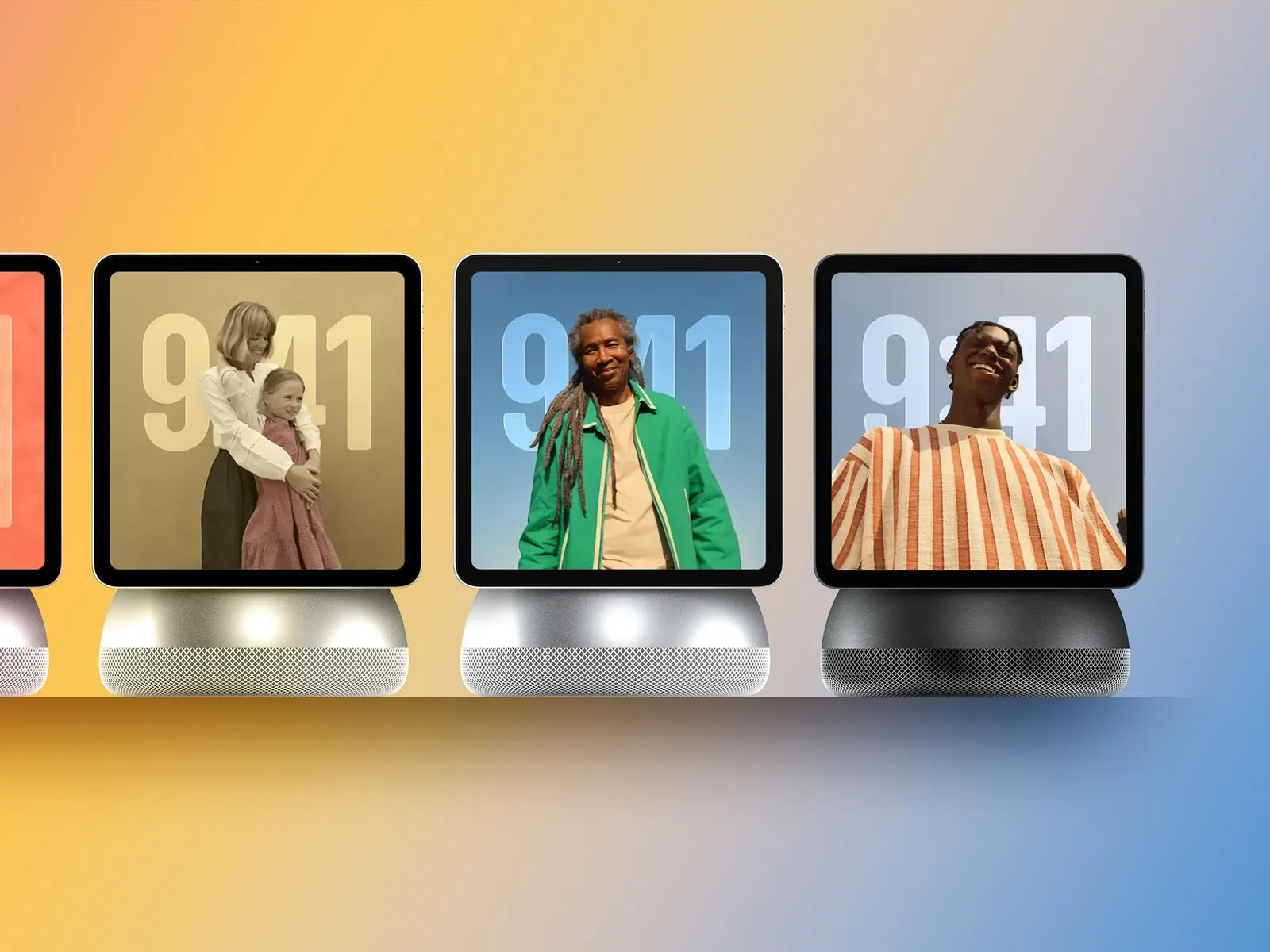
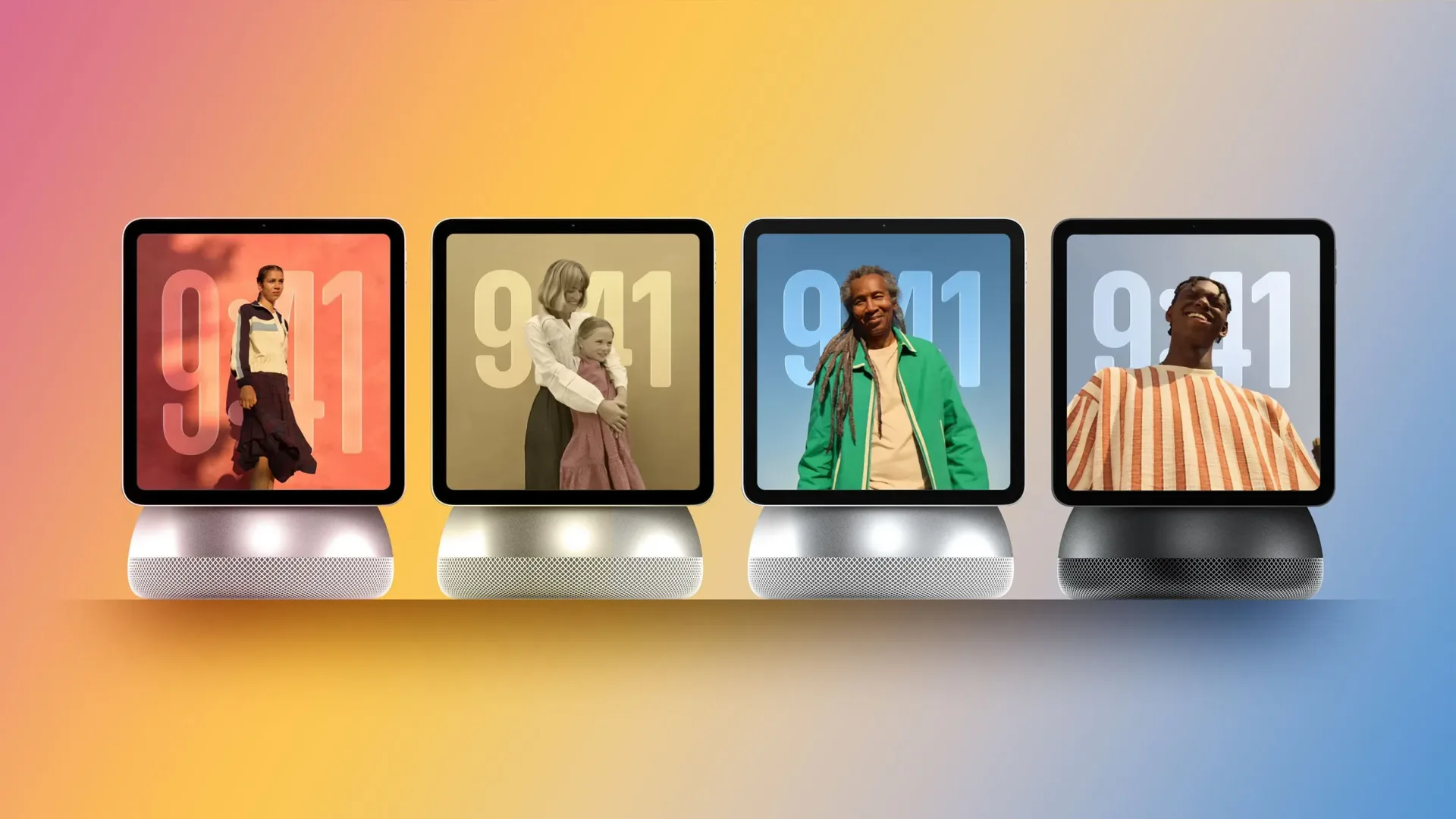
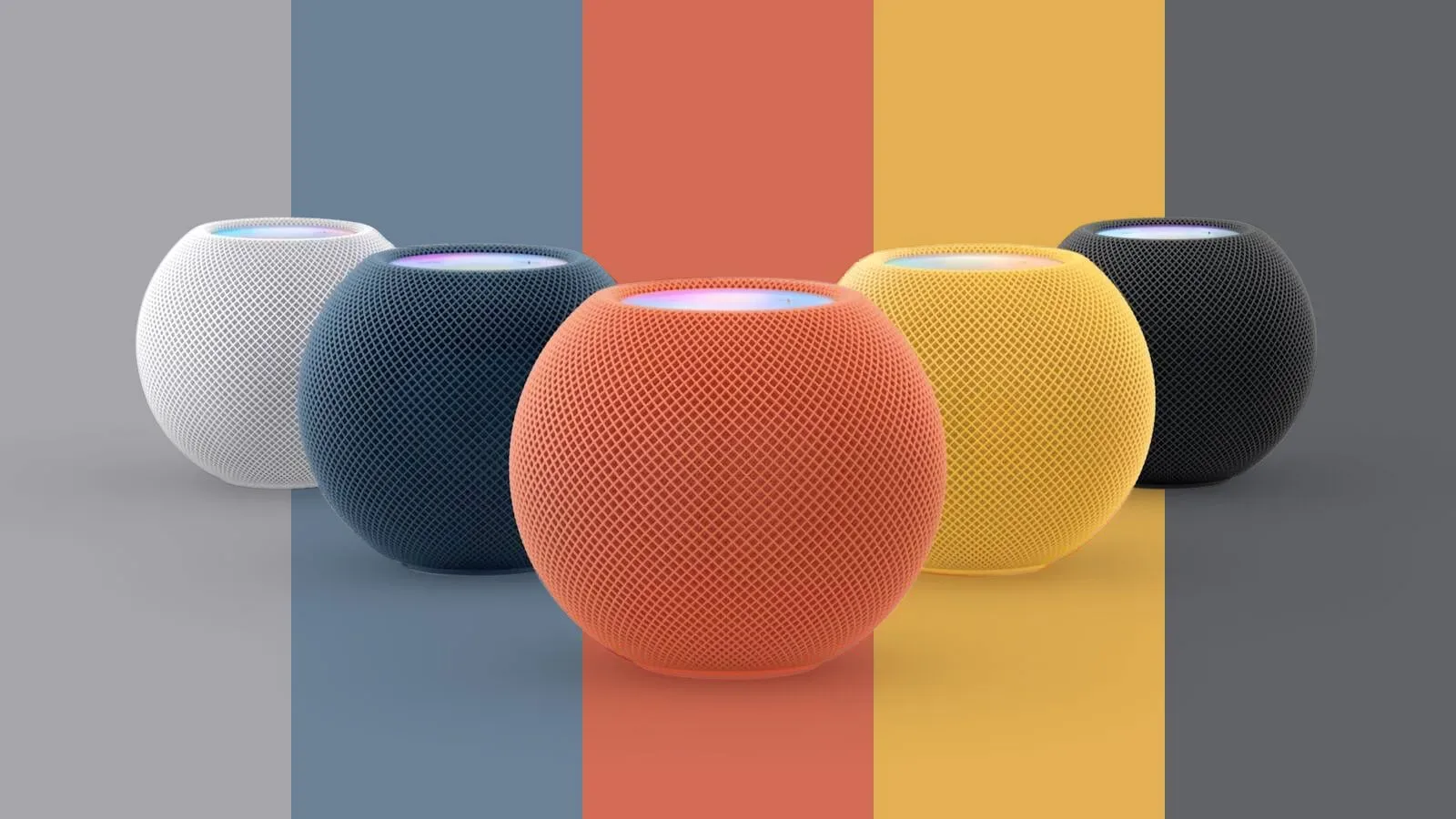
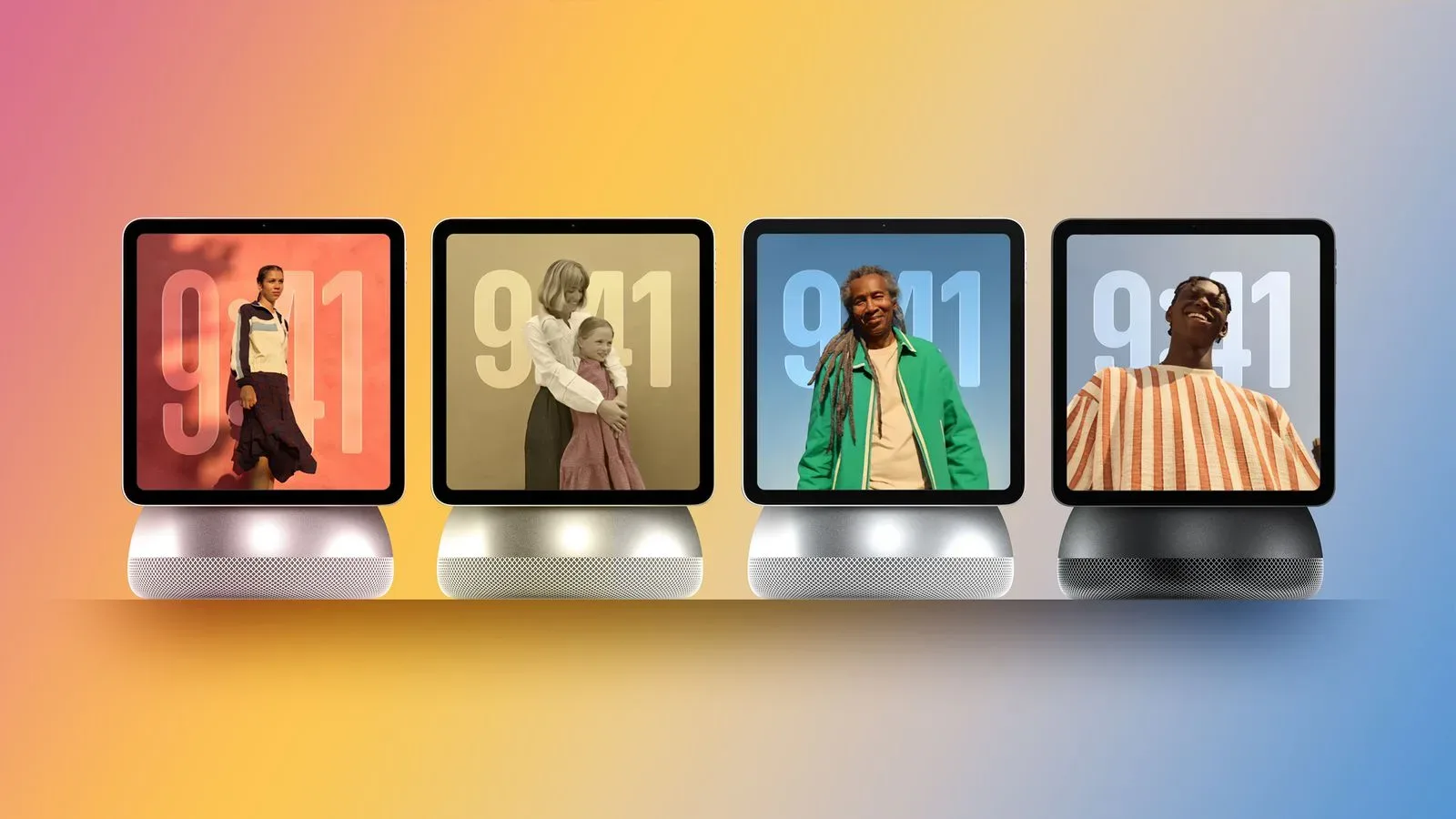
Apple is expected to introduce a rumored home hub, a new Apple TV 4K and a new HomePod mini on October 13. The LG accessories, however, reportedly will not be ready for launch until a few months later. That gap is worth noting. Even if the Apple devices arrive on the expected date, it does not mean this LG range will be ready at the same time.
Yet the sequence has a clear strategic logic. A hub becomes more valuable when there are visible, useful things to control: the person at the door, the temperature in a room, outdoor lighting, an entry lock or a camera view. The central device is the interface; the accessories provide the reasons a household might consult it repeatedly.
Apple has worked with LG before. LG Display components have been used in Apple devices, and LG previously partnered on 4K and 5K UltraFine monitors made for Macs during a period when Apple did not sell its own branded displays. The reported smart-home effort would be a more expansive version of working with a familiar manufacturing partner, though it enters a category where LG is less established as an accessory brand.
LG does have a relevant platform move on its record: it acquired a majority stake in smart-home platform Homey in 2024. That does not reveal how the prospective LG accessories would be managed or whether Homey will play a role in them. It does, however, show LG has been investing in the broader smart-home space.
The competitive pressure is obvious, but the details still matter
A combined doorbell, lock, camera, lighting, sensor and thermostat lineup would put LG into categories associated with established smart-home names such as Samsung SmartThings, Amazon Ring and Google Nest. The challenge is not simply having every box checked on a product list. It is making the pieces feel dependable together.
For households already using Apple devices, the appeal of a more tightly coordinated range is straightforward. Fewer disconnected control experiences could make home management simpler, and shared support for technologies such as Thread and Matter could be valuable. But prospective customers should resist treating regulatory paperwork as a finished specification sheet.
The unanswered questions are practical ones: Which products work with which Apple home products? What features require a hub? How will notifications, video handling and access permissions work? Will each item be sold separately or as bundles? What will installation involve, particularly for a wired doorbell, floodlight camera, thermostat and lock? None of that has been established by the available information.
For now, the strongest takeaway is not that Apple has suddenly become a doorbell company. It is that Apple may be building toward a larger role in the home through an LG-branded hardware partner. If the reported lineup arrives with polished integration, a growing hub ecosystem could gain the tangible accessories it needs to move from promising control panel to an actual household system.