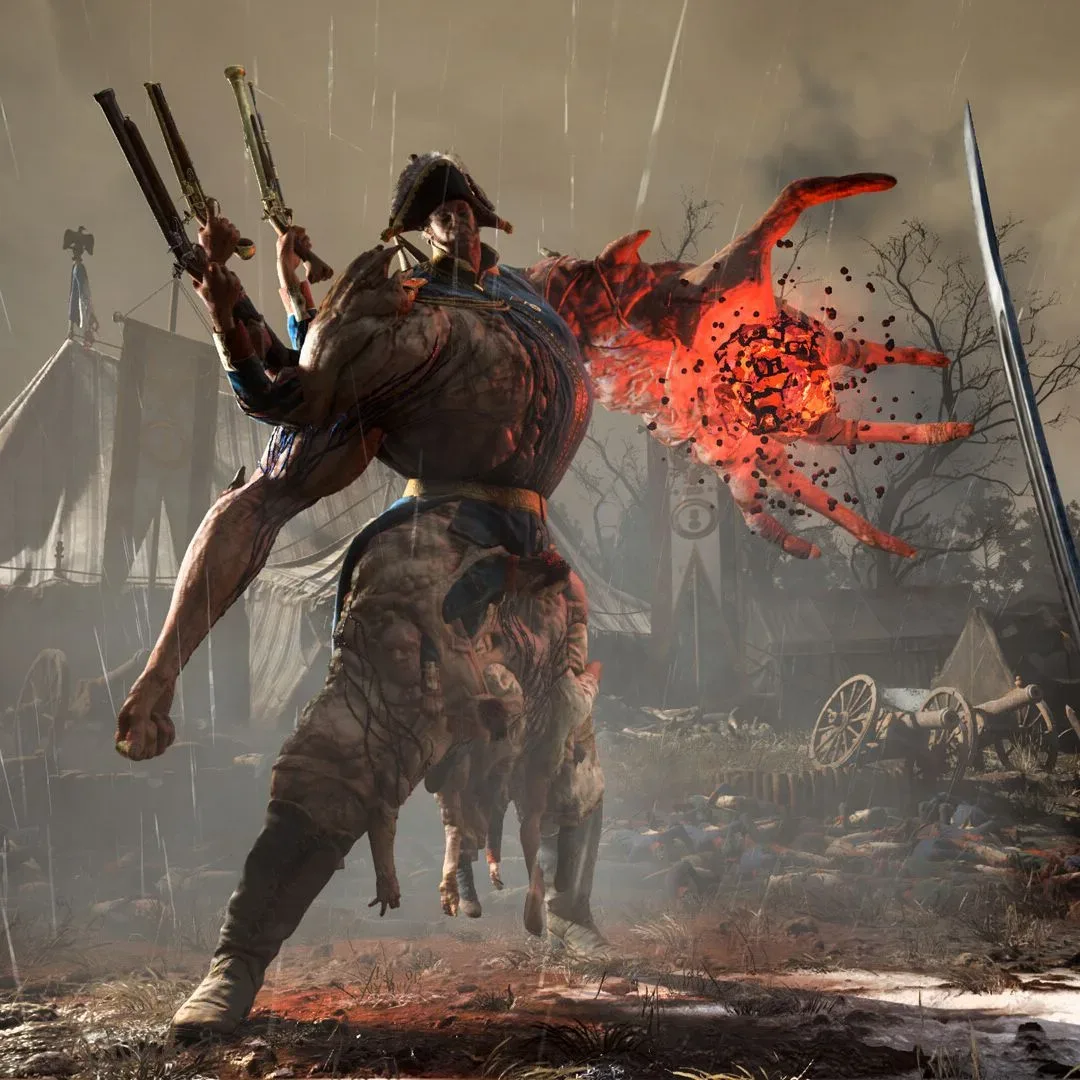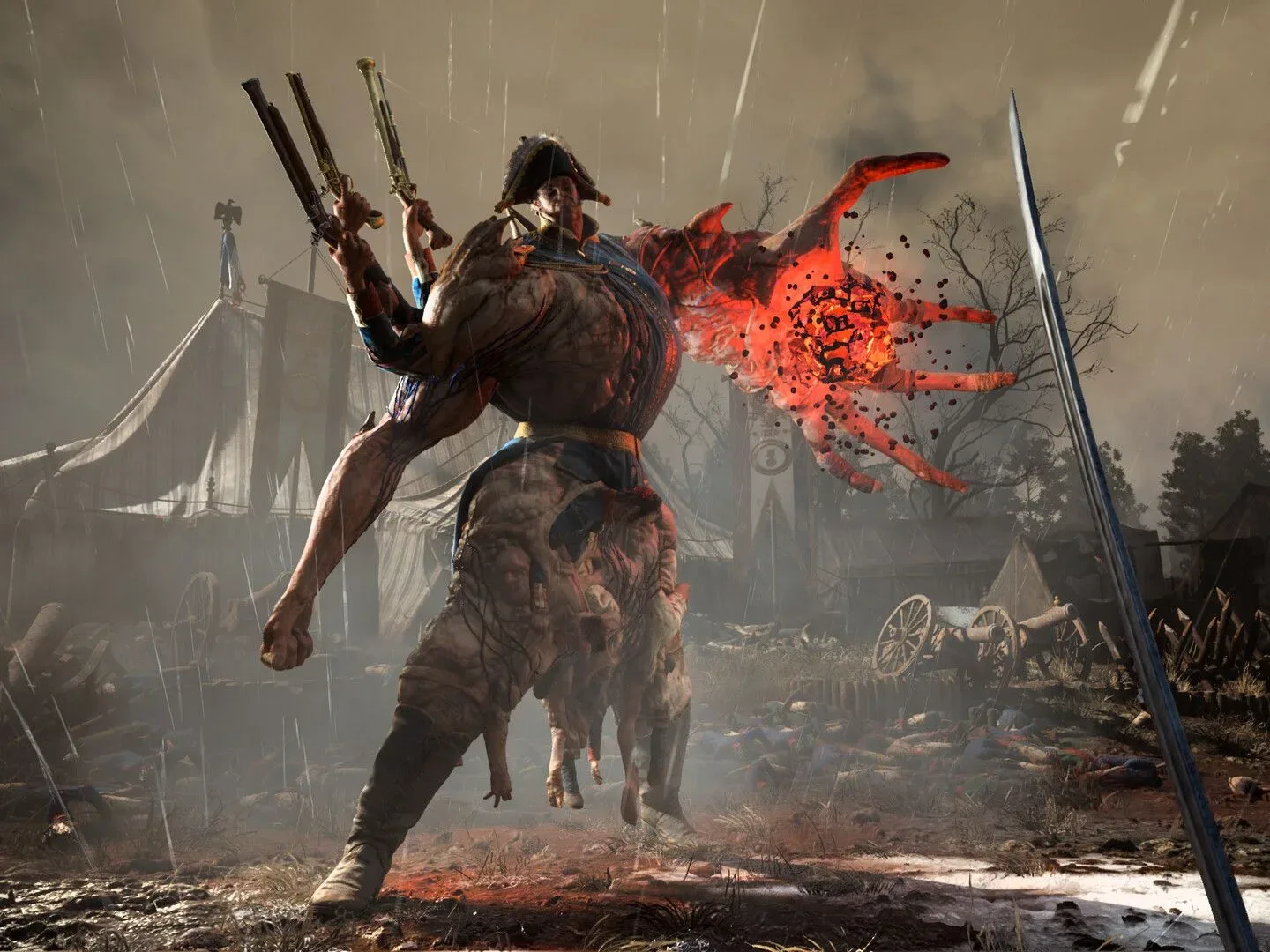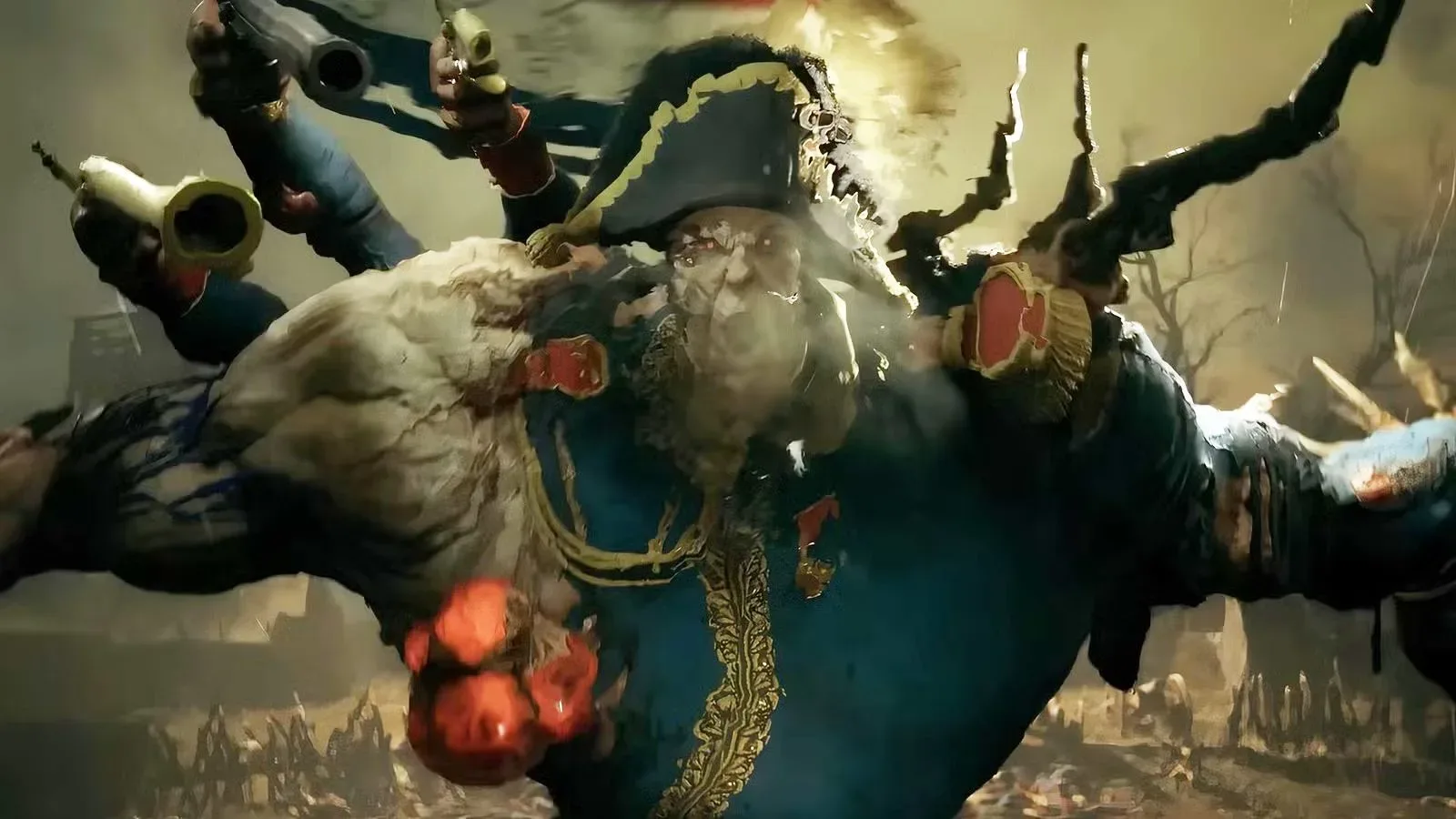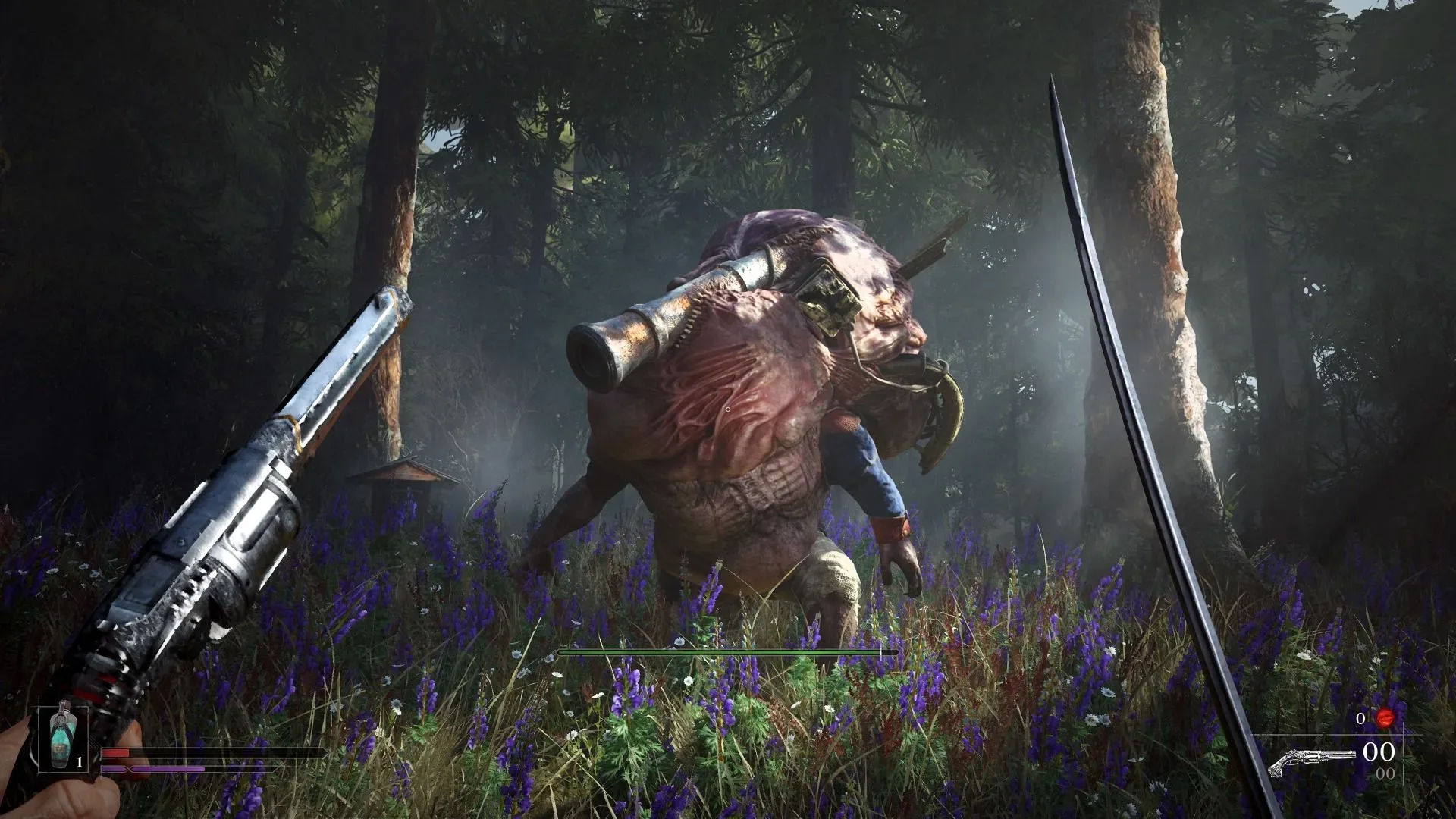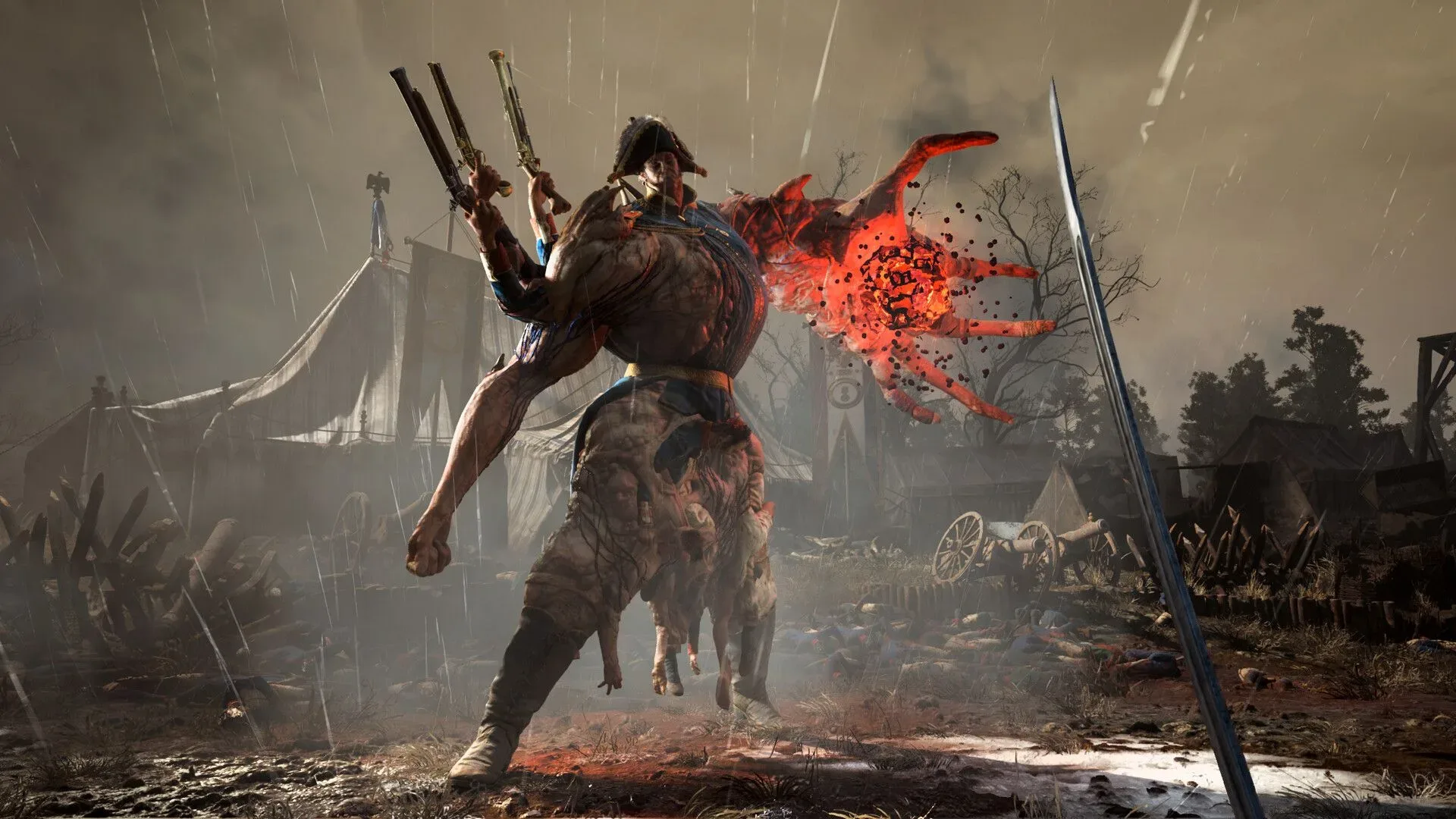
Valor Mortis is taking a deliberate route through a particularly intimidating release calendar. The upcoming first-person soulslike from the developer behind Ghostrunner will carry a $40 price, with Lyrical Games boss Blake Rochkind framing the decision as a way to make the new property easier to buy alongside, rather than instead of, the season’s giant releases.
That distinction matters. A lower launch price can be read as a statement about scope, quality or confidence, and Rochkind said that concern was central to the internal discussion. But the team’s explanation is not that Valor Mortis should hide from competition. It is that the game can make a clearer case for a place in players’ budgets when the autumn slate is competing aggressively for both money and attention.
“We want this to be a game that you can pick up alongside these other great games.”
It is a practical response to a fall that is set to contain several enormous points of attention, including Grand Theft Auto 6 in mid-November and a remake of The Legend of Zelda: Ocarina of Time. Before Onimusha: Way of the Sword moved earlier into September, Valor Mortis had been scheduled in an extraordinarily dense cluster of releases. That group included Control Resonant, Harvest Moon: Echoes of Teradea, Hot Wheels Infinite Rush, Dragon Quest 11 Nintendo Switch 2 Edition and Silent Hill: Townfall.
The pressure does not let up immediately afterward. The following week is expected to bring Ace Combat 8, Gears of War: E-Day and Star Wars: Galactic Racer, while Rayman Legends Retold has since been delayed. These games serve very different audiences, but they still occupy storefront space, social feeds, review coverage and the finite number of evenings people can give to a new game.
A price built for the crowded-calendar reality
Rochkind said the $40 decision was agonized over, particularly because of the fear that it could send “the wrong message” about Valor Mortis. That is an understandable anxiety for a new intellectual property. An established series arrives with prior players, recognizable characters and a known shorthand for what buyers can expect. A new IP has to explain its world and its pitch while also asking consumers to take a chance on it.
The strategy being described is to make that chance feel less like an ultimatum. Rather than positioning Valor Mortis as the one game a player must choose for the season, the team wants it to be an addition to a larger library. Rochkind called this an “and” game: a title someone can buy in addition to a blockbuster already on their list.
That phrase is simple, but it identifies a real purchasing question. In a less congested month, a prospective player may compare a game mostly against their own interest and available time. In a packed season, they compare it against every major release arriving around it. The $40 price is meant to change that calculation by lowering the immediate financial hurdle without changing the ambition of the pitch.
Related coverage includes Valor Mortis Sets $40 Price as It Enters a Crowded 2026 Blockbuster Season.
Rochkind recalled advice from another developer whose $30 game had succeeded: being an “and” game was not a regret. Valor Mortis is not adopting that exact price, but the broader logic is similar. A game does not necessarily have to defeat every competing release in a head-to-head purchase decision. It can succeed by being the compelling extra choice after a player has already reserved money for a larger, better-known game.
What “soulslike” and “new IP” mean here
Valor Mortis is described as a first-person soulslike. “Soulslike” is a genre label commonly used for action games built around demanding combat, deliberate encounters and a high expectation that players learn from failure. The supplied details do not establish Valor Mortis’ exact systems, progression structure or combat mechanics, so those specifics remain to be detailed. Still, the label tells prospective players that the game is aiming at a familiar appetite: tense action designed around challenge and mastery rather than frictionless forward momentum.
“First-person” describes the viewpoint. Instead of seeing a player character from behind, the action is presented through the character’s eyes. Pairing that perspective with the soulslike label is a concise way to separate Valor Mortis from the many third-person action games that dominate genre conversations. It gives the project a clear elevator pitch, but being easy to describe is not the same as being easy to sell during a blockbuster pileup.
New IP is equally important to the pricing conversation. IP, or intellectual property, is industry shorthand for a distinct creative brand: its setting, characters, name and identity. A sequel or a revival can draw on years of recognition. Valor Mortis does not have that accumulated familiarity. It must earn its audience during a period when players will also be confronted with famous series and a major remake.
That remake angle is especially relevant in a year where nostalgia and familiarity are likely to carry considerable weight. A remake can bring an older game back for contemporary audiences while benefiting from name recognition that a new creation cannot inherit. Joking Joystick has also examined how a remake can preserve a game’s core journey while changing its feel in its look at remakes that change the feel, not the journey. In such a market, Valor Mortis’ challenge is not merely to be visible; it is to give players a sufficiently distinct reason to make room for an unfamiliar name.
The delay acknowledged a problem early
Valor Mortis had originally been dated for September 24. Rochkind revealed that the team already knew a delay was coming by the time that original date was announced. The game moved out ahead of the fiercest part of that immediate collision, though the revised window remains busy.
There is an important difference between avoiding one specific release day and escaping a competitive season. Shifting away from a two-day cluster can reduce direct overlap in launch coverage and purchasing decisions. It cannot remove the larger autumn backdrop, especially with Grand Theft Auto 6 looming in mid-November. The $40 pricing therefore appears to be part of the same risk-management approach as the delay: improve the game’s chances where the team can, rather than assuming a new IP will naturally break through on name alone.
Rochkind’s comments also reject the idea that smaller or mid-sized games should simply retreat whenever a blockbuster appears. The alternative being proposed is a more nuanced slot in a player’s spending: not the game that replaces every other purchase, but a game that remains accessible when someone is already committed to a major release.
Why the strategy could matter beyond one launch
The discussion reaches beyond Valor Mortis. Its director has argued that the AA game business needs “a few more Expedition 33s” before publishers stop treating smaller games as a major financial risk. AA generally refers to projects that sit between the scale of independent productions and the largest blockbuster, or AAA, games. It is an imprecise term, but it is useful when discussing teams that aim for polished, substantial releases without the assumed budget, marketing reach or established-brand security of the biggest publishers.
The financial difficulty for this middle space is clear from the calendar alone. Major releases can absorb attention before and after launch, while recognizable franchises often have a built-in advantage at retail and on digital storefronts. For a new AA project, the problem is not just making a game that interests people. It is creating a business proposition that makes sense beside games carrying vastly greater public awareness.
Valor Mortis’ $40 price will not resolve that broader issue by itself. It is one publisher’s response to one unusually difficult period, not proof that every AA title should launch at the same figure. A lower price means the game may need a different volume of sales, and the appropriate balance will vary with scope and costs that have not been disclosed here. What the decision does show is that price can be part of creative-market positioning, rather than a number selected independently from release timing, player behavior and brand awareness.
For players, the immediate implication is straightforward: Valor Mortis is being offered as a lower-cost entry in a season full of expensive, attention-demanding games. For the team, the objective is more ambitious. It is betting that $40 helps convert curiosity into a purchase without convincing people the game is lesser because it does not carry the same price as the fall’s biggest names.
That is a difficult balance, particularly for a first-person soulslike and a new IP. Yet Rochkind’s framing is notably direct: this is being presented as a confidence-based choice, not a retreat. In a release window packed with sequels, recognizable worlds and a high-profile remake, Valor Mortis is trying to secure a place not by asking players to abandon those games, but by asking to join them on the shelf.