A breakout success can change the conversation around a kind of game, but it does not necessarily change the people holding the budget spreadsheets overnight. That is the awkward reality facing the AA space, where teams aim for ambitious, polished experiences without the enormous cost structures attached to the industry’s biggest productions.
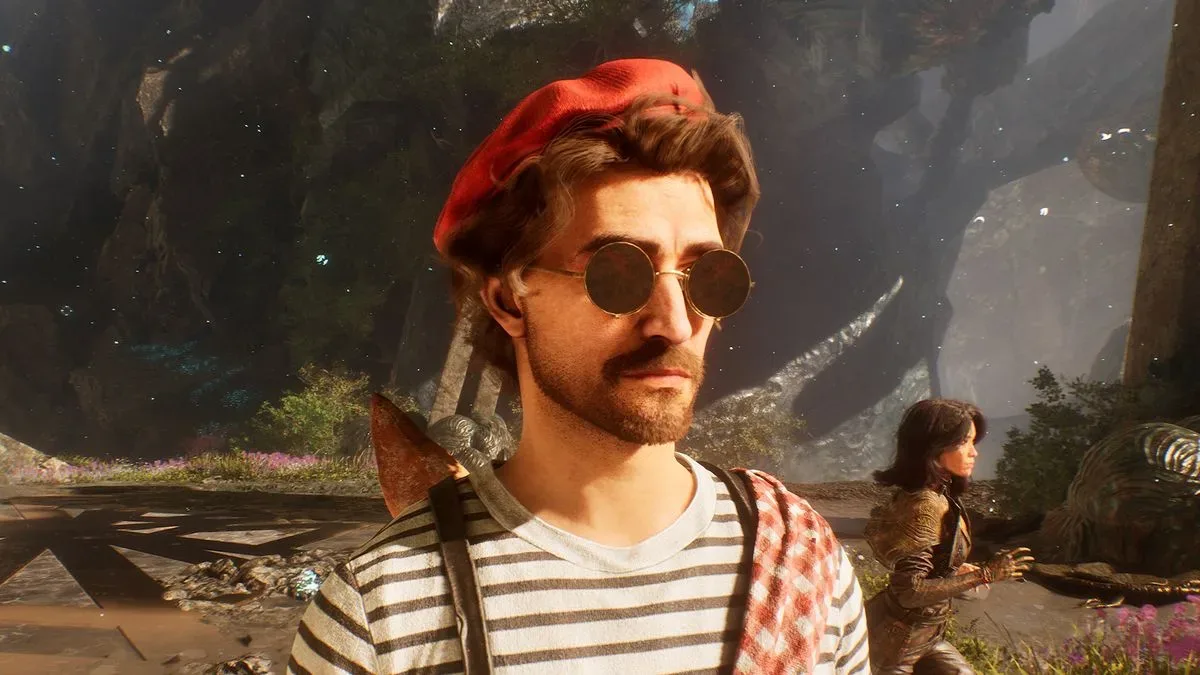
Radek Ratusznik, game director at One More Level, believes the category may need several major victories before publishers become broadly comfortable treating mid-budget games as an opportunity rather than a financial gamble. His comments arrive after Clair Obscur: Expedition 33, developed by Sandfall Interactive, surpassed 8 million copies sold—an exceptional performance for a game positioned outside the traditional blockbuster scale.
For players, that figure may seem like the kind of result that should trigger a stampede toward more AA projects. In practice, Ratusznik says the hesitation remains. One hit, even one as conspicuous as Expedition 33, has not yet provided the proof some publishers appear to want before backing more games built with controlled budgets and focused ambitions.
One enormous result is not yet a trend
Ratusznik’s central point is simple: Clair Obscur: Expedition 33 demonstrated what can happen when a mid-scale team lands on a distinctive idea and executes it well, but publishers may be viewing that achievement as an exception rather than a repeatable model.
“We had this enormous success of Clair Obscur: Expedition 33, but still publishers find the AA segment quite risky,” Ratusznik said at Gamescom.
That distinction matters. A publisher can admire an 8-million-copy success while still believing it depended on a rare alignment of concept, timing, talent, marketing, critical attention and audience enthusiasm. The industry is very good at celebrating a lightning strike; it is considerably less certain about funding a weather forecast.
Ratusznik argued that more success stories on that scale could start to make the broader case. His view is not that every AA game needs to sell like Expedition 33, nor that every studio can or should chase the same formula. Instead, repeated examples would help establish that excellent games do not require budgets measured in hundreds of millions to reach substantial audiences.
“We probably need a few more Expedition 33s to just prove them wrong,” Ratusznik said, adding that one such success may not be enough and that many studios are capable of delivering strong work within AA-level scopes and budgets.
Related coverage includes Valor Mortis Director Says AA Games Need More Breakout Hits to Win Publisher Confidence.
It is an important distinction in an era when commercial discussion can become trapped between extremes: either a tiny independent project made by a handful of people, or a huge franchise undertaking with immense staffing, marketing and production demands. AA development occupies the useful, precarious middle ground. It can give experienced teams room to pursue a clear creative identity, make meaningful technical and artistic choices, and release something larger in ambition than a micro-budget project without requiring a corporate moon landing.
Why the middle ground remains difficult
“AA” is an elastic label rather than a precise financial classification. It commonly describes games made with resources and teams between indie and top-tier blockbuster development. That flexibility is part of its appeal, but it also creates a problem: publishers may see the category as too costly to shrug off if it underperforms, yet not reliably huge enough to satisfy the growth expectations commonly associated with the largest releases.
From a creative perspective, the space can be fertile. A tightly directed project can concentrate its spending on the ideas players will actually remember: combat systems, atmosphere, world design, characters, mechanics, replayability or a striking premise. The goal is not to imitate every feature of the biggest games. It is to be deliberate about what the game is trying to do.
But a sensible budget does not mean a fast or effortless production. Ratusznik pushed back on the notion that a lower-cost game can simply be compressed into an unrealistically short development cycle. A game still needs time to be made, refined, tested and prepared for release. Cutting that work is not a magic route to efficiency; it can simply transfer risk into quality, performance, stability and player trust.
Ratusznik said the work cannot simply be squeezed into a year without trouble, stressing that games require proper development time and testing even when publishers want greater efficiency.
This is where AA development gets caught in a familiar vice. The project is expected to stay lean, but it must also look and feel competitive in a crowded market. It is asked to take creative risks, but often needs to demonstrate predictable commercial outcomes before it has even been funded. And after a major outlier succeeds, the lesson can become distorted: instead of recognizing that a focused game found an audience, decision-makers may hunt for another miracle on demand.
Miracles, regrettably, remain stubbornly difficult to include in a production schedule.
Valor Mortis represents a different direction for One More Level
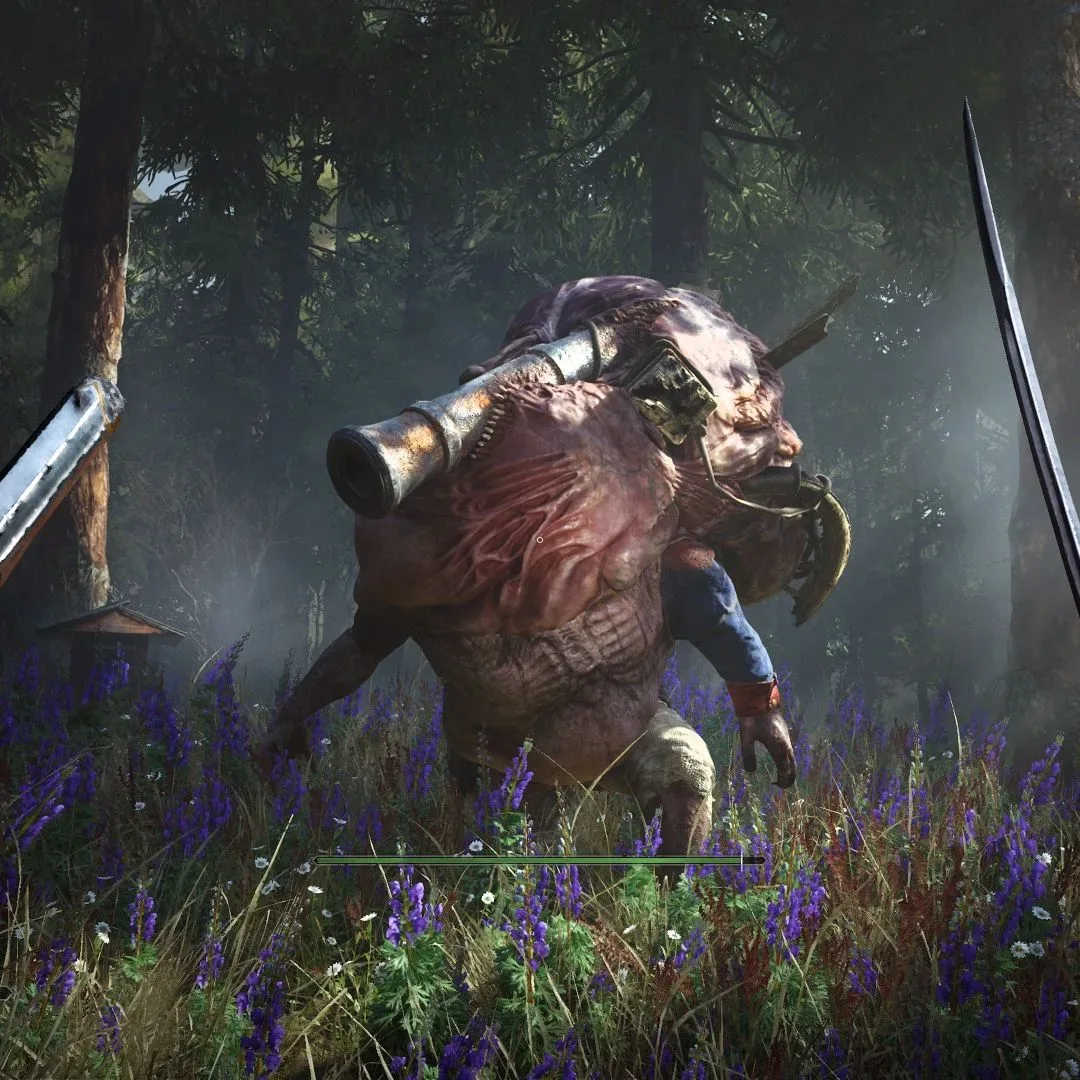
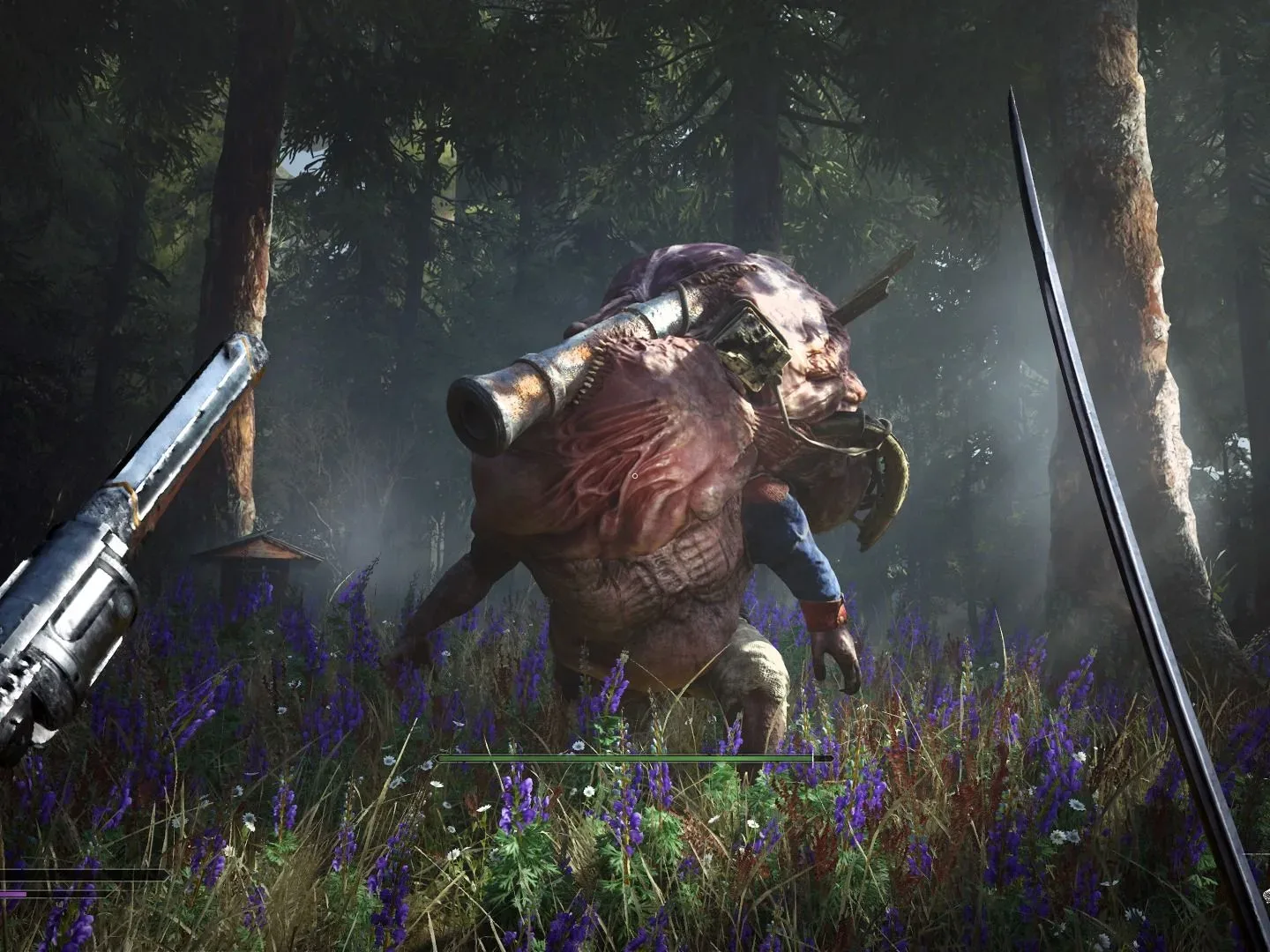
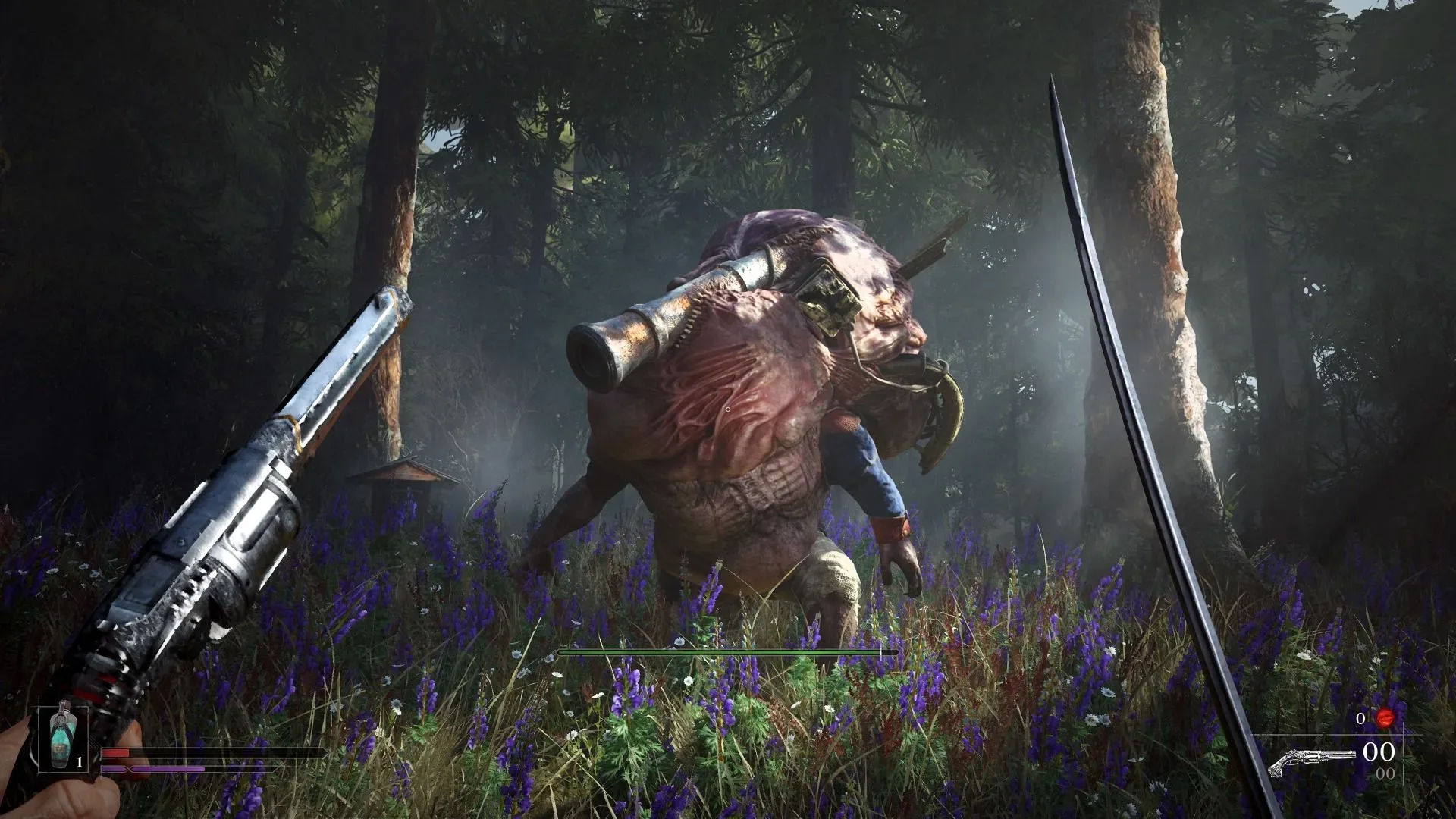
Ratusznik is speaking from within a studio making its own sharp change of pace. One More Level is known for the fast, first-person movement of Ghostrunner. Its upcoming project, Valor Mortis, moves away from that parkour-led identity toward a first-person Soulslike structure set amid a grim 19th-century French conflict involving zombies and moral ambiguity.
That alone illustrates some of the potential value of a healthy AA ecosystem. Studios with recognizable past work can choose not to endlessly reproduce it. They can carry over experience and craft while trying a new genre, setting or mechanical emphasis. For audiences tired of every successful release being turned into a factory line, that freedom is not a small thing.
Valor Mortis has been shown in demo form, but its eventual commercial outcome remains unknown. It would be unfair—and far too convenient—to label it as the next proof point before players can assess the finished game. Still, the project fits the broader discussion: it is an example of a studio using a mid-tier production lane to explore a potentially distinctive blend of first-person action, Soulslike challenge and historical-horror framing.
The need for such variety is not just philosophical. Players have finite time, and a release calendar full of only giant sequels, service games and familiar open worlds would become creatively claustrophobic. Smaller independent games often provide bold experimentation, while huge productions can offer scale and spectacle. AA projects can bridge those strengths, delivering more concentrated experiences that still possess the production values and breadth to appeal beyond a niche.
Success should expand options, not start a copycat rush
The most useful lesson from Clair Obscur: Expedition 33 is not that every publisher needs a French-inspired role-playing game, or that every developer should replicate its surface features. The meaningful lesson is that audiences will respond to a confident, well-made game with a distinct character—and that a controlled scale need not prevent a title from becoming a major commercial event.
There is also a cautionary side. Chasing a previous hit’s genre, setting or visual language is easier than understanding why it connected. The latter requires patience: a willingness to fund capable teams, give them sufficient time, test their work properly and let projects be themselves rather than forcing them into an imitation of the most recent sensation.
That is exactly why Ratusznik’s point about multiple wins is more valuable than a simplistic call for “the next Expedition 33.” A string of varied AA successes would be stronger evidence than a pile of clones. It would show that the market can support different kinds of carefully scoped games, not merely one lucky template.
There is no indication that publisher anxiety will disappear immediately. Large budgets, rising expectations and an unpredictable market all make caution understandable, even if excessive caution can become its own expensive mistake. Yet the continued attention around Expedition 33, alongside projects such as Valor Mortis, keeps the case for the middle ground visible.
For now, the AA sector is still being asked to prove that it can produce both memorable games and sustainable business outcomes. Ratusznik’s argument is that it can—but one exceptional success has not yet persuaded everyone with a checkbook. Players looking for unusual projects outside the biggest-budget mold may want to keep an eye on the category anyway. The next proof point may not look anything like the last one, and that is rather the point. For another recent look at an offbeat game premise, see Blocks for Babies’ strange collision of falling-block puzzles and shooter action.