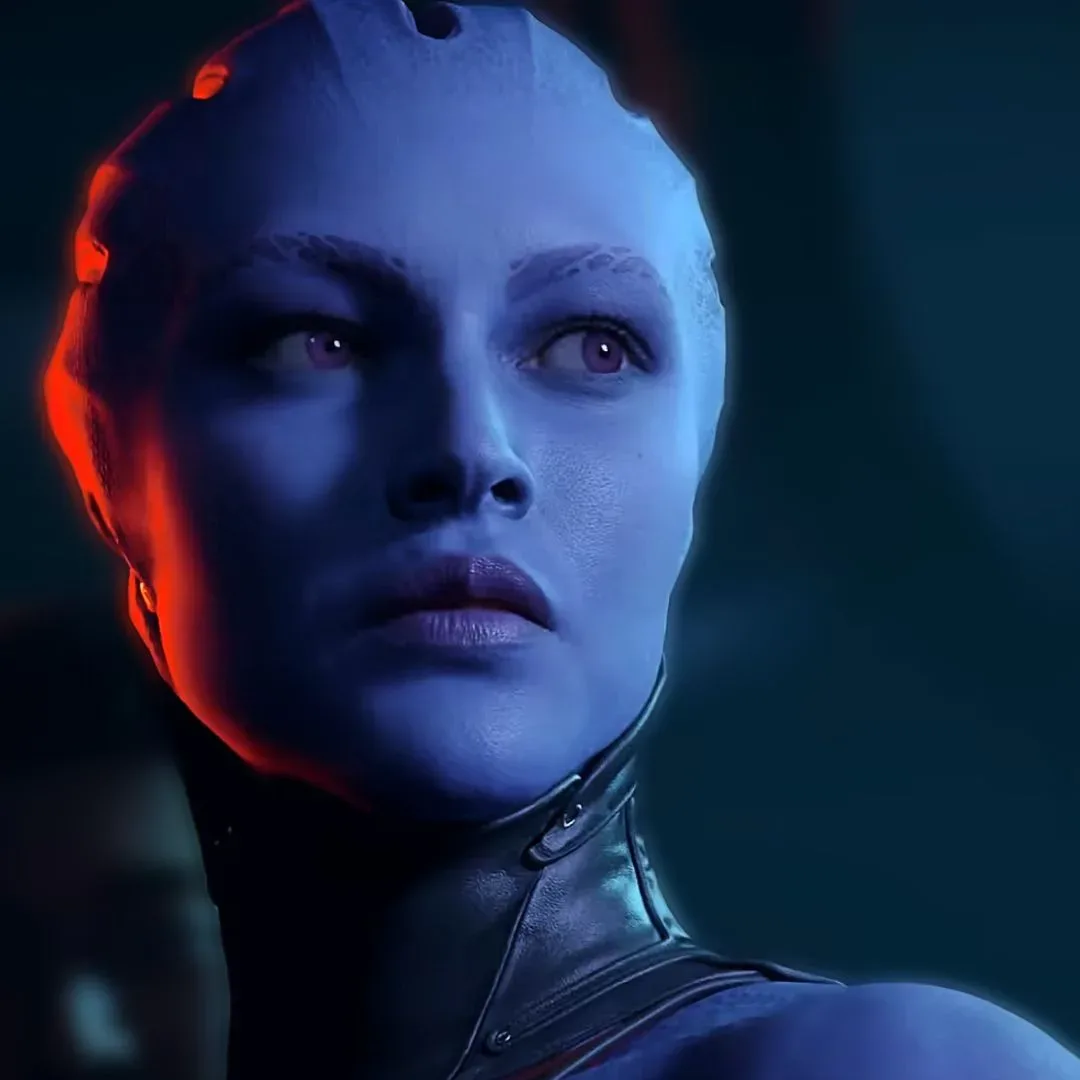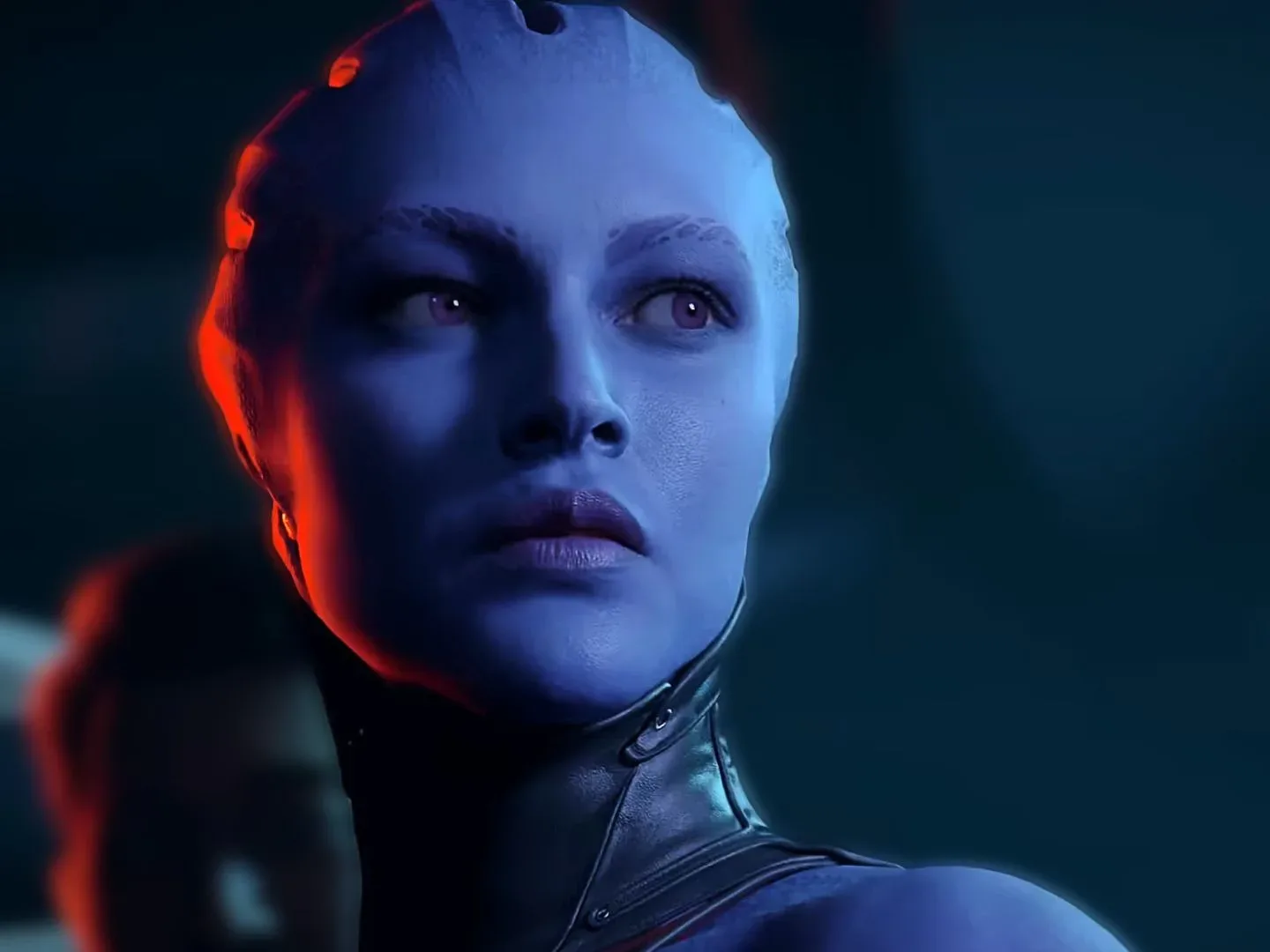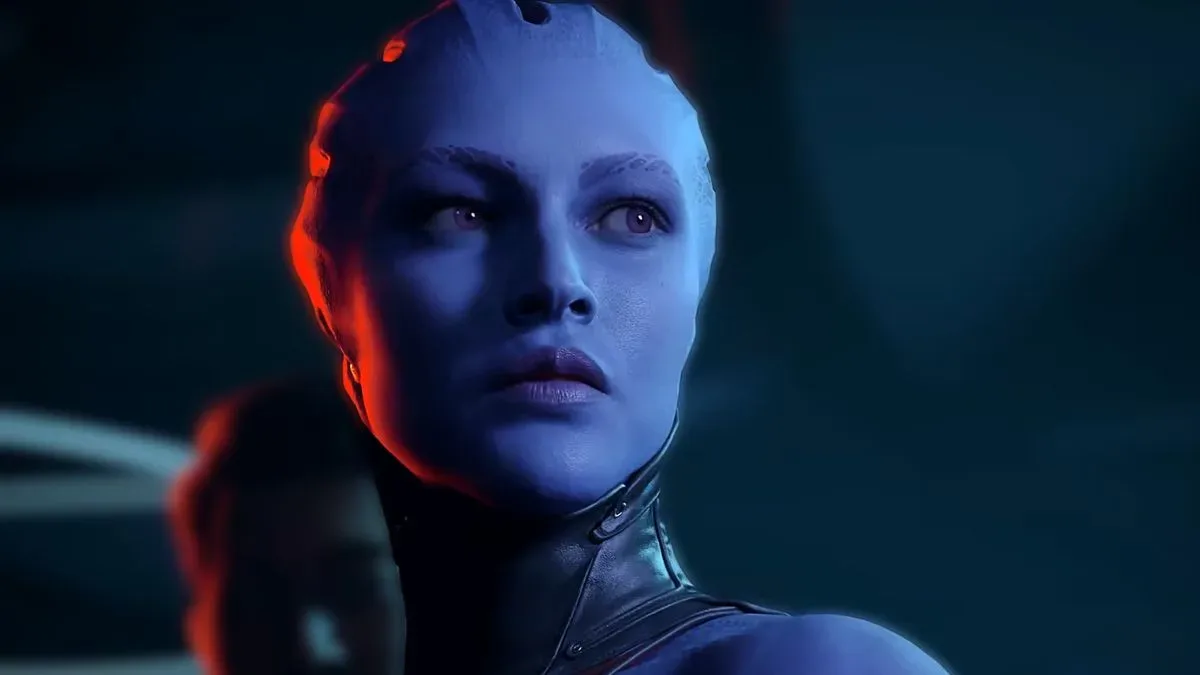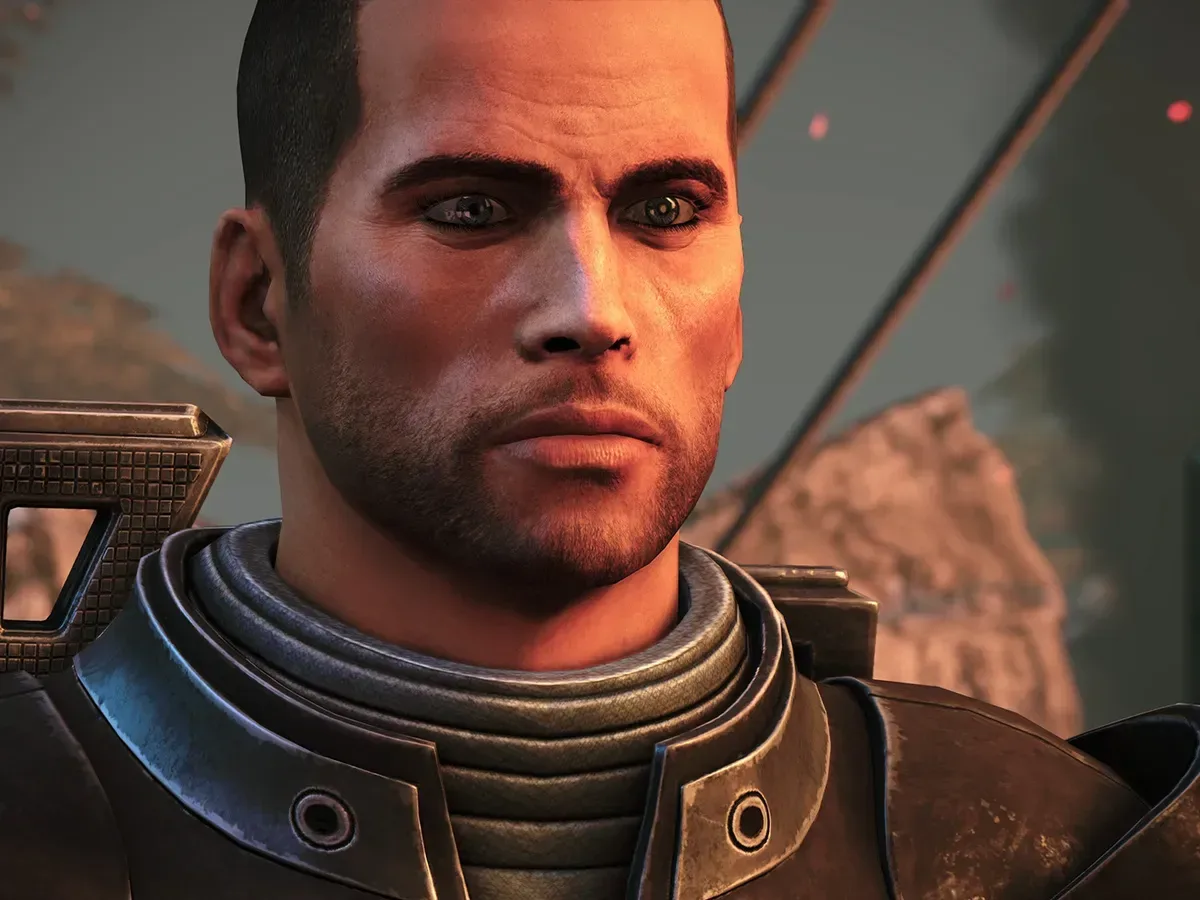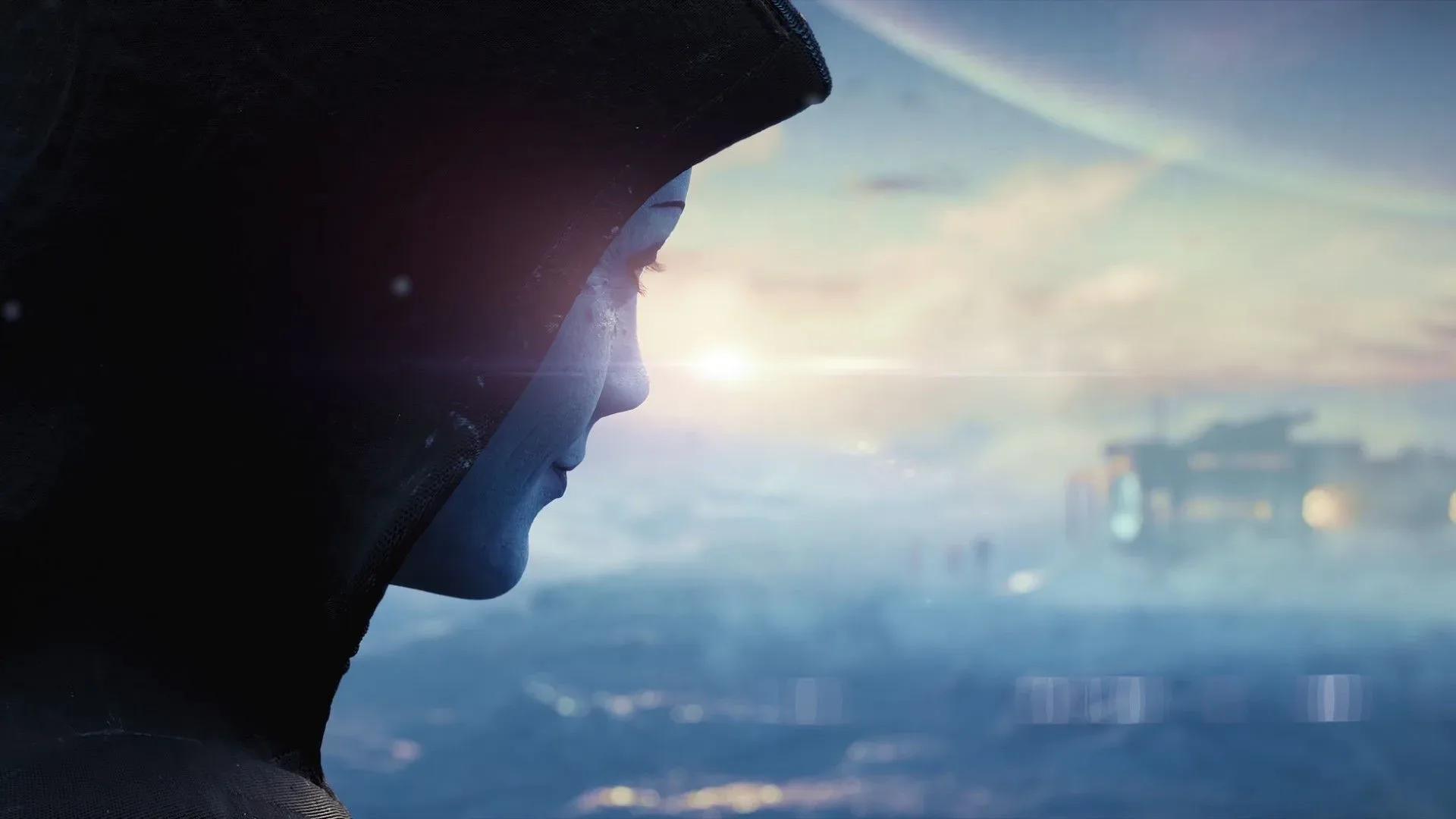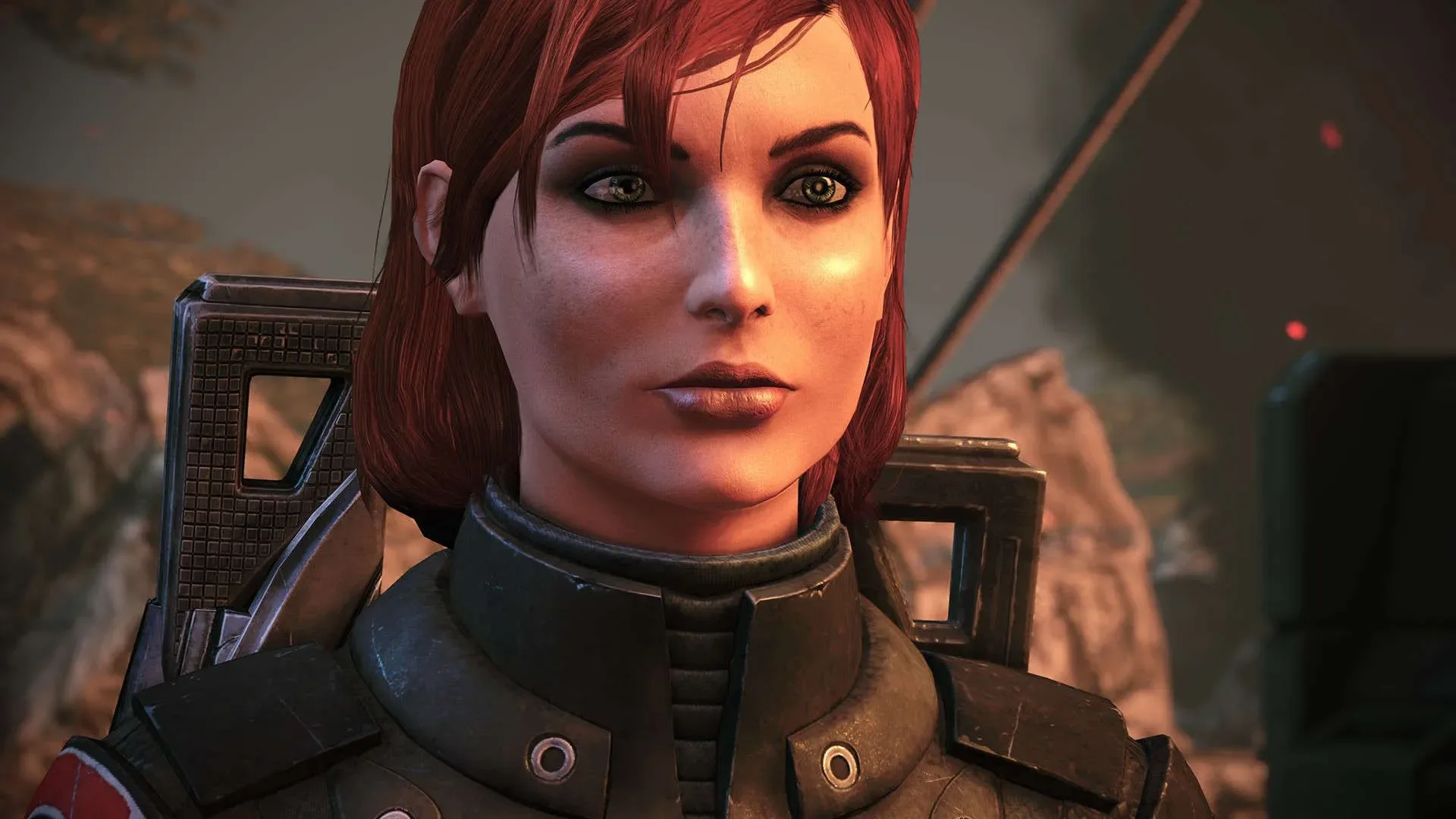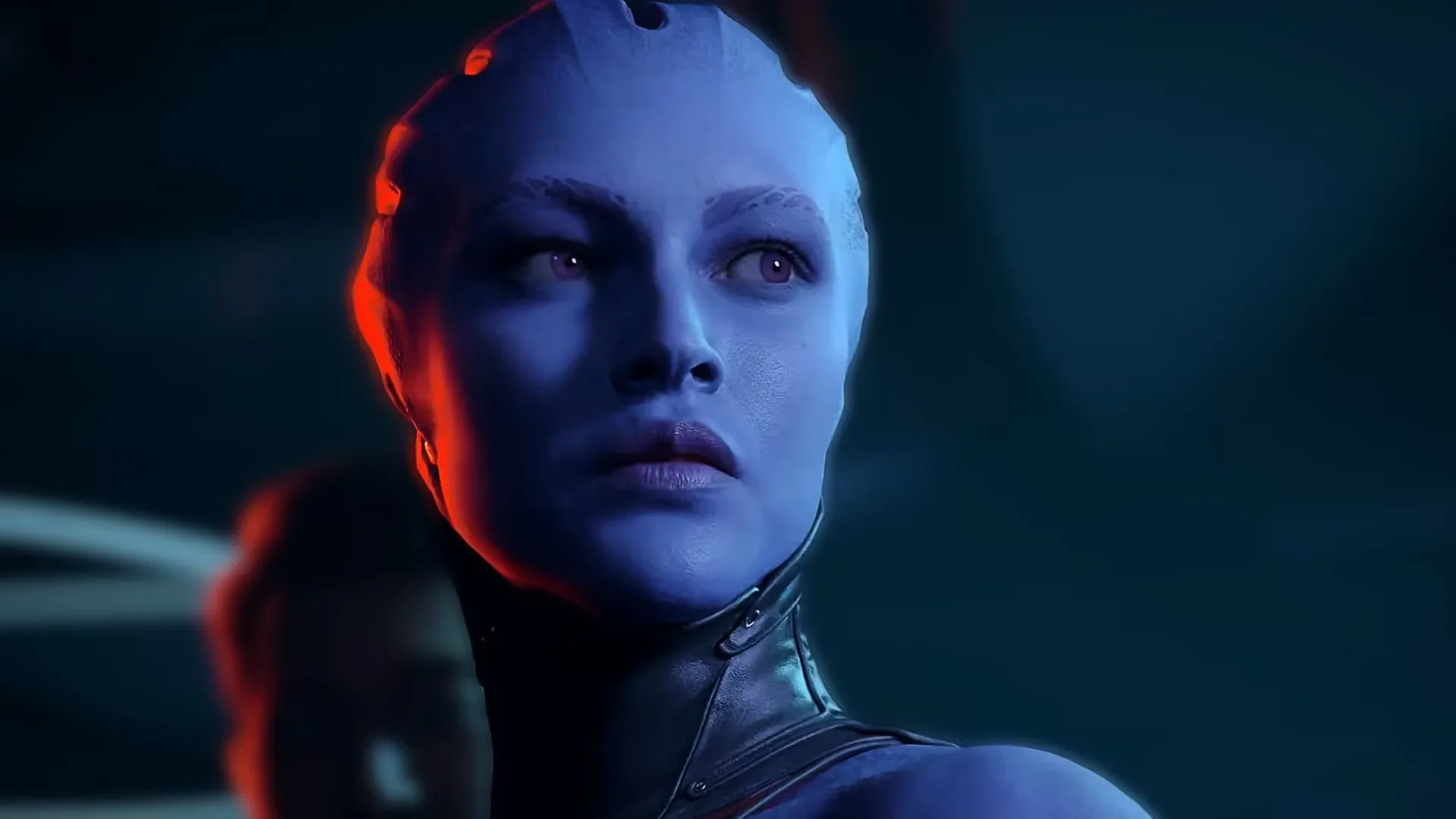
A former BioWare developer has alleged that work on the cancelled fifth Mass Effect game, reportedly titled Mass Effect: Universe during development, faced pressure to soften inclusive imagery as EA’s reported ownership transition took shape.
The allegation concerns material shown to incoming management rather than a released game. In an anonymously attributed statement translated from French through machine-translation tools, the developer said a flag deemed too similar to the LGBTQIA+ flag was removed from one presentation video “so as not to cause offense.” The account also characterizes management as skeptical of BioWare’s reputation for inclusive storytelling.
Those details are important, but so are their limits. This is an allegation from an unnamed former developer about internal discussions surrounding a project that was never released. The supplied account does not include the presentation itself, identify the people who requested the alteration, or establish a broader written policy. It also passed through machine translation, which can preserve the broad meaning of a statement while leaving nuance around terms, intent, and sequence less certain. Neither the reported change nor the reasoning attributed to it should therefore be treated as independently confirmed fact.
What the allegation says happened
The developer reportedly worked on the in-progress Mass Effect title before BioWare’s closure and the game’s cancellation. They said video proposals shown to new management were not persuasive and suggested that BioWare’s established identity made that task harder. In the developer’s telling, the studio’s history of inclusive narratives did not ease management concerns; it contributed to skepticism.
The most concrete example offered is the removal of an image from a presentation: a flag said to resemble the LGBTQIA+ flag. The reported instruction was not framed as a broad redesign of characters, plotlines, romances, or player choices. It was specifically about a piece of visual material in a video proposal. That distinction matters because presentations are often used to communicate a project’s tone, themes, visual direction, and commercial pitch. They are not necessarily a direct snapshot of an in-game scene or a feature ready for release.
Still, presentation-stage decisions can matter. The material chosen for an internal pitch helps define what a team believes it can advocate for, what leadership expects to see, and which aspects of a studio’s creative identity may be viewed as sensitive. If the account is accurate, the reported edit would be notable less because a single flag appeared in a video and more because of the rationale attributed to the request.
Why BioWare’s past makes the claim significant
BioWare has long been associated with role-playing games built around player choice, companion relationships, and characters whose identities are part of their stories. The developer specifically pointed to the studio’s reputation for inclusive writing across its older role-playing work, including Dragon Age and Mass Effect. In that context, inclusivity is not merely promotional art or a peripheral subject: it can affect the kinds of characters a game depicts, the relationships it permits players to pursue, and the worlds its writers construct.
That history is why the allegation has resonated beyond one unreleased presentation. Fans do not only remember Mass Effect for combat or spacefaring spectacle; the series’ character-driven choices are central to its identity. A concern that creative material might be assessed through the lens of avoiding offense to a new ownership group raises obvious questions about how much room a future team would have had to preserve that tradition.
Related coverage includes Former BioWare Developer Alleges Mass Effect 5 Inclusion Was Curtailed During EA Buyout.
But there is also a reason to avoid turning one account into a complete explanation for the project’s fate. The supplied information says BioWare closed and Mass Effect 5 was cancelled following the EA buyout, but it does not provide a documented causal chain showing that inclusion-related disagreements caused either outcome. Studio closures and cancelled games involve business, staffing, development, and strategic decisions that cannot be reliably reduced to one reported edit in a pitch video.
Ownership concerns and creative control
The reported EA transaction involved Saudi Arabia’s private investment fund, Jared Kushner’s Affinity Partners, and private-equity firm Silver Lake. The developer’s claim arrives amid wider unease described by EA staff during the ownership process: employees reportedly worried that projects might be judged against the Saudi government’s preferences and that games could go unsigned if they did not align with those preferences.
For players, “creative control” can sound abstract. In practice, it means who has the authority to decide what gets made, what is considered commercially acceptable, and what a studio has to remove or avoid before a game ever reaches the public. That authority can be exercised through greenlight decisions, budget approvals, feedback on pitches, marketing direction, or requests for revisions. A greenlight is the internal decision to fund or continue a project; it can determine which ideas proceed from early planning into full production.
The former developer’s account is about an earlier part of that chain: presentation and proposal work. Teams make such materials to explain what a project is and why leadership should support it. A reported request to alter a visual element at that stage does not prove what the finished game would have contained. It can, however, signal how a team perceived the boundaries around its work while it sought approval.
The issue also extends beyond any single franchise. Ownership changes can create uncertainty even when a new parent company does not issue a public, title-by-title creative mandate. Employees may reasonably wonder whether their work will be evaluated differently, particularly when a studio has a recognizable identity and its games regularly engage with relationships, representation, and social themes. Those worries can influence what developers decide to pitch, defend, or leave out before formal instructions are ever recorded.
What remains unknown
The report leaves major questions unanswered. There is no supplied evidence of an EA response to this allegation, no account from another developer corroborating the specific flag-removal claim, and no documentation establishing whether the request came from a particular executive, team, or policy. It is also unknown what the flag looked like, how prominently it appeared, whether its removal was a final decision, or whether other versions of the material continued to circulate.
There is likewise no basis here to conclude that every inclusive element in Mass Effect: Universe was targeted, that an entire narrative direction had been approved and then reversed, or that all future EA projects would have faced identical treatment. The developer describes a concern and one specific example; expanding it into a complete account of management policy would go beyond the available evidence.
That restraint does not make the allegation insignificant. Rather, it is the responsible way to understand it. The strongest supported reading is that a former developer says internal presentation material was changed because imagery resembling an LGBTQIA+ flag was thought potentially offensive during a turbulent ownership period. The account is consequential because of BioWare’s creative legacy and the reported cancellation of the project, but it is still an unverified account from an anonymous individual.
What it means for Mass Effect fans
For the Mass Effect community, the story sharpens the sense of loss around a game that will not arrive. Unreleased projects naturally leave gaps: players may hear working titles, early concepts, trailers, or individual recollections without ever seeing the finished context that would have clarified them. In this case, the closure of BioWare and cancellation of the next Mass Effect mean fans are left assessing fragments of an ambitious project alongside difficult claims about the environment in which it was being made.
It also explains why calls to preserve the series’ future have gathered emotional weight. The reported Save Mass Effect movement reflects more than a desire for another sequel. For many supporters, it is bound up with protecting the parts of BioWare-style role-playing that made the series personally meaningful: expressive choices, memorable companions, and stories that make room for a broad range of players.
Industry ownership questions will remain relevant well beyond this particular cancelled game. Changes in who controls a publisher can affect finances and strategy, but employees and audiences also watch for their cultural and creative effects. Related debates about how major platforms govern communities and recommendations are continuing elsewhere in the business, as seen in Reddit’s decision to separate recommendations into their own feed lane. The mechanisms differ, yet both discussions turn on who shapes visibility, participation, and the boundaries of an experience.
For now, the most accurate position is one of attention rather than certainty. The former BioWare developer’s allegation describes a potentially troubling internal moment. Its implications are amplified by the loss of BioWare and the cancellation of Mass Effect: Universe. But the public record supplied here cannot establish the full scope of the reported pressure, its ultimate effect on the game, or the decisions behind the project’s end.