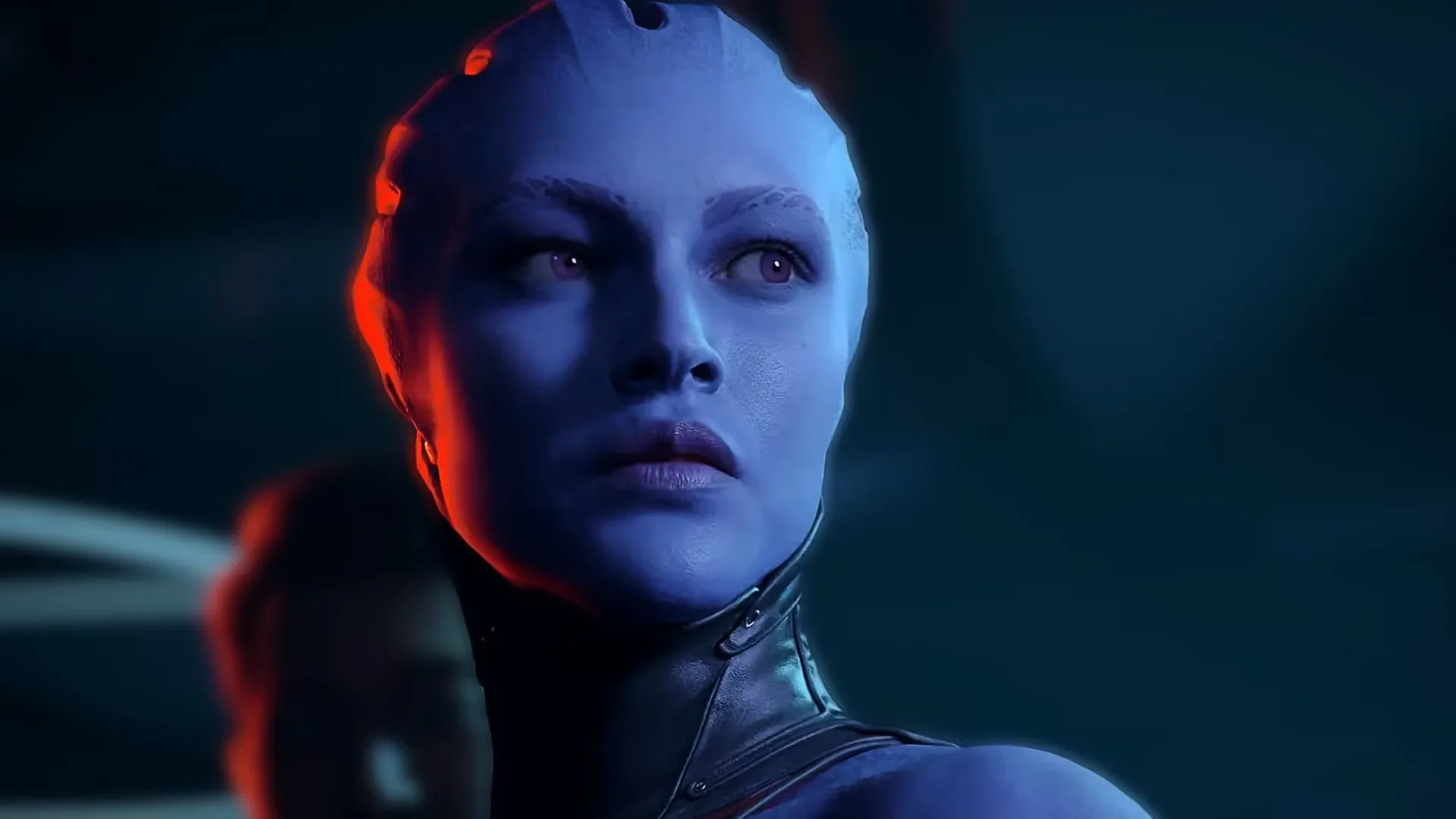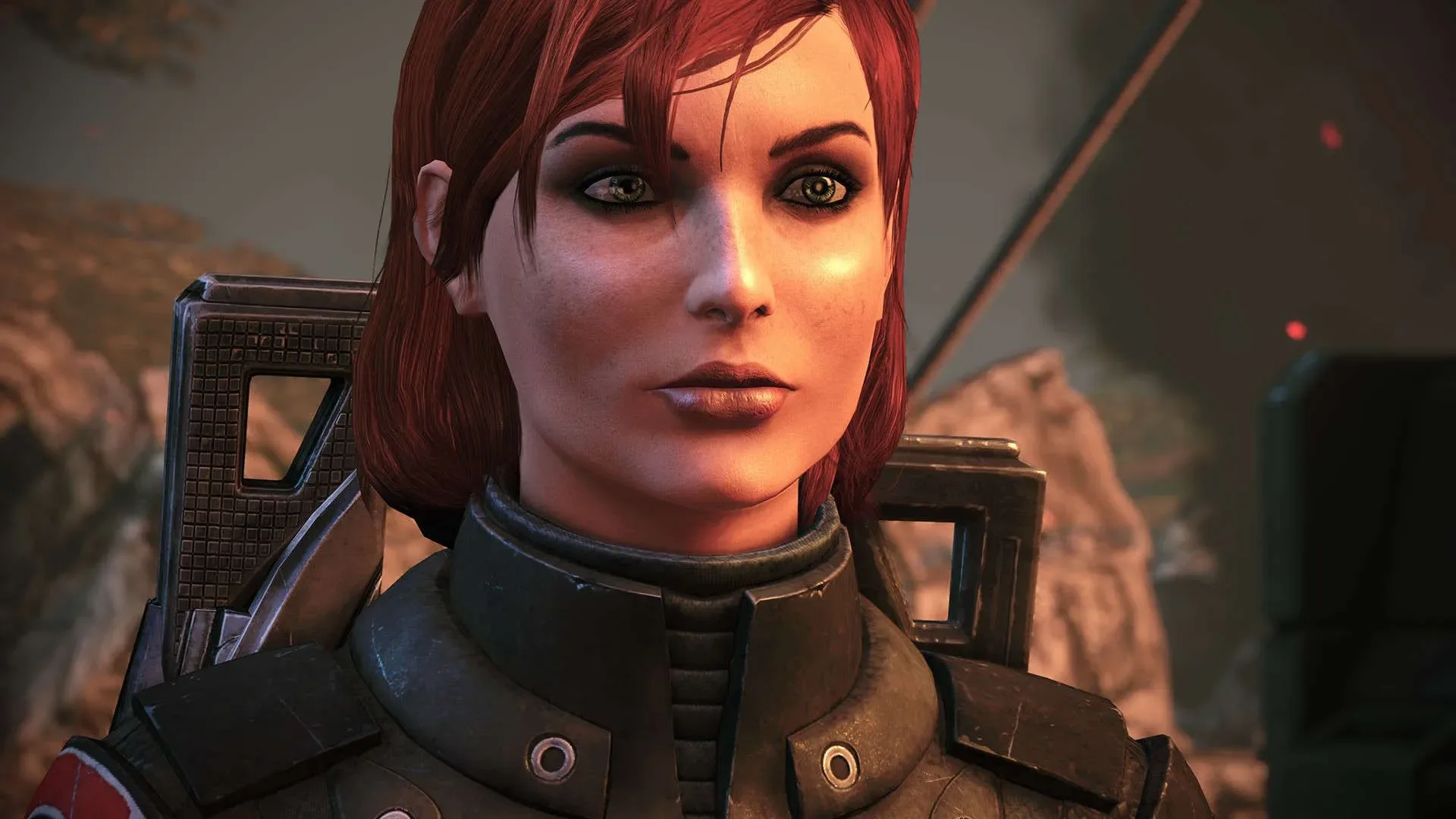
Nicolas “Sparth” Bouvier has disclosed that he was art director for the Mass Effect franchise from April until BioWare’s closure, adding a new personal account to the loss of the studio and the cancellation of its next project.
Bouvier’s comments make clear that the work was not merely an early idea or a distant possibility. He described joining a team with a specific ambition: exploring new creative ground while remaining faithful to the legacy and spirit of the original Mass Effect trilogy. That balancing act is central to why a franchise art director matters—and why the loss has landed so heavily with players and former staff alike.
“Knowing that this work will never see the light of day is truly heartbreaking,” Bouvier wrote. “We were good at this. We really were.”
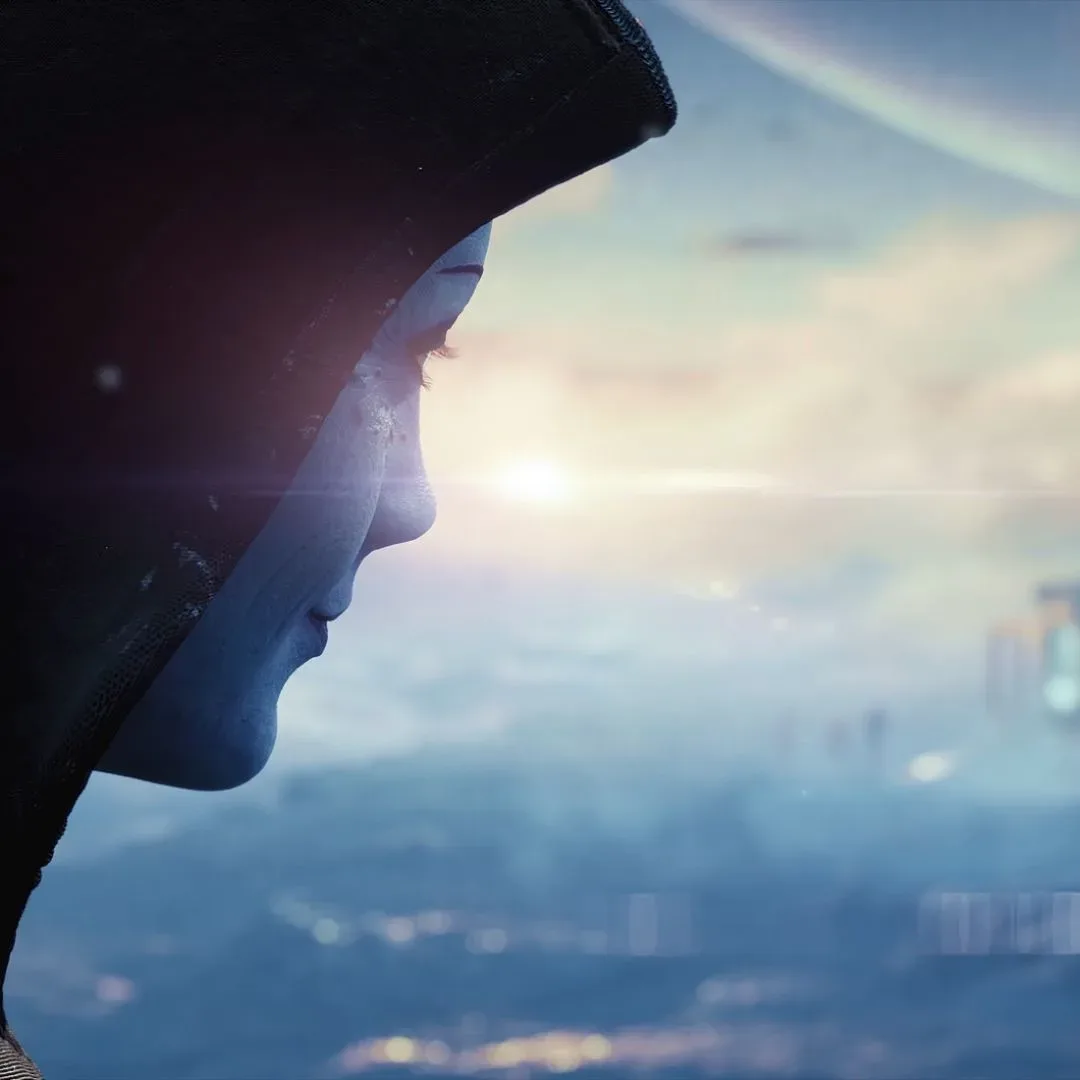
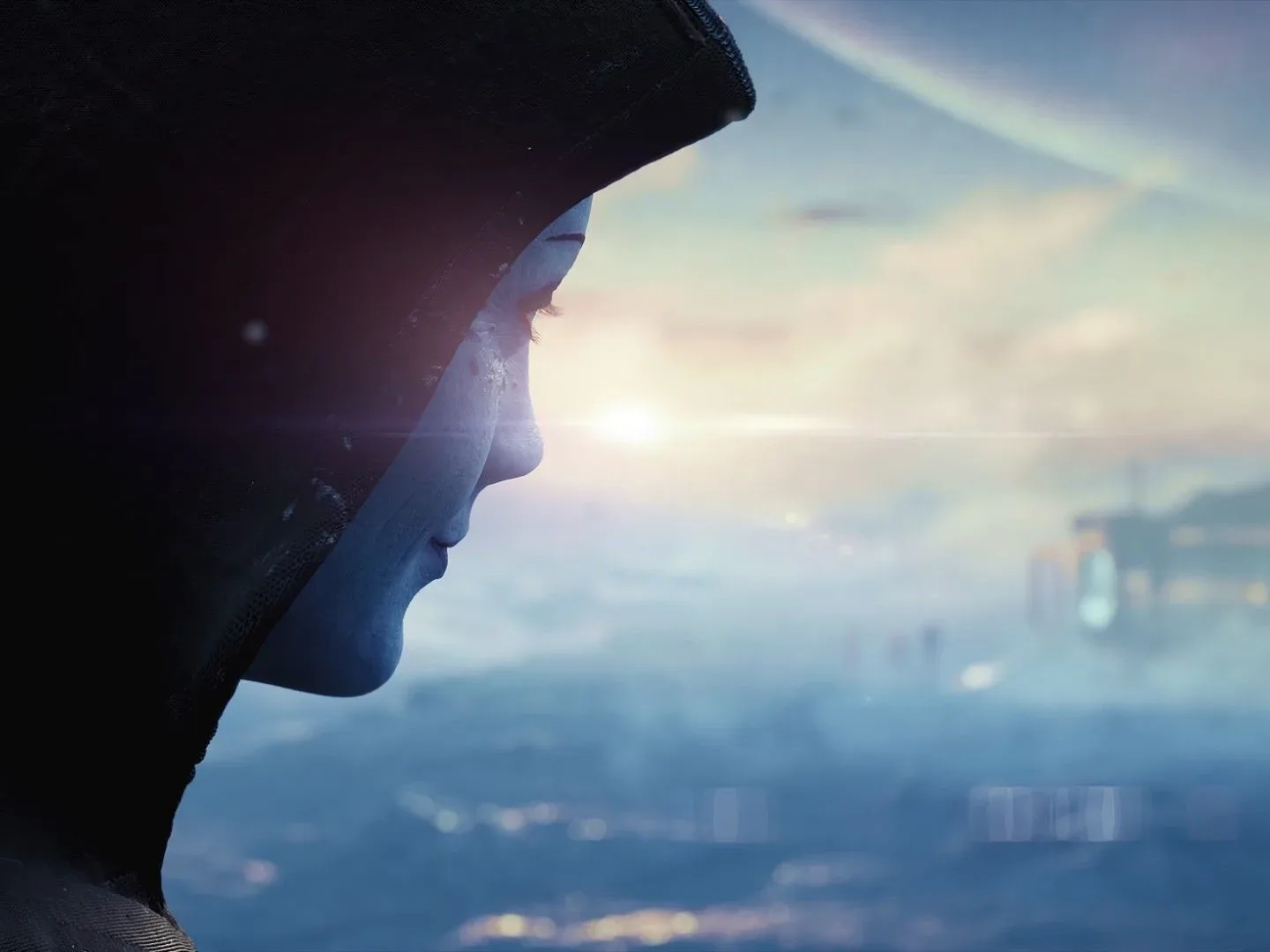
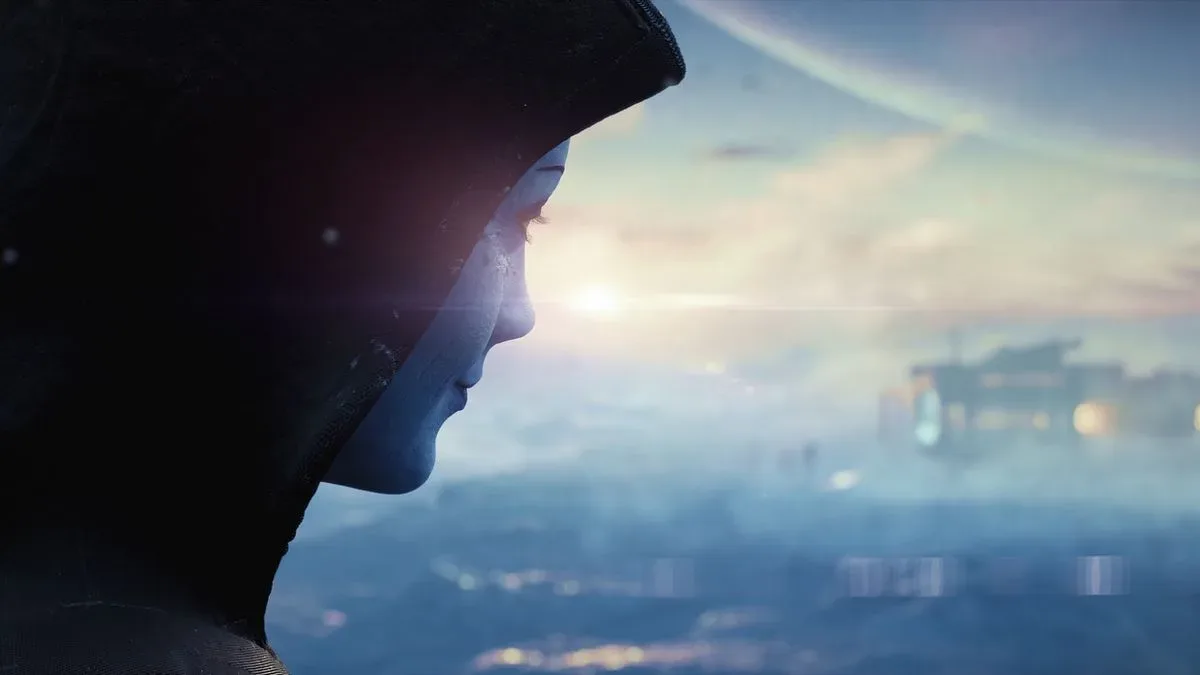
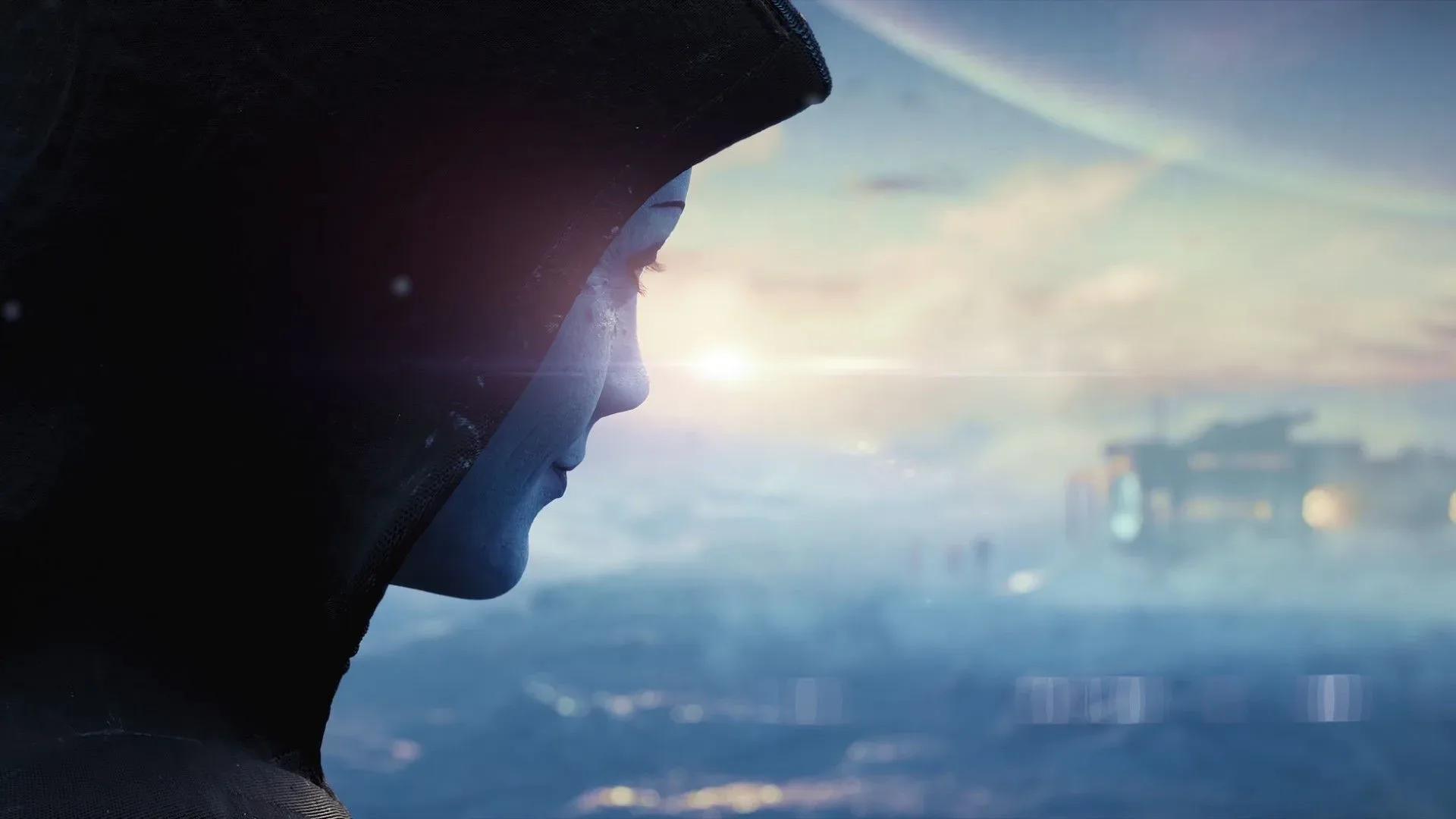
BioWare’s closure followed its announcement last week, months after EA was acquired by private investors and signaled that cuts were forthcoming. The project commonly called Mass Effect 5 was canceled alongside the studio’s shutdown. It was subsequently identified as Mass Effect Universe after a trailer leaked online following the announcement.
A role that shapes a game long before players see it
An art director does not simply approve promotional images or choose a single visual style at the finish line. The role typically establishes and protects a game’s visual direction across environments, characters, vehicles, interfaces, lighting, materials, color, cinematics, and the countless smaller assets needed to make a fictional world feel internally consistent.
For a science-fiction series such as Mass Effect, that remit is particularly broad. “Visual direction” is the shared rulebook that helps different locations, technologies, species, and scenes look like they belong to the same universe. It can also determine how a new setting feels distinct without becoming visually disconnected from what longtime players associate with the series.
Bouvier’s wording suggests the team was consciously working within that tension. Staying true to a trilogy’s “legacy and spirit” does not necessarily mean reproducing every older design decision. Rather, it means identifying the qualities worth carrying forward while trying new ideas. That process is creative, but it is also collaborative: an art direction only becomes a finished game when many specialists can execute it together.
That is why Bouvier focused so strongly on the people behind the canceled work. In nearly three decades in the industry, he said he had rarely encountered a group so tightly knit, experienced, and effective at working together. His reaction was not limited to an unpublished trailer, a title, or a franchise opportunity. It was about a functioning team being broken apart before its work could reach an audience.
Related coverage includes Former Mass Effect Art Director Calls BioWare Team Split "Heartbreaking" After Closure.
What is known about the canceled game
The available picture remains limited, and the distinction matters. BioWare’s closure and the cancellation of the project are established in the information available here. A leaked trailer later pointed to the project’s name, Mass Effect Universe. Beyond that, the trailer prompted fan interest because it appeared promising, but it is not a substitute for a finished game or a full account of its systems, story, scope, platforms, or release plans.
There is no reason to treat a leaked presentation as proof of every feature fans may hope to see. Game trailers can represent a particular stage of production and often leave major design questions unanswered. In this case, the most concrete new detail is Bouvier’s own: he was art director of the franchise from April until the closure. His post provides an unusually direct indication that active creative leadership and a coordinated development team were in place during that period.
The cancellation therefore carries two linked losses. For players, it ends the possibility of seeing where this particular Mass Effect effort might have gone. For the people who made it, it stops work whose value also lay in the relationships, momentum, and shared production knowledge inside the team.
Bouvier’s experience gives the tribute added weight
Bouvier has worked across major game franchises. He was a senior artist on the original Assassin’s Creed and also worked on the Halo games made during 343’s era. That background does not reveal unannounced details about Mass Effect Universe, but it does explain why his assessment of the BioWare group has resonated. He is speaking as someone with substantial experience of large teams and long-running series, not as a casual observer.
His post also avoids turning the team’s accomplishment into a claim that the game was complete. He instead emphasizes potential: the talent involved and what the group could have achieved. That restraint is important. A canceled game is often remembered through fragments—concepts, footage, rumors, or isolated accounts—but its creators’ work should not be reduced to speculation about an unseen product.
“It was a privilege” to work with the team, Bouvier said, while describing its shared creative goal. He closed by saying he was honored to have been part of it. The language frames the work as a collective effort rather than the achievement of one department or one recognizable name.
Why a studio closure reaches beyond one unreleased game
When a studio closes, a canceled game is the most visible result for an audience. The less visible loss is the production culture that had formed around it. Teams build common vocabulary and trust over time: people learn how colleagues solve problems, how feedback is delivered, which visual priorities are non-negotiable, and where experiments are worth pursuing. Those things are not easily preserved in a trailer or transferred intact into a different workplace.
Bouvier’s description of a tightly connected, highly capable group speaks to that hidden part of game development. Strong individual resumes matter, but a successful team is more than a set of résumés. Coordination is what allows an ambitious creative direction to travel from broad ideas into assets, scenes, and a coherent final experience. Once a team is dispersed, the people retain their skills, but the particular combination of working relationships may be gone.
That context helps explain the force of “heartbreaking.” It is not simply frustration over a project being shelved. It is grief for an opportunity that depended on a particular group of people being able to continue working together.
The fan response, and a small note of levity
Another lead associated with the project said the outpouring of support following BioWare’s closure “means so much to us.” That response points to a basic reality of a long-running series: fans do not only follow sequels when they ship. They invest in the people and studios trying to extend worlds they care about.
That same developer offered a more lighthearted upside amid a bleak situation: at least they would not need to call in sick when Grand Theft Auto 6 arrives. It is a darkly funny line, but it should not obscure the underlying circumstance. The joke comes in the aftermath of a closure and a canceled project, not as a replacement for the disappointment voiced by Bouvier and the community.
For the wider release-calendar context around Rockstar’s game, GTA 6’s potential impact on competing releases remains a major industry discussion. Here, though, the more immediate story is the vanished future of a team Bouvier believed was doing exceptional work.
What remains is a limited but meaningful record: an identified project name, leaked footage that stirred interest, a franchise art director’s short tenure, and his praise for the colleagues with whom he worked. It cannot show the game that might have been. It does preserve a clear message from inside the project—that the team felt capable, connected, and ready to take Mass Effect somewhere new.