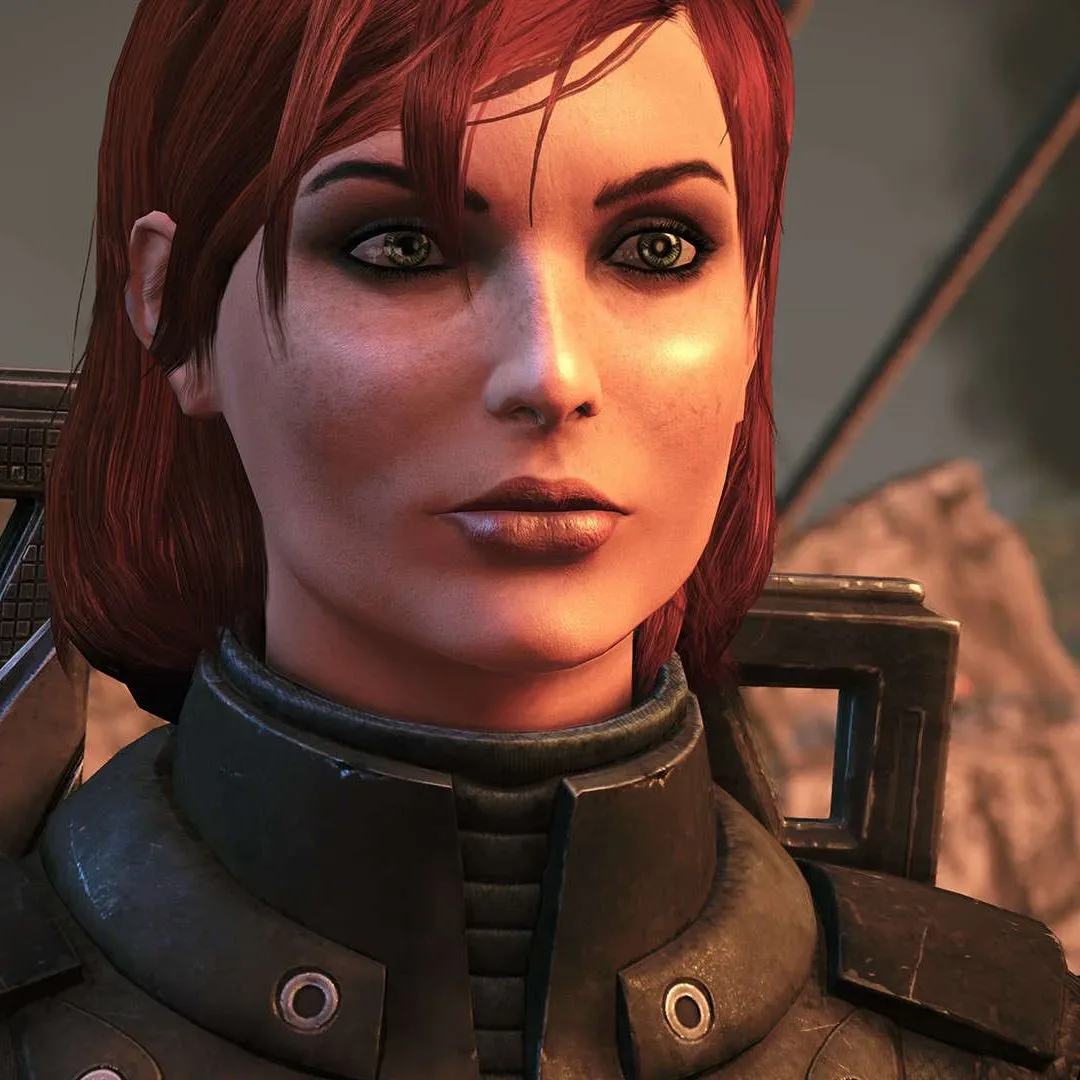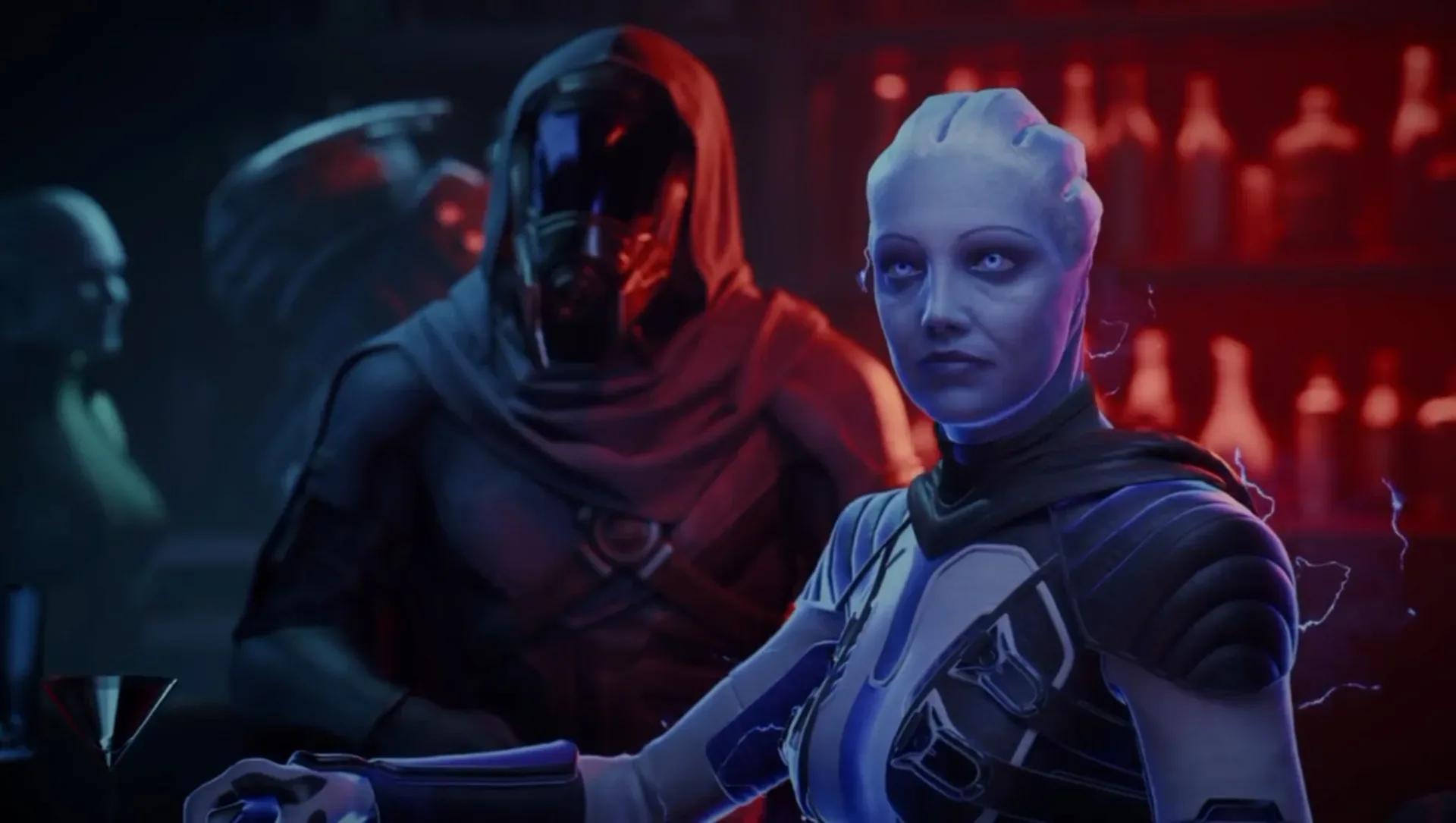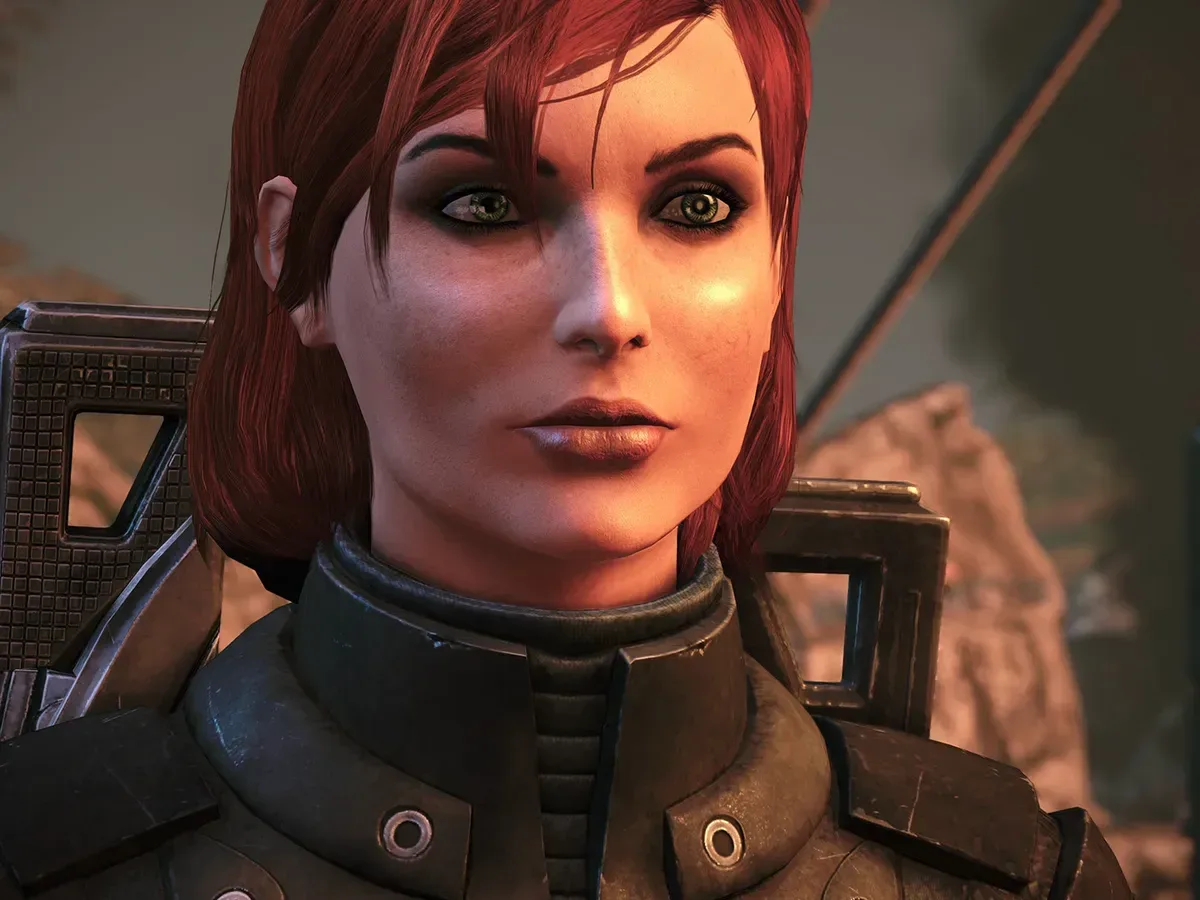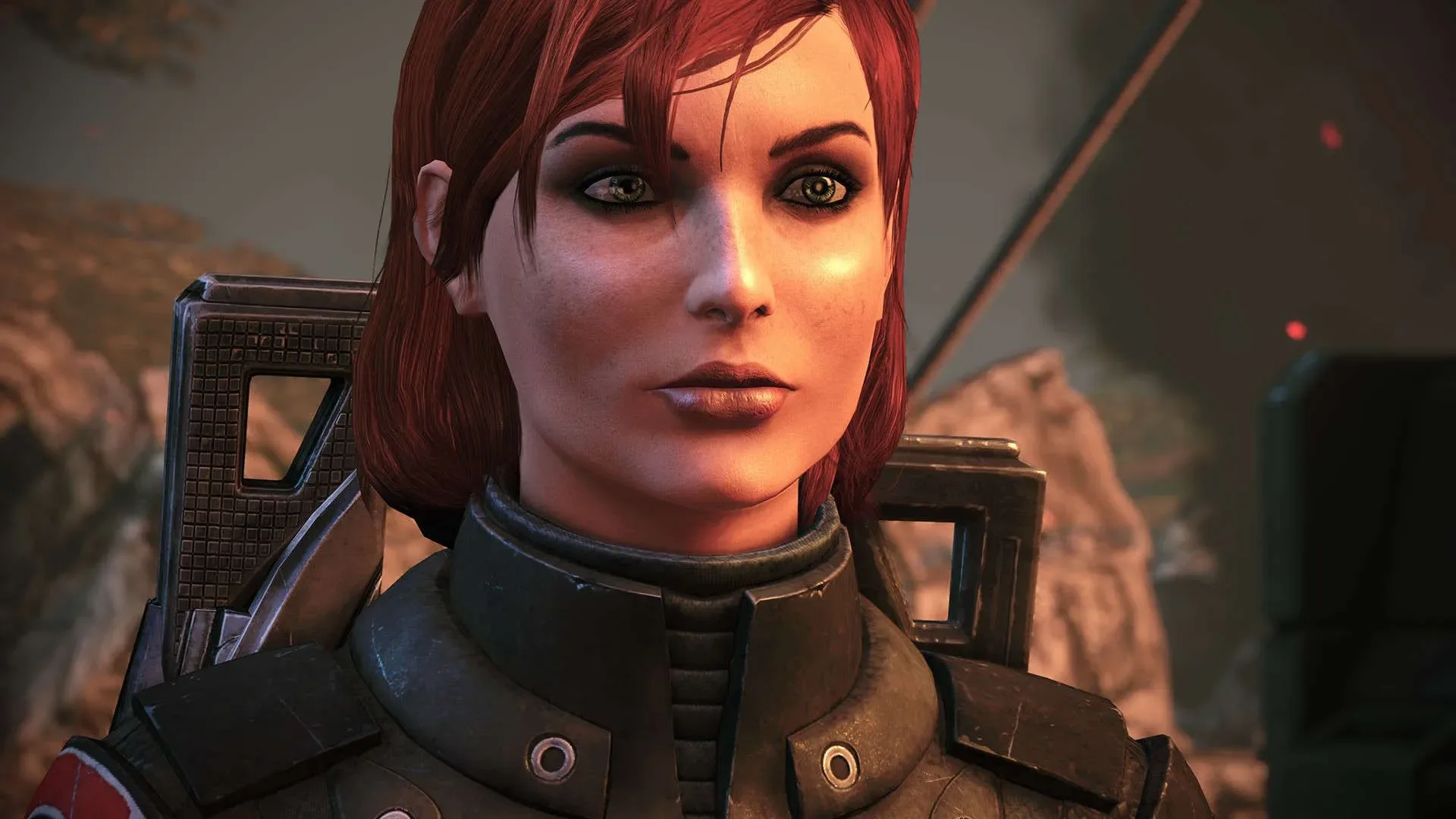
The campaign to save the next Mass Effect has run into a hard commercial reality: wanting a game to continue and owning the rights required to continue it are very different things.
Following BioWare’s closure and the cancellation of the next Mass Effect game, former franchise technical director Romain Toutain offered a blunt assessment during a Twitch stream: he does not expect EA to sell the project as a route to another studio completing it. Toutain worked as franchise technical director on Mass Effect at BioWare from early 2022. Reacting to a trailer that surfaced online for a project apparently titled Mass Effect Universe, he characterized the footage as an internal trailer rather than material intended for public release.
When asked whether EA could have sold the studio and game to preserve them, Toutain’s answer was categorical: “EA never actually sells anything.” He added that the company instead shuts things down and retains its licenses.
That is a significant caveat for fans interpreting the cancellation as an opening for a rescue deal. A publisher deciding not to continue a game is not the same as the publisher putting the game, its developer, or the underlying franchise up for sale. Unless the rightsholder chooses to transfer those rights, an outside team cannot simply take over Mass Effect, no matter how much interest exists among players, former developers, or other studios.
What the leaked-looking trailer does — and does not — establish
The next Mass Effect was revealed in 2020, but little official information emerged in the years that followed. The appearance of footage labeled Mass Effect Universe after BioWare’s closure gave fans a more tangible glimpse of a game that will not move forward in its reported form. It also suggested that “Mass Effect 5” may have been a convenient fan and press shorthand rather than the project’s apparent title.
Still, the existence of an internal trailer should not be read as a complete blueprint for a finished game. Internal trailers can be used to communicate a tone, world, concept, target quality, or development direction within a studio. They may contain material intended to energize a team or explain a pitch rather than provide a firm promise of final gameplay. Toutain’s description matters because it frames the footage as development material, not a delayed public reveal.
That distinction also explains why a project can look compelling in a short video yet remain vulnerable to cancellation. A trailer represents only one slice of a production. Completing a major role-playing game requires long-term staffing, technical work, writing, art, testing, production management, and funding. None of those needs disappear because an early or internal presentation has impressed viewers.
The rights problem behind a “save the game” campaign
In this case, “license” refers to the legal rights associated with a property: its name, characters, setting, branding, and the ability to produce or authorize new works under that banner. Keeping a license does not obligate a company to release a new game. It does, however, allow that company to decide whether anyone else can do so.
Related coverage includes Former BioWare Director Says an EA Sale Is an Unlikely Lifeline for Mass Effect Universe.
That is why the strongest version of a revival hope would require more than a willing buyer. There would need to be a decision by EA to sell or license the property, a party prepared to take it on, and an agreement acceptable to all sides. The source material does not indicate that a sale process is underway, that an outside buyer has been identified, or that EA has expressed an intention to license Mass Effect elsewhere.
For the moment, the sale scenario is speculation about a possible corporate decision, not a confirmed plan. Toutain’s remarks argue against treating it as the likely outcome.
That difficult rights reality has already shaped public discussion around the closure. Support for #SaveMassEffect has highlighted the same ownership hurdle: enthusiasm can keep the subject visible, but it cannot independently move the franchise to a new developer.
Why companies may hold onto dormant properties
Former BioWare executive producer Mark Darrah has previously described one reason companies can be reluctant to sell intellectual property. The people responsible for approving a sale may have little incentive to take the risk of giving away an asset that later becomes enormously valuable. In his framing, it is safer for a decision-maker not to be remembered as the person who sold a property before it became a billion-dollar success.
This is not a confirmation of EA’s internal reasoning in the present case. It is an explanation of the institutional logic Darrah believes can make an IP sale unattractive. A dormant property still has potential future value: it can be revisited, licensed, adapted, or simply held until the owner decides conditions have changed. Selling it trades that uncertain future potential for a definite return today.
Darrah had also raised the counterargument after plans for a $55 billion acquisition were announced last year. He suggested that a company carrying substantial debt might examine its broad catalog of dormant properties and consider sales. He further floated the possibility that studios or groups could be shut down or potentially sold.
Those two ideas pull in opposite directions. Debt and restructuring can make an immediate sale more appealing. Fear of surrendering a future hit can make retention feel safer. Neither principle tells the public exactly what will happen to Mass Effect or Dragon Age; together, they explain why the situation remains uncertain even after the closure.
Two possible futures, neither confirmed
After BioWare’s closure, Darrah said the lack of an internal team working on Mass Effect and Dragon Age could cut either way. It might make a sale more likely because there is no longer a studio assigned to build those games. It could also mean the properties are simply placed in a vault and left behind.
The difference is important. A dormant franchise is not necessarily a dead franchise, but dormancy is not a revival announcement either. In practical terms, a franchise can remain owned, recognized, and unavailable for a new installment for an indefinite period. Fans should be wary of converting the possibility of a sale into an expectation that one is being negotiated.
Likewise, the cancellation of one project does not establish that every asset created during its development will be used again, released publicly, or transferred to another team. The available information points to a cancelled game and a closed studio, not to a confirmed handoff of work in progress.
What fan support can realistically accomplish
A petition seeking to save the series has passed 200,000 signatures. Jennifer Hale and Mark Meer, the actors associated with Commander Shepard, have also publicly supported the effort. That response demonstrates that the franchise still has an invested audience and that its loss has resonated beyond the development team.
Petitions do not transfer intellectual-property rights or obligate a company to revive a project. Their practical value is different: they make sentiment visible. A large signature count can show sustained interest, provide fans with a focal point, and preserve public attention at a moment when a cancelled project might otherwise fade quickly from view.
For a publisher weighing whether a dormant series retains value, visible demand is not meaningless. But it is one signal among considerations that remain outside public view, including strategy, staffing, financial priorities, and the willingness to make another large role-playing game. The supplied information provides no evidence that the petition has changed EA’s plans, so it should be understood as advocacy rather than proof of a pending reversal.
The immediate record is therefore clear but limited: the next game was cancelled, BioWare closed, footage apparently connected to an internal Mass Effect Universe trailer surfaced, and a former technical director has discouraged expectations of a sale. The larger question — whether EA ultimately sells, licenses, revives, or shelves Mass Effect and Dragon Age — remains unanswered.
For fans, that uncertainty is frustrating precisely because the trailer made the lost project feel more concrete. For now, however, the most defensible position is to separate hope from a deal: there is substantial support for the series, but no reported transaction, buyer, successor studio, or announced path for the game to return.