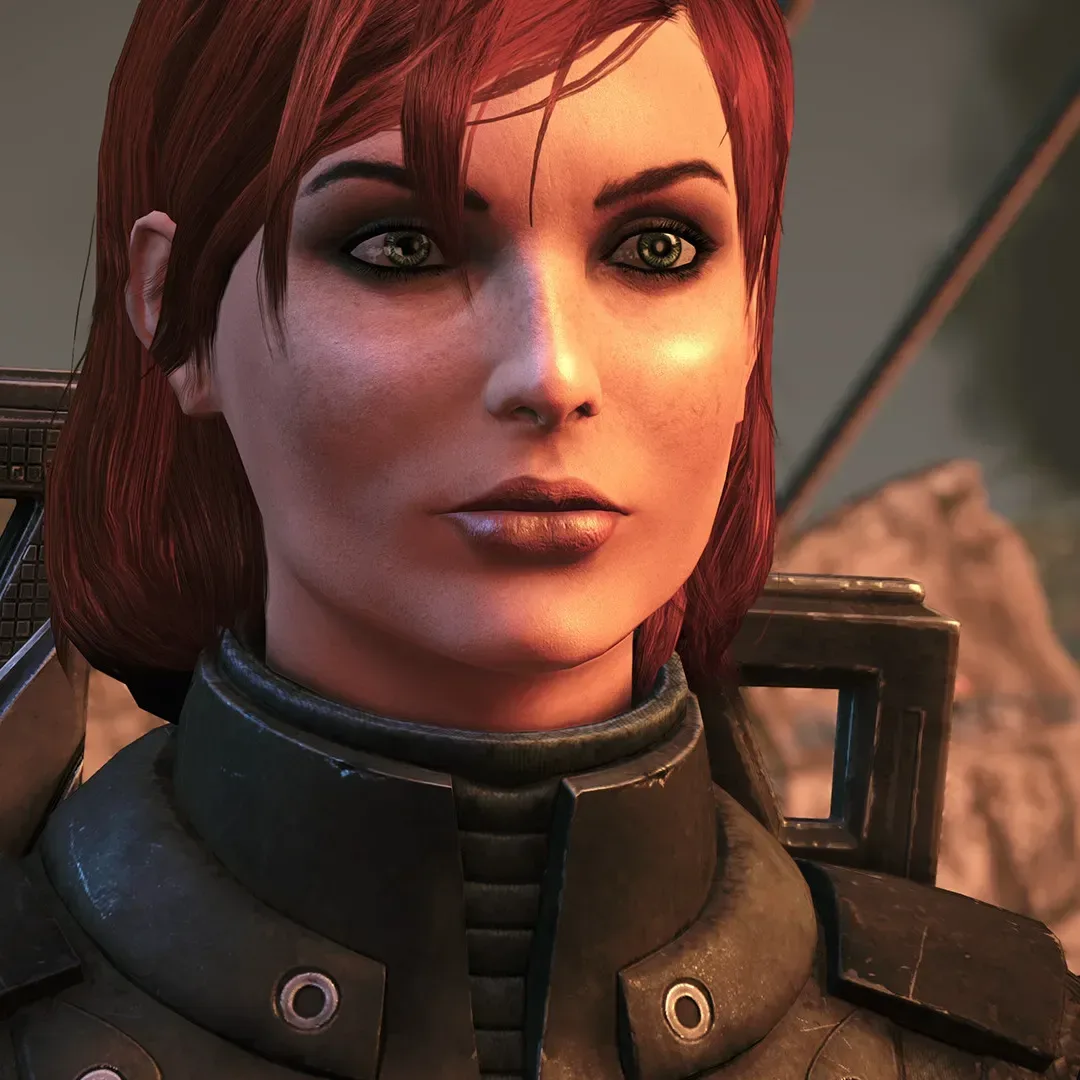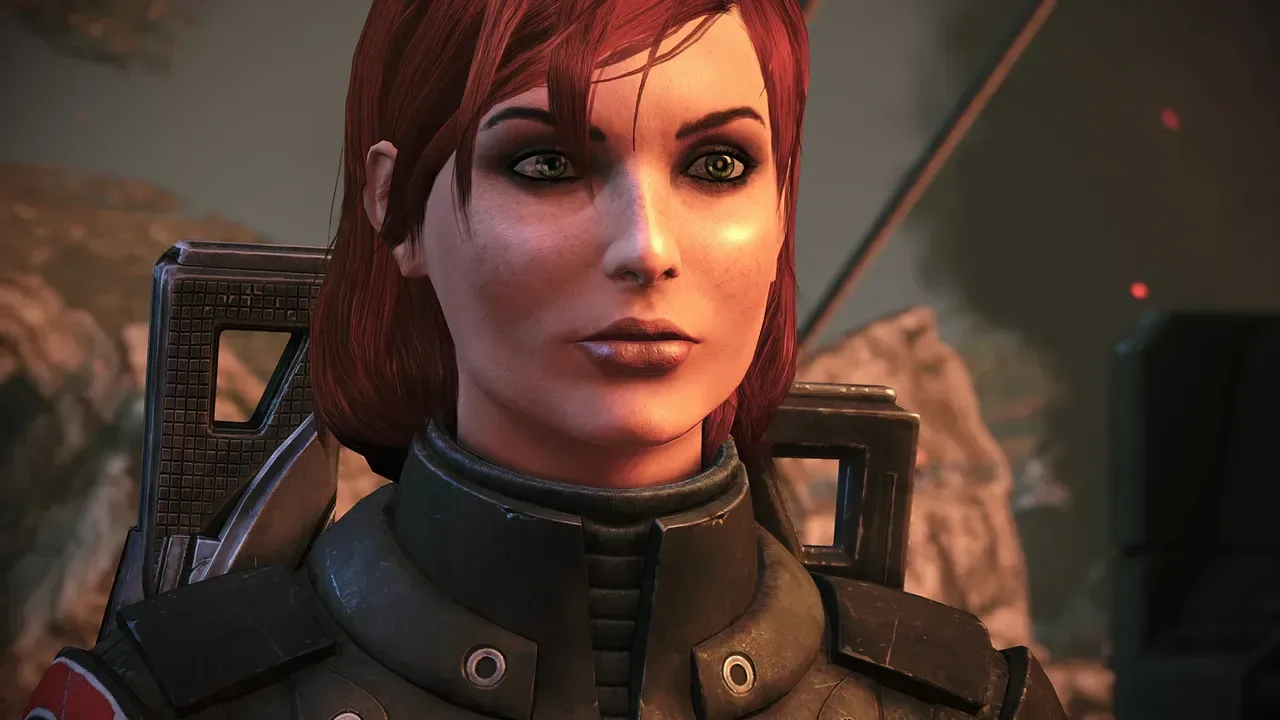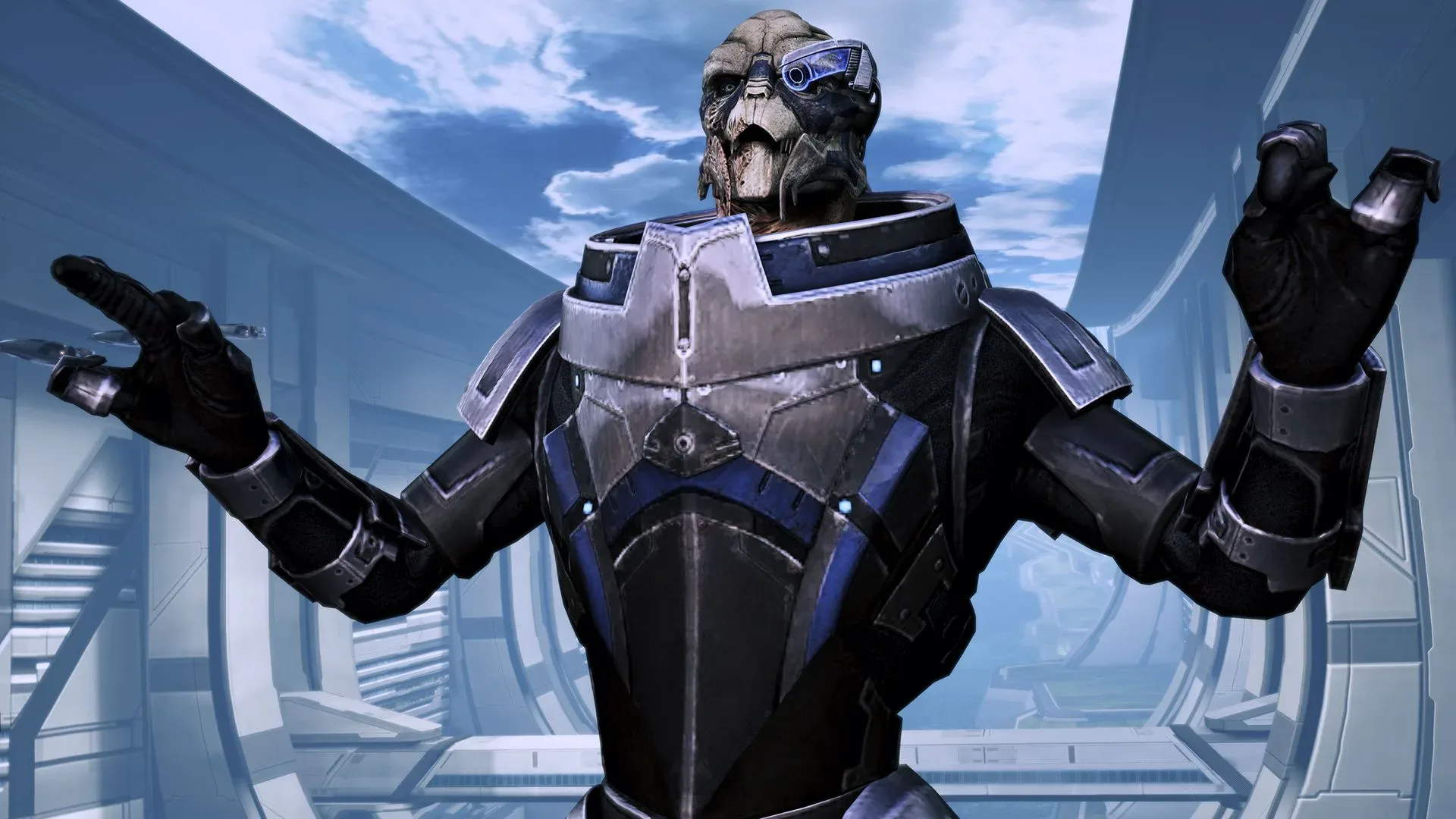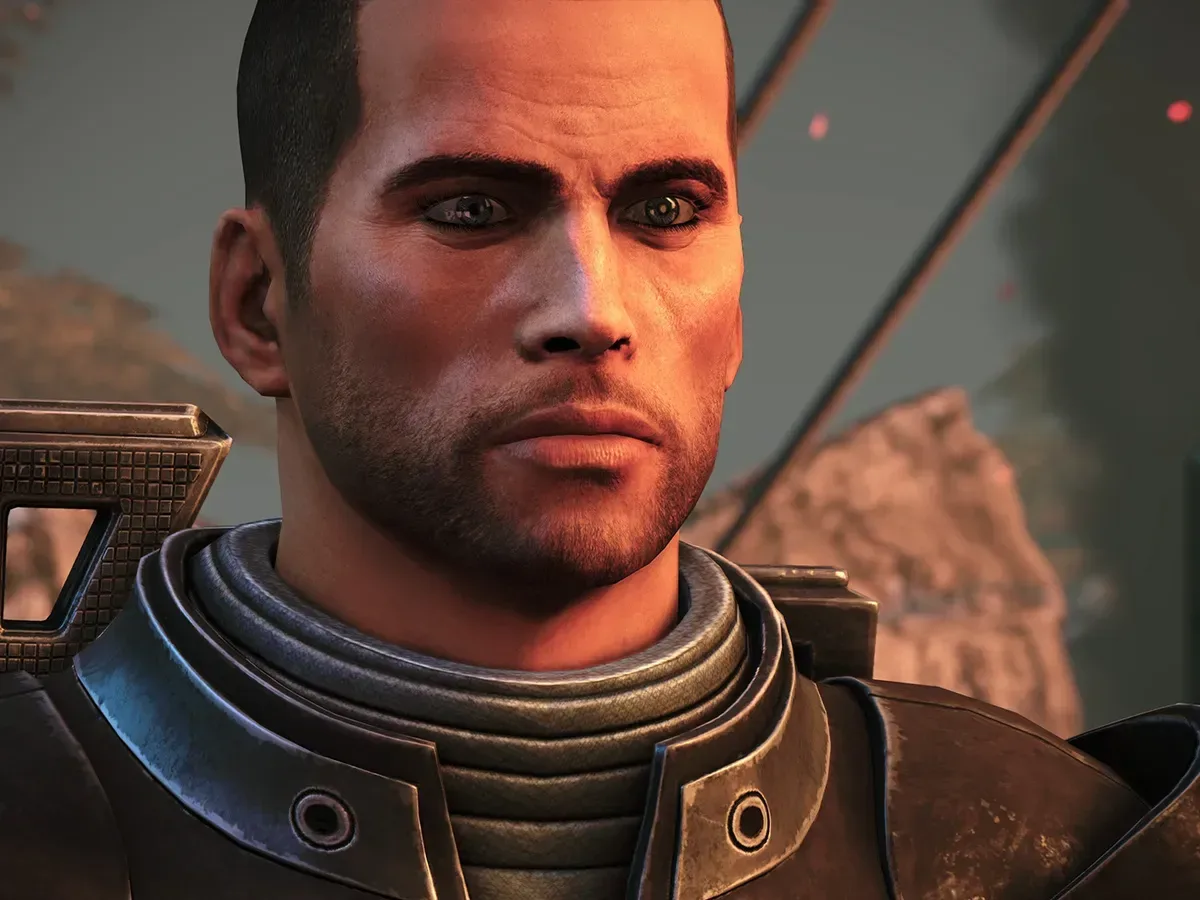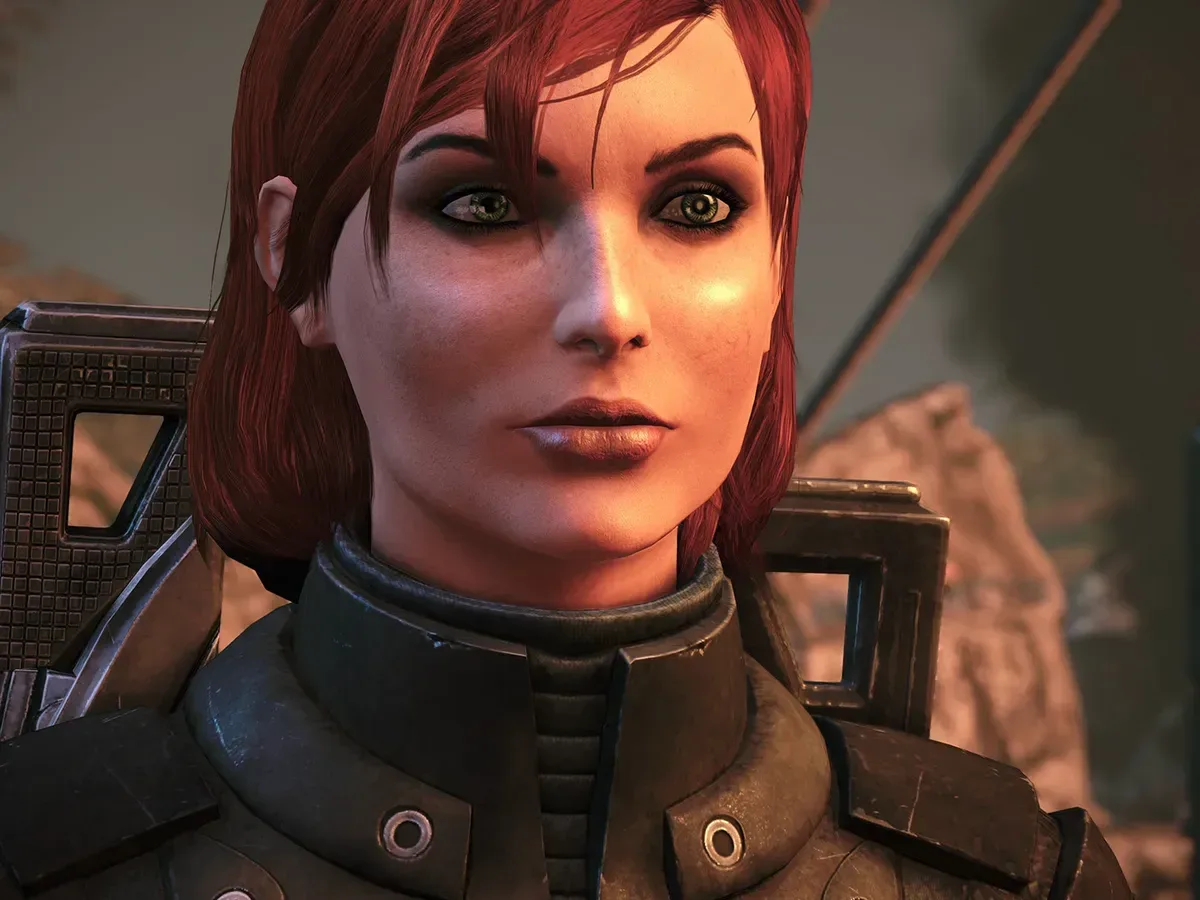
Jennifer Hale, the actor associated with female Commander Shepard across the original Mass Effect trilogy, has responded publicly after reports that BioWare is being closed and its next Mass Effect project has been cancelled. A full-length trailer said to be from that unannounced game has also circulated online, turning an already painful week for the series’ community into a strange mixture of mourning, speculation and stubborn optimism.
Hale’s reaction to a re-upload of the footage was brief but meaningful: she called it “extraordinary” and said she was holding out hope for “magic to happen.” Crucially, she addressed both the fans and the developers who worked on the game. That balance matters. The trailer may be the element spreading fastest online, but the immediate human consequence of a studio closure is the loss of jobs for the people who made the work in the first place.
BioWare has been closely tied to Western role-playing games for roughly three decades, with Mass Effect, Dragon Age and Jade Empire among the series associated with the studio. The reported cancellation of the next Mass Effect therefore is not simply the end of one unreleased title. It raises questions about the future stewardship of a franchise built around player choice, companion relationships and a remarkably committed audience.
Hale and Meer put people before franchise speculation
In an Instagram live session held with Mark Meer, the actor who voiced male Commander Shepard, Hale said she felt “weirdly hopeful,” while acknowledging she could not explain the feeling. Her first concern, however, was for BioWare employees suddenly seeking new work. Meer described the reported closure as a major loss for Edmonton, Canada and the wider games business, while also recognizing the disappointment fans are experiencing.
That distinction is worth keeping clear as discussion accelerates. Fans can be heartbroken about a game that may never arrive. They can be curious about the trailer and interested in what it suggests. But a leaked work-in-progress asset is inseparable from the circumstances under which it surfaced: a project has reportedly been stopped and the people behind it may be unemployed.
For performers with such visible ties to a long-running series, public comments can easily become treated as evidence of a revival plan. Nothing in Hale’s or Meer’s remarks confirms that one exists. Their comments are better understood as sympathy for colleagues, affection for the community and hope that an improbable positive outcome could still emerge.
What the leaked trailer can—and cannot—tell fans
The project has been referred to in discussion as Mass Effect 5 and, reportedly, Mass Effect Universe. Neither label should be treated as a settled public title. A name attached to an unreleased project can change during development, and the available information does not establish that either was intended for final marketing.
Likewise, footage from an unfinished game is not the same thing as a release-ready promise. A trailer can reflect an intended tone, characters, locations or mechanics at one moment in production, but it does not prove that each element was complete, approved for launch or guaranteed to remain in the final game. In this case, the project’s reported cancellation makes that caveat even more important.
Related coverage includes Jennifer Hale Holds Out Hope After Canceled Mass Effect Project Trailer Leaks.
That does not make fan interest unreasonable. Unreleased material naturally gives a community something tangible to discuss after abstract news of a cancellation. Yet the practical reading is restrained: the footage may offer a glimpse of work that existed, not a contract that the work will eventually be finished.
Why leaked footage creates a complicated legacy
Leaks often invite audiences to grade a game that was never put in a position to be completed or released. That is a difficult standard for any development team. The most useful response is to avoid presenting apparent concepts, visuals or sequences from the trailer as definitive features of a future Mass Effect. The strongest evidence currently concerns the scale of fan attachment and the apparent amount of creative effort that was invested before the project was halted.
It also helps to separate an intellectual property from a particular project. An intellectual property, often shortened to IP, is the collection of legal rights around a brand and its associated creative material. Mass Effect as an IP can outlast a specific studio, team or in-development sequel. That does not mean a continuation is automatic; it means ownership, licensing and business strategy determine what can happen next.
Could another company buy Mass Effect?
Hale suggested one possible route: ownership might decide to sell the relevant properties, allowing someone else to take them forward. That idea has gained traction among fans, and it is easy to understand why. A sale appears to offer a clean story—one company exits, another arrives, and development resumes.
Realistically, it is much less straightforward. Analysts have cautioned that BioWare’s catalogue may not fit EA’s current strategy, yet that alone does not mean its franchises will be offered for sale. Rights to a recognizable series can retain substantial value even if the owner is not actively making a new game. A company might keep them for future use, licensing opportunities, portfolio value or simply because the asking price is not attractive to buyers.
There is also the issue of cost and capacity. A potential buyer would need more than enthusiasm for Mass Effect. It would need the money to acquire rights if they were available, a team capable of making a major role-playing game, and the time to develop a new project. Buying a name does not transfer an unfinished game into a finished one, nor does it automatically reassemble the developers who previously worked on it.
Former BioWare executive producer Mark Darrah has similarly suggested that a sale is possible in a cost-cutting environment, while warning that the rights could just as easily be left unused. That is the uncomfortable middle ground of the current conversation: selling the IP is imaginable, but no reported decision establishes that it is happening.
- What is known: BioWare’s reported closure and the cancellation of the next Mass Effect project have prompted public reactions from Hale and Meer.
- What is circulating: A trailer said to be from the cancelled project has appeared online.
- What remains uncertain: The project’s final intended title, the status of every element shown in the footage, and whether EA will sell or license any BioWare-related rights.
- What fans should not infer: A trailer leak or an actor’s hope is not confirmation of a rescue, sale or restart.
A broader industry question, not merely a fandom wish
The response has reached beyond fan spaces, including public criticism from Canadian political figure Avi Lewis. That wider reaction reflects BioWare’s local and industry significance, particularly given the studio’s Edmonton connection. The concern is not only whether a famous franchise returns, but what happens when a long-standing creative workplace disappears and specialized teams are scattered.
There is no simple rule that a company “owes” fans another entry in a beloved series. Commercial rights do not guarantee a sequel, and creative work cannot be compelled into existence by demand alone. Still, the argument over preservation, ownership and corporate responsibility is familiar across games, as explored in this discussion of what game studios owe their audiences after closure. Mass Effect intensifies that question because its identity has always depended on community investment: personal versions of Shepard, remembered choices and attachments to a fictional crew.
For now, the responsible position is hopeful but unsentimental. Hale’s optimism is understandable, and fans have every reason to care about a series that has meant so much to them. But the clearest priority remains the developers affected by the reported shutdown. Any future for Mass Effect—whether under its existing owner, through a sale, or not at all—will be decided by business and legal choices that have not been publicly resolved.
The trailer may preserve a glimpse of a lost possibility. It does not settle the franchise’s future. What it has done is make the scale of that possibility, and the loss felt by the people who wanted to build it, harder to ignore.