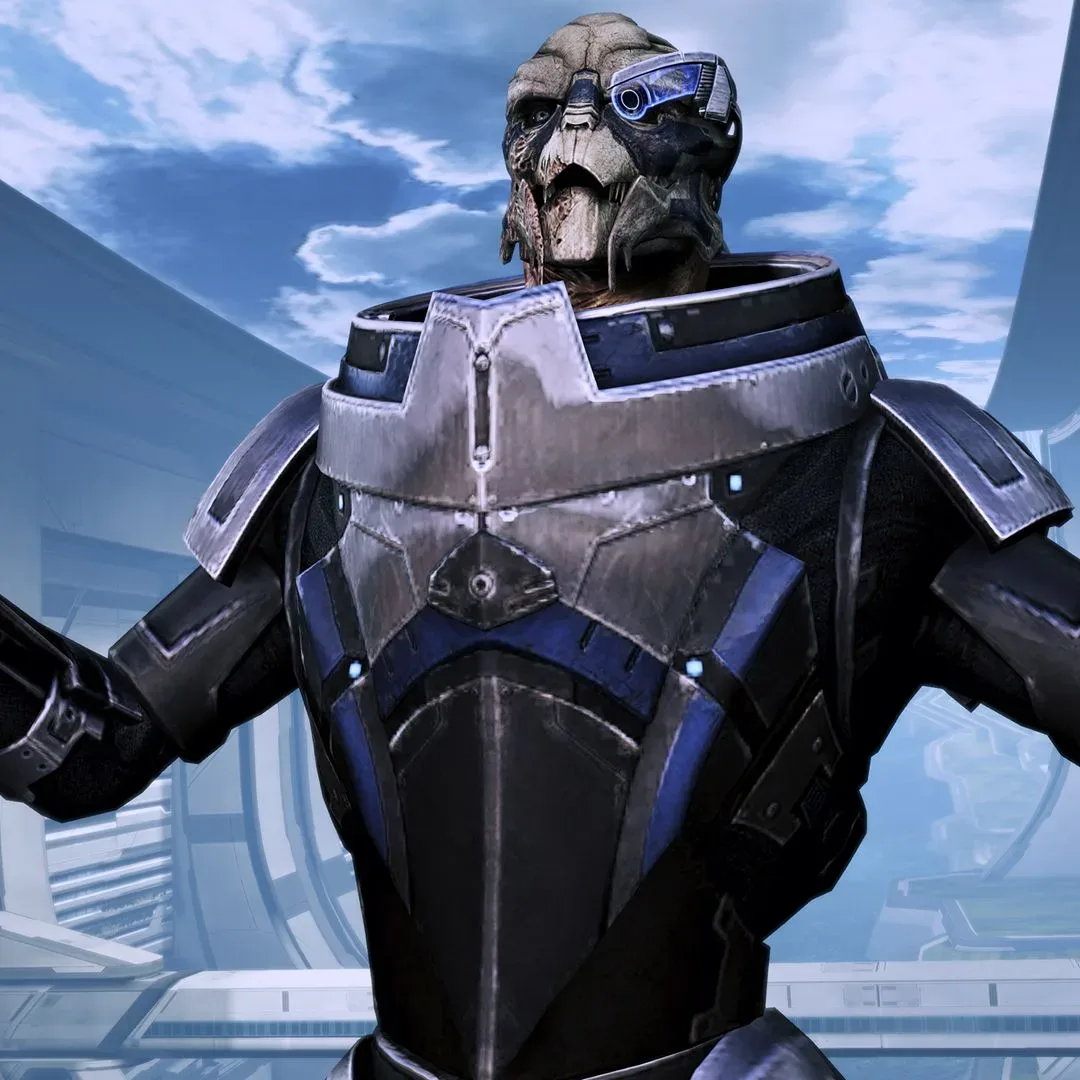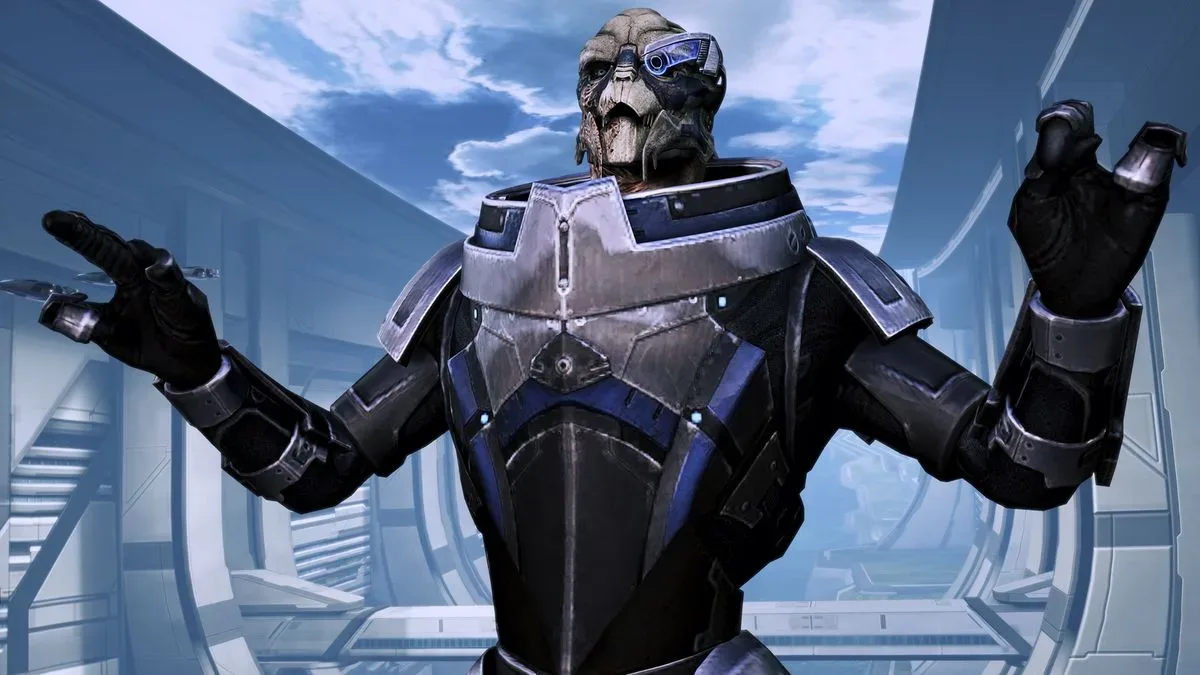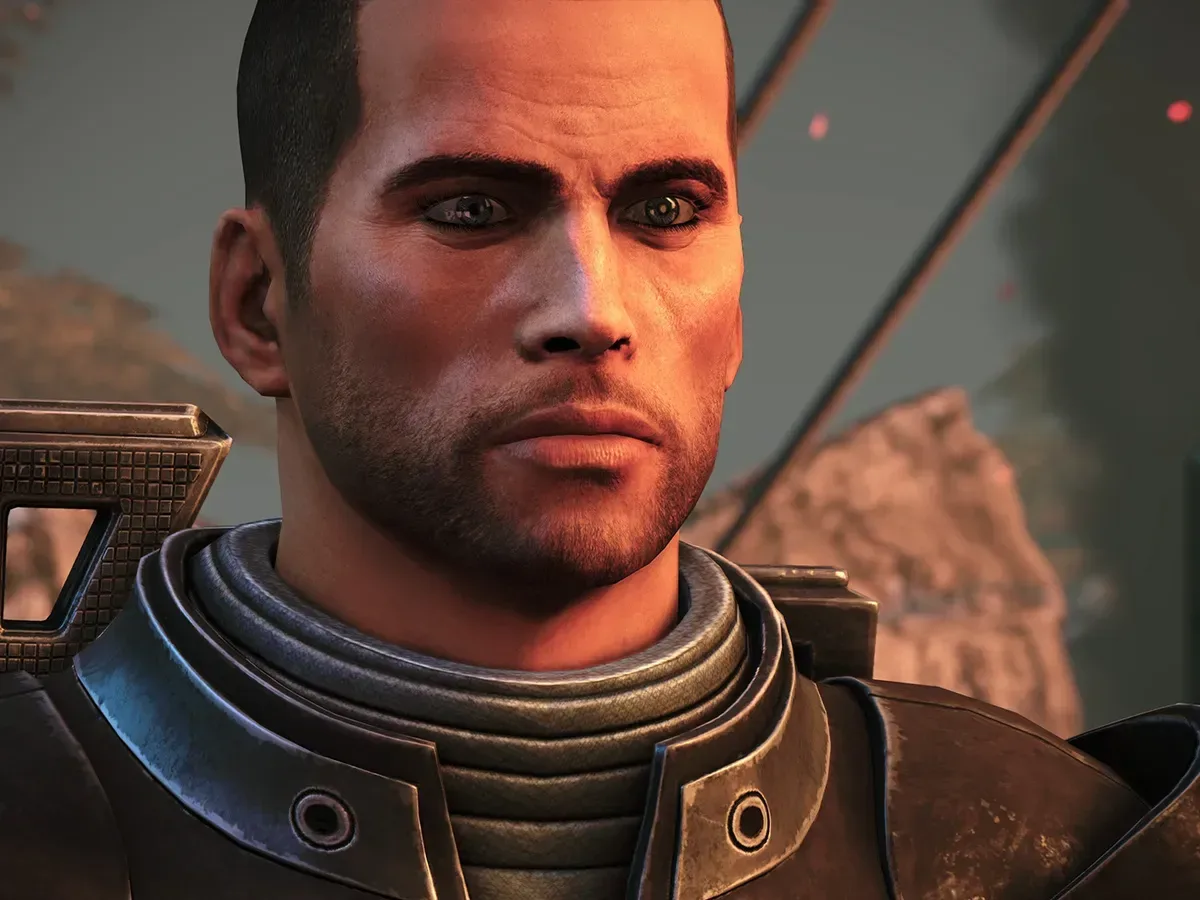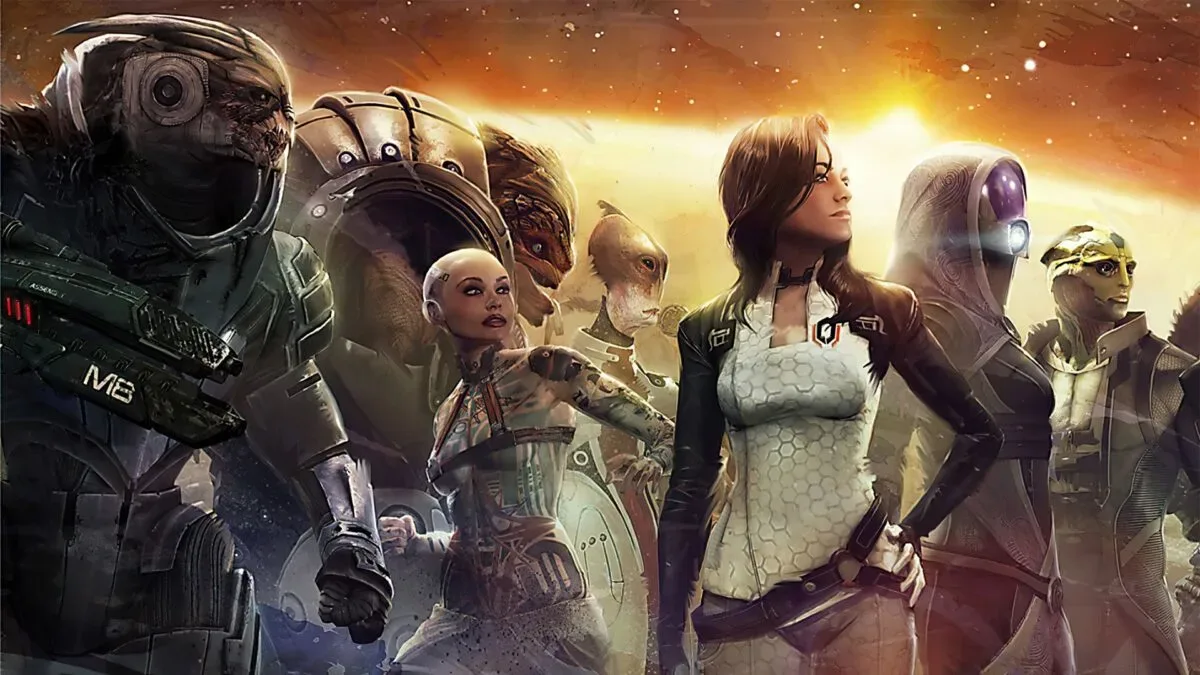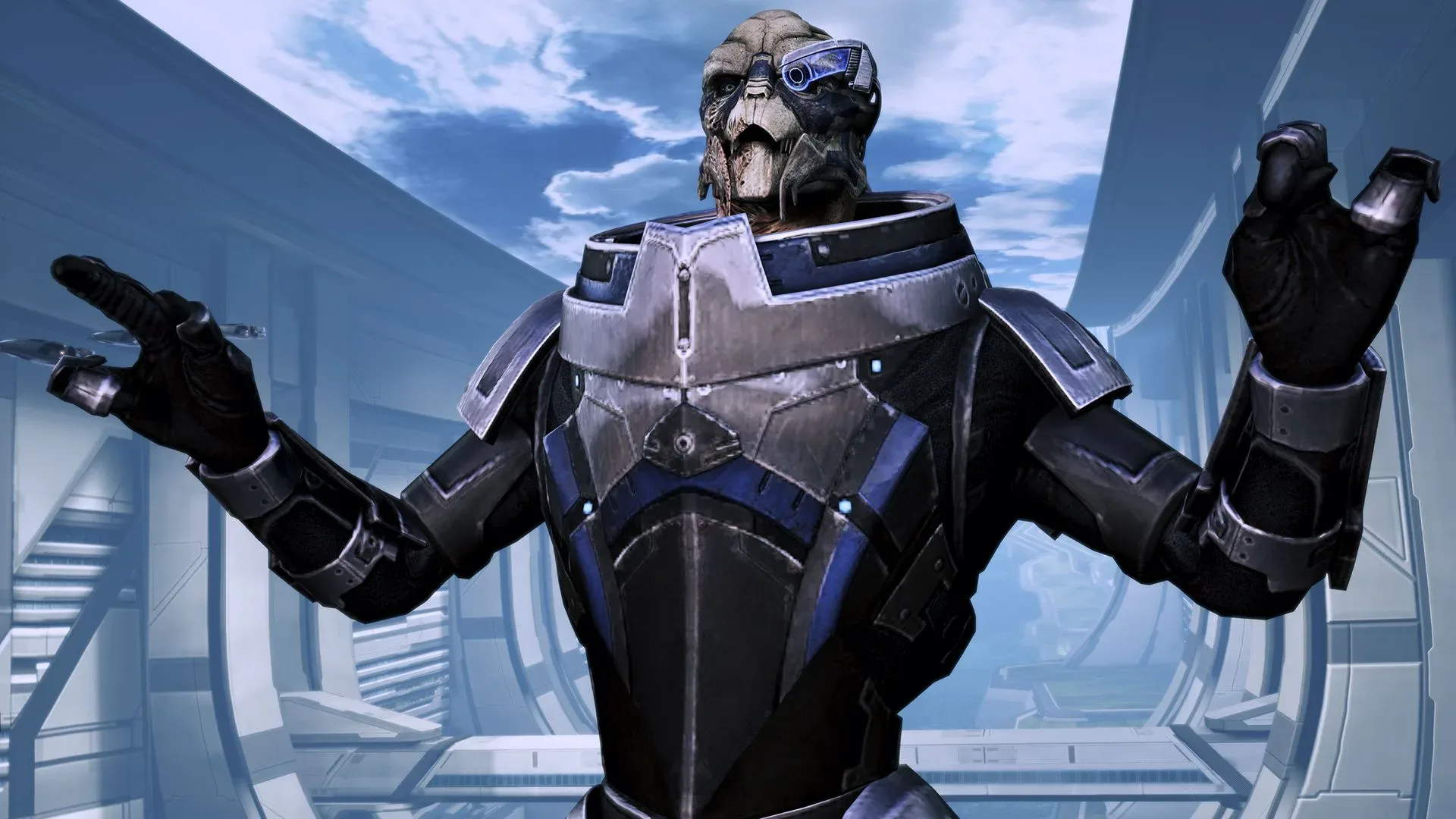
When a beloved studio faces closure, fans do not always stop at mourning. They start pitching rescue plans—some practical, some wildly optimistic, and some involving an entirely different developer being asked to acquire one of gaming’s most recognizable science-fiction universes.
That is the unusual position Pocketpair has found itself in following reports that EA is shutting down BioWare, the studio behind Mass Effect and Dragon Age. John “Bucky” Buckley, Pocketpair’s head of communications and publishing, said he received close to 30 direct messages or emails in a single day from people asking the Palworld developer to buy Mass Effect.
The requests are an understandable expression of worry over the future of a series with a deeply invested audience, particularly as a new Mass Effect installment had been described as being deep in development. But Buckley’s response is a useful reality check: an intellectual-property purchase is not a button a successful game studio can simply press because players want a sequel.
Fans see a lifeboat; companies see an IP transaction
IP, short for intellectual property, refers here to the rights associated with a fictional game universe: its name, characters, setting, stories, branding, and the ability to make and sell future works based on it. Owning an IP can be enormously valuable, but it is not the same thing as owning a completed game project, retaining the people who worked on it, or inheriting every tool and agreement that might surround development.
Buckley said that Pocketpair often receives “buy this IP” messages after a game is cancelled or a studio closes. As time passes, he added, those messages can turn into complaints that the company supposedly has the money and should have acted. His point was that IP sales are complicated, and that an asking price can be far beyond what a buyer believes the property is worth.
That difference matters. A famous name may have a passionate audience, but a prospective buyer still has to weigh the cost of acquiring it against the cost and risk of creating a new game under it. A transaction would also depend on the current owner wanting to sell. Fan enthusiasm can demonstrate affection for a series; it cannot establish a seller’s willingness, a deal structure, or a price either party considers sensible.
In other words, “Pocketpair should buy Mass Effect” is a rallying cry, not evidence that a purchase is being discussed. Nothing in Buckley’s remarks indicates that Pocketpair is negotiating for Mass Effect, that EA is offering it for sale, or that either company has made a move toward such a deal.
Why Pocketpair became the target of the campaign
Pocketpair’s connection to the conversation is straightforward: Palworld made the studio a prominent name, and audiences often look toward visible, apparently successful teams when another developer is in trouble. To fans, a studio with momentum can look like a potential guardian for an endangered series.
Related coverage includes Palworld Studio Receives Fan Requests to Buy Mass Effect Following BioWare Shutdown Reports.
But visibility and financial assumptions are not a substitute for fit. Palworld and its revealed spin-offs are very different kinds of projects from the expansive role-playing games associated with BioWare. Mass Effect’s reputation rests not merely on its science-fiction setting, but on the accumulated expectations around character relationships, player choices, narrative continuity, party-based role-playing, and the tone established across earlier entries.
That does not mean another studio could never work on Mass Effect. It does mean that purchasing the brand would be only the beginning of the challenge. A team would need the creative direction, production capability, technical foundation, and long-term commitment to make a game that audiences recognize as a worthy continuation rather than a familiar logo attached to a fundamentally different experience.
The concern is especially sharp when a franchise’s identity is tied to its creators. Fans are not simply seeking another product with the same title. Many are reacting to the possibility that people who knew the project and its creative goals may no longer be in position to finish it.
Buying a franchise would not automatically save the game in development
The phrase “save Mass Effect” compresses several separate problems into one. There is the question of who owns the Mass Effect brand. There is the question of what happens to the installment reportedly in development. And there is the human question of what becomes of the developers who were building it.
An IP acquisition, if one ever occurred, would address only the first of those directly. It could give a new owner the legal ability to make a Mass Effect game. It would not guarantee that the existing project could be transferred intact, that its work could be used, or that the original team could be reunited. It also would not automatically recreate the institutional knowledge built through years of working in the same world.
That distinction is important because fandom often treats a series as if it were a single object waiting to be moved from one shelf to another. Game development is less tidy. The franchise name is one asset. The people, plans, work in progress, relationships, and creative context that turn that name into a particular game are separate matters.
For players, that can make the prospect of a rescue feel both hopeful and frustrating. A well-known IP can outlive a studio, but the particular sequel fans were anticipating may be inseparable from the team and circumstances that shaped it.
A joke about Jade Empire, and a serious point beneath it
When asked about the Mass Effect messages, Buckley joked that he would be more interested in Jade Empire. The aside highlights a broader truth about fan requests: they often begin with an emotional attachment to a dormant or threatened property, not a calculation about what makes commercial and creative sense for the studio being asked to buy it.
That enthusiasm is not meaningless. It shows that audiences remember older worlds, care about their futures, and want companies to treat established creative legacies as more than disposable labels. But it can also create an unrealistic expectation that developers ought to become emergency buyers whenever a favorite series hits a crisis.
For Pocketpair, the practical implication is that it has become a receptacle for a particular kind of audience bargaining: the hope that a thriving studio can reverse decisions made elsewhere. Buckley’s comments push back on that assumption without dismissing the emotion behind it. The volume of messages—nearly 30 in one day—illustrates how quickly a shutdown report can turn community anxiety into a specific, if improbable, acquisition campaign.
What is known, what is speculation, and what players can reasonably infer
The reported BioWare shutdown has understandably intensified concern around Mass Effect. Pocketpair has received requests to purchase the IP, and Buckley has said these sorts of purchases are complex and can be priced far above their perceived value. Those are the firm points in this episode.
Everything beyond that requires caution. There is no stated indication of an offer, talks, a sale process, a transfer of the in-development game, or Pocketpair’s intent to pursue Mass Effect. Treating social-media requests as a business development plan risks confusing a fan wish with a corporate decision.
There is also a lesson for the wider industry conversation. A publisher owning a franchise does not mean it must sell it when a studio closes, and a developer’s apparent success does not mean it has the appetite or capacity to take on a massive outside property. Major franchises carry not only opportunity but enormous expectations. Any buyer would have to decide whether those expectations are a foundation to build on or a burden too heavy to justify the investment.
For now, the Pocketpair angle is best understood as a snapshot of a community trying to imagine an escape route. It is an emotionally logical response to a painful situation, even if it is not a likely business outcome. Fans want Mass Effect to have a future that respects its past; Buckley’s remarks explain why turning that hope into an acquisition is much harder than sending a message that says, “Please buy it.”
The larger uncertainty remains the future of the series and the people who had been working on its next chapter. As the industry continues to reckon with studio closures and cancelled projects, the desire to preserve both creative worlds and the teams behind them will keep producing rescue fantasies. Sometimes those fantasies become campaigns. Very rarely, they become deals.
For a separate example of how studios can face scrutiny over stewardship and standards around older releases, see Creative Assembly’s comments on Shogun 2 Complete Edition.