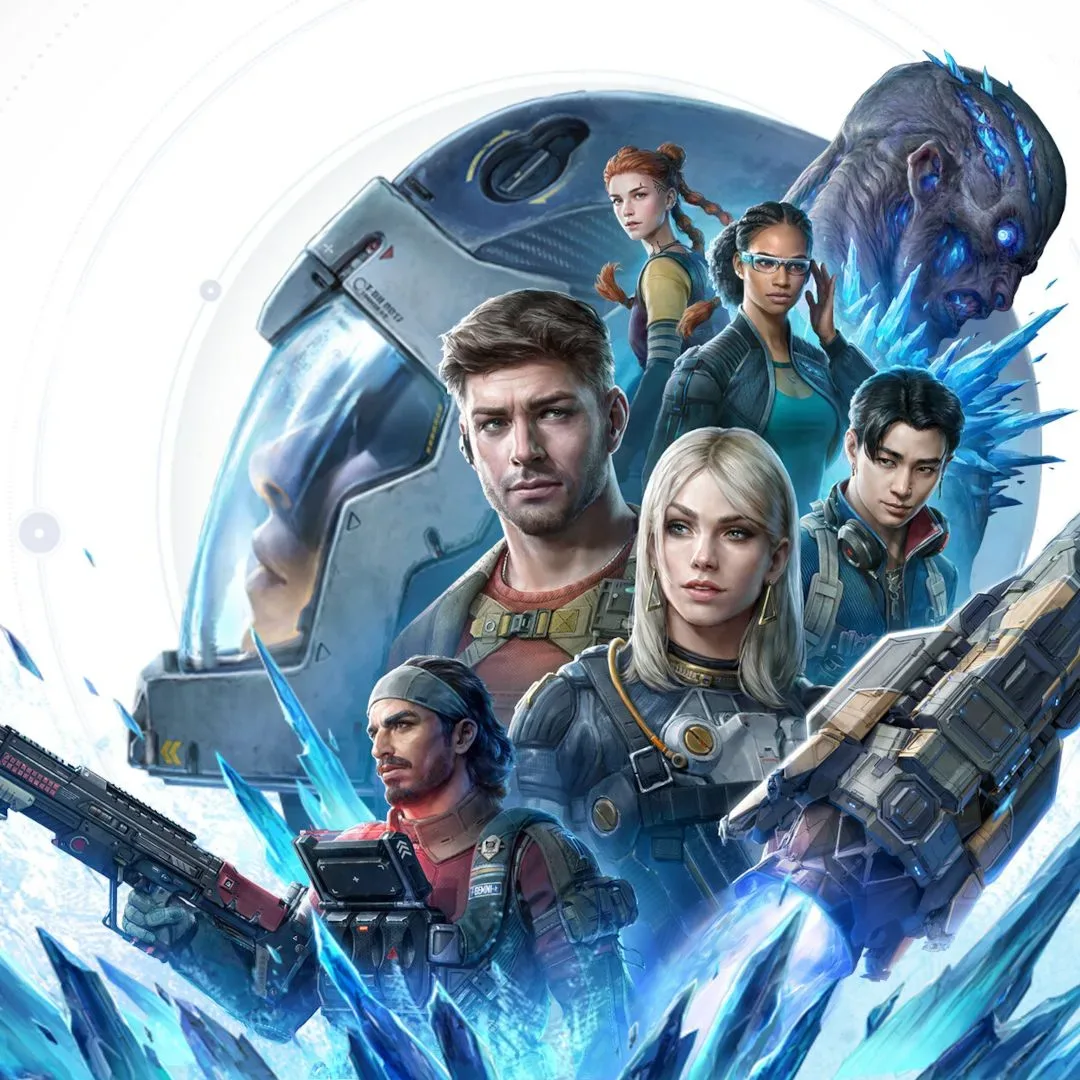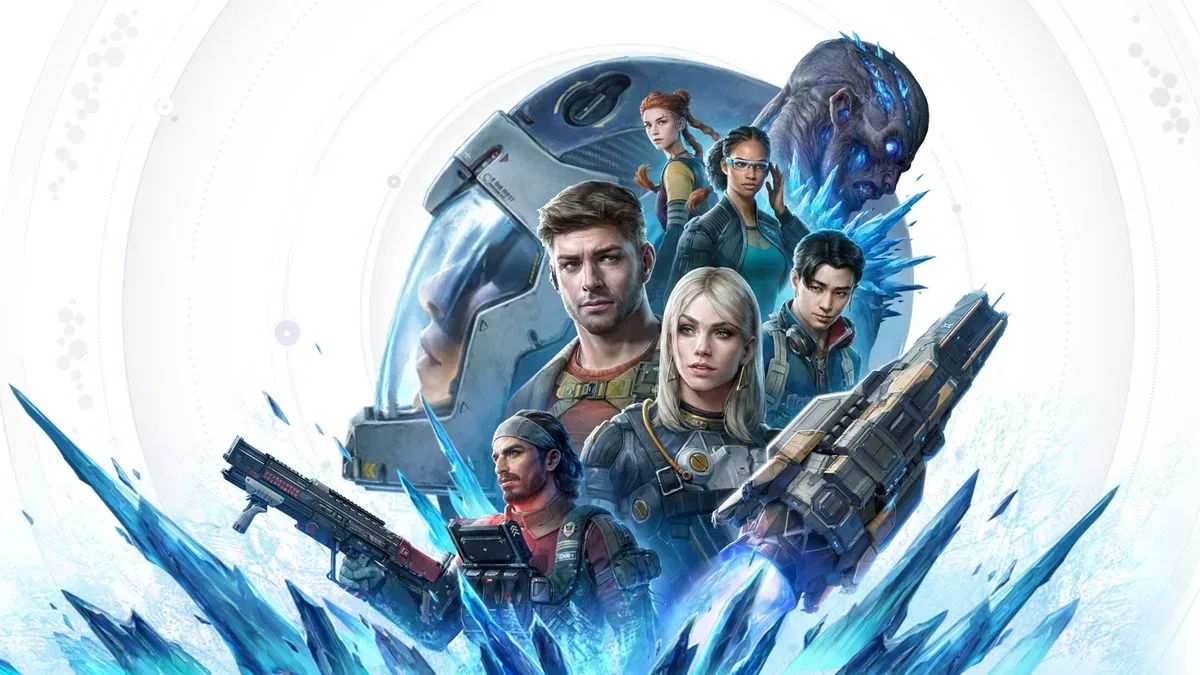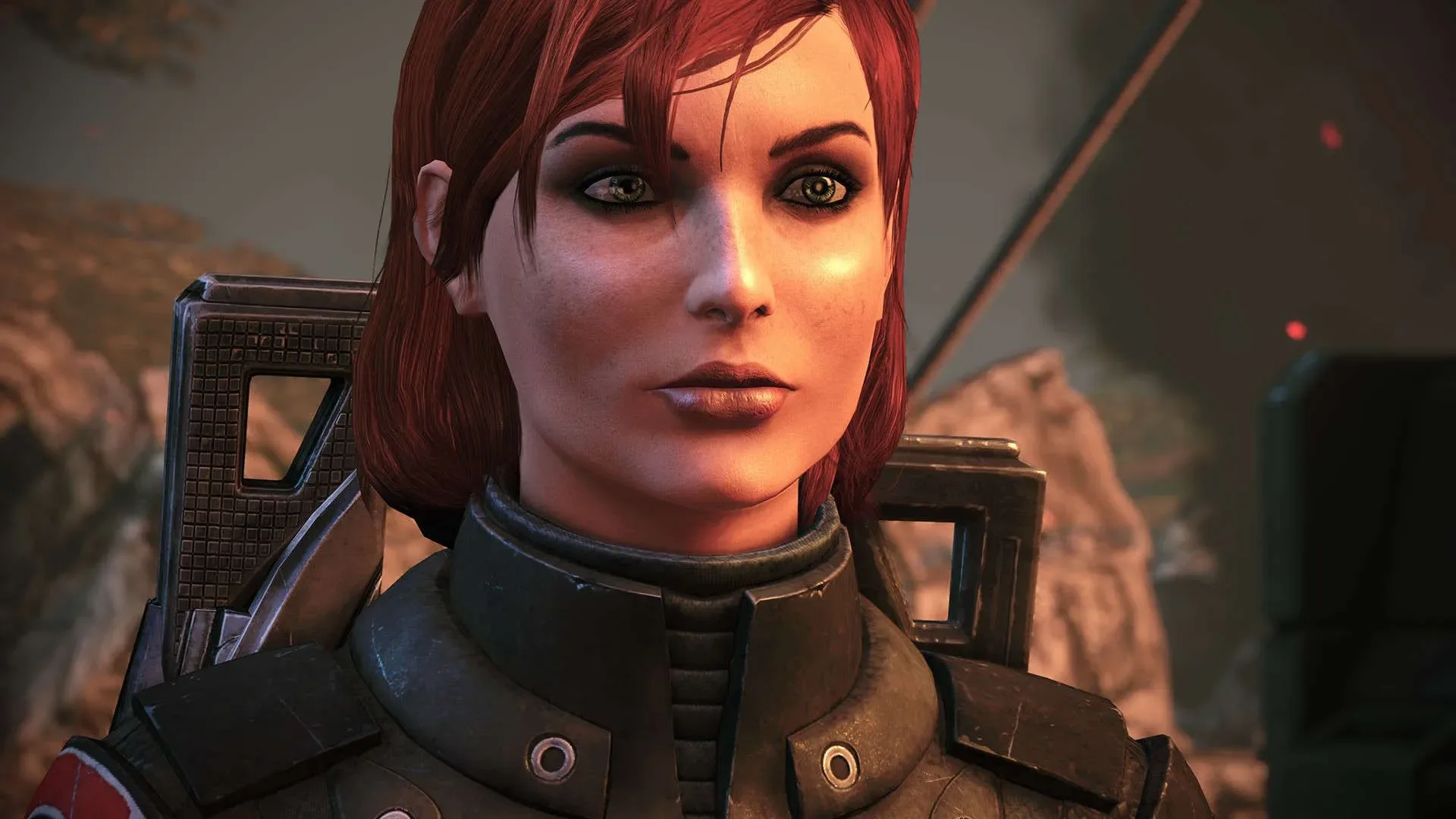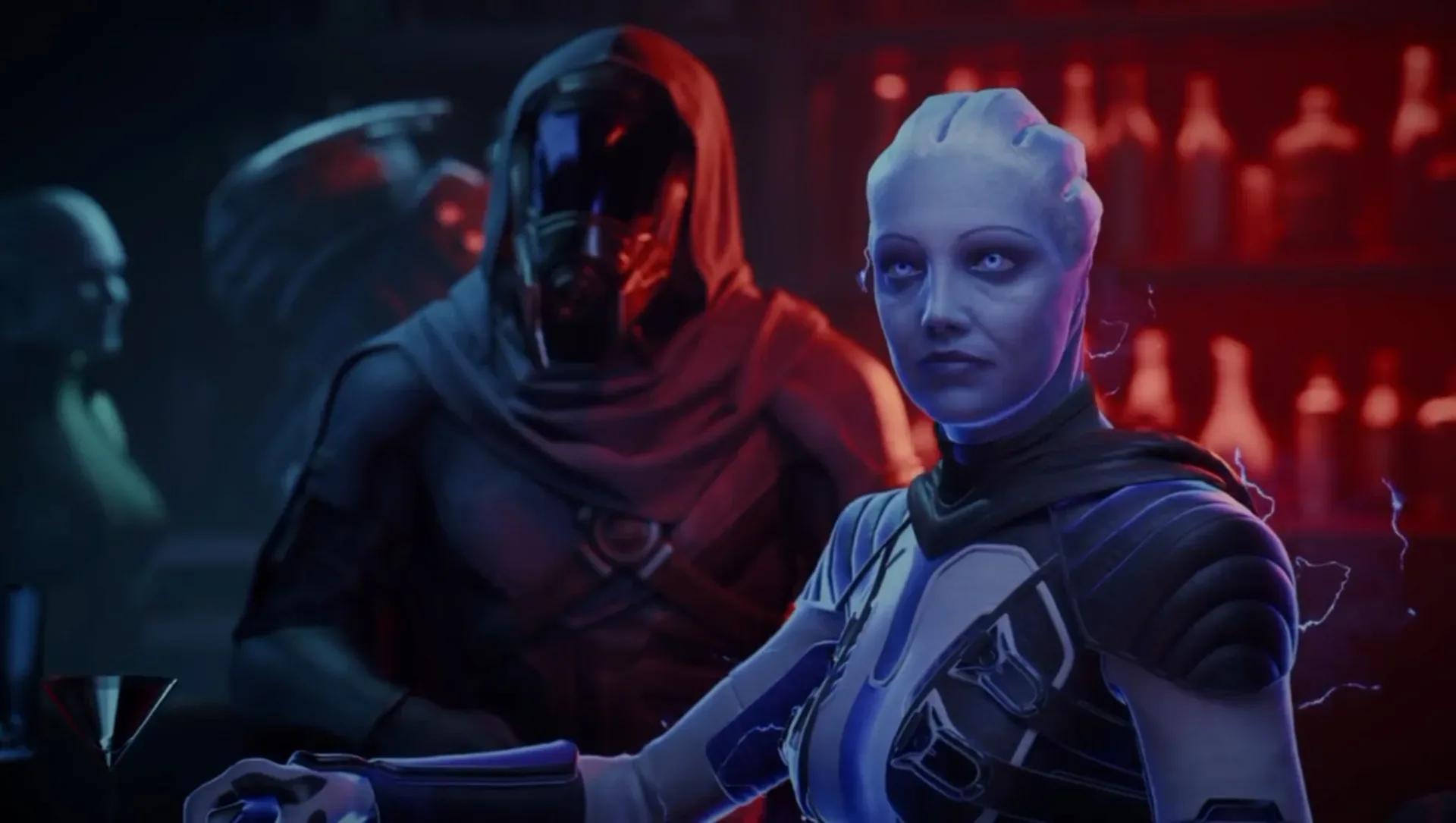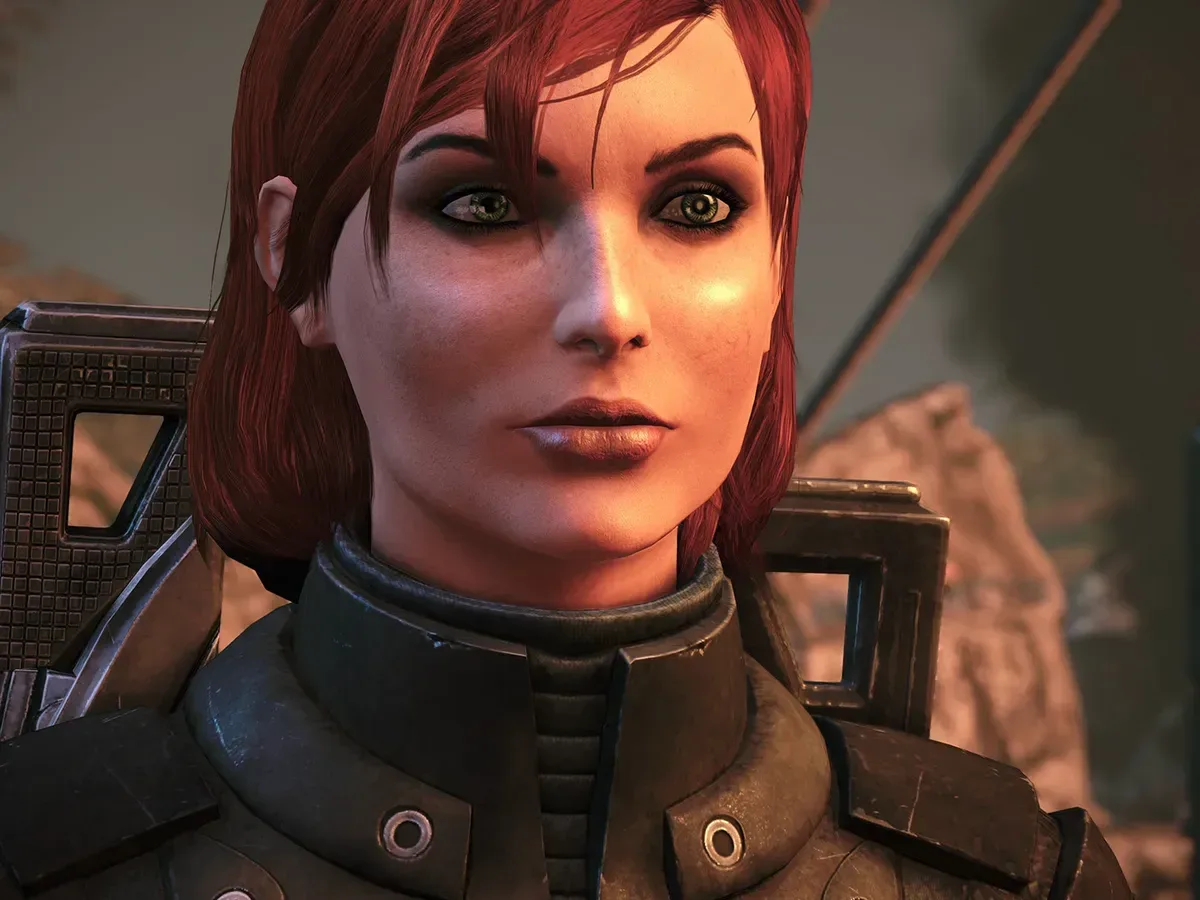
Owlcat Games has added its voice to the growing #SaveMassEffect campaign, backing fans who are calling for Mass Effect to continue after BioWare’s closure and the cancellation of the next game in the series.
The studio, which is developing the Mass Effect-inspired RPG The Expanse: Osiris Reborn, shared a fan petition and pointed to the history of The Expanse television series as a reason supporters should not abandon hope. “The Expanse show was saved by fans in the past,” the account said. “So the #SaveMassEffect movement has our full support.”
The petition has passed 210,000 signatures. That figure demonstrates a substantial and organized response to the loss of a major role-playing franchise, even if it does not by itself determine what happens to the property next. Fans are campaigning in the wake of the announced shutdown of BioWare, the cancellation of the next Mass Effect, and the later leak of a trailer for a project titled Mass Effect Universe.
Why Owlcat’s comparison resonates
Owlcat’s message is more than a routine expression of sympathy between developers. The Expanse offers a real example of a fan-favorite science-fiction property continuing after cancellation, albeit in a different medium and under a different business arrangement.
The TV adaptation began on Syfy in 2015. It was later cancelled, prompting a significant fan response, and ultimately moved to Amazon Prime Video, where it ran for three final seasons. That history makes the comparison emotionally intuitive: audiences can organize, make their interest visible, and sometimes convince decision-makers that a story still has an audience.
But it also illustrates the crucial limitation of every “save this franchise” campaign. A revival requires more than enthusiasm. Someone with the relevant rights must decide to fund, license, sell, or otherwise approve a future project. A new home has to see a workable path for the property. In games, that generally also means assembling a development team, defining a scope, and committing to a long production process.
In other words, the campaign’s value is clearest as a public measure of demand. Its signatures, social posts, and wider attention can tell rights holders that Mass Effect still matters to a large community. They cannot, however, independently create a game or transfer ownership of the brand.
The publisher-rights obstacle
Romain Toutain, who served as technical director for Mass Effect 5, has offered a notably less optimistic read on the odds of a revival. Toutain argued that EA is unlikely to sell the franchise, saying the company does not really sell its properties and instead shuts projects down while retaining the licenses.
Related coverage includes Owlcat Backs #SaveMassEffect as Fans Push for Franchise Revival.
That distinction matters. A license is the legal control that allows a company to authorize use of a name, setting, characters, and other protected elements. Retaining a license means a publisher can keep a franchise dormant without allowing another studio or publisher to make an official successor. A fan campaign may make a property more visible, but it cannot resolve that ownership question.
Toutain’s skepticism reflects a broader frustration surrounding inactive EA-owned series. The source material points to American McGee’s Alice as one example: McGee has previously said EA had no desire to continue that franchise. It also names Command & Conquer, Dungeon Keeper, Burnout, and Dead Space among properties often cited by players when discussing franchises that have gone quiet, returned in limited forms, or received remasters or mobile projects rather than full-scale new entries.
That history does not prove that Mass Effect can never return. It does explain why many fans and former developers see a petition as the beginning of a conversation, not a mechanism that guarantees a rescue.
What “saving” Mass Effect could actually mean
The phrase “save Mass Effect” can cover several different outcomes, and keeping them separate makes the campaign easier to understand.
- A resumed internal project: the rights holder could choose to restart work on a Mass Effect game under a new team or studio structure.
- An external development deal: the owner could authorize another developer to build an official entry while retaining control of the franchise.
- A licensing arrangement: Mass Effect could appear in another type of officially approved product, though that would not necessarily be the RPG fans are seeking.
- A future remaster or re-release: this would preserve access to past games but would be different from continuing the cancelled project.
- No immediate project at all: the owner could retain the property without publicly pursuing a new game.
None of those possibilities has been confirmed here. The practical point is that a campaign centered on a beloved series should be precise about its aim. Fans asking for the cancelled game to return are asking for something different from fans who would accept a new entry made by a different studio, or a remaster of existing work.
That precision also protects against reading too much into the leaked Mass Effect Universe trailer. A leak can fuel interest and questions, but it is not a substitute for confirmation that a project is active, funded, or approved for release. With the next Mass Effect reported cancelled, supporters have reason to treat any unverified material carefully rather than taking it as evidence that a revival is already underway.
A show of solidarity from a neighboring RPG
Owlcat’s intervention carries particular symbolic weight because The Expanse: Osiris Reborn is explicitly positioned as a Mass Effect-inspired RPG. The studio is not claiming it can replace Mass Effect, nor is it presenting its own game as a solution to the cancellation. Instead, its message recognizes the creative influence Mass Effect has had on the kind of science-fiction role-playing game that developers and players continue to value.
That is also why the reaction extends beyond nostalgia. Mass Effect is being mourned not merely as a logo or a collection of old releases, but as a format for character-driven science-fiction role-playing. For players, the concern is about whether there will be another opportunity to explore that universe through a new, large-scale RPG. For the people who worked on the cancelled project, the response is personal as well as professional.
The lead of Mass Effect 5 has said the outpouring of support “means so much to us,” while making a joke about no longer needing to call in sick for Grand Theft Auto 6. The comment lands as gallows humor, but it also acknowledges the human side of a studio closure: the people who were building the game have seen their work interrupted, while players are left without the continuation they expected.
The industry is watching other signs of player enthusiasm, too. For a separate measure of how strongly audiences can rally around games and their creators, see the ongoing coverage of Ultimate Game of the Year voting at the Golden Joystick Awards.
What supporters can reasonably take from the campaign
The campaign has already achieved one important thing: it has made the scale of feeling around Mass Effect difficult to ignore. More than 210,000 petition signatures do not settle the business case for a new game, but they are a concrete signal that the series retains an active and motivated following.
Owlcat’s support reinforces that signal from outside the fan base. Its message invokes a past revival that gives supporters a useful reason for optimism, while Toutain’s comments supply the necessary counterweight: rights ownership and corporate strategy can be much harder barriers than public affection.
For now, both ideas can be true. Mass Effect clearly has a community willing to speak up for it, and that community cannot assume that a strong response will result in an immediate return. The most defensible reading is that #SaveMassEffect has created visibility and solidarity at a moment when the franchise’s future looks uncertain. Whether that visibility becomes a new project depends on decisions that have not been announced.