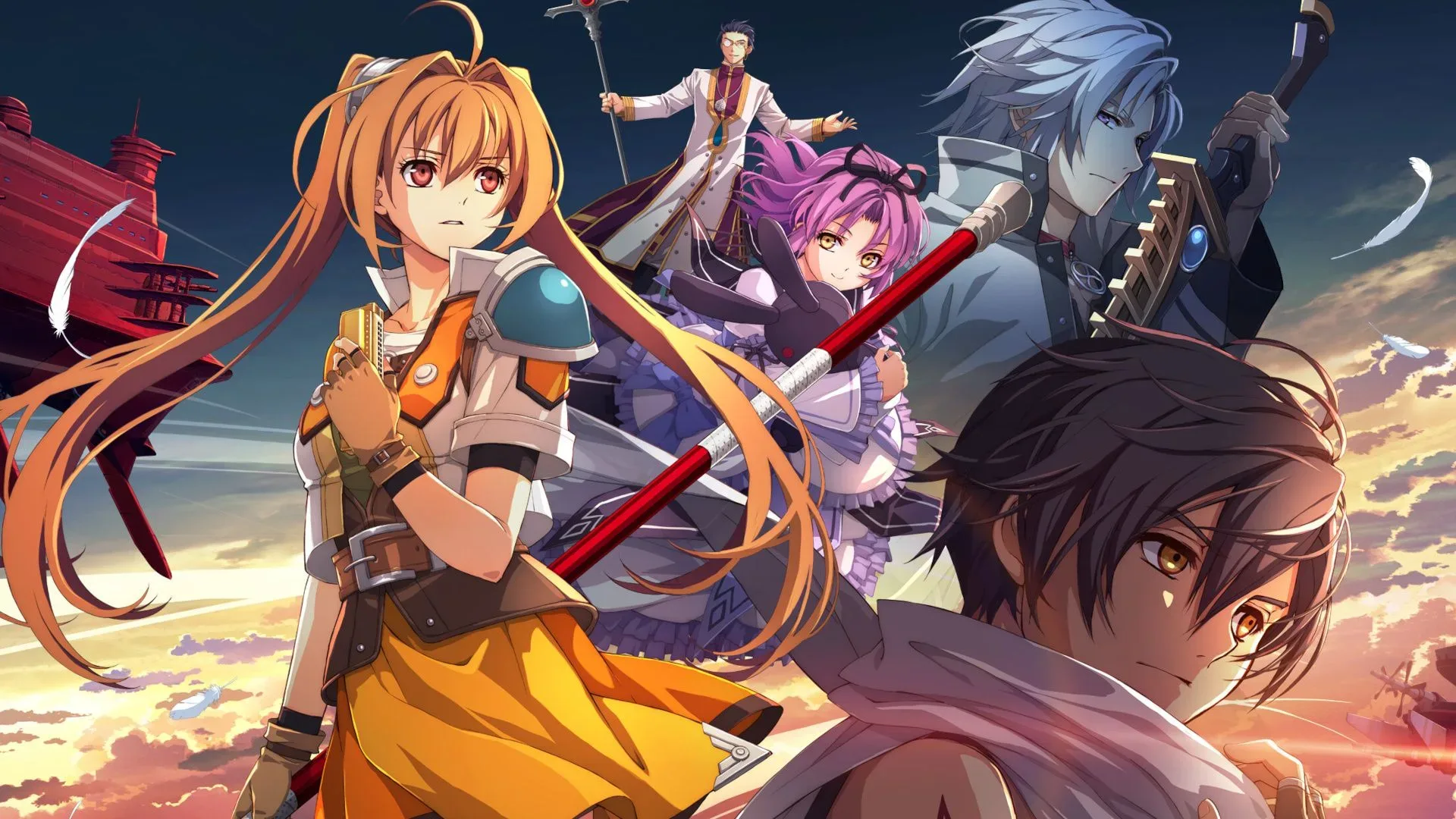
Trails in the Sky 2nd Chapter makes a persuasive argument that the remake debate has been framed too narrowly. The familiar question is whether a remake should be completely faithful or radically reinvented. But that leaves out the more useful challenge: which parts of an old game need to remain recognizable, and which parts can change so decisively that returning to the world feels fresh?
For this remake of The Legend of Heroes: Trails in the Sky SC, the reported answer is to protect the original game’s overall structure, scenes, character arcs and place within a three-game story, while substantially changing presentation and combat. It is not a cosmetic restoration of a PC and PSP-era, top-down JRPG. Nor is it presented as a replacement continuity that uses nostalgia as a launchpad for an unrelated tale. The goal seems to be a new route through a familiar journey.
That distinction matters especially for long RPGs. An RPG is not merely a sequence of plot points waiting to be upgraded with better character models. Its pacing, its party-building systems, the time players spend moving through its environments, and the texture of its conversations all help create the memory of the original. A remake can redraw every tree in a field and still miss the thing that made the field matter. Conversely, it can alter moment-to-moment play dramatically and remain emotionally legible if it understands the role that field played in the story.
A trilogy deserves trilogy-sized thinking
The Sky arc already has a natural advantage in this conversation. It was originally told across three full-length games, each with its own story and character movement, while also contributing to the larger ongoing Trails saga. That means a remake project does not need to force one previously self-contained game into a multi-release shape merely to create a larger event. Its episodic form is inherent to the material.
2nd Chapter, as the remake’s second entry, reportedly stays close to the original sequel’s major acts and scenes, even while adding new material and more detail. This is a significant design choice. “Scope” is often used as shorthand for bigger maps, flashier cutscenes, or more systems. Here, scope also means respecting the amount of story that was already there. A remake can make its world feel physically closer and more continuous without deleting the detours, side stories and connective tissue that gave the original journey its shape.
That is a useful practical principle for anyone assessing an RPG remake: look beyond the size of the upgrade. Ask whether the remake still gives its source material room to breathe. If a game’s optional stories, pauses between dramatic beats, or smaller character interactions were central to its identity, cutting them can make a technically impressive project feel oddly incomplete. Added detail is not automatically padding; removed detail is not automatically streamlining. The effect depends on what the original material was doing.
The reported script tightening in 2nd Chapter is therefore notable. Trails is known here as a talkative series, and the remake still includes moments in which characters reiterate ideas at length. Yet revisions are said to sharpen weaker stretches, while an update to Trails in the Sky 1st Chapter applies comparable script work to the first remake. That suggests an effort to make the eventual three-part set cohere rather than leaving the first game as a rough draft beside its sequel.
It is a quietly important form of preservation. Fidelity does not require preserving every awkward line simply because it existed before. In literary or cinematic adaptation, editing can clarify a work without negating it. The same is true in games, provided the edits serve the existing characters and stakes instead of overwriting them. A tighter script can preserve intention more effectively than a rigid word-for-word reproduction.
Related coverage includes Trails in the Sky 2nd Chapter Shows How a JRPG Remake Can Honor the Original.
Presentation can transform scale without changing purpose
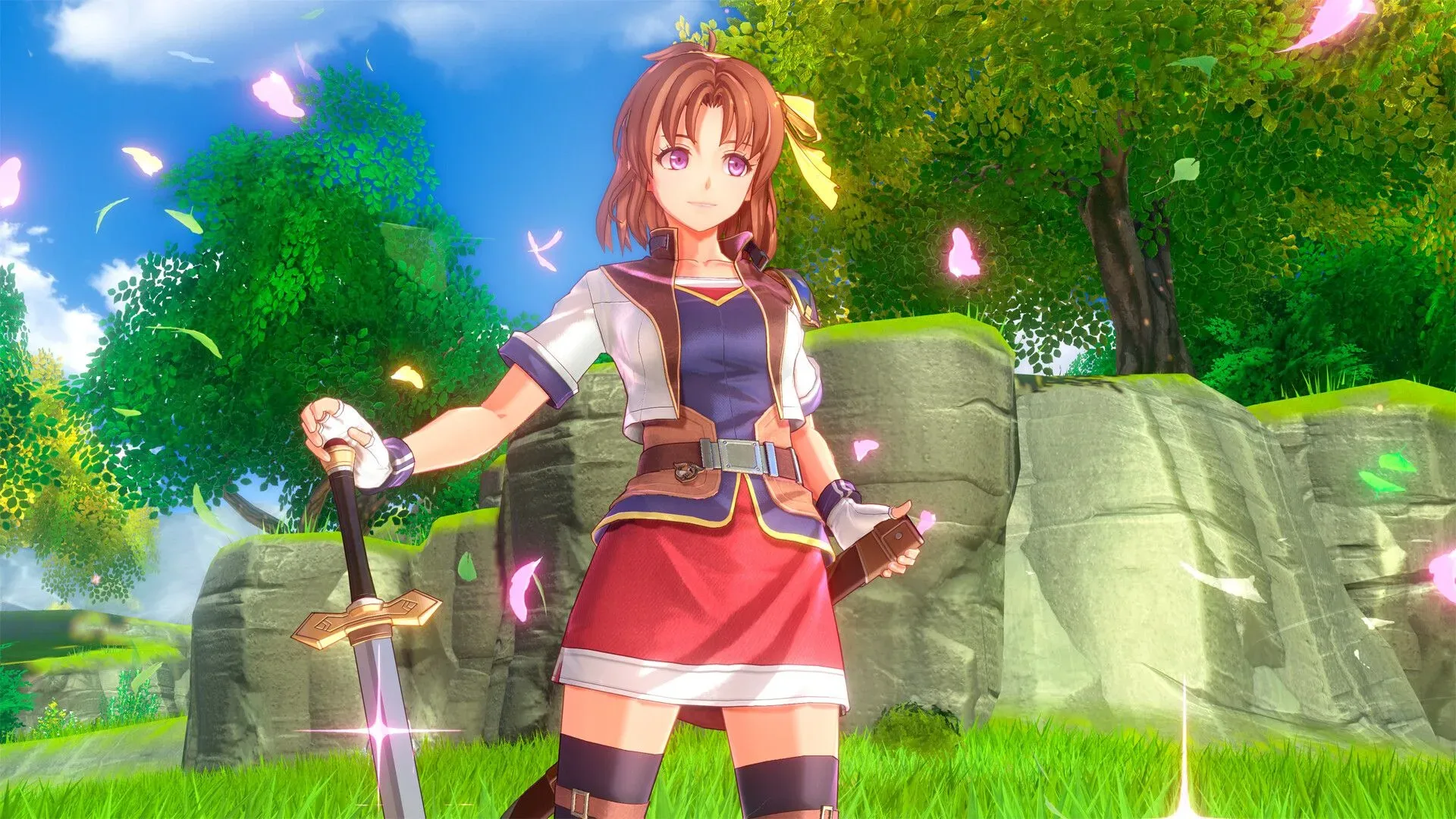
The original Sky games used an abstracted, birds-eye visual style with chibi-like character proportions. 2nd Chapter shifts away from that approach into a more immediate, colorful portrayal of Zemuria. The value of the change is not simply that it is more detailed. It is that the new framing lets players encounter a world they once viewed from farther away at a more human scale.
That is the kind of upgrade a remake is uniquely positioned to make. The original visual language remains valuable and still exists for players who prefer it. The remake need not declare the older style obsolete. Instead, it can offer a different sensation: moving through blue skies, green landscapes and dramatized character scenes rather than reading the same spaces principally through a top-down abstraction.
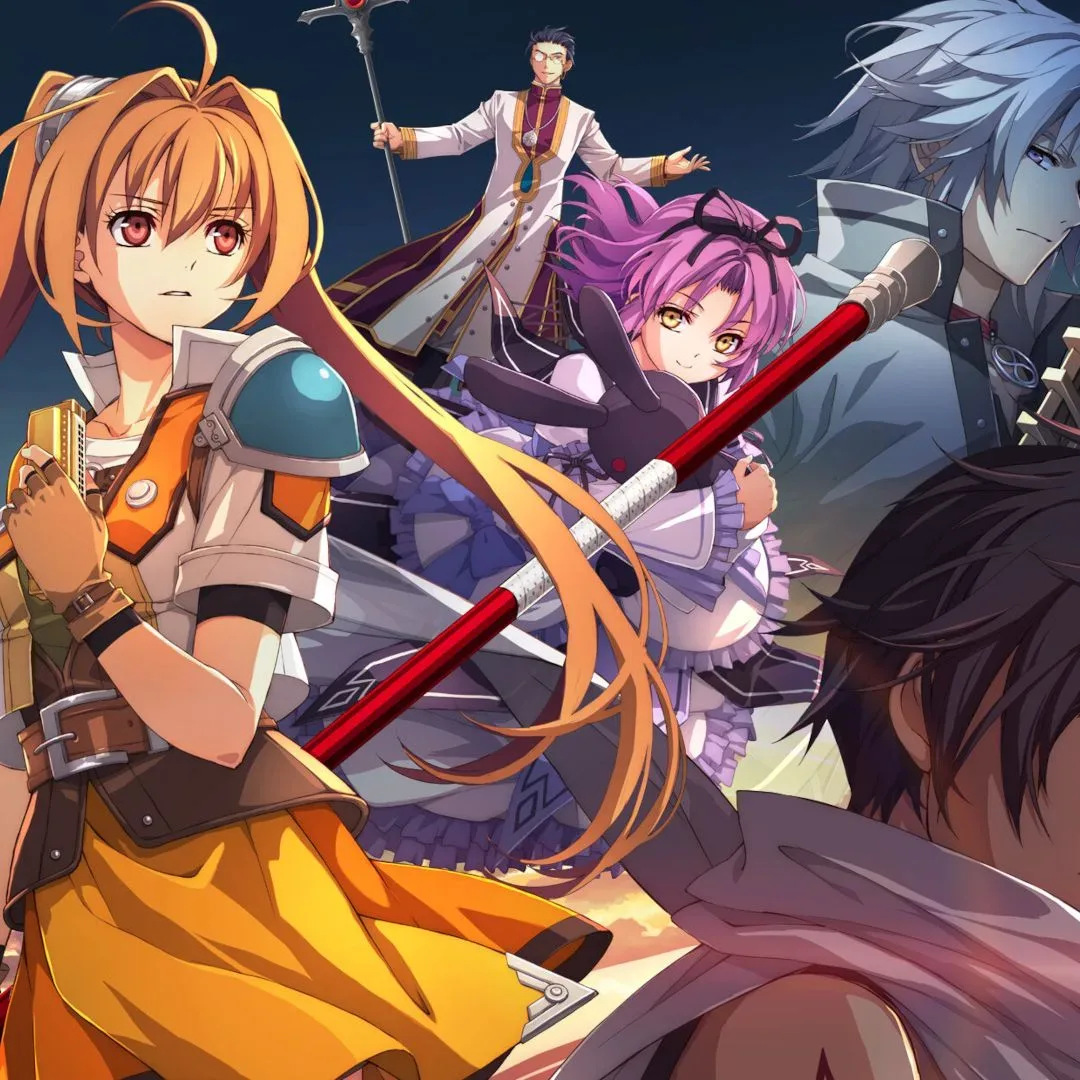
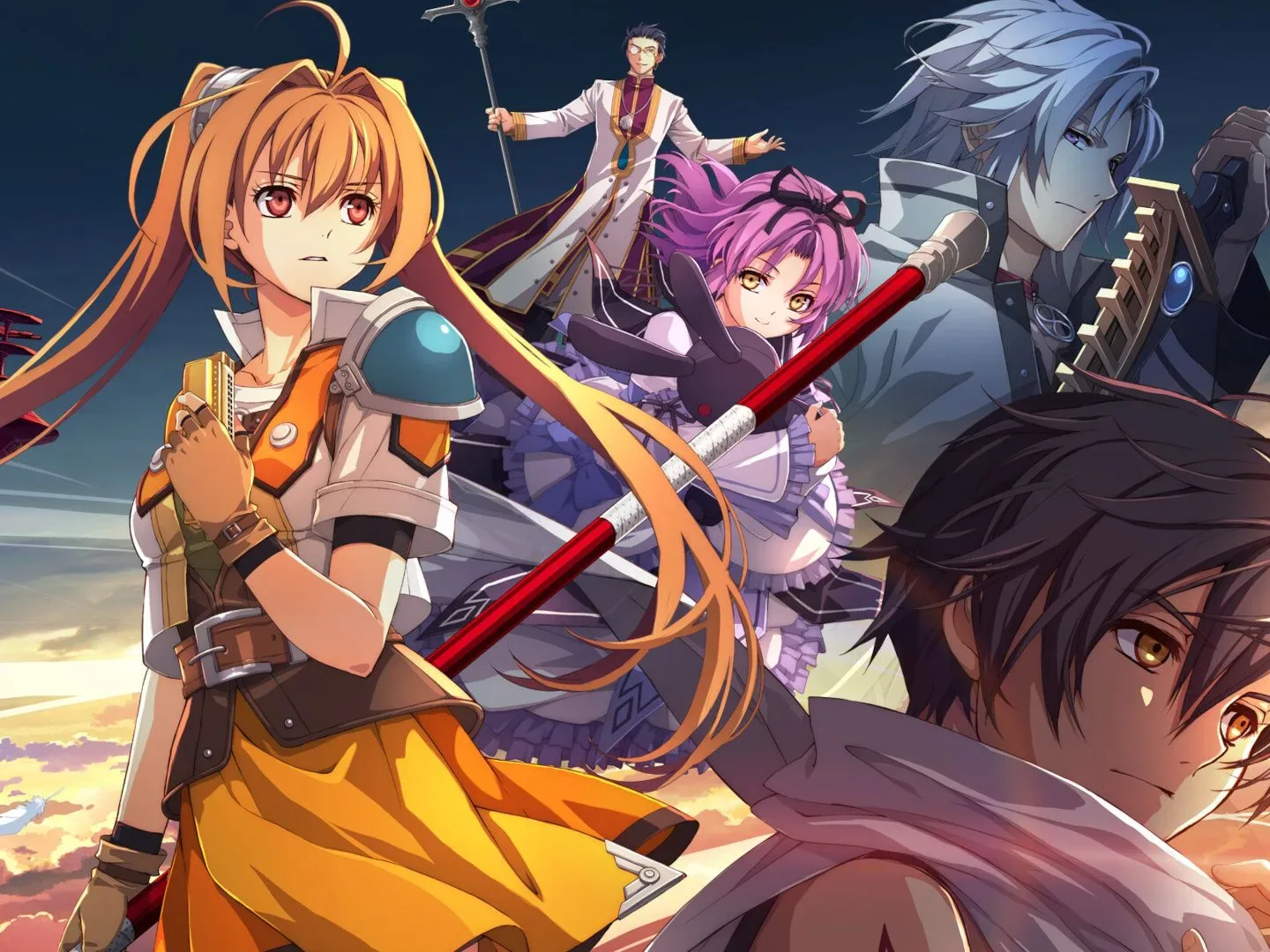
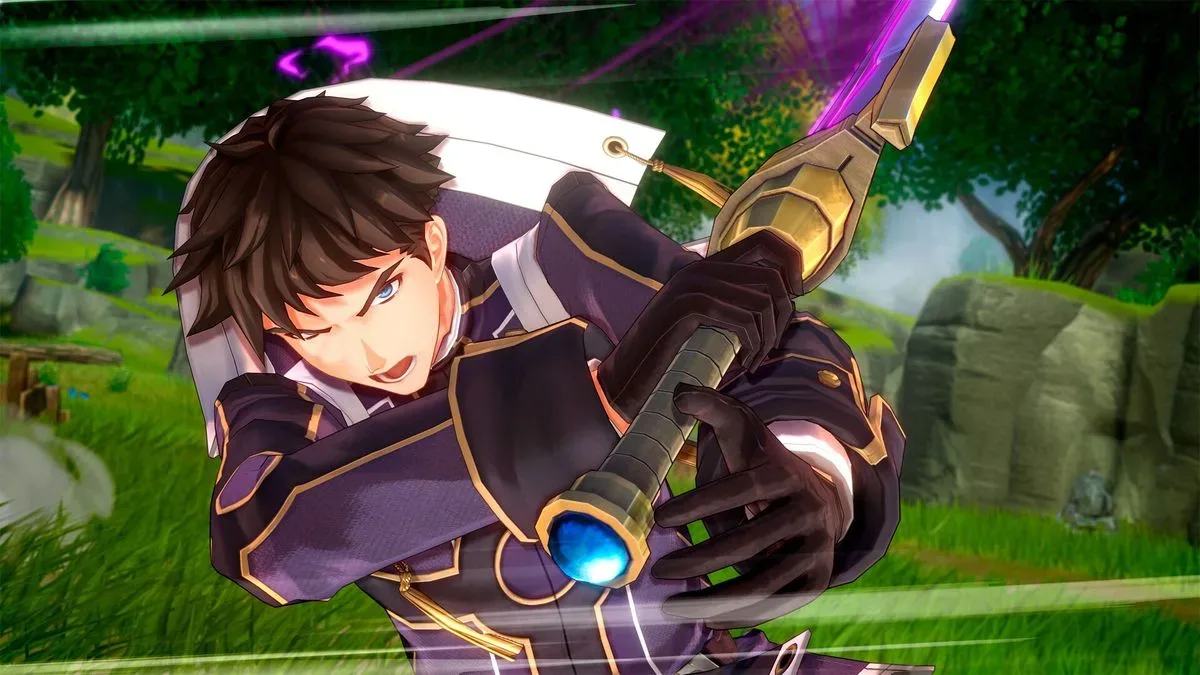
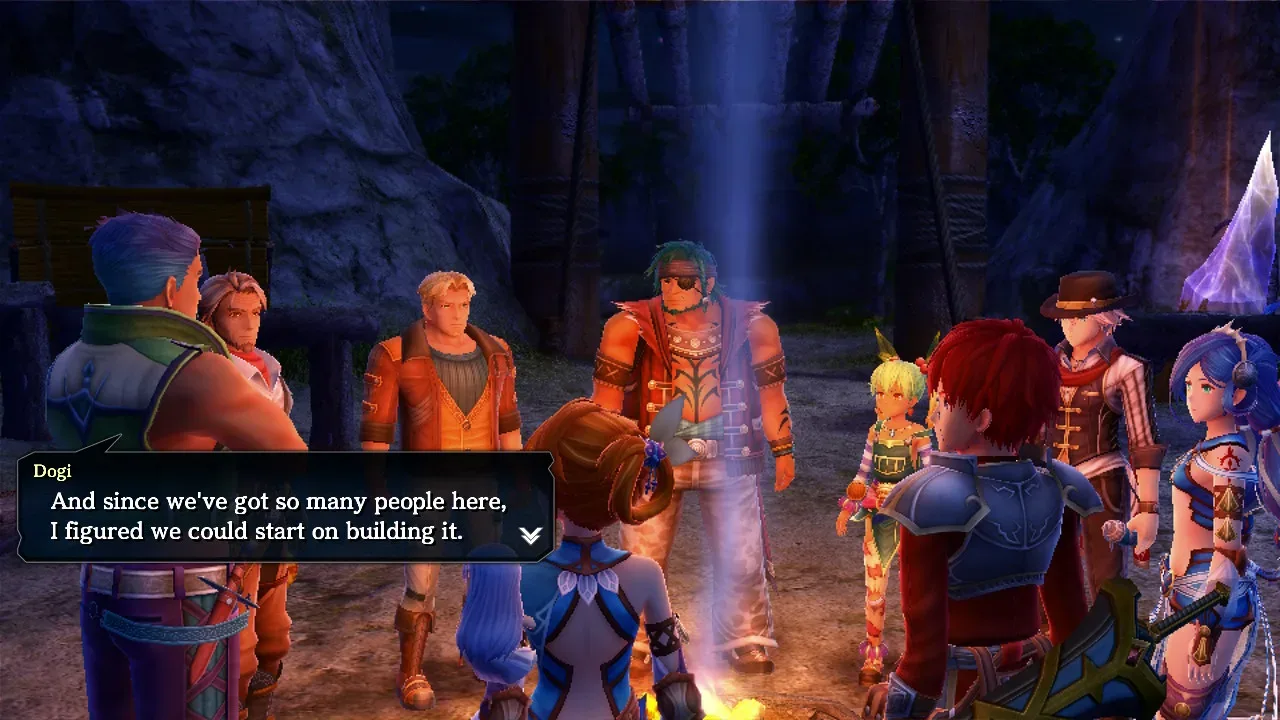
The result, by all indications, retains its anime identity rather than sanding it down in pursuit of generic realism. Bright color, expressive animation and familiar anime-style visual shorthand are not incidental decorations in this context. They are part of how scenes communicate tone. A raised reaction, exaggerated expression or physical gesture can supply character information immediately. When a remake gains closer camera work and richer animation, it should use those tools to make personalities clearer—not merely to make dialogue sequences longer.
That is why improving animation and revisiting scenes can matter even when a remake follows the same plot. Players who know a moment in advance are not necessarily looking for a surprise. They may be looking for a new emphasis: a facial reaction that was previously abstract, a comic beat that lands more clearly, or a piece of staging that adds life to a remembered exchange. Familiarity can turn such additions into a feature rather than a limitation.
The bold change is combat, not the story
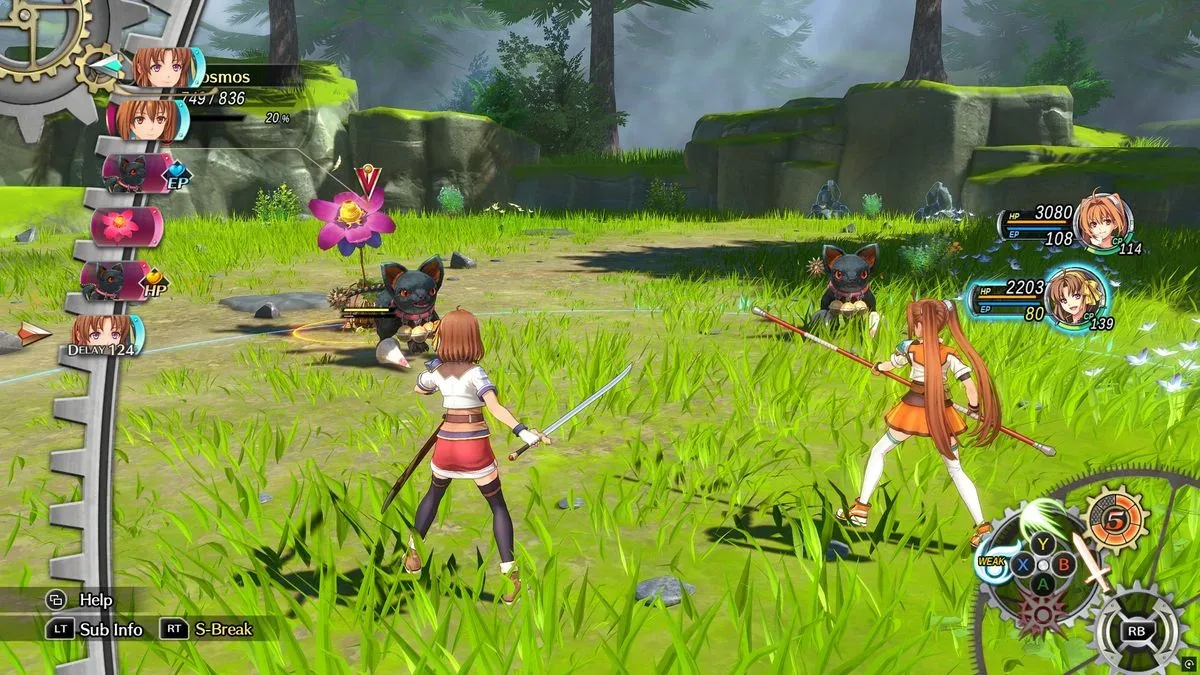
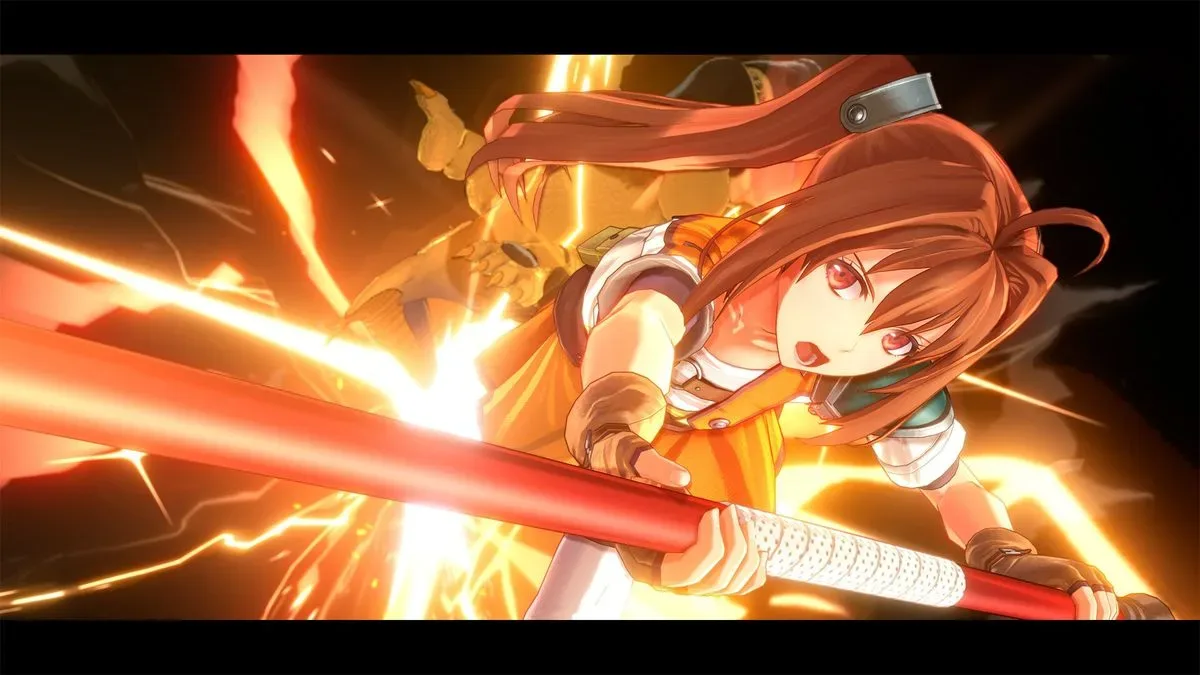
The largest mechanical revision is a move from the original’s fully turn-based encounters to a hybrid real-time and turn-based system. In plain terms, real-time combat means players dodge and attack continuously as events happen, while turn-based combat pauses that continuous flow into discrete decisions, allowing parties and enemies to take actions under rules of position, timing and resources.
In 2nd Chapter, players can fight enemies in the field through real-time attacks and evasions. Enemies can also be stance-broken, creating an advantage on entering the turn-based portion of a battle. Once combat moves into that tactical mode, command abilities and magic spells become especially important, and positioning can open opportunities such as team-up strikes.
That structure does more than make battles faster. It creates a choice of tempo. Some foes can reportedly be dispatched through skilled field fighting alone, which can reduce friction when facing less demanding encounters. Tougher opposition calls for the turn-based layer, where deliberate commands and spells can more effectively deplete health. The remake therefore avoids treating turn-based systems as an old-fashioned obstacle to be removed, but it also avoids making every small encounter demand the same full commitment.
There is an important caveat in any such approach. A hybrid system only works if its two halves have distinct purposes. If real-time attacks trivialize the game, the tactical mode becomes ceremonial. If the real-time phase lacks impact, it becomes a delay before the “real” battle. The reported design gives each layer a role: field play establishes momentum and can create an opening, while turn-based commands deliver the more potent tactical payoff.
This approach is not without precedent for the wider Trails series. Trails Through Daybreak had already embraced a similar hybrid direction, and the newer remake is described as making the transition between modes feel especially fluid. For a series with tactical roots, that is a more thoughtful evolution than simply converting every fight into a conventional action-RPG exchange.
Orbments preserve the series’ strategic identity
Combat modernization has not apparently come at the expense of buildcraft. Characters use orbments, devices whose equipped components influence elemental affinities and unlock spells through connected slots. The comparison to Final Fantasy’s materia is helpful at a glance: individual components confer powers, while their arrangement matters.
The key wrinkle is the slot connection system. Linking components with particular elemental values can cumulatively unlock magic. Blue connections, for example, can lead to healing spells, while red connections can produce fire magic. Since components can carry different amounts or mixes of affinities, and characters can have specialized slots, the system supports experimentation beyond a simple “equip the biggest number” routine.
This is the sort of technical layer that distinguishes a tactical RPG from an action game with menus. A player can make sensible upgrades and carry on, but demanding content rewards reading how affinities connect and constructing a party deliberately. The reported remake makes that depth approachable while drawing on the more elaborate spirit of the original system—a useful balance for veterans and newcomers alike.
In remake terms, orbments also demonstrate why a project should not modernize only what is visible. Updated environments and animation may draw attention first, but systems are where an RPG’s personality survives hundreds of minutes after the novelty of a new camera has worn off. Keeping strategic customization relevant means the remake is still asking players to engage with a defining Trails idea, not just admire it from closer range.
Faithful does not mean frozen
The more interesting lesson from Trails in the Sky 2nd Chapter is that preservation and transformation are not opposites. The original remains available as a strictly turn-based, more abstracted experience. The remake’s job is therefore not to erase the earlier version’s reason for existing. It can safely make a substantial change in how exploration and encounters feel because it is offering another perspective on the same world.
That is different from a project that revises its core story so extensively that returning fans must approach it as a separate sequel-like work. Such reimaginings can produce memorable set pieces, and expanded sequences can be thrilling precisely because they surprise players familiar with the source. But a remake that drastically redirects an established narrative is asking its audience to value a new destination. The Sky approach appears more interested in revisiting the original destination with a different vehicle.
It also avoids the opposite issue: higher-fidelity assets placed over an experience so unchanged that players may reasonably wonder who the project is for. Visual improvement has value, but it is not a complete creative rationale. A remake needs a point of view. Here, that point of view is expressed through a more contiguous world, a more animated cast, a revised battle rhythm and carefully maintained story structure.
There is a broader preservation angle as well. Remastering, emulation, re-releases and full remakes all have different jobs. A history of technical work around legacy hardware, such as Atari Jaguar modding, encryption and homebrew, shows why keeping older games and platforms accessible is its own valuable pursuit. A remake should complement that effort, not substitute for it. The strongest outcome is one where an older work remains available on its own terms and a new version provides a genuinely distinct reason to return.
What future RPG remakes can take from Sky
Not every classic needs the same treatment. Some are built around a single, tightly paced game and may be ill-served by being split into multiple releases. Others have visual styles so complete that a major graphical makeover risks losing their charm. And some combat systems are inseparable from a game’s original rhythm. The practical takeaway is not that every remake needs hybrid combat or a closer camera. It is that decisions should emerge from the original work’s structure.
- Keep the story’s natural form in view. A pre-existing trilogy can support a multi-game remake plan in a way that a self-contained adventure may not.
- Identify what deserves expansion. Character animation, staging and world continuity can enrich familiar scenes without needing to replace their narrative function.
- Modernize systems with a reason. Faster handling of minor fights and deeper options for difficult ones can coexist when each mode contributes something distinct.
- Protect strategic texture. Systems such as orbment affinities preserve an RPG’s identity by retaining meaningful player decisions beneath the upgraded visuals.
- Do not confuse accuracy with inertia. Script editing and revised pacing can honor a classic’s intent better than reproducing every imperfection unchanged.
Trails in the Sky 2nd Chapter is compelling because its changes seem connected to a clear idea of what the original was. It recognizes the Sky arc as an expansive serialized JRPG, keeps that scale intact, and then uses modern presentation and a newly shaped combat flow to make the return trip feel worthwhile. That is a far more useful standard than “faithful” or “different.” A remake succeeds when its additions make the old journey more vivid without making the old journey feel like a mistake.