The Trails series, also known as Kiseki, can look less like a role-playing franchise and more like a rail network designed by someone who believes every stop deserves its own political history, recurring shopkeeper, and emotionally consequential side conversation. That density is the appeal. The games build their stories across distinct regions of Zemuria, letting characters, conflicts, and settings gain new meaning years later.
It can also make choosing a starting point feel intimidating. This ranking is deliberately spoiler-light and treats the series as a set of different experiments rather than a simple ladder from failure to greatness. The lower placements still contain strong ideas, memorable casts, and material that matters elsewhere in the continuity. What separates the best Trails games is their ability to make long stretches of patient setup feel indispensable once the plot finally accelerates.
For newcomers, the clearest recommendation remains Trails in the Sky. It introduces the series’ foundational country and central storytelling rhythm. But the Crossbell games form an unusually satisfying compact pair, while Trails through Daybreak provides a more contemporary, rougher-edged doorway into Calvard. Think of an arc as a connected regional storyline: each has its own lead cast and dramatic focus, but the wider series rewards familiarity with what came before.
13. Trails of Cold Steel IV
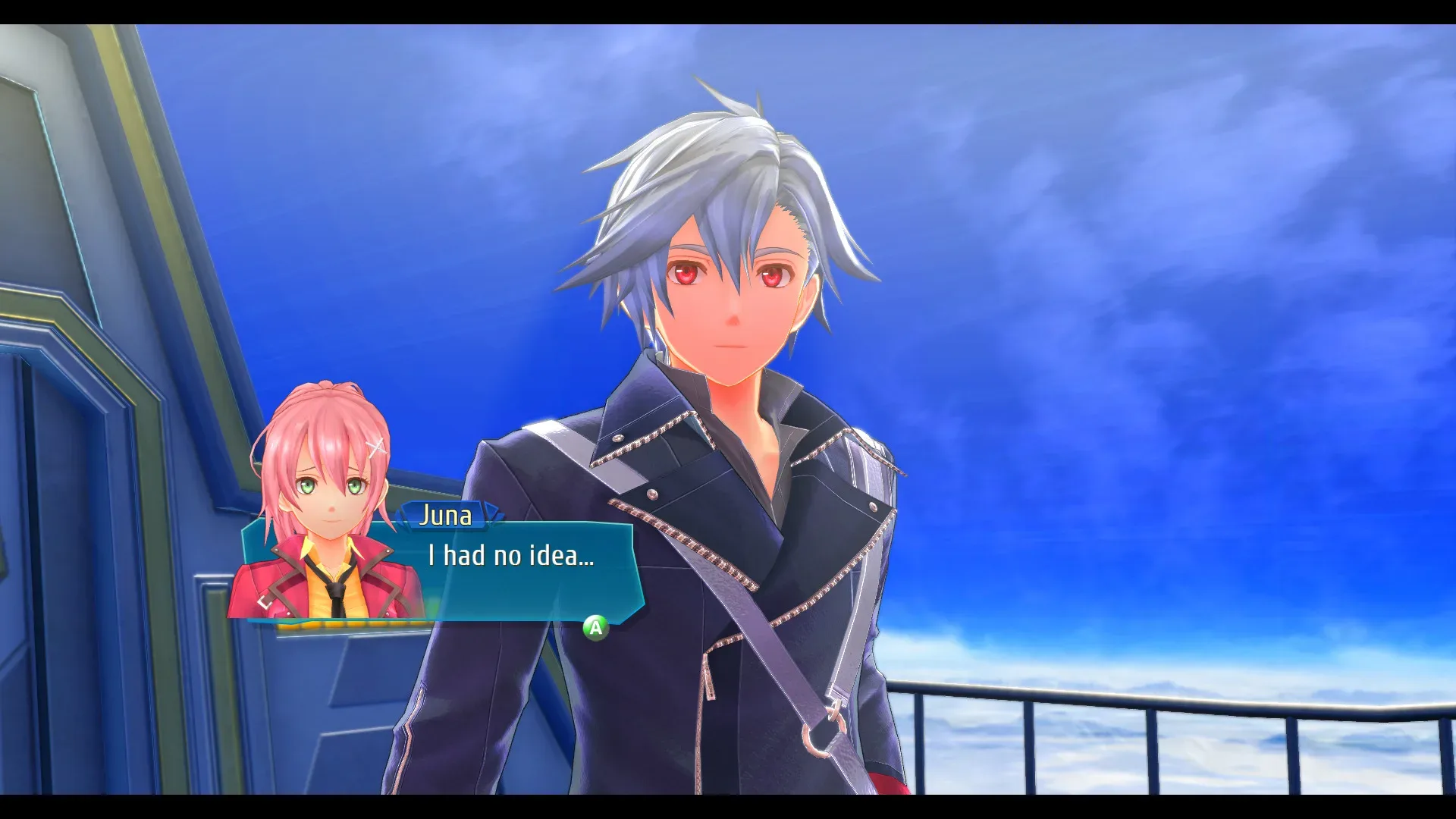
The finale of the Erebonia arc lands at the bottom not because it lacks good material, but because its strongest material is intimate. Its personal resolutions and smaller character exchanges can work beautifully, especially in the opening stretch centered on Juna Crawford and less seasoned allies dealing with the fallout of Cold Steel III’s cliffhanger.
The difficulty is scale. Cold Steel IV reaches for huge stakes, including worldwide conflict and giant-robot Rivalries, yet its larger developments can feel more contained and neatly resolved than their premise suggests. The result is a conclusion with real highlights, but one whose latter half does not always match the tension and momentum it establishes early.
12. Trails through Daybreak 2
Daybreak 2 is a risky bridge between the first Daybreak and Trails Beyond the Horizon. Its defining device resembles a visual novel structure: the party can encounter bad endings, sometimes violent ones, then rewind and alter events. That makes for an immediately understandable dividing line. Players who enjoy timelines being revisited and corrected may find it inventive; those who dislike repeated reversals may find the device exhausting.
The episodic format also gives several supporting characters welcome room, but the pieces do not always form a compelling whole. With few new explorable spaces, Calvard can feel smaller than it did in its predecessor. It remains mechanically enjoyable and meaningful for particular characters, yet it has the feeling of connective tissue rather than a fully convincing standalone chapter.
11. Trails in the Sky the 3rd
Sky the 3rd is the early outlier: a mostly self-contained, dungeon-driven Trails game built around Kevin Graham, a high-ranking heretic hunter in the Septian Church, and his partner Ries. Their relationship is its great asset, providing some of the series’ most affecting character writing.
Related coverage includes Every Trails RPG Ranked: Where to Start in Falcom's Epic Zemuria Saga.
Its placement reflects form more than importance. The dungeon-crawler emphasis is a sharp turn after the more conventionally structured earlier Sky games, and later titles—especially Reverie—would refine this approach more successfully. Still, it is essential rather than optional: a formative experiment that establishes a Trails mode the series would revisit with greater scale and polish.
10. Trails of Cold Steel II
Cold Steel II places Rean at the center of a civil conflict and aims to show how war changes him. Its atmosphere and soundtrack give it a weighty, distinctive mood, while its conclusion and final boss stand among its major strengths.
Yet the writing does not always commit to the harsh implications of its wartime setting. For a story about bloody civil strife, the human cost can feel muted. When Cold Steel II leans into melancholy and consequence, it becomes striking; when it pulls back, it leaves its strongest premise underused.
9. Trails from Zero
Trails from Zero begins the Crossbell duology, and its achievement is making a city feel lived in. Crossbell’s neighborhoods, ordinary residents, and ongoing civic pressures create the sort of world-building Trails fans come for. NPC writing matters here because recurring background characters help establish that the story is unfolding in a community rather than on a sequence of disconnected quest maps.
The plot is a slow burn. Early work can be modest—locating missing cats or following small local leads—before the scale escalates into car chases, defensive battles, and a memorable dungeon. A small core party and occasionally finicky magic system make the foundations a little uneven, but Zero’s patient attention to place makes it an excellent entry point for players willing to let the city become familiar before the larger drama takes over.
8. Trails of Cold Steel
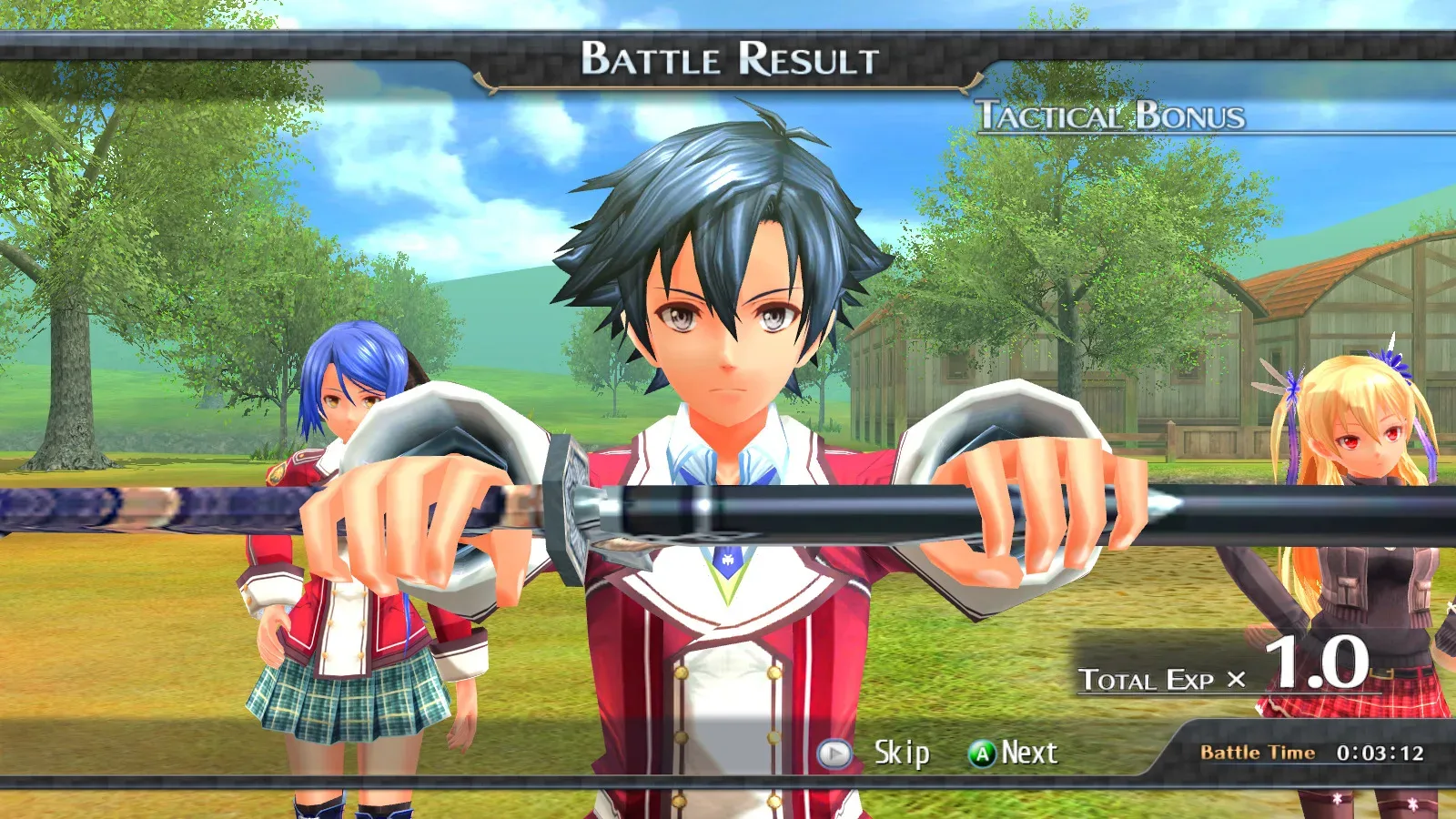
The first Cold Steel shifts Trails into an academy setting, adding a relationship system to its exploration and classic combat. It is almost entirely setup, which can make parts of its substantial cast seem thin and leave the main story waiting until late in the game to reveal its larger direction.
The relationship system is both a feature and a complication. Spending time with a character unlocks more of their perspective, but a player cannot pursue every thread in a single run. That means key characterization and romance can be scattered through optional choices rather than carried consistently by the central narrative. Still, the school-day atmosphere gives the game a particular charm, and its early calm gains meaning when viewed against what follows.
7. Trails through Daybreak
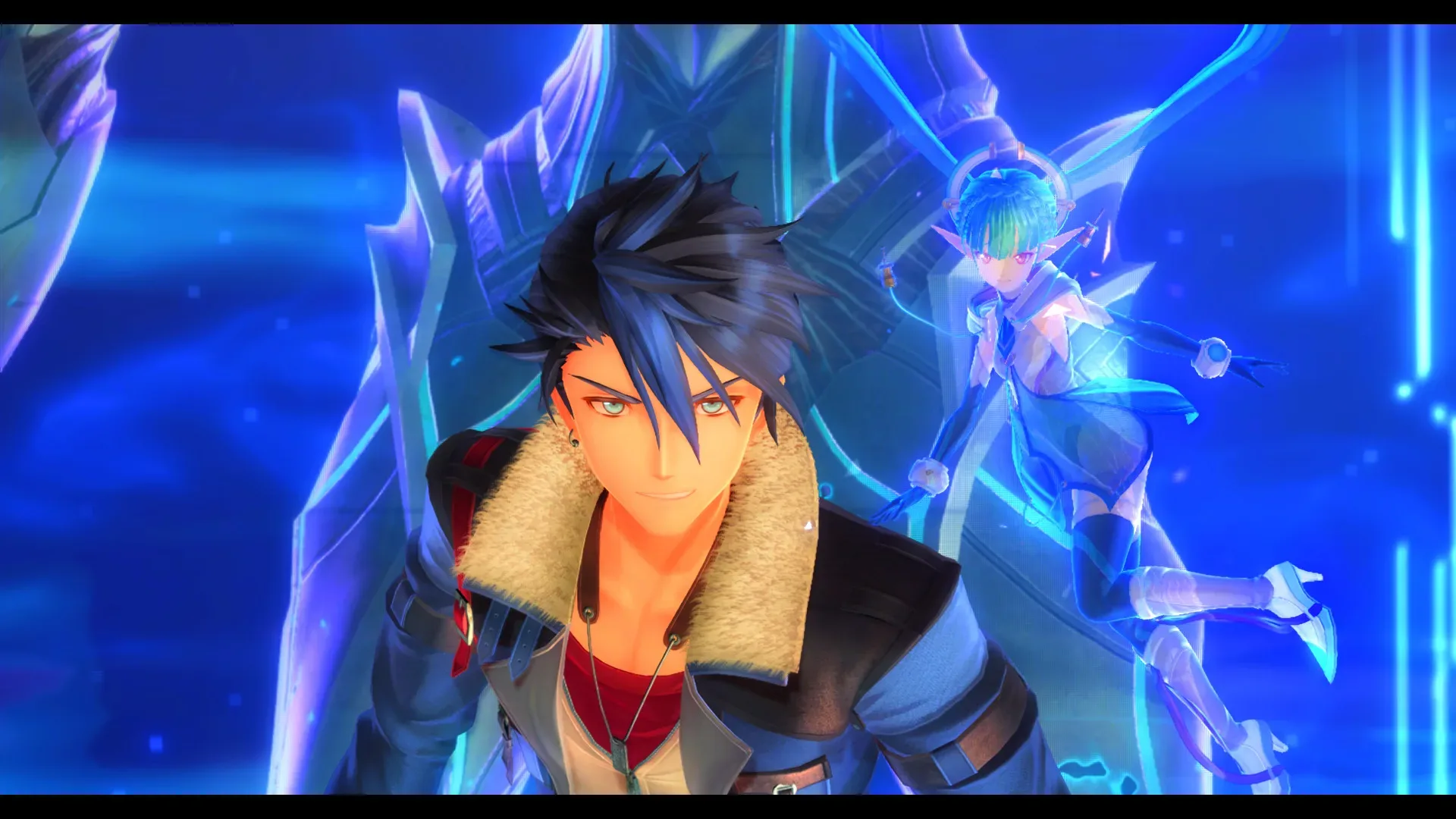
Daybreak opens the Calvard arc with a new texture. The hyper-modern Republic of Calvard has more grit than previous settings, and Van Arkride—a private investigator with a flexible moral code—makes a persuasive lead. His work lets side quests move beyond routine deliveries and monster hunts toward smaller stories with sharper social observations.
The ensemble is the real selling point. Figures such as church enforcer Celis Ortesia and technology-minded Quatre Salision help establish Calvard as a setting full of vivid personalities, while the Arkride Solutions team is pushed into situations that reveal how its members respond under pressure. Combat also becomes more active and position-focused, though the newer system still shows some rough edges. A carnival chapter is a standout stretch, delivering the kind of sustained excitement that can make a lengthy Trails chapter disappear in an evening.
6. Trails of Cold Steel III
Cold Steel III is the Erebonia arc’s strongest individual installment. A small time jump puts an older Rean in the role of teacher at a new academy, changing his relationship to the setting and providing a more grounded perspective on the political intrigue around him.
The revised structure also manages its cast more effectively, with new students and a more experienced, weary Rean at the narrative center. Improved cutscenes, battle animation, and environments accompany a plot that is finally prepared to act on earlier setup. It is the point where Cold Steel’s potential becomes clearest: better pacing, more manageable character focus, and a protagonist whose new role gives the story real texture.
5. Trails in the Sky
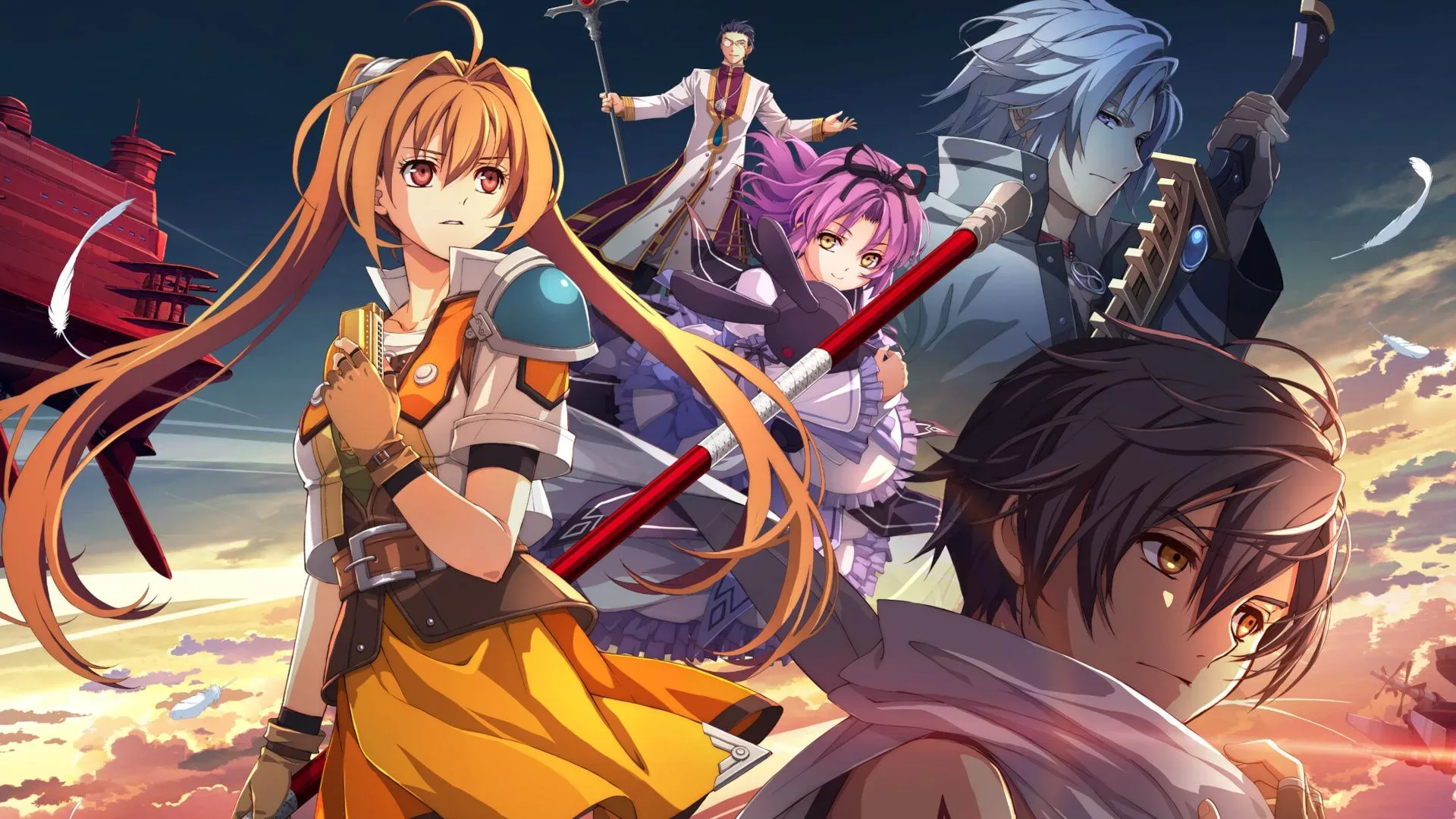
The original Trails in the Sky is the ideal place to learn why this series inspires such loyalty. Much of it is built around exploration, local acts of help, and getting to know the country of Liberl. That apparently gentle approach is not a detour from the main story; it is the machinery that makes its late revelation matter.
Estelle Bright and Joshua are at the heart of it. Estelle’s open, boisterous energy and Joshua’s quieter, observant presence create a partnership that elevates even low-stakes scenes. The game has received a remake with modern visuals, while the original retains its sprite-based presentation. Either version offers the same essential proposition: spend time in a place and with its people, and the story will make that attention count.
4. Trails Beyond the Horizon
Beyond the Horizon represents the far end of the saga’s accumulated investment. Also called Farewell, O Zemuria in Japan, it concerns the lead-up to humanity’s first crewed trip into space and the ominous uncertainty around what may await beyond the world.
Three generations of protagonists confront a broad mystery, and the story drives toward a cliffhanger of enormous stakes. The updated combat system also smooths out issues introduced by Daybreak, maintaining faster pacing and a greater emphasis on smart positioning. For readers interested in how other long-form RPGs justify an extended commitment, Joking Joystick has also explored the case for the long-form tactical RPG. Horizon makes its own case through payoff: this is a game designed to resonate most powerfully after a player has lived with Zemuria for a long time.
3. Trails into Reverie
Reverie unites the Crossbell and Erebonia casts for a joint finale while reviving Sky the 3rd’s appetite for dungeon crawling. With three protagonists and more than 50 playable party members, it could easily collapse under fan service and sheer volume. Instead, it finds an emotional anchor in the personal story of a mysterious terrorist known as C, alongside a group of new characters.
Its dungeon content is also a major draw. A procedurally generated dungeon—meaning its layouts or encounters are assembled by systems rather than entirely fixed in advance—supports extensive party mixing and repeat play. That customizable combat playground is a smart counterweight to the plot’s enormous cast, and Reverie supplies important closure for Crossbell as a nation.
2. Trails to Azure
Azure is where Crossbell’s deliberate groundwork becomes explosive. It adds two strong members to the party, balances everyday civic concerns against larger magical stakes, and turns a setting already made familiar by Zero into the center of an urgent crisis.
The strength is confidence. Rather than needing several games to get moving, the Crossbell duology turns its detailed first half into a forceful payoff in the second. Its final third significantly changes the texture of the adventure and gives characters including Lloyd Bannings, Tio Plato, Randy Orlando, and Wazy Hemisphere material worthy of the time spent with them. It is a superb second act—and the reason playing Zero first pays off so generously.
1. Trails in the Sky 2nd Chapter
Trails in the Sky 2nd Chapter is the clearest expression of the Trails formula. The first Sky establishes Liberl, its people, and a group of shadowy antagonists; 2nd Chapter returns to that known territory with new context and immediate emotional stakes. It is inseparable from the first game, but it is the installment that proves the value of that patient opening act.
Estelle’s journey stays personal even as the threat expands, and the story shows why long-running character continuity is this series’ defining power. People encountered in one game can return altered by years of events; party members can reappear with histories that feel earned rather than merely referenced. Sky 2nd Chapter does not just deliver a sequel’s payoff. It establishes the promise the rest of Trails has spent its career pursuing: that attention, memory, and time spent with a world can become the story’s greatest dramatic tools.