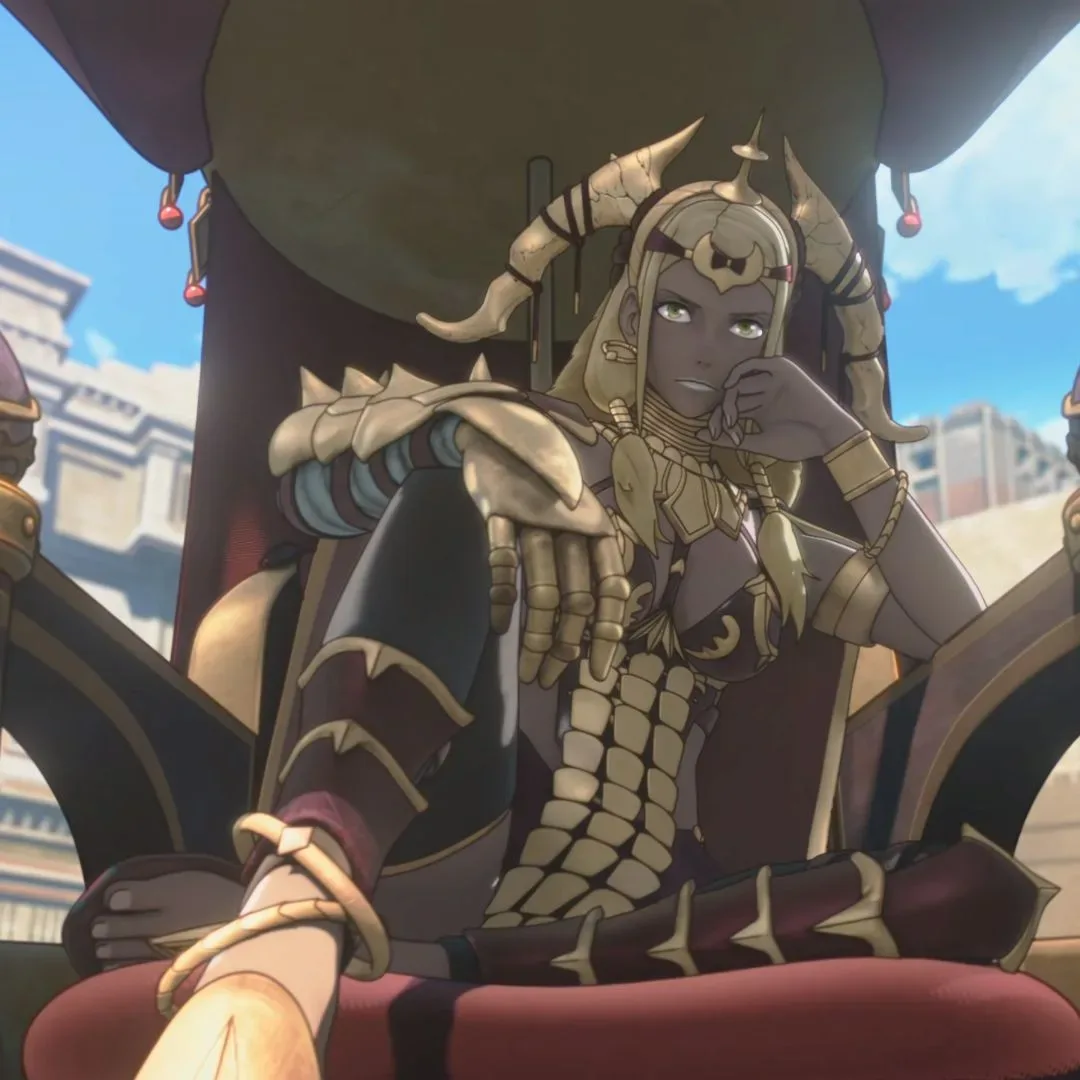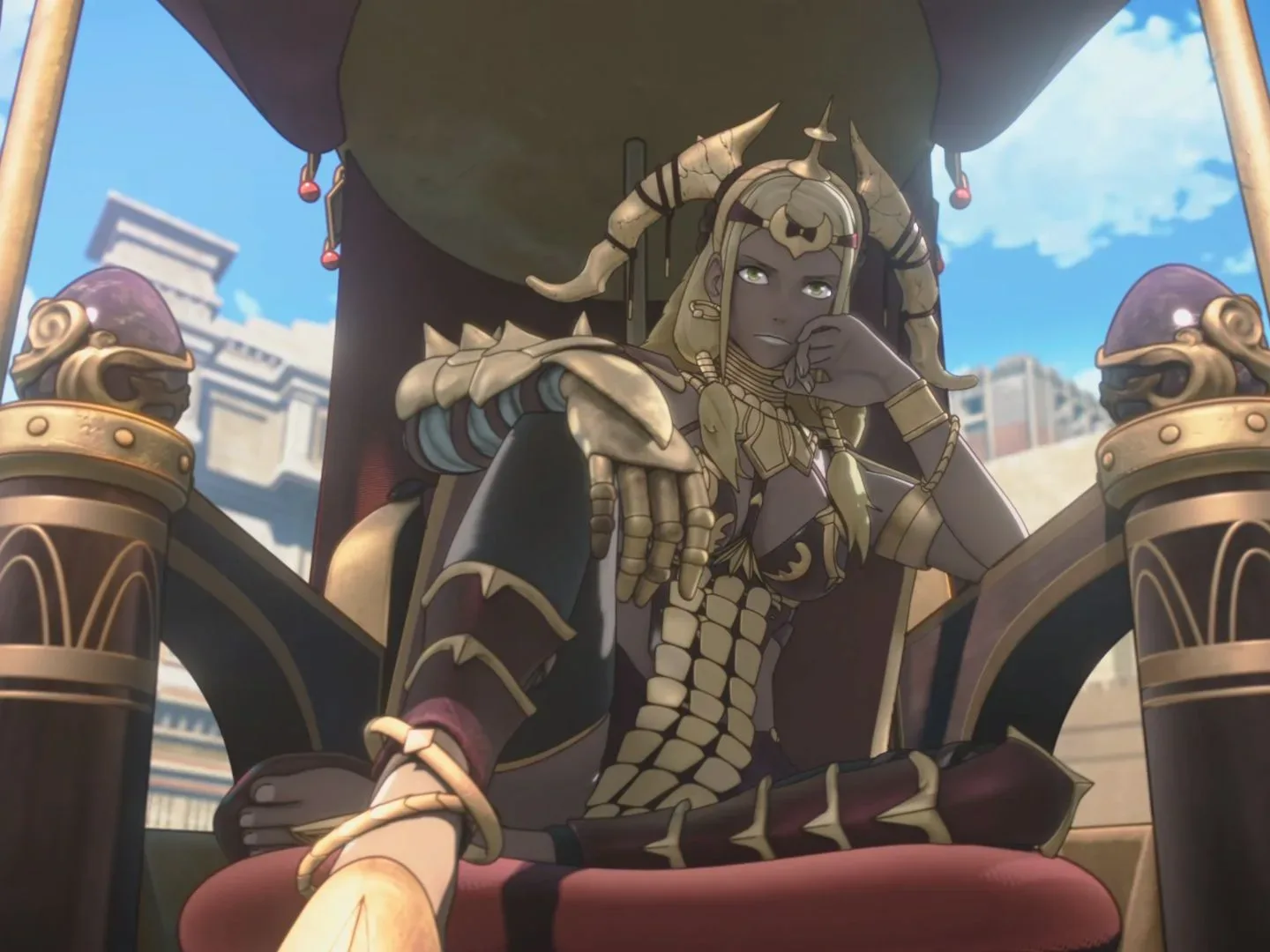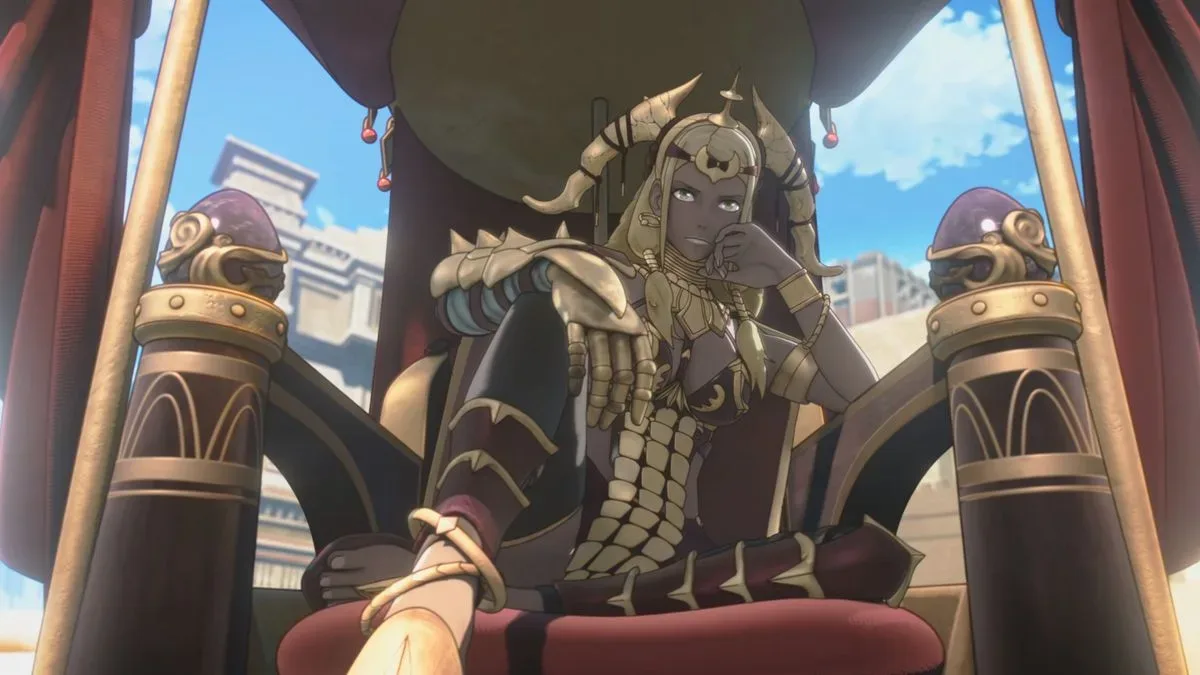
Fire Emblem: Fortune’s Weave is positioned as a big commitment on purpose. The Nintendo Switch 2-exclusive tactical RPG combines grid-based battles with character levels, classes, recruitable allies, support conversations and a story told through several protagonist routes. It is not presenting itself as a quick side trip between other releases. Even a relatively direct run to the credits is expected to take more than 60 hours, while pursuing multiple paths can extend that dramatically.
That scale will be the principal attraction for players who want a strategy game to occupy a sizable stretch of their calendar. It will also be the clearest warning for anyone hoping for a compact campaign. Fortune’s Weave appears designed around the idea that its combat systems, cast and lore become more rewarding through sustained investment rather than rapid completion.
A Three Houses follow-up focused on player flexibility
Fortune’s Weave is described as the first true sequel—or potentially prequel—to Fire Emblem: Three Houses within that continuity. Its connections matter because the new game returns to several pillars associated with that style of Fire Emblem: tactical maps, character development, party planning and interpersonal scenes alongside a dense fictional setting.
One especially important change concerns its route structure. In Three Houses, committing to a path could mean making that decision repeatedly, limiting the ability to move freely among perspectives. Fortune’s Weave instead provides a narrative basis for mechanically switching between routes. That distinction may sound structural, but it has major practical consequences for how a long RPG feels.
What a route means here: a route is a distinct protagonist perspective or narrative path. Different routes can expose different characters, events and interpretations of the same broader conflict. A traditional branching RPG may ask a player to make a choice and then live with it until a future replay. Fortune’s Weave appears to make changing perspectives part of its intended structure rather than merely a reason to start over from the beginning.
That approach could reduce a common tension in sprawling choice-driven games: the fear that choosing one storyline means losing access to another for dozens of hours. It does not mean every path will be short, nor does it make the game less demanding. Instead, it suggests that seeing more than one perspective may be useful mechanically as well as narratively.
Combat remains the center of the experience
The core activity is grid-based tactical combat. Rather than controlling one character through a continuous battlefield, players position units across map squares and make decisions about movement, attacks, skills and team composition. Every turn asks players to consider where a unit can go, which opponent should be targeted, and how the rest of the party can support the plan.
Grid-based tactical combat is a form of strategy gameplay in which location is itself a resource. A powerful unit may be less useful if it cannot reach the right space. A vulnerable character can be protected by better positioning. The composition of the party matters because individual strengths have to work together across the map. In Fortune’s Weave, that tactical layer is paired with a long-running RPG progression loop.
Classes are a key part of that loop. In role-playing games, a class generally defines a character’s combat role, possible skills or broader development direction. Combined with levels, classes give players reasons to think beyond the immediate battle: an encounter may be won today, but the choices made while building a unit can shape the party’s options later in the campaign.
The result is a game aimed at people who enjoy both halves of the tactical-RPG equation. They need to want the moment-to-moment puzzle of moving units around a battlefield, but also the longer process of building a roster, arranging a team and following the relationships among its members. Players uninterested in either layer may find the other does not compensate for it.
Recruitment and support scenes give the roster weight
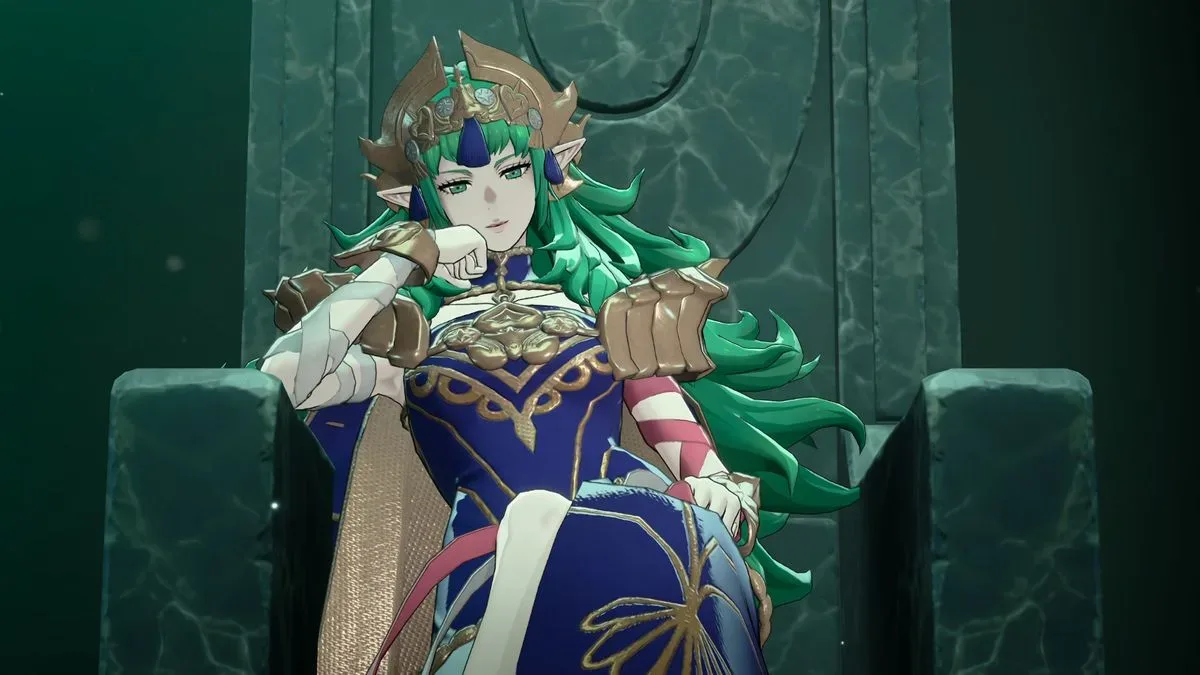
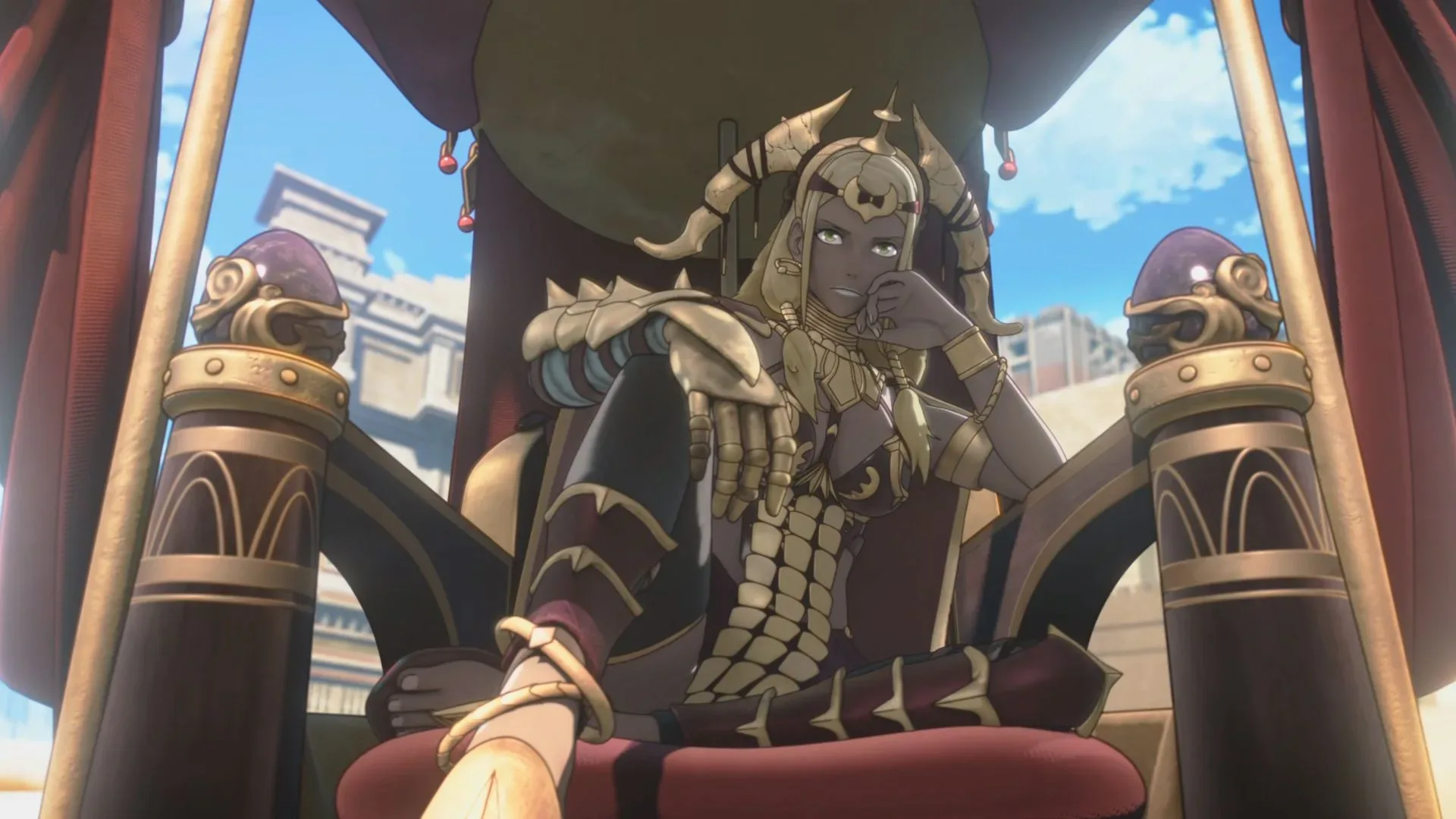
Fortune’s Weave includes many characters and a substantial number of recruitable units. A large roster can be more than a checklist in a tactics game. It creates choices about who receives attention, where roles overlap and how a team’s identity changes over time. With multiple protagonist routes in play, character recruitment also has the potential to make each perspective feel different from the last.
Support conversations are another significant element. These scenes focus on interactions among characters, complementing the battlefield side of the game with relationship-driven storytelling. For some Fire Emblem players, the appeal is precisely that contrast: they want careful tactical planning, and then they want to see the people involved talk through their conflicts, history and connections.
That combination is part of why Fortune’s Weave seems deliberately tailored to a specific audience. It is not simply asking whether players like fantasy strategy. It is asking whether they enjoy managing a team over a long period, tracking a large cast, absorbing many setting-specific names and concepts, and spending time with a story that expects them to care about several viewpoints.
The time requirement is not a footnote
The clearest expectation to set before starting is time. One playthrough is said to exceed 60 hours even with a minimal focus on reaching the ending. An early 95-hour investment had not yet reached the credits, with nearly three of the game’s four protagonist routes completed. Individual totals will naturally vary depending on routes explored and how deeply a player engages with the available systems, but the overall message is straightforward: Fortune’s Weave is a long-haul RPG.
This is useful information rather than a criticism. A lengthy game can offer satisfying continuity when its systems keep evolving and its story maintains momentum. But it also asks players to be realistic about their habits. Someone who can only play in short, irregular bursts may want to treat each session as part of an extended campaign rather than expect a quick resolution.
Players who do make that commitment should likely embrace the game on its own terms. The abundance of skills, classes, route changes and party considerations suggests that rushing exclusively toward the ending could leave much of its appeal unexplored. Conversely, players who already know they do not enjoy extended tactical campaigns should take the stated length seriously rather than assume familiarity with the Fire Emblem name will make the experience more concise.
A dense opening and a broader genre palette
Fortune’s Weave reportedly begins by throwing players into a setting full of proper nouns, references to earlier events and a notable shift from familiar fantasy toward stronger science-fiction inspiration. That tonal blend may be a welcome surprise for players eager for a more unusual continuation of the Three Houses framework. It may also make the opening harder to process for newcomers or anyone returning after a long gap.
Proper nouns in this context are the named people, places, factions, objects and historical events that establish a fictional world. They can make a setting feel specific and lived-in, but a high concentration of them at the start can be demanding. The practical takeaway is simple: players should expect an onboarding period and allow the game’s terminology to settle rather than assume every reference will be immediately clear.
The reported science-fiction influence is also notable because it broadens the expected texture of the setting beyond straightforward medieval-fantasy assumptions. The supplied information does not establish the full nature of that influence, so players should not infer particular technologies or plot details. What is clear is that Fortune’s Weave has an ambitious tonal pivot and does not appear overly interested in easing players into it.
Who should consider Fortune’s Weave?
The strongest match is the player who wants tactical combat to be the foundation of a very large RPG. Fortune’s Weave is likely to appeal to fans of turn-based positioning, long-term unit growth, team construction and stories where multiple perspectives matter. It also suits people who enjoy a mixture of combat skills, relationship scenes and deep lore.
- Play it if: you want a lengthy strategy RPG with lots of battles, character-building choices and a large recruitable cast.
- Play it if: you enjoyed the route-based ideas in Fire Emblem: Three Houses but would prefer a structure that can let you move between perspectives.
- Play it if: you are comfortable with a narrative that begins densely and asks you to keep track of its terminology.
- Consider skipping it if: you want a short, self-contained game or a broad open-world adventure rather than a map-by-map tactical campaign.
- Consider skipping it if: managing levels, classes and a roster sounds like administrative work instead of part of the fun.
For a sense of how different platform-specific game conversations can be, Joking Joystick has also covered Marvel’s Wolverine’s early PS5 sales estimate. Fortune’s Weave, however, is firmly aimed at a different kind of audience: one prepared to spend a great many hours with a tactical system rather than chase a shorter blockbuster experience.
Platform availability matters
Fire Emblem: Fortune’s Weave is available exclusively for Nintendo Switch 2. It cannot be played on the original Nintendo Switch. That is a crucial limitation for anyone who followed Three Houses on the earlier hardware and assumed the next entry would remain cross-generation.
Ultimately, the most compelling aspect of Fortune’s Weave is not merely that it is large. Its scale seems connected to a particular design promise: multiple protagonists, routes that can be swapped between, a large cast, tactical battles and a setting with enough lore to reward close attention. That makes it a notably focused recommendation. For the right player, its size is the feature. For everyone else, it is the decision point.