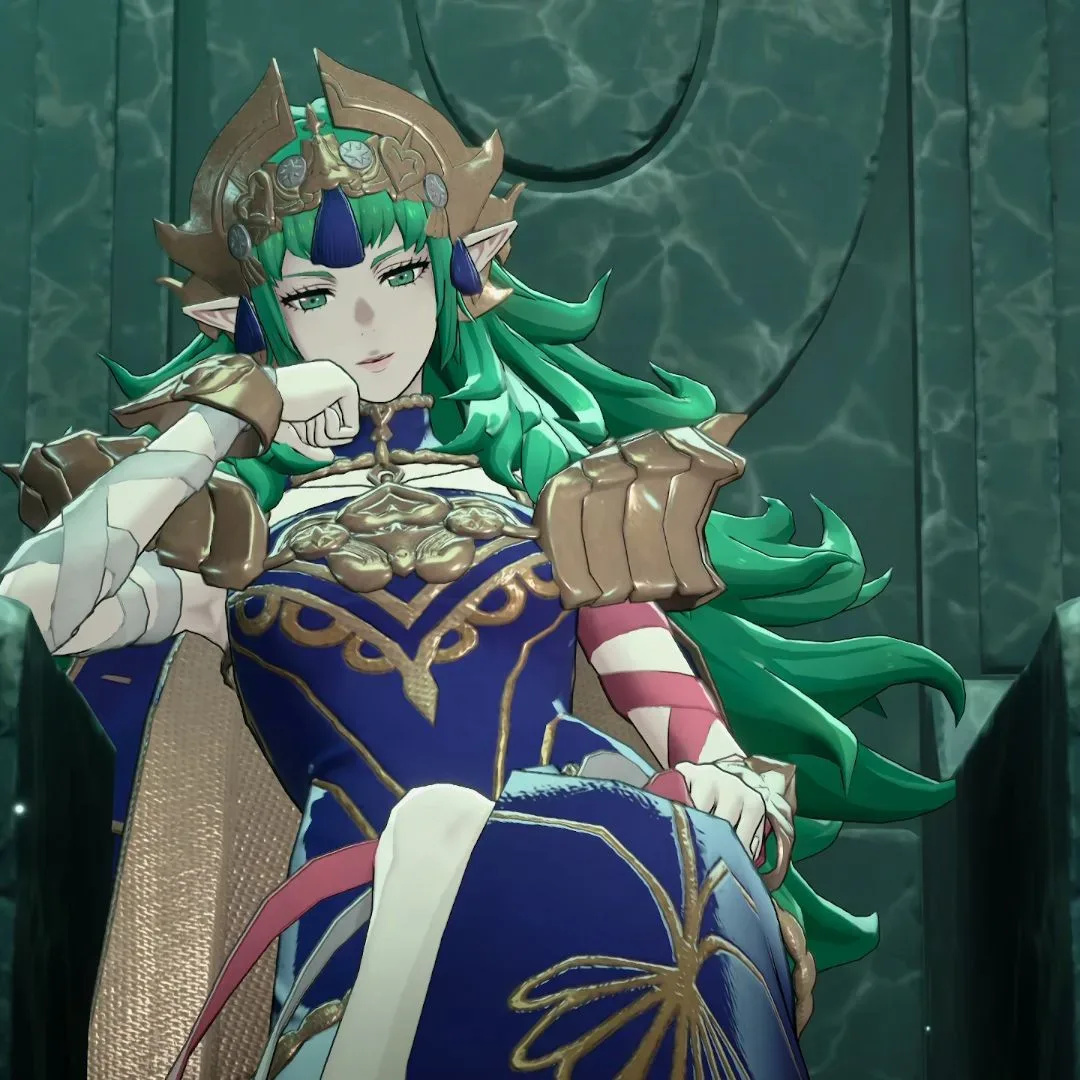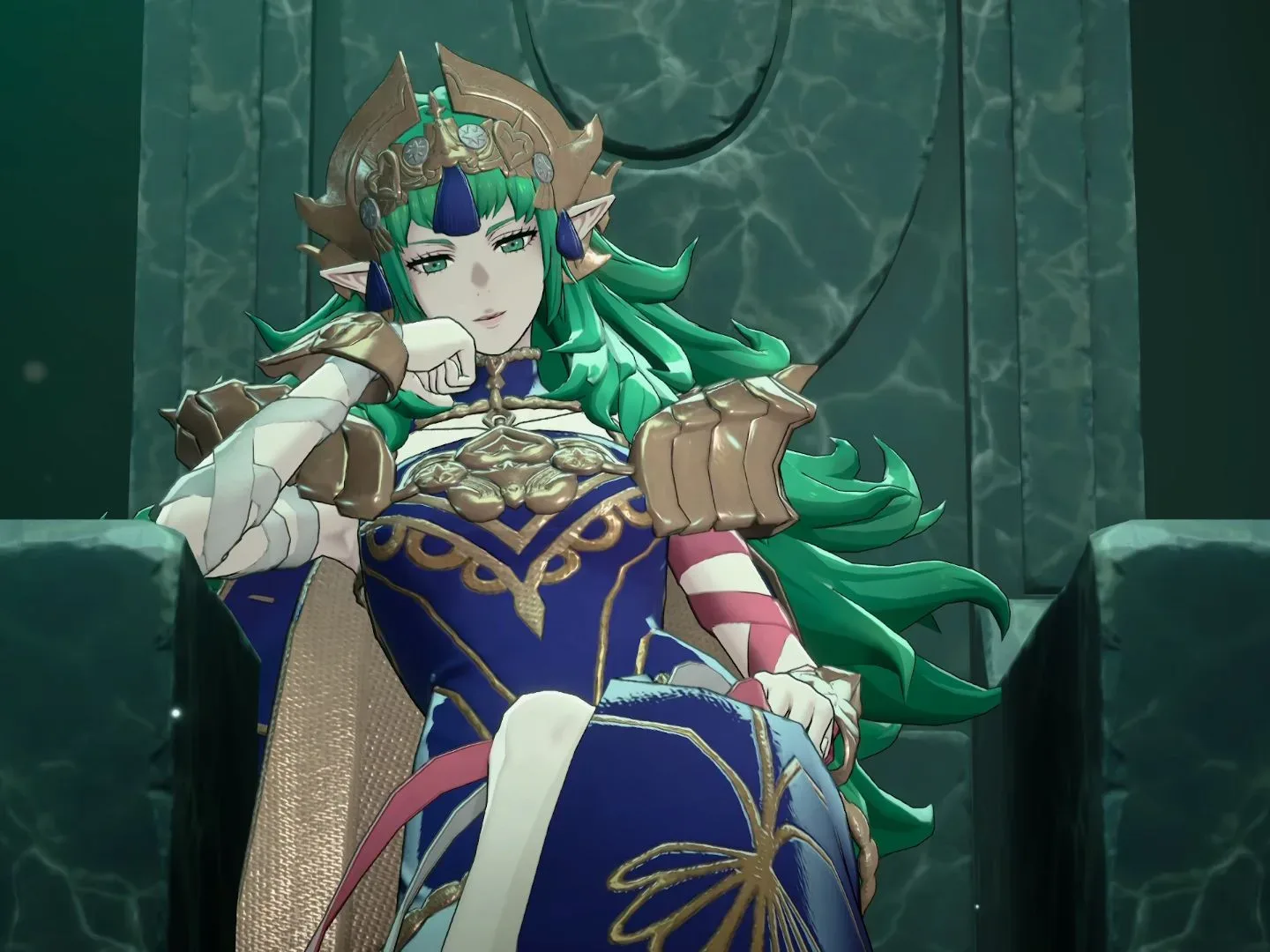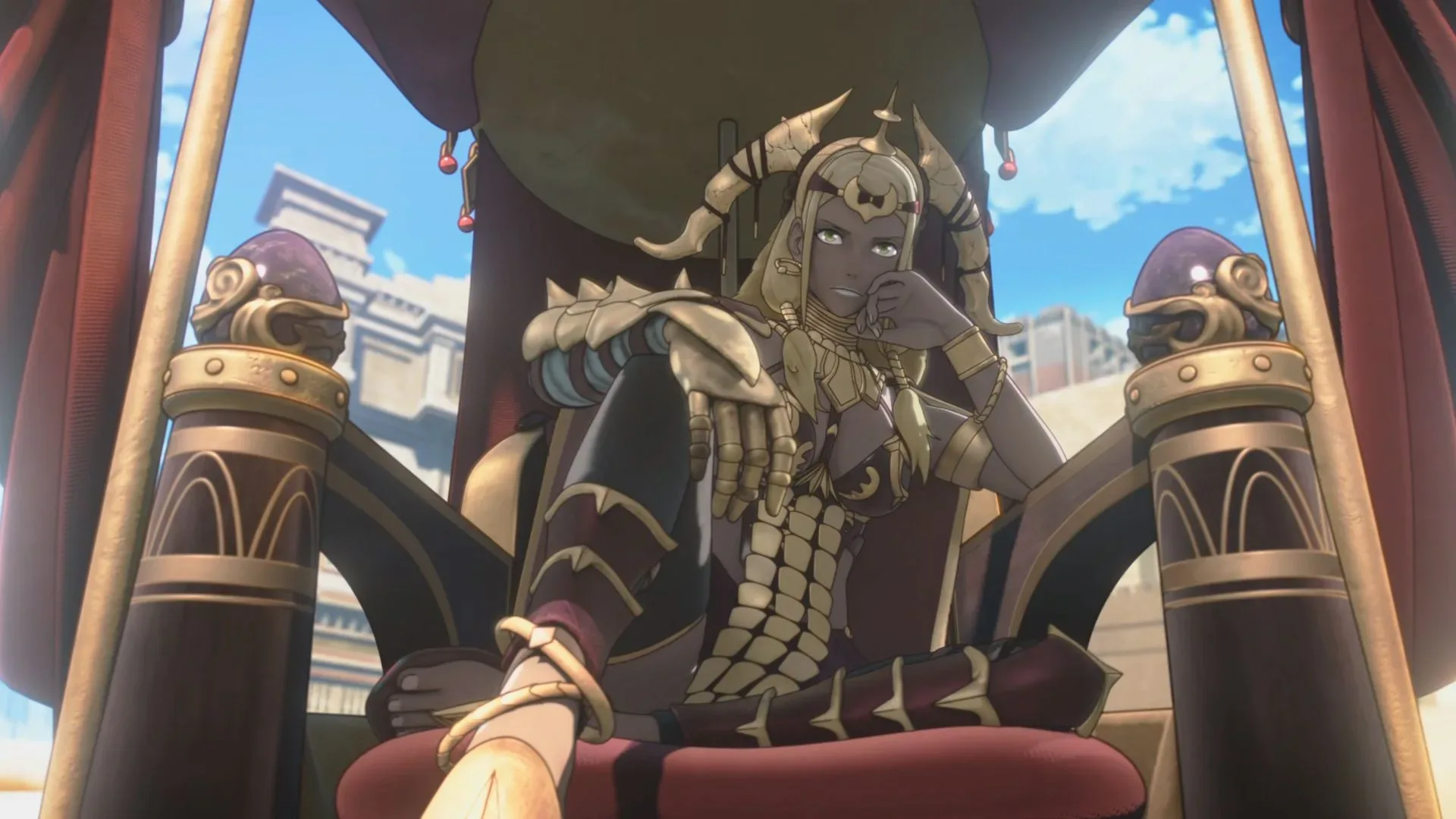
Fire Emblem: Fortune’s Weave appears to be a very large tactical RPG—but its early completion-time numbers should be treated as a hint, not a verdict. The Nintendo Switch 2 game launched on September 17, and a week later the public playtime listing has only two relevant responses. Those submissions place a main-story run with some side content somewhere between 74 and 99 hours.
That is a striking range, particularly for players trying to decide whether to begin an RPG that could occupy their spare time for weeks. Yet the most important number is not 74 or 99. It is two. A sample of two player reports is simply too small to establish a dependable typical completion time, especially in a series where individual choices, tactical habits and appetite for optional content can make a substantial difference.
Early player discussion points in the same direction without resolving the question. One player said they had already spent 50 hours with the game and still felt pressed for time. Another reported reaching 45 hours before having to stop for sleep and work. Those comments reinforce the impression that Fortune’s Weave is a major time commitment. They do not, however, tell prospective players exactly how many hours remain, what share of optional material has been completed, or whether those players are moving through the campaign at a comparable pace.
Why the current numbers are not a finish-line estimate
A playtime database is most useful after it accumulates a broad pool of reports. More submissions can reveal a middle range and make outliers easier to spot. At the moment, Fortune’s Weave has not reached that stage. The 74-to-99-hour spread is better understood as two individual outcomes rather than a consensus.
That distinction matters because “main story and side content” is not a fixed way to play an RPG. One person may pursue a selective set of optional battles or character-focused activities; another may take on nearly every readily available detour before advancing. Even when players use the same label for their playthroughs, they may be describing different levels of completion.
There is also the basic problem of timing. A game only one week past launch has had limited opportunity for players to finish a lengthy campaign, write up their results and submit them. Long games build their completion data slowly because many players are, by definition, still playing them. The lack of a settled average is therefore not evidence that a precise answer is impossible; it means the answer has not matured yet.
For now, the soundest practical reading is modest: Fortune’s Weave has early reports that run from roughly three full days of continuous play to more than four, and neither figure should be treated as a firm expectation for every player.
What “completion time” means in a tactical RPG
Completion time is the amount of time a player takes to reach a stated endpoint, usually the end of the main campaign. It is not the same thing as total content, and it is not necessarily a measure of difficulty. In a tactical role-playing game, the clock can expand for many reasons that have little to do with narrative length alone.
Related coverage includes Fire Emblem: Fortune's Weave Players Are Still Mapping Its Enormous Campaign.
- Battle planning: Turn-based tactical maps reward players who stop to examine enemy placement, objectives and possible risks before committing to a move.
- Roster management: A player may spend time comparing units, changing equipment or considering who should take part in the next encounter.
- Optional content: Side activities and extra battles can add hours even when a player does not intend to pursue exhaustive completion.
- Failure and retries: A difficult map can require a new strategy and another attempt, adding time in a way a more linear action game might not.
- Personal pace: Some players move directly from story battle to story battle, while others explore every available system or pause frequently to review dialogue and menus.
These factors make a wide early range unsurprising. They also explain why prospective players should resist using a single posted number as a promise. A 74-hour account and a 99-hour account can both be accurate descriptions of their authors’ runs while being poor predictors of another player’s.
Series context makes the long-game impression plausible
The early Fortune’s Weave reports land in familiar territory for Fire Emblem’s modern, more expansive entries. Fire Emblem: Three Houses has an average completion time of about 75 and a half hours, while Fire Emblem: Awakening sits at roughly 44 hours on average. Those comparisons do not prove Fortune’s Weave will ultimately settle at any particular figure, but they give the current estimates meaningful context.
If the existing 74-hour submission remains near the eventual center of the data, Fortune’s Weave could resemble Three Houses in scale more than Awakening. If the 99-hour result better reflects how players approach its optional material, it could become an even bigger undertaking for those who do not rush. At present, both possibilities remain open because two entries cannot show whether either run is typical.
That is why comparisons should be kept proportional. It is fair to say the early evidence suggests a long game and that the franchise has room for a long game. It is not yet fair to declare a definitive average, minimum, completionist target or ranking within the series.
How to plan a first run without waiting for a final average
Players do not need an exact, crowd-sourced total before starting. They do need to set expectations that match the uncertainty. Anyone with limited time should approach Fortune’s Weave as an ongoing RPG rather than a short campaign to clear between other releases.
- Budget for the lower reported end, then leave room above it. The currently reported 74-hour figure includes side content, so it is not a guaranteed story-only minimum. Still, it provides a clearer warning than assuming a compact campaign.
- Decide what optional content means to you. If optional battles and character material are part of the appeal, plan for the possibility that the total may move toward the upper early report rather than the lower one.
- Do not turn the clock into an objective. Tactical games invite deliberate decision-making. Rushing simply to match another person’s time can undermine the strategic part of the experience.
- Reassess once more player reports arrive. A broader set of finished playthroughs will be more useful for deciding how much campaign remains or whether to save a second run for later.
Players also should not read the current data as criticism of size by itself. A lengthy runtime can be a strength when the strategy, story and optional systems remain engaging. It can be a drawback for someone seeking a quick game. The useful question is less “is 99 hours too much?” than “what kind of commitment do I want from this RPG right now?”
A data point worth watching, not settling on
One useful comparison illustrates the narrowness of the present record: Trails in the Sky 2nd Chapter, another RPG released on September 17, had six playtime submissions at the same point. Six is still a limited sample, but it is three times Fortune’s Weave’s current count. The contrast emphasizes how early this particular record remains.
Fortune’s Weave may eventually receive a stable average that clarifies whether the first two reported runs were unusually thorough, unusually slow, unusually brisk, or broadly representative. Until then, the range is best used as a warning label for scope. Players appear to be getting deep into the campaign and still finding plenty ahead of them.
The larger point is refreshingly straightforward: public game-length trackers are not magic. Their usefulness depends on people reaching the end and reporting what they did along the way. For a newly released, apparently enormous tactical RPG, that process takes time—perhaps almost as much patience as the game itself. For another example of how release schedules around Nintendo properties can change quickly, see our report on Food Devils moving its date after an Ocarina of Time remake claimed the original slot.