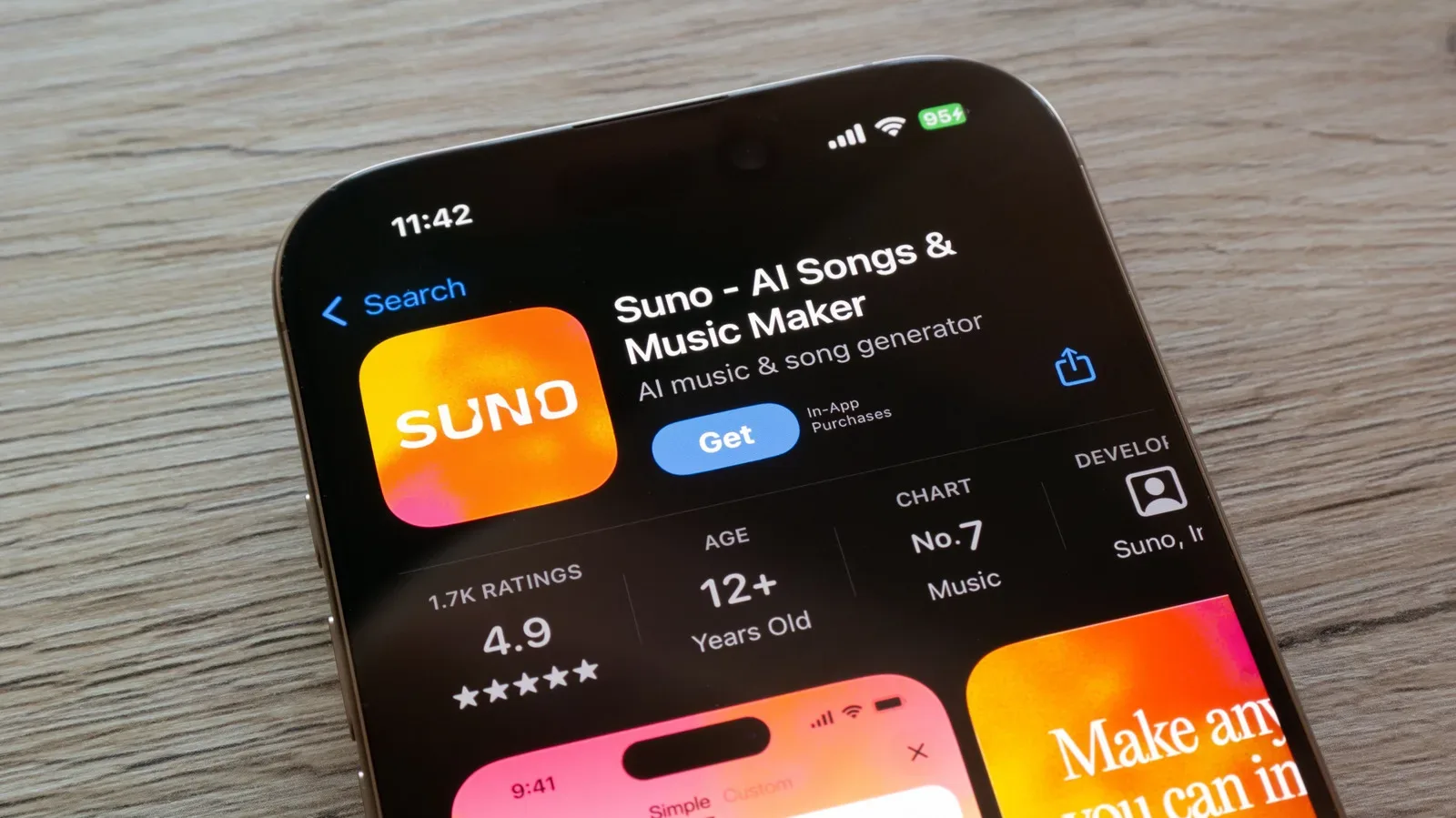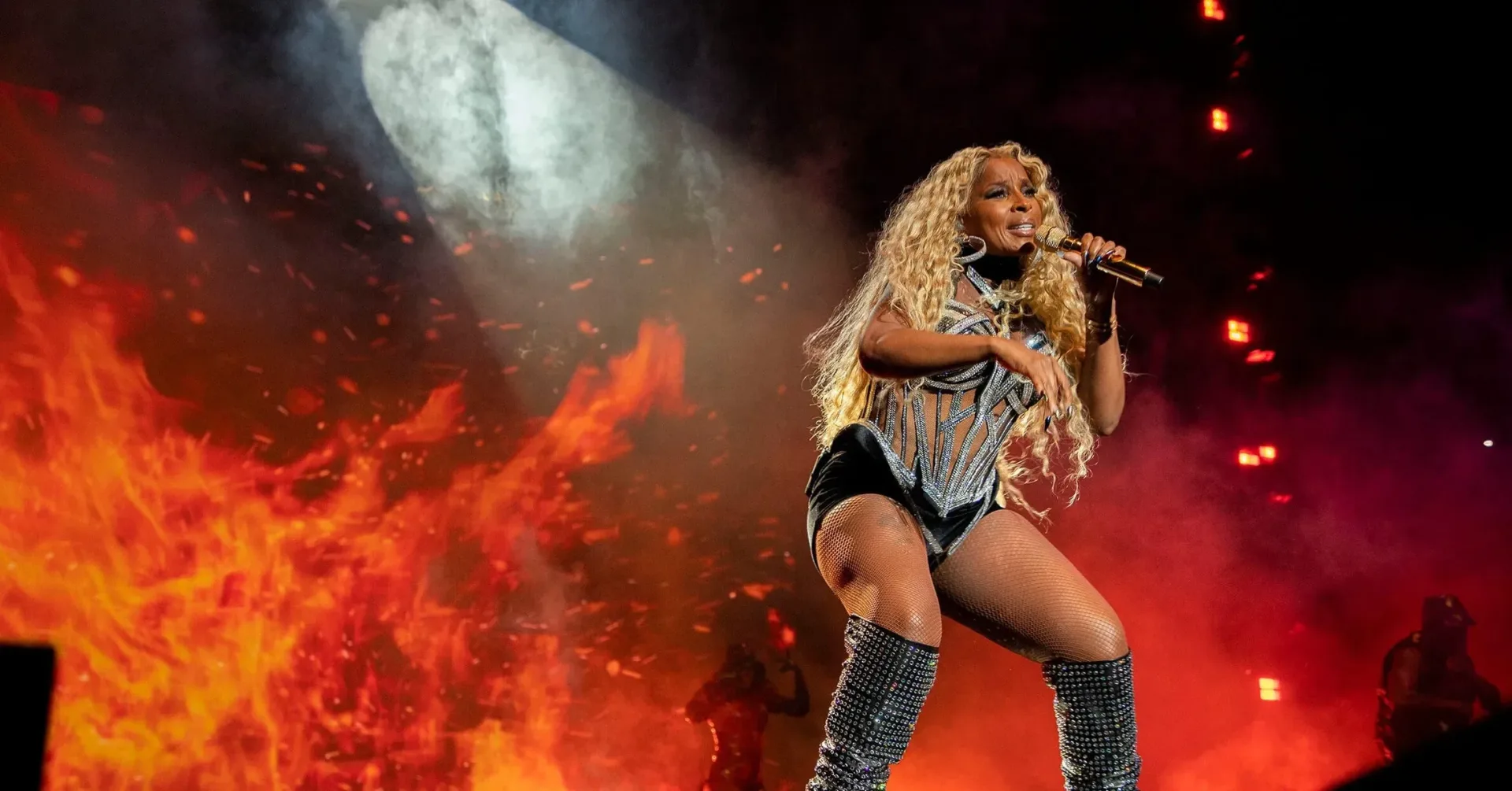
AI music platform Suno has removed an advertising campaign involving Mary J. Blige after saying it learned the deal had been made through a person falsely presenting themselves as the singer’s official representative. The company said it ended the campaign once it understood that Blige was uncomfortable with the arrangement.
The episode is a particularly stark reminder that the AI argument is not only about datasets, labels, copyright suits, and whether a machine can spit out a chorus with suspiciously enthusiastic tambourine. It is also about the plain, practical question of permission. A celebrity’s name, image, voice, reputation, and apparent endorsement are not interchangeable pieces of promotional inventory. They require clear authorization from the artist or an actually authorized team.
In the now-removed campaign video, Blige appeared to speak positively about Suno and express interest in learning more about the platform. But the company subsequently said the arrangement was not approved by her. A representative for Blige reportedly did not offer additional comment at the time.
What Suno says happened
Suno described Blige as an artist it admires and cited albums from across her career, including What’s the 411?, No More Drama, The Breakthrough, and Growing Pains. The company’s account is that it entered into a commercial agreement with someone claiming to represent Blige, then cancelled the campaign when it discovered that claim was not valid and that the performer did not want to be part of it.
That statement establishes the central known point: Suno says the campaign is over. It does not, by itself, settle every obvious question surrounding the situation, including how the purported representation was verified before the campaign appeared, what the full scope of the agreement was, or whether Blige will address the matter directly later. With no further public comment from her actual representative reported, those particulars remain uncertain.
Still, the removal matters. In a space where artists routinely fear being swept into tech marketing without meaningful control, withdrawing the material is a necessary response—not a magic undo button, but a meaningful acknowledgement that the endorsement should not continue.
Why this lands differently in the AI music fight
Celebrity promotions are built on trust. The audience is meant to see a familiar artist and infer that the person has looked at a product, agreed to stand near it, and decided the association makes sense. In music, that inference carries even more weight: performers do not merely lend visibility; they bring years of taste, labor, audience goodwill, and cultural history.
Mary J. Blige’s career has made her one of the most recognizable voices in modern R&B and hip-hop soul. Putting her next to an AI music company inevitably reads as more than a routine ad placement. It can look like a statement about what kind of creative tools deserve artists’ support, and whose work should shape the next phase of music technology.
That makes authenticated consent essential. The advertising question here is separate from the broader legal and ethical disputes around AI-generated music, but it slots directly into them. If creators are already concerned about their songs, voices, writing styles, and cultural contributions being used without adequate agency, an unauthorized campaign can feel like the promotional version of the same anxiety: someone else deciding how an artist’s identity will be used.
Games have their own version of this tension whenever familiar faces, streamers, athletes, or licensors appear in campaigns. The lesson is not mysterious, even if the paperwork often is: verify the chain of authority before publishing. A campaign can be slick, expensive, and apparently ready for the big patch notes, but none of that replaces confirmation from the person who has the right to say yes.
SZA’s criticism puts culture and ownership at the center
The Blige campaign issue arrives amid wider criticism of Suno and the rapidly growing AI music business. SZA has publicly condemned what she described as efforts to train AI using the work of Black writers and producers, framing the issue around the disproportionate influence Black artists have had on popular music and the lack of sufficient protection for the people behind that influence.
Her point is not a side quest. Questions of authorship and compensation are inseparable from questions about whose music becomes training material, whose artistic innovations are treated as raw input, and who gets to profit from a model’s output. AI systems are often discussed in broad, frictionless terms—efficiency, experimentation, access, scale—but music is made within histories of exploitation as well as invention. A system that absorbs creative work without transparent permissions or fair terms can reproduce old patterns under a much newer interface.
That does not mean every use of AI in music is identical. Artists may use software to sketch demos, shift arrangements, explore sound design, or create playful experiments. The meaningful dividing lines are consent, disclosure, control, credit, and compensation. An artist choosing a tool for their own process is fundamentally different from a company drawing on artists’ work or public identities without a clear and verifiable agreement.
The same distinction appears throughout creative technology. In games, AI-assisted production discussions range from tools used internally by teams to generative systems that may raise questions about training material, labor, and attribution. Even games that make AI the subject of a joke or conflict can surface real workplace unease; our look at a recent indie roundup featuring a cat taking on office AI shows how quickly the technology has become familiar storytelling terrain.
Label investment makes the landscape more complicated
The controversy also unfolds while major music companies are exploring their own AI investments. Universal Music Group, Warner, and Sony have put substantial money into Stability AI with the aim of developing generative models connected to their catalogs. That development makes the debate more complicated than a clean artist-versus-technology narrative.
Labels oversee valuable catalogs and may see AI as a way to participate in, license, or steer a technology they cannot ignore. Artists, writers, producers, and audiences may reasonably ask who controls those decisions, how rights are cleared, whether agreements cover emerging uses, and how any resulting value flows back to the people whose work is involved. Investment alone does not answer those questions; it intensifies them.
For consumers, the practical problem is that a polished campaign can make every relationship look settled when it may not be. A recognizable artist in an ad can signal endorsement. A major company’s investment can signal legitimacy. Neither image tells the public everything about consent, contractual scope, compensation, or the provenance of training data.
The basic standard should not be controversial
There is a temptingly futuristic quality to AI conversations. They can become so occupied with imagined capabilities that the ordinary duties of doing business get treated like background scenery. This situation pulls the focus back to basics. Before using an artist in a campaign, companies need a dependable process for confirming that the person negotiating truly has authority. Before audiences read a promotion as a musician’s stamp of approval, they should be able to trust that the endorsement is real.
Suno’s removal of the Blige campaign is therefore the immediate development, while the larger story is the pressure being placed on every company operating around generative music. Technical ambition does not erase the need for permission. A platform can talk about expanding creative access, but it has to demonstrate care for the creators whose names, works, and cultural standing give that conversation its stakes.
For now, the verified public picture is narrow: Blige did not approve the advertisement, Suno says it was misled by a purported representative, and the campaign has been terminated. Whether the artist offers a fuller response, or whether the incident produces clearer safeguards for future partnerships, remains to be seen. In an industry increasingly eager to automate the soundtrack, the least automated part may be the one that matters most: making sure the human being involved actually agreed.